
Can Certain Dog Breeds Be Truly Dangerous?
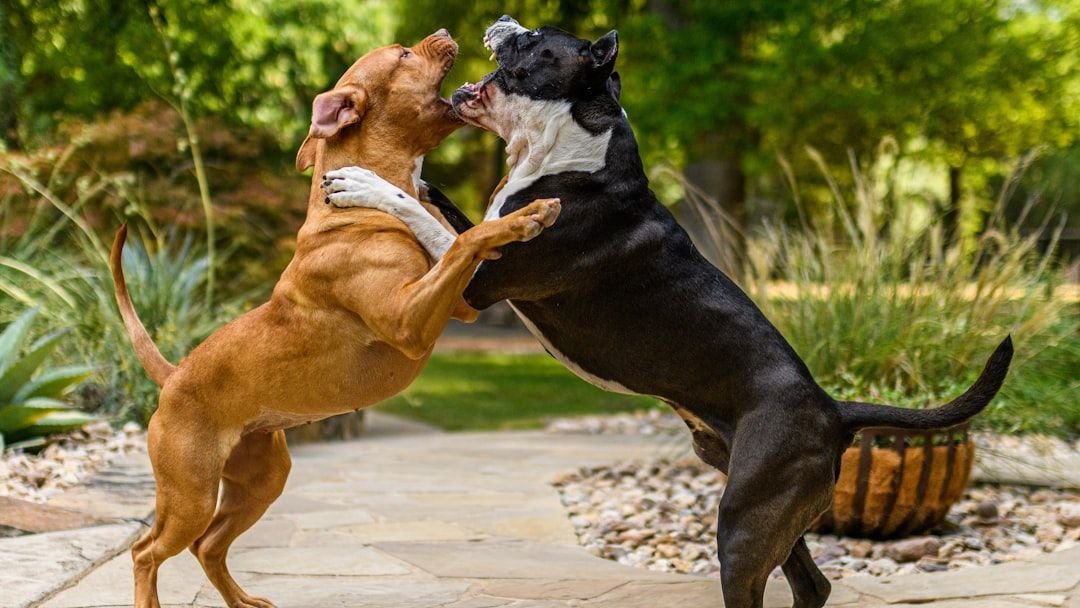
You’ve probably heard the stories. A certain breed makes headlines after an attack, and suddenly an entire group of dogs gets labeled dangerous. Before we jump into breed names and bite statistics, let’s be honest about something. This conversation is complicated, emotional, and full of myths that need untangling.
There’s no simple yes or no answer here, and anyone who tells you otherwise isn’t being truthful. Dogs are living, breathing individuals shaped by genetics, environment, and the humans who care for them. So let’s dive into what science actually tells us about canine aggression and whether certain breeds truly pose more risk than others.
The Genetics Question: Are Some Dogs Hardwired for Aggression?
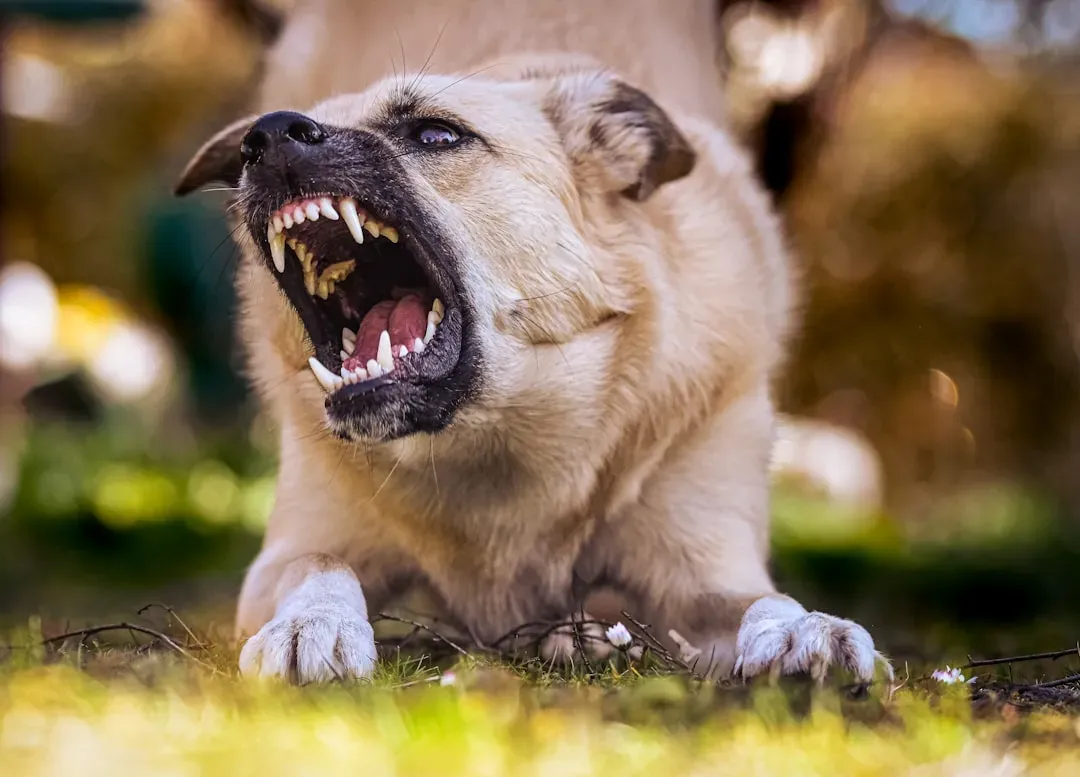
Let’s get straight to it. Do certain breeds carry genetic traits that make them more prone to aggression? The answer isn’t as clear cut as you’d think. A questionnaire-based survey revealed that breeds perceived as aggressive are less aggressive than expected, while mixed-breeds tend to exhibit more aggression.
Here’s the thing though. Selective breeding does matter. Due to their innate protective instincts, guarding breeds, traditionally bred to protect property and livestock, exhibit more aggressive behaviour. If we bred dogs for centuries to protect flocks from wolves or to guard estates, some of those instincts stick around. That doesn’t mean every German Shepherd or Rottweiler will bite, but it means they might need more careful handling than a breed developed solely for companionship.
Surprisingly, The research indicated that breeds frequently subjected to societal stigma and negative media representation as “potentially aggressive” did not demonstrate the highest levels of aggression towards humans or other animals. Those “dangerous” breeds you hear about? They often don’t top the actual aggression charts. The disconnect between reputation and reality is massive, and it matters.
What the Bite Statistics Actually Tell Us
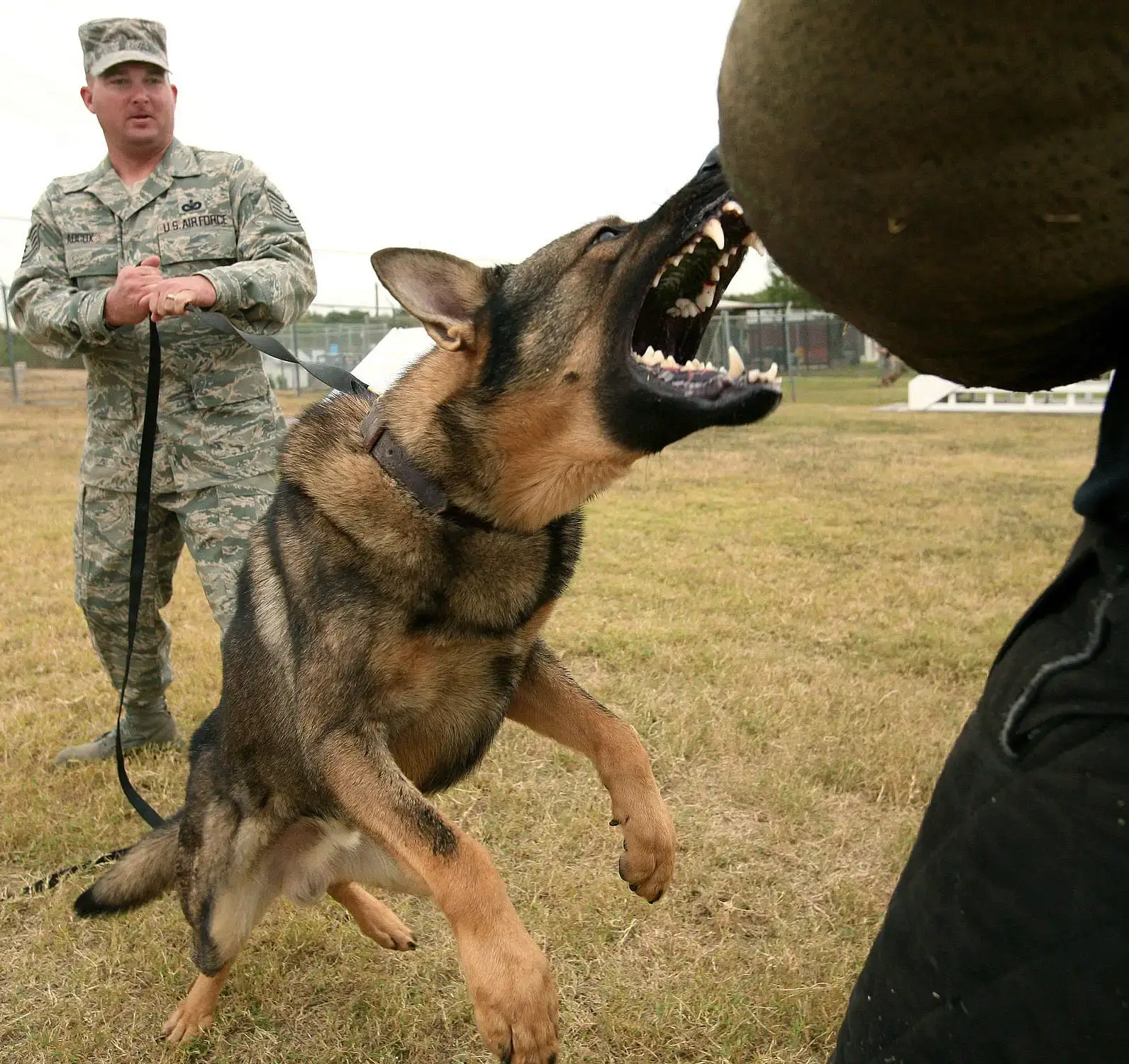
Statistics can be tricky, especially when we’re talking about dog bites. Yes, certain breeds do appear more frequently in serious bite incident reports. The most recent data indicates that Pit Bulls are responsible for the majority of fatalities, with 346 fatal attacks, making them the deadliest breed. That’s a sobering number that can’t be ignored.
But hold on. There’s serious reporting bias at play. The biggest issue is reporting bias. A bite from a German Shepherd that requires stitches will be officially recorded, while a nip from a Chihuahua that doesn’t need medical care often goes unreported. Smaller dogs bite frequently, sometimes more often than larger breeds, but their bites don’t land them in hospital databases.
A University of Pennsylvania study of 6,000 dog owners found that small breeds like Dachshunds and Jack Russell Terriers showed higher rates of aggression than many feared breeds. Size matters when it comes to damage potential, not necessarily aggression levels. A Chihuahua with attitude might snap at strangers constantly, but a single bite from a powerful breed can be catastrophic.
What Really Drives Canine Aggression

If breed alone doesn’t predict danger, what does? The factors are surprisingly human centered. Several factors increased the probability of aggressive behaviour toward people: older age, being male, fearfulness, small body size, lack of conspecific company, and being the owner’s first dog.
Pain plays a huge role too. Pain, thyroid problems, illnesses, and hormonal imbalances can cause an otherwise friendly dog to be cranky or display aggression. Your sweet dog might snap if they’re hurting and you don’t realize it. That’s not breed specific, that’s universal canine behavior.
Risk factors, across all breeds, which tend to correlate with canine aggression include failure to neuter or spay, breeding and raising a specific dog for elevated aggression, abuse and neglect and inadequate training or supervision. Unaltered males are 2.6 times more likely to bite than neutered dogs and are involved in roughly 75% of reported bite incidents. Environment and human choices create dangerous dogs far more often than genetics alone.
Recognizing the Warning Signs Before Trouble Starts
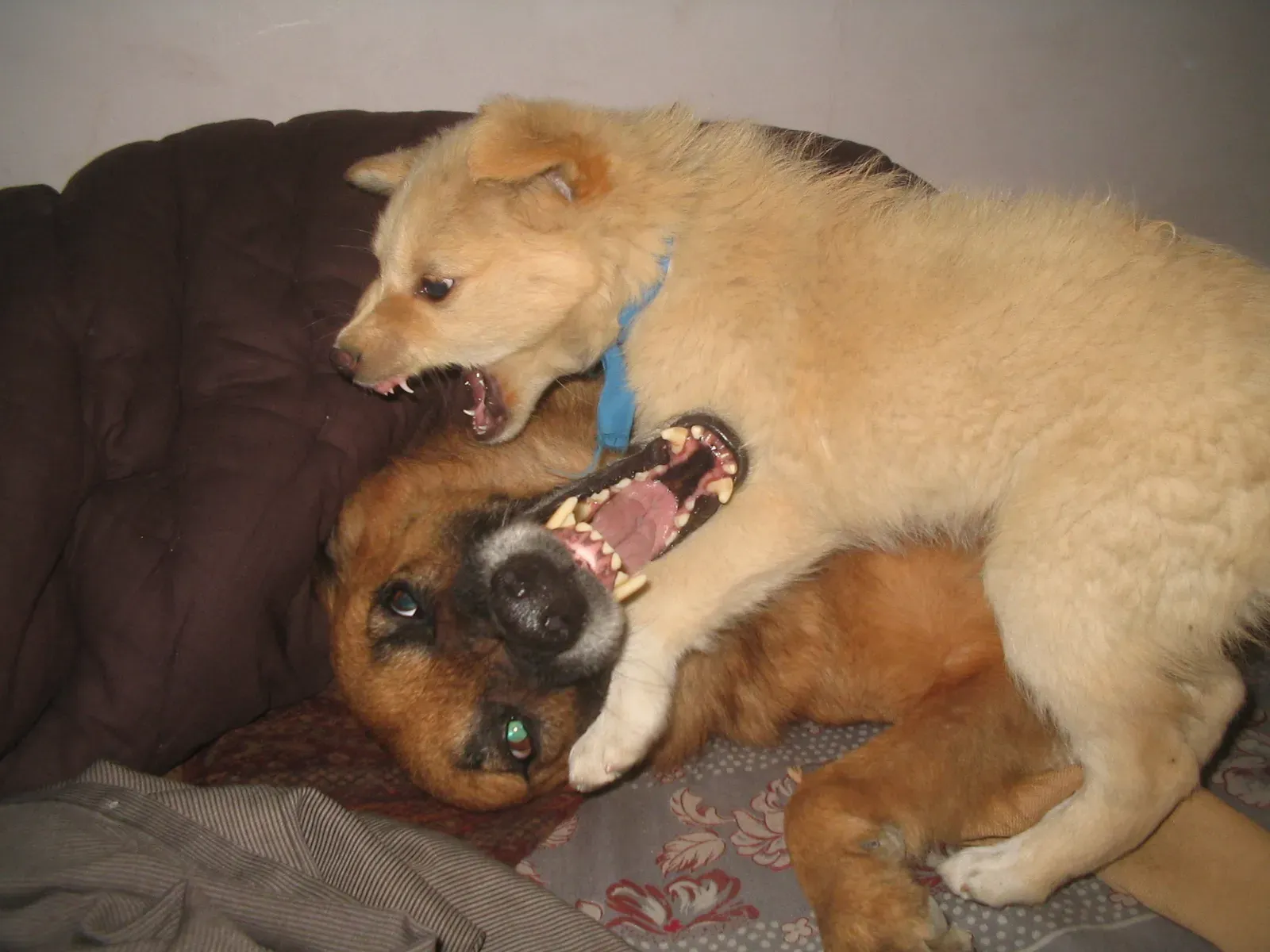
Most dogs don’t bite out of nowhere, even though it might seem that way. They communicate discomfort through subtle signals that humans often miss. Warning signs leading up to a bite can include pupils dilating, hackles raising, ears going back, and lip licking.
An aggressive dog may try to make themselves look bigger. Their ears may be up and forward, the fur on their back and tail may stand on end or puff out, and their tail may be straight up – it may even wag. They may have a stiff, straight-legged stance and be moving toward or staring directly at what they think is an approaching threat. That stiff body posture is a neon sign saying back off.
Fear- or anxiety-related aggression is perhaps the most common form of aggression in dogs. Scared dogs are often the ones who bite, and fear doesn’t discriminate by breed. Your job as a dog owner is learning to read those signals and giving your dog space when they need it. No breed is exempt from experiencing fear.
Prevention: The Real Solution Nobody Talks About Enough
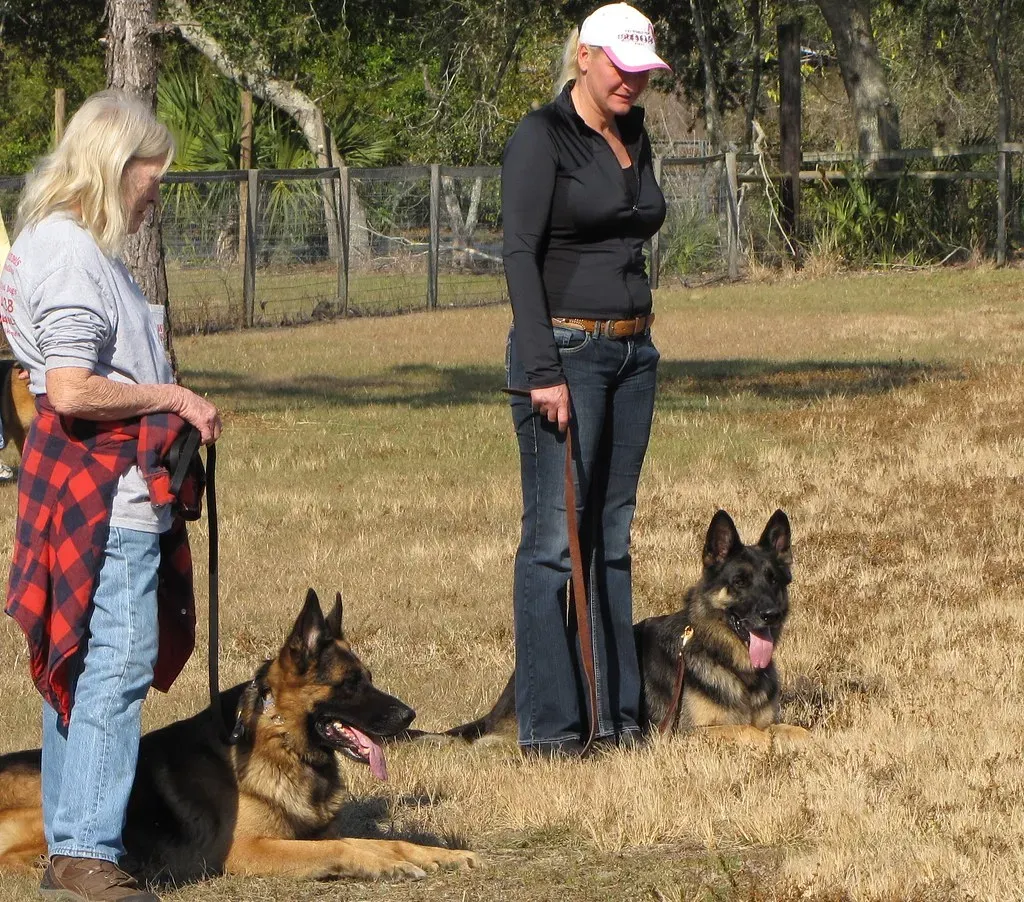
Here’s where things get practical. Many of these bites could be prevented through responsible dog ownership, including proper training and socialization of dogs. Early socialization isn’t optional, it’s essential. Puppies between 8 and 16 weeks are in what we behavior experts call their “critical socialization” period, when puppies are most open to new experiences. Thoughtfully exposing them to a variety of people, sounds, and places during this time can make a huge difference in their lifelong behavior.
Training matters too, regardless of breed. At a minimum, all dogs should be trained in basic obedience commands such as sit, stay, come, and heel. These commands not only help owners maintain control of their dogs in public, but they can also be crucial in defusing potentially dangerous situations. A well trained Rottweiler is safer than an untrained Golden Retriever.
A law intended to address issues surrounding dangerous dogs will be most effective when it focuses on the risk factors associated with aggressive canine propensities rather than breed. That’s the bottom line. Focus on behavior, training, and responsible ownership, not on what a dog looks like.
Conclusion

So, The honest answer is nuanced. Size, strength, and certain genetic predispositions do exist. Some breeds were developed for protection and possess powerful builds that can cause serious harm if something goes wrong. Those facts matter.
Yet The American Veterinary Medical Association (AVMA), the Centers for Disease Control and Prevention (CDC), and numerous scientific studies have determined that a dog’s breed does not determine aggression, bite strength, or its propensity to bite. Individual dogs are shaped far more by how they’re raised, trained, and treated than by their breed label alone.
The real danger isn’t in specific breeds, it’s in irresponsible ownership, lack of socialization, missed warning signs, and society’s obsession with quick fixes like breed bans instead of addressing root causes. Every dog deserves an owner who understands their needs and respects their communication. Every person deserves communities that promote responsible ownership and education over fear.
What’s your take on this? Have you witnessed the gap between breed reputation and reality firsthand? The conversation continues, and your voice matters.