
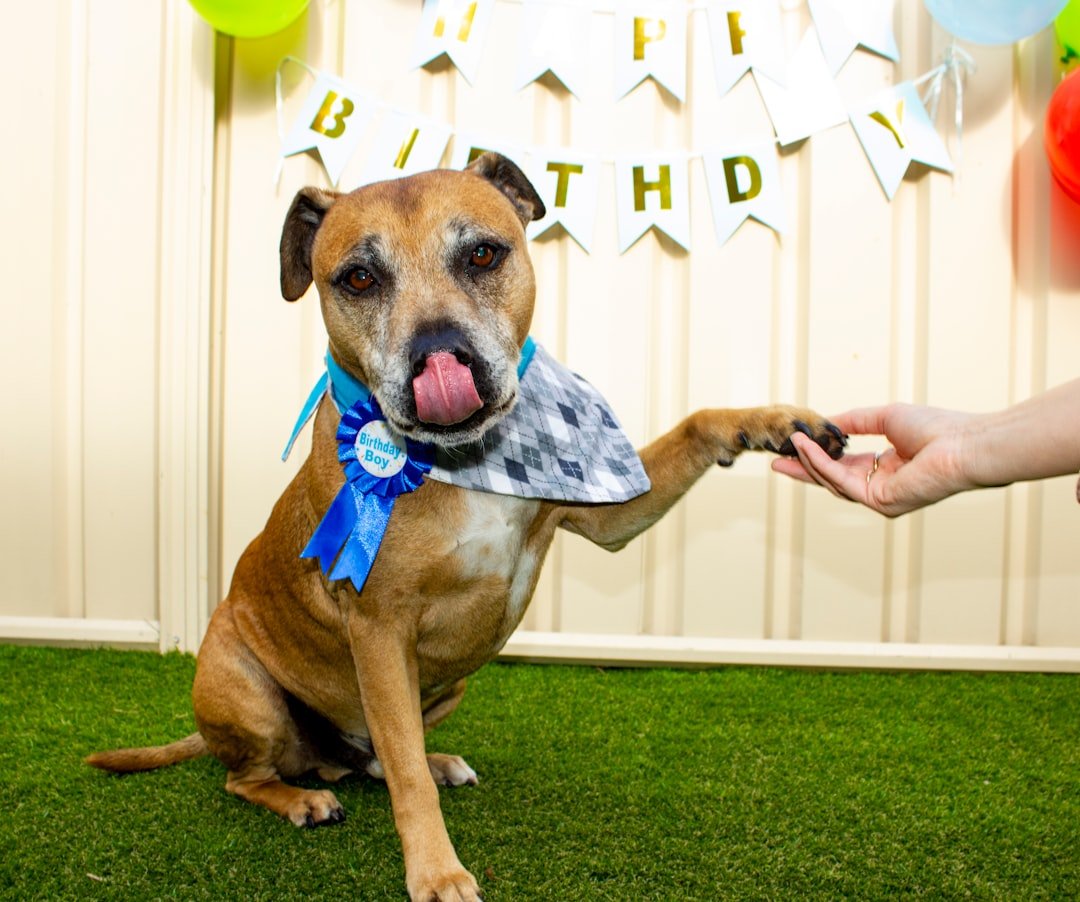
Dog owners often grow concerned when their pets develop a relentless paw-licking habit that disrupts daily life and leaves skin irritated.
Primary Culprits Fueling the Habit
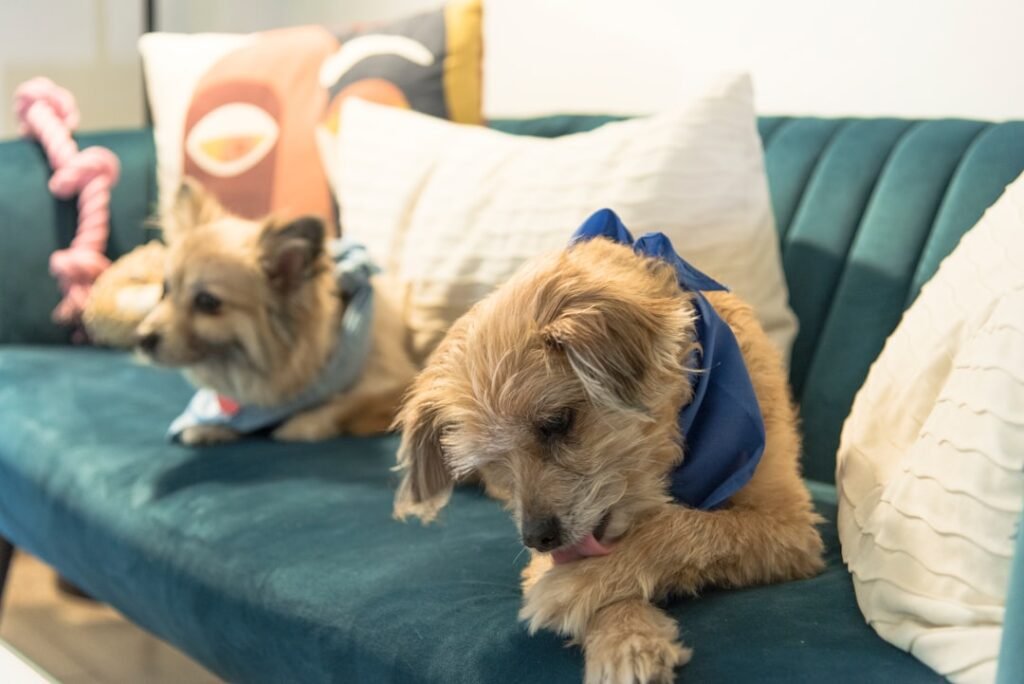
Allergies rank among the top triggers for excessive paw licking, as environmental factors like pollen, grass, or food ingredients spark intense itching.[1][2] Dogs respond by licking to soothe the discomfort, but this action worsens irritation over time. Parasites such as fleas or ticks also provoke this response, drawing attention to affected areas.[2]
Injuries play a significant role too, from minor cuts and thorns to stings or burns that prompt self-cleaning efforts.[3] Infections, including bacterial or yeast overgrowth fueled by moisture from licking, create a vicious cycle. Dry, cracked paw pads from harsh weather exacerbate the issue, while underlying pain from arthritis leads some dogs to focus on paws as a coping mechanism.[4]
- Allergies (environmental or food-related)
- Parasites like fleas and mites
- Injuries or foreign objects
- Skin infections (yeast or bacterial)
- Dry or cracked pads
- Joint pain such as arthritis
Behavioral Factors at Play
Beyond physical causes, anxiety and boredom drive compulsive licking in many dogs, manifesting as a self-soothing ritual similar to human nail-biting.[5][6] Stress from separation, loud noises, or routine changes intensifies this behavior, often targeting paws or wrists. What starts as mild comfort can evolve into lick granulomas – thickened, hairless sores from nonstop attention.
Owners report heightened licking at night or when alone, pointing to emotional roots.[7] Addressing these requires environmental tweaks alongside medical checks to rule out combined triggers. Early recognition prevents escalation into chronic issues.
Effective Strategies to Interrupt the Cycle
Start with prevention by wiping paws after walks to remove allergens and debris, using unscented wipes or a damp cloth.[8] Booties or an Elizabethan collar (cone) physically blocks access during flare-ups. For boredom, introduce puzzle toys, longer walks, or chew items to redirect energy.[9]
Home remedies like oatmeal soaks or diluted apple cider vinegar rinses offer relief for mild irritation, but consult a vet first to avoid worsening infections.[10] Omega-3 supplements support skin health and reduce inflammation in allergy-prone dogs.[11] Tailor approaches to the root cause for lasting results.
| Cause | Quick Remedy |
|---|---|
| Allergies | Wipe paws; consider hypoallergenic diet |
| Anxiety | Puzzle toys; calming aids |
| Infection | Vet-prescribed topical treatment |
Red Flags Signaling a Vet Visit
Seek professional care if licking persists despite home efforts, accompanied by redness, hair loss, swelling, limping, or open sores.[11] These signs indicate infections, deep injuries, or untreated allergies requiring tests like skin scrapes or bloodwork. Obsessive behavior interfering with eating, walking, or play demands urgent attention to prevent complications like chronic wounds.
Veterinarians diagnose through exams and may prescribe anti-inflammatories, antibiotics, or allergy meds such as Apoquel.[12] Early intervention often resolves issues swiftly, sparing dogs prolonged discomfort.
Key Takeaways
- Identify causes early: allergies and anxiety top the list.
- Use barriers like cones and clean paws routinely.
- Consult a vet for redness, wounds, or nonstop licking.
Excessive paw licking rarely resolves on its own and signals a call to action for healthier, happier dogs. Monitor your pet closely and act promptly to restore comfort – what steps have you tried? Share in the comments.


