
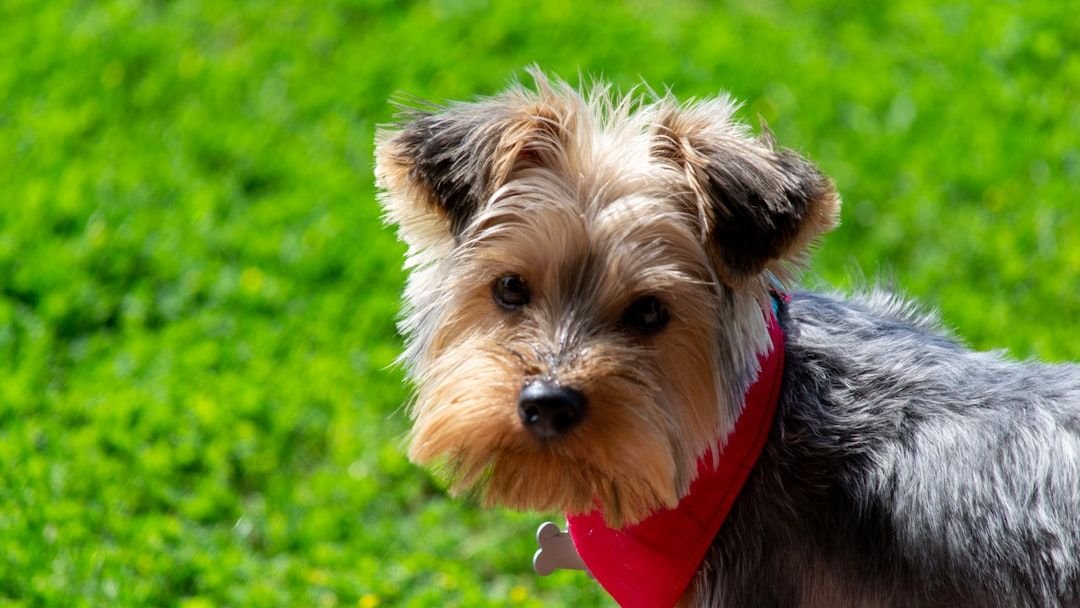
You know that moment when you walk through the door and your dog erupts in joyful noise? Or maybe you’re one of those lucky souls who gets greeted by a quiet gaze and a gentle tail wag. Either way, your dog is showing you love. The truth is, canine affection isn’t one size fits all. Some dogs wear their hearts on their vocal cords, while others prefer to express their devotion in hushed, almost meditative ways.
Understanding how your dog communicates can transform your relationship. It’s not just about whether they bark or stay silent. It’s about recognizing that their love language is as unique as they are. So let’s dive in and explore the breeds that announce their affection to the entire neighborhood, and those who reserve their tenderness for quieter moments.
1. Beagle: The Melodic Announcer
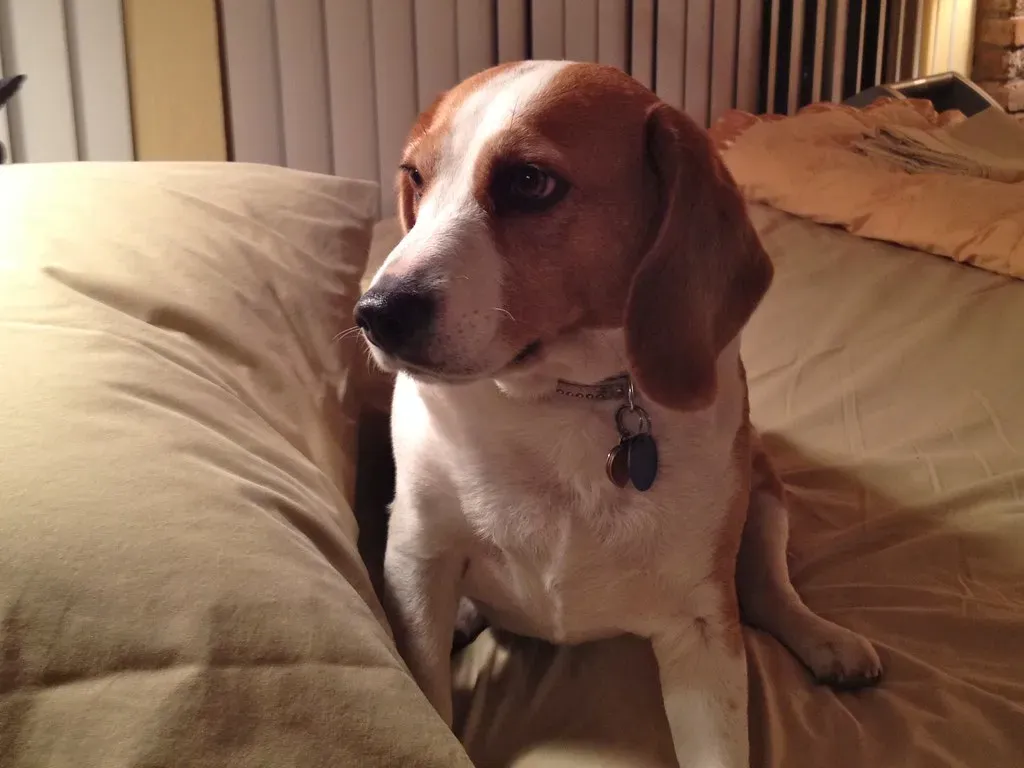
Beagles are famous for their loud “bay” that is often heard when they’re tracking or excited, a vocalization deeply ingrained in their hunting instincts. If you’ve ever lived with a Beagle, you know they don’t just bark. They howl, they bay, and they make absolutely certain that everyone within a three-block radius knows they exist.
These scent hounds also bark to express their excitement or dissatisfaction. When your Beagle catches a whiff of something interesting on a walk or feels bored at home, you’ll definitely hear about it. Their vocal nature is charming to some and challenging to others, but there’s no denying it comes from a place of pure enthusiasm for life.
2. Siberian Husky: The Talkative Performer
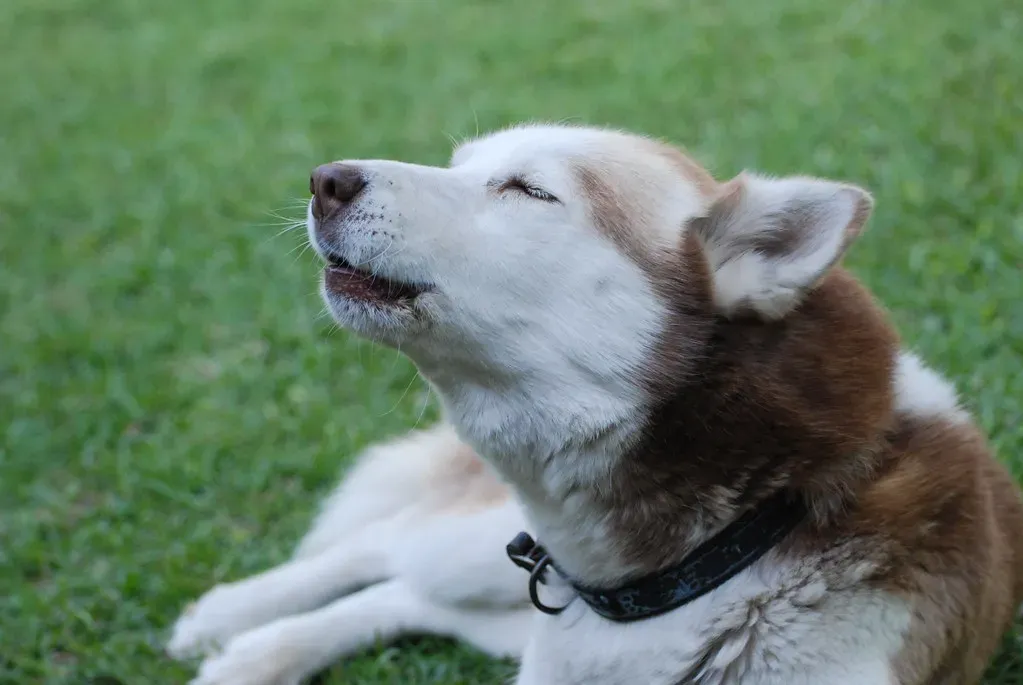
Huskies aren’t just vocal. They’re practically conversationalists. Siberian Huskies can’t stay silent and can always be seen expressing their wide range of emotions with howls, whines, chirps, and boisterous barks. Honestly, if dogs could win Oscars for dramatic performances, Huskies would sweep the awards every year.
These dogs were bred to pull sleds across frozen terrain, and their vocalizations are a way to communicate with their pack, though they’re not constant barkers, they love to howl and can be quite noisy when left alone or feeling restless. They’ll “talk” back to you during conversations, debate your decisions, and sing along to sirens. Living with a Husky means accepting that silence is not part of the deal.
3. Chihuahua: The Mighty Voice
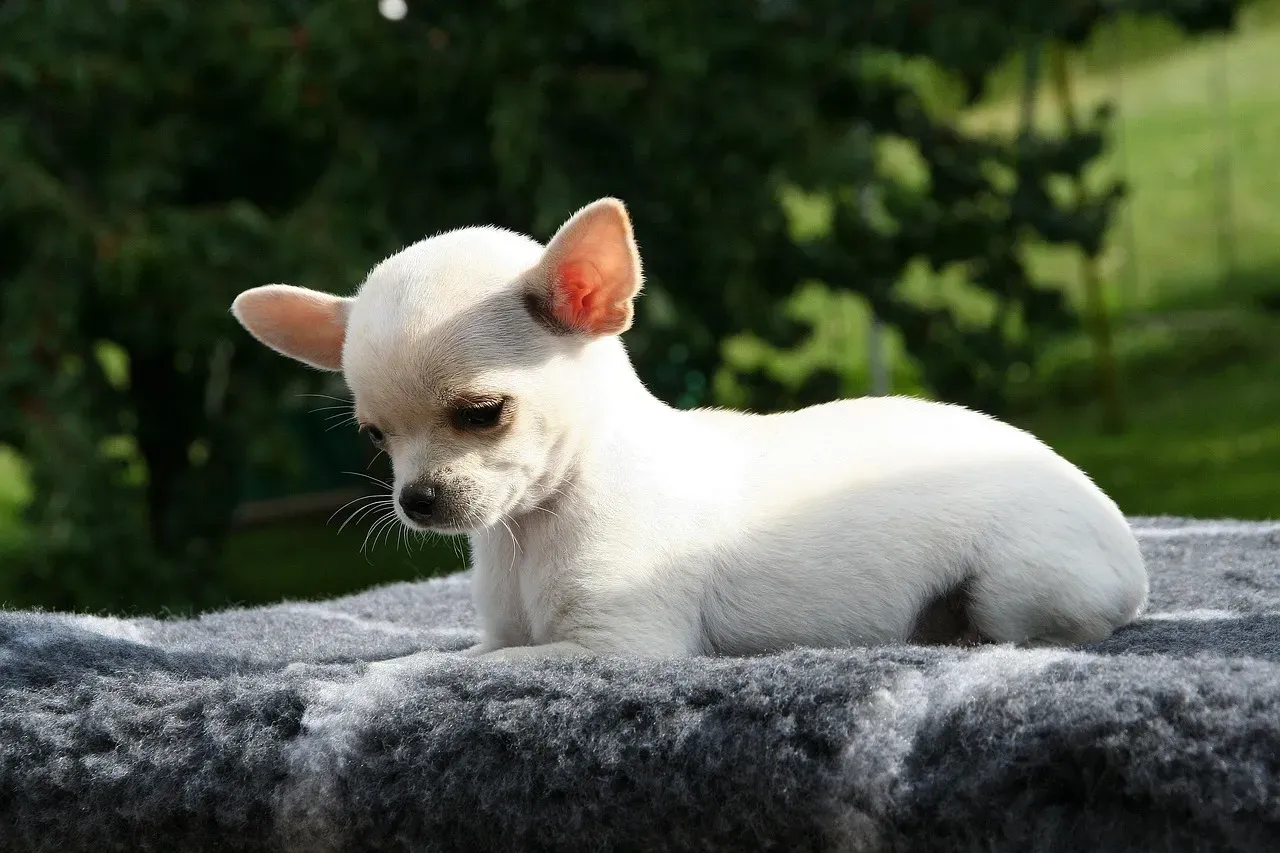
Chihuahuas may be small, but their bark is mighty, and this toy breed is fiercely loyal and loves to use their voice to express excitement or demand attention, whether they’re whining, growling, barking, or howling. These tiny dogs have no idea they’re tiny, which is part of their undeniable charm.
Their barking often serves as both an alarm system and an attention-getting strategy. Small breeds like Chihuahuas often make excellent watchdogs by alerting you to perceived dangers, and being vocal can become a strategy they’ve learned gets them attention, sometimes barking because they feel anxious or vulnerable due to their small size. If you want a pocket-sized companion with a big personality and an even bigger voice, a Chihuahua might be your perfect match.
4. German Shepherd: The Protective Communicator
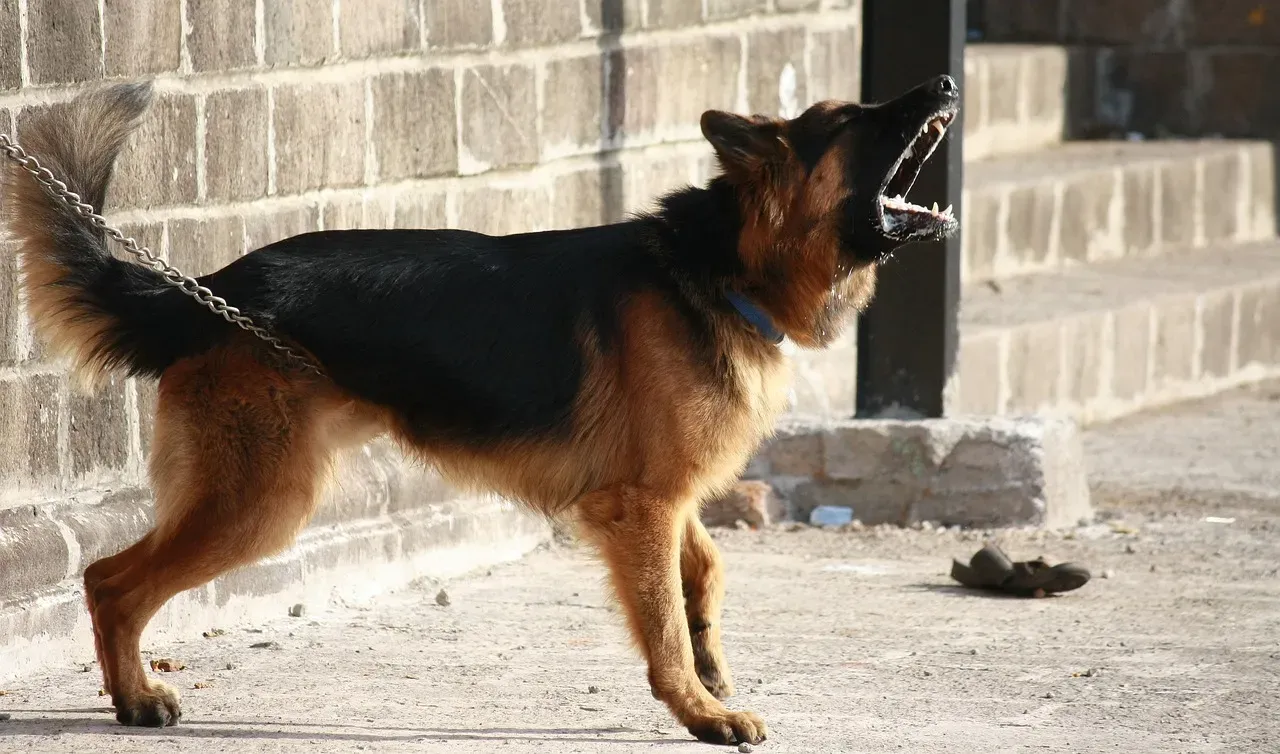
German Shepherds, bred to guard and herd livestock, are extremely talkative and communicate by barking, whimpering, grumbling, or whining. Their vocalizations aren’t random noise. They’re purposeful expressions meant to alert, protect, or interact with their human family.
German Shepherds are generally more expressive and have a very distinctive loud bark, with a long history of working alongside humans, assisting in herding livestock and for protection. When a German Shepherd barks, you listen. Their intelligence combined with their protective instincts makes them exceptional working dogs, but it also means they’re going to tell you exactly what’s happening in their world at all times.
5. Dachshund: The Fearless Announcer
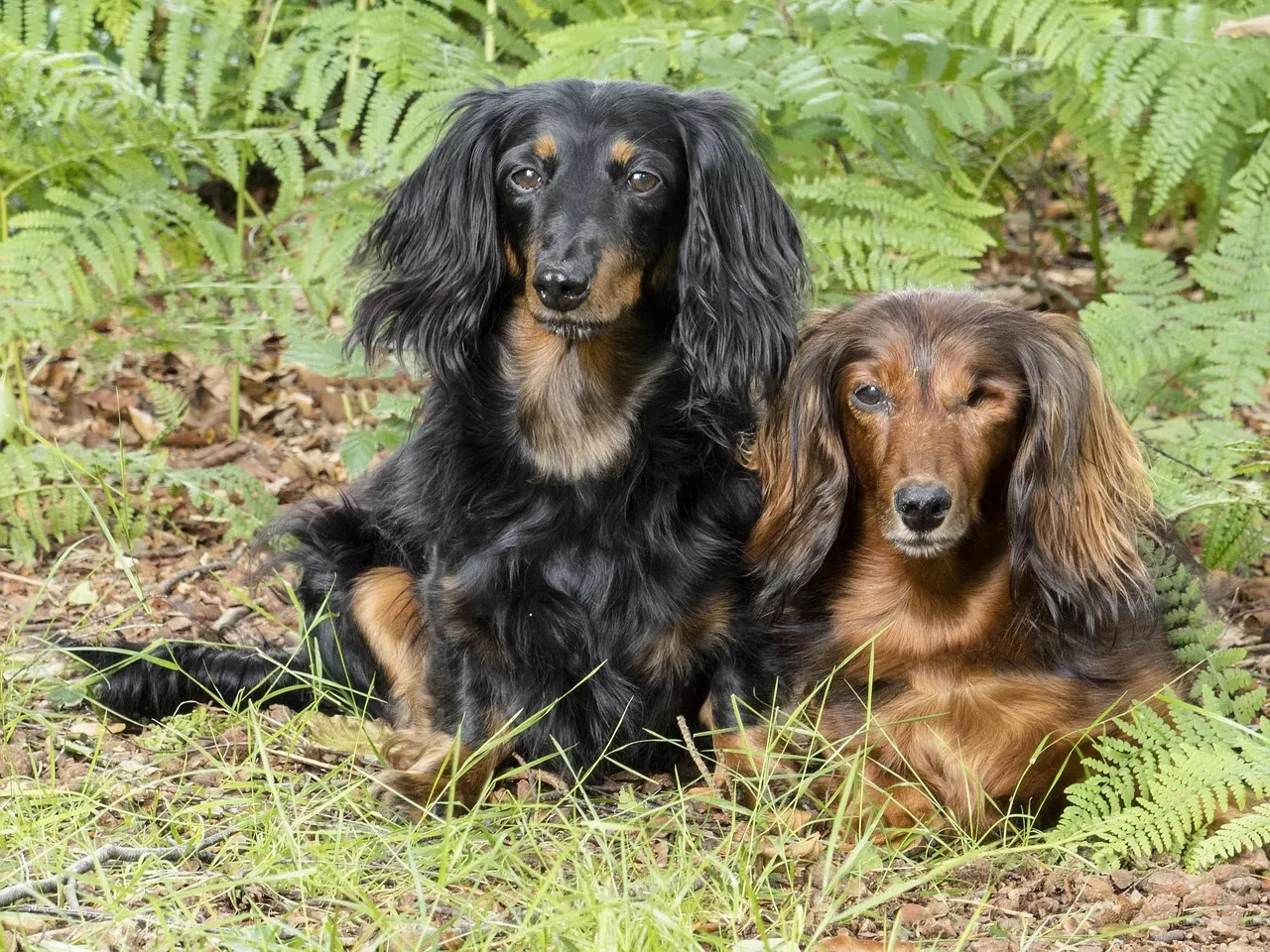
Dachshunds were bred to hunt small game like badgers, and they are naturally vocal when they sense something, with barking that can be loud and high-pitched at anything unfamiliar to them. These low-riding dogs have the heart of a lion and the vocal cords to match.
Don’t let their adorable sausage shape fool you. Dachshunds love to bark, and their barks are often persistent and sharp. They take their self-appointed role as household guardian very seriously. Whether it’s a leaf blowing past the window or an actual visitor at the door, your Dachshund will make sure you’re fully informed.
6. Jack Russell Terrier: The Energetic Barker
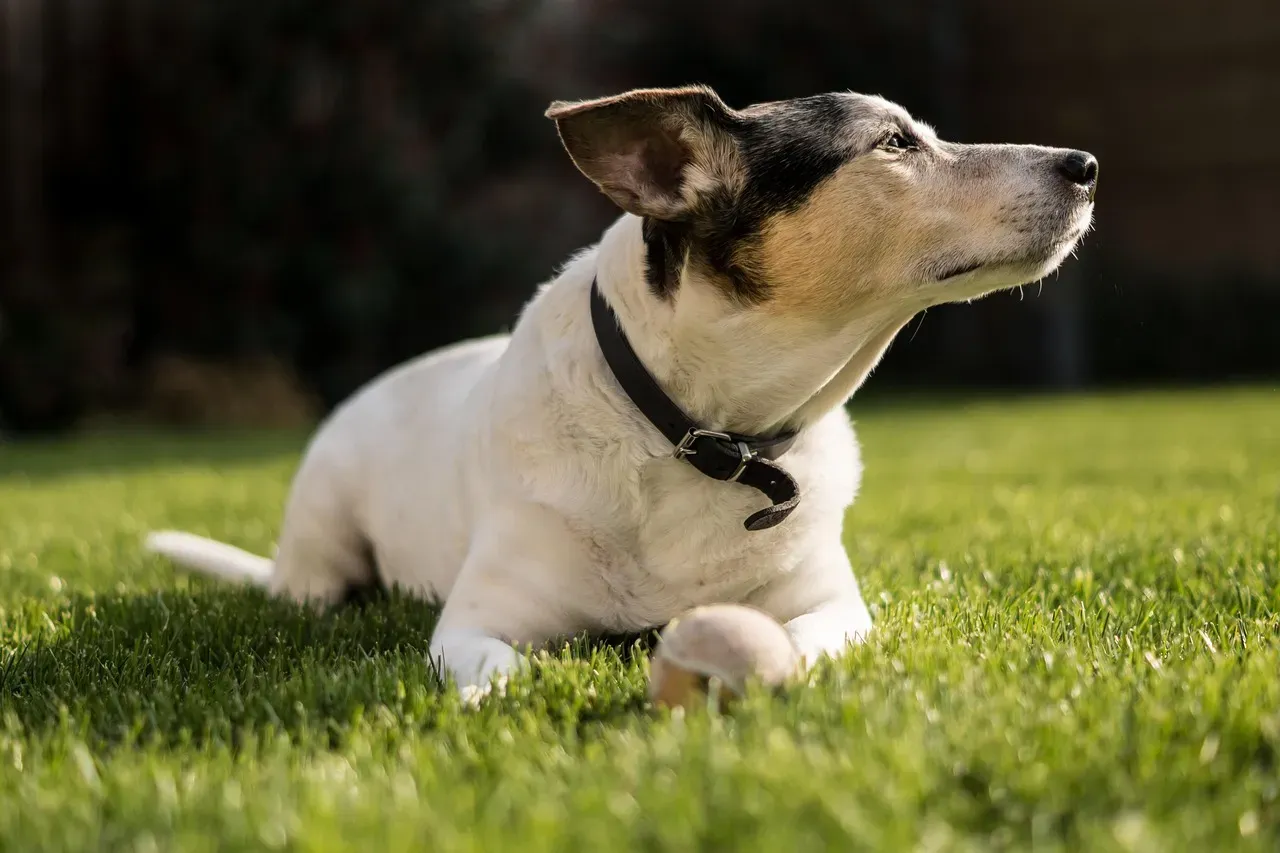
Jack Russells are small but pack a big personality, often barking to express excitement or get attention, and they were bred for hunting, which means they are highly energetic and vocal. These compact terriers are bursting with energy and opinions they’re eager to share.
Without proper stimulation, they can get into the habit of barking excessively, and their barking can be very persistent, especially if they’re bored. If you’re considering a Jack Russell, be prepared to provide plenty of physical activity and mental challenges. A tired Jack Russell is a slightly quieter Jack Russell.
7. Yorkshire Terrier: The Bold Little Barker
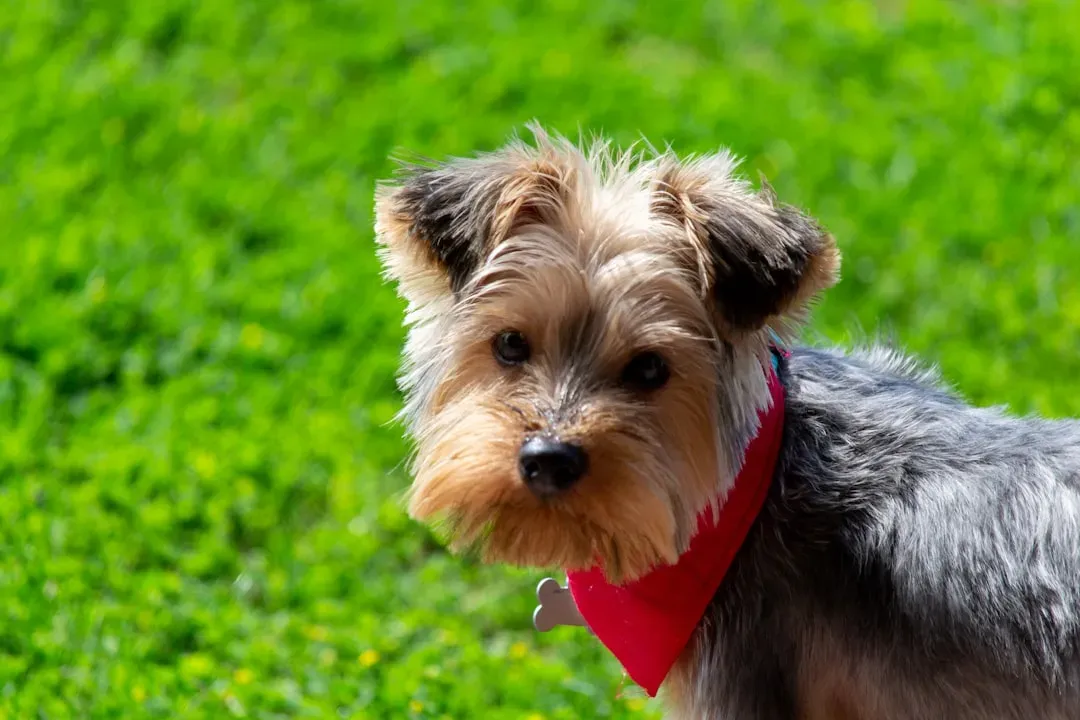
Yorkshire Terriers, or simply “Yorkies,” are playful, brave, and assertive dogs who were originally bred to hunt in 19th century England, and are considered to be “quite the barky pups” who crave companionship and will bark and whine to get their person’s attention. These silky-coated companions don’t understand the concept of inside voices.
Their small size doesn’t diminish their confidence or their volume. Yorkies will alert you to everything from the mailman to a butterfly outside the window. They’re protective, devoted, and wonderfully expressive through their vocalizations. Training and socialization from puppyhood can help manage the barking without silencing their spirited personality.
8. Pomeranian: The Fluffy Attention Seeker
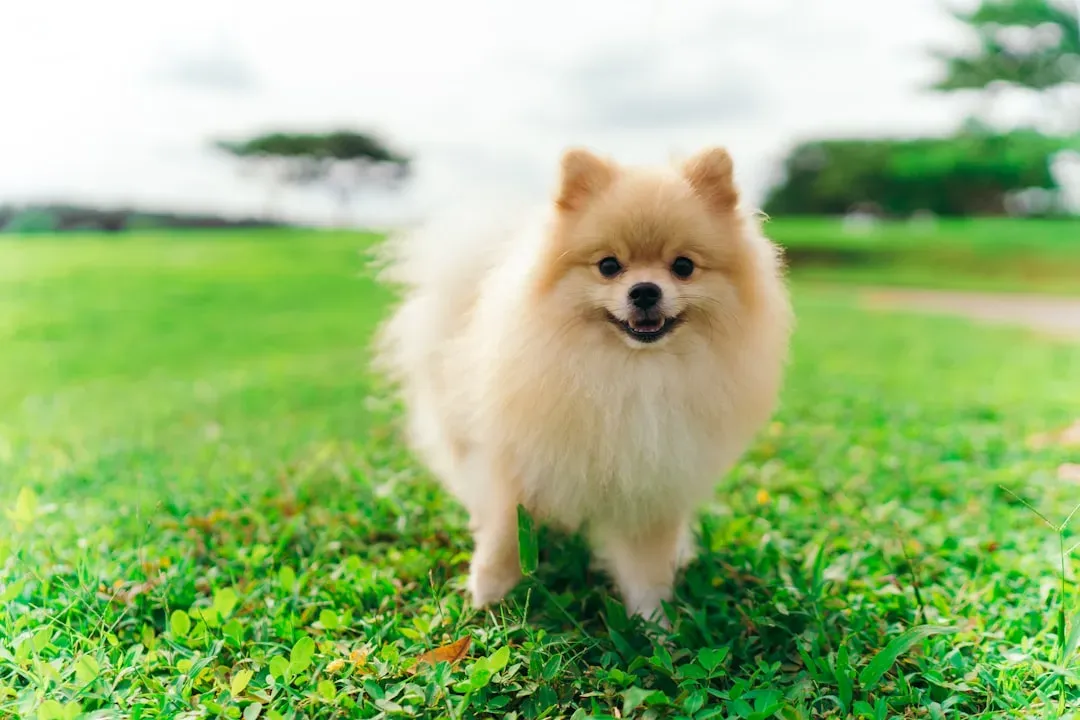
Energetic, affectionate, sassy, and vocal, the Pomeranian is the epitome of a small dog with a big personality. These puffballs of joy are not shy about making their presence known in any situation.
Pomeranians, tiny though they are, certainly don’t hold back when it comes to barking, and are normally very alert and tend to vocalize quite a bit, especially if excited or anxious. They’re always eager to tell you their opinion, whether you asked for it or not. Their enthusiasm for life spills over into enthusiastic barking that keeps life interesting.
9. Basset Hound: The Deep-Voiced Howler
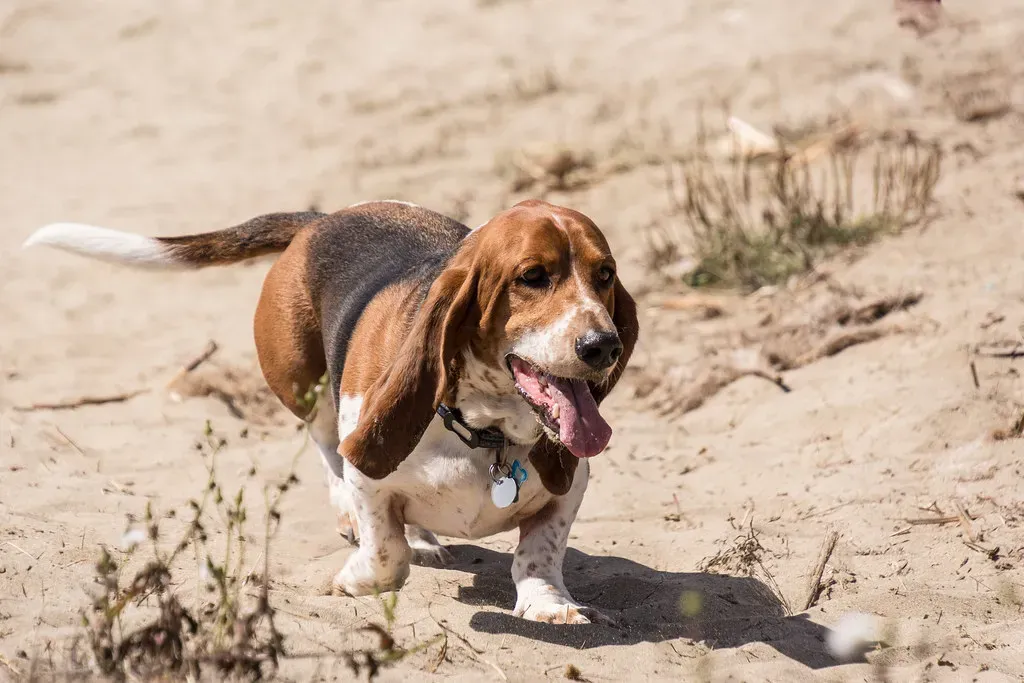
Gentle and lovable, Basset Hounds are pack dogs who bark, bay, and howl, and they’re happiest with their families and may bark excessively when excited or lonely. That distinctive droopy face hides a surprisingly powerful voice.
With a deep baying bark, Basset Hounds were originally bred to hunt, and their voice carries far. When a Basset decides to vocalize, you feel it in your chest. Their howls are mournful and melodic, especially when they’re left alone or hear something interesting outside. They’re social souls who use their voices to stay connected.
10. Fox Terrier: The Alert Hunter
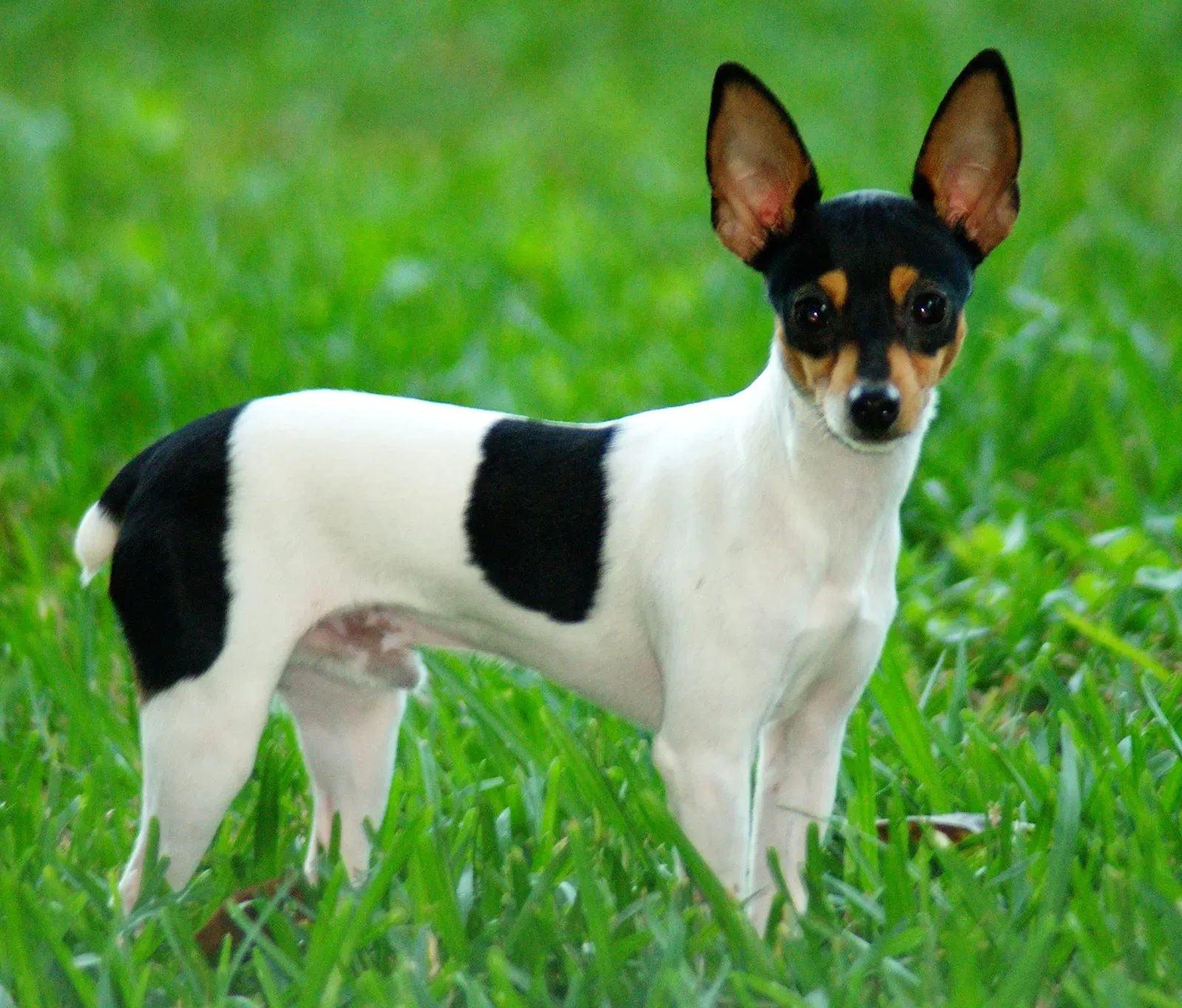
Fox Terriers are known for their fearless, energetic nature and tend to bark frequently, as they were originally bred for hunting, which makes them naturally alert and vocal about their surroundings. These scrappy little dogs are always on high alert and eager to share what they’ve discovered.
Their hunting heritage means they’re hardwired to investigate every sound and movement. Fox Terriers approach life with boundless confidence and the voice to back it up. They need plenty of exercise and engagement to prevent their natural alertness from turning into nuisance barking.
11. Australian Shepherd: The Herding Communicator
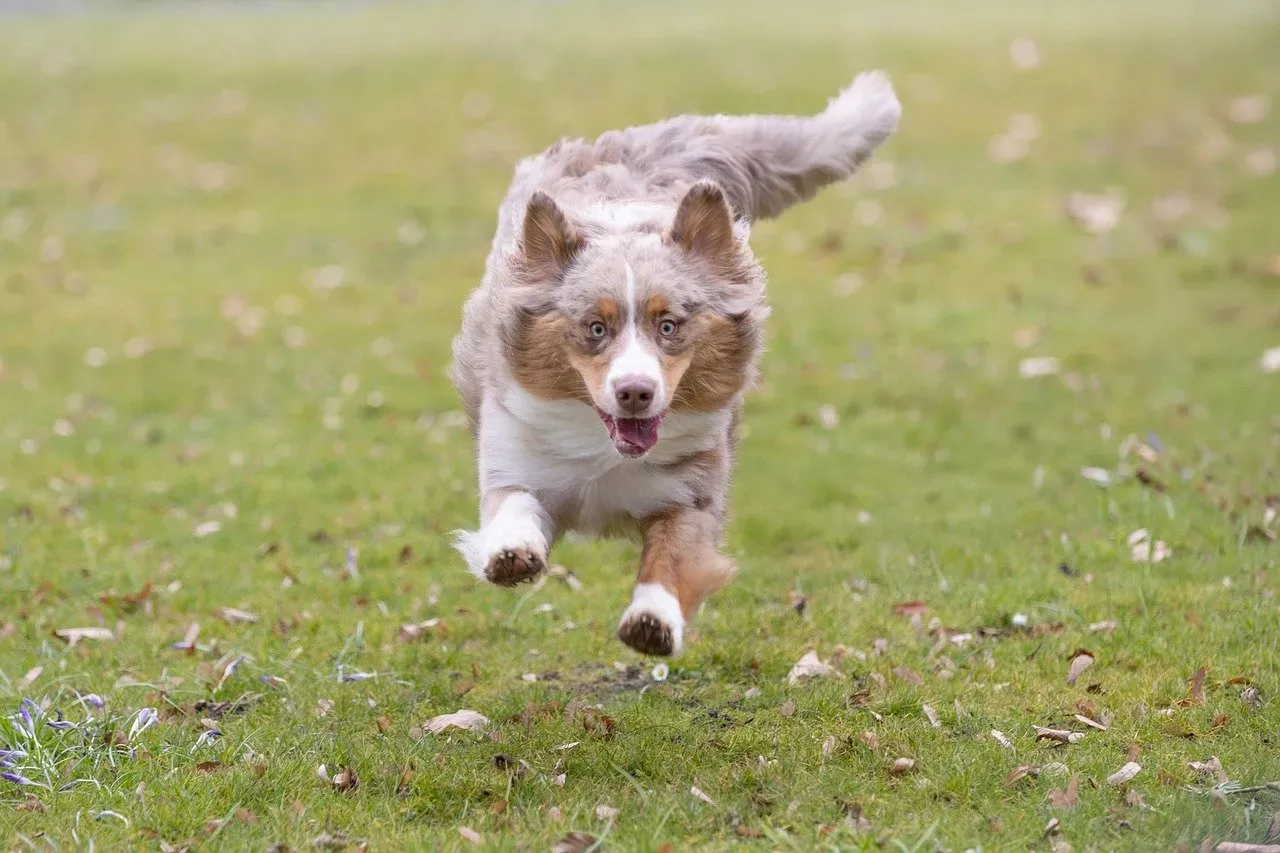
The Australian Shepherd, developed to herd livestock and bark to excel at their job, is a highly active and intelligent breed that loves to stay busy, and depending on the situation, you may hear them bark, howl, whine, grunt, and even scream. Yes, scream. Aussies are not subtle.
These working dogs need a job to do, and if you don’t give them one, they’ll create their own. Their vocalizations are part of their herding toolkit. They’re communicating with intention, trying to manage their environment just like they would with a flock of sheep.
12. Maltese: The Vocal Companion
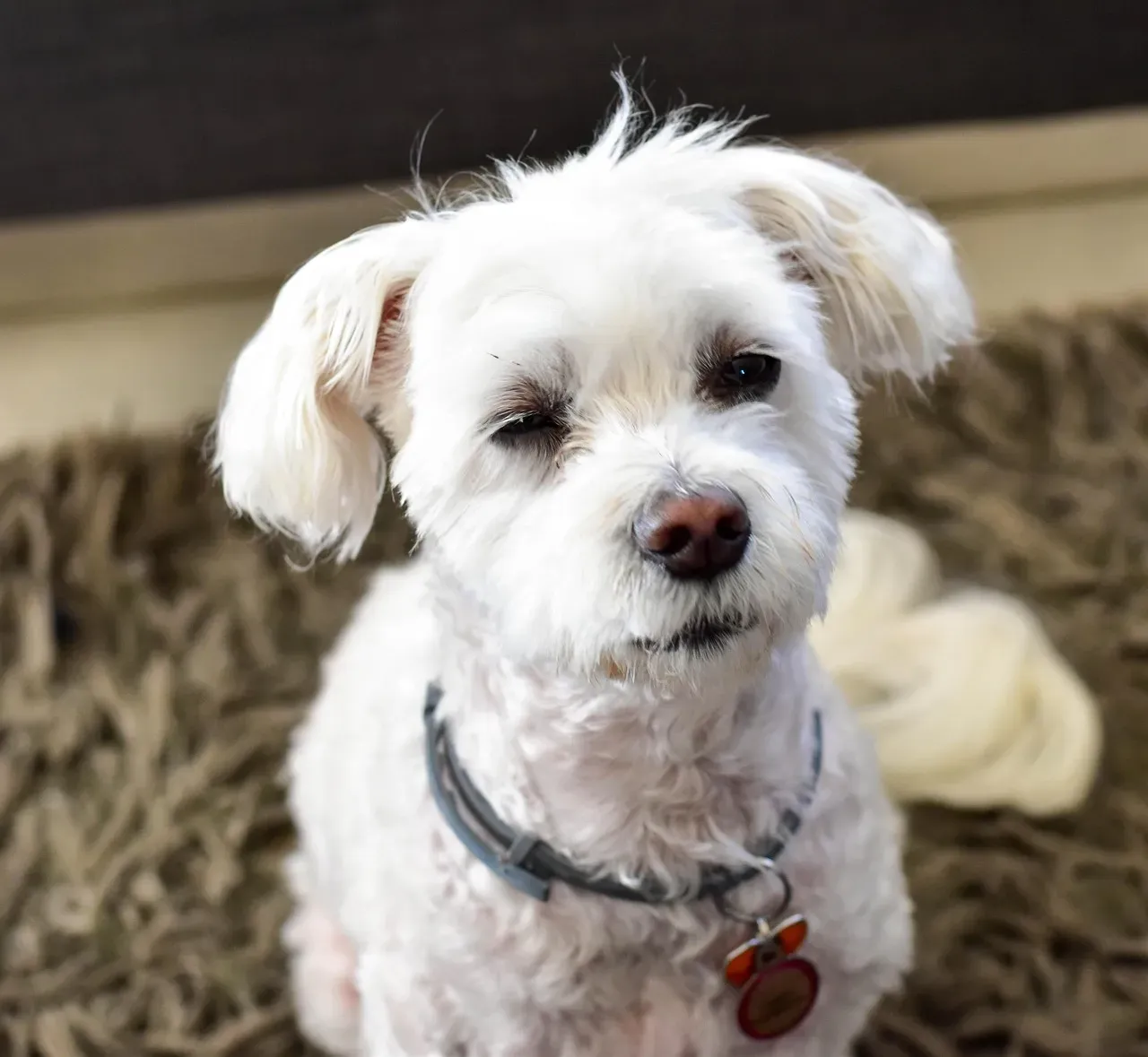
This pristine breed starts to grunt and whine at just weeks old, figuring out to yip and bark by weeks old, though some might not learn to bark until weeks old, and you’ll often find them using their voice to communicate emotions, express excitement, and seek attention. These elegant white dogs were bred as companions, and they take that role seriously.
While they’re loving and gentle, Maltese dogs won’t hesitate to let you know when they need something or when something seems amiss. Their barking tends to have purpose rather than being constant noise. They’re alert little souls who want to keep their families safe and happy.
13. Miniature Pinscher: The Confident Barker
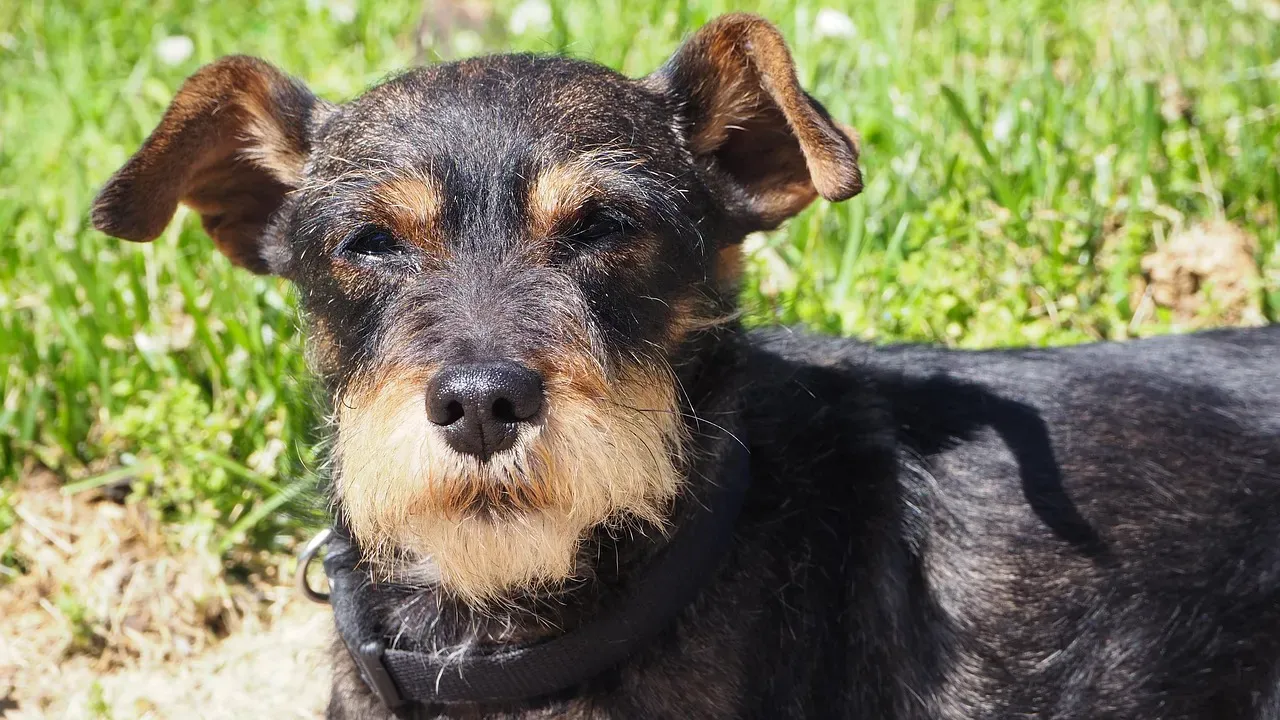
The Min Pin may be miniature in size, but there’s nothing small about their personality or their voice. These dogs are brave, confident, and always ready to announce their presence. They’ll give chase with loud barks and non-stop energy when something catches their attention.
Counter to popular belief, the Min Pin is not a miniature Doberman, though they can have similar coloring. They’re their own distinct breed with a fearless attitude. Their barking is persistent and purposeful, making them excellent watchdogs despite their tiny stature.
14. West Highland White Terrier: The Spirited Barker
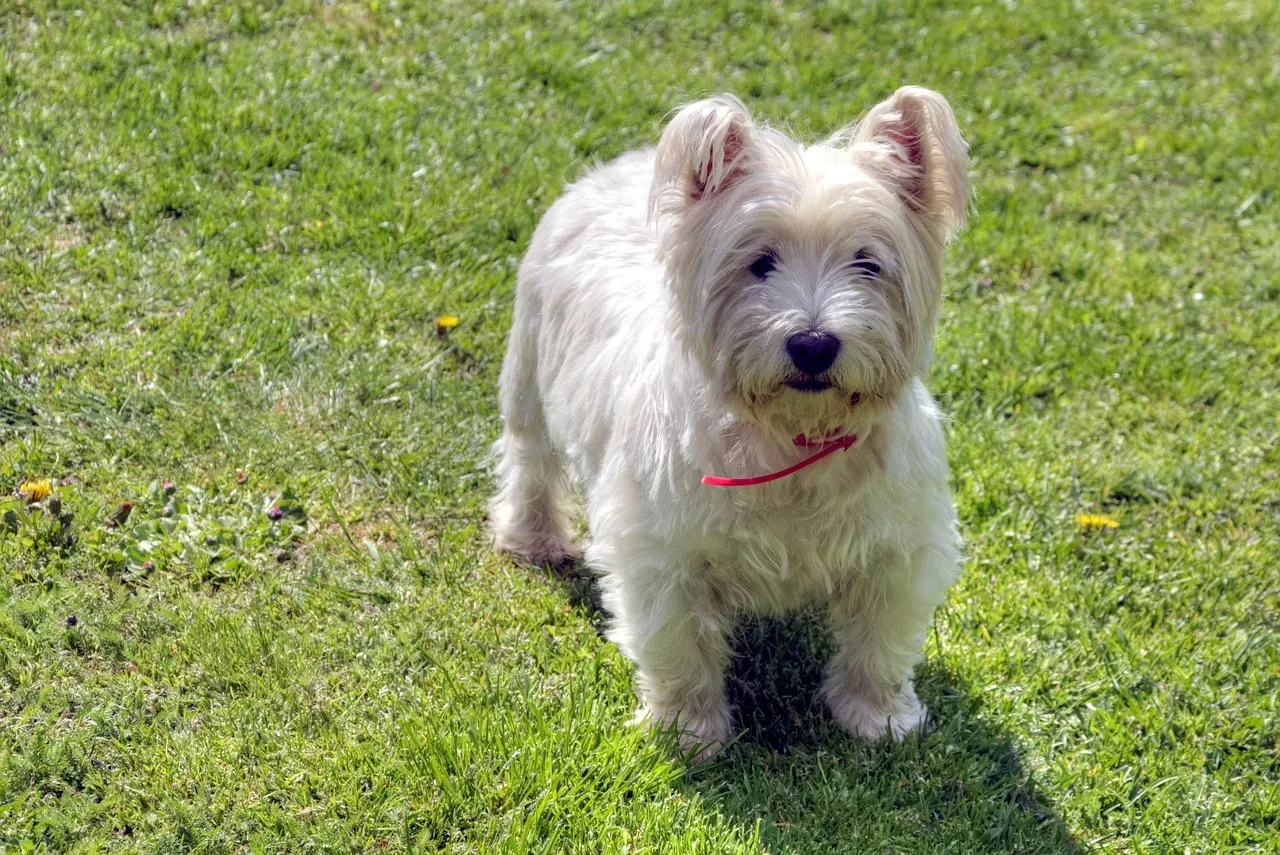
Originally known as the Roseneath Terrier, this is another small dog with a big personality, originally used to hunt rodents and small game, and the “Westie” does better with a fence and secure leash, with their stuffed animal appearance being worth the effort needed to tame these most talkative dog breeds. Their adorable looks can be deceiving.
Westies are terriers through and through, which means they’re independent, curious, and vocal. They need proper training and plenty of exercise to keep their vocal tendencies in check. Their enthusiasm for exploring often translates into enthusiastic barking.
15. Golden Retriever: The Friendly Announcer
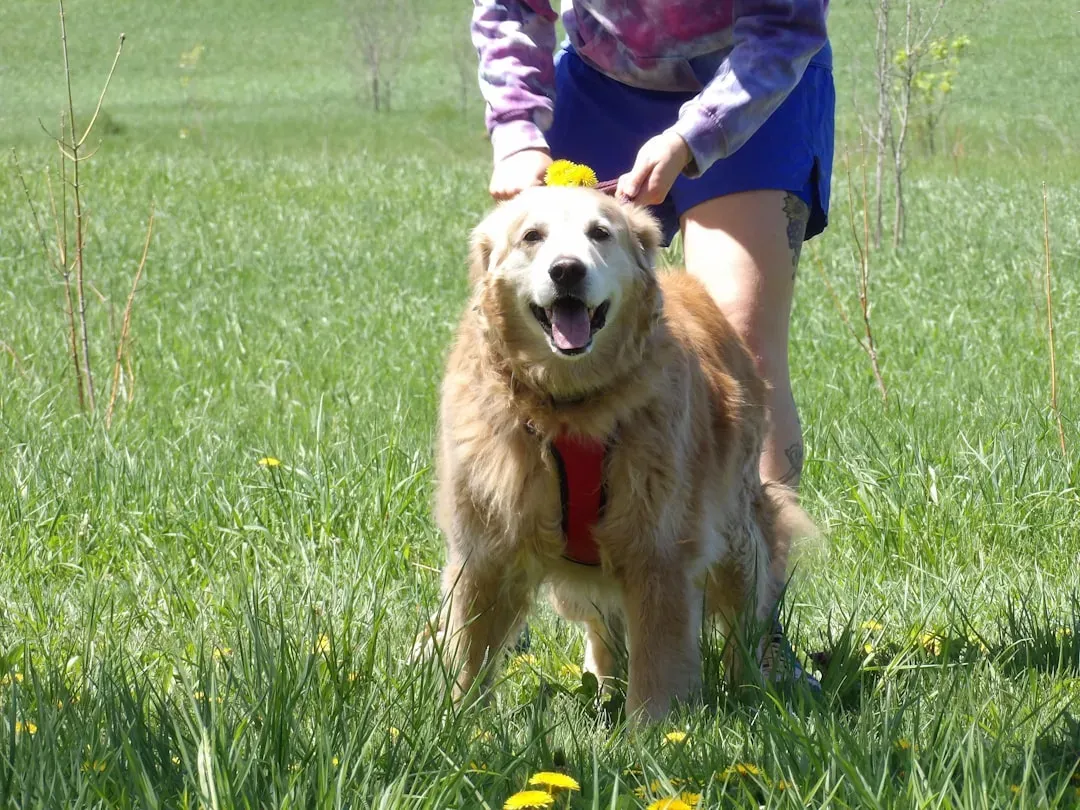
Originally bred in Scotland as gundogs in the 19th century, Golden Retrievers are friendly and playful, occasionally barking to entertain themselves or express excitement. While they’re not typically thought of as excessive barkers, Goldens do love to communicate their joy.
A golden retriever named Charlie has held the world record for loudest bark since 2012, and these dogs are known to be loyal and devoted companions who often use their booming bark when hunting or protecting their family. When a Golden is happy to see you or excited about an activity, they’ll make sure you know it with enthusiastic vocalizations.
16. Basenji: The Silent Hunter
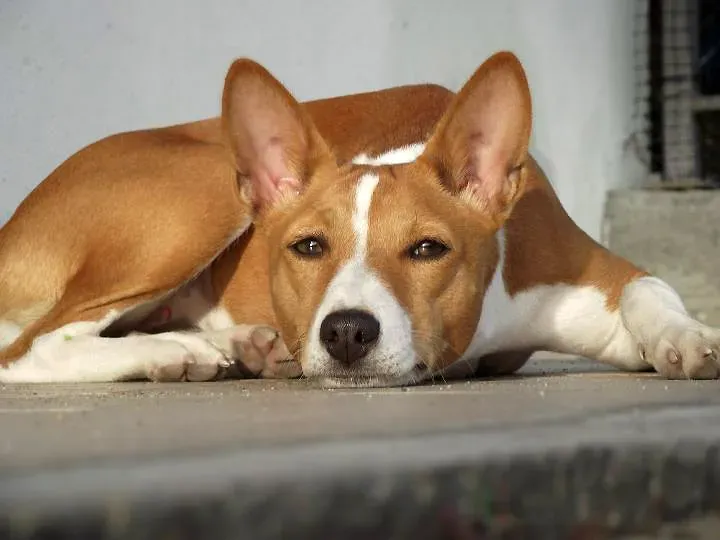
The Basenji, known as the “barkless dog,” makes unique yodeling sounds instead of traditional barks, originating from Central Africa. If you’re seeking a dog who expresses love quietly, the Basenji is legendary for its near-silence.
As a calm dog that barks less than many counterparts, people say the Basenji is “quiet like a cat,” and rather than barking, the Basenji will make a high-pitched noise or yodel when they decide to be vocal. Their affection is shown through body language, gentle presence, and those occasional yodels that remind you they’re still dogs at heart.
17. Cavalier King Charles Spaniel: The Gentle Companion
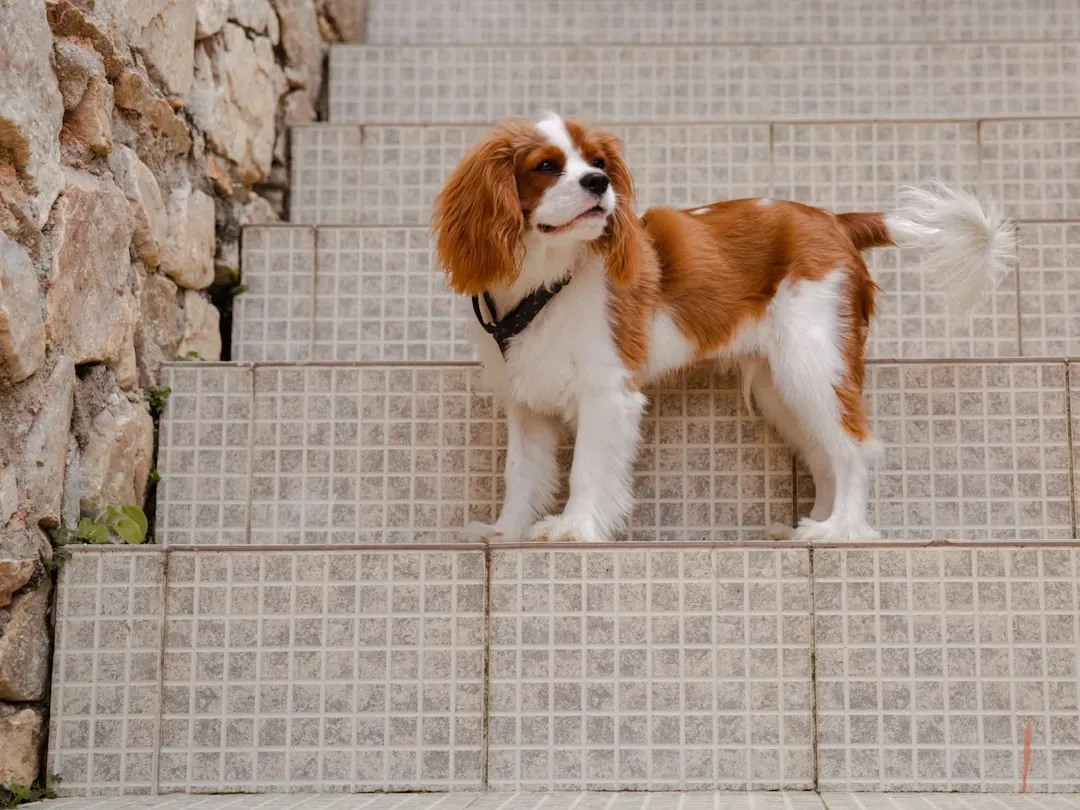
These noble dogs were named after British monarch King Charles II, who famously loved them, with their big eyes, soft coat and sweet expression, and they are great dogs for apartment dwellers and first time owners, especially because they are a quieter breed. Cavaliers embody the concept of quiet devotion.
These small, adorable dogs are not the first ones off the couch when the doorbell rings, and placid and quiet, Cavalier King Charles Spaniels love to play with humans and other dogs but are not especially aggressive with strangers. Their love language involves cuddles, gentle gazes, and peaceful companionship rather than vocal announcements.
18. Great Dane: The Gentle Giant
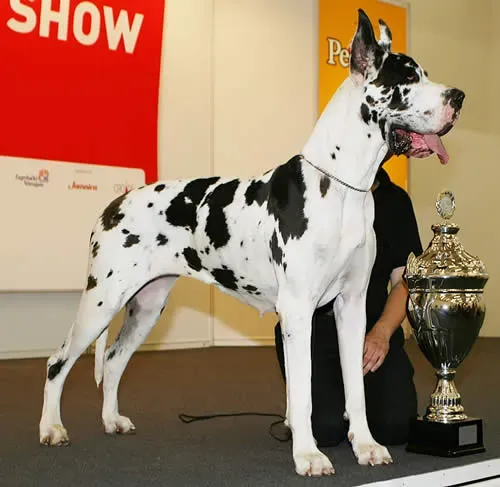
Great Danes, despite their size, are gentle and quiet, and these giants are affectionate and loyal, often forming close bonds with their families, and are well-suited to indoor living due to their calm demeanor. Their imposing size makes barking unnecessary.
In a race for quietest dog breed, the Great Dane runs neck and neck with the Newfie, and this gentle giant must know that its formidable size and appearance make it unnecessary to be talkative to be noticed, with barking and lunging tending not to be part of their repertoire. They communicate their love through their calm presence and loyal companionship.
19. Bernese Mountain Dog: The Calm Guardian
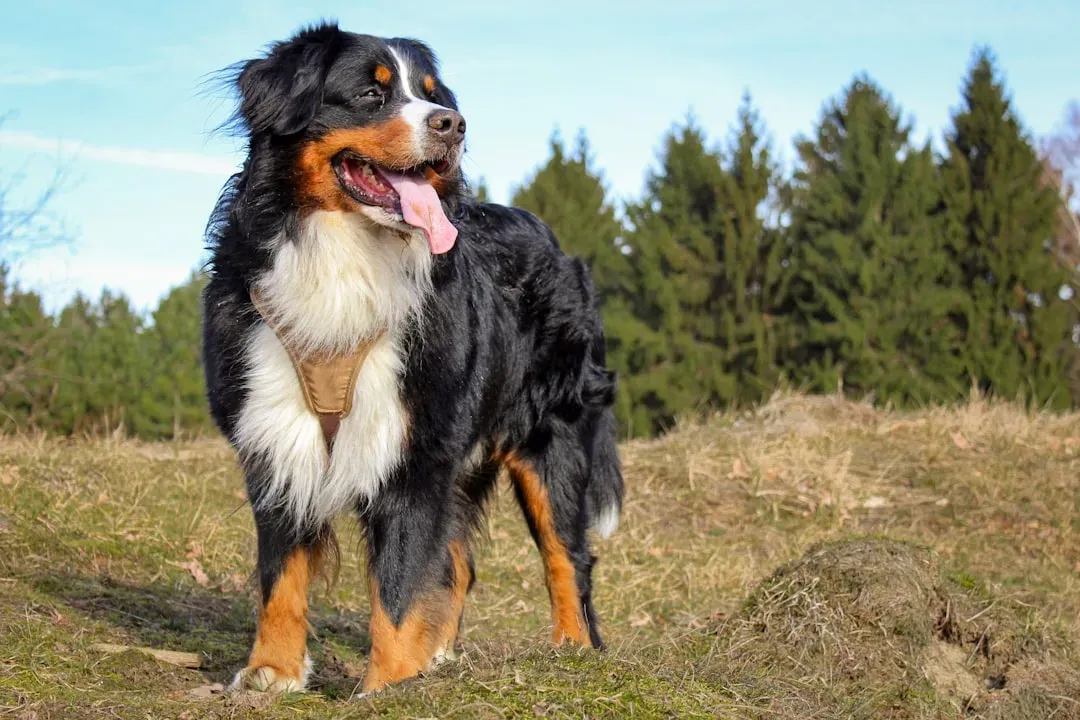
Bernese Mountain Dogs are large, gentle dogs known for their calm and friendly nature, affectionate with families and good with children and other pets, and are not excessive barkers. These beautiful Swiss dogs are the definition of strong and silent.
The Bernese Mountain Dog or “Berner” is a family favorite for many reasons, including their quiet nature, and this large dog breed can weigh over 100 pounds, so even if they don’t bark, they’ll grab your attention one way or another. Their love is steady, reliable, and wonderfully quiet.
20. Shih Tzu: The Royal Lap Dog
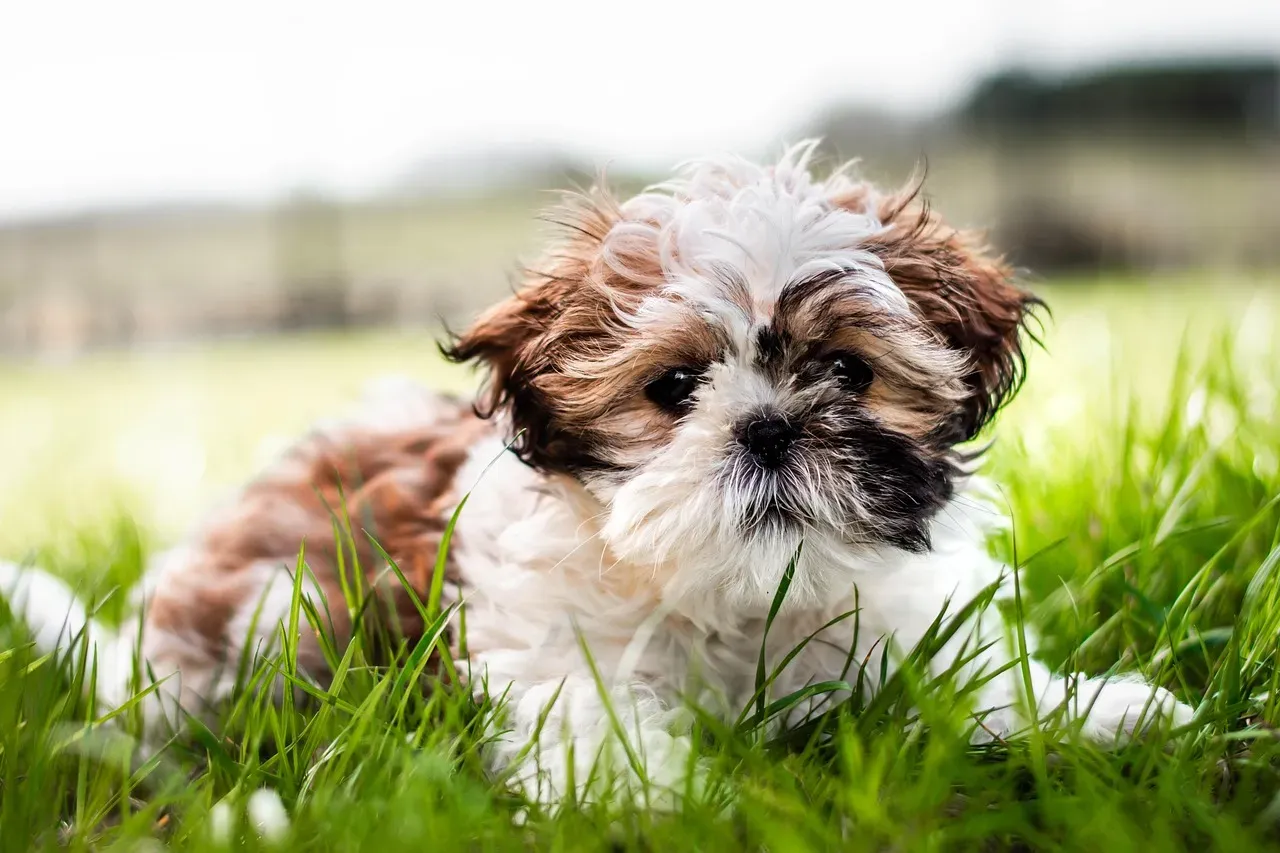
The mostly-silent Shih Tzu historically lived with royalty, and they’re more than happy to become the kings or queens of your humble abode, with over a thousand years experience serving as companions. These dogs were literally bred to be quiet companions in royal palaces.
While some Shih Tzus can be more vocal than others, the breed generally prefers peaceful coexistence over constant barking. They might alert you when necessary, but then quickly return to their favorite pastime of snuggling and being adored. Their affection is expressed through loyalty and constant companionship rather than noise.
Conclusion
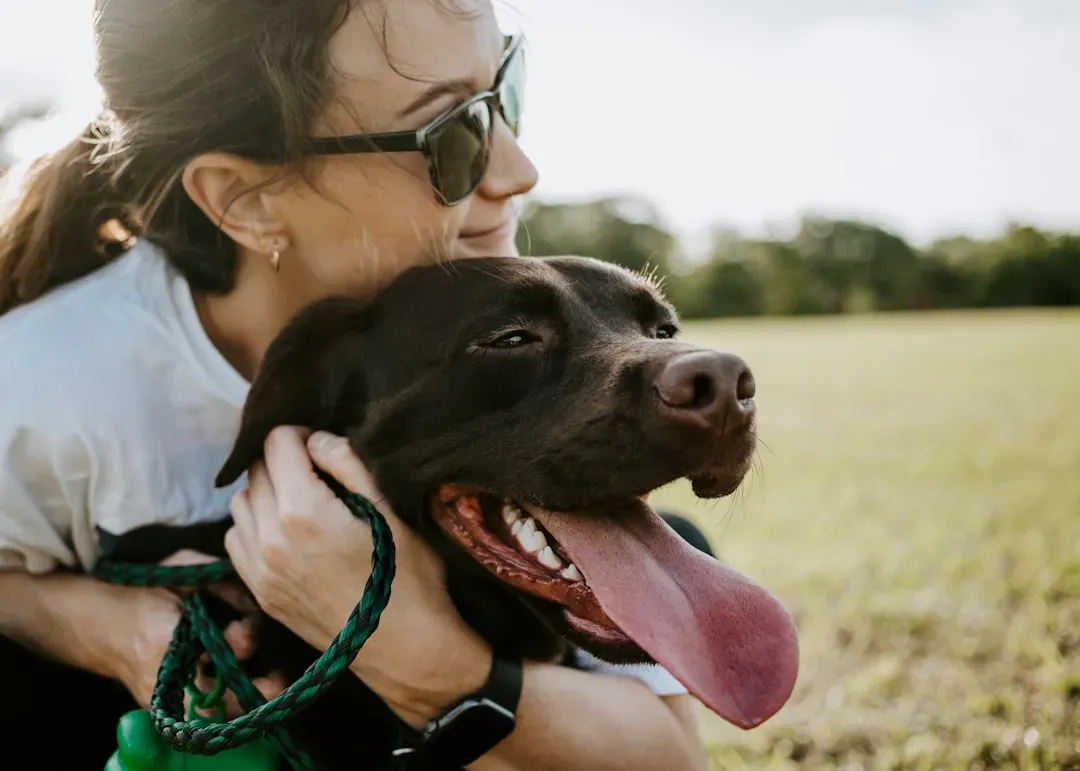
Here’s the thing about dogs and how they show love. Whether your companion announces every feeling to the world or prefers to communicate with quiet glances and gentle nudges, they’re telling you the same thing. You matter to them. Understanding your dog’s natural communication style helps you appreciate their unique personality and respond to their needs more effectively.
The vocal breeds aren’t being annoying when they bark. They’re sharing their world with you. The quiet breeds aren’t aloof. They’re just expressing their devotion differently. Both approaches are equally valid and equally loving. What matters most is recognizing your dog’s individual language and celebrating it, whether it comes with a symphony of barks or comfortable silence. What’s your dog’s love language? Have you learned to speak it fluently?


