
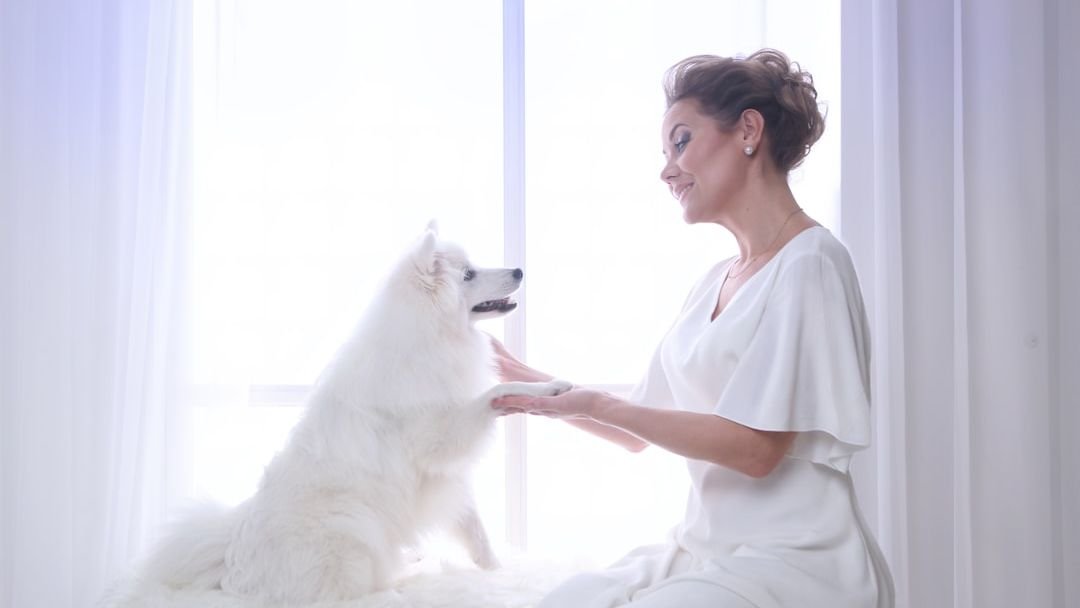
You know that moment when you catch yourself having a full conversation with your dog about your day, complete with dramatic pauses for their “response”? Maybe you’ve even asked their opinion on what to wear or apologized profusely when you accidentally stepped on their paw. If your friends have ever caught you mid-chat with your furry companion and given you that look, here’s the thing: science says you’re actually doing something pretty remarkable. Talking to dogs like they’re human isn’t weird or silly. It reveals something fascinating about how our brains work and what makes us uniquely capable of deep connection. So let’s dive into what psychology really tells us about this behavior and why it might make you a better dog parent than you ever imagined.
It Shows You Have Exceptional Empathy
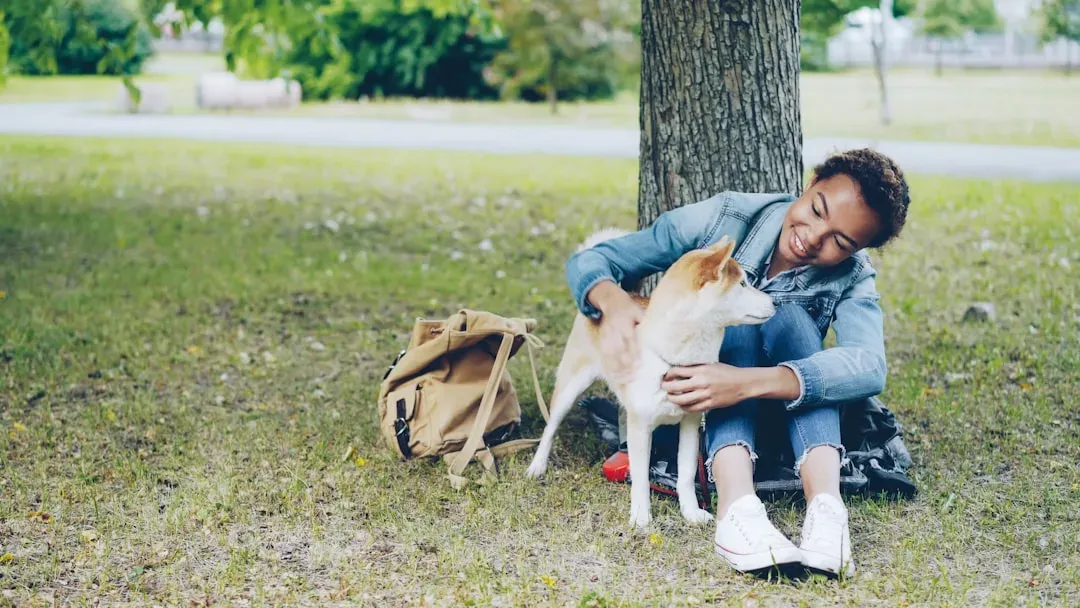
When you talk to your dog like a human, you’re displaying heightened empathic capabilities that extend beyond typical interactions, sensing when your pet is happy, anxious, or upset and adjusting your behavior accordingly. Psychology research has consistently found this to be true. People who engage in full conversations with their dogs aren’t just projecting randomly onto their pets.
They’re reading and responding to subtle emotional cues that others might miss entirely, recognizing and responding to emotional states across species barriers by picking up on the animal’s attentive posture or sympathetic gaze. This isn’t anthropomorphism gone wrong. These individuals typically have heightened sensitivity to emotions around them, being attuned not only to their animals’ moods but also to the feelings of others.
What’s even more interesting is that this level of empathy tends to extend beyond pets, with these individuals often showing deep understanding and compassion towards the people around them as well. Think of it as an emotional superpower. When you’re explaining your frustrations about work to your Labrador, you’re exercising the same empathic muscles that help you navigate human relationships with grace and understanding.
You’re Naturally Emotionally Intelligent
Let’s be real: talking to your dog requires you to be aware of your own emotions in real time. This behavior isn’t just idle talk but rather being aware of your emotions, your pet’s emotions, and how to handle them effectively. Psychology recognizes this as a marker of emotional intelligence, which is the ability to identify, understand, and manage emotions in yourself and others.
People who talk to their pets from a young age often realize this isn’t just a quirky trait but a sign of heightened emotional intelligence, being able to understand their feelings and manage them well while also picking up on the emotions of others and responding appropriately. Honestly, it’s hard to say for sure whether the behavior creates the intelligence or reveals it, but either way, you’re flexing serious psychological skills.
Your dog becomes a sort of emotional mirror. When you narrate your feelings out loud to them, you’re processing complex emotional states in a way that actually helps you understand yourself better. That’s not silly. That’s sophisticated self-awareness wrapped in fur and unconditional love.
You’re Processing Stress In A Healthy Way
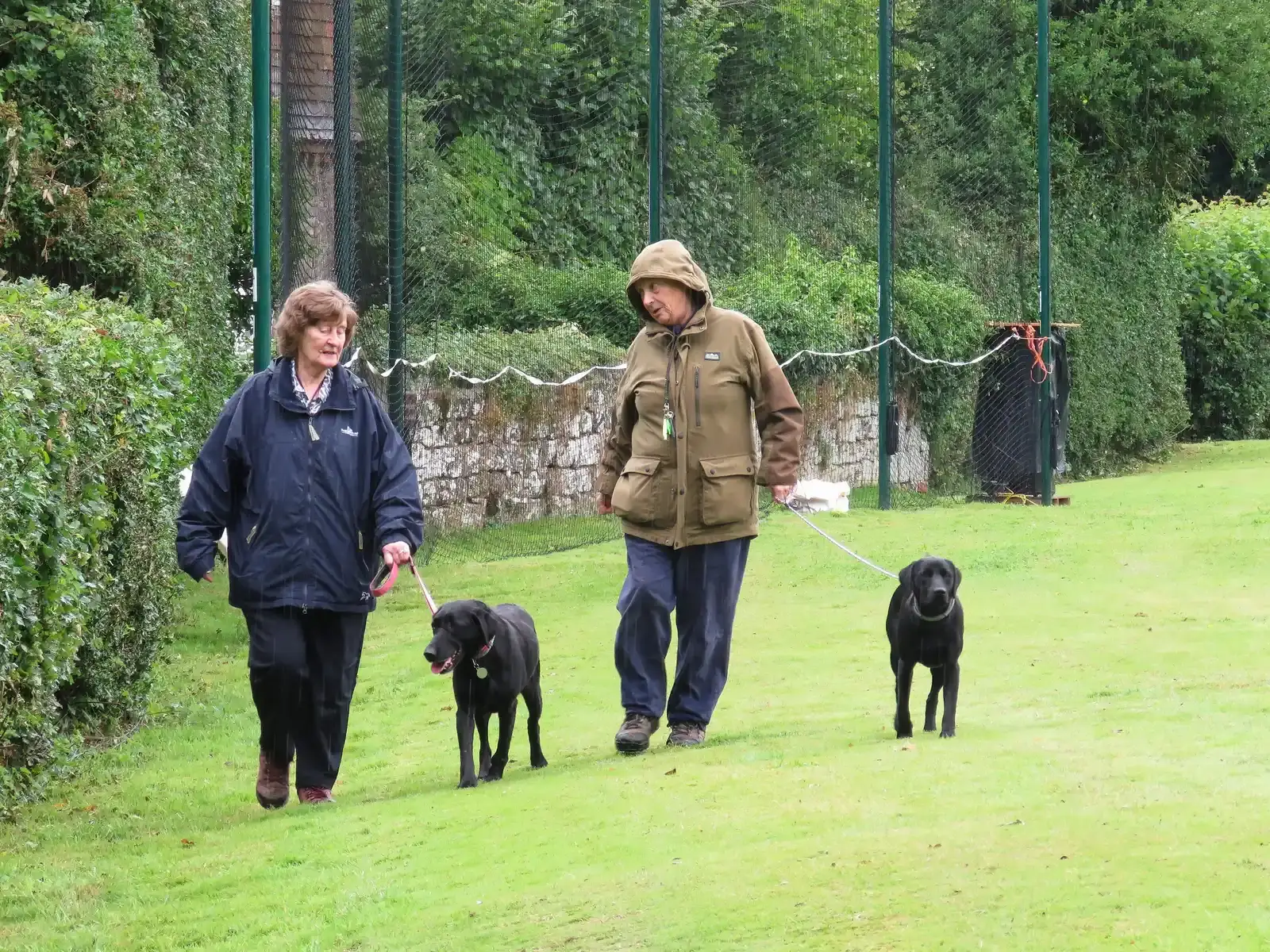
Research published in the Journal of Psychosomatic Medicine reveals that pet owners show significantly lower stress responses when their animals are present, and those who talk to their pets like humans take this benefit further by actively processing stress through verbalization. Think about the last time you had a rough day and came home to tell your dog all about it. That wasn’t just venting into the void.
The act of explaining a difficult day to a patient dog or walking through a problem with an attentive pet serves as informal therapy, with people instinctively understanding that articulating problems out loud helps clarify thoughts and reduce emotional pressure. I know it sounds crazy, but your dog is basically your unpaid therapist. This verbal processing creates a feedback loop where the pet’s calm presence encourages continued sharing, which further reduces stress, with the absence of judgment or advice allowing for pure emotional release without the complications of human interaction.
The beauty of this is that you’re developing coping mechanisms that work. You’re not bottling things up or letting stress fester. Instead, you’re using your relationship with your dog as a tool for emotional regulation, which psychology considers one of the healthiest stress management strategies available.
You’re More Creative Than You Think

Here’s something you might not expect: People who talk to their pets develop unique vocabularies, create complex backstories for their pets’ responses, and engage in imaginative scenarios, with this creativity representing cognitive flexibility and imaginative thinking rather than being frivolous. When you give your dog a specific voice in your head or interpret their huffs as commentary on your life choices, you’re exercising genuine creative muscles.
Research on creativity emphasizes its role as a central source of meaning in our lives, with the playful, uninhibited communication style adopted with pets allowing for creative expression free from social constraints. There’s something liberating about having conversations where you don’t have to worry about being judged or misunderstood. You can be silly, profound, dramatic, or vulnerable without any social consequences.
These individuals often bring this creative approach to other life areas, finding novel solutions to problems and approaching challenges with imaginative flexibility. So the next time someone rolls their eyes at your elaborate dialogues with your Beagle, remember: you’re nurturing a mindset that helps you think outside the box in all aspects of life. That’s not childish. That’s cognitively sophisticated.
You Experience Genuine Connection And Reduced Loneliness

People often find that having their pet around and talking to them provides a sense of companionship even when there’s no one else around, giving them a feeling of not being alone during tough phases. This isn’t about replacing human connection. It’s about recognizing that meaningful relationships come in many forms. Speaking to dogs as if they were human reflects a desire to not only feel companionship with the animal but also to understand them on a deeper level.
The more pet owners rated the mental abilities of their pet to be similar to humans, the more they displayed relationship-building behavior and the stronger they experienced social support from their pet. Psychology doesn’t see this as delusion. It recognizes it as a legitimate form of social support that genuinely improves mental health outcomes. Your dog may not understand every word, but adult dogs are more likely to want to interact and spend time with speakers who use dog-directed speech with dog-related content, and they need to hear dog-relevant words spoken in a high-pitched emotional voice to find it relevant.
The conversations you have aren’t one-sided in the way you might think. Your dog is responding, just not with words. They’re learning your patterns, reading your emotions, and forming a bond that’s psychologically beneficial for both of you. That’s connection, pure and simple.
Conclusion

As understanding of human-animal bonds deepens, what once seemed like amusing eccentricity increasingly appears to be an indicator of emotional intelligence and psychological sophistication, with those engaged in earnest conversation with their pets possibly exhibiting a particularly well-developed set of psychological skills. The next time you find yourself explaining the plot of your favorite show to your dog or asking their opinion on dinner plans, don’t feel embarrassed. You’re exercising empathy, emotional intelligence, creativity, and healthy stress management all at once.
Perhaps the real question isn’t why some people talk to their pets like humans, but why more of us don’t take advantage of this unique opportunity for emotional and cognitive development, especially given that pets offer such patient, non-judgmental listeners who never interrupt, argue, or check their phones mid-conversation. So keep talking to your dog. Science says you’re doing just fine. What does your dog think about all this? I bet they’d agree if they could tell you.


