
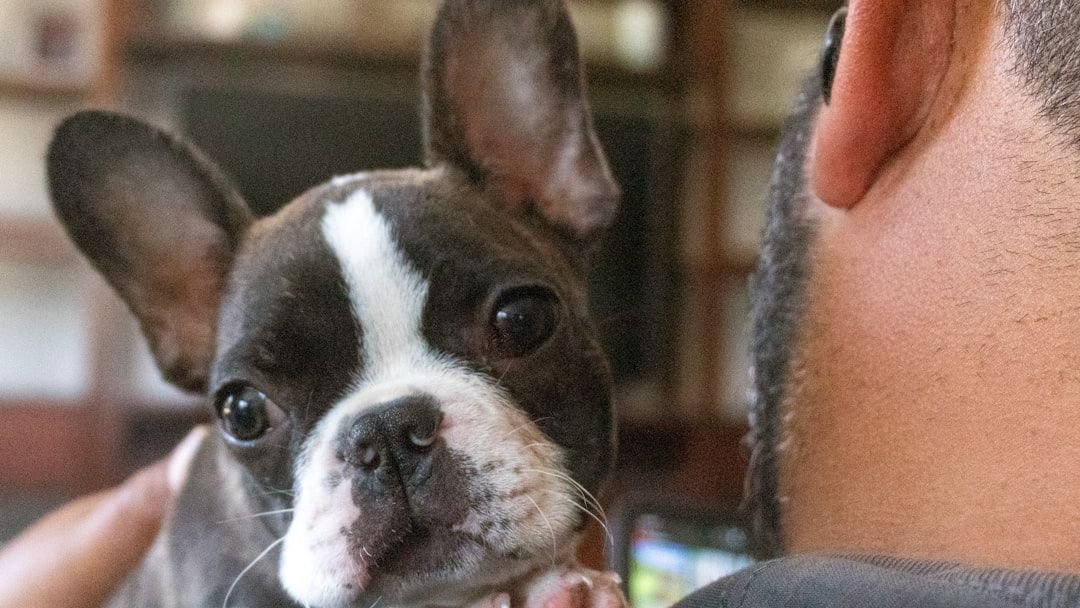
If you’ve ever wondered why your pup follows you from the couch to the kitchen at three in the morning, you’re not alone. Dogs come in every flavor of personality, from fiercely independent spirits to those who practically attach themselves to your leg like furry shadows. Some breeds crave personal space and solitude, while others would rather give up kibble than miss a single second of your company.
Understanding where your dog falls on this independence scale can make all the difference in creating a happy home for both of you. It helps with training, managing expectations, and even preventing behavioral challenges down the road. Let me walk you through which breeds march to the beat of their own drum and which ones would follow you into the ocean if you asked. Trust me, by the end of this, you’ll have a much clearer picture of what makes your dog tick.
The Akita: Loyal Guardian with a Self-Reliant Soul
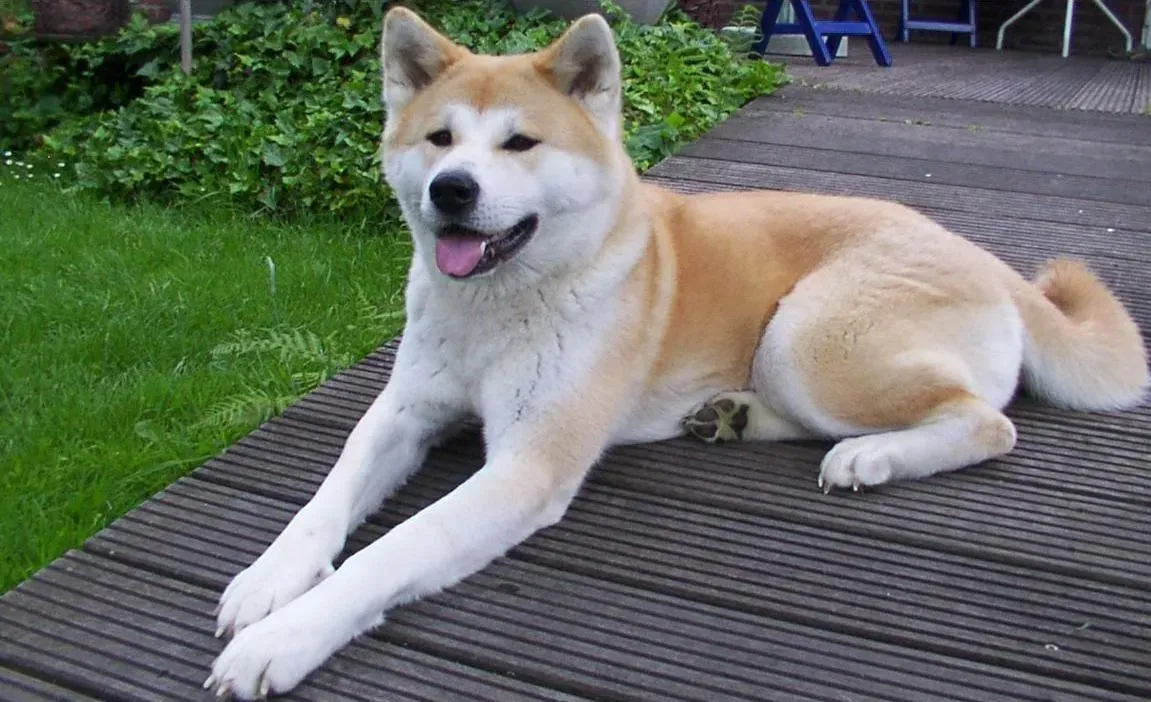
Originally bred in Japan for hunting and guarding, Akitas are incredibly self-sufficient. These majestic dogs form deep bonds with their families, often choosing one favorite person. However, they don’t demand attention with constant pawing or whining. Akitas are arguably the most independent breed. I’ve seen Akitas content to sit quietly in a corner observing their household, completely at ease without needing reassurance every five minutes.
Akitas thrive on routine and structure but are content to spend time alone when their humans are busy. Their independent mindset makes them dignified companions who don’t constantly seek validation. Still, this doesn’t mean neglect is acceptable. They need daily interaction and proper socialization to stay balanced and well-adjusted.
The Shiba Inu: A Cat in a Dog’s Body
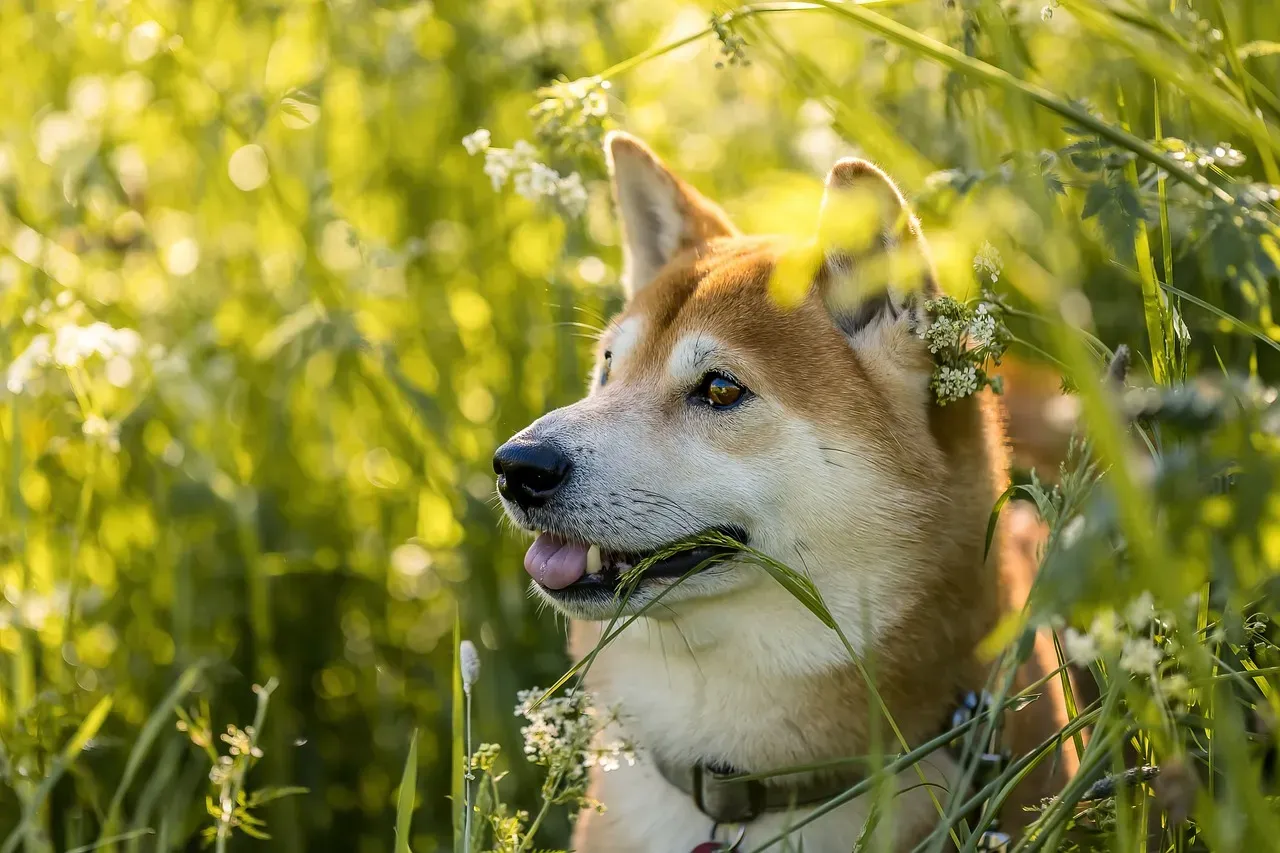
The Shiba Inu is an intelligent and strong-willed dog with an almost cat-like personality. These Japanese natives were originally hunting dogs, bred to work independently without constant human direction. That heritage shows today in their confident, self-assured demeanor. Shiba Inus can often be happiest when they have a little bit of daily time to relax, play, and explore on their own, as this breed used to be used as a hunting dog in Japan for hundreds of years.
Don’t mistake their independence for coldness, though. Shibas form strong attachments to their families. They have a reputation for not being overly affectionate, but that is balanced by being happy in their own company. They simply prefer showing affection on their own terms, much like a beloved but aloof housecat. Give them mental stimulation and enough exercise, and they’ll be perfectly content.
The Chow Chow: Ancient Guardian of Personal Space
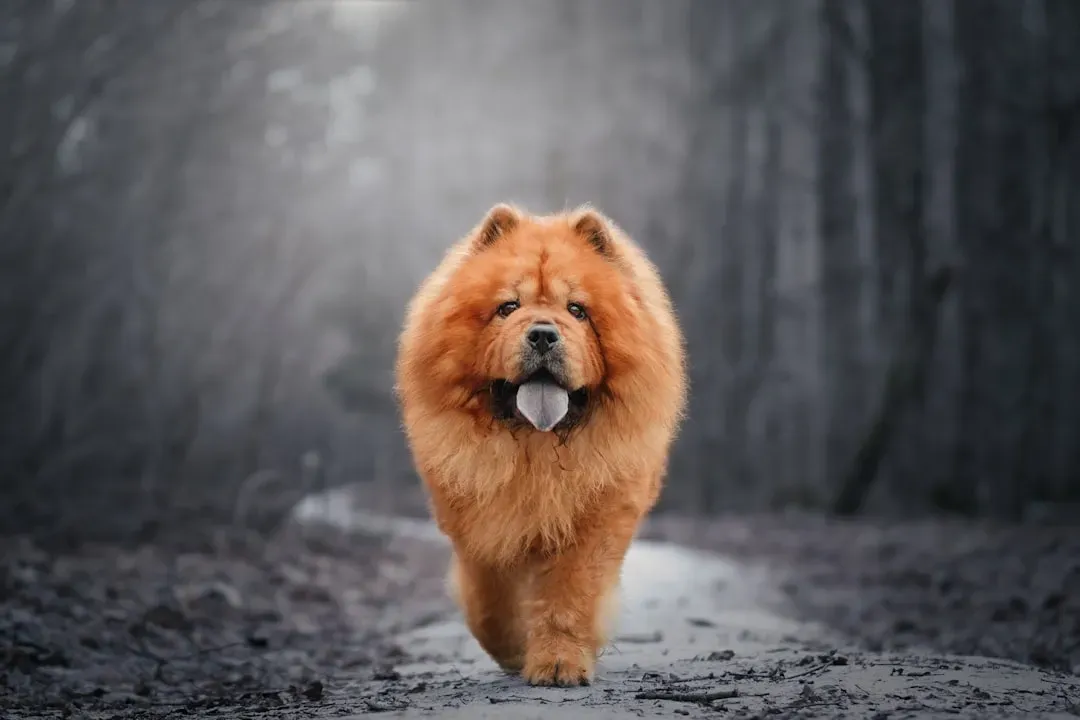
Historically, the Chow Chow worked as a guardian and hunter in ancient China, and this working heritage, combined with the dogs’ calm disposition, makes the Chow Chow one of the most independent dog breeds. With their lion-like mane and regal bearing, Chows exude dignity. Chow Chows are often described as cat-like in their behavior, preferring to do things on their own terms. They don’t run to greet every visitor or demand belly rubs during your Zoom meeting.
This breed is known for its aloofness and independence, and Chow Chows tend to be very self-sufficient, forming close bonds with their families but not requiring constant interaction. Their thick coat means they appreciate daily grooming sessions, which doubles as bonding time without being clingy. Honestly, if you’re looking for a dog who respects boundaries, this might be your match.
The Basenji: The Barkless Wonder Who Entertains Himself
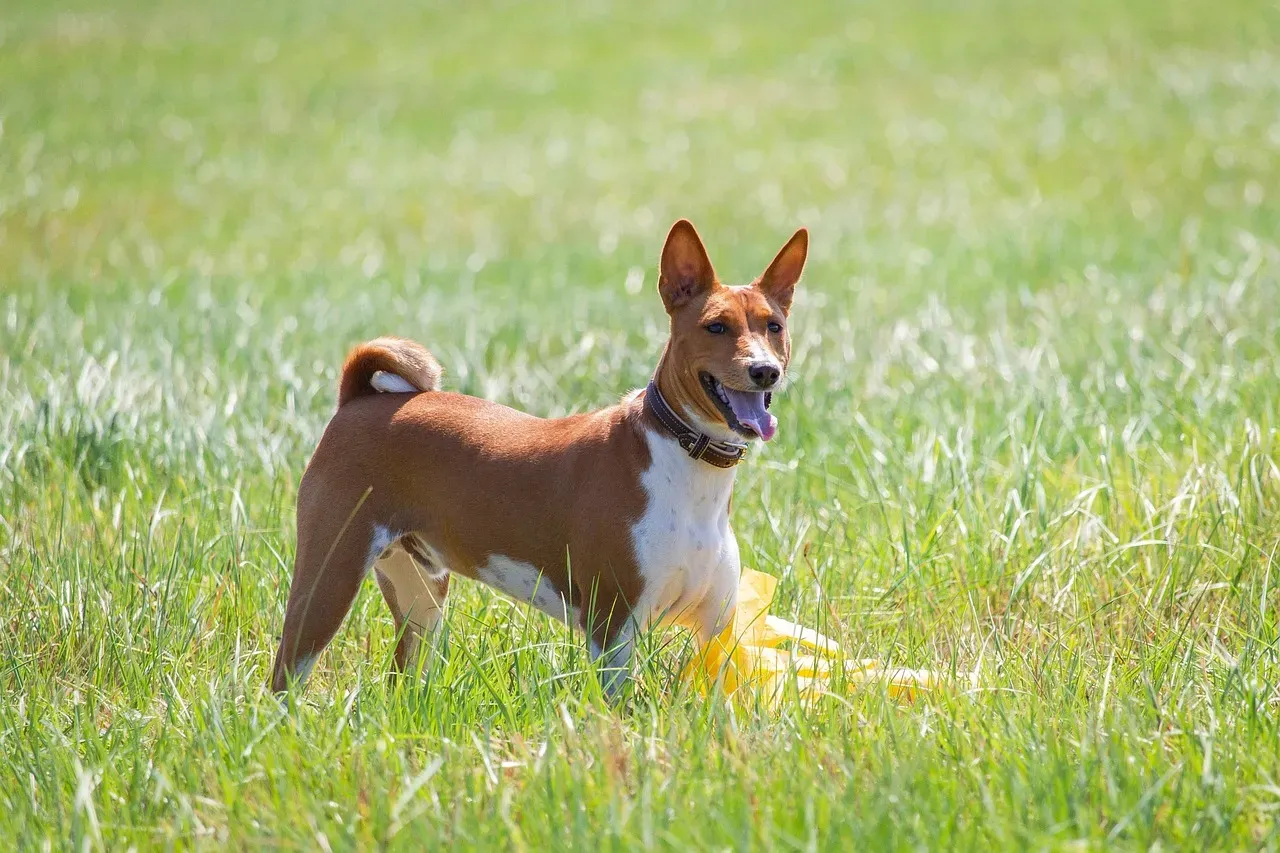
The Basenji, often called the “barkless dog,” is a small, elegant breed known for its independence and unique personality, originating from Central Africa where this breed was initially bred for hunting, where self-reliance was crucial. Their unusual yodel-like sound sets them apart, but so does their ability to keep themselves occupied. Basenjis are curious and intelligent, often finding ways to entertain themselves when left alone, and their quiet nature and ability to keep themselves occupied are traits that help mitigate the risk of separation anxiety.
These compact dogs are highly intelligent and sometimes mischievous. They prefer observing situations rather than diving in headfirst for attention. Their hunting background means they have strong instincts and problem-solving abilities. Just be prepared for their cleverness to work both for and against you when they figure out how to open that cupboard you thought was dog-proof.
The Greyhound: Couch Potato Masquerading as a Racer
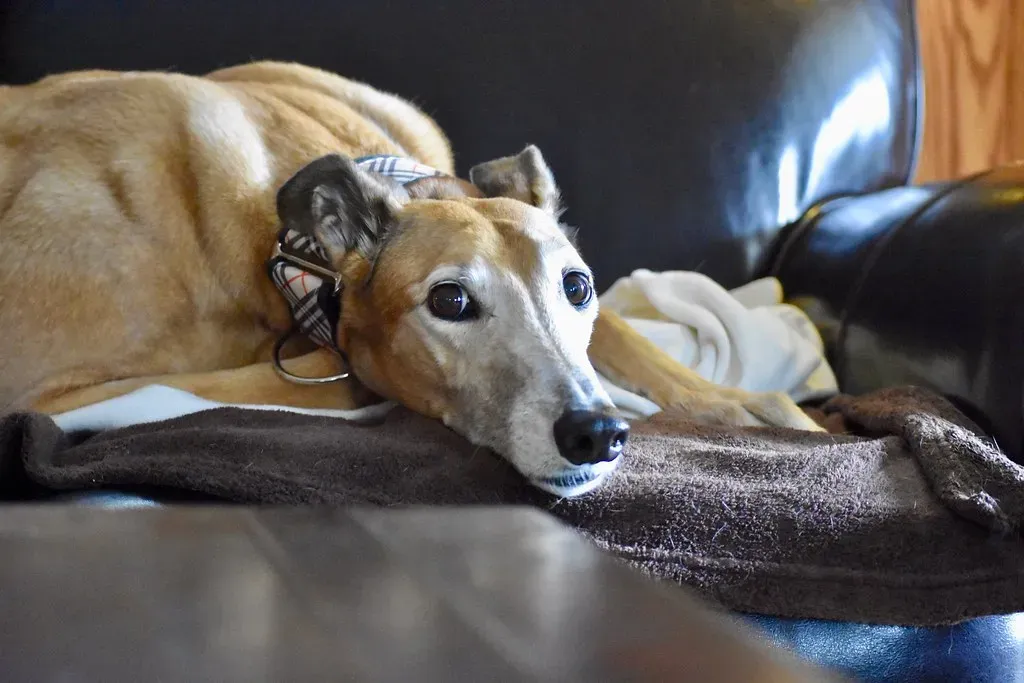
Despite their reputation as racing dogs, Greyhounds are surprisingly independent and low-maintenance in a home environment, known for their speed and agility, they were originally bred for hunting, however, their calm demeanor makes them excellent couch companions, and Greyhounds enjoy a good sprint but are also content to lounge around for most of the day. I know it sounds crazy, but these speedsters are actually among the laziest breeds once they’re indoors.
Greyhounds, known for their racing prowess, are surprisingly laid-back and independent when not on the track, and despite their high energy levels in short bursts, they are quite content to lounge for hours, making them well-suited to homes where they may be left alone during the day, as Greyhounds are gentle and affectionate with their families but do not generally suffer from separation anxiety due to their adaptable and easy-going nature. They’ll happily spend hours napping in a sunbeam without needing constant reassurance.
The Afghan Hound: Elegance with Emotional Distance
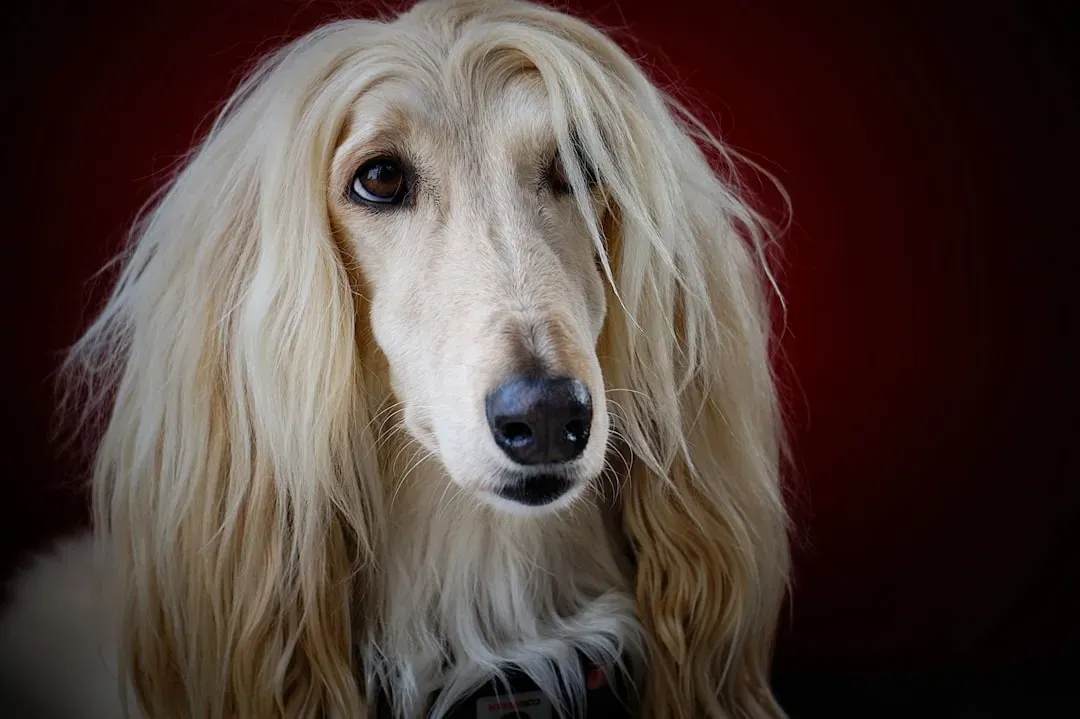
These elegant beauties give the impression of being able to “take it or leave it” when it comes to interaction with their humans, dignified and alert, Afghans often seem to have their attention distracted by almost anything else, and are unlikely to squirm themselves into a pretzel when you come home from work, as getting and giving love is on their terms. With their flowing coats and aristocratic demeanor, Afghan Hounds embody independence. They were originally bred for hunting in the mountains of Afghanistan, requiring them to make decisions without human guidance.
These dogs bond with their families but maintain an air of detachment that some find frustrating and others find refreshing. They’re not unfriendly, just selective about when and how they show affection. If you appreciate a dog with an independent streak and don’t need constant validation of your bond, an Afghan might suit your lifestyle beautifully.
The Alaskan Malamute: Working Dog with Quiet Confidence
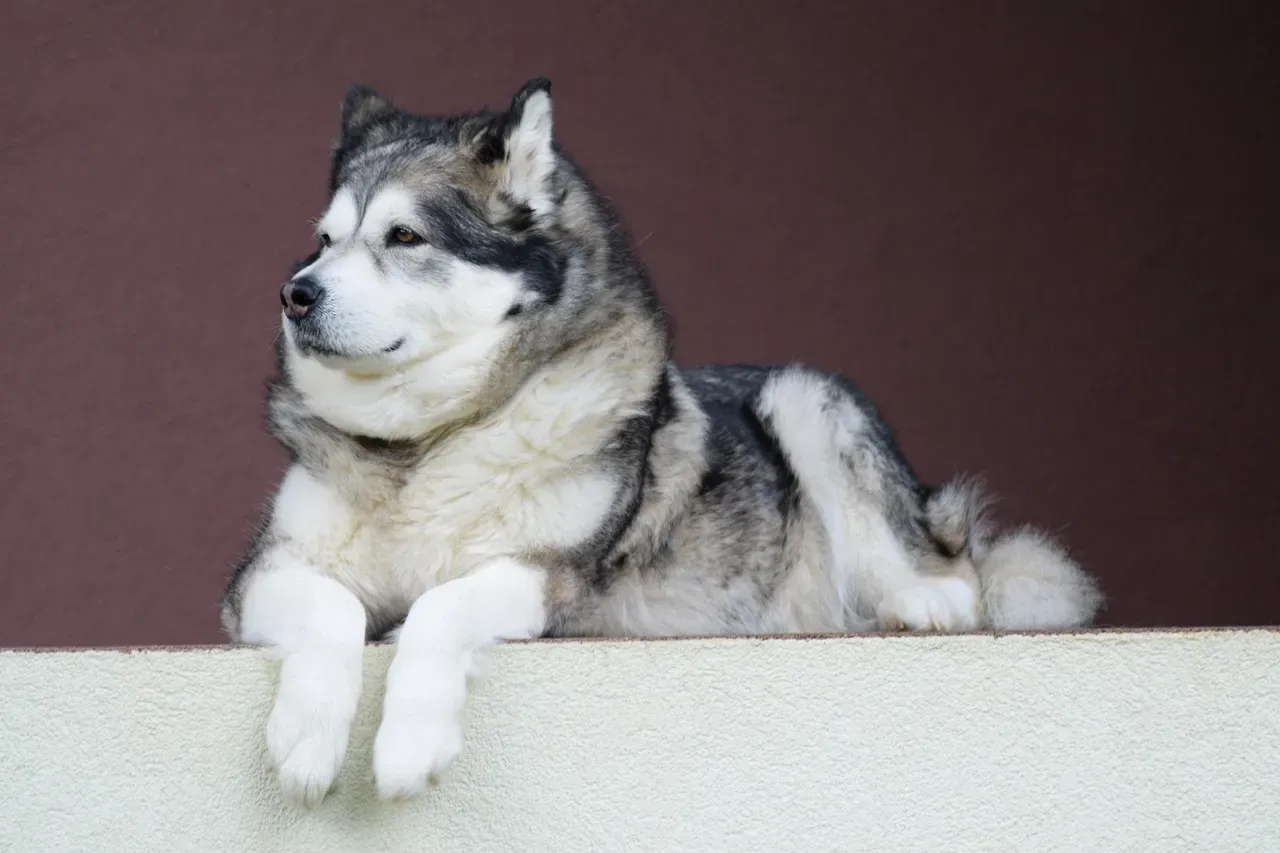
Used for dog-sledding and hauling in cold environs, the fact that these hard-working, heavy-coated large dogs have been welcomed into warm, cozy family life hasn’t changed their personalities from self-contained and the opposite of needy, and preferring to hang out on the floor unless they’re outdoors, the Malamute’s quiet temperament is soothing and peaceful. These Arctic athletes were bred for endurance and independence, hauling heavy loads across frozen landscapes. Malamutes are incredibly family-oriented but their breeding for heavy work in harsh conditions has fostered a degree of independence, and they’re sociable with people and other dogs, yet their calm confidence helps them handle time alone without anxiety.
Malamutes love their families deeply but don’t feel the need to be physically attached at all times. They’re content observing from across the room rather than sitting on your lap. However, they need ample exercise and space to truly thrive. Without proper outlets for their energy, even independent breeds can develop unwanted behaviors.
The Vizsla: The Ultimate Velcro Dog
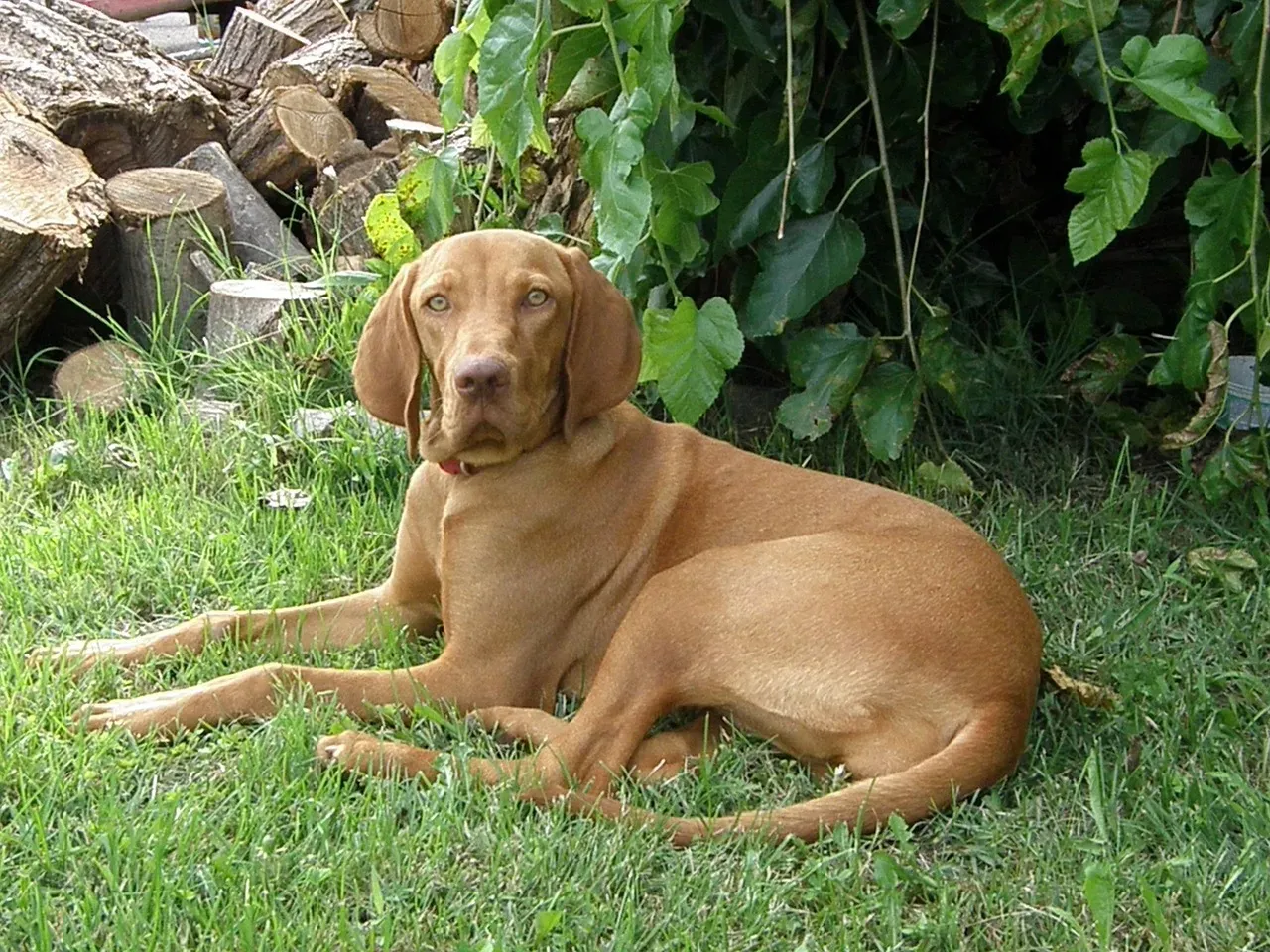
Now let’s flip the script entirely. Known as the ultimate Velcro dog, this Hungarian breed is literally attached to their owner, and is happiest when right by your side, as they were bred for falconry, and still have tons of energy. The Vizsla dog breed is a pointer and an active hunting dog, and it is their natural instinct to stay close to their owners because, during the hunt, wandering away could be deadly, with constant human interaction throughout the day and frequent cuddles being a must.
These stunning copper-colored dogs form incredibly tight bonds with their humans. They’ll follow you everywhere, from the living room to the bathroom to the backyard and back again. Vizslas need active owners who can provide both physical exercise and constant companionship. Without it, they can become anxious and destructive. Here’s the thing: they’re not being needy just for attention’s sake. It’s literally in their DNA to stay close.
The German Shepherd: Devoted Protector Who Needs Your Presence
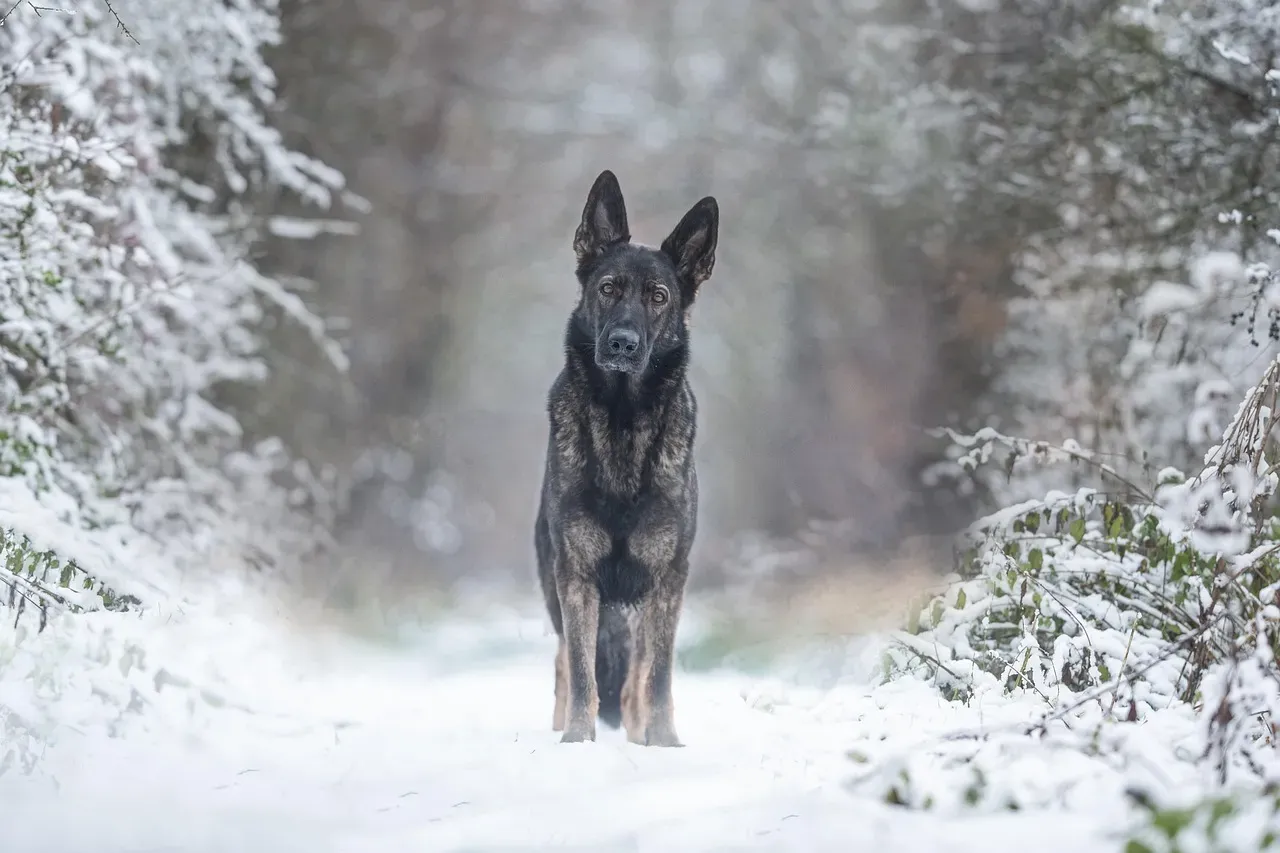
Originally bred for herding, German Shepherds excel as working dogs but can become “needy” when not challenged, and the German Shepherd is surprisingly clingy, and in modern society can develop severe separation anxiety if not properly trained and socialized. Their loyalty and intelligence make them exceptional police, military, and service dogs. This lovely dog breed is super loyal, and this is one reason why they always like to be near their owners, and it’s this same quality that makes them great police and/or military dogs.
You might be surprised to learn that despite their imposing size and tough reputation, German Shepherds crave close contact with their families. Though large in stature, the German Shepherd dog wants to sit on your lap on the sofa just as much as the next needy pooch. They need structure, training, and plenty of interaction to prevent anxiety-driven behaviors. Their devotion is both their greatest strength and potential challenge.
The French Bulldog: Small Package, Massive Need for Affection
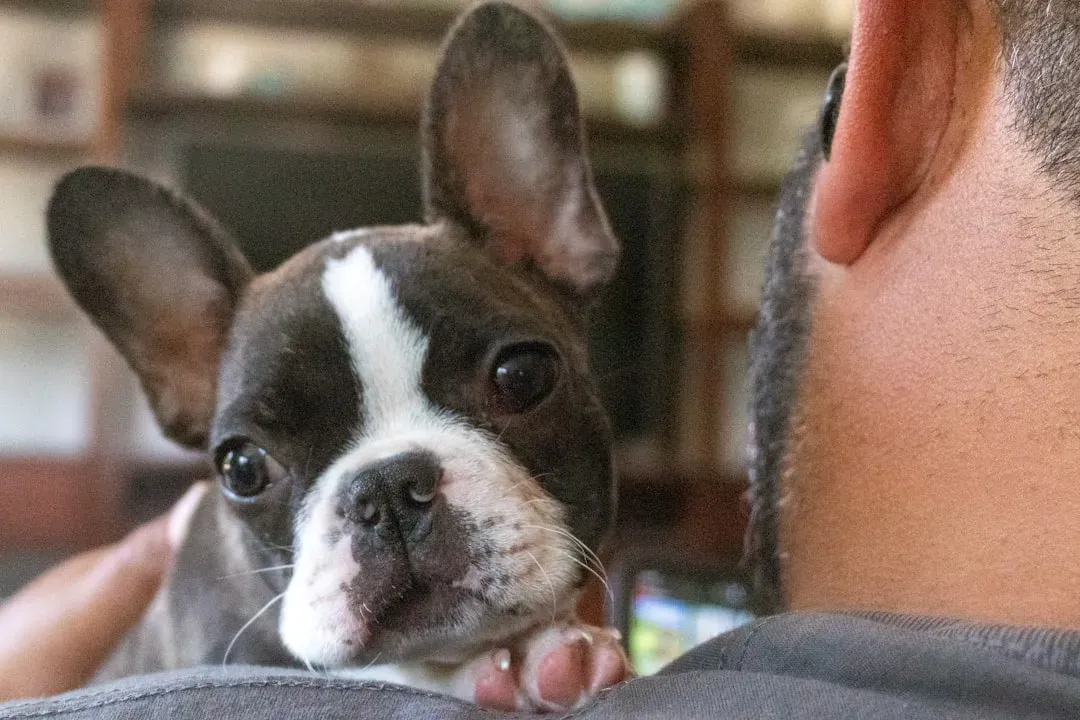
The French Bulldog is as adorable as it is clingy, best known as the Frenchie, this breed is known for having a stubborn streak and for craving human attention, and the Frenchie nearly demands affection, making it one of the most needy and loving dog breeds. These bat-eared charmers have become wildly popular, partly because of their compact size and goofy personalities. However, their need for companionship is serious business.
French Bulldogs are very even-tempered and naturally curious and playful, ideal for a single person who has the time to devote all their attention to him and only him, as they do not do well when left on their own for long periods of time. Frenchies want to be wherever you are, doing whatever you’re doing. Whether you’re cooking dinner or binge-watching your favorite show, expect them to be right there beside you.
The Golden Retriever: Everyone’s Best Friend Needs You Most
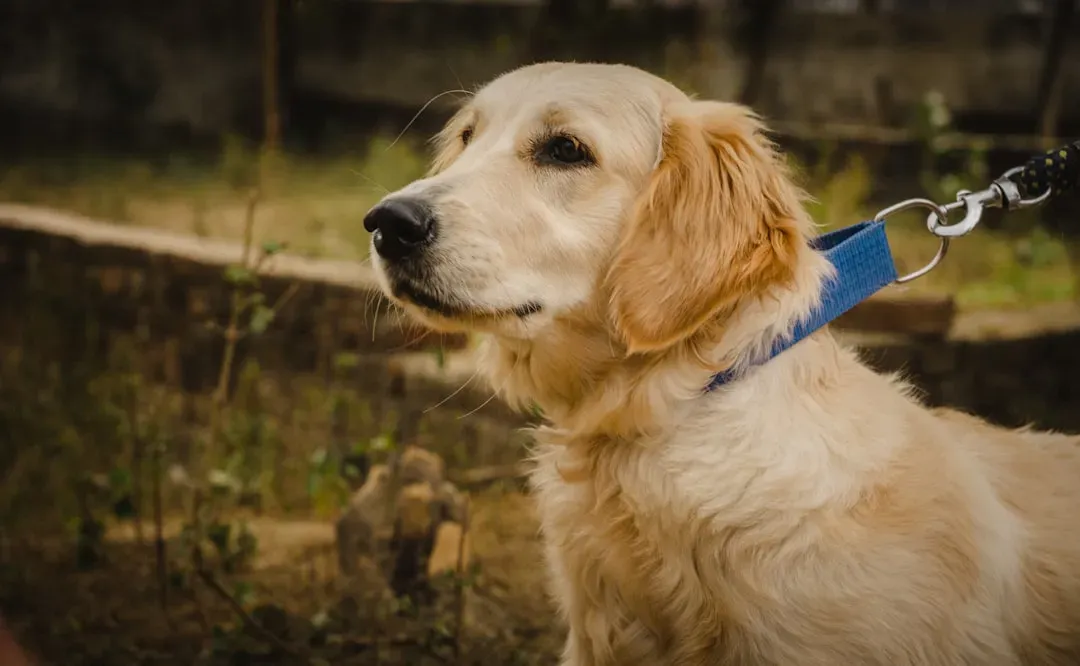
The Golden sticks to their people like glue, sweet, gentle and oh so loyal, this is a dog who wants to be doing whatever you are doing, wherever you are doing it. Goldens rank among the most popular family dogs for good reason. Their friendly disposition, trainability, and patience make them ideal for households with children. But their devotion comes with strings attached.
Golden Retrievers are family-oriented dogs that love to be with their family as much as possible, and this can make them seem clingy, needy, or like Velcro dogs, if they don’t get enough exercise or mental stimulation throughout the day. Without proper outlets for their energy and social needs, Goldens can develop separation anxiety. They’re happiest when included in family activities and given jobs to do, even if that job is just being your loyal shadow.
The Chihuahua: Tiny Titan of Clinginess
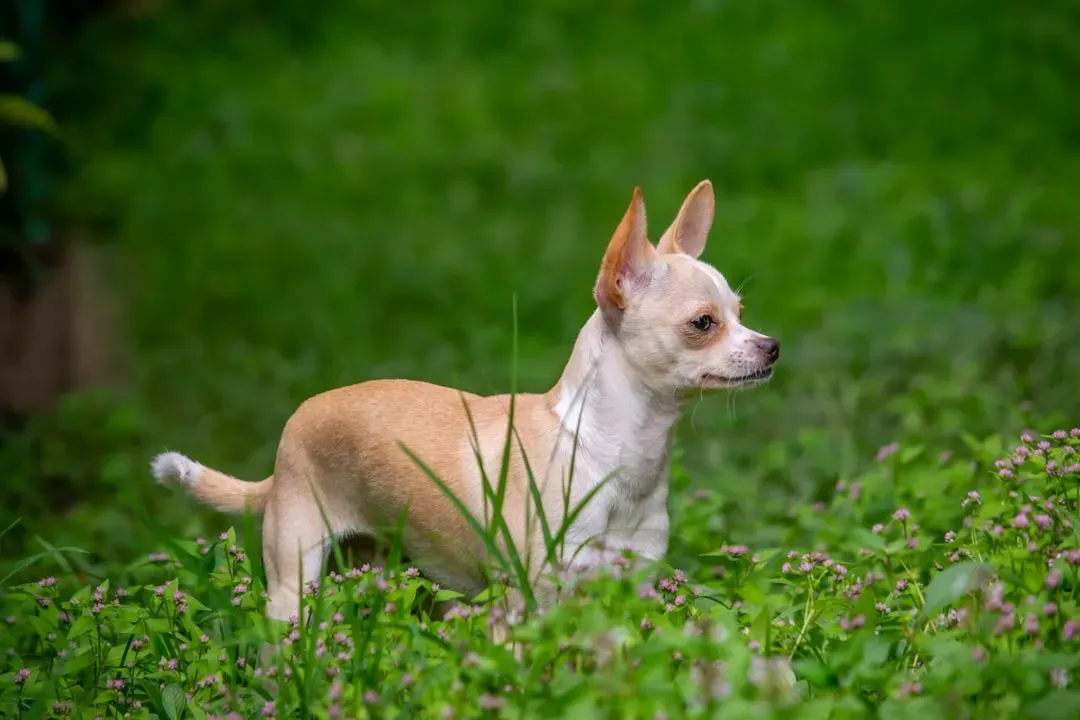
The Chihuahua is the smallest dog in the world; yet ironically, their owners say they have the biggest personalities, and if you have a Chihuahua you know they are devoted to their owners so much that they can be nippy to strangers or other animals vying for your attention. These pocket-sized pups pack enormous devotion into their little frames. They often bond intensely with one person, becoming that person’s constant companion and self-appointed guardian.
Chihuahuas were bred for companionship, so they’re hardwired to expect frequent attention; in fact, they struggle without it and may be more likely to suffer from separation anxiety. Their clinginess isn’t a phase or training issue. It’s built into who they are as a breed. Chihuahuas want to be held, cuddled, and included in every aspect of your life. Some people adore this quality, while others find it exhausting.
Understanding Independence vs Separation Anxiety
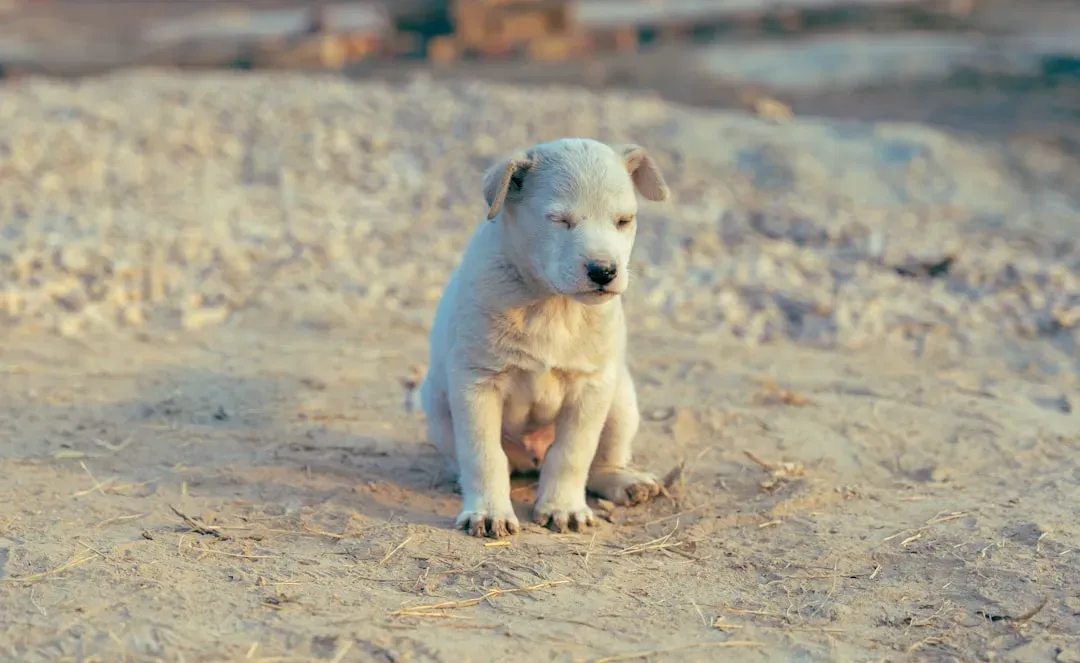
Let’s be real: there’s a crucial difference between a naturally independent dog and one suffering from separation anxiety. An independent dog is comfortable and confident without constant interaction from a human companion, and they often do well as a single pet, and that said, independent dogs have love and loyalty to give, they just might express it differently than other dog breeds, for example, they might prefer to lie in the corner while you’re watching TV on the couch instead of cuddling up next you.
Separation anxiety is when your dog exhibits extreme stress from the time you leave them alone until you return, and the symptoms can vary, but they will act as if they are terrified to be in the house on their own, and although we can’t know for sure what’s in a dog’s mind, we can think of separation anxiety as the equivalent of a panic attack. Signs include destructive behavior immediately after departure, excessive barking or howling, inappropriate elimination, and frantic greeting behaviors. Independent dogs simply don’t mind being alone. Anxious dogs truly panic.
Conclusion: Finding Your Perfect Match
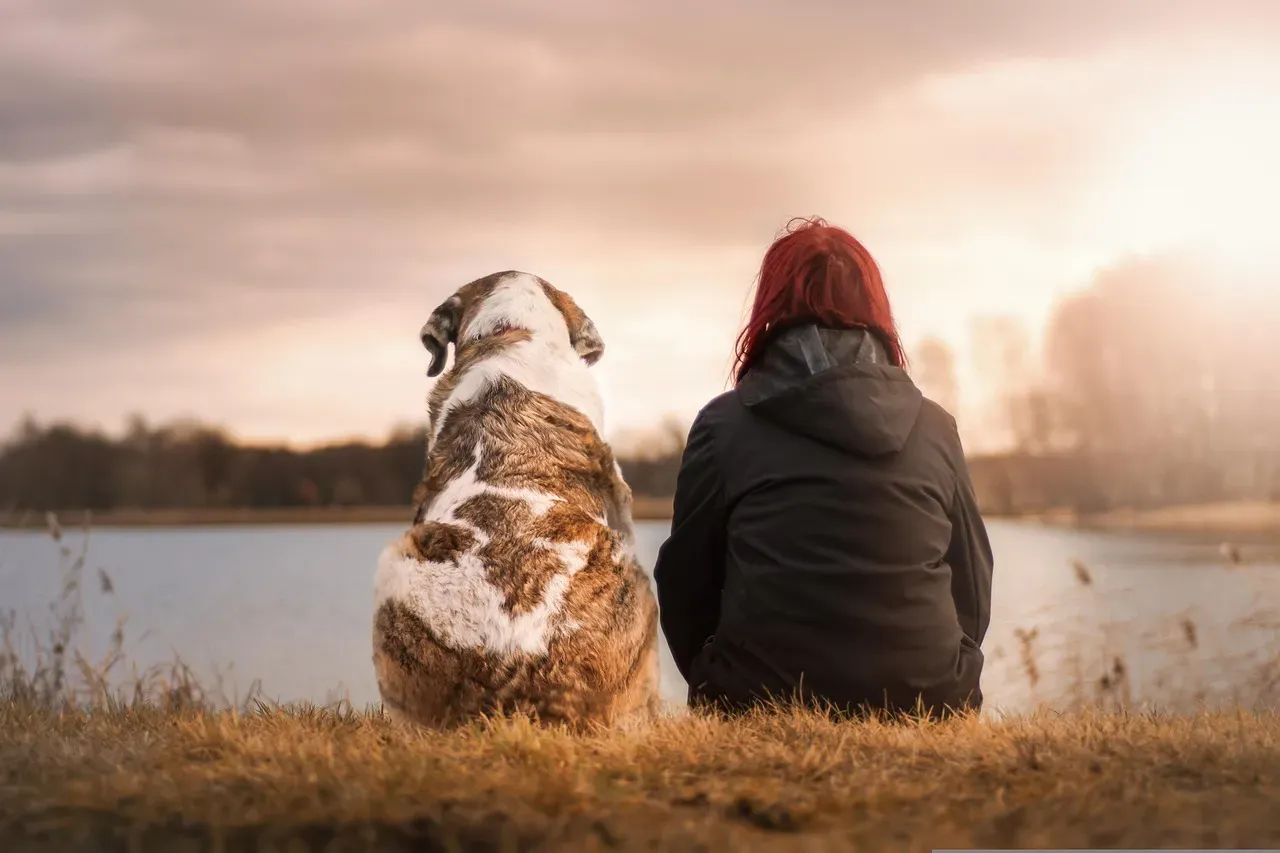
Choosing between an independent breed and a clingy one comes down to honest self-assessment. Are you home most of the day with time for constant companionship, or do you work long hours needing a more self-sufficient partner? Independent dog breeds still need daily care, attention, and affection, and they shouldn’t be left alone for long periods. No dog should be consistently neglected, regardless of breed tendencies.
Both independent and clingy breeds offer incredible companionship, just in different packages. Independent dogs teach us to appreciate quality over quantity in our interactions. Clingy breeds remind us of the profound joy in being someone’s entire world. The key is matching your lifestyle, personality, and availability to your dog’s natural tendencies. What kind of relationship are you hoping for with your canine companion? There’s a breed out there perfectly suited to walk alongside you, whether that’s side by side or with a little breathing room in between.


