
Walking into a room filled with dogs and children creates an unpredictable chemistry. You’d think certain breeds would react one way, but they surprise you completely. Some of the gentlest giants tower over toddlers with endless patience, while other breeds you’d expect to be cuddly simply prefer their peace and quiet.
Let’s be real here. Not every dog is wired to tolerate sticky fingers pulling their ears or high-pitched squeals during playtime. It’s a biological reality, not a character flaw. Every breed has distinctive traits shaped by centuries of selective breeding, and understanding these differences can mean the distinction between lifelong companionship and a mismatch everyone regrets.
The Newfoundland: Nature’s Built-In Babysitter
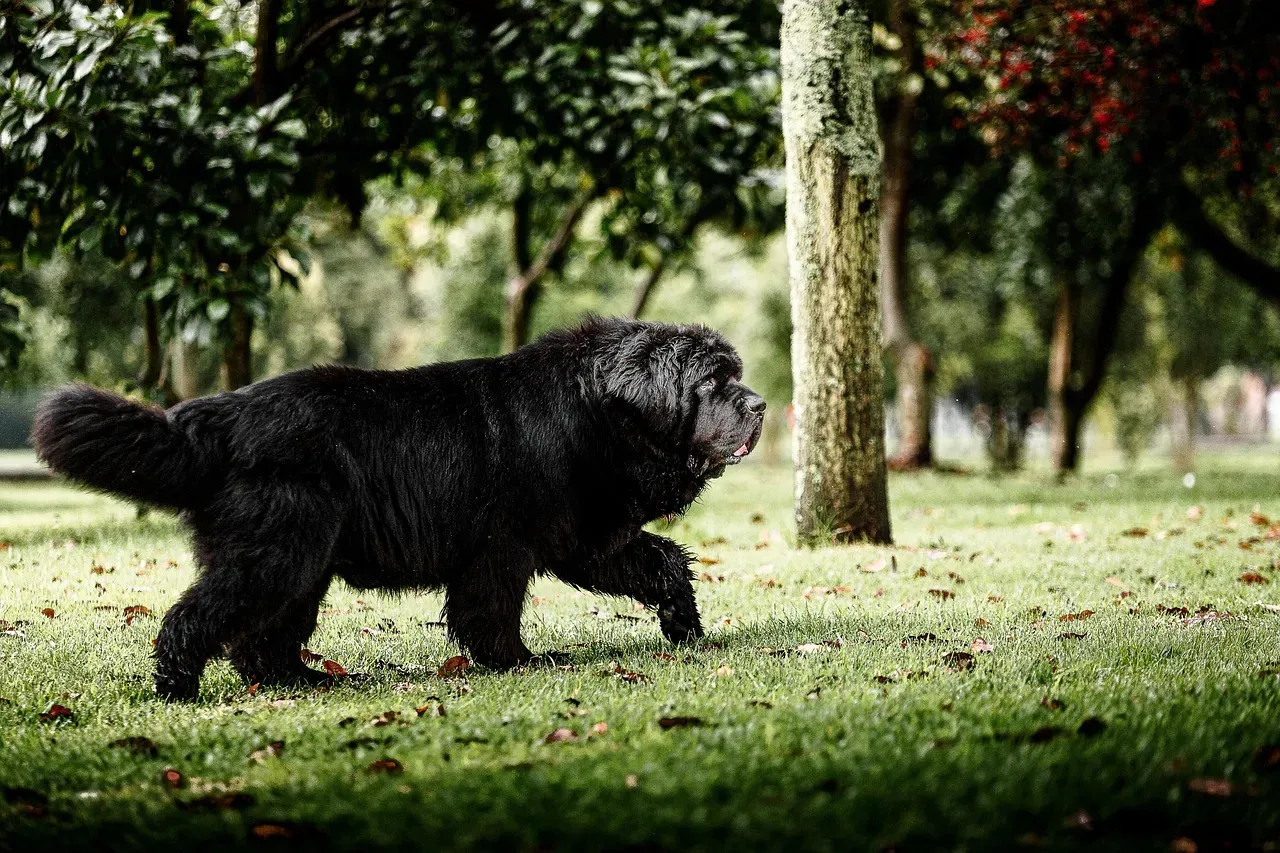
Newfoundlands are famously good with children and have natural protective instincts combined with calm temperaments, often called “nanny dogs” due to their patient, protective nature with kids. These gentle giants can weigh well over 100 pounds, yet they move around children with remarkable awareness of their own size.
The Newfoundland is nicknamed the Gentle Giant for very good reasons: an easygoing temperament, lots of love for children, and at maturity stands around the same height as a bed. Their webbed feet make them natural swimmers, and they’ve been known to rescue people from drowning. Families with pools or lakefront properties find Newfoundlands particularly reassuring companions. The downside? Newfoundlands are very large dogs with shorter lifespans of 8 to 10 years and higher food and veterinary costs.
Golden Retrievers: The Family Gold Standard
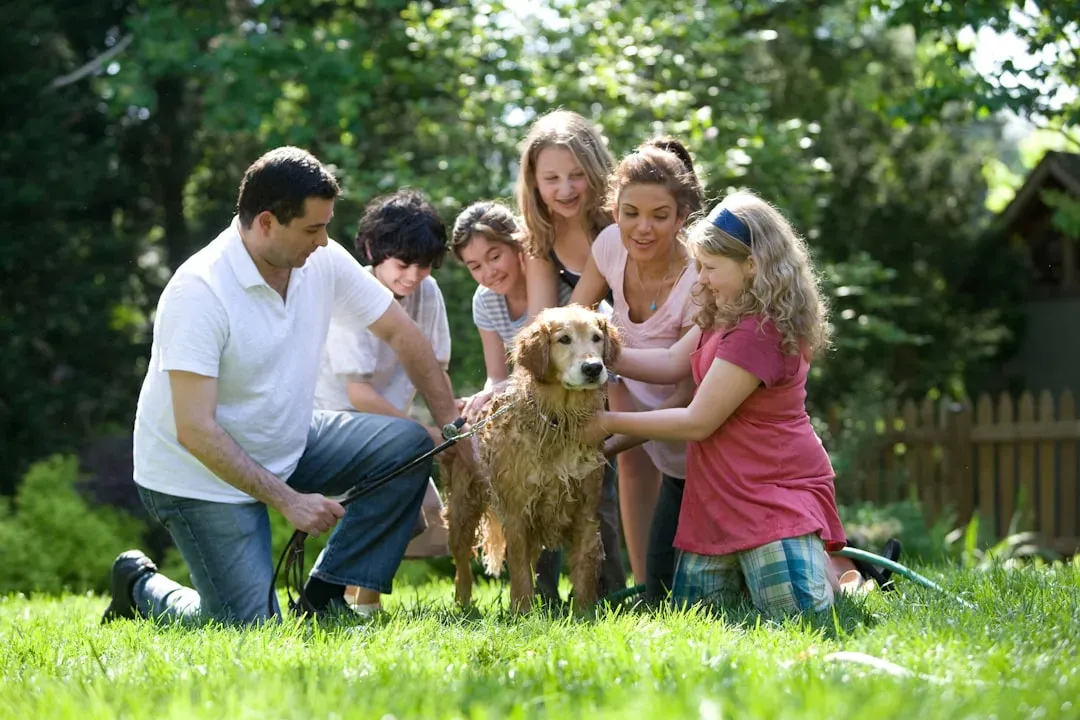
Golden Retrievers consistently rank as top family dogs due to their gentle mouths, patient temperaments, and natural love of children. What makes them so exceptional is the combination of intelligence, eagerness to please, and genuine tolerance for chaos. They’re not just accepting of children – they genuinely enjoy their company.
Golden retrievers are playful, yet gentle with children, and they tend to get along well with other pets and strangers. These dogs are eager to please, which probably explains why they respond so well to obedience training and are such popular service dogs. Their reputation as service animals speaks volumes about their temperament. These dogs instinctively understand when to be calm and when playtime is appropriate. They typically live 10 to 12 years and are prone to cancer and hip problems that families should understand before committing.
Cavalier King Charles Spaniels: Small Package, Big Heart

Here’s a breed that lives to be near people. Cavaliers are affectionate, gentle, and friendly dogs known for their loving nature and tendency to form strong bonds with their families. They are a lower energy breed and appreciate short daily walks and interacting with their family members.
Their compact size makes them manageable for families in apartments or smaller homes. Unlike some toy breeds that become snippy when handled roughly, Cavaliers tend to remain patient and forgiving with children. They’re intuitive creatures who seem to sense a child’s emotions and respond with comfort. The breed’s gentle disposition makes them particularly suitable for families with toddlers or children who might be learning how to interact with dogs.
Beagles: Happy-Go-Lucky Companions

The happiest of dogs, the Beagle is a long-lived family pet who will keep you entertained for years. Beagles get along with most other animals and just live for fun. They are small enough to be a suitable companion to a toddler, vigorous enough to go many miles on a dog-friendly hiking trail.
What strikes me about Beagles is their seemingly endless enthusiasm for life. They approach every day like it’s an adventure waiting to happen. That scent-driven nose of theirs can get them into trouble, though. Beagles are not reliable off lead and require diligent supervision during playtime. Still, their forgiving nature and playful spirit make them wonderful companions for active families.
Boxers: Energetic Protectors with Soft Hearts
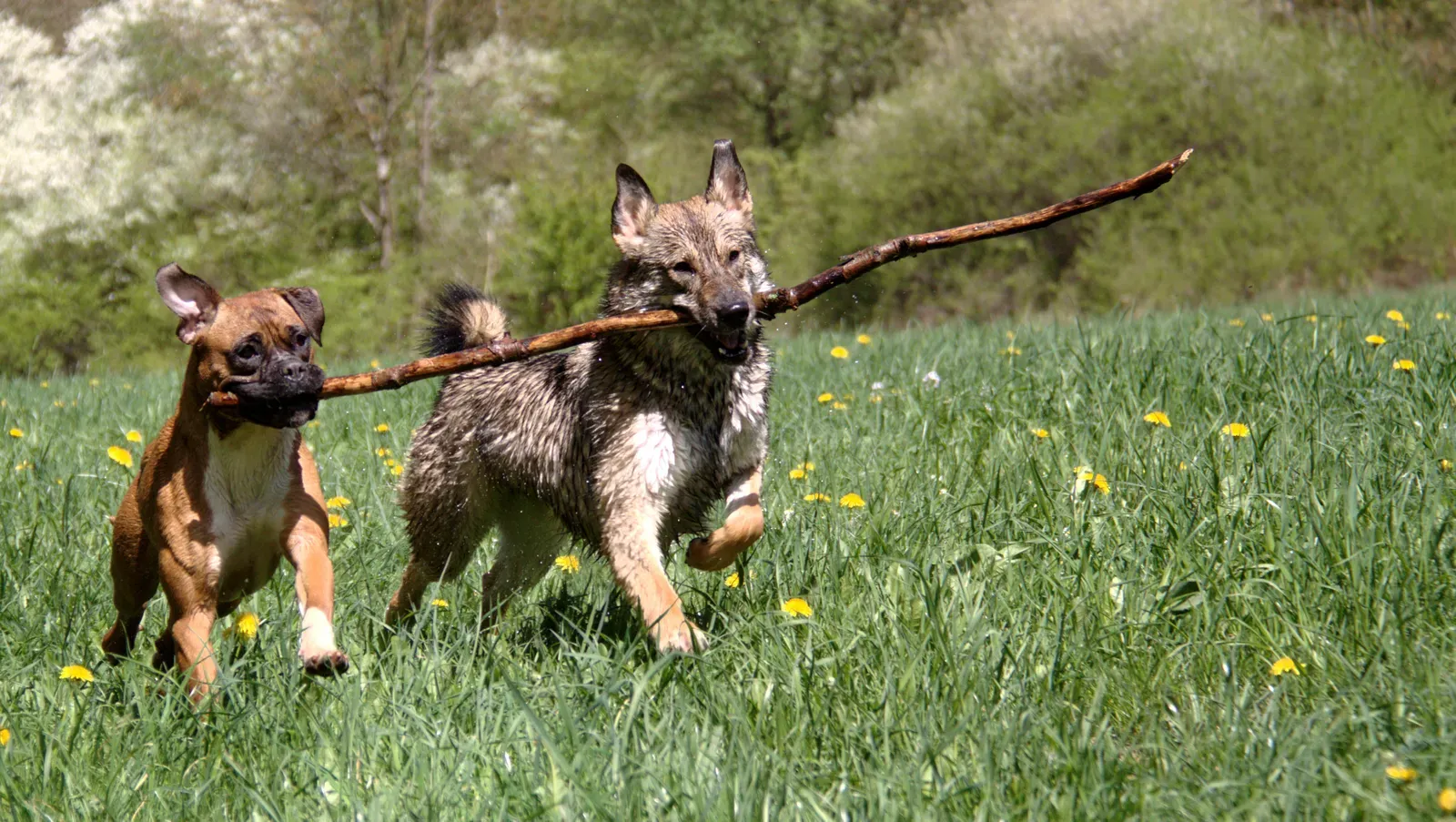
Boxers are loyal, energetic, and always ready for playtime. They adore kids and are patient enough to handle their antics, all while keeping the family entertained with their goofy energy. Boxers seem to have an internal switch that helps them adjust their energy levels around smaller children.
These muscular dogs might look intimidating to outsiders, but family members know the truth. Boxers are natural clowns who love making people laugh. Their protective instincts kick in when necessary, but aggression isn’t their default setting. They need regular exercise to burn off that boundless energy, which makes them perfect for families who enjoy outdoor activities and active weekends.
Collies: The Lassie Effect Is Real
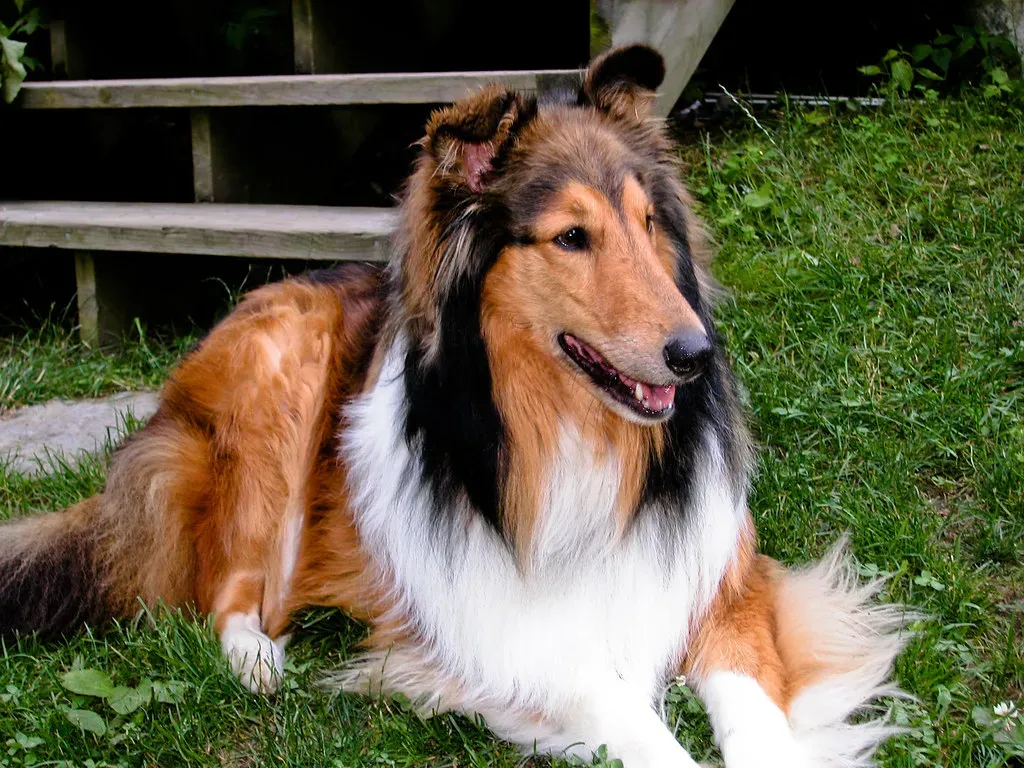
Collies are gentle, playful, and loyal. They’re happiest with their family, but need lots of exercise to stay well-behaved. That famous television dog wasn’t just Hollywood magic – Collies genuinely possess those loyal, gentle qualities.
Because they’re originally herders, Collies are protective of the children in their family and may need training if the kids plan to have friends over. That herding instinct sometimes manifests in gentle nudging or circling behavior around toddlers, which families often find endearing. They’re highly intelligent and respond beautifully to training, making them excellent choices for families willing to invest time in their development.
Bernese Mountain Dogs: Calm Giants with Family Devotion
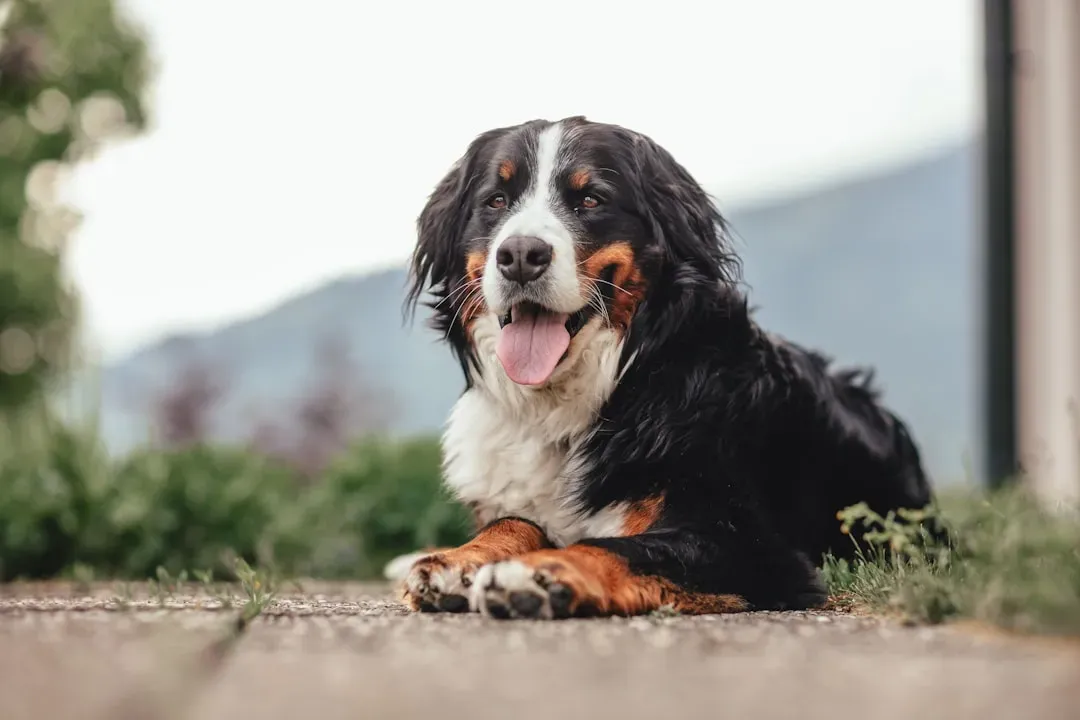
Bernese Mountain Dogs are sweet-natured, calm, and great with children, making them wonderful family pets. Their substantial size requires space, but their temperament makes them remarkably gentle around smaller family members.
These dogs form incredibly strong bonds with their families and want nothing more than to be involved in daily activities. They handle the noise and unpredictability of children with remarkable grace. Their thick, beautiful coats require regular grooming, especially during shedding seasons. Despite their size, they’re surprisingly sensitive souls who thrive on positive reinforcement and gentle guidance.
Akitas: Independent Spirits Needing Experienced Handlers
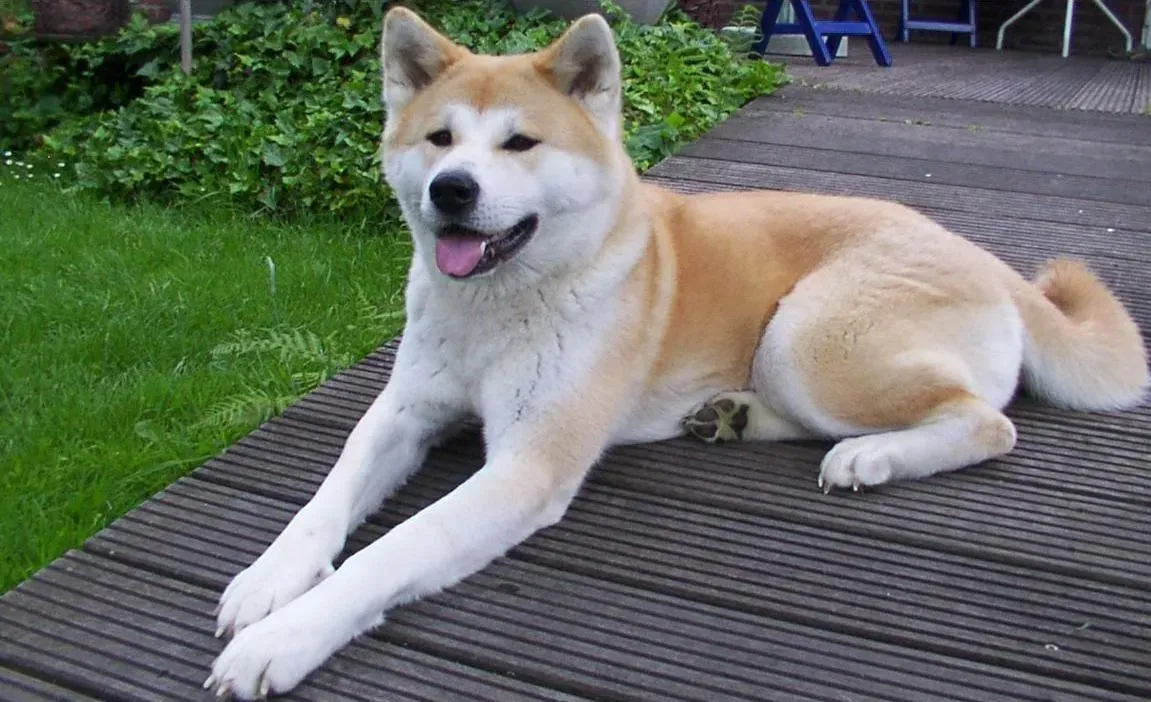
Now we shift to breeds that, honestly, aren’t ideal for families with young children. The Akita is a dignified Japanese dog that is extremely loyal, confident, and energetic. They do not get along well with other dogs or with small children.
Akitas are natural-born guard dogs, and while you can tamp that down somewhat with proper training and socialization, you’ll be unlikely to completely iron it out of them. That guardian instinct, coupled with their intense devotion to their families, makes them wonderful protectors for every member of your household, including the kids. The problem arises when your kids have friends over. If they start roughhousing, your Akita may take it as a sign that their family is in danger, and they can respond viciously. They’re better suited to homes with older children or no children at all.
Chow Chows: Reserved and Routine-Oriented
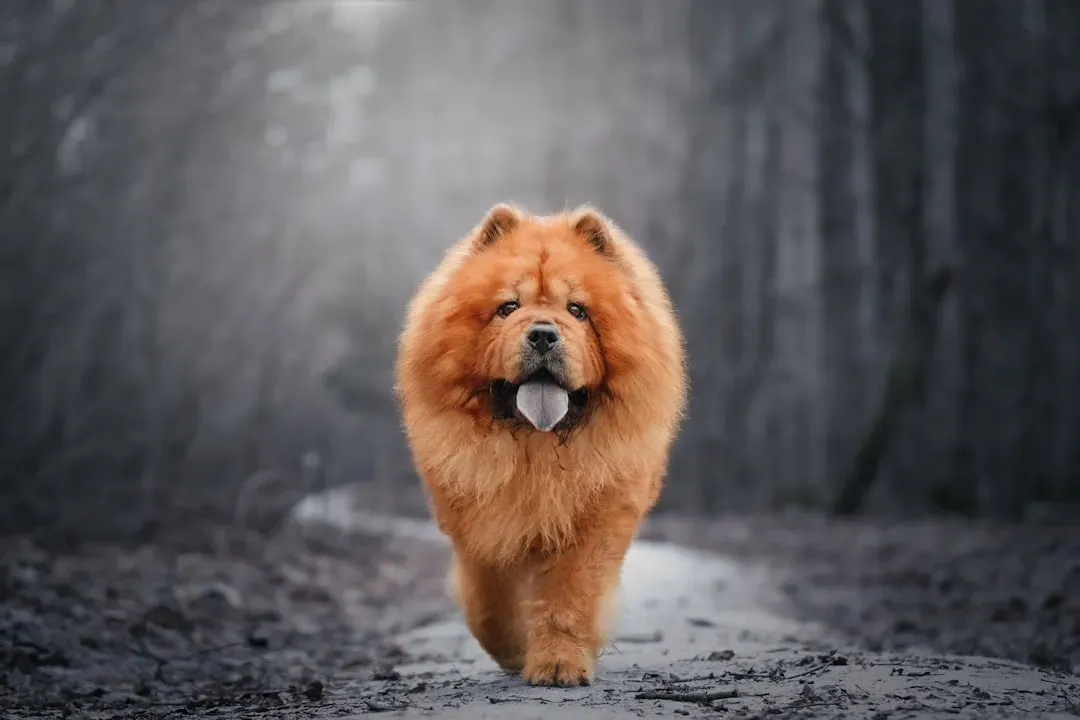
Known for their aloofness, Chow Chows are often reserved with strangers and can be quite stubborn. This breed thrives on routine and consistency, making them less adaptable to chaotic household environments.
Their teddy bear appearance deceives people into thinking they’ll be cuddly, affectionate companions. The reality is quite different. Chow Chows bond intensely with one or two people and remain indifferent or suspicious toward others, including children they don’t know well. Dog breeds best to avoid for families with children include the Chihuahua, Rottweiler, Chow Chow, Pit Bull and Dalmatian. Their independent nature and low tolerance for unpredictable behavior make them challenging for families with young children.
Afghan Hounds: Elegant But Emotionally Distant
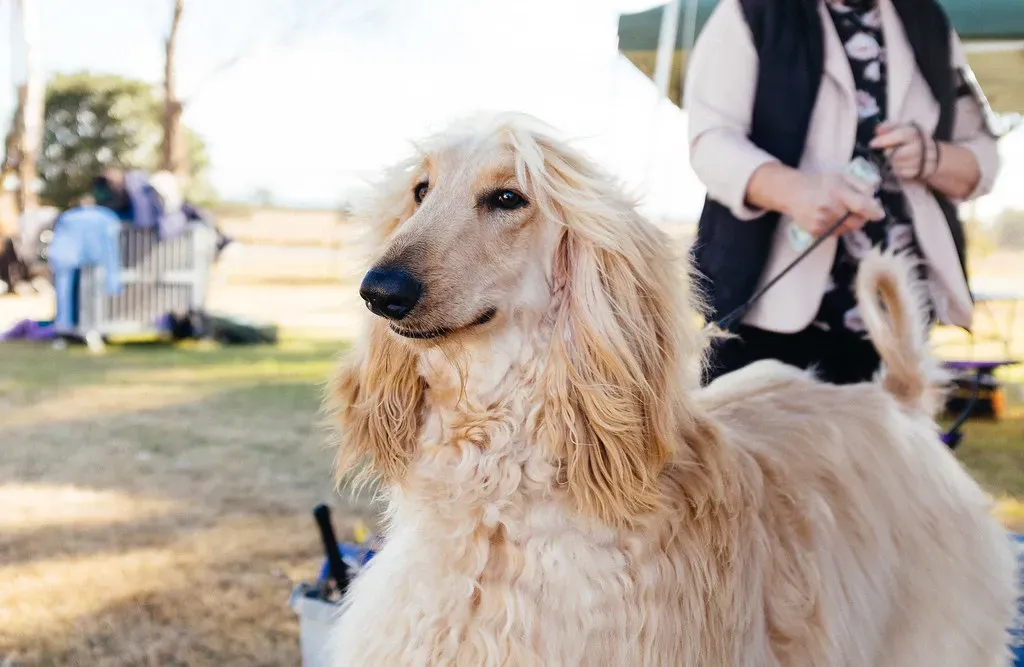
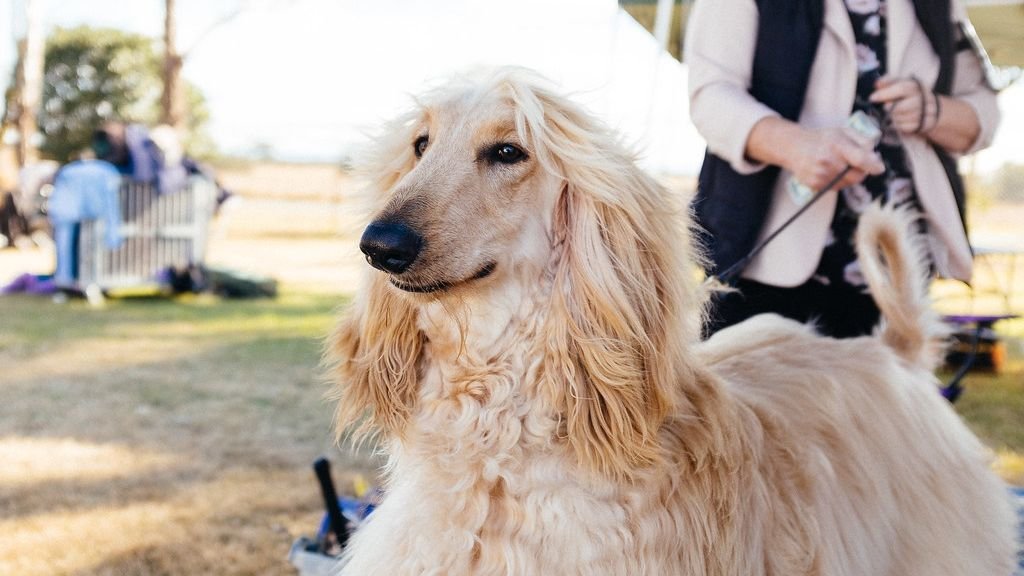
The Afghan Hound is a breed that exudes elegance and grace with its long, flowing coat and dignified demeanor. Afghan Hounds are known for being aloof and independent, making them less inclined to seek out human affection. Their reserved nature can make them seem distant, which might not be ideal for families seeking a cuddly companion.
These dogs require extensive grooming to maintain their beautiful coats, and they possess strong prey drives that make them unsuitable for homes with smaller pets. Children hoping for an interactive, playful companion will likely feel disappointed by an Afghan Hound’s cool demeanor. They’re spectacular dogs for the right person, but families with children aren’t typically that right match.
Weimaraners: High-Strung Hunting Machines

Weimaraners are smart, intelligent dogs. However, with that intellect comes pride and jealousy. Weimaraners are considered moody and tend to be insecure – they often require constant reassurance. Their desire of attention and notice can be problematic when parents’ focus becomes centered on the human children of the house.
These sleek, athletic dogs were bred for hunting and possess energy levels that most families simply can’t match. These gorgeous, ghost-like dogs will take your breath away – but they can also knock your kids’ wind out of them. They love to roughhouse and can easily trample a small child in the process. These dogs don’t seem to be overly fond of children either. Their need for intense exercise and mental stimulation makes them better suited to child-free households or families with older, athletic teenagers.
Chihuahuas: Tiny Bodies, Big Attitudes

Chihuahuas can be extremely aggressive, territorial, and prone to biting. Their small size makes them vulnerable to accidental injury from young children, and they’re keenly aware of this vulnerability. As a very small dog, this breed may sometimes feel threatened and have a tendency to be aggressive; complete with barking, growling and baring of teeth. They are a nervous animal and are easily provoked, which is not good around the sudden movements and loud noises associated with kids.
Many Chihuahuas form intense bonds with one person and view everyone else – including family children – as competition for that person’s attention. Possessive of your time and attention, they may be jealous of small kids and the amount of your time they command. Chihuahuas are loud barkers and yowlers. This does not mesh well for young kids and babies who need naps. Also, they are a fragile dog and not built for the rough handling and play of small children.
Understanding Why These Differences Matter
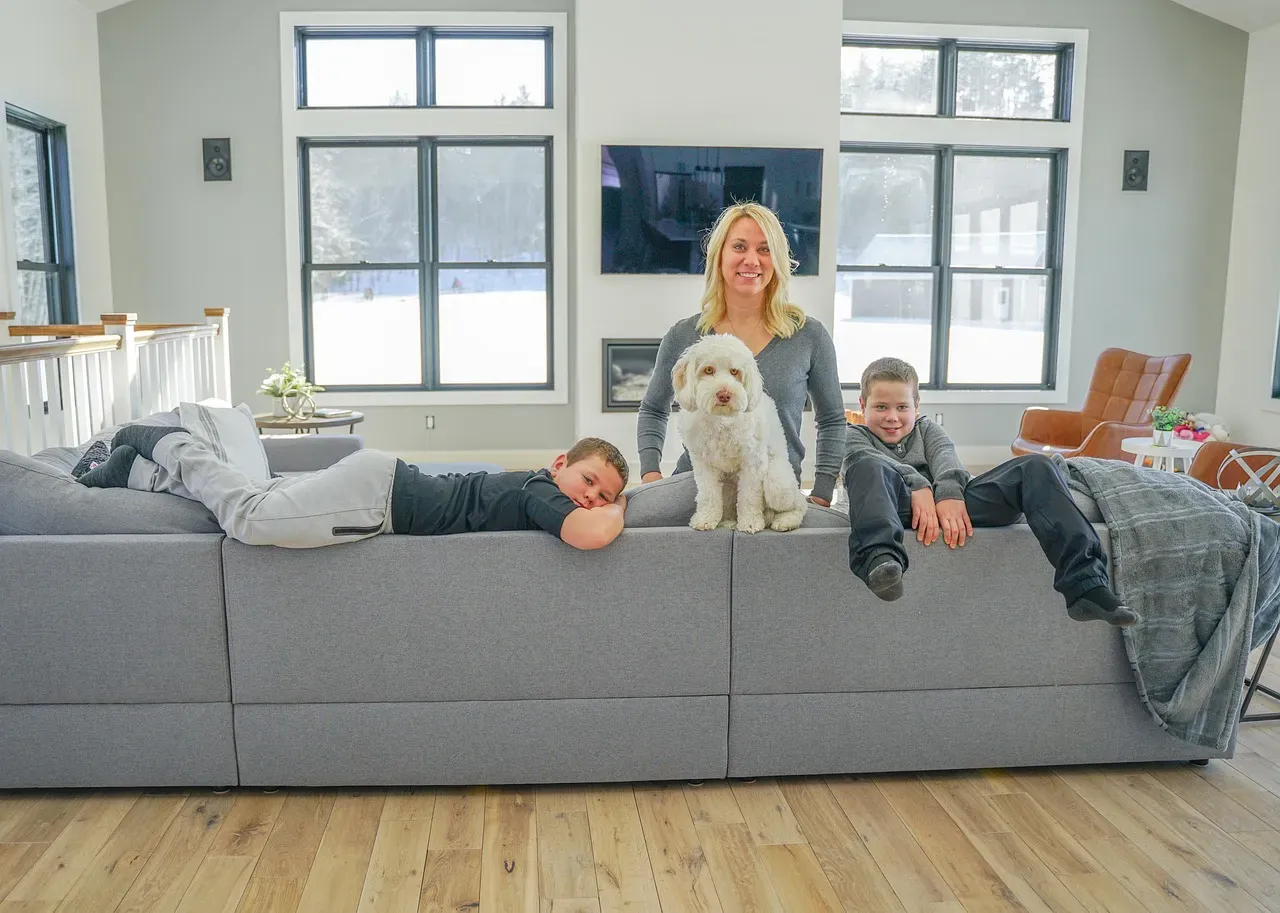
Breed temperament isn’t destiny, but it’s certainly a strong predictor. A family-friendly dog breed should be one that is tolerant of a child’s sometimes boisterous and loud behavior. In other words, it should be a calm dog, not an anxious one, and one that has a tolerant personality. Even within gentle breeds, individual dogs have unique personalities shaped by genetics, early socialization, and life experiences.
If a kid-friendly breed is hurt or teased by a child, they might develop a loathing for children. Much of what determines a good dog is early socialization and proper training. This works both ways – children need training just as much as dogs do. Teaching kids to recognize stress signals, respect boundaries, and interact appropriately with dogs prevents most problems before they start. Never leave young children unsupervised with dogs, regardless of breed or individual dog’s temperament. Even the gentlest dogs can react unpredictably if hurt, frightened, or surprised.
The dogs that prefer adult company aren’t bad dogs. They’re simply wired differently, bred for purposes that required independence, wariness of strangers, or intense focus on specific tasks. Respecting these differences rather than trying to force incompatible matches serves everyone better – the dogs, the children, and the frazzled parents caught in the middle.
Did you grow up with a surprisingly gentle giant, or maybe a small breed that proved the stereotypes wrong? What would you add to this list based on your own experiences?


