
Training a dog can feel like magic when everything clicks. That moment when your pup learns a new command, looks at you with bright eyes, and actually listens? Pure joy. Some dogs seem to pick up on what you want almost before you even say it, while others, well, they keep you humble. Let’s be real, not every breed learns at the same pace.
The truth is, intelligence in dogs comes in many forms. Some breeds were developed to work closely with humans, hanging on every word and gesture. Others were bred to think independently, making their own decisions while herding sheep or hunting game in harsh terrain. Neither is better or worse, they’re just different. Understanding your dog’s natural tendencies can transform frustration into appreciation.
So let’s dive into the world of canine learning styles. We’ll explore eight breeds that seem to have training on fast forward, followed by four that require patience, creativity, and maybe a good sense of humor.
Border Collie: The Overachievers of the Dog World
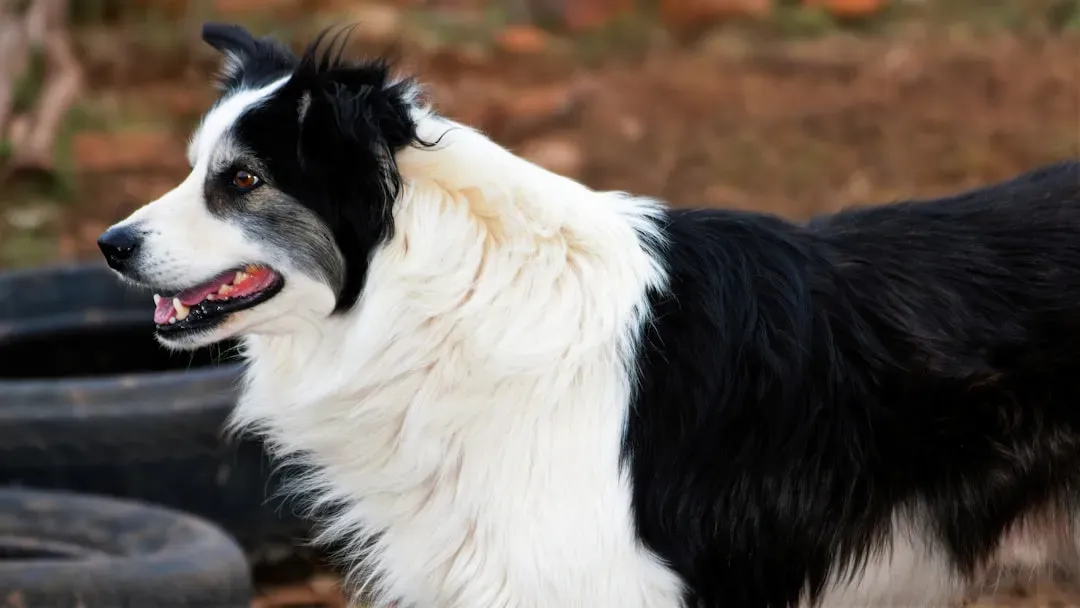
Border Collies are widely recognized as the smartest dog breed because of their uncanny ability to learn tasks quickly and perform them exceptionally well. Honestly, these dogs are almost too smart for their own good sometimes. They can learn a new command with fewer than five repetitions and obey a known command on the first try with a 95 per cent success rate.
What makes them so brilliant? They have a natural willingness to work and complete tasks, and their intelligence, stamina, and work ethic make them one of the most obedient dogs. Think of them as the straight-A students who also captain the sports team. They possess cognitive abilities equivalent to a 2-3 year old child.
These dogs need constant mental stimulation though. Their intelligence can make Border Collies a challenging pet, as they require a significant amount of daily mental and physical exercise to avoid becoming bored and potentially destructive.
Poodle: Brains Behind the Beautiful Curls
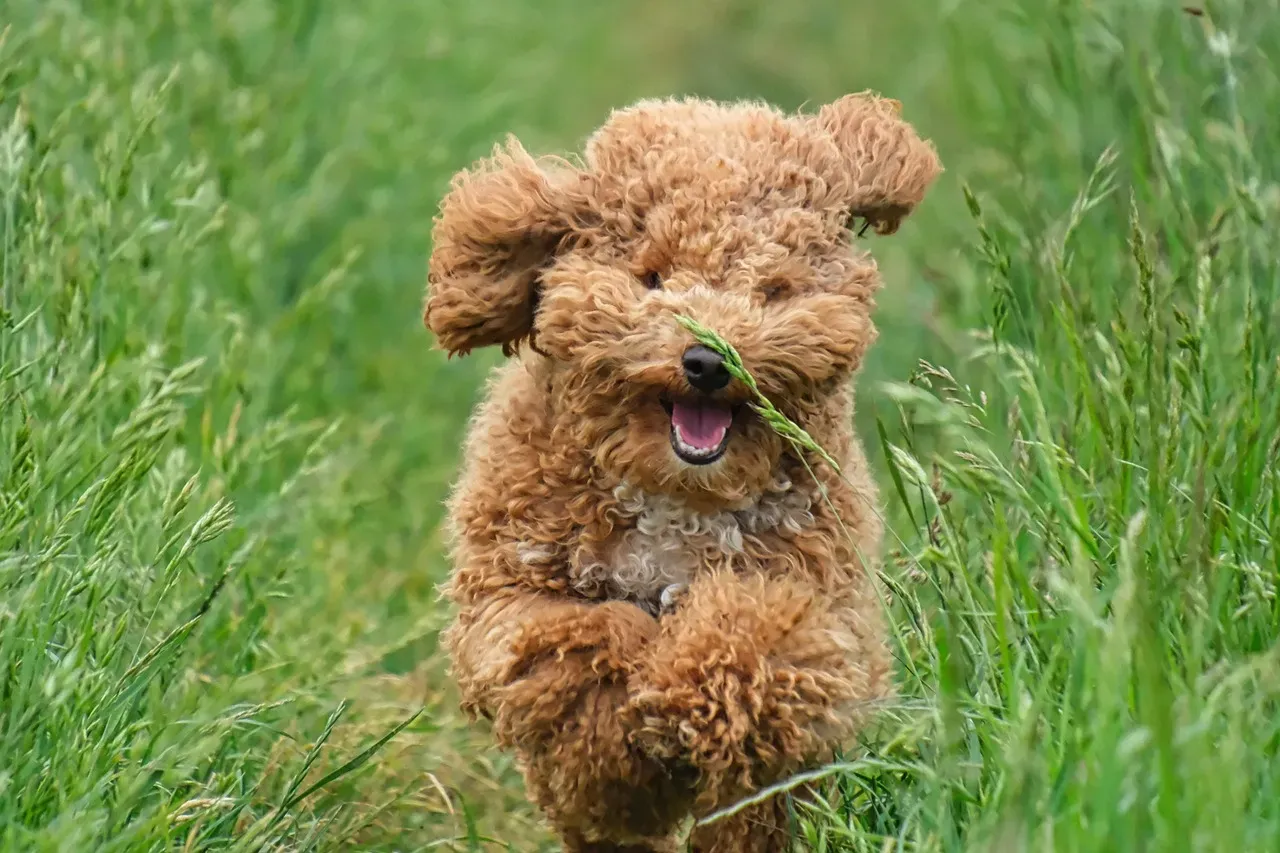
Poodles are some of the smartest dogs with a high level of intelligence, athletic nature and innate desire to be a companion, making them very fast learners that love the challenge of training and learning new tricks. Don’t let those fancy haircuts fool you. Whether you’re looking at a Standard, Miniature, or Toy Poodle, you’re dealing with serious intellect.
Standard Poodles are quick learners, and their desire to please their owners makes them one of the easiest breeds to train. They excel at pretty much everything, from obedience competitions to therapy work. I think what surprises people most is how athletic they are beneath that elegant exterior.
Their eagerness to please combined with sharp problem-solving skills makes training sessions feel like a collaborative effort rather than a chore.
German Shepherd: The Loyal Protectors Who Learn Lightning Fast
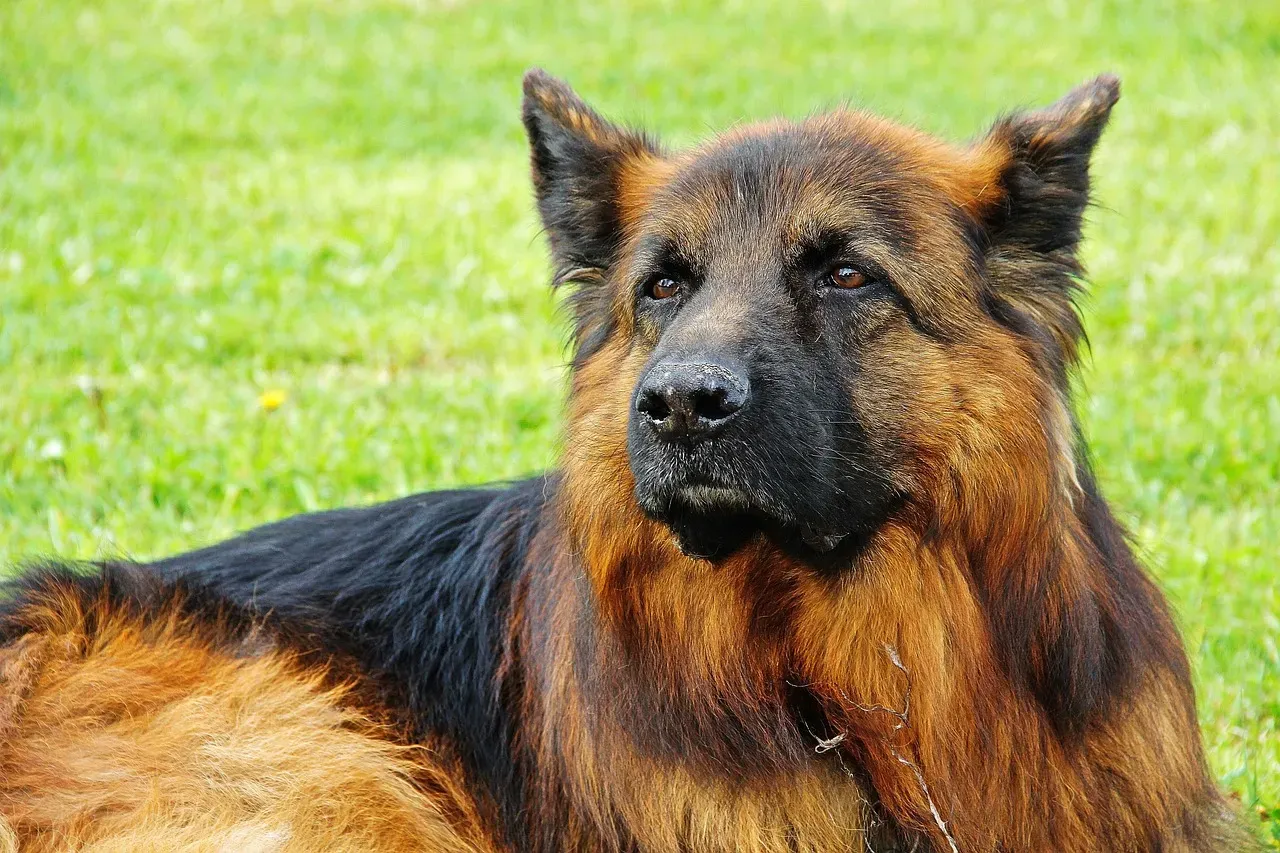
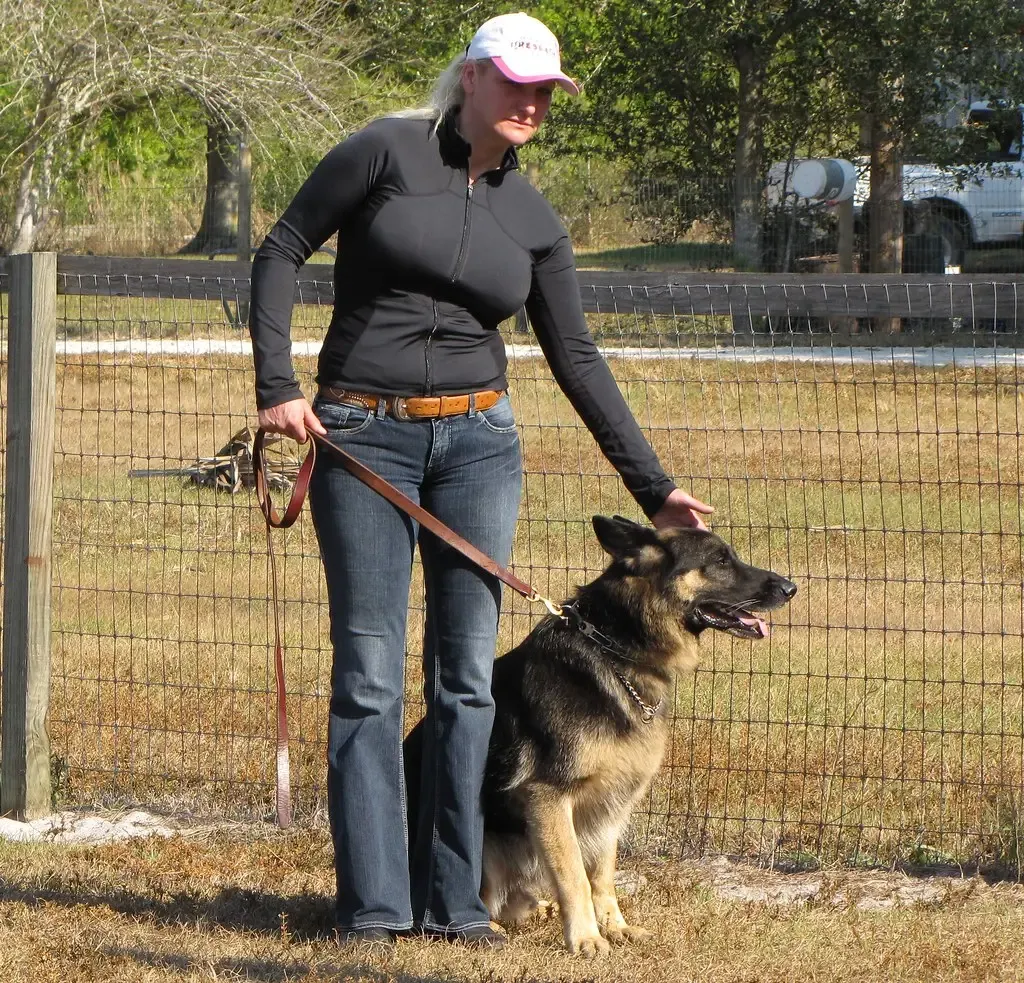
German Shepherds are considered highly trainable because they were initially bred for herding and protection, selectively developed for intelligence, obedience, and loyalty, making them quick learners who can follow commands with minimal repetition. There’s a reason you see them working alongside police officers and military personnel worldwide.
Quick learners and highly versatile, German Shepherds are often used in police and military roles due to their trainability, and with proper socialization they can adapt easily to life as family companions.
German Shepherds require the right kind of training to succeed, as they don’t respond well to punishment, and their drive to work for reward is much stronger than their desire to avoid negativity. These dogs want to work for you, not out of fear but because they genuinely value your approval.
Labrador Retriever: America’s Favorite for Good Reason
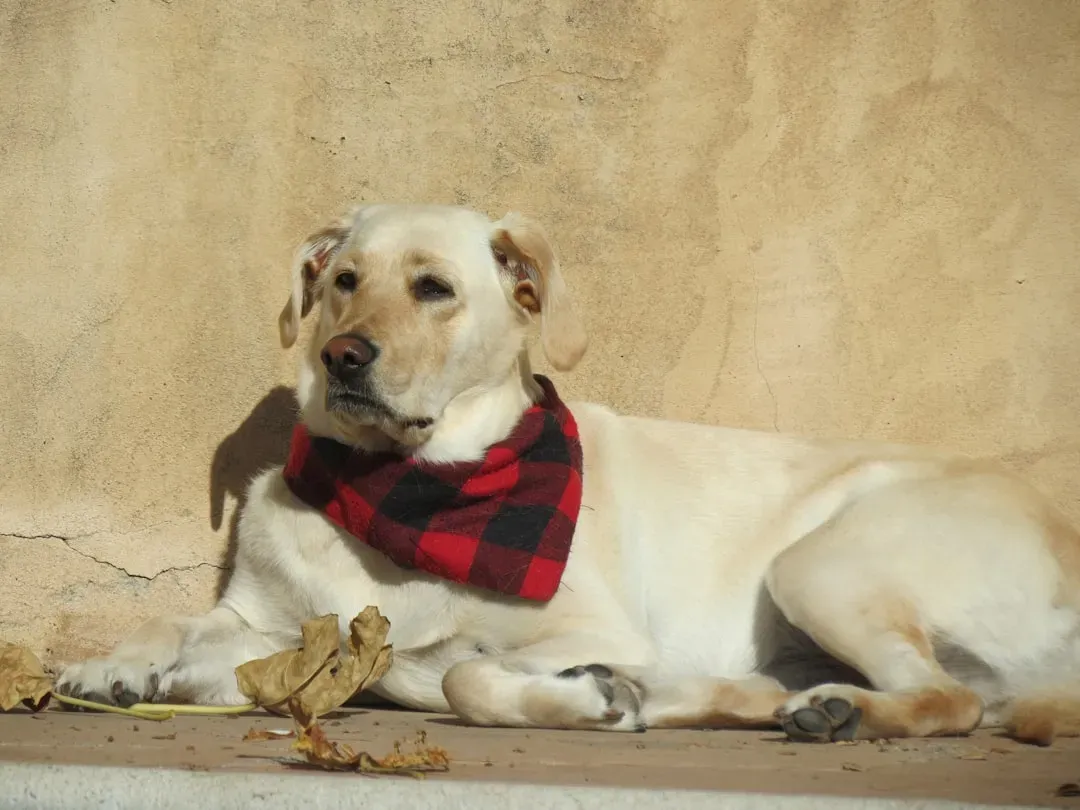
Here’s the thing about Labs, they’re basically the golden children of the dog world. Friendly, eager to please, and quick to learn, Labs are among the easiest breeds to train, especially for first-time dog owners, as they respond well to positive reinforcement and thrive with structure and mental stimulation.
Labs are known for their friendly and outgoing personalities and are among the easiest dogs to train, partly because their very high food drive doesn’t hurt. Trust me, a Lab will do backflips for a piece of cheese. Labs love to please their owners, which makes them fast learners.
Their patience and stable temperament make them outstanding service dogs, therapy dogs, and family companions. They’re forgiving during training, which takes pressure off nervous first-time owners.
Golden Retriever: The Sweethearts Who Aim to Please
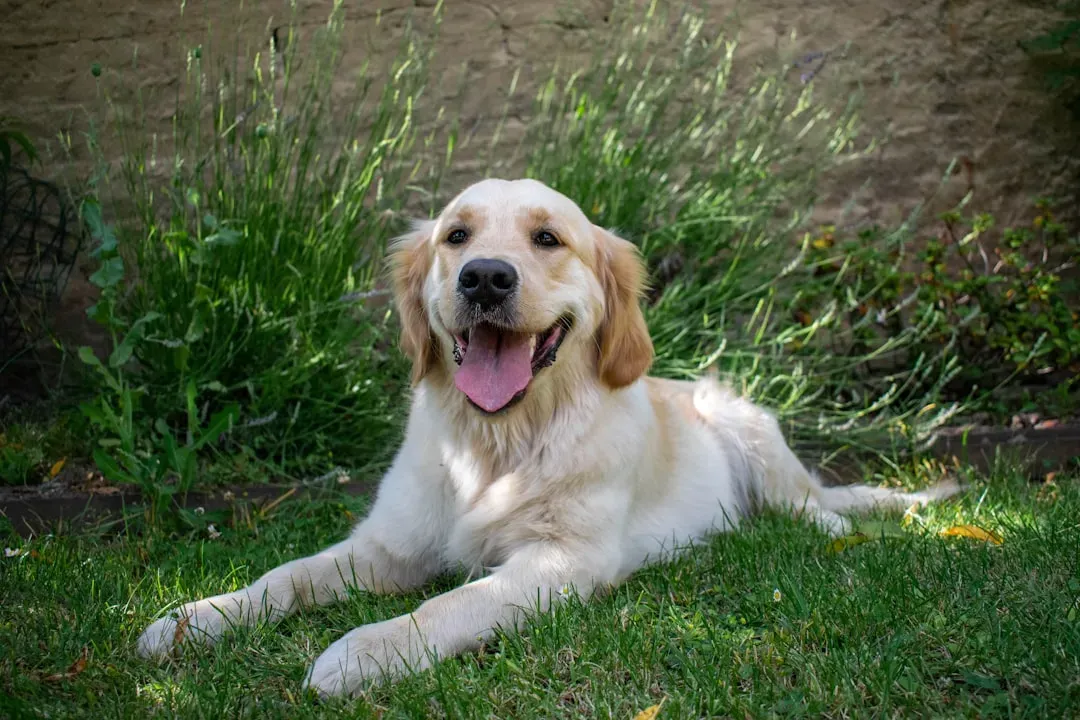
Renowned for their friendly demeanour, Golden Retrievers are great family dogs and highly trainable, as they are intelligent and eager to please, making them quick learners. They have this wonderful quality of being both silly and smart at the same time.
Goldens are often known for being a bit goofy, but they’re also extremely loyal to their people and eager to please, and their friendly and patient nature makes them excellent candidates for obedience training and advanced skills, such as search and rescue or therapy work.
These dogs genuinely seem happiest when they’re learning something new with you. Their enthusiasm is infectious, turning even mundane training sessions into tail-wagging celebrations.
Papillon: Big Intelligence in a Tiny Package
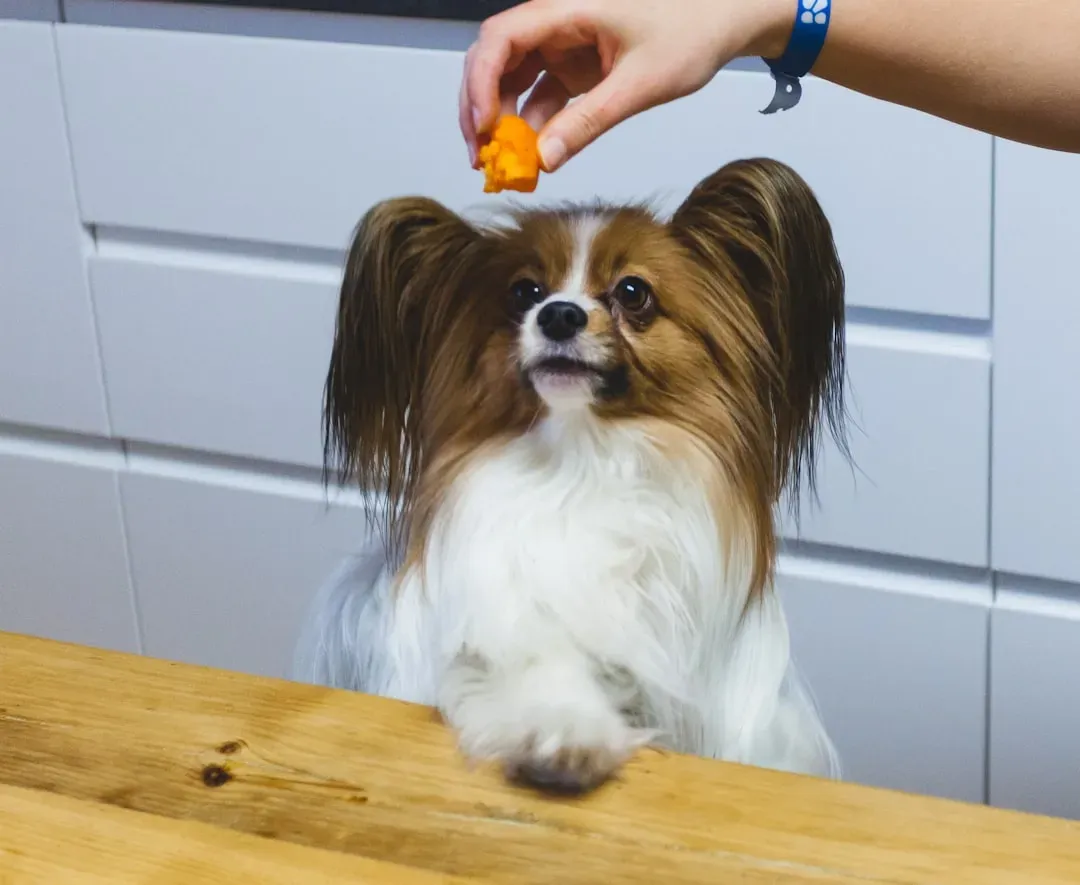
Despite their small size, Papillons are known for their intelligence and agility, are quick learners and can perform tricks with ease, and love to connect with their people while being happy, outgoing and intelligent. People often underestimate these little dogs because of their delicate appearance.
Papillons are quick learners who love tricks and excel in competitive obedience and agility. Named for their butterfly-like ears, this alert toy breed is eager to please their owners, and Papillons are curious, quick studies, and enjoy learning new things.
They’re proof that brainpower has nothing to do with body size. These dogs often outperform much larger breeds in agility competitions.
Shetland Sheepdog: The Miniature Herding Genius
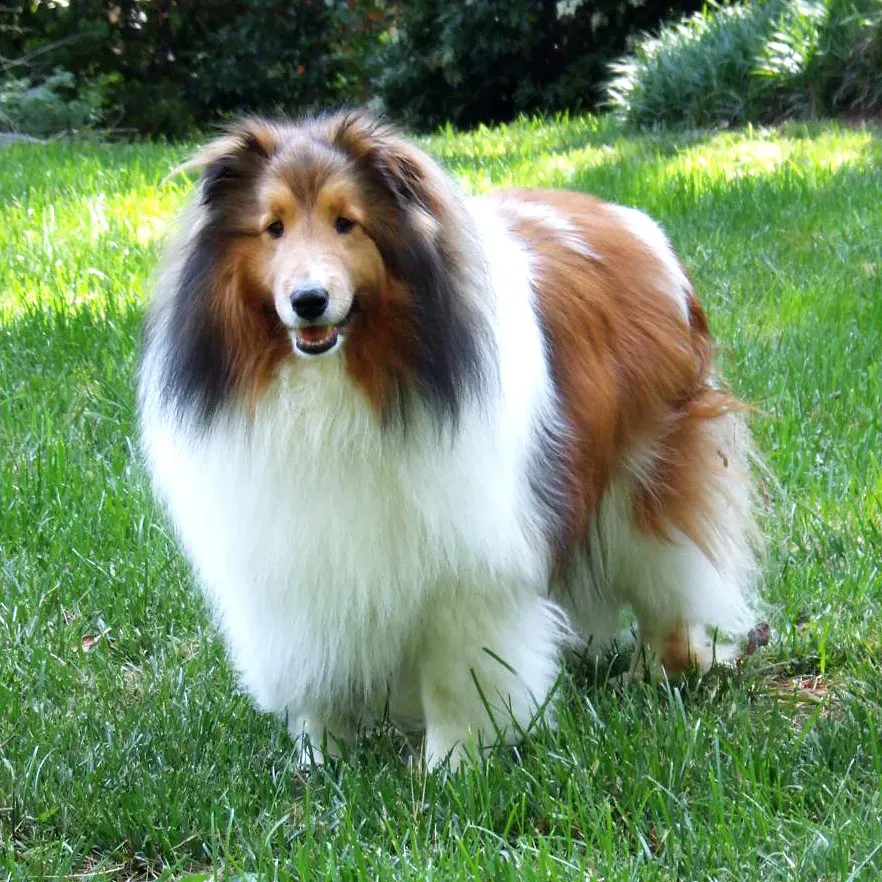
Shelties are related to herding dogs, which gives them excellent trainability, are a medium-size breed, are intelligent and playful, like to have a job, and this breed is great for training because it gives them an activity that you both will enjoy doing together.
When it comes to training, the sheltie enjoys a challenge and also loves to please. They’re like Border Collies in a more manageable package, still brilliant but perhaps a touch less intense. Shetland Sheepdogs are smaller herding dogs known for their agility and intelligence, and are quick learners and excel in obedience.
Their sensitivity means they pick up on subtle cues, sometimes learning things you didn’t even intend to teach them.
Doberman Pinscher: Sharp Minds Behind Sleek Bodies
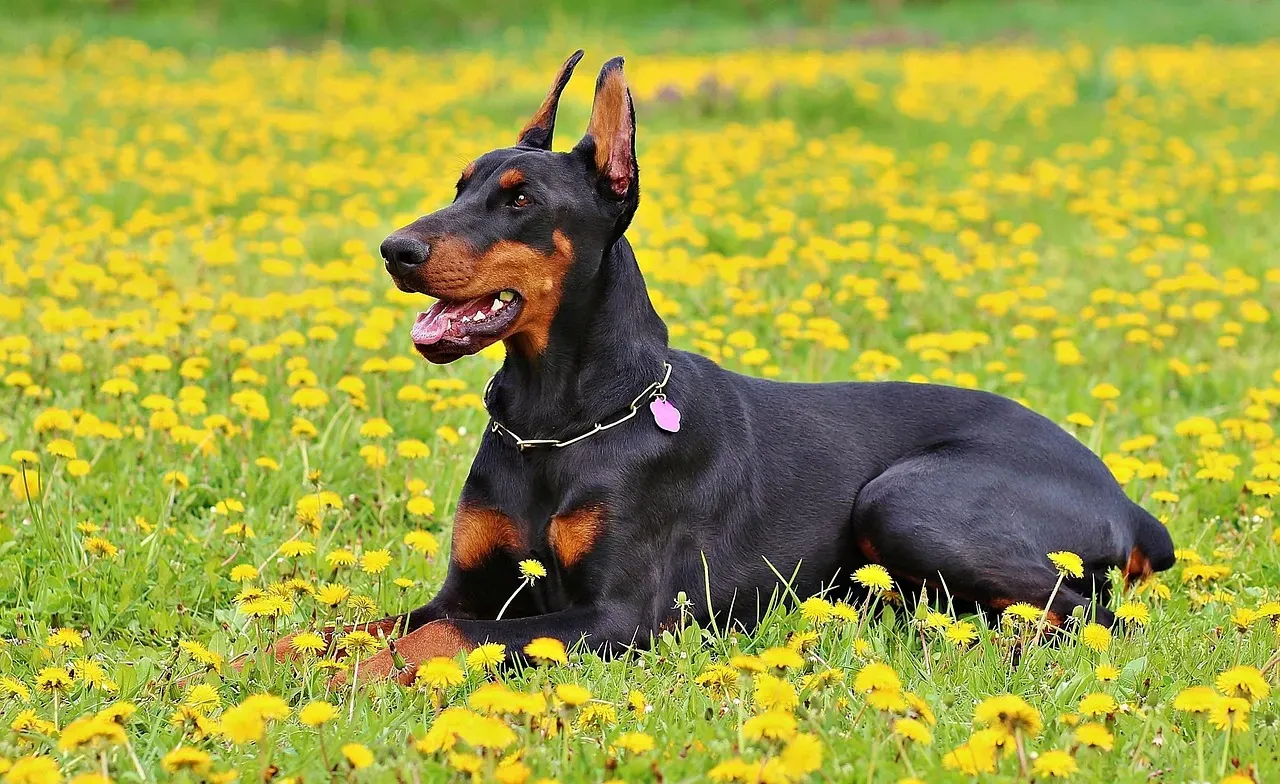
The statuesque Doberman pinscher is renowned for being one of the easiest dogs to train. These muscular, strong dogs are incredibly loyal, whip-smart, and have a strong work ethic, and Dobermans are easy-to-train dogs that thrive in structured training environments.
Dobermans form close bonds with their owners and are quick learners, making them an excellent choice for those seeking a highly trainable and protective breed. Their reputation for being intimidating sometimes overshadows just how intelligent and eager to work they are.
They need clear leadership and consistent training, but once you establish that relationship, they’re remarkably responsive. These dogs want a job to do and excel when given purpose.
Afghan Hound: The Elegant Free Spirit
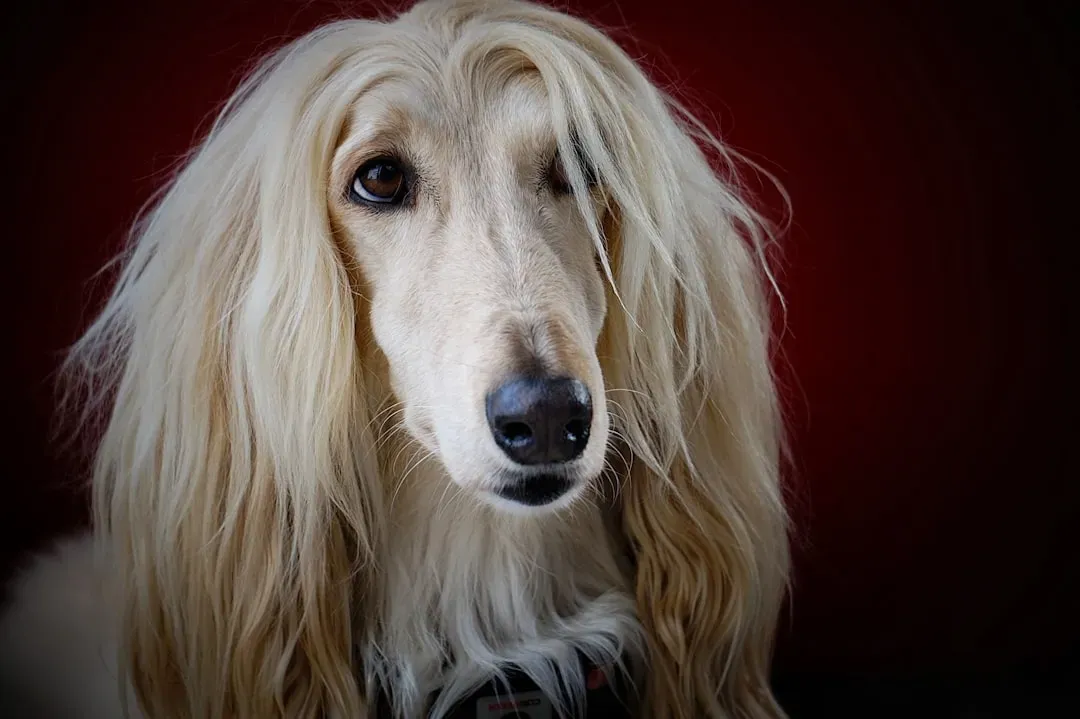
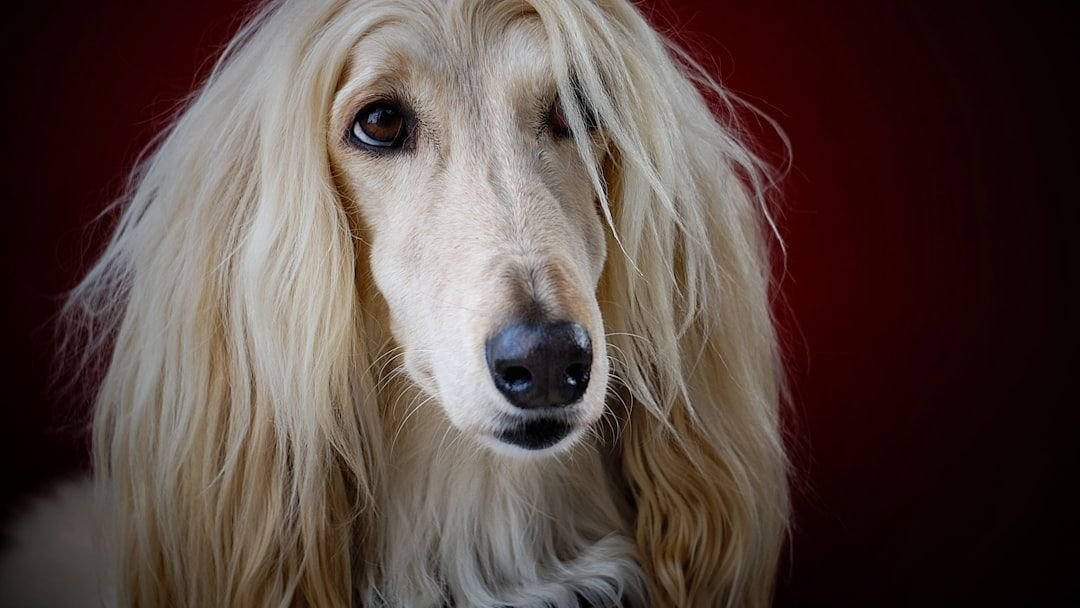
Now we’re entering different territory. Afghan Hounds are extremely intelligent, but have independent qualities more in line with cats, and they prefer to do what they want, when they want, and love pretending you didn’t just call their name. Let’s be honest, training an Afghan is an exercise in patience and humility.
The striking Afghan hound needs at least 80 repetitions to understand a new command, which may stem mainly from the fact that it is one of the most stubborn breeds, notorious for ignoring its owners’ commands.
Some suggest training an Afghan Hound can be difficult due to them struggling to understand, but some say it’s due to their independence and being unwilling to learn. Afghans are instinctively and genetically self-thinkers, born to hunt on their own without cues from humans, and in order to train an Afghan you will need to be creative in your training methods always thinking from the aspect of the Afghan asking what’s in it for me.
Here’s the thing though, they’re not dumb. They’re just magnificently independent.
Siberian Husky: The Beautiful Rebels
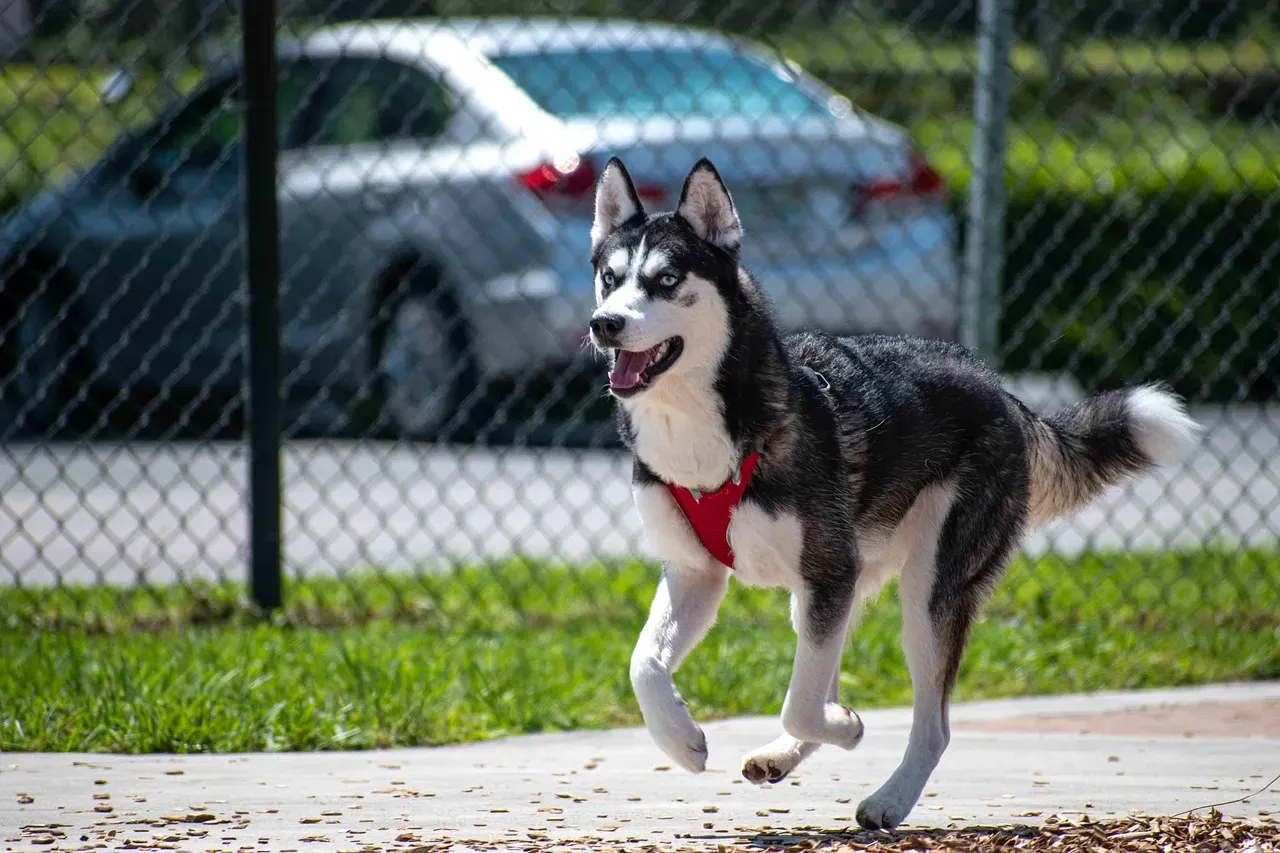
Huskies are an extremely energetic breed that need loads of exercise, were originally bred to run for miles on end in frozen tundra, and without enough exercise they will quickly become destructive, as they were bred to be independent which ensured a mushing group would ignore commands if the terrain was deemed unsafe.
Siberian Huskies are known for their gorgeous appearance and high energy levels, need dedicated training, will act out if they get bored, and are intelligent and independent, which can make training a challenge. Those stunning blue eyes hide a mischievous streak a mile wide.
They know what you want them to do. Whether they choose to cooperate is another matter entirely. Siberian Huskies are arguably the most stubborn breed. Their independent decision-making was a survival trait, not a character flaw.
Chow Chow: The Dignified Loner
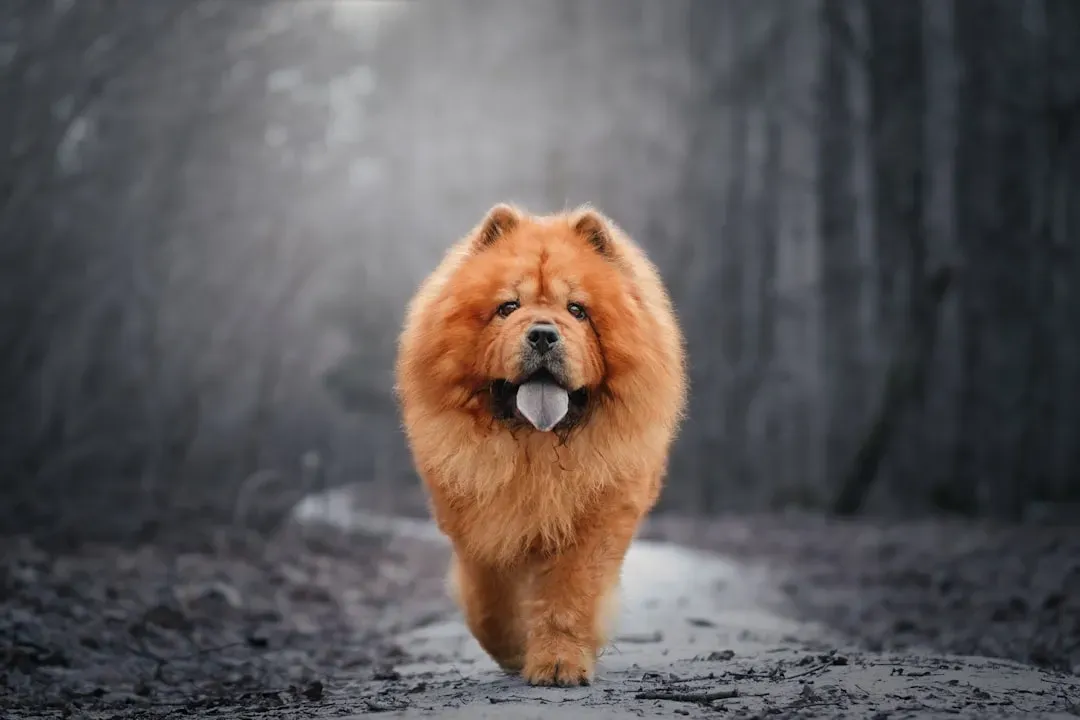
Coren once quipped that there are probably pieces of furniture that can be trained more easily than chow chows. That should tell you something right there. Chow chows are serious, independent and distant, and are willful and stubborn, which makes them harder to train.
Chow Chows have a reputation for being strong-willed and aloof, and can be wary of strangers and may require extensive socialization.
These dogs were bred as temple guardians and hunting companions in ancient China. They’re wired to think for themselves and take their responsibilities seriously. Chow chows require firm but positive training and extensive socialization from an early age, and when raised properly they are noble, loyal and devoted companions.
Their aloofness doesn’t mean they don’t love their families. They just express it differently, on their own terms and in their own time.
Basenji: The Dog That Doesn’t Bark (Or Listen)
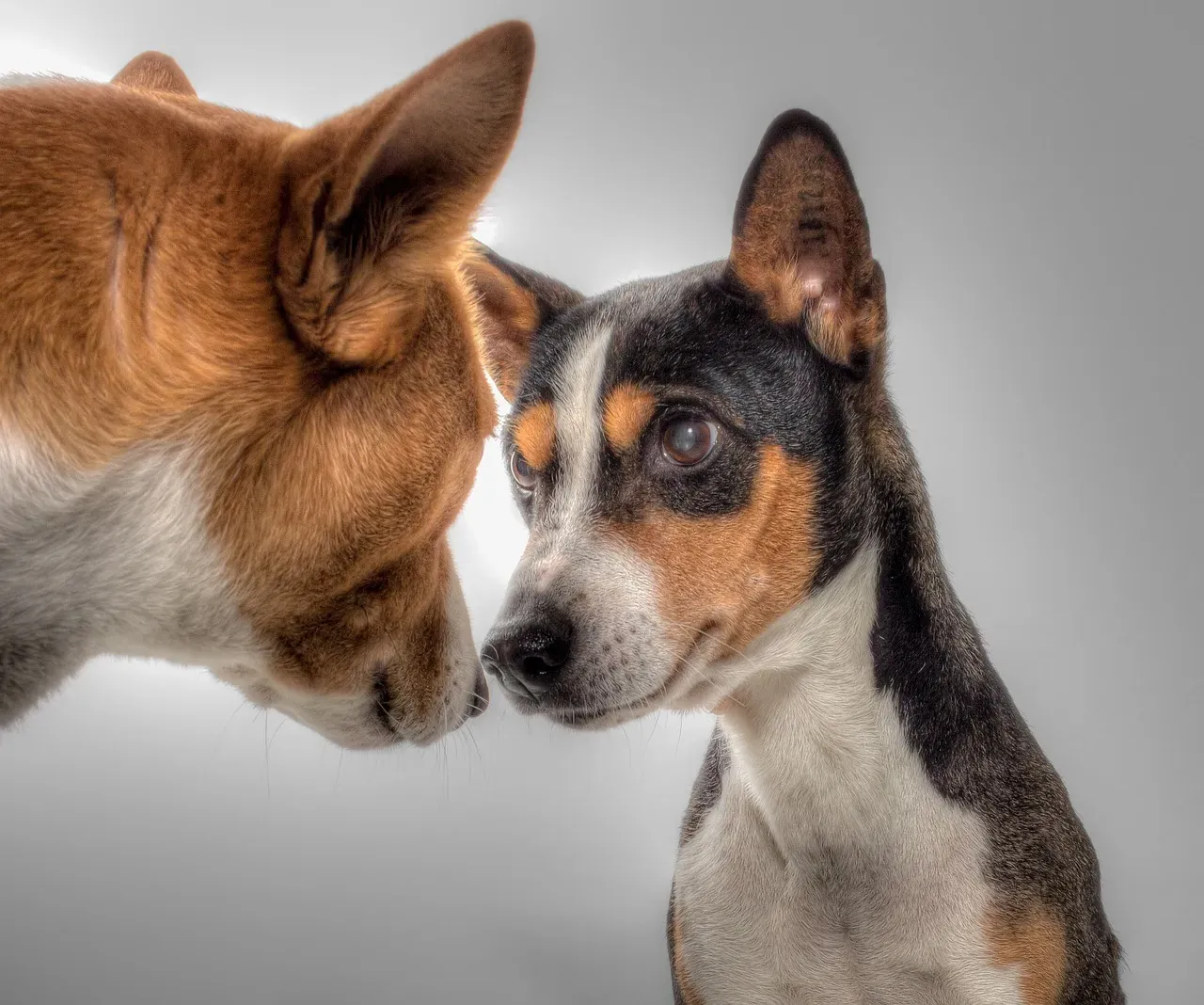
The basenji is a hunting dog originally from the Democratic Republic of Congo in Central Africa, and like the Afghan hound the basenji belongs to the sighthound family and is therefore independent and somewhat distant. Some people describe the breed, which does not bark but makes other sounds resembling yodeling, whines and howls, as having catlike traits since it grooms itself like a cat.
The basenji has a reputation for being difficult to train, but ease of training is not always an accurate measure of intelligence, as basenjis are highly curious and playful, and like curious toddlers they can get into trouble if not supervised, and are alert and suspicious but also stubborn so they do not obey consistently though they can be trained.
Basenjis are known for their cat-like personalities, being both independent and intelligent, and this breed is notoriously difficult to train due to their stubborn nature, as they are curious and easily bored, requiring creative training techniques to keep them engaged.
They’re problem solvers who apply that intelligence to getting into mischief as often as following commands. Life with a Basenji is never boring.
Understanding Your Dog’s Learning Style
Here’s what I’ve learned after years around dogs: trainability doesn’t equal intelligence. A common misconception is that if a breed is considered difficult to train it’s because they’re not smart, however a lack of intelligence is rarely the cause behind their lack of trainability.
The quick learners we discussed first were bred specifically to work cooperatively with humans, constantly looking to us for direction. Breed overall was found to influence just 9 percent of behavioral differentiation between dogs, while environment and upbringing were found to be even more significant factors in a pup’s personality.
The challenging breeds? Dogs like Akita, Siberian Husky, and Chow Chow are best for experienced handlers, as these dogs were bred for independent decision-making and do not naturally seek human guidance, and experienced owners know training requires patience, consistency, and firm but fair leadership.
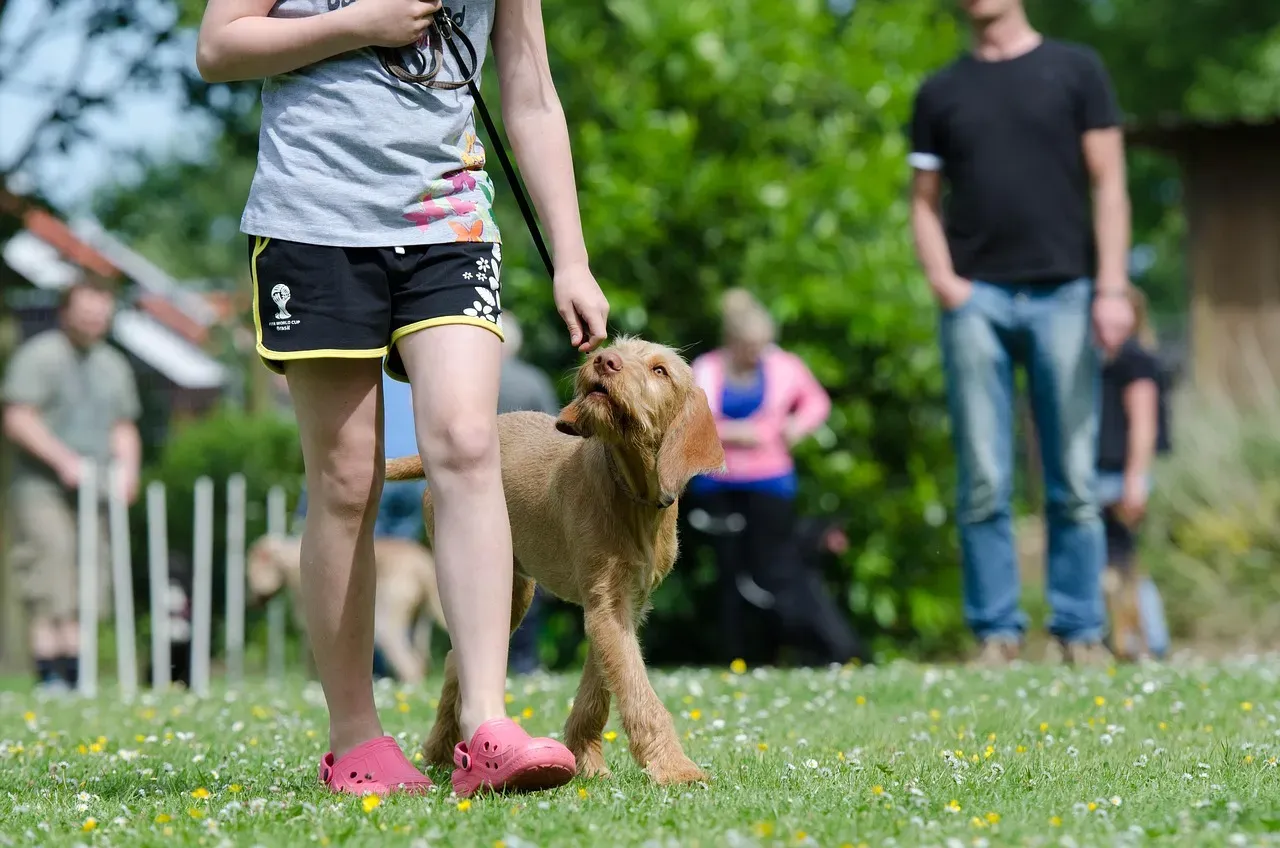
Every dog, regardless of breed, deserves patient, positive training that respects their individual personality. Some will sprint through lessons, others will take the scenic route. Both journeys can be rewarding if you adjust your expectations and approach.
Conclusion
Training any dog requires commitment, consistency, and compassion. The quick learners might make you feel like a genius trainer, while the independent thinkers will keep you humble and creative. Neither experience is inherently better.
If you’ve got a Border Collie who learns everything in two seconds flat, congratulations, now figure out how to keep that brilliant mind occupied. If you’ve got an Afghan Hound who looks at you like you’re suggesting something utterly ridiculous when you ask them to sit, welcome to the club of creative problem solvers.
The most important thing? Love the dog you have, not the one you imagined. Their quirks, whether it’s lightning-fast learning or stubborn independence, are part of what makes them uniquely theirs. What’s your experience been with your dog’s training journey? Does your pup fall into the quick learner camp or keep you on your toes?


