
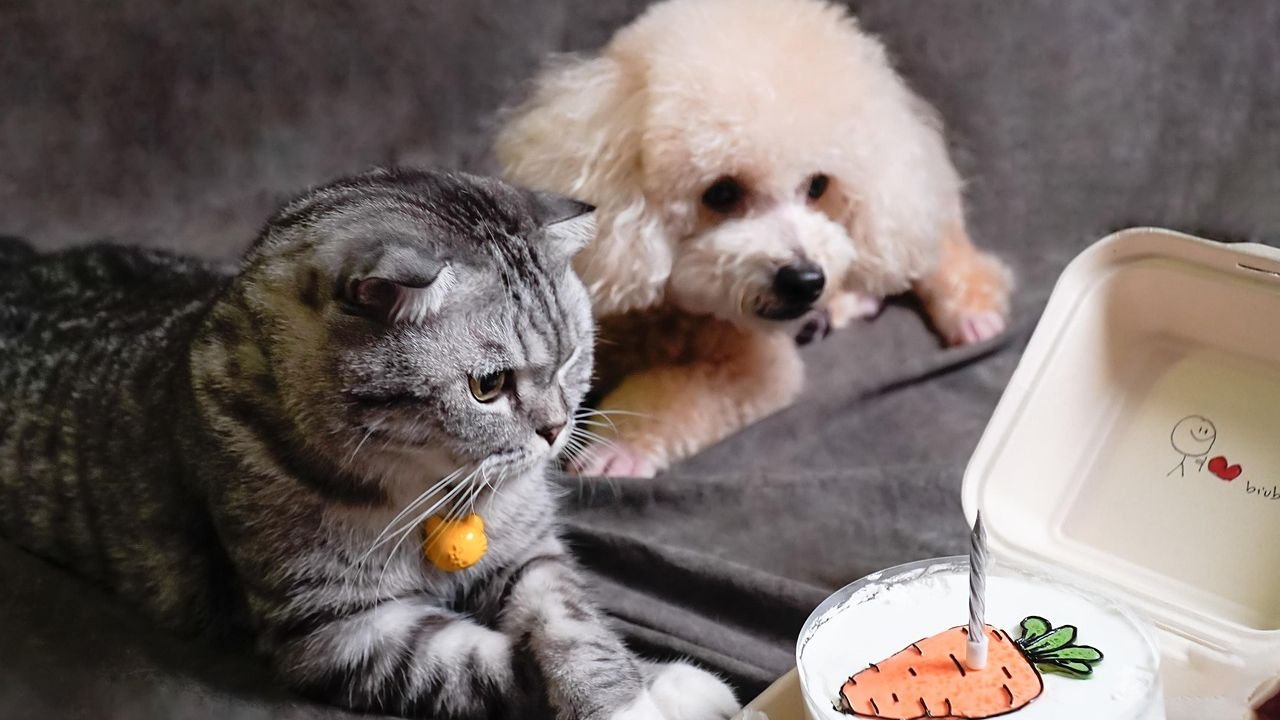
You already know your dog has a personality all their own. Some pups seem to make friends wherever they go, tails wagging at every cat, rabbit, or fellow canine they encounter. Others? Well, they’d rather keep the spotlight to themselves.
If you’re thinking about adding another pet to your home or simply wondering why your neighbor’s Golden Retriever plays beautifully with their tabby while your pup isn’t quite so keen, you’re in the right place. Understanding which breeds naturally thrive in multi-pet households and which prefer being solo stars can save you stress, heartache, and countless trips to the vet. Let’s dig into the dogs that are born social butterflies and those who truly believe home is best enjoyed without competition.
Golden Retriever: The Ultimate Peacekeeper
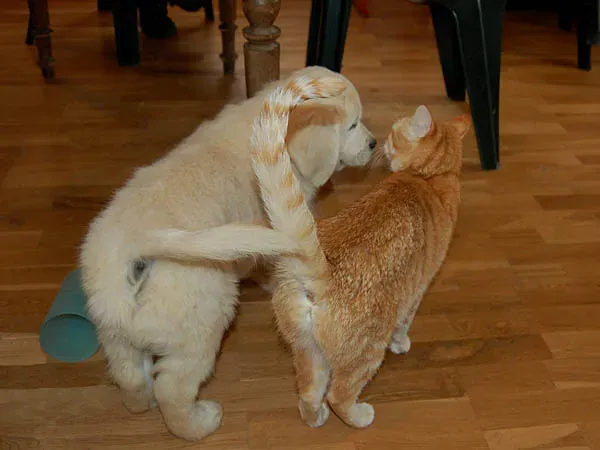
Golden Retrievers are adaptable and outgoing, which makes them potentially great cat companions. Their playful but gentle nature extends far beyond felines, too. These dogs genuinely seem to love everyone and everything, making them one of the most reliable choices for multi-pet homes.
Golden Retrievers are gentle, affectionate dogs that love being close to their humans and tend to form deep emotional bonds. That sensitivity also applies to other animals. They’re intuitive enough to dial back their energy around nervous pets and patient enough to let cats set boundaries.
Labrador Retriever: Friendly to a Fault
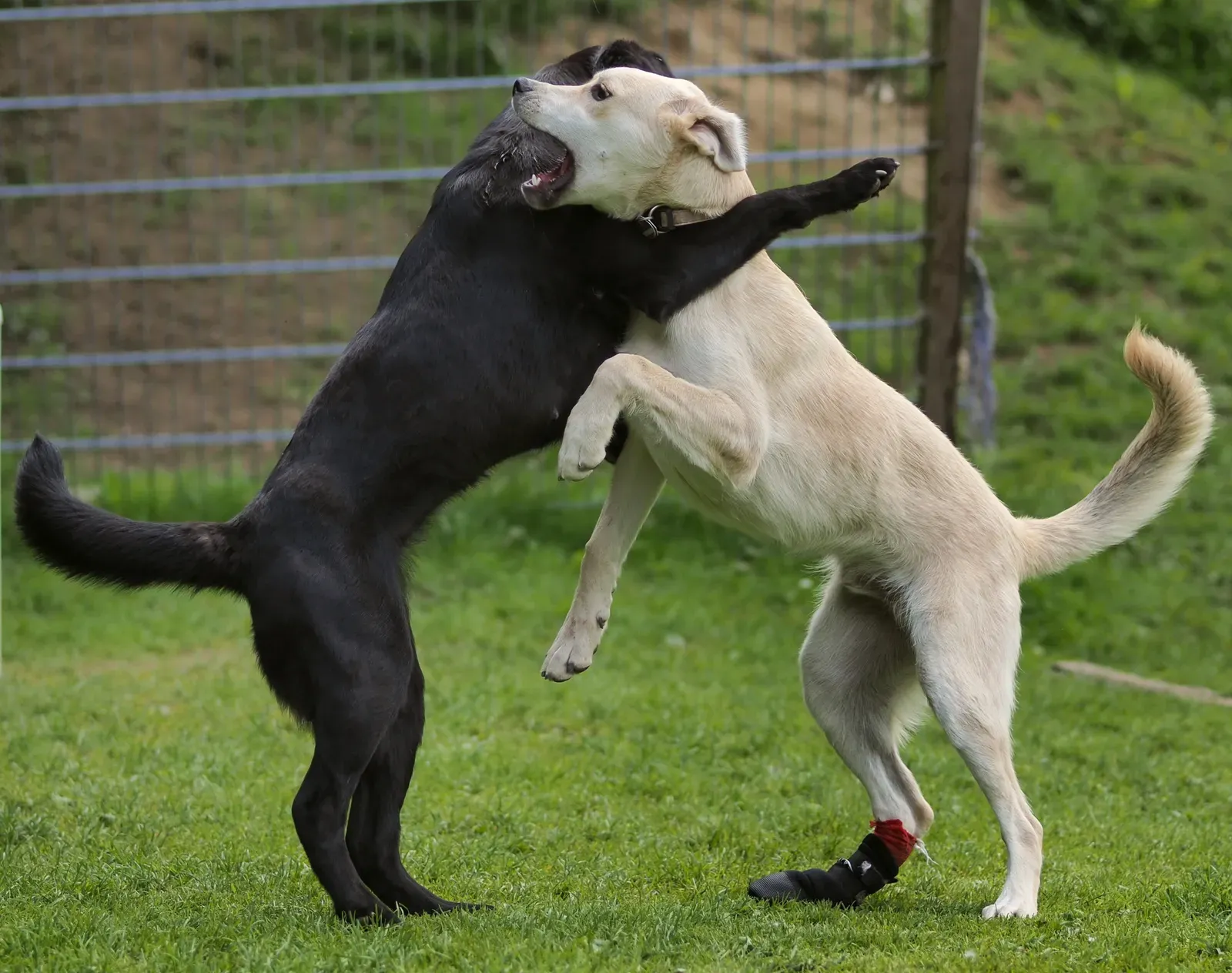
Labrador Retrievers are kind and outgoing and are known to get along with everyone they meet, regardless of species. Labs approach life with infectious enthusiasm, and that includes welcoming other pets into their world. Their social nature is practically hardwired into their DNA.
The Lab is not only one of the most popular dog breeds but is also known for their friendly and easygoing nature, and Labs typically have a low prey drive. This combination makes them remarkably tolerant housemates. Whether it’s a grumpy cat or a curious guinea pig, Labs tend to accept them all with a wagging tail.
Beagle: The Pack Mentality Pro

Beagles were bred to hunt in packs, so they are typically friendly with other animals, and their happy-go-lucky nature makes them a pleasure to live with as they are likely to see a cat as just another member of the pack. That pack instinct is a real asset when you’re introducing new pets.
Honestly, Beagles just seem happiest when they have company. Their sociable personalities make them less likely to view other animals as threats. Of course, keep an eye on their strong noses. They can get distracted by interesting scents and might lead your cat on an unintentional chase, but it’s usually playful rather than aggressive.
Cavalier King Charles Spaniel: The Gentle Companion

Cavalier King Charles Spaniels are adaptable, affectionate, gentle, and fearless little dogs, and although not much bigger than a cat, they aren’t likely to be intimidated and they also love other animals. Their calm demeanor is a breath of fresh air in busy households.
These sweet-faced pups were bred purely to be companions, and it shows. They’re incredibly tolerant, rarely pushy, and seem to understand when another pet needs space. Whether you have cats, rabbits, or even birds, Cavaliers tend to coexist beautifully without much drama.
Basset Hound: The Laid-Back Housemate
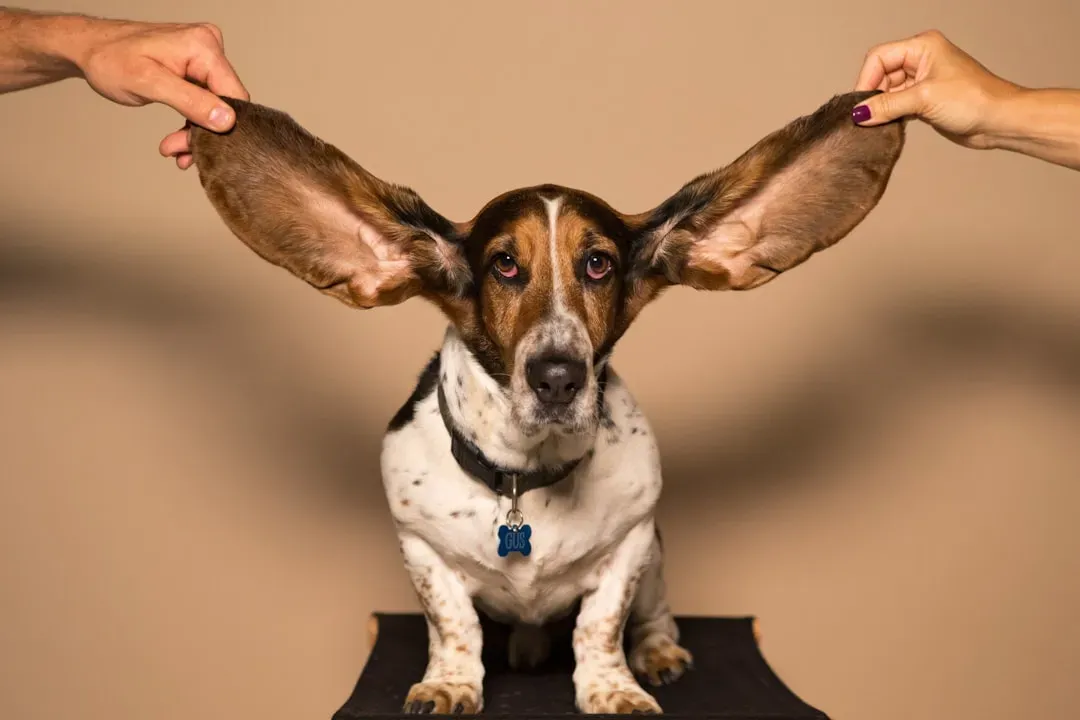
The Basset Hound is loyal, patient, and low-key, and their mild-mannered attitude makes them friendly and tolerant of other animals. If your home already feels a bit chaotic, a Basset Hound might just be the calming influence you need. They’re not ones to stir up trouble.
Although the Basset Hound is a natural hunter, it is more interested in hunting for dinner than hunting the cat, and their overall laidback personality makes them friendly toward other animals, cats included. Their easygoing attitude often invites other pets to snuggle up beside them.
Pug: The Social Butterfly

A Pug is the epitome of a friendly breed and another dog that is good with cats, as long as a cat will allow a Pug to enter their domain, they often become fast friends. Pugs love attention, so having another pet around can actually keep them entertained when you’re not available.
These little comedians enjoy lounging around, so you won’t have to worry about them constantly chasing your cat. They’re more likely to nap beside them. Their sweet nature and low prey drive make them safe around smaller animals, too, which is a huge plus for households with varied pets.
Collie: The Thoughtful Herder
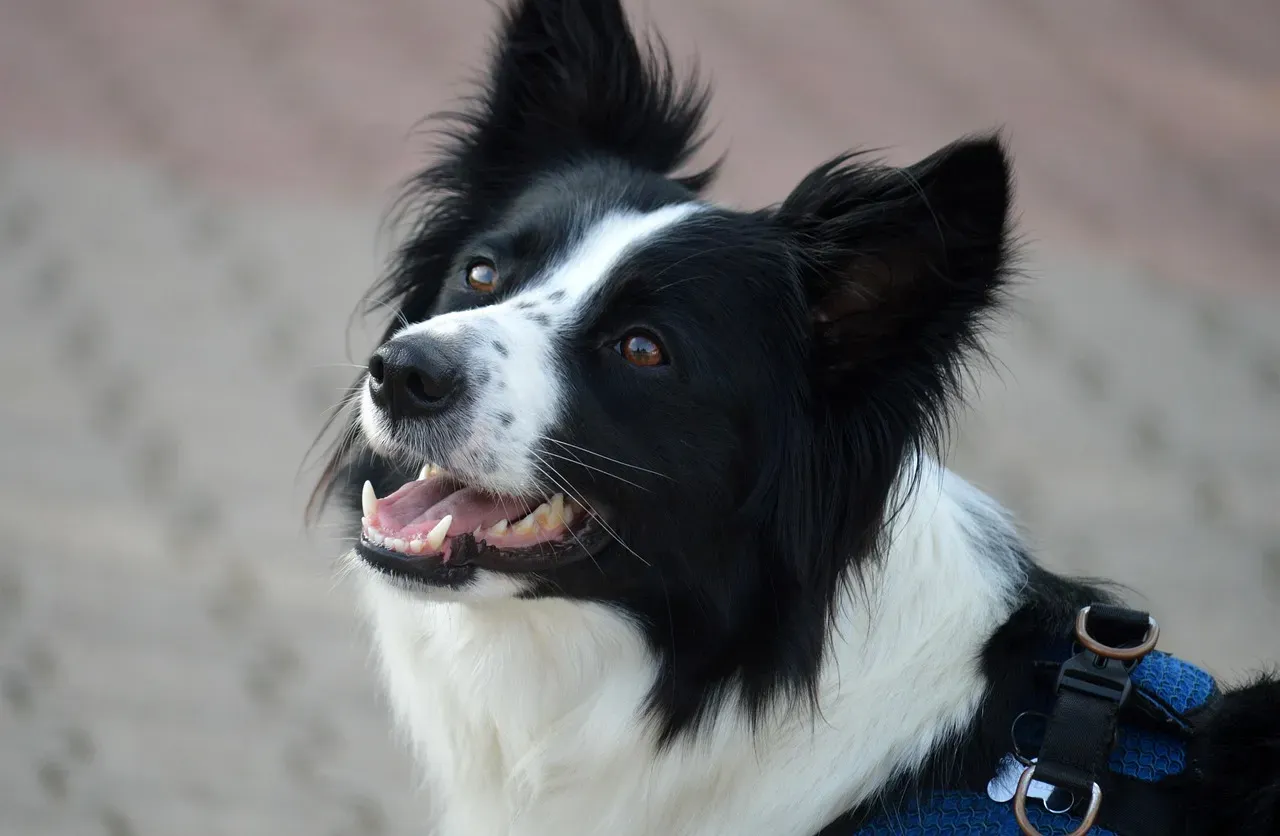
Collies are famous for their love of children, and for some, that love can extend to cats, as they are athletic dogs that do best with a lot of exercise and companionship and are vocal dogs that tend to be tolerant of other family pets. Their intelligence helps them navigate complex social dynamics.
However, their herding instinct can sometimes be a bit much for cats who don’t appreciate being corralled. With proper training and early socialization, though, Collies can be wonderfully gentle and respectful of other animals’ boundaries. They’re protective without being aggressive, which is exactly what you want.
Bichon Frise: The Affectionate Cuddle Bug
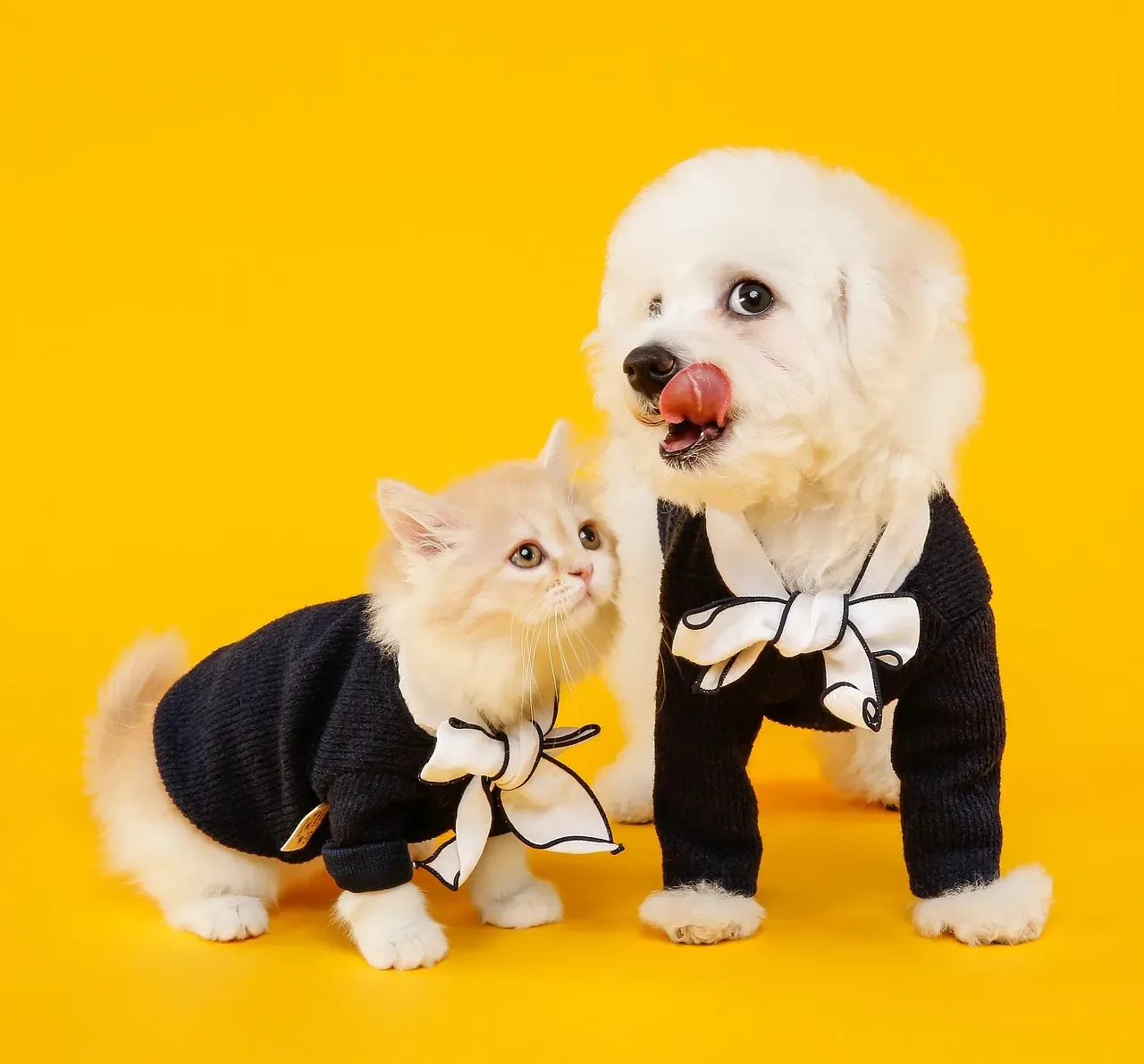
A cheerful, happy dog known for its white, curled double coat, the Bichon Frise is small, sturdy and playful, and naturally gentle, lovable and cuddly, Bichons want only to please their owners and could be trained to live with other dogs or cats easily. Their size and temperament make them adaptable to many living situations.
Bichons are incredibly social and crave companionship, whether from humans or other pets. They’re playful but not overbearing, and their gentle approach means they rarely intimidate nervous animals. Just keep an eye on their energy levels around more timid pets to ensure everyone stays comfortable.
Boston Terrier: The Polite Player
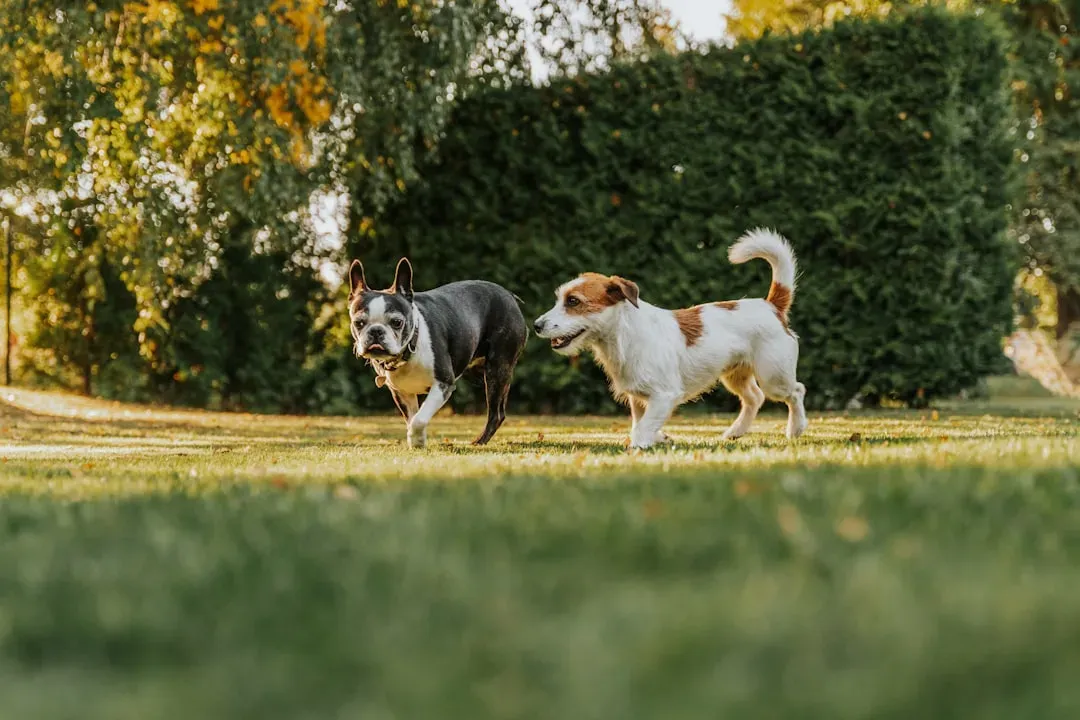
Although Bostons may engage in chasing the cat, this is usually out of fun, not prey drive, and the good-tempered Boston Terrier is polite to kitties as well as other animals. Their playful antics are typically harmless and born from curiosity rather than aggression.
Boston Terriers are smart and trainable, which means you can teach them boundaries early on. They’re small enough not to be physically intimidating but confident enough not to be pushed around by assertive cats. It’s a nice balance that works well in multi-pet homes.
Poodle: The Intelligent Coexister
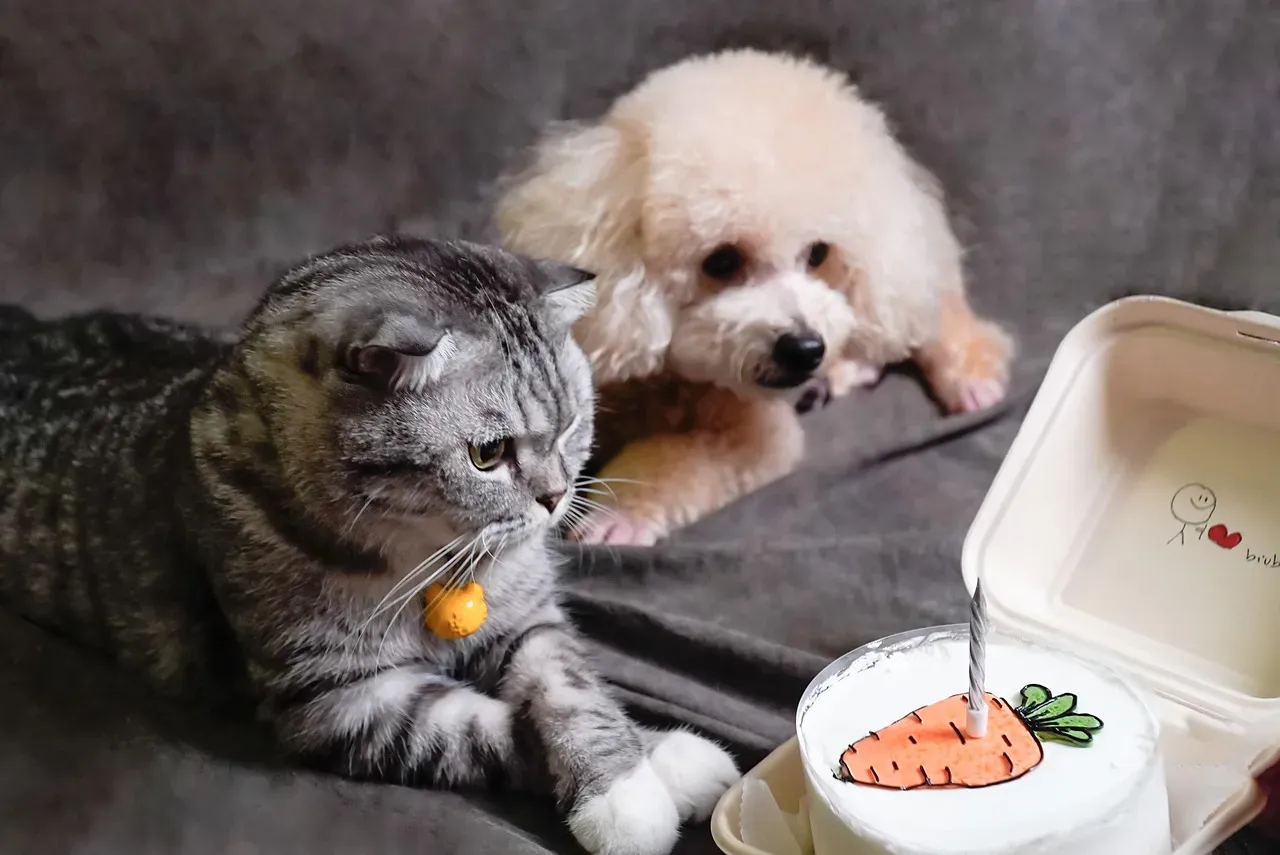
All three Poodle sizes make excellent housemates for a feline friend, as Toy Poodles tend to play with cats, Miniatures generally tolerate them, and Standards pretend they don’t exist, and this dog breed is dedicated to its family with its protective instinct extending to the cat too. Poodles are incredibly smart, which helps them adapt to household dynamics quickly.
Their active nature means they need plenty of exercise, but once those needs are met, they’re perfectly content to coexist peacefully with other pets. Whether you choose a Toy, Miniature, or Standard, you’re getting a dog that can learn to respect boundaries and share space gracefully.
Newfoundland: The Gentle Giant
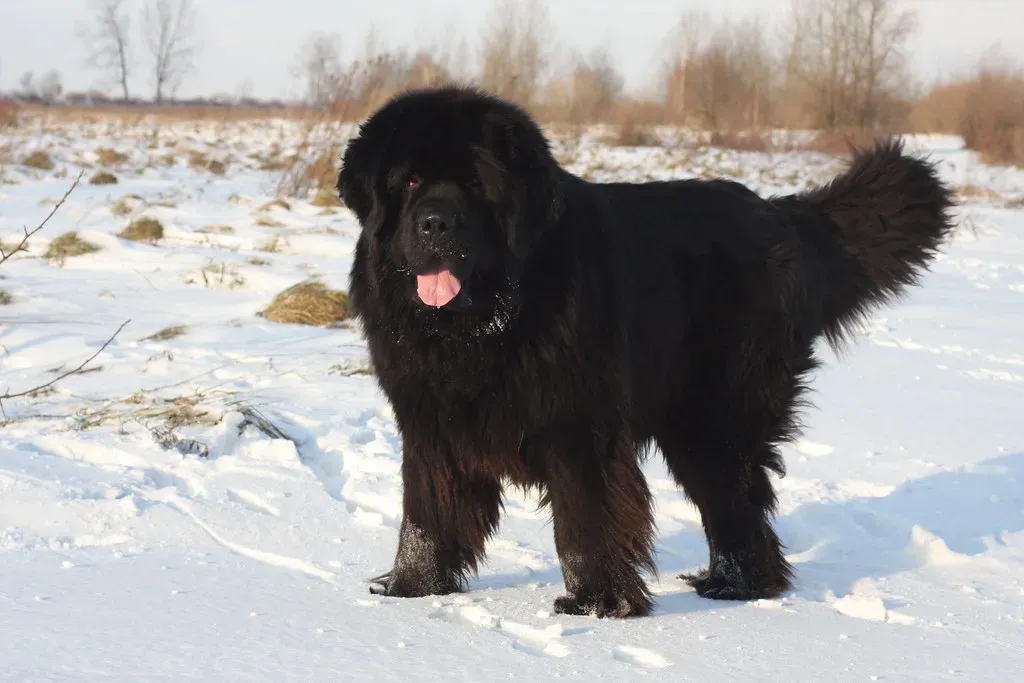
Despite being one of the biggest dog breeds, Newfies are gentle giants, remarkably gentle and instinctually aware of their size around tiny humans and animals, and they’re renowned for their guardian-like watchful presence while still being a kind, playful and interactive nanny with their charges, including small children and pets. Their protective instinct is nurturing rather than aggressive.
Newfoundlands are incredibly patient and tolerant, making them wonderful companions for cats and smaller dogs. They seem to understand their own size and adjust their behavior accordingly. That combination of gentleness and loyalty makes them a top choice for families with multiple pets.
Afghan Hound: The Independent Aristocrat
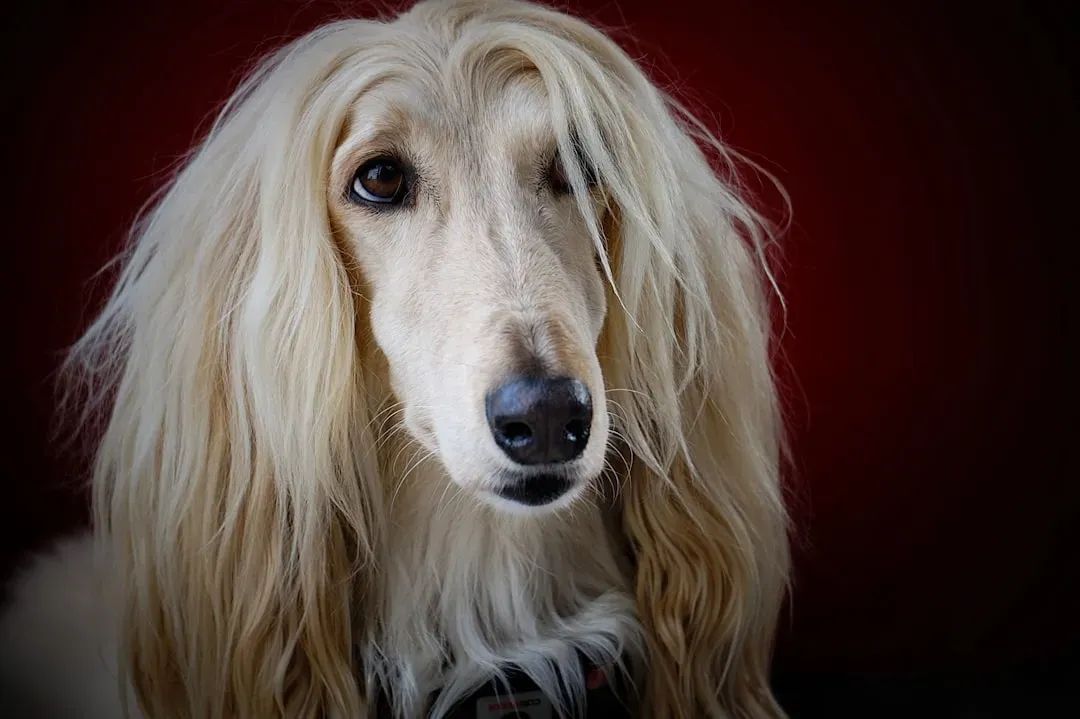
With their family members, an Afghan Hound shows affection, but toward strangers, the breed can be rather aloof. That independence extends to their interactions with other pets as well. Afghan Hounds were bred to hunt, and that instinct hasn’t disappeared.
When it comes to cats and smaller pets, the high prey drive these dogs have can become a bit of a concern, as they’ve always had a strong instinct to chase, and their hunting instincts from thousands of years ago can indeed still override their ability to coexist peacefully with smaller animals. They’re beautiful and loyal to their humans, but they’re best suited as solo pets or with other large dogs.
Akita: The Loyal Lone Wolf
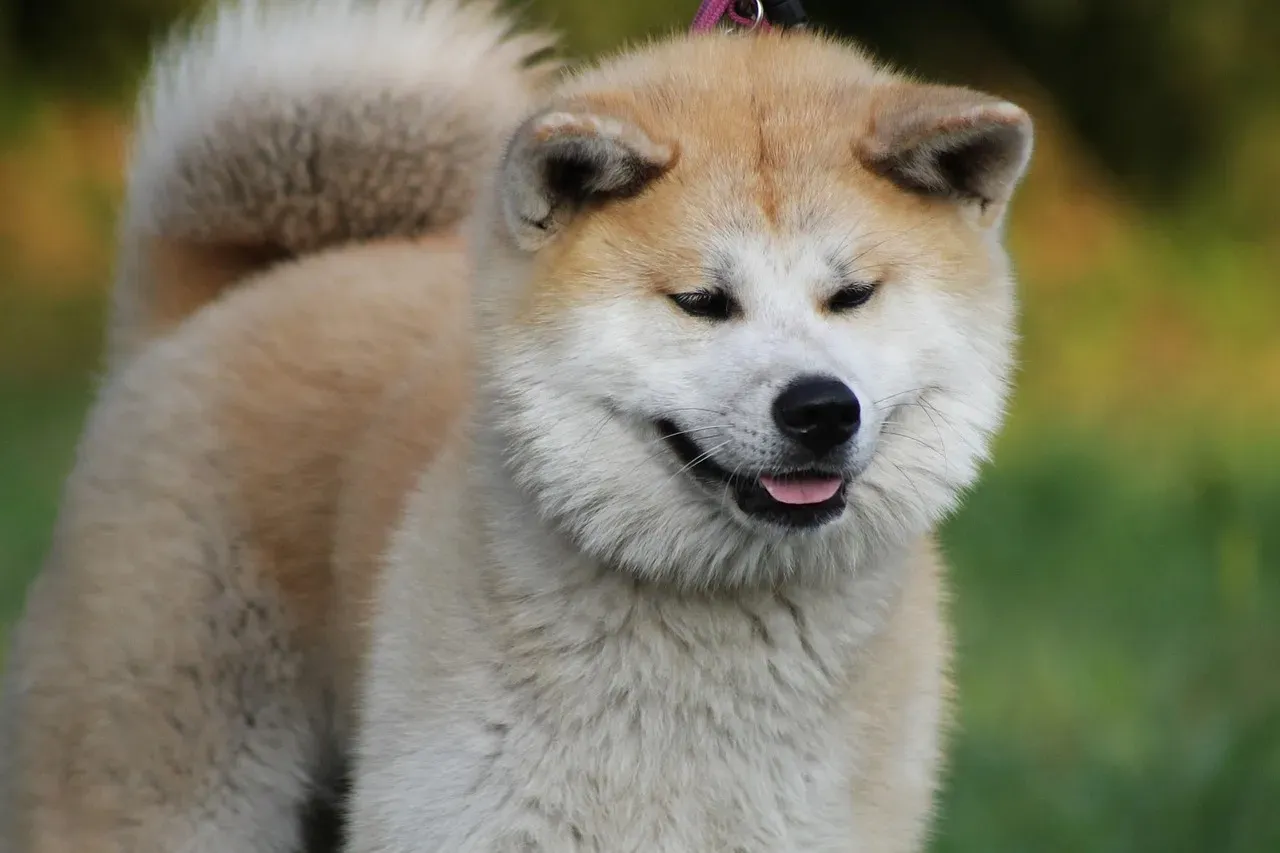
The Akita is happy to be an only dog, and can be aggressive toward other dogs not in his family group, and properly socialized, an Akita can learn to tolerate other animals, but will most likely try to keep his status as top dog at any cost. Akitas are incredibly loyal and protective, but that also means they’re territorial.
Akitas can be very territorial and protective of their household, and with Akitas it’s not uncommon for them to be intolerant of other animals, as they are almost always same sex aggressive. If you’re considering an Akita, it’s crucial to understand their dominant nature. They’re not necessarily aggressive, but they do prefer being the only star.
Chihuahua: The Tiny Tyrant
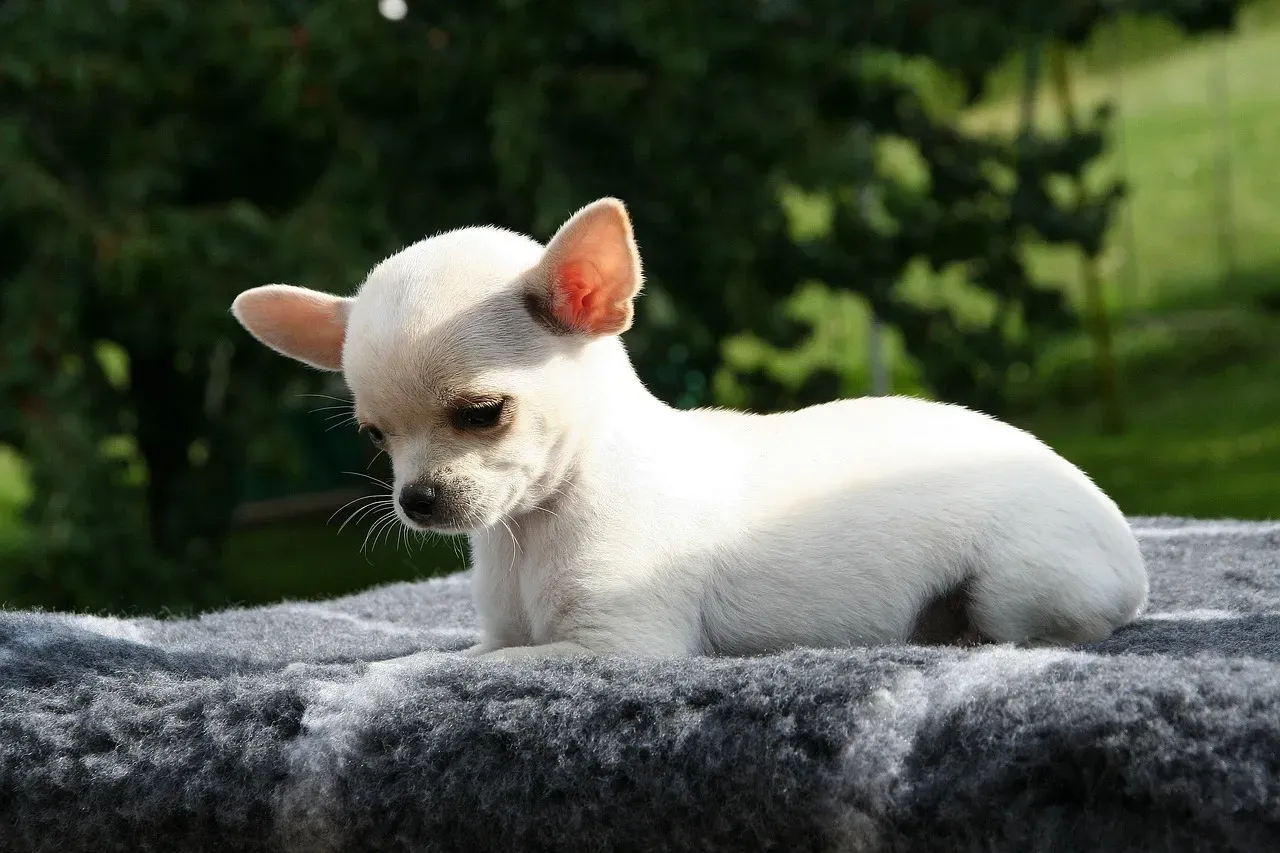
Chihuahuas are tiny dogs with big attitude, as they often form a strong attachment to one family member and can be fiercely protective of their chosen person, and although Chihuahuas are not as big as other breeds, they can land a nasty bite if they decide a stranger is a threat, and Chihuahuas tend to be intolerant of boisterous children and are often nippy. That same possessiveness can extend to their territory and resources.
Let’s be real, Chihuahuas often think they’re much bigger than they are. They can be jealous and reactive around other pets, especially if they feel their status is threatened. While some Chihuahuas do fine with other animals, many prefer being the sole focus of their owner’s attention.
Chow Chow: The Aloof Guardian
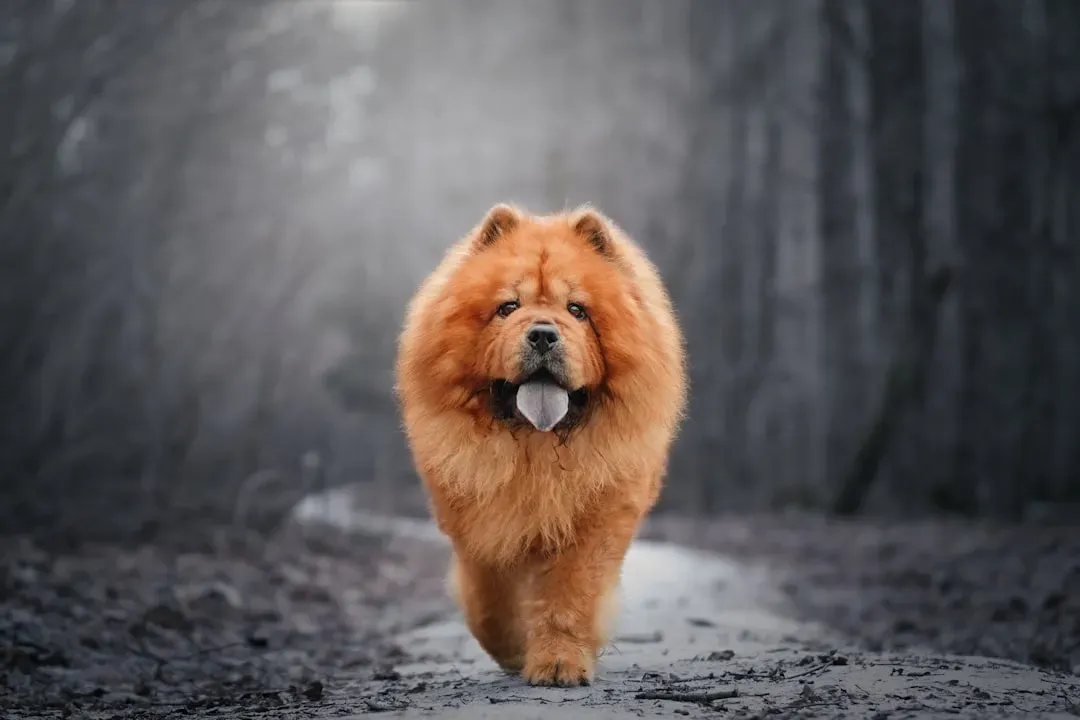
Historically, the Chow Chow worked as a guardian and hunter in ancient China, and this working heritage, combined with the dogs’ calm disposition, makes the Chow Chow one of the most independent dog breeds. They’re not unfriendly, but they’re definitely selective about their companions.
Chow Chows are known for their dignified, cat-like independence. They’re not particularly interested in playing with other dogs or entertaining household cats. While they can coexist peacefully with proper socialization, they’re not the type to seek out companionship from other animals. They prefer a quiet, calm environment where they can observe rather than participate.
Cane Corso: The Powerful Protector
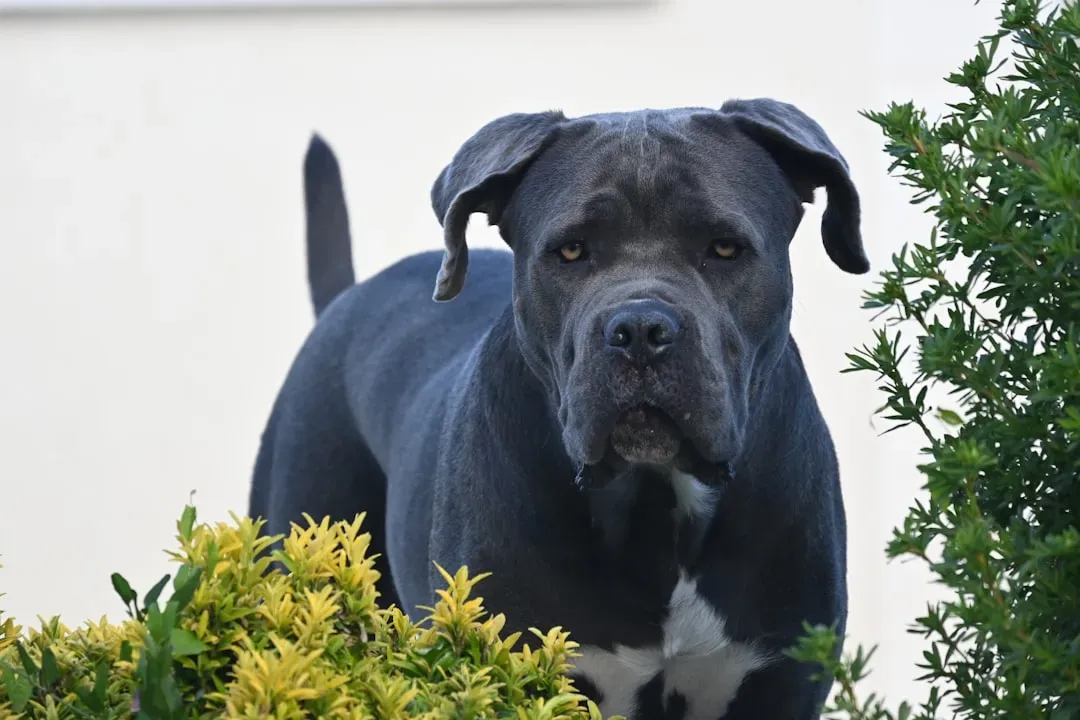
Cane Corsos have a high prey drive, and must be strictly confined to prevent them from harming smaller neighborhood pets, such as cats and small dogs, and Cane Corsos require a firm and consistent owner and should also work with an experienced trainer for early obedience and socialization skills. Their size and strength make them unsuitable for most multi-pet households.
These dogs are intensely loyal and protective of their families, but that protective instinct can translate into aggression toward animals they perceive as threats or prey. They’re working dogs that need a job and firm leadership. Without proper training and socialization, they can be dangerous around other pets.
What It Really Comes Down To

Choosing a dog that fits your household isn’t just about breed tendencies. Individual temperament, early socialization, and proper training all play massive roles in how well your dog will get along with other pets. Even the friendliest breed can struggle if they’re not introduced properly or don’t receive consistent guidance.
If you already have pets at home, take your time with introductions. Let animals meet on neutral ground first, supervise all interactions, and don’t force relationships. Some dogs and cats become best friends overnight, while others need weeks or even months to adjust.
Remember, it’s okay to admit that your dog might be happier as an only pet. There’s no shame in recognizing that some animals simply thrive better without competition for attention, space, or resources. Your job as a pet parent is to create the environment where your dog can be their best, happiest self.
So, did any of these surprise you? Maybe you’ve been dreaming of a multi-pet household, or perhaps you’ve realized your current dog really does prefer being the star of the show. Either way, understanding your dog’s social needs is one of the best gifts you can give them. What’s your experience been with your pets getting along? Tell us in the comments.


