
7 Dog Breeds That Are Natural Watchdogs (And 5 That Would Befriend an Intruder)
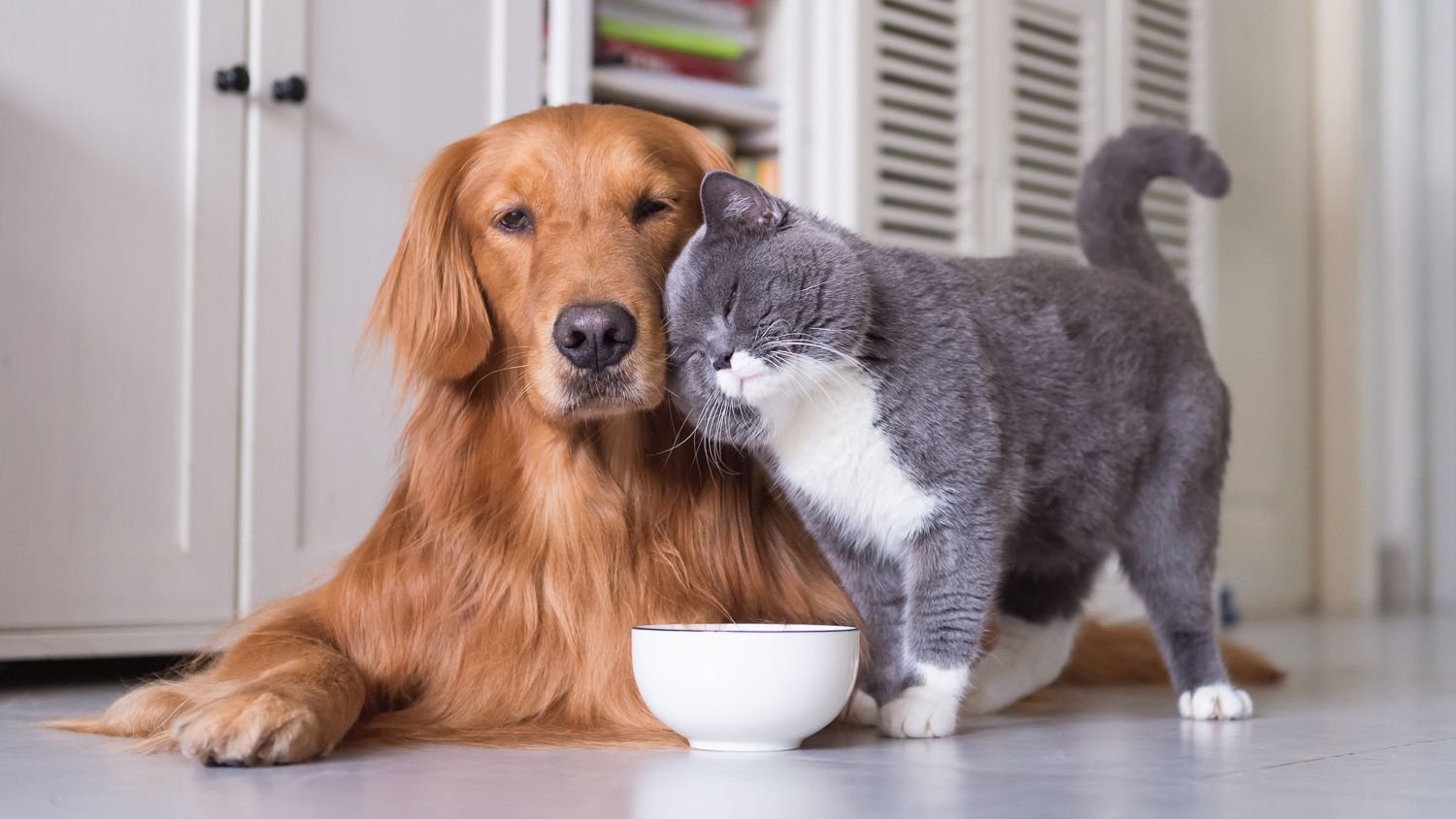
You know that feeling when you hear an unfamiliar sound at night? Your heart skips a beat, your senses sharpen, and you instinctively look to your dog for reassurance. Some pups will spring into action, ears alert, body tense, ready to protect. Others? Well, they might just wag their tail and offer the intruder a friendly sniff.
The truth is, not all dogs are wired to guard. Some breeds carry centuries of protective instinct in their DNA, while others were bred for companionship, hunting, or herding – tasks that have nothing to do with standing between you and danger. Understanding these natural tendencies isn’t about labeling your dog as good or bad. It’s about recognizing who they are at their core and setting realistic expectations. Let’s explore which breeds have that watchdog fire burning inside them and which ones would probably help a burglar carry out your television.
German Shepherd: The Gold Standard Guardian
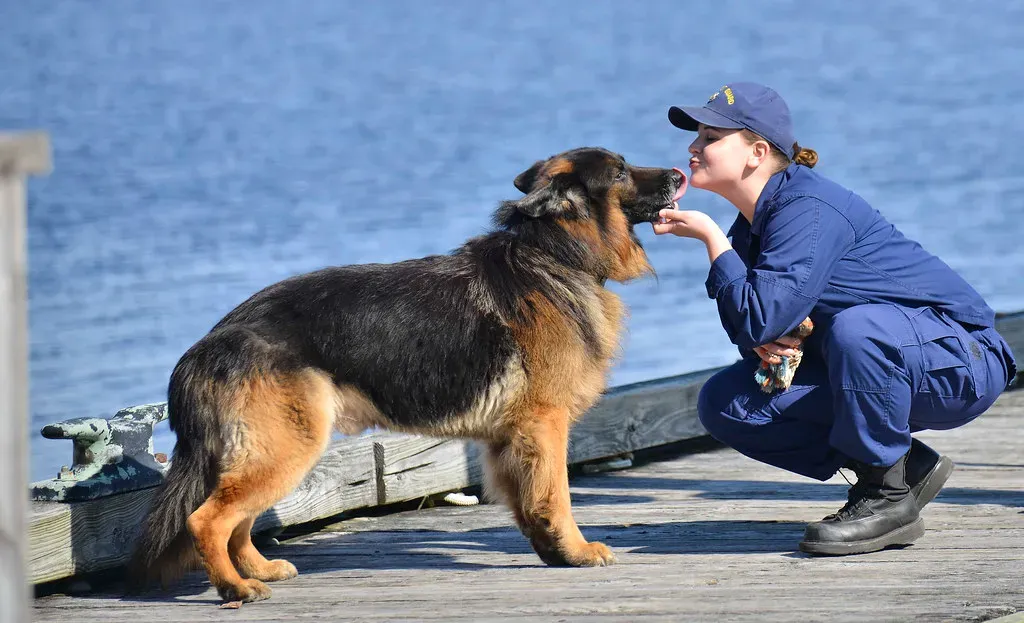
German Shepherds are widely recognized as one of the best guard dog breeds, serving as staples in police and military work with protective instincts and strong guarding abilities that make them excellent family pets. These dogs don’t just bark at strangers – they assess, evaluate, and respond with intelligence. Their loyalty runs deep, and their courage is remarkable.
German Shepherds are deeply loyal and affectionate with their families, thriving on companionship and enjoying being part of family activities. Honestly, if you want a dog who can switch from playful family member to protective sentinel in seconds, this is your breed. They need proper training and socialization, but the payoff is a dog who truly has your back.
Rottweiler: The Calm, Confident Protector
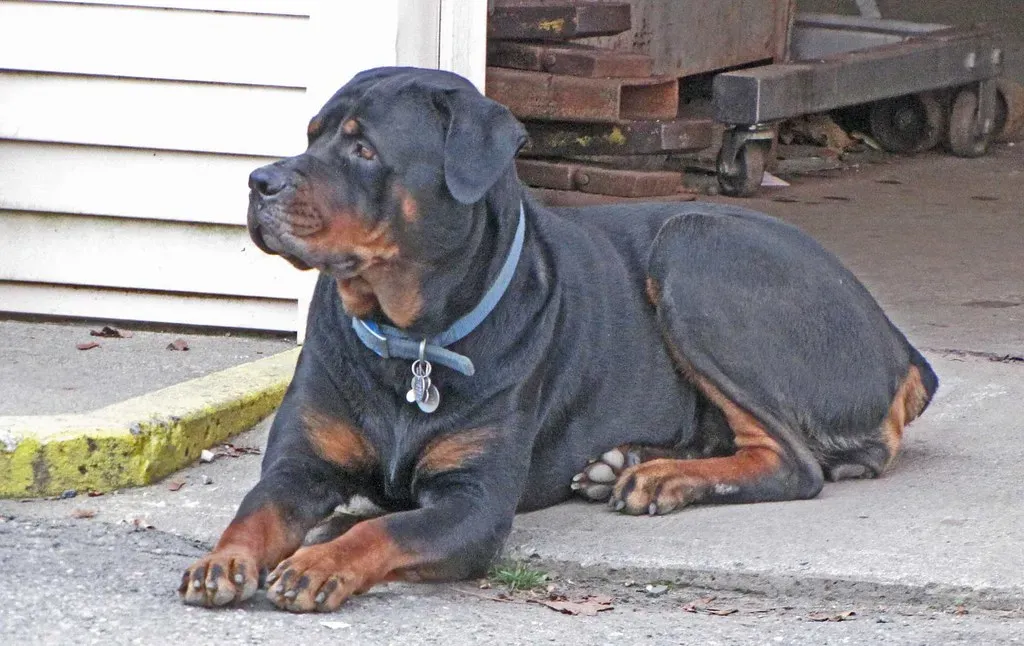
Rottweilers are natural protectors with a strong sense of territory and duty, alert to unusual sounds or movements and quick to position themselves between their family and potential threats. Let’s be real – their reputation precedes them. That muscular build and intense gaze make most people think twice before approaching.
What surprises many is how loving Rottweilers are with their families. Behind their strong exterior lies a loyal and affectionate heart, and when raised in a loving environment, Rottweilers form deep bonds with their families. Training matters tremendously here. A well-socialized Rottie is a steady, reliable guardian who thinks before acting. Skimping on training? That’s when problems arise.
Doberman Pinscher: Sleek, Smart, and Seriously Protective
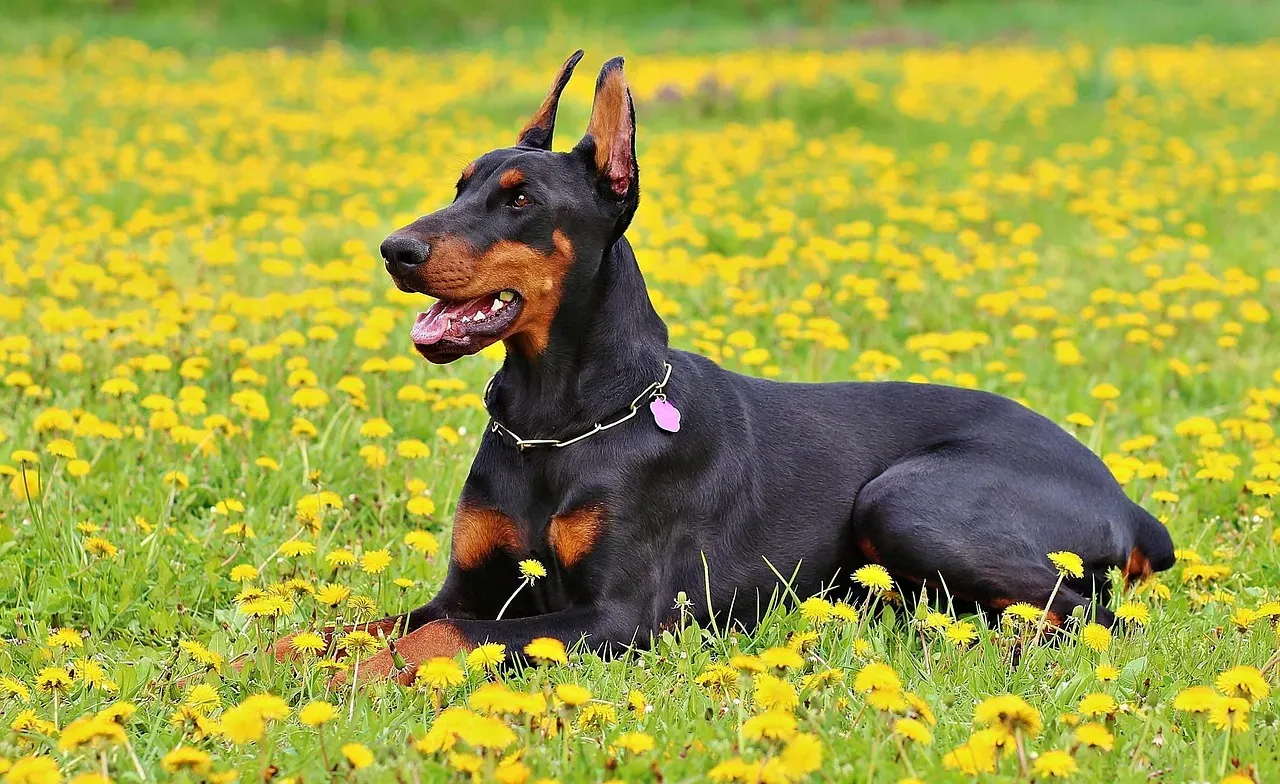
Dobermans are sleek, powerful, fearless dogs that rank among the smartest breeds, making them active guard dogs when given proper training, with unmatched loyalty to family members. These dogs were literally bred for protection work. Their athleticism is stunning, and their ability to sense threats quickly sets them apart.
With their family, Dobermans are often sweet, goofy, and naturally affectionate. I think people get intimidated by their appearance, but owners will tell you they’re total softies at home. The key is early training and firm leadership. Give them structure and love, and you’ll have a watchdog who’s also a cuddle buddy.
Belgian Malinois: The Elite Working Dog
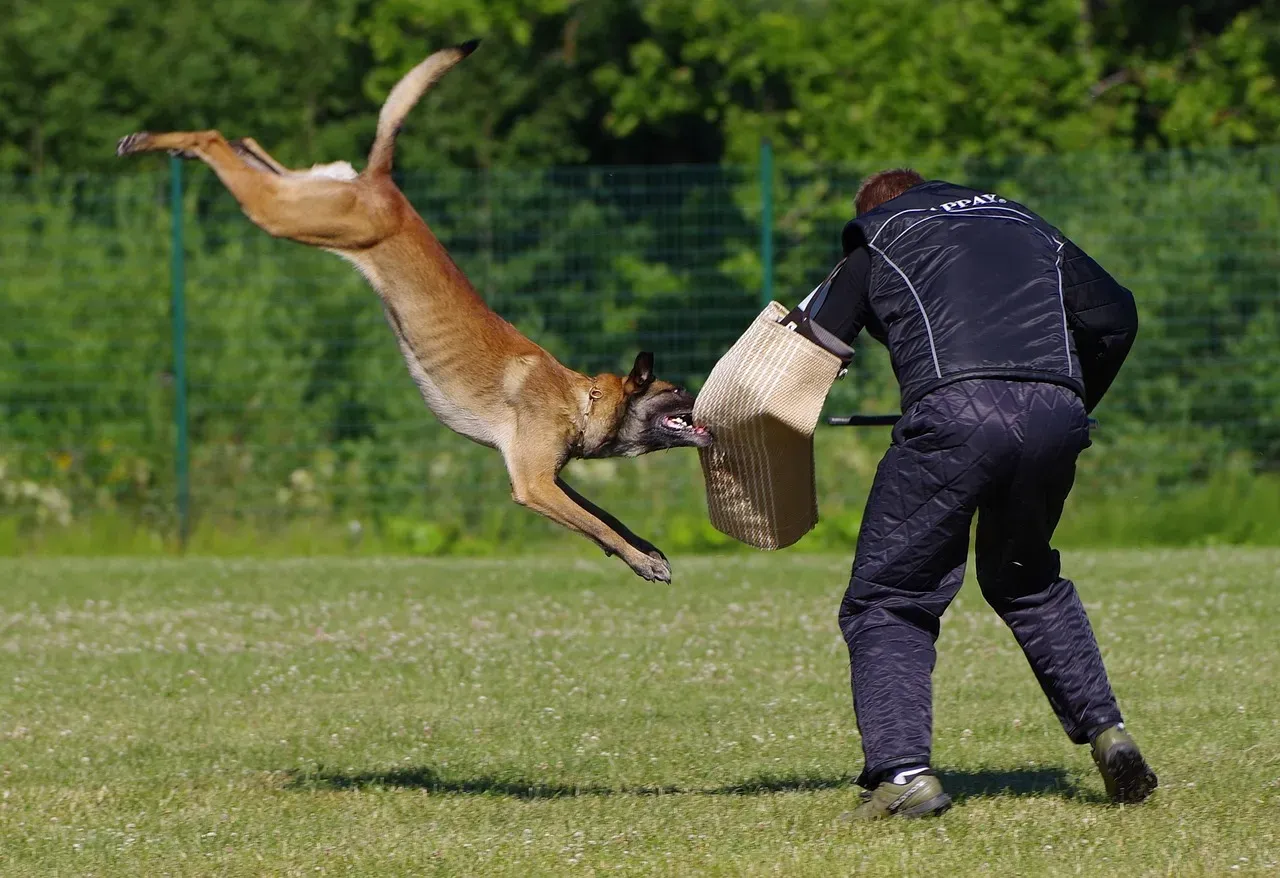
Belgian Malinois are highly intelligent, hardworking, and energetic dogs commonly used in military and police work due to their agility and sharp instincts. If you’ve seen police K-9 units in action, you’ve likely seen a Malinois. Their drive to work and protect is unmatched. These dogs don’t do well sitting around – they need a job.
Here’s the thing: this breed isn’t for everyone. These dogs need a serious commitment to training with clear direction and consistent engagement. Without proper outlets for their energy and intelligence, they can become frustrated. In the right hands, though, they’re phenomenal protectors who bond intensely with their families.
Akita: The Dignified, Quiet Guardian
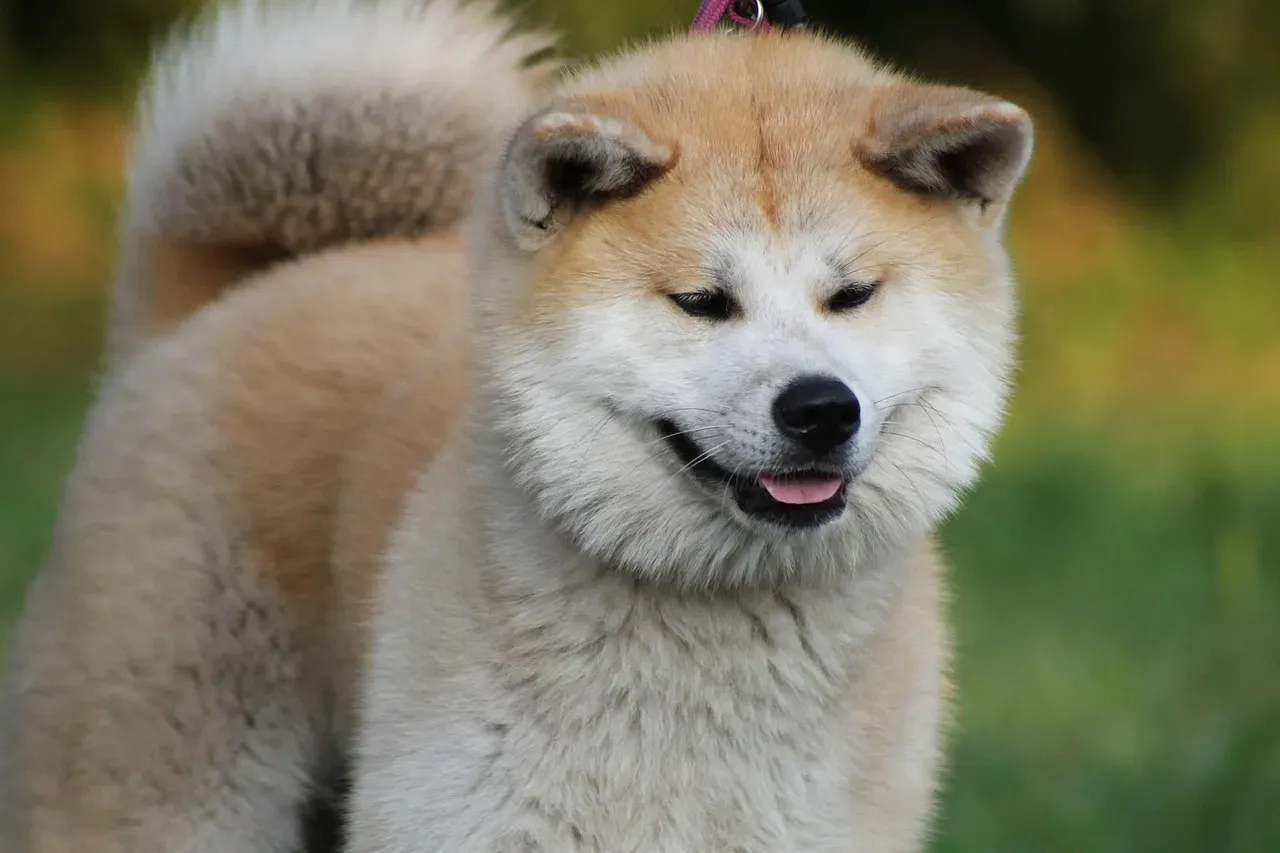
Akitas are large, powerful dogs with strong guarding instincts, originally used for guarding royalty in feudal Japan, reserved with strangers and protective of their family, often acting as a deterrent simply by their presence. These dogs don’t make a fuss. They watch, they assess, and they act only when necessary.
Akitas are quiet, dignified, and affectionate at home, with protective instincts that make them excellent watchdogs while their calm and loyal nature ensures they fit beautifully into family life. They’re not the type to warm up to strangers quickly, which is exactly what makes them effective. Their independence means they need experienced owners who understand their temperament.
Bullmastiff: The Gentle Giant Who Means Business
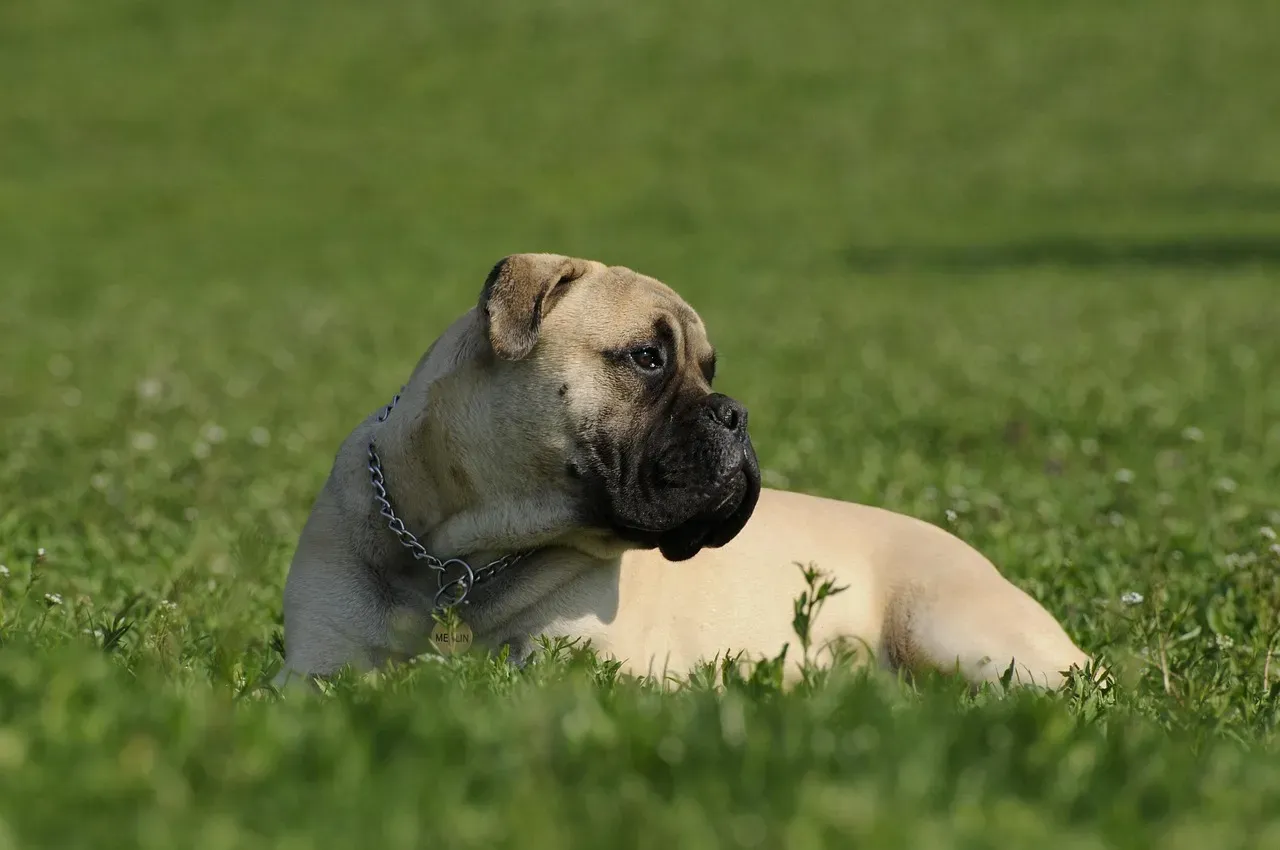
Bullmastiffs were originally bred to guard estates and are natural protectors, large and powerful with a calm demeanor, often described as gentle giants who are relatively low-energy but always ready to spring into action if needed. What I love about this breed is their restraint. They don’t bark excessively or act aggressively without reason.
Unlike some breeds, Bullmastiffs don’t bark unnecessarily, but when danger arises they spring into action, and despite their size, they are gentle, affectionate, and patient with children. They’re surprisingly adaptable for their size. If you want a protective dog who isn’t constantly on high alert, a Bullmastiff might be perfect for you.
Cane Corso: The Ancient Bodyguard Breed
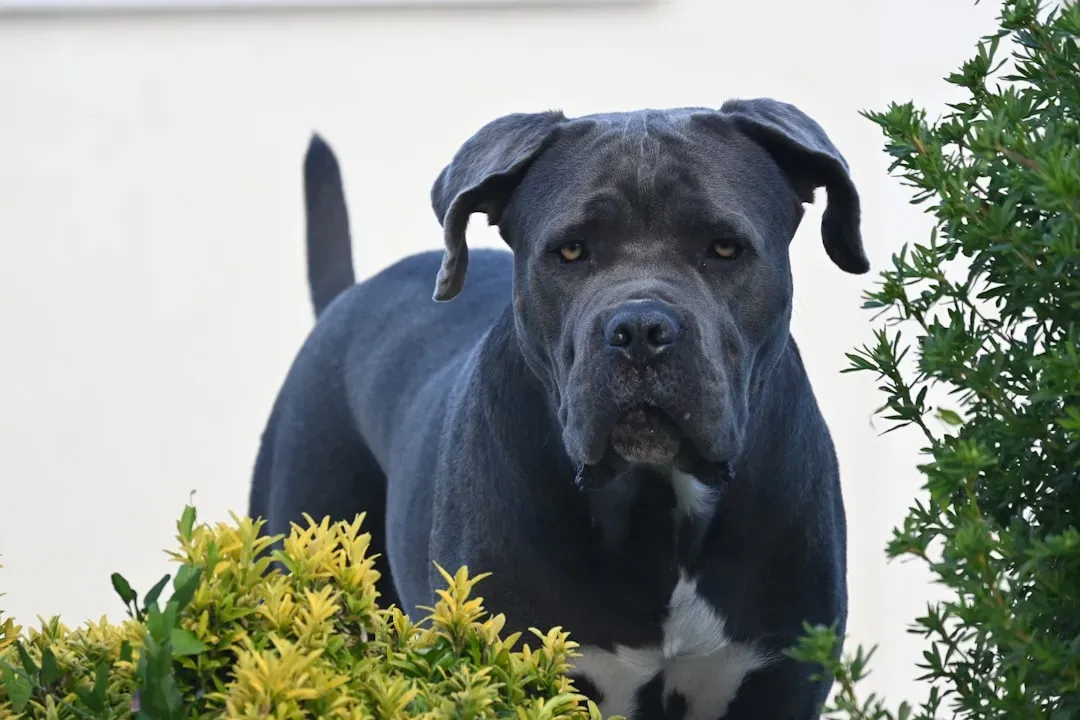
The Cane Corso is a true guardian breed, originally developed in Italy to protect livestock and property, with dogs that are big, powerful, alert, and when well-socialized, calm, observant, and completely devoted to their family. Their sheer size makes most people think twice. These dogs were bred to protect, and that instinct is still very much alive.
Early training is absolutely essential. The key is starting early with training and exposing them to a wide range of experiences from puppyhood. With proper socialization, they’re affectionate and loyal family members. Without it? They can become overly territorial. It’s a breed that demands commitment but rewards you with unwavering protection.
Golden Retriever: Everyone’s Best Friend
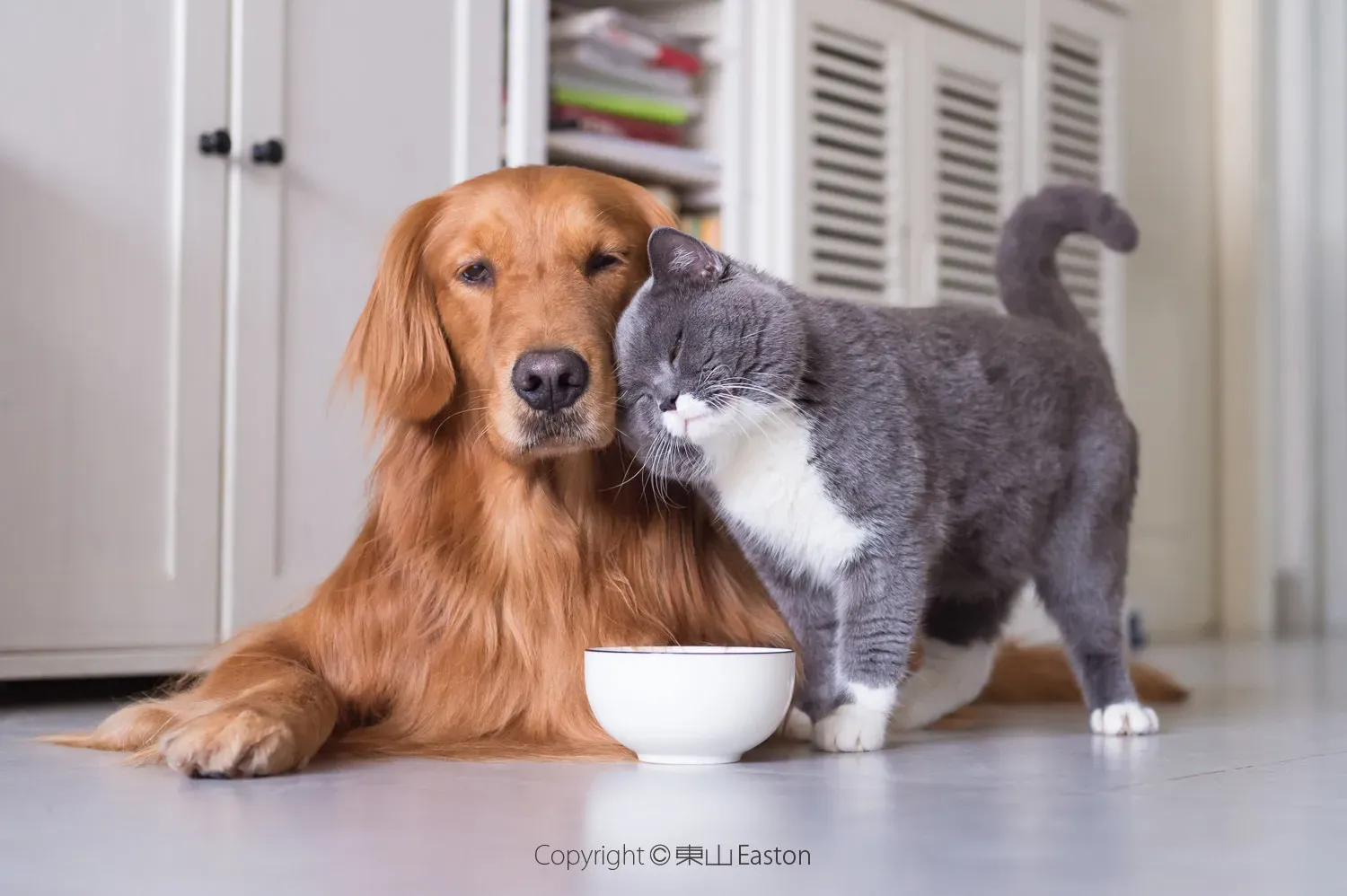
Now let’s switch gears to the dogs who’d probably welcome an intruder with open paws. Golden Retrievers are so friendly that most owners joke this breed is more likely to help a burglar than stop them. That about sums it up. Their entire existence revolves around making friends.
Goldens rank high on the social scale, with the breed having the adorable attitude that everyone is my best friend. If you’re looking for a watchdog, this isn’t it. If you want a warm, loving companion who greets every single person with enthusiasm, then a Golden is perfect. They’ll alert you to visitors, sure – but only because they’re excited about potential new friends.
Labrador Retriever: The Happy-Go-Lucky Social Butterfly
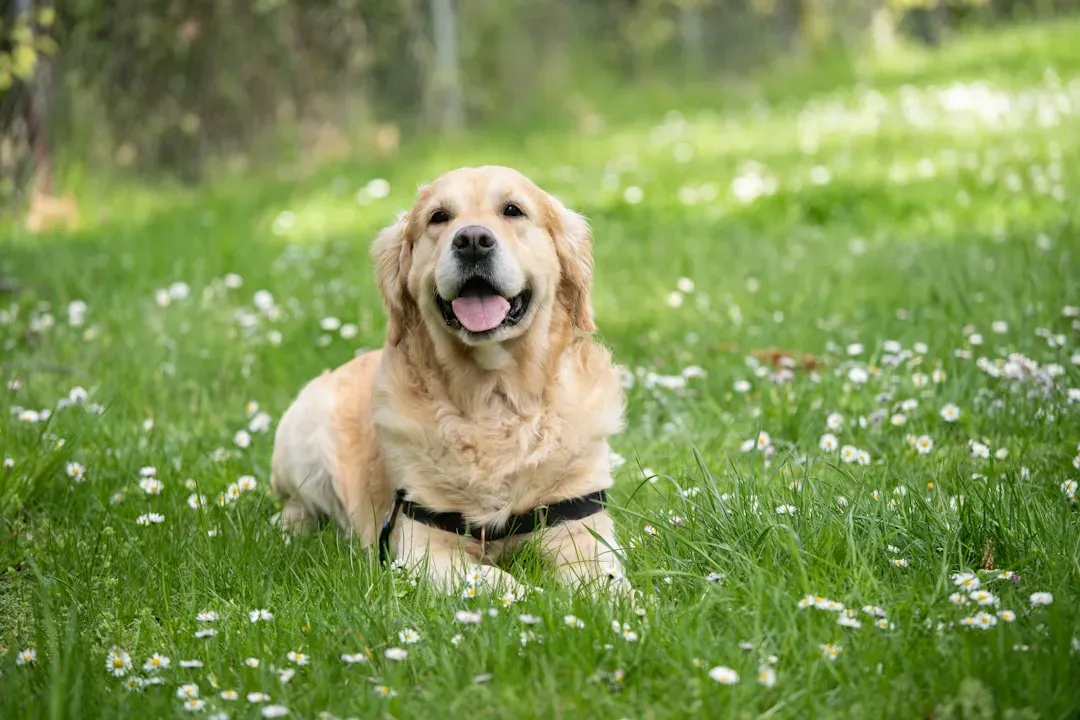
Labrador Retrievers are one of the most popular breeds partly due to their friendly nature, known for their sociable and outgoing personalities, often greeting strangers with enthusiasm and a wagging tail. Labs have zero suspicion of strangers. Their default setting is “friend mode,” and they rarely deviate from it.
Labs are known for being friendly with children, other dogs, other animals, and strangers. Here’s the thing – they might bark when someone approaches, but it’s an excited bark, not a warning. Labs are fantastic family dogs, therapy dogs, and service dogs. Guard dogs? Not so much. They’d probably show an intruder where you keep the treats.
Beagle: The Friendly Pack Hound

Beagles, having been bred to hunt in packs, typically get along very well with other dogs and will also befriend most people. Their social nature is hardwired. These little hounds were designed to work together, not to protect territory.
Beagles are known to be gregarious toward strangers and very good with other pets. They’ll definitely alert you when someone’s around – Beagles are vocal – but don’t expect them to be intimidating. They’re more likely to investigate a stranger with curiosity than caution. Adorable? Absolutely. Protective? Not really.
Cavalier King Charles Spaniel: The Affection Seeker

The Cavalier King Charles Spaniel is a small breed known for its affectionate and gentle nature, typically very friendly and comfortable around new people, often seeking attention and affection from strangers. These dogs were bred to be lap warmers for royalty. Protection was never part of their job description.
They’re small, sweet, and incredibly trusting. If someone breaks into your home, your Cavalier would probably assume they’re there to pet them. Their friendliness knows no bounds, which makes them wonderful companions but terrible watchdogs. They’re all heart and no guard.
Bichon Frise: The Cheerful Little Cloud
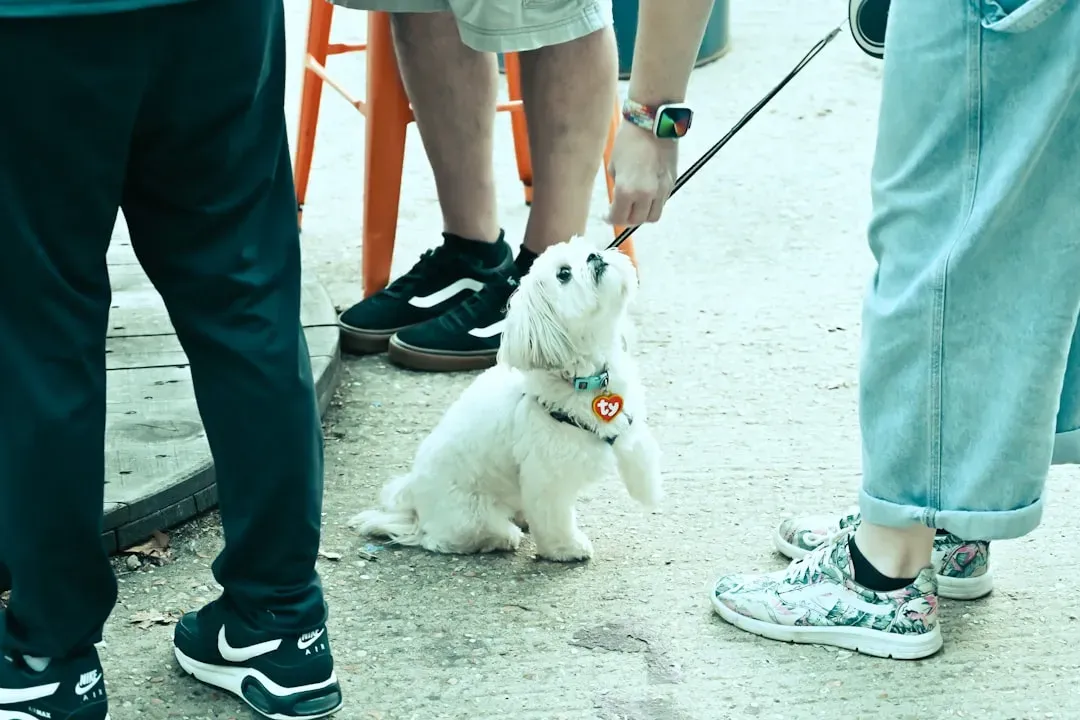
Bichon Frises are small dogs with a lively and cheerful disposition, known for their affectionate nature and tendency to be very friendly towards strangers. These fluffy little pups are pure joy wrapped in white fur. They approach life – and people – with optimism.
The Bichon Frise was originally used for trade aboard Spanish ships, which meant it had to be friendly to appeal to potential buyers. That breeding history explains everything. They were literally selected for being approachable and sweet. Your Bichon might alert you to visitors, but they’ll do so with a wagging tail and an expectation of pets.
Conclusion: Know Your Dog’s Nature
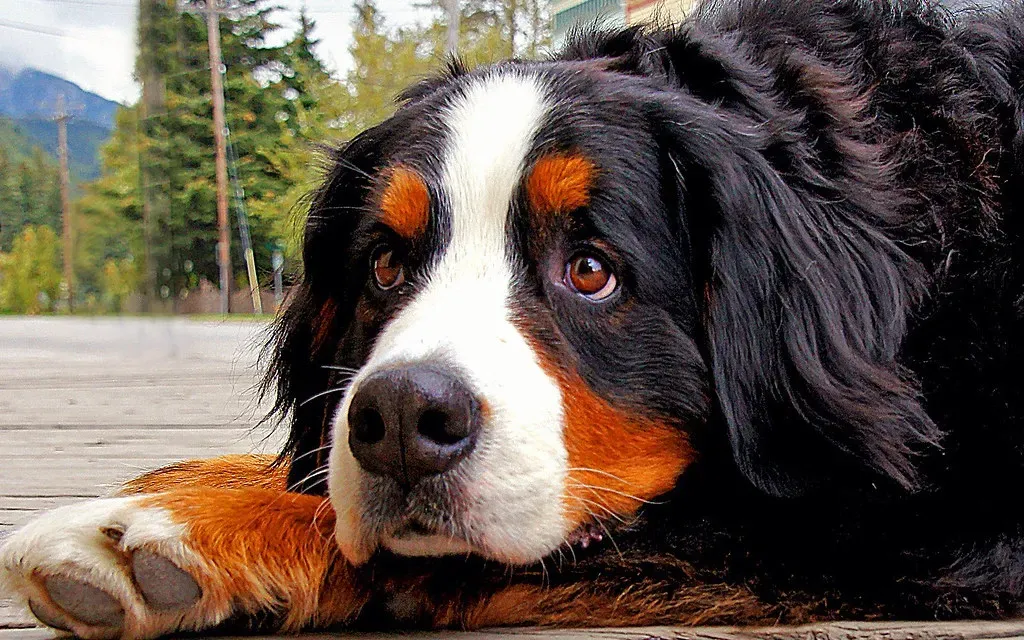
Understanding your dog’s natural instincts isn’t about disappointment – it’s about appreciation. If you have a German Shepherd or Rottweiler, embrace their protective nature with proper training and socialization. If you’ve got a Golden or Lab, celebrate their friendliness and find other ways to secure your home.
Every breed brings something special to our lives. Some offer security and vigilance, while others provide unconditional acceptance and joy. The key is recognizing what you have and loving them for exactly who they are. Whether your dog would confront an intruder or invite them in for snacks, they’re still your loyal companion. And honestly, that’s what matters most. What kind of dog do you have, and where do they fall on the watchdog spectrum? We’d love to hear your stories.