
8 Common Houseplants That Are Toxic to Dogs (And 7 Safe Alternatives)

You walk into the living room and catch your dog sniffing curiously at the glossy leaves of your favorite houseplant. Your heart skips a beat. Is that safe? Should you panic? Maybe you’ve already watched your pup nibble at something green, and now you’re wondering what happens next.
Here’s the thing. We fill our homes with beautiful greenery to brighten our spaces, improve air quality, and create that cozy vibe. We rarely stop to think whether these plants could harm our four-legged family members. Dogs explore the world with their mouths, and what seems like an innocent leaf can sometimes turn into a serious health scare. I know it sounds scary, but knowledge is power. Let’s dive into which houseplants pose a real threat and what you can safely keep in your home instead.
Aloe Vera: The Soothing Plant That Isn’t So Soothing for Dogs
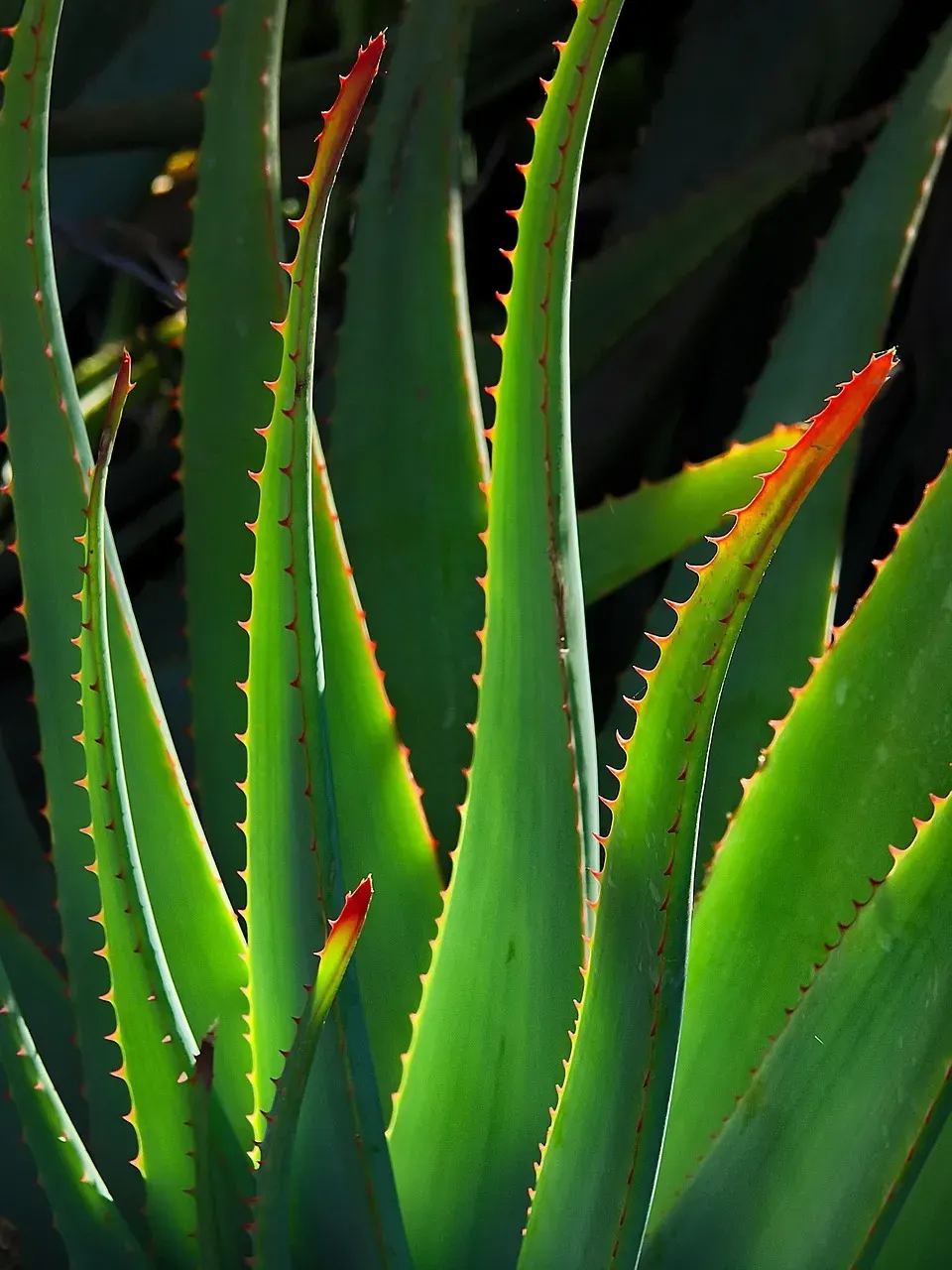
Aloe Vera can cause vomiting, lethargy, and urine changes in dogs. It’s ironic, really. This succulent heals our sunburns and soothes our skin, yet the same gel-filled leaves can upset your dog’s stomach. Symptoms of aloe vera poisoning in dogs may include vomiting, diarrhea, lethargy, tremors, and changes in urine color.
The gel itself is less problematic, but other parts of the plant contain compounds that dogs simply can’t handle. If you notice your pup acting sluggish after chewing on your aloe plant, or if their urine looks darker than usual, it’s time to call your vet. Honestly, as much as I love having aloe around for quick skin fixes, it’s just not worth the risk when you have a curious dog at home.
Philodendron: Beautiful Trailing Vines with a Hidden Danger
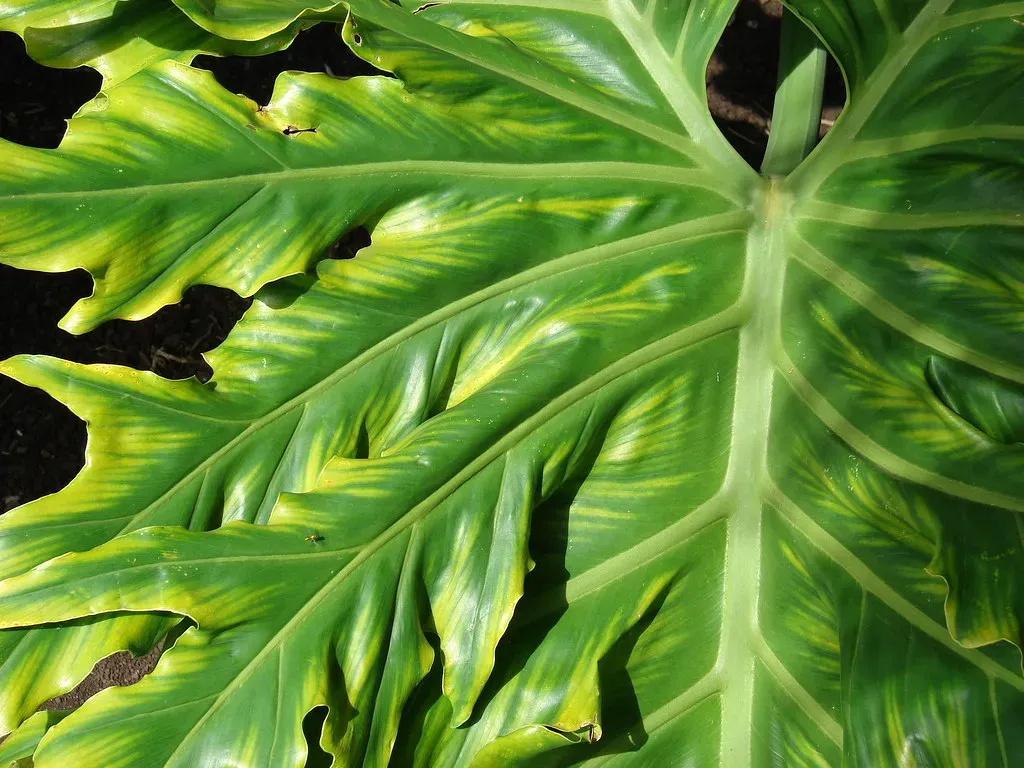
Philodendron causes severe oral irritation, mouth swelling, and difficulty swallowing. These popular trailing plants look stunning in hanging baskets, but they’re absolutely not dog-friendly. Pothos, or devil’s ivy, contains calcium oxalates that irritate the mouth and digestive system.
Imagine tiny needle-like crystals in your mouth. That’s essentially what happens when a dog bites into a philodendron. They’ll paw at their face, drool excessively, and may struggle to swallow. It’s distressing to watch, and it happens almost immediately. If your dog is a floor-level explorer or loves to bat at hanging plants, philodendrons need to go.
Snake Plant: Tough for You, Tough on Your Dog’s Stomach
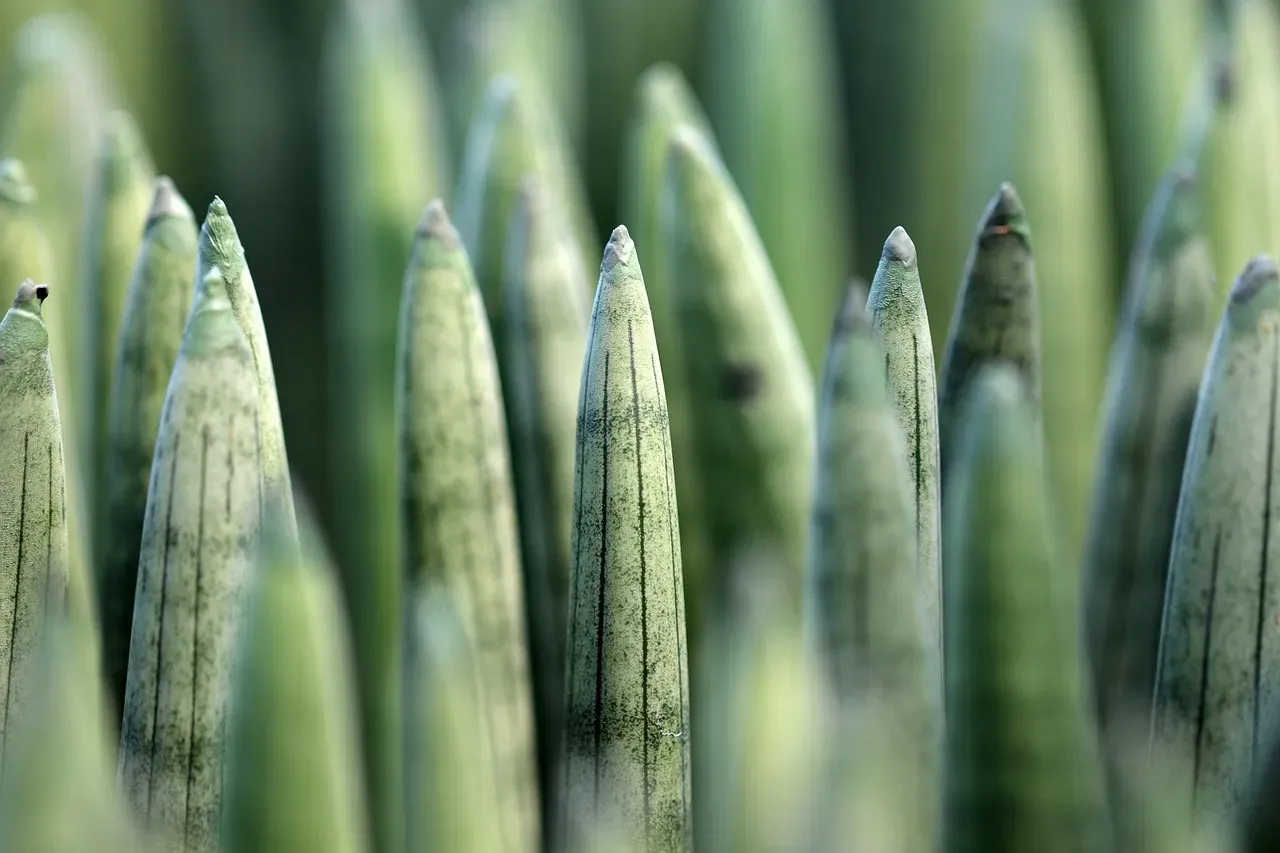
Snake Plant can lead to nausea, vomiting, and diarrhea when ingested. With its striking upright leaves and nearly indestructible nature, the snake plant has become a staple in modern homes. Snake plants contain saponins that can cause gastrointestinal upset and oral irritation in dogs, with symptoms including vomiting, diarrhea, drooling, and oral irritation.
Dogs usually don’t eat large amounts because the taste is unpleasant, but even a small nibble can trigger stomach upset. Your pup might vomit within hours or develop diarrhea. Keep an eye out for excessive drooling or signs of discomfort around the mouth.
Pothos (Devil’s Ivy): A Common Culprit in Many Homes
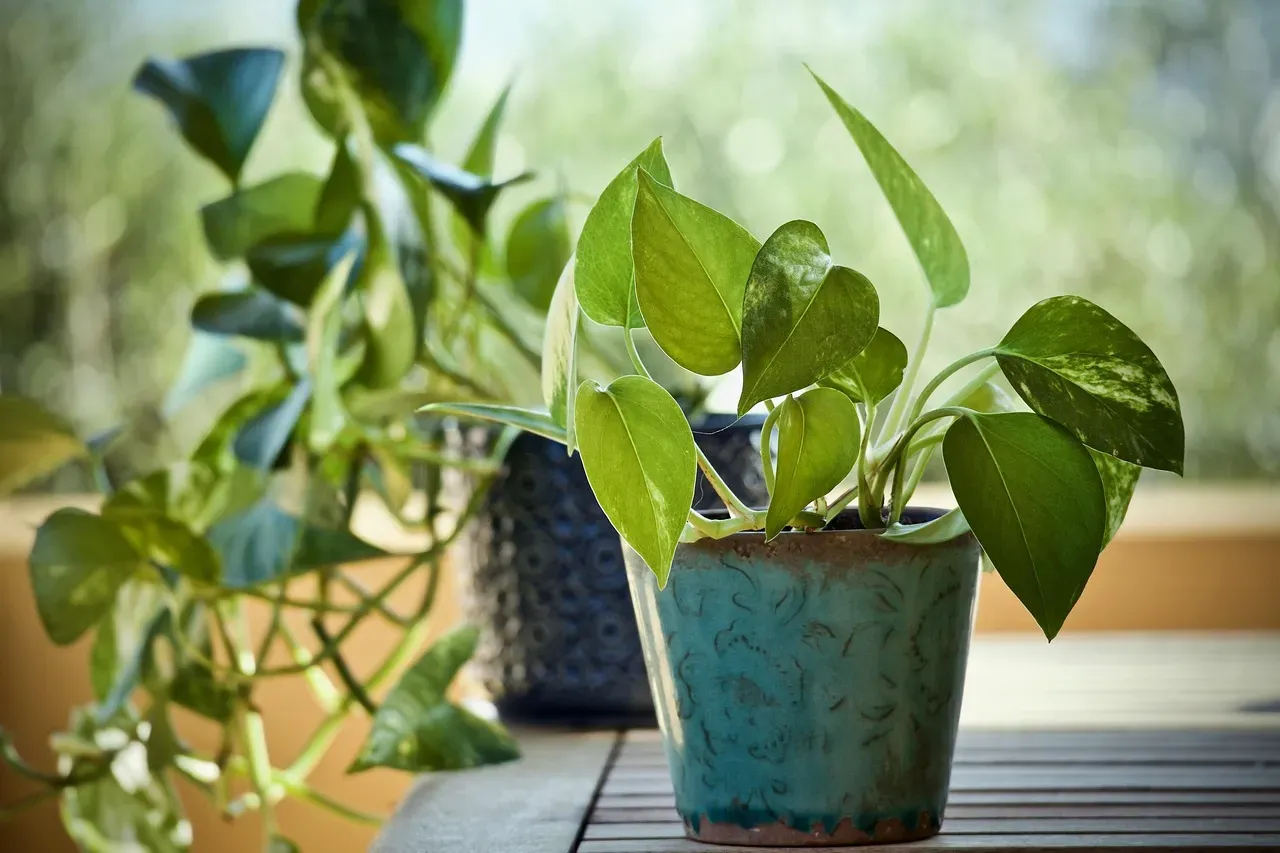
This cascading beauty is everywhere. Offices, apartments, coffee shops – you name it. Yet it’s one of the most common sources of plant-related distress in dogs. The calcium oxalate crystals within pothos leaves are irritating on contact. Your dog doesn’t even need to swallow it to feel the burn.
If ingested, this plant can cause burns to the mouth, excessive drooling and vomiting. You’ll notice your dog pawing at their mouth, refusing food, or acting unusually anxious. Immediate discomfort is the hallmark sign here. Let’s be real, no houseplant is worth watching your dog suffer through that kind of pain.
Dracaena: Pretty Foliage with Unpleasant Consequences
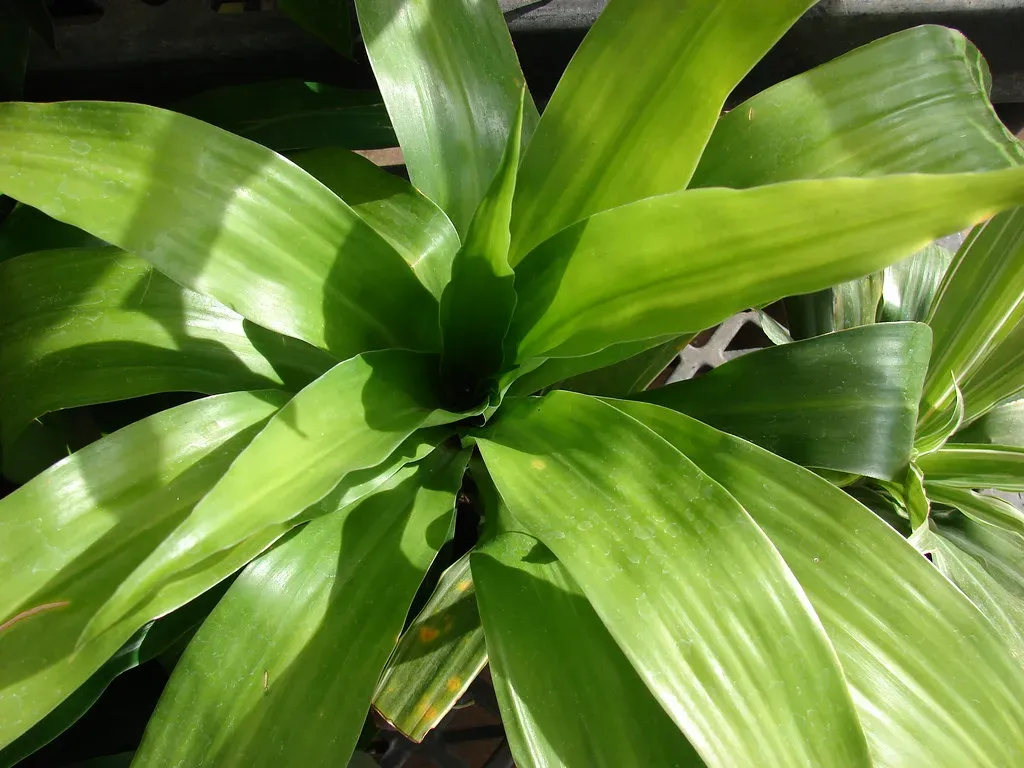
Dracaena can cause vomiting, appetite loss, and depression. Also known as the dragon tree or corn plant, dracaenas come in many varieties with bold, colorful leaves. These plants contain compounds that can cause digestive issues and oral irritation in dogs when ingested.
Symptoms might take a bit longer to show compared to other toxic plants, sometimes several hours. Your dog may seem off, less interested in playtime, or skip a meal. Depression in dogs isn’t dramatic – it’s subtle lethargy and withdrawal. Pay attention to behavior changes after plant exposure.
ZZ Plant: Low Maintenance for You, High Risk for Dogs
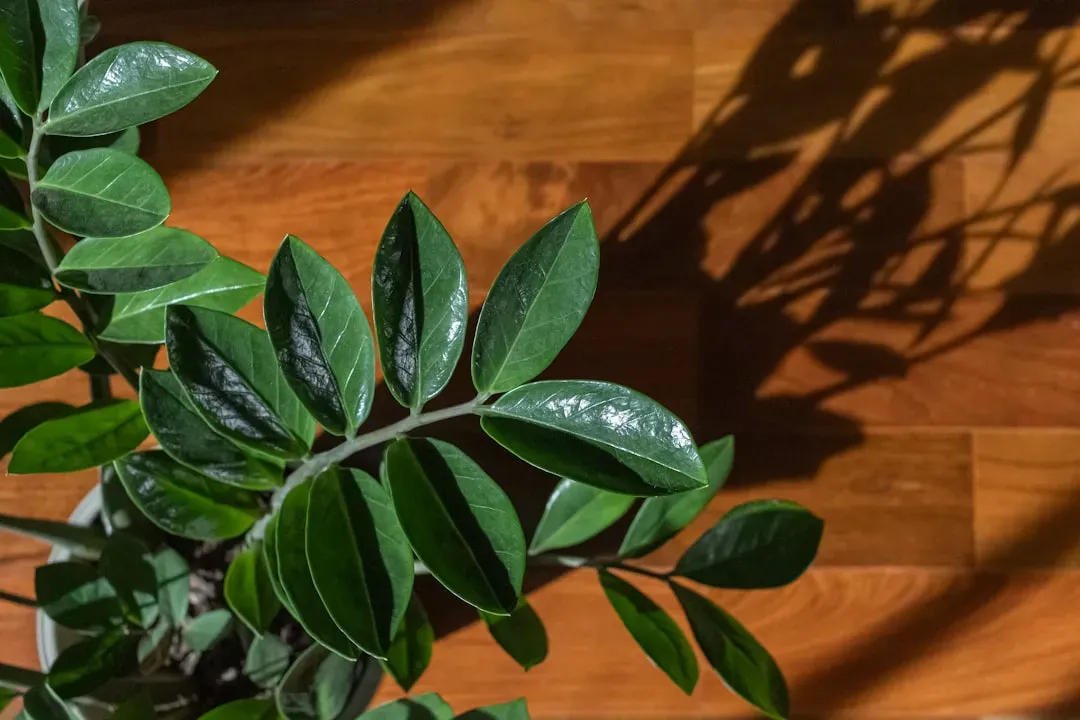
ZZ Plant is toxic if chewed, leading to stomach upset, vomiting, and diarrhea. The Zamioculcas zamiifolia, or ZZ plant, has become wildly popular because it tolerates low light and neglect. Perfect for busy plant parents, right? Not so perfect for dog parents.
The severity depends on how much your dog ingests. A little taste might just cause mild stomach upset, but larger amounts can lead to significant gastrointestinal distress. Watch for repeated vomiting or loose stools. It’s hard to say for sure how much is too much, but any amount warrants caution and possibly a vet call.
Dieffenbachia (Dumb Cane): Painful and Dangerous
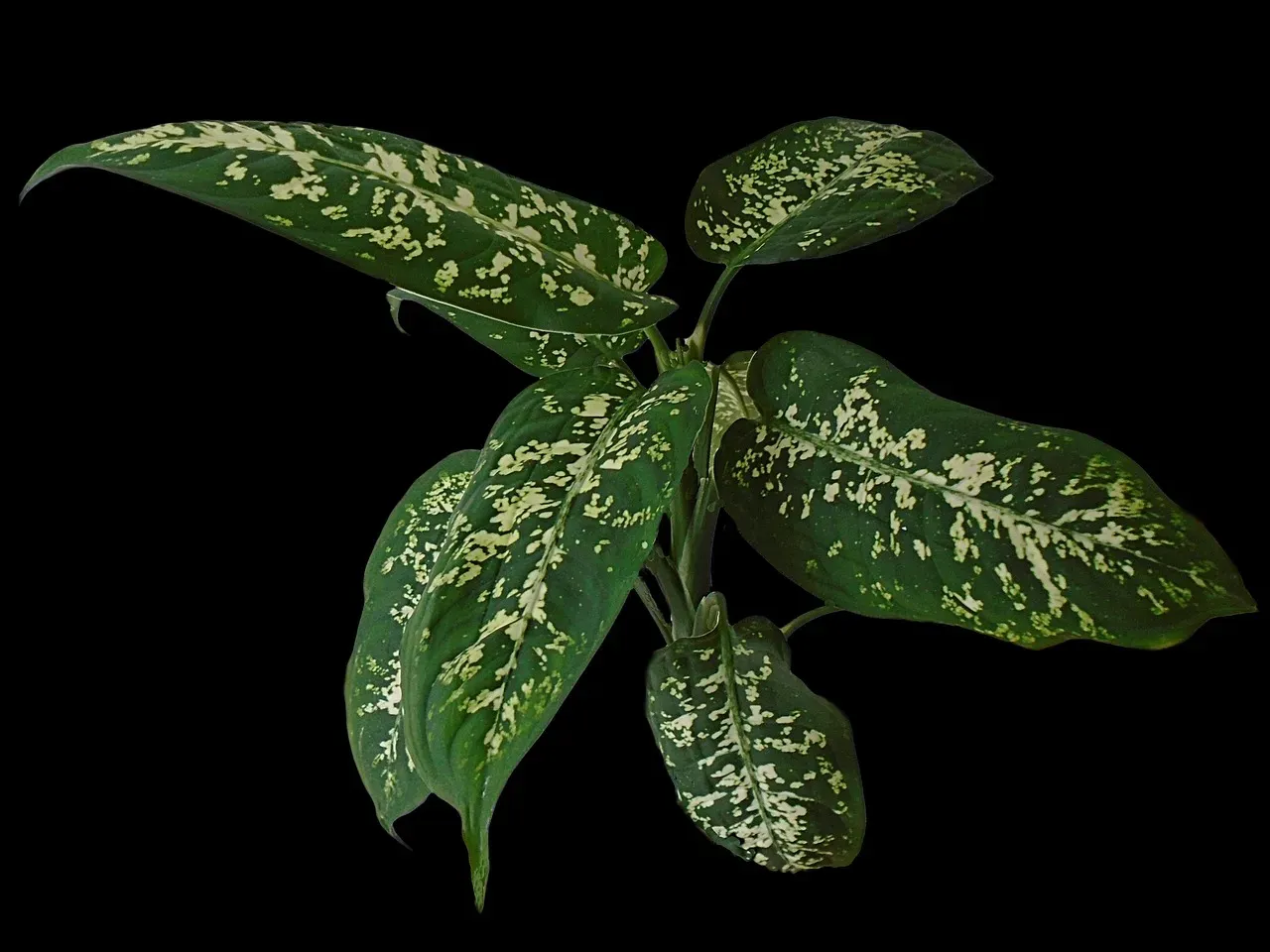
Dieffenbachia causes burning, drooling, vomiting, and swelling. The name “dumb cane” comes from the temporary inability to speak that humans experience after chewing it. Its attractive foliage contains calcium oxalate crystals, which can lead to severe oral irritation and in some cases, difficulty in speaking and swallowing.
Dogs experience the same painful burning sensation. Their mouths, tongues, and throats swell up. They’ll drool profusely and may vomit. In severe cases, the swelling can affect breathing. This is one plant you absolutely don’t want anywhere near a curious pup.
Peace Lily: Elegant Blooms with a Harsh Bite
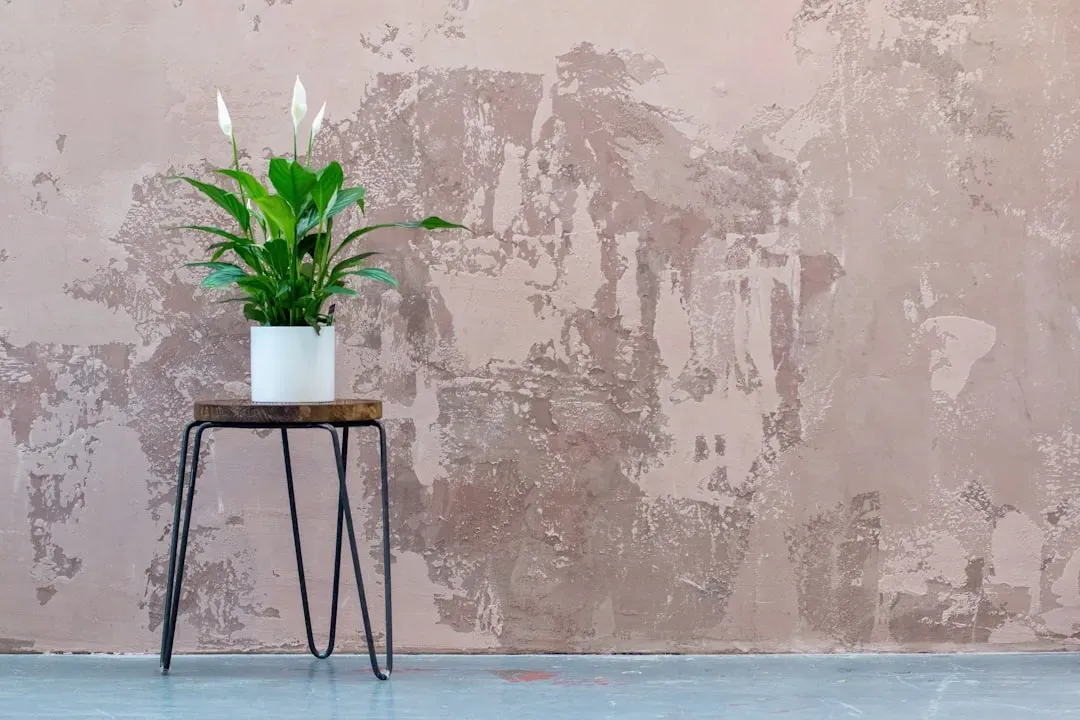
Peace lilies contain insoluble calcium oxalate crystals, which can cause severe pain to the mouth, tongue, esophagus, and stomach, with symptoms appearing immediately when chewed. These graceful plants with their white blooms are popular gifts and home décor staples. They’re also misleadingly named – there’s nothing peaceful about what happens when your dog takes a bite.
The immediate pain is intense. Your dog will paw at their face, shake their head, and may refuse water because swallowing hurts. The good news is that most dogs stop chewing quickly because it hurts so much. Still, even brief contact can cause significant distress and warrants veterinary attention.
Recognizing the Warning Signs: When Your Dog Has Been Poisoned

Symptoms of plant toxicity in dogs can include vomiting, diarrhea, drooling, and lethargy, and more severe signs like difficulty breathing or swallowing and abnormal heart rate. Timing matters. Some plants cause immediate symptoms, while others take hours or even days to show effects.
Look out for gastrointestinal issues like vomiting, diarrhea, drooling, increased thirst, or loss of appetite, and behavioral changes like restlessness, confusion, lethargy, or depression. Your dog might also paw at their mouth, have excessive drooling, or develop tremors. If you notice any combination of these signs after your dog was near plants, don’t wait. Call your vet or an emergency animal hospital immediately.
What to Do If Your Dog Eats a Toxic Plant
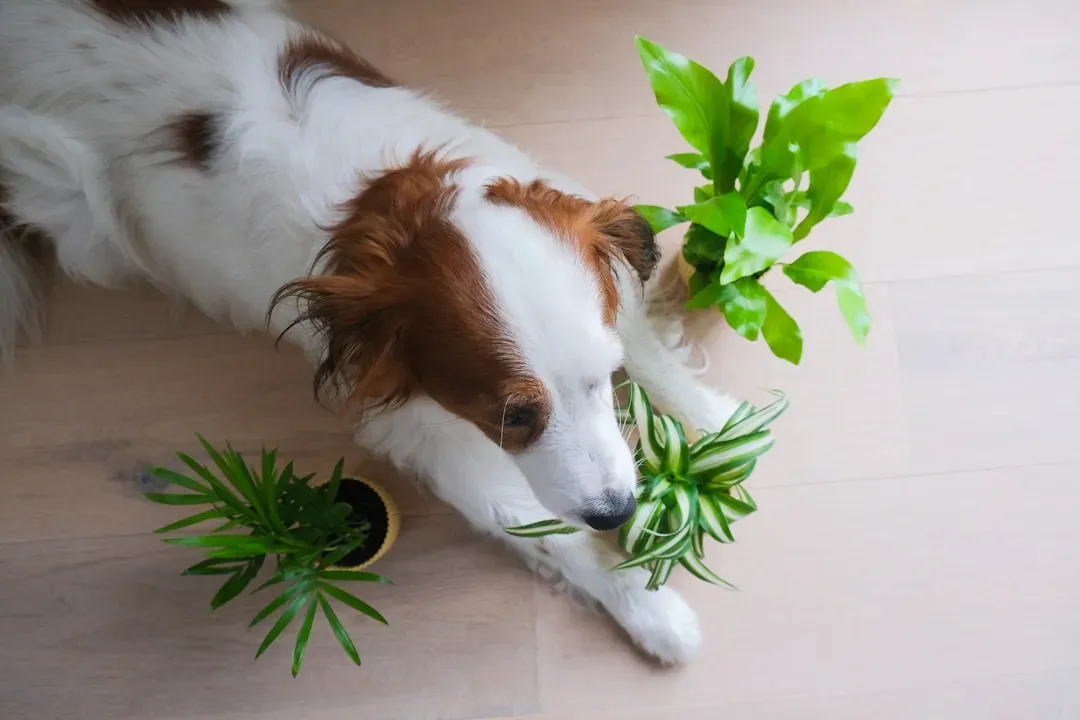
Contact your veterinarian immediately, and it’s ideal if you’re able to tell the vet what type of plant your dog ate and the approximate amount, so they can advise the best course of treatment. Stay calm, even though your heart is racing. Do NOT give your dog any home remedies such as milk, salt, or oil, and do NOT induce vomiting without talking to your veterinarian or a poison control center.
Take a photo of the plant or bring a sample with you. If your dog vomited, save a sample in a plastic bag. Note what time the exposure happened and what symptoms you’ve observed. These details help vets treat your dog more effectively. The ASPCA Poison Control hotline is available around the clock at (888) 426-4435.
Prevention: Creating a Dog-Safe Home Environment

Use hanging baskets, tall plant stands, or closed rooms to limit access. Physical barriers work wonders. Place plants on high shelves your dog can’t reach, or designate a plant room that’s off-limits to pets.
Teaching your dog the “leave it” cue helps prevent them from interacting with off-limits items, including plants, using positive reinforcement when they respond correctly. Training is your secret weapon. A solid “leave it” command can prevent countless emergencies. Still, I think it’s best not to rely solely on training when safer plant options exist.
Safe Alternative 1: Spider Plant – Resilient and Harmless
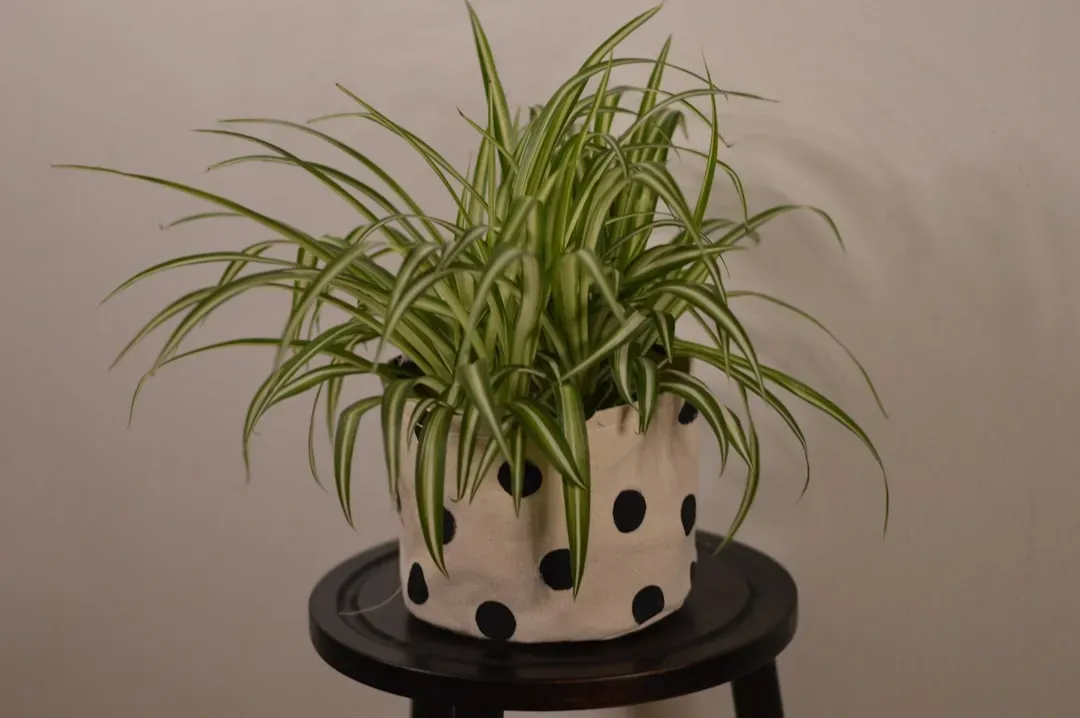
Spider plants (Chlorophytum comosum) are a great-looking and non-toxic alternative to many hanging plants. With their arching striped leaves and easy-going nature, spider plants are perfect for beginners. Spider plants are great for new plant parents because they are low maintenance, propagate easily, and are non-toxic to both cats and dogs.
They tolerate neglect, don’t need perfect lighting, and even produce adorable baby plants you can share with friends. Honestly, if you’re looking for one foolproof plant that looks great and keeps your dog safe, start here. They cascade beautifully from hanging baskets too.
Safe Alternative 2: Boston Fern – Lush and Dog-Friendly
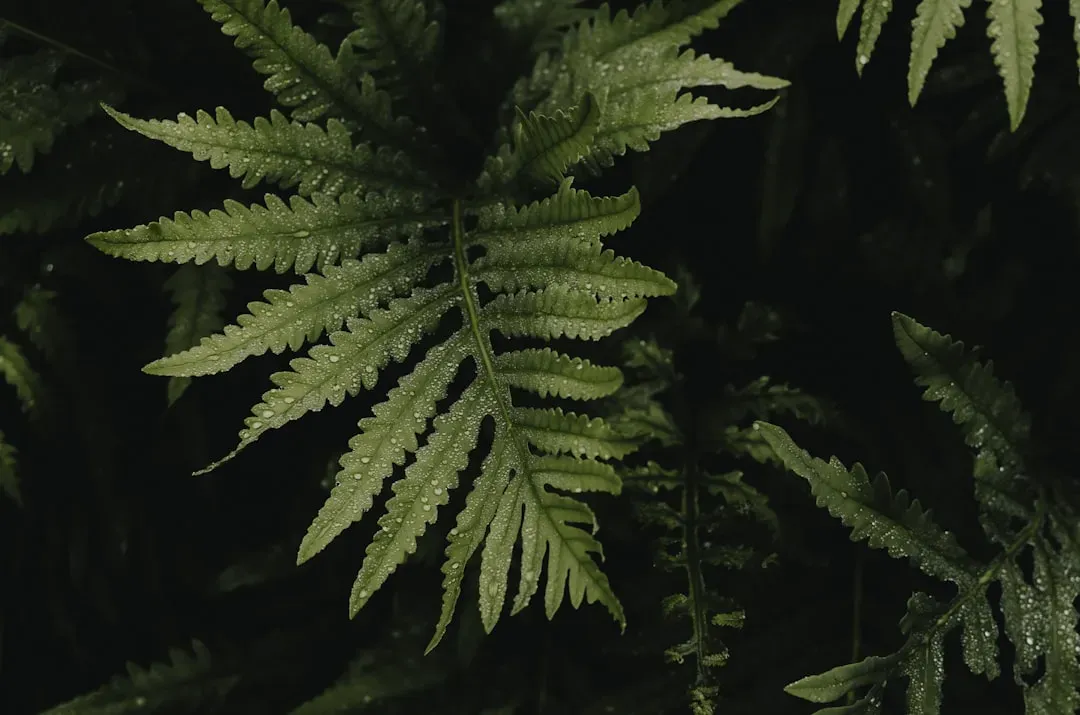
Boston ferns are a great-looking and non-toxic alternative to many hanging plants. These feathery, lush ferns bring that tropical vibe indoors without any risk to your pup. They do need a bit more attention than spider plants – they like humidity and consistent watering.
Place them in bathrooms where they’ll soak up shower steam, or mist them regularly. They’re gorgeous in hanging baskets and safe even if your dog decides to investigate. The soft fronds won’t hurt curious noses either.
Safe Alternative 3: Parlor Palm – Elegant and Non-Toxic
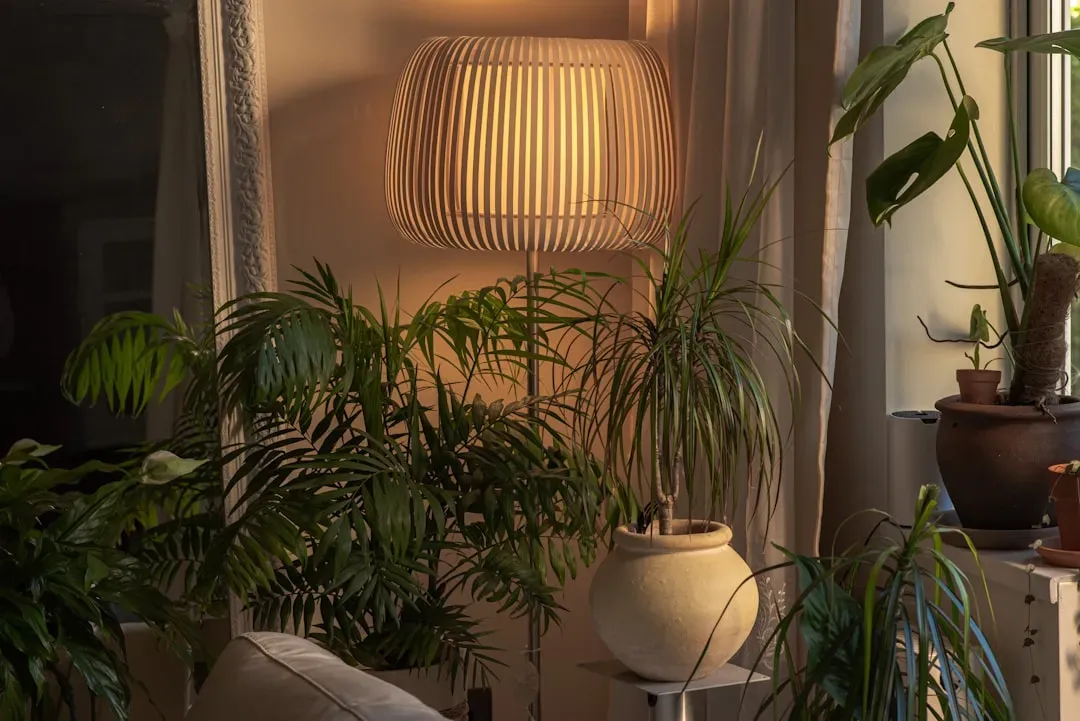
A parlor palm is a fantastic houseplant for low-light spaces or spots with lots of indirect light, and it’s pet-friendly and more textured than most. These graceful palms add height and drama to any room. Parlor palms have lush, feathery green foliage with overlapping leaves and enjoy medium to low spaces but suffer from direct heat.
They’re forgiving, don’t demand constant attention, and bring that breezy, relaxed aesthetic to your space. Perfect for living rooms or corners that need a green focal point. Your dog can sniff around them without you panicking.
Safe Alternative 4: African Violet – Charming and Colorful
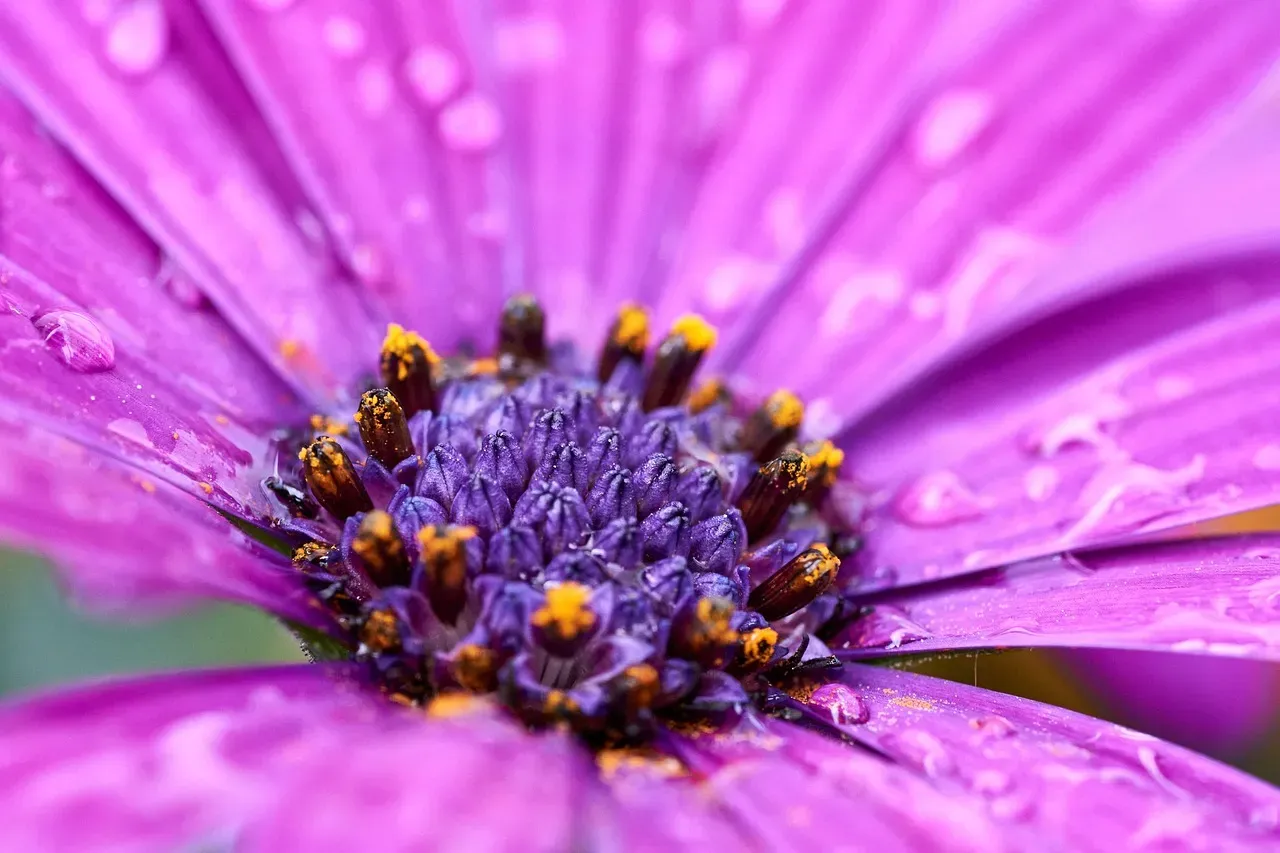
African violets can be a beautiful addition to any home thanks to their vivid violet blooms and soft, velvety leaves, and thrive in moderate temperatures with some humidity. These compact plants bring year-round color without posing any threat to your dog. They’re ideal for tabletops, windowsills, or shelves.
The soft, fuzzy leaves are interesting but not enticing for most dogs. They bloom almost constantly if you treat them right – indirect light, consistent moisture, and a little patience. They’re old-fashioned in the best way.
Safe Alternative 5: Ponytail Palm – Unique and Playful

Ponytail palms are a beginner-friendly plant characterized by bulbous trunks, long, blades as leaves, and their longevity. Despite the name, they’re not true palms but succulents. A ponytail palm is perfect for a bright spot with direct light and is pet and child-friendly, with a crown of long, cascading leaves.
The cascading foliage creates a fun, whimsical look. They need very little water and can handle some neglect. Perfect for sunny spots where you want something sculptural and safe.
Safe Alternative 6: Calathea (Prayer Plant) – Stunning Patterns, Zero Toxicity
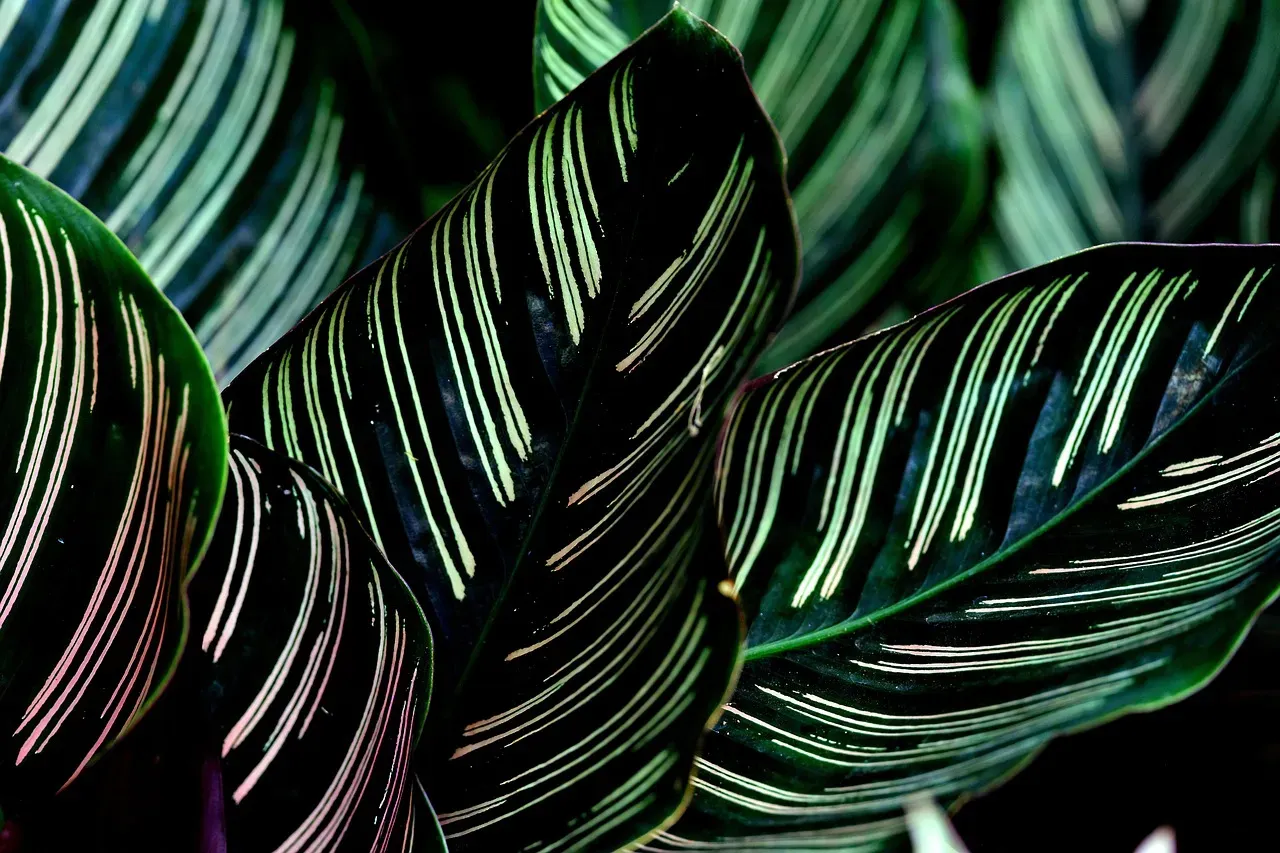
The calathea network is non-toxic to cats, dogs, and humans, and loves humidity. Calatheas are showstoppers with their intricate leaf patterns and colors. The calathea network has a party trick – nastic movement, where it moves its leaves to the available light to maximize growth.
Your dog can watch the leaves fold up at night and unfold during the day – it’s honestly mesmerizing. They need a bit more care than some other safe plants, but the visual payoff is worth it. Great for bathrooms or kitchens where humidity is naturally higher.
Safe Alternative 7: Peperomia – Compact and Completely Safe
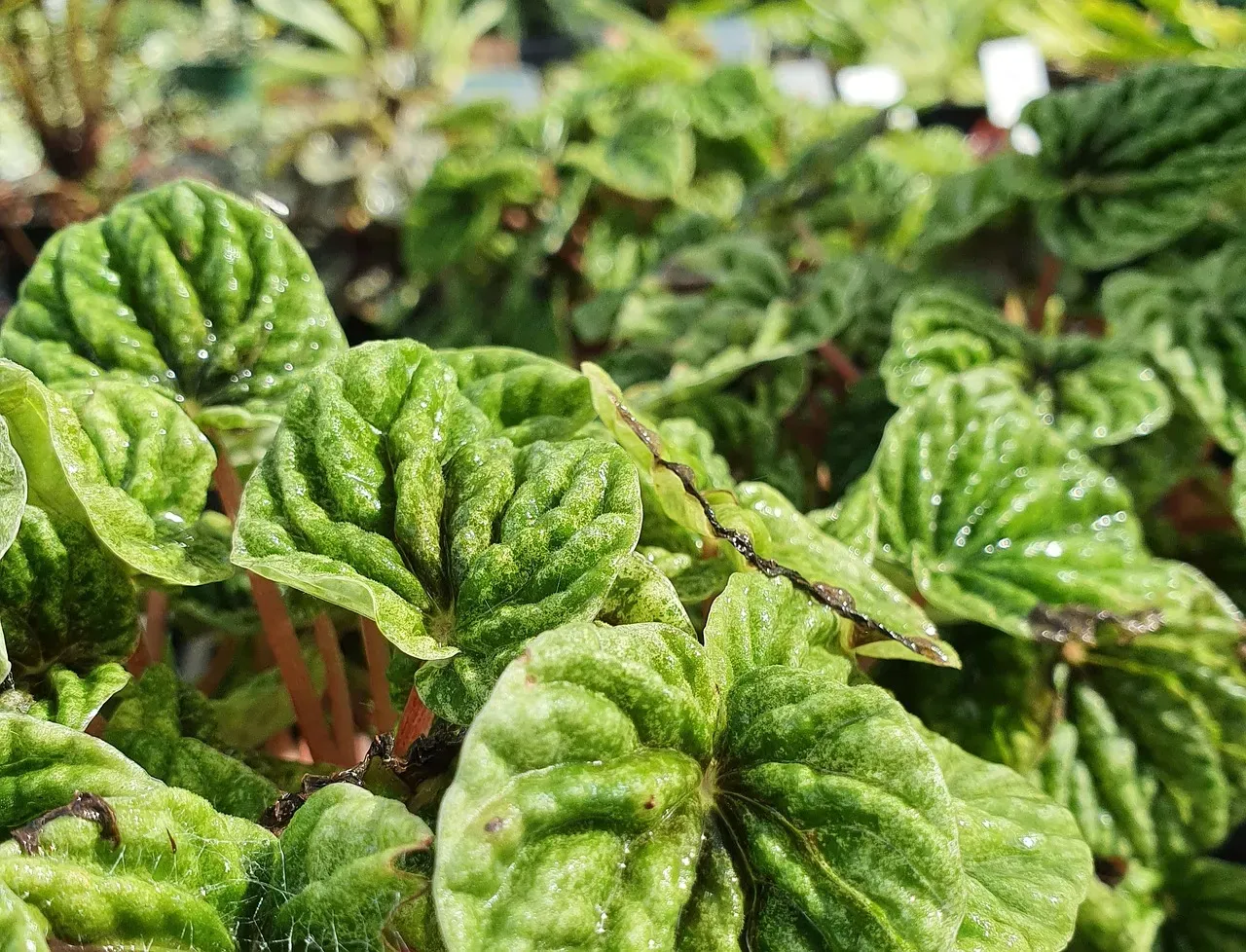
This family of easy-growing Peperomia houseplants has been popular for generations because it’s so forgiving, and they don’t contain natural compounds that are toxic to animals. Peperomias come in dozens of varieties with different leaf shapes, colors, and textures. Some have thick, glossy leaves; others are rippled or variegated.
They’re small, stay compact, and don’t need frequent watering. Perfect for desks, shelves, or anywhere you want a pop of green without worrying about your dog. I think they’re underrated – simple, safe, and satisfying to care for.
Conclusion: Peace of Mind with the Right Plant Choices
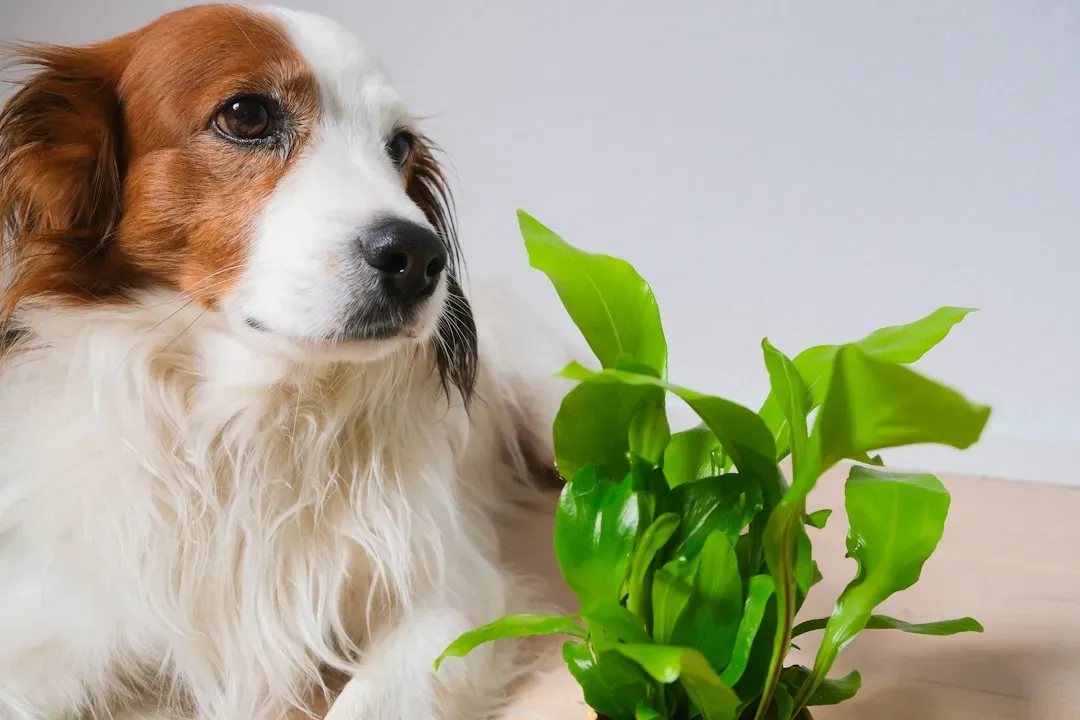
Creating a home filled with greenery doesn’t mean putting your dog at risk. By swapping out toxic plants for safe alternatives, you can enjoy the beauty and benefits of houseplants without the anxiety. Your dog’s curiosity is part of what makes them so endearing, but it’s our job to keep them out of harm’s way.
Start by identifying what’s already in your home. Replace the risky ones with pet-friendly options. Teach your dog boundaries, but don’t rely on training alone. Most importantly, trust your instincts – if something feels off after your dog has been around a plant, don’t hesitate to call your vet. What’s your favorite pet-safe plant? Have you had any close calls with toxic ones? Share your experiences in the comments below.