
6 Dog Breeds That Are Known for Their Remarkable Herding Instincts
Ever watched a dog circle around a group of people at a family gathering, gently nudging everyone together like they’re on some invisible mission? Maybe your pup nips at the heels of running kids or seems utterly fixated on controlling movement. That’s not random behavior. That’s centuries of breeding speaking through every fiber of their being.
Herding dogs exhibit a distinct constellation of behaviors marked by inherent instinct and motor skills that manipulate and guide livestock in response to instructive commands and cues. It’s honestly fascinating when you think about it. These dogs weren’t just companions. They were survival partners for farmers and shepherds across continents, and today, that same drive lives on in your living room. Let’s dive into six breeds whose herding instincts are nothing short of extraordinary, shall we?
Border Collie: The Einstein of the Herding World
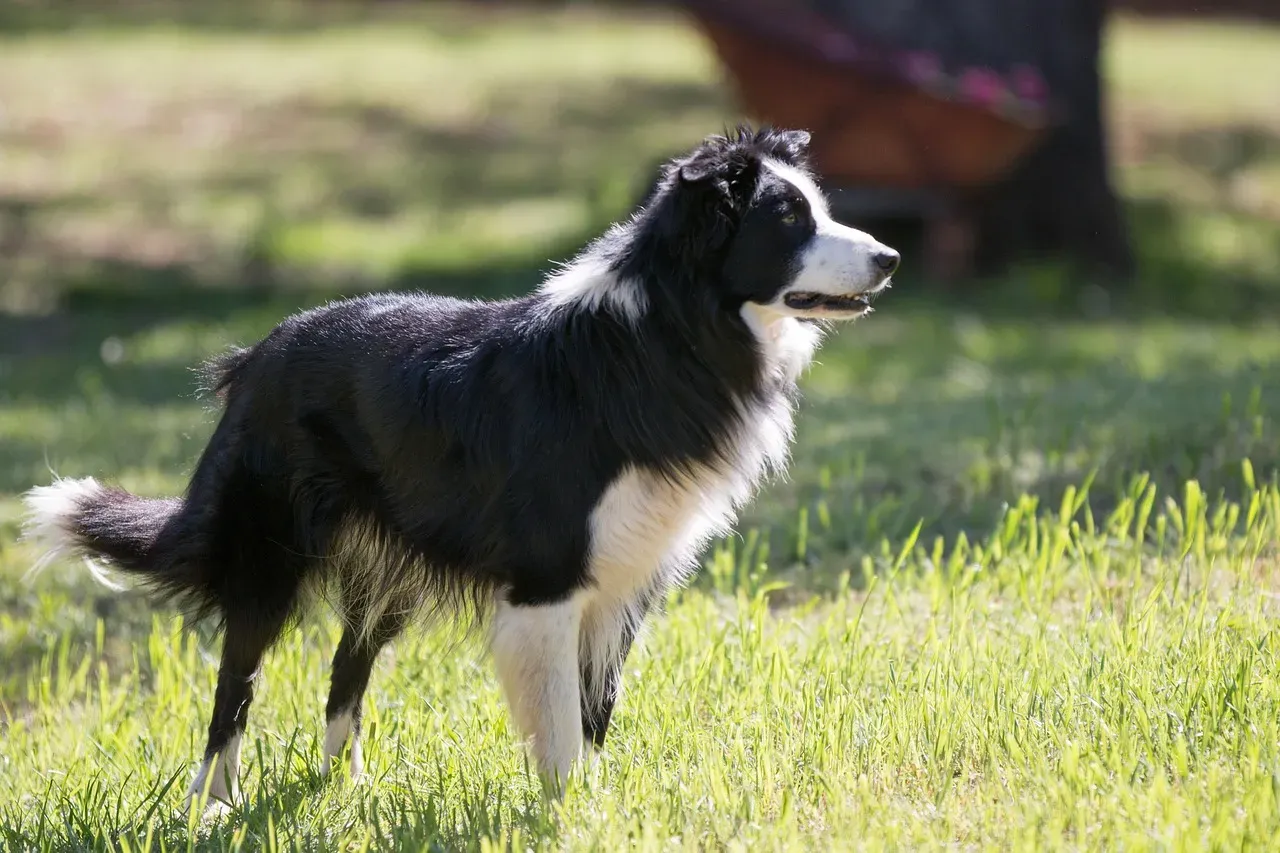
If there’s one breed that defines herding excellence, it’s the Border Collie. Seriously, these dogs are like the valedictorians of the canine world. Border Collies are the valedictorians of the dog world – they’re often cited as the smartest breed. Picture this: a dog crouched low, eyes locked onto sheep with laser focus, not moving a muscle but somehow directing an entire flock with just the intensity of its stare. They use their distinctive “stare,” also known as “giving eye,” along with their crouching for the purpose of exerting “pressure” on the sheep and get them to move in desired directions.
The Border Collie originated in the border region of Scotland and England and was bred as a sheep-herding dog, known for its intense stare and stealthy, precise herding style. Their energy levels are off the charts. I know it sounds crazy, but these dogs need a job to feel fulfilled. Without proper mental and physical stimulation, they’ll invent their own entertainment, and trust me, you probably won’t love their choices. While every dog is an individual with their own specific needs, Aussies and Border Collies typically need one to two hours of exercise every day. Think agility courses, frisbee sessions, or even advanced obedience training to keep their brilliant minds engaged.
Australian Shepherd: The Versatile Ranch Hand
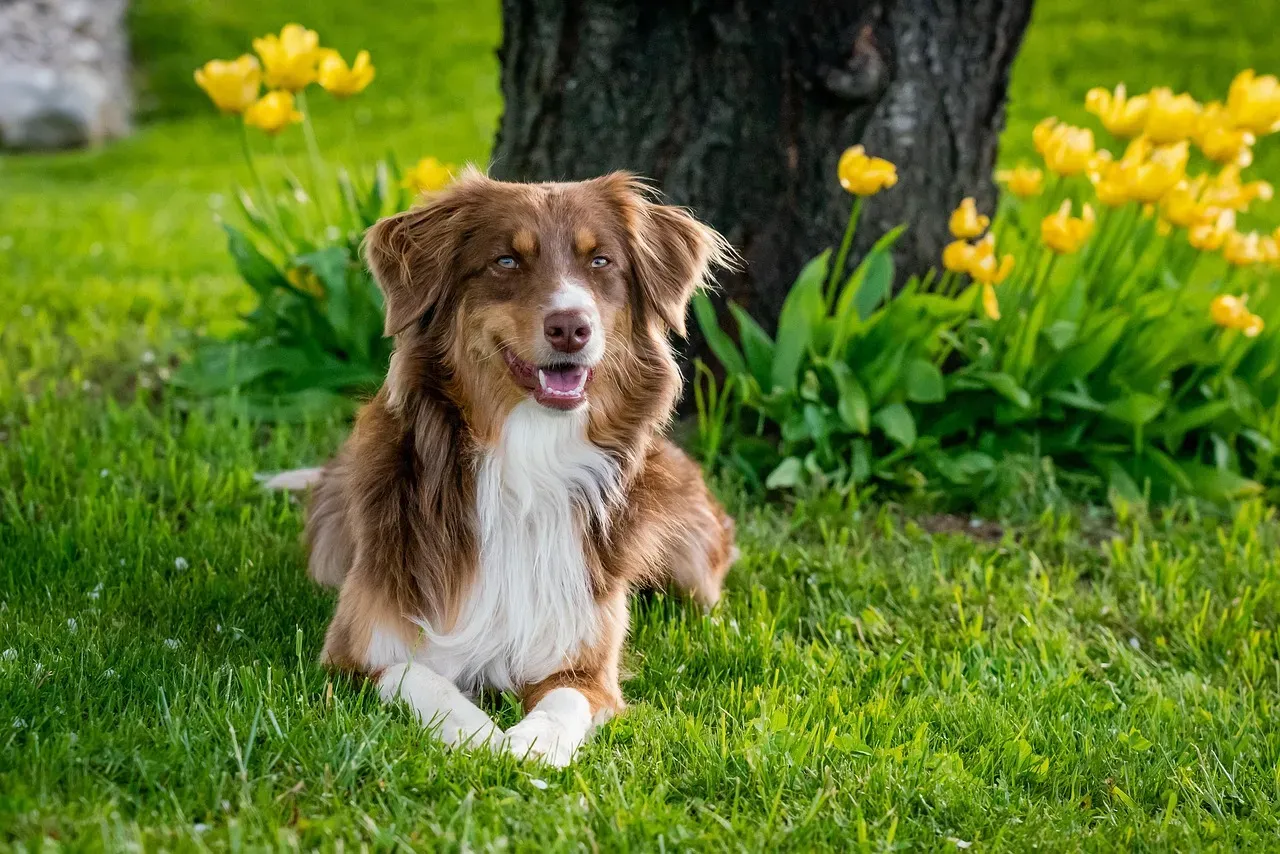
Here’s the thing about Australian Shepherds: despite their name, they’re actually American through and through. The Australian Shepherd, despite its name, was developed in the western United States (in the 19th century) and was bred by ranchers to herd livestock on ranches. These dogs are playful powerhouses with striking coat patterns and often those mesmerizing heterochromatic eyes. They’re the kind of dog that wants to be part of every family activity, whether you’re hiking a mountain trail or just folding laundry.
The Australian Shepherd Club of America states this breed: Is more of a driving dog, or drover, helping move animals from place to place. Communicates by movement, with less eye contact (referred to as ‘loose-eyed’) but flanking alongside or behind livestock to put them into position. He might bark to encourage a response from the herd. Unlike Border Collies who rely heavily on eye contact, Aussies are more vocal and physical in their approach. They’re adaptable family dogs but require consistent training and socialization from puppyhood to manage their strong herding tendencies around children and other pets.
German Shepherd: The Protective Tending Dog
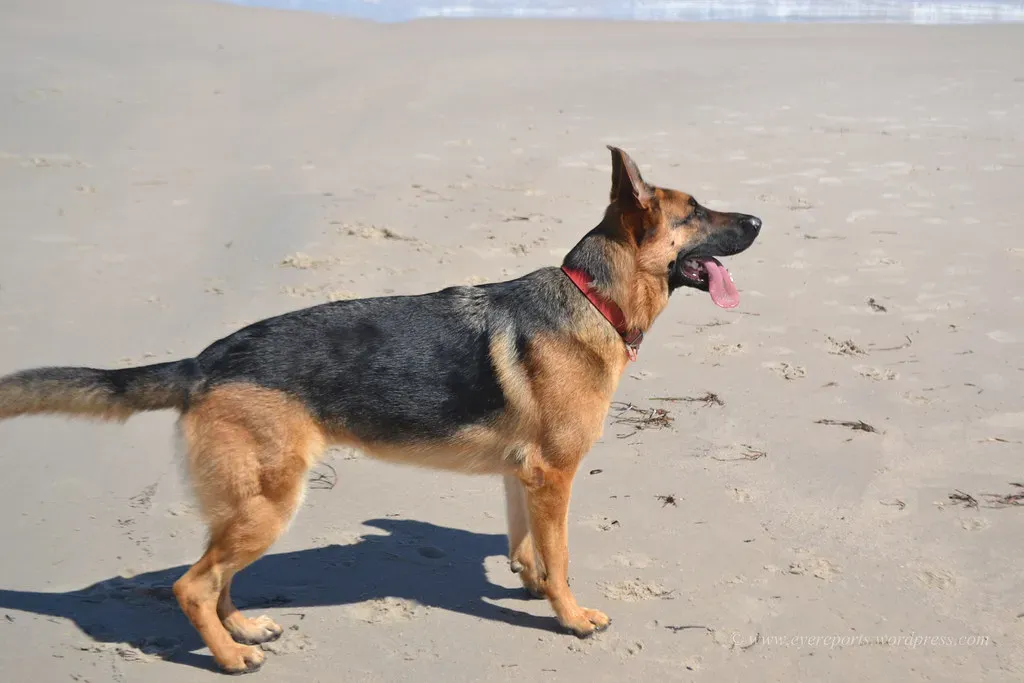
Captain Max von Stephanitz developed the German Shepherd in the late 1800s. He wanted to create the perfect dog breed and was impressed by the variety of sheep herding dogs he saw throughout Germany. What makes German Shepherds unique among herding breeds is their role as tending dogs. Tending Dogs (German Shepherd, Belgian Malinois, Belgian Tervuren): Tending dogs act as a living fence to keep large flocks of sheep together while grazing. Think of them as mobile boundaries, keeping livestock contained in specific areas rather than gathering or driving them.
Let’s be real: German Shepherds are confident, loyal, and incredibly versatile. For example, both breeds are confident. They would have to be to control large flocks of sheep. They are also both loyal to their family but can show some aloofness with strangers. They excel not just in herding but in police work, search and rescue, and as service dogs. Their protective instincts are strong, which makes early socialization crucial. These dogs bond deeply with their families and thrive when given structured tasks and regular exercise opportunities.
Belgian Malinois: The High-Octane Working Machine
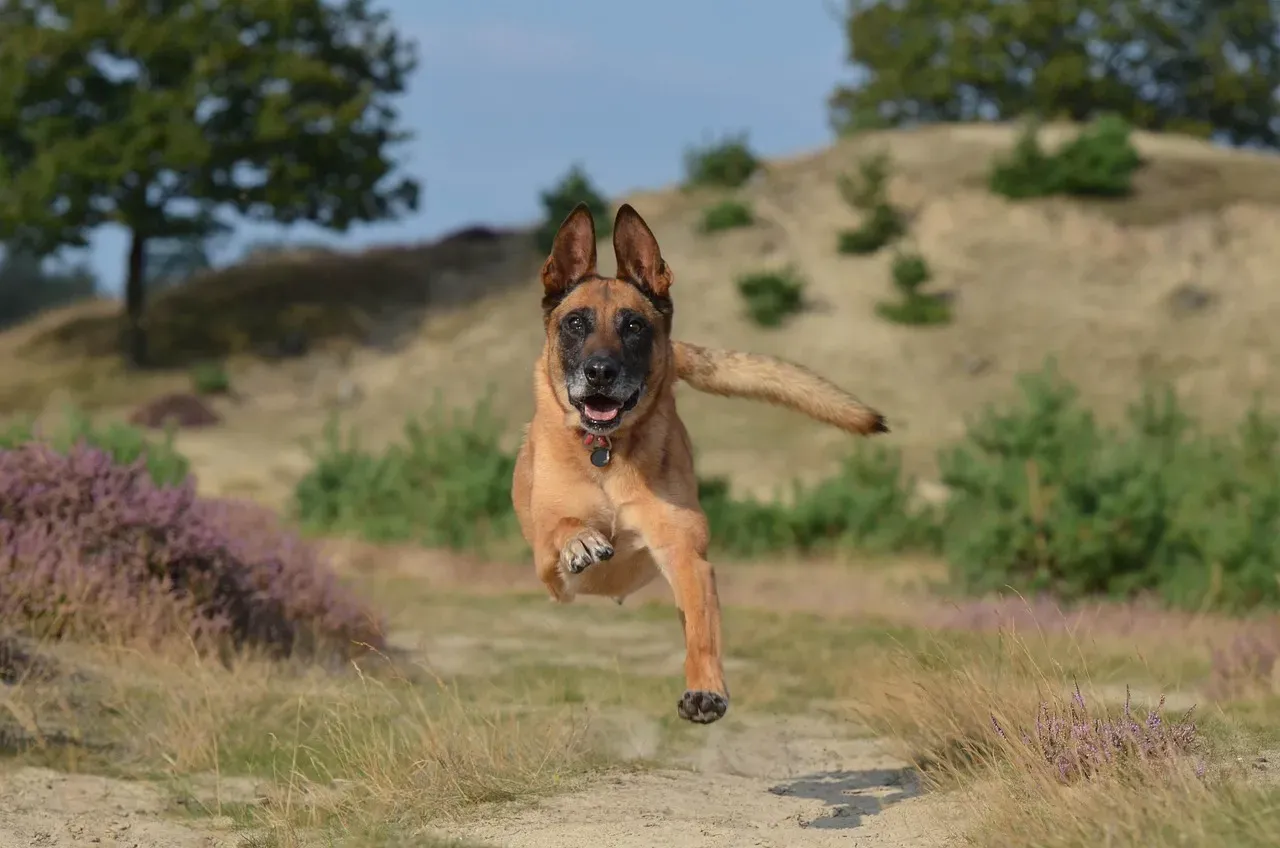
Malinois instinctively display herding behavior such as chasing and circling, moving effortlessly for hours and nipping at people’s heels. The dog is good for working and competitive obedience, but not for toddlers who run and scream. Belgian Malinois are intense. Like, really intense. The Belgian Malinois is one of (if not the most) active dogs known to man. They can run hard all day every day and still have energy left over. This is what makes them such good police and military dogs.
The Belgian Shepherd (Dutch: Belgische Herder), also known as the Belgian Sheepdog (Dutch: Belgische Herdershond) or the Chien de Berger Belge, is a Belgian breed of herding dog of medium size. It is bred in four distinct varieties based on coat type and colour: the long-haired black Groenendael; the rough-haired fawn Laekenois; the short-haired fawn Malinois, and the long-haired fawn Tervuren. The Malinois variety stands out for its short coat and extraordinary work ethic. These aren’t beginner dogs. They require experienced handlers who can provide hours of daily physical and mental exercise. Without proper outlets, their herding drive can manifest in problematic behaviors around fast-moving children or other pets.
Pembroke Welsh Corgi: The Mighty Ankle-Biter
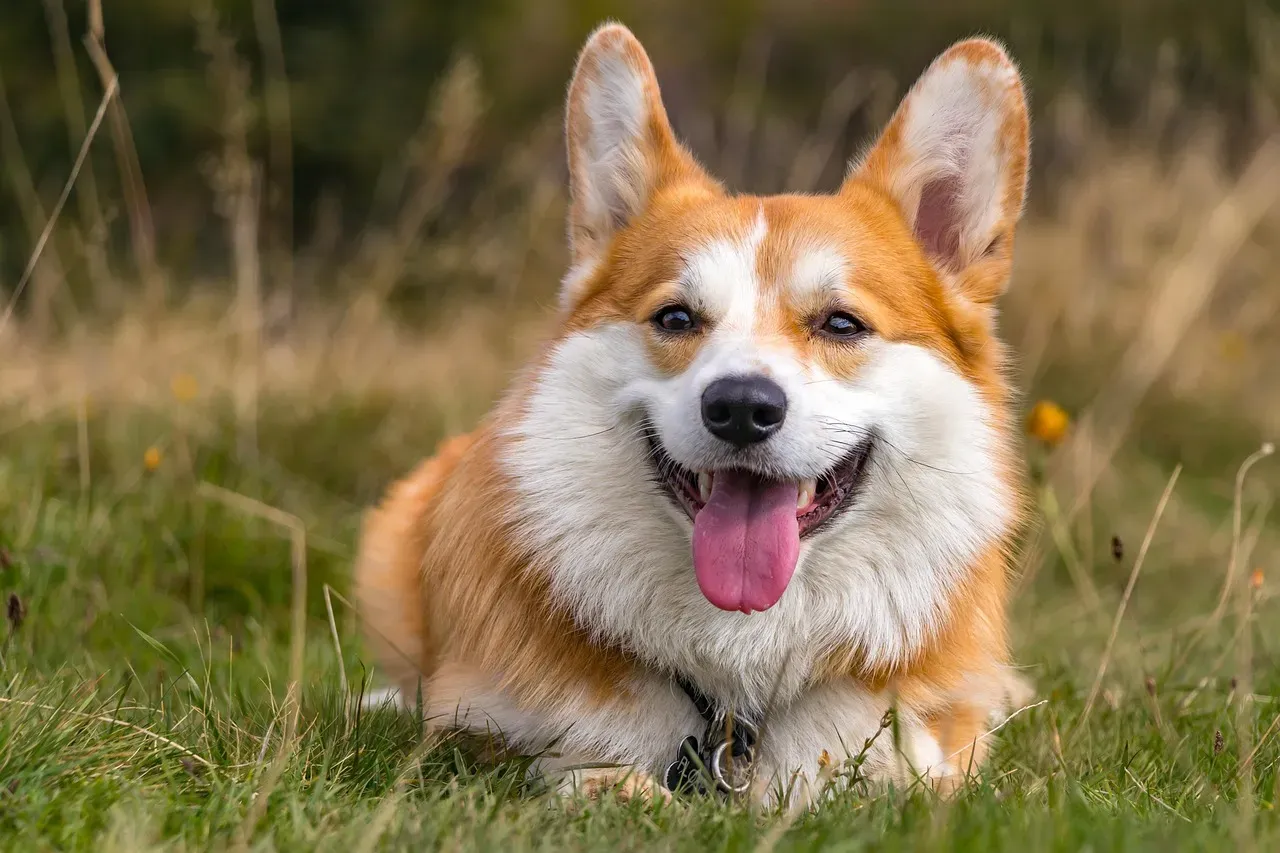
Don’t let those adorable short legs fool you. The Pembroke Welsh Corgi (/ˈkɔːrɡi/; Welsh for “dwarf dog”) is a cattle herding dog breed that originated in Pembrokeshire, Wales. Corgis are tough little powerhouses bred specifically for herding cattle. These dogs still handle livestock much larger than they are, and to do so use speed, a quick nip and sheer determination. As all-around farm dogs, corgis undoubtedly hunted vermin and guarded the homestead as well as herding livestock.
Welsh Corgis were cattle herding dogs, the type of herding dog referred to as “heelers”, meaning that they would nip at the heels of the larger animals to keep them on the move. Their low stature was actually an advantage, allowing them to duck under kicking hooves. The herding instinct will also cause some younger Pembrokes to nip at their owners’ ankles as this is what they were bred to do with cattle. They’re intelligent, surprisingly athletic, and possess big personalities in compact bodies. Proper socialization and training are essential to manage their herding nips, especially around young children.
Shetland Sheepdog: The Gentle Miniature Marvel
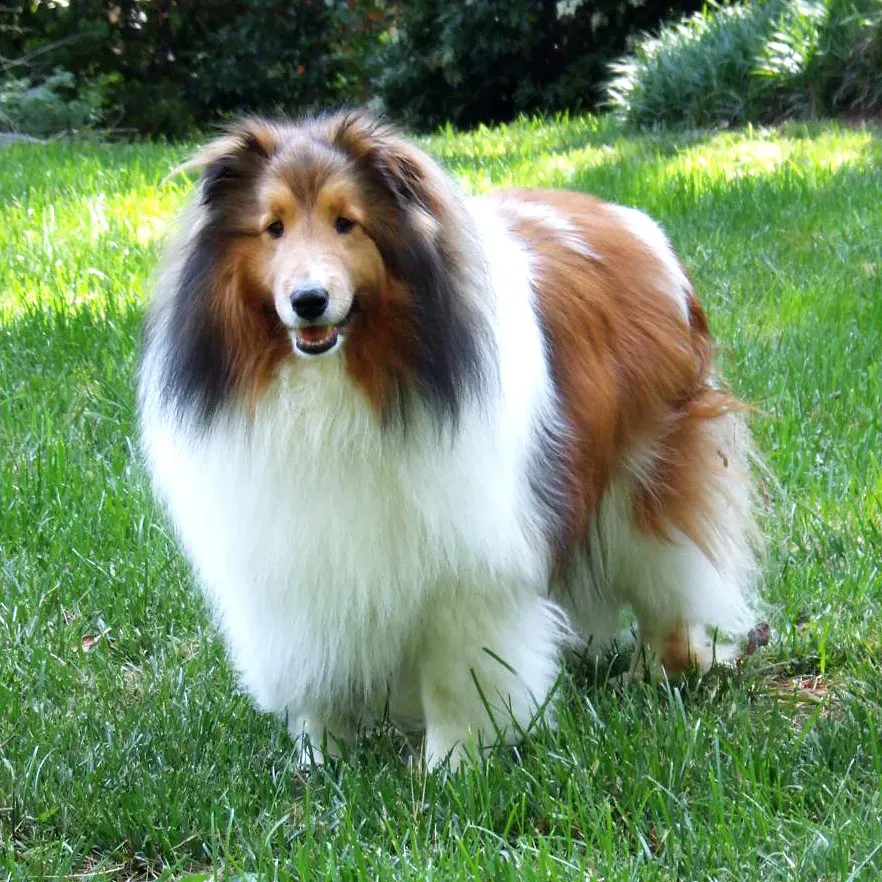
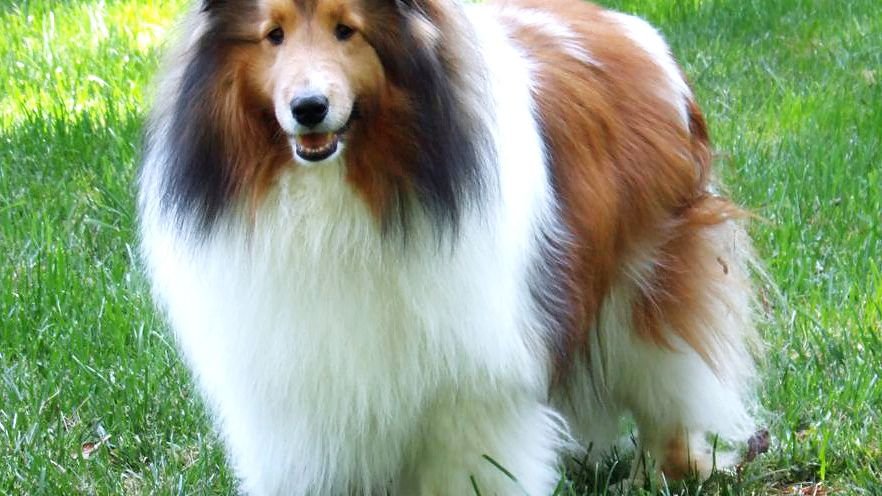
Standing at just 13 to 16 inches at the shoulder, the Shetland Sheepdog is one of the smaller of the herding breeds. Shelties are often called “miniature Lassies” because of their resemblance to Rough Collies, but they’re much more than just a pretty face. The Shetland Sheepdog retained its ancestral instincts and proved highly capable of herding a variety of farmed animals, including birds, sheep, and even ponies.
Records on over 1,000 dogs tested at herding instinct tests sanctioned by the American Shetland Sheepdog Association provide the following results: A gathering style was shown by 84%, with the dog moving around the stock and the handler; 9% showed no clear style. Quite a bit of barking was shown by 25% of the dogs, with 40% force barking (tending to bark only in situations where the stock showed some resistance), and 35% were quiet workers. Being bred to herd birds and sheep, the Shetland Sheepdog is a bit softer in their instincts. These dogs are less likely to develop unwanted herding behaviors in the form of biting and snapping. They’re sensitive souls who thrive on positive reinforcement training and can be reserved around strangers without proper socialization.
Conclusion: Honoring the Heritage
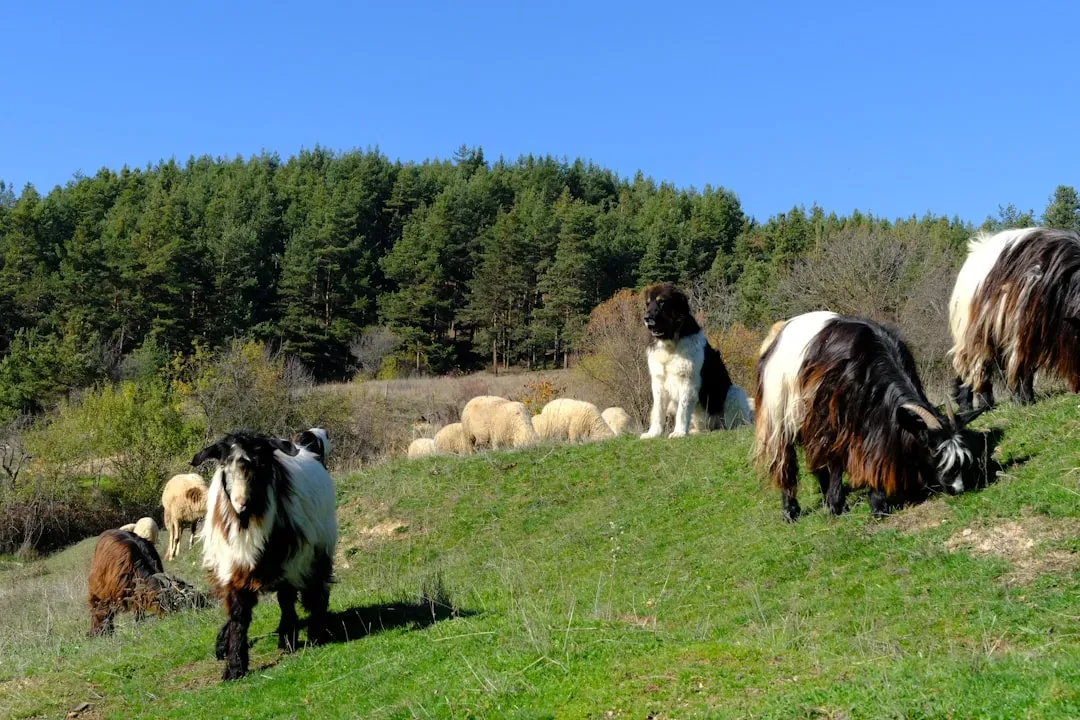
Understanding these remarkable herding instincts isn’t just about appreciating canine history. It’s about recognizing what drives your dog’s behavior today. Generations of intensive selective breeding have amplified predatory instincts such as eye staring and chasing while effectively minimizing the natural inclination to kill prey. Whether your herding breed lives on a working ranch or in a suburban home, those instincts remain powerful.
The key is channeling that energy constructively through dog sports, training activities, and plenty of mental stimulation. These breeds aren’t content lounging around all day. They need purpose, engagement, and the chance to use their incredible intelligence. When you understand what makes your herding dog tick, you’re not just managing behavior – you’re honoring generations of careful breeding and celebrating what makes these dogs truly extraordinary. What about you? Does your herding dog display any of these fascinating behaviors? Share your experiences in the comments below.