
Quechua Women Pioneer Coexistence with Wildcats in Peru’s High Andes
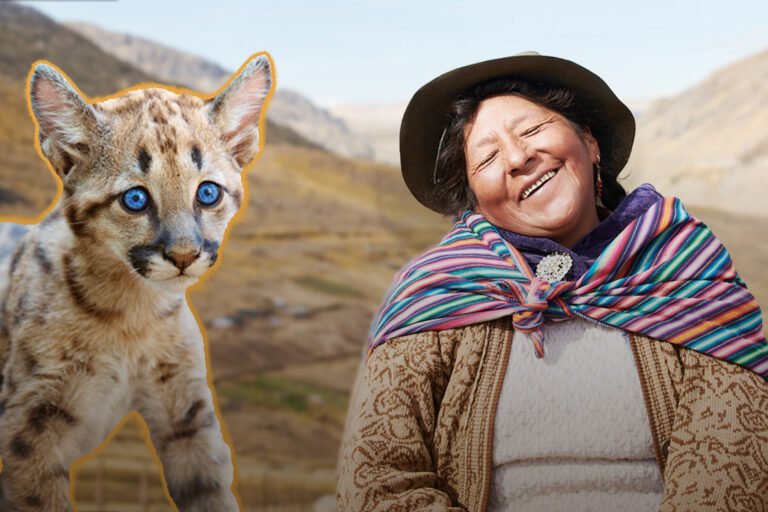
A Shepherd’s Brush with Danger Ignites Resolve (Image Credits: Imgs.mongabay.com)
Ayacucho, Peru — Deep in the Andean highlands of Ccarhuacc Licapa, Quechua women have turned longstanding fears of pumas and elusive felines into a model of shared survival.[1]
A Shepherd’s Brush with Danger Ignites Resolve
Ida Isabel Auris Arango once faced a puma eye-to-eye while herding alpacas. The predator descended from the rocks, felled one of her animals, and left her shaken. She recounted sitting and crying that night, a stark reminder of the tensions that defined life in these remote communities.[1]
For generations, residents viewed pumas, pampas cats, and Andean cats solely as threats to livestock like alpacas and chickens, the backbone of their economy. Men led hunts, claiming skins as trophies after retaliatory killings. Conflicts intensified as habitat loss from forest burning and cutting drove the cats closer to human settlements. Yet Ida’s experience marked a turning point. Today, she calls pumas “compadres,” signaling a profound shift toward friendship and mutual respect.[1]
Camera Traps Reveal Hidden Lives
Biologist Merinia Mendoza Almeida launched a women-led initiative in 2023, forming the 30-member Mujeres Quechua por la Conservacion group. Participants learned to deploy camera traps along trails, capturing first-of-their-kind images in the area. Footage showed an Andean cat emerging from her den with a cub, sparking wonder among families.[1]
These glimpses transformed attitudes. Mothers and children grew excited, declaring a newfound love for the creatures. One woman noted how the traps helped people “fall in love” and commit to protection. The devices provided baseline data on the three key felines — all present in this privileged ecosystem — while educating the community on their ecological role in maintaining balance.[2]
Weaving Traditions into Wildlife Advocacy
The group channeled cultural skills into an alpaca wool textile cooperative. Women gathered to embroider bags, tablecloths, and stuffed Andean cat toys, blending artistry with awareness. These crafts not only generated income but also symbolized harmony between people and predators.[2]
International interest followed, with organizations commissioning items that funded further efforts. The monthly meetings, once casual socials, evolved into hubs for sharing experiences, learning ecology, and empowering participants in a traditionally patriarchal society. This fusion of heritage and science strengthened community bonds and visibility.[1]
Practical Steps Reduce Conflicts
Beyond observation, the women implemented tangible solutions. They piloted predator-proof shelters for alpacas and chickens using wire and wood. Cold-resistant improved pastures at elevations over 4,000 meters kept livestock from forest fringes, curbing predation and disease transmission to wildlife.[1]
The group now safeguards 700 hectares of vital Polylepis forest, halting destructive practices that once exacerbated encounters. Conflicts plummeted, with no retaliatory puma killings reported for the first time. These measures preserved habitats while bolstering livelihoods.
- Andean cat: Endangered, elusive highland dweller.
- Pampas cat: Near-threatened, adaptable predator.
- Puma: Vulnerable, top carnivore maintaining ecosystem balance.
Key Takeaways
- Women-led camera traps and crafts shifted community views from enmity to empathy.
- Habitat protection and livestock innovations slashed human-wildlife clashes.
- Grassroots efforts drew global funding, proving Indigenous leadership’s power.
This initiative in Ccarhuacc Licapa stands as a beacon for grassroots conservation, where cultural pride and practical innovation foster enduring coexistence. What steps can communities worldwide take to protect predators? Share your thoughts in the comments.