
12 Surprising Things That Can Make Your Dog Feel Unsafe At Home
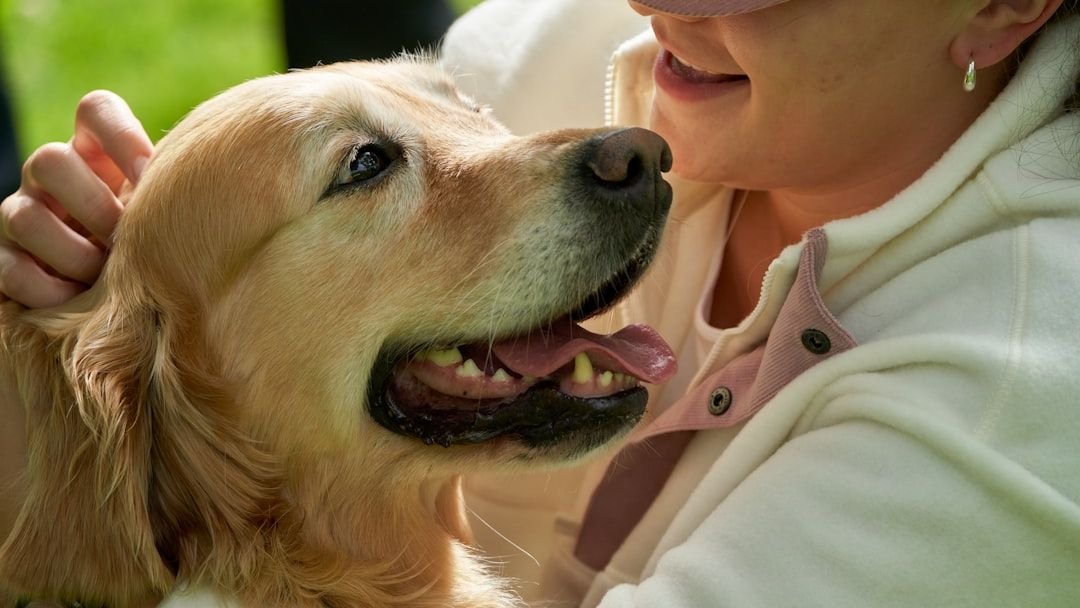
Your dog’s tail wags the moment you walk through the door. They follow you from room to room, curl up beside you on the couch, and seem perfectly content in their little kingdom. Home is supposed to be their safe haven, right? Yet beneath that wagging tail and those joyful greetings, your furry companion might be experiencing stress you never even noticed.
Here’s the thing. The very place we’ve designed to protect and comfort our dogs can sometimes harbor hidden triggers that make them feel uneasy or downright anxious. Let’s be real, our homes are filled with all sorts of things that dogs might perceive as threats, even when we think everything is perfect. So let’s dive into twelve surprising household elements that could be chipping away at your dog’s sense of security.
That Innocent Vacuum Cleaner Becomes a Monster
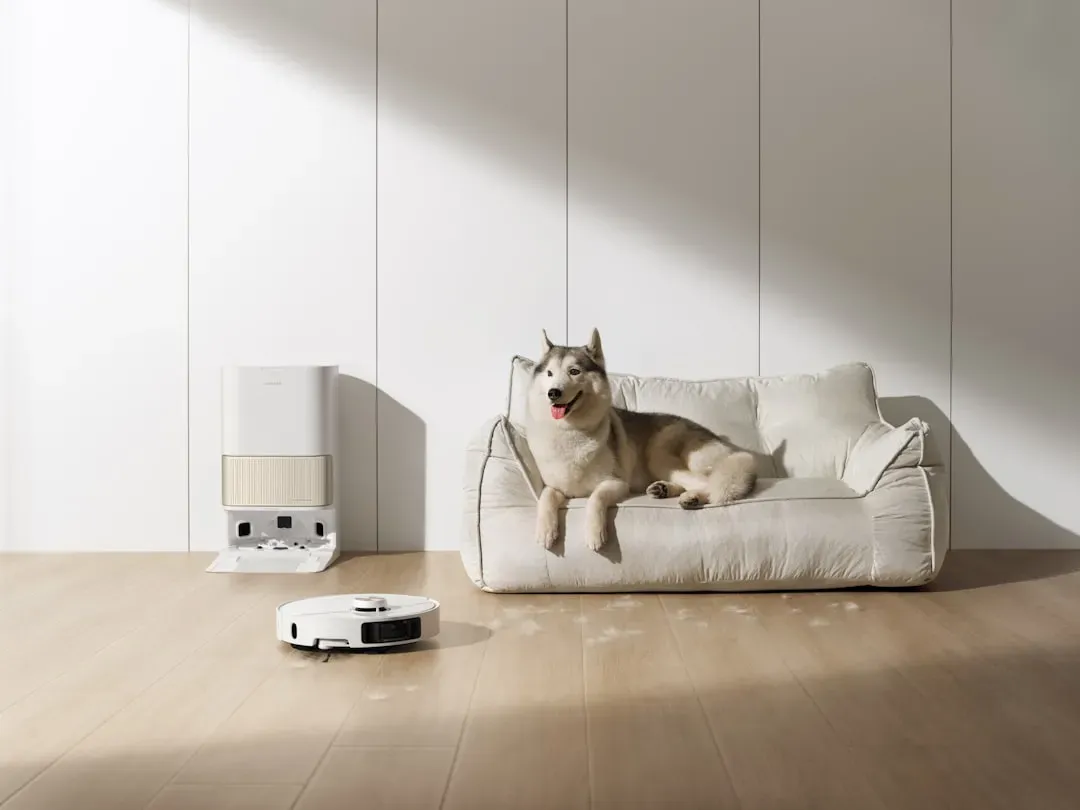
Research has found that roughly four out of five dogs show fear toward everyday household appliances, with many dogs choosing to leave the room or hide under furniture when these devices are switched on. Your vacuum cleaner might be your cleaning hero, but to your dog, it’s likely a roaring beast that invades their space without warning.
As many as half of companion dogs suffer from noise sensitivity, and they react most strongly to loud, unpredictable noises, especially when they can’t control their exposure. The unpredictable noises these appliances make can cause dogs to shake, excessively bark, chew, and cry or whine. Think about it from their perspective: this loud machine suddenly comes to life, moves around unpredictably, and makes a terrible racket.
Smoke Detectors and Other High-Pitched Beeps

Those occasional chirps from your smoke detector when the battery runs low might seem like minor annoyances to you. To your dog, they’re sharp, piercing sounds that seem to come from nowhere.
Sounds can be characterized as high-frequency intermittent or low frequency constant, with examples including smoke detector beeps or chirps versus microwave humming, and responses were stronger to high-frequency intermittent sounds. Your dog can’t understand where these sounds come from or why they happen. The randomness makes them particularly unsettling because dogs thrive on predictability.
Reflective Surfaces and Mirrors
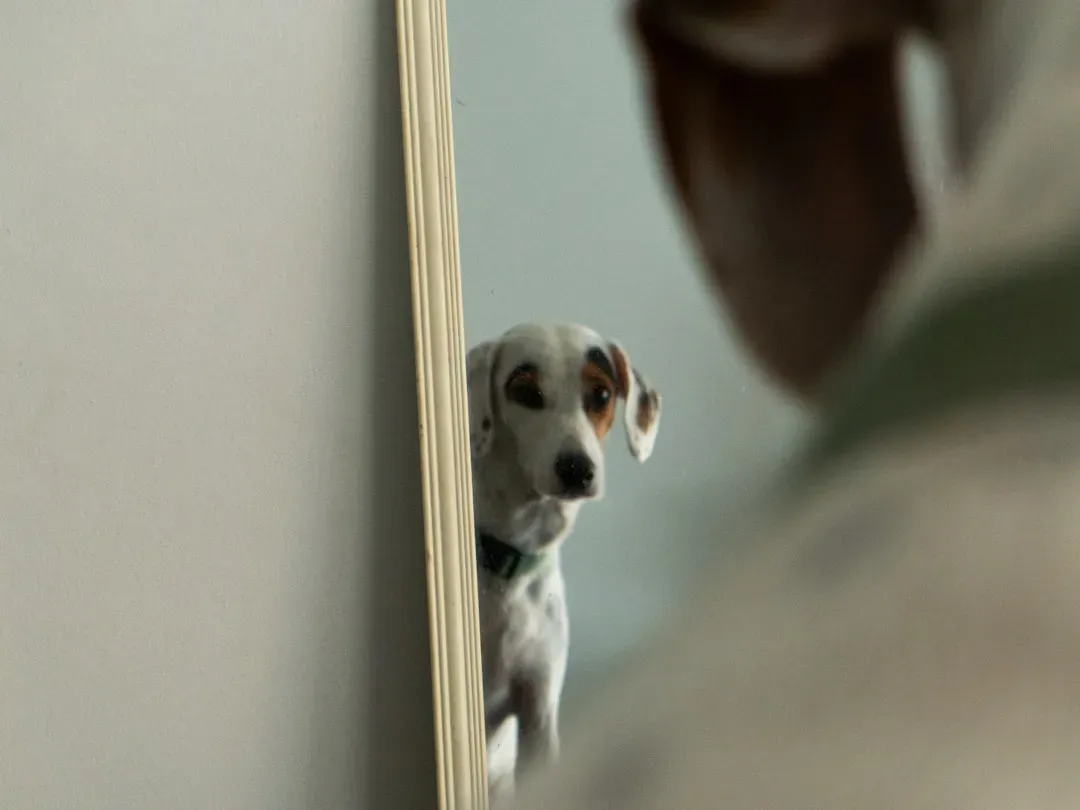
Have you ever watched your dog react strangely to their own reflection? Mirrors, glass doors, and shiny surfaces can genuinely confuse and stress out some dogs. They might see movement or shadows they don’t recognize and feel threatened.
Some dogs bark at their reflections, others try to play with or challenge what they perceive as another dog. The confusion can create genuine anxiety, especially if your home has multiple mirrors at dog eye level. Dogs rely heavily on scent to identify other animals, and when their eyes tell them there’s a dog but their nose says otherwise, it creates cognitive dissonance that can be deeply unsettling.
Your Emotional State and Tension

Dogs are incredibly perceptive creatures who pick up on our emotions with remarkable accuracy. When you’re stressed, anxious, or upset, your dog knows it. They can smell chemical changes in your body and read your body language with precision that would make a detective jealous.
Like humans, dogs tend to develop habits, and dogs, like humans, are happiest when they feel safe and secure. If your household is filled with tension, arguments, or constant stress, your dog absorbs that energy. I think we often underestimate how much our own anxiety trickles down to our pets. They don’t have the context to understand why you’re upset, they just know something feels wrong in their environment.
Sudden Changes in Routine or Furniture Arrangement
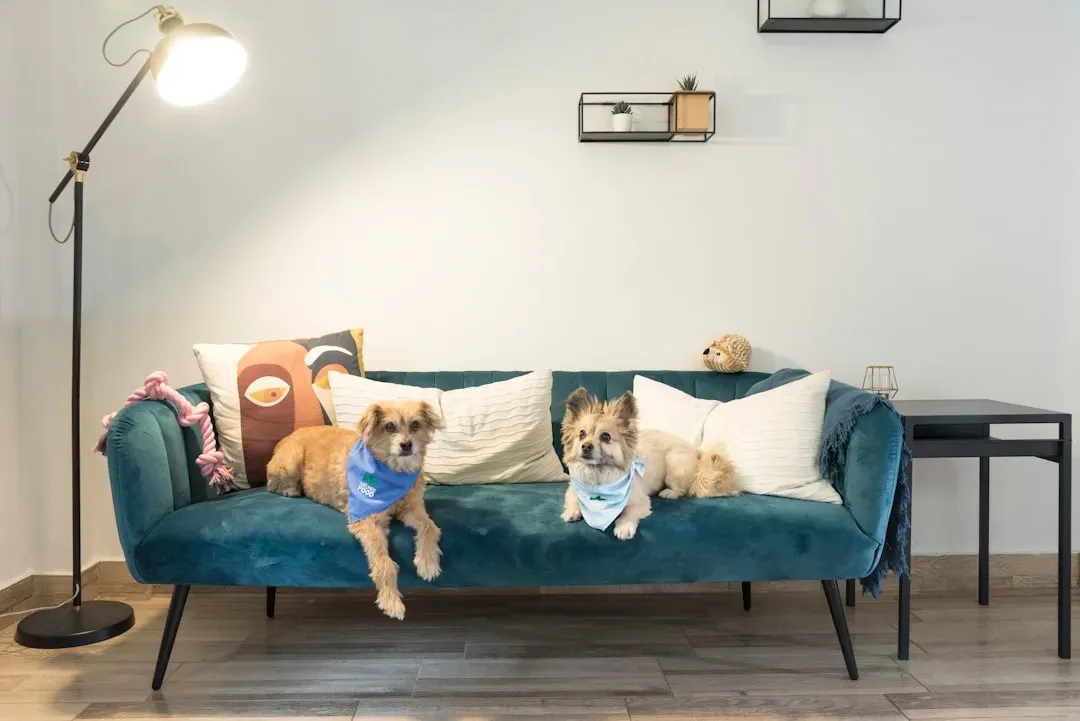
Consistency and predictability in a dog’s routine are important for preventing anxiety and chronic stress. Dogs are creatures of habit who find comfort in knowing what comes next. When you suddenly rearrange the furniture, change feeding times, or alter their daily schedule, it can throw them off balance more than you’d expect.
That new couch in a different position might seem trivial to you, but your dog has mapped out their entire territory based on where everything was. Moving things around forces them to re-learn their space, which can create temporary insecurity. Similarly, unpredictable schedules around meals, walks, or bedtime can leave dogs feeling anxious about when their needs will be met.
Certain Fabrics and Textures Underfoot

Dogs experience the world through their paws as much as through their noses. Some dogs develop genuine fear or discomfort around particular floor surfaces. Slippery hardwood or tile floors can make dogs feel insecure, especially older dogs with joint issues or puppies still finding their footing.
New rugs with unfamiliar textures might get the side-eye treatment for days before your dog trusts them enough to walk across. Some dogs are particularly sensitive to certain materials brushing against their bodies. It’s hard to say for sure why individual dogs react to specific textures, but the anxiety is real when they suddenly refuse to walk through a particular area of your home.
Crates When Used as Punishment

A dog that has been confined to kennels on a regular basis can develop fear and anxiety around crates, which is sadly a common occurrence in pets who have suffered from abuse or neglect. While crates should be safe dens, they become sources of fear when used incorrectly.
If you’ve ever sent your dog to their crate as punishment or locked them away when guests arrive, you’ve potentially created a negative association. Dogs need their crates to be positive sanctuaries, not prisons. When a crate becomes associated with isolation, punishment, or being separated during fun activities, it transforms from a cozy cave into a source of genuine stress.
Unpredictable Household Noises You’ve Stopped Noticing
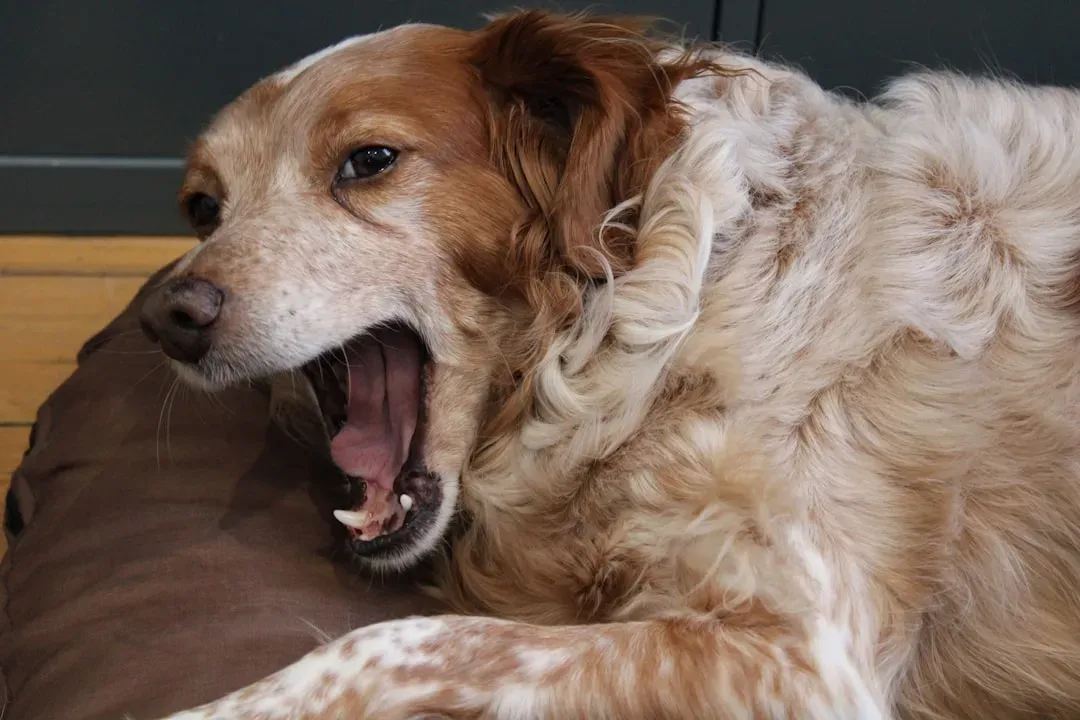
Guardians tended to underestimate the level of fear in their dogs, with humans more likely to show amusement in response to a dog’s fear than concern, and only around one in six people expressing concern for the dog’s welfare. You’ve become so accustomed to your heater kicking on, pipes clanging, or the ice maker dropping cubes that you don’t even register these sounds anymore.
Your dog hasn’t. Each unexpected bang, clang, or whoosh can trigger their startle response. The problem intensifies because these sounds are unpredictable and often quite loud. Your dog can’t anticipate when the furnace will roar to life or when the dishwasher will enter its drain cycle, leaving them in a constant state of low-level alertness.
Doorbell and Knocking Sounds (Even on TV)
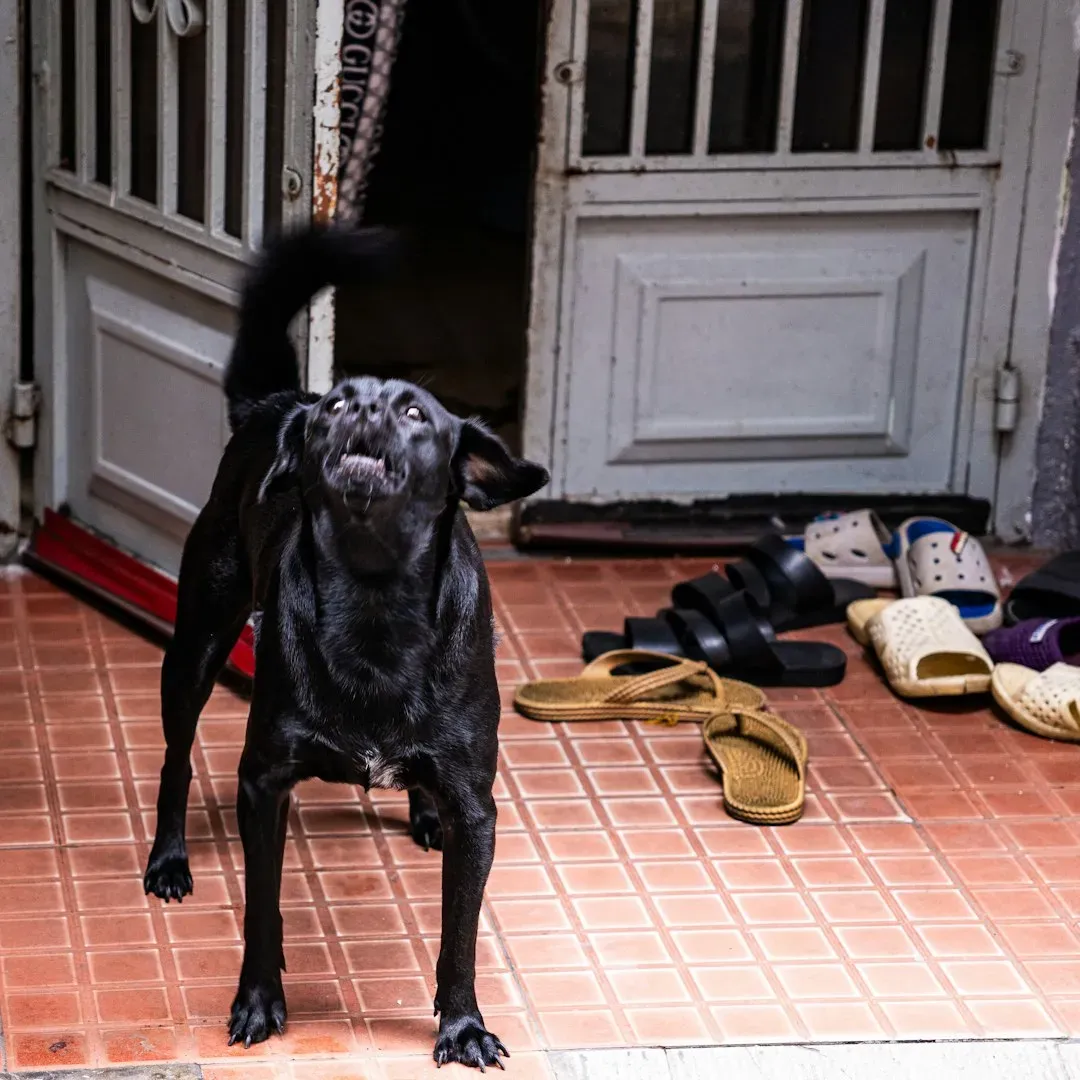
Dogs may lunge, growl or snap at people and dogs who come near their territory, with this behavior usually displayed along fence lines, through windows and at doors. The doorbell means someone is invading their territory, which can trigger protective instincts even when there’s no actual threat.
Honestly, it gets even more confusing for dogs when they hear doorbells on television shows. They spring into action, ready to defend their home, only to discover there’s no one there. This repeated false alarm can actually increase overall anxiety levels because the sound no longer reliably predicts an actual visitor, making the world feel less predictable and more stressful.
Strong Chemical Smells and Cleaning Products
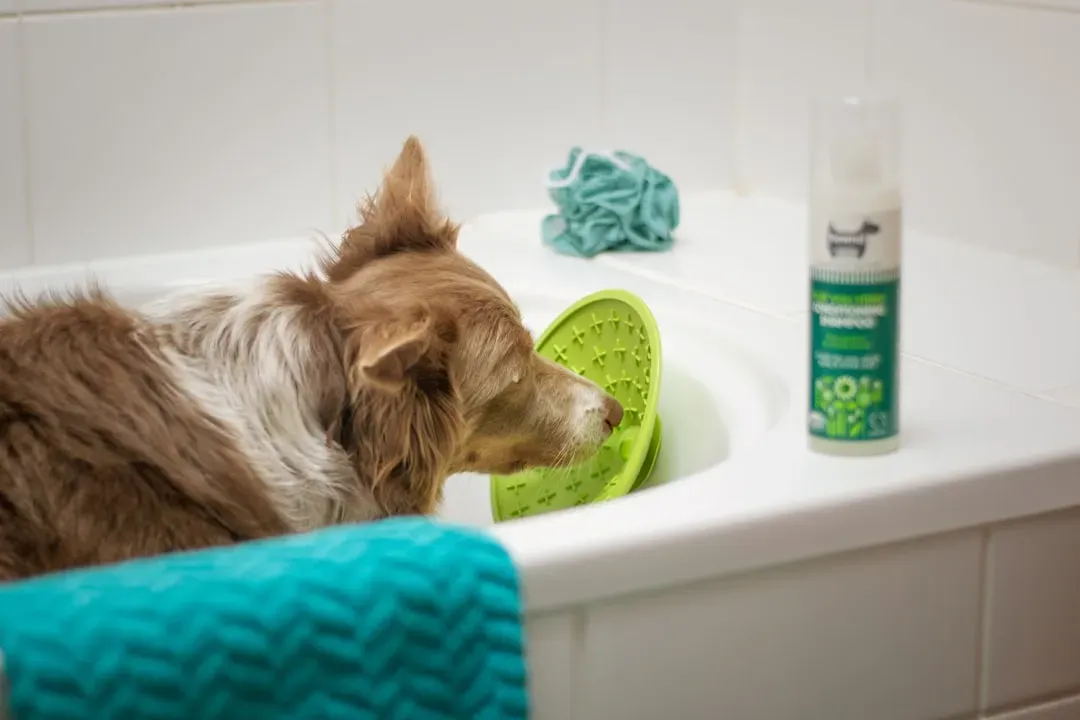
Your dog’s sense of smell is roughly between ten thousand to one hundred thousand times more sensitive than yours. Those cleaning products that smell fresh and clean to you might be overwhelming or even painful to your dog’s sensitive nose.
Many household cleaning products contain toxic ingredients like chlorine bleach or formaldehyde, and even ingesting the fumes can pose a danger, so dogs should be kept out of the area until everything is dry. Strong scents from air fresheners, candles, or chemical cleaners can make dogs feel uncomfortable in their own space. They might avoid certain rooms or seem agitated after you’ve cleaned, not because they dislike cleanliness, but because the sensory overload is genuinely distressing.
Inconsistent or Unclear Rules and Boundaries
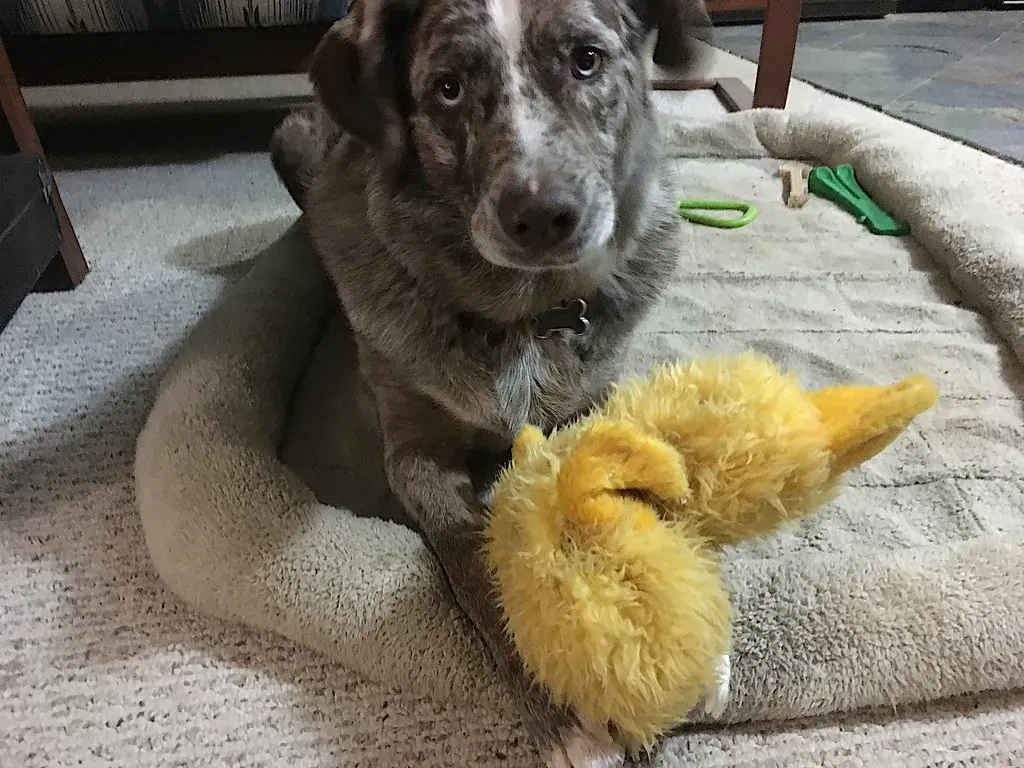
Almost all anxious dogs benefit from positive reinforcement training and increased predictability and consistency in their routine and in interactions. Dogs need to understand the rules of their household to feel secure. When boundaries shift depending on mood, who’s home, or what day it is, dogs become anxious trying to figure out what’s expected.
If you allow your dog on the couch sometimes but scold them for it other times, or if different family members enforce different rules, your dog never knows if they’re being good or bad. This inconsistency creates a home environment where they’re constantly uncertain about their standing, which is genuinely stressful. Clear, consistent boundaries actually make dogs feel more secure because they understand their place and know what’s expected.
Being Left Without a Safe Space

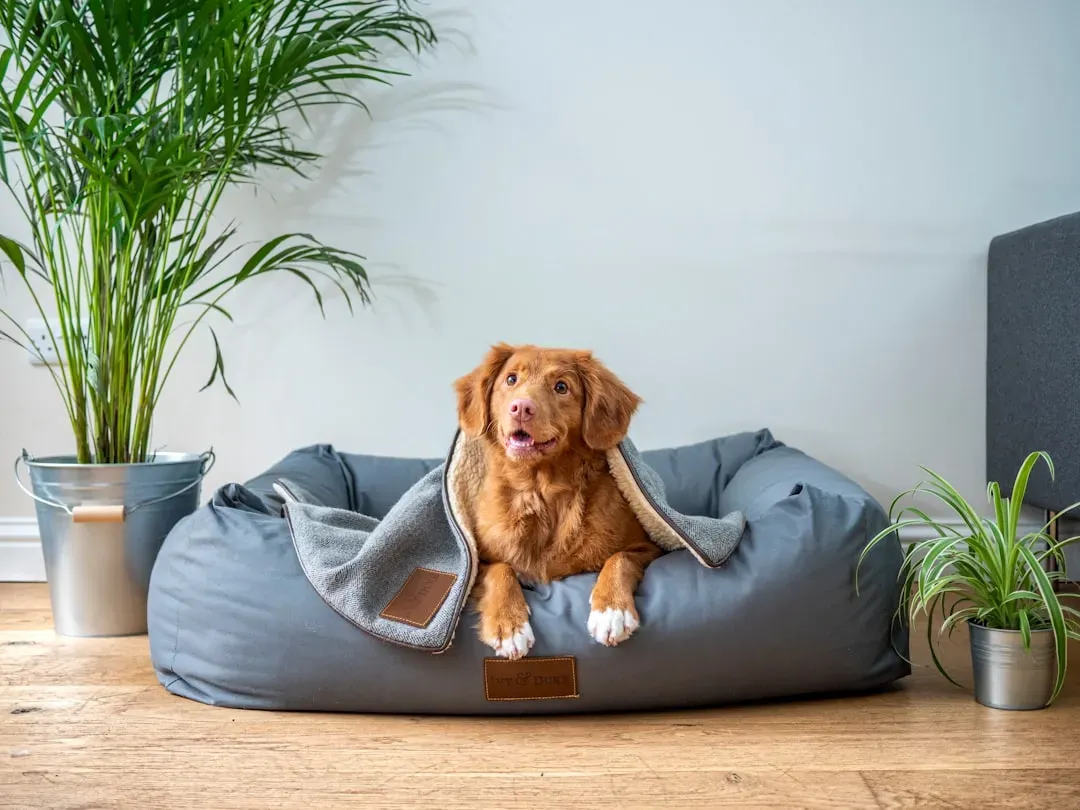
It’s important to provide your dog with a safe place in the home where they can escape stimuli that trigger a stress response, as everybody enjoys a calm place to retreat. Every dog needs their own quiet corner where they can retreat when the world feels overwhelming.
If your home lacks a designated safe space for your dog, they have nowhere to go when things get stressful. This could be a crate they love, a specific bed in a quiet room, or even just a corner that’s recognized as theirs alone. Without this retreat, dogs can feel trapped in situations that make them uncomfortable, with no way to self-soothe or take a break from household activity. Let’s be real, we all need our quiet time, and dogs are no different.
Conclusion: Creating True Safety Goes Beyond Physical Shelter
Veterinarians estimate that roughly half of dogs and cats suffer from some form of fear, anxiety, or phobia, with anxiety in pets having significantly increased since the pandemic. The surprising truth is that making your dog feel truly safe at home requires more than just providing food, water, and shelter.
It means looking at your home through their eyes, or rather, through their incredibly sensitive noses, ears, and emotional radar. Small adjustments like maintaining consistent routines, creating quiet spaces, being mindful of harsh sounds and smells, and staying emotionally balanced can transform your home from merely a house into a genuine sanctuary for your furry friend. What small change might make the biggest difference for your dog? Think about it, and you might be surprised at what you discover.