
Even The Most Well-Behaved Dogs Can Develop Fear If Not Properly Socialized

You’ve probably met that puppy. The adorable bundle of joy bouncing around without a care in the world. Every person is a new friend, every dog a potential playmate. Fast forward six months, and suddenly that same pup freezes on walks, barks at strangers, or lunges at other dogs. What happened?
The truth is, socialization isn’t optional. It’s as critical to your dog’s wellbeing as food, water, and shelter. Yet countless loving dog owners miss this narrow window, unintentionally setting their dogs up for a lifetime of anxiety and fear. Let’s explore why even the gentlest, sweetest dogs can transform into fearful companions if they miss those crucial early experiences.
The Critical Window That Changes Everything
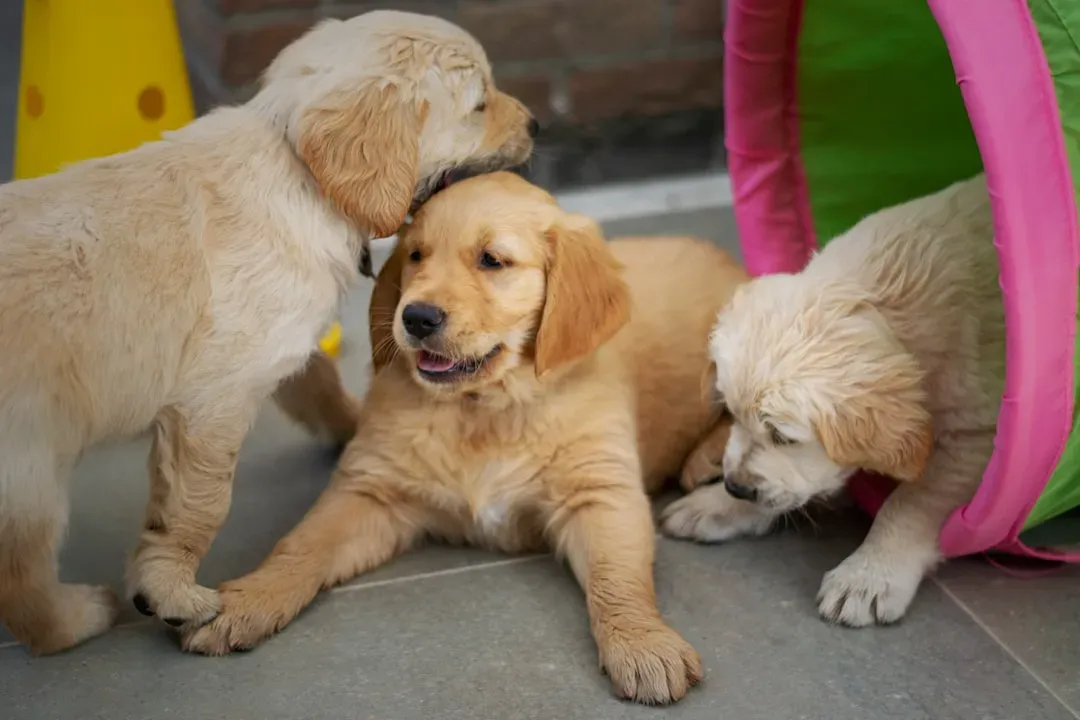
Puppies have a specific socialization period between 3 to 12 weeks of age, though some experts extend this up to 12 to 14 weeks. Think of this as your puppy’s brain being wide open to the world. During these weeks, puppies’ brains are neurologically primed to accept new experiences as normal parts of life, and this isn’t just a convenient training time but a biological window that closes permanently.
Here’s what makes this period so special. Puppies’ brains produce higher levels of certain neurotransmitters that make them naturally curious and less fearful of new experiences, but after about 14 weeks, dogs become naturally more cautious and suspicious of unfamiliar things. Mother Nature designed it this way as an evolutionary survival mechanism. In the wild, young puppies needed to explore and learn about their environment, but as they matured, caution kept them alive.
Miss this window, and you’ll spend years trying to fix problems that could have been prevented with the right approach during these first few months. It’s not that adult dogs can’t learn, they absolutely can. Yet forming those foundational positive associations becomes exponentially harder once the window closes.
What Happens When Socialization Gets Skipped
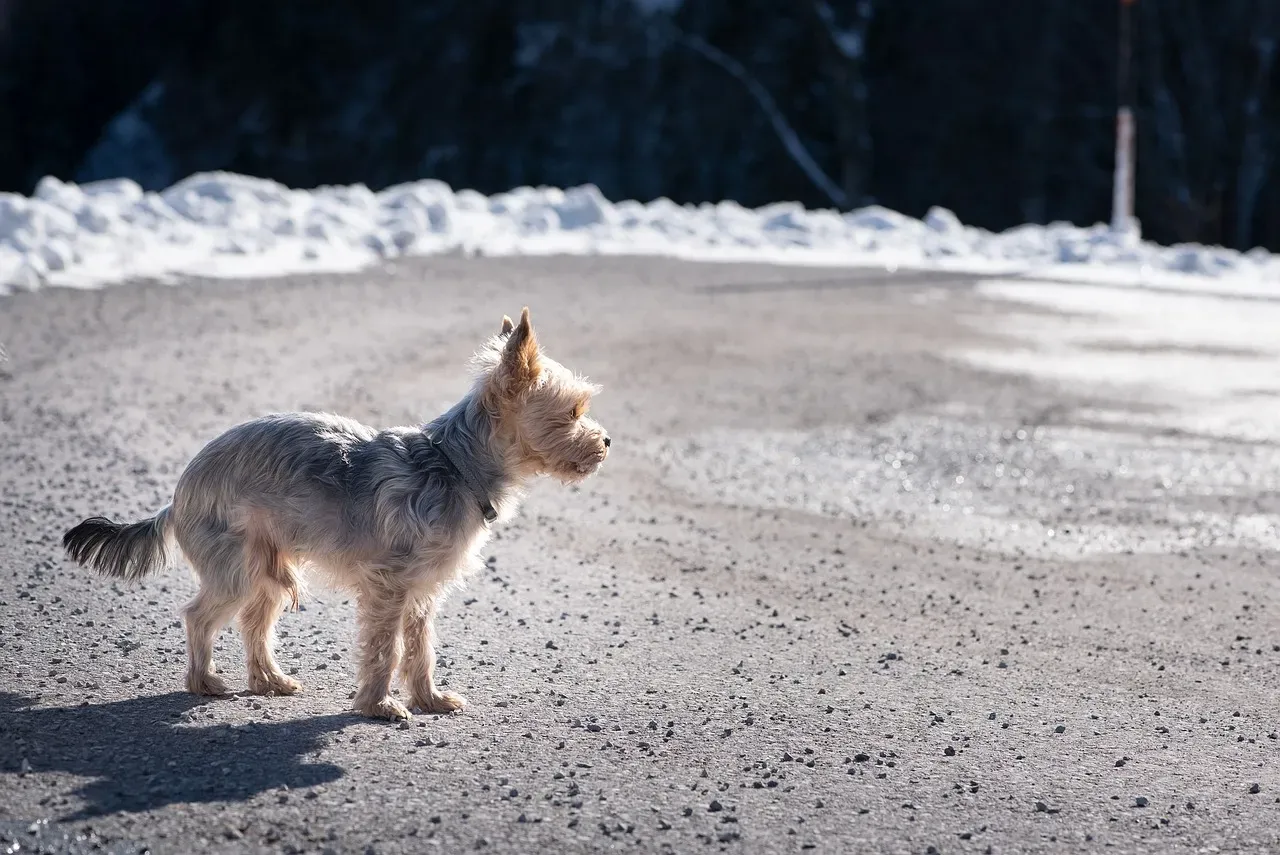
Dogs not properly socialized as puppies have a higher risk of problematic behaviors during adulthood. The consequences aren’t minor quirks. Social fearfulness, meaning fear of other dogs or unfamiliar people, is one of the most prevalent behavioral problems that causes distress to dogs, and it’s associated with poor socialization during puppyhood.
Let’s be real here. A dog that hasn’t been exposed to positive new experiences is likely to be frightened of anything unfamiliar, developing crippling anxiety about anything new and manifesting in an unwillingness to approach new situations and environments. That rustling trash bag, garden statue, or even ceiling fan noise becomes genuinely terrifying. These dogs live in constant low-grade stress, their world shrinking to only what feels safe.
Dogs not appropriately or adequately socialized are at risk of developing behavioral disorders later in life including fear, anxiety and aggression towards unfamiliar people, dogs and other animals. Picture trying to live your entire life feeling scared every time you leave your house. That’s the reality for many under-socialized dogs.
Fear Periods Make Everything More Complicated
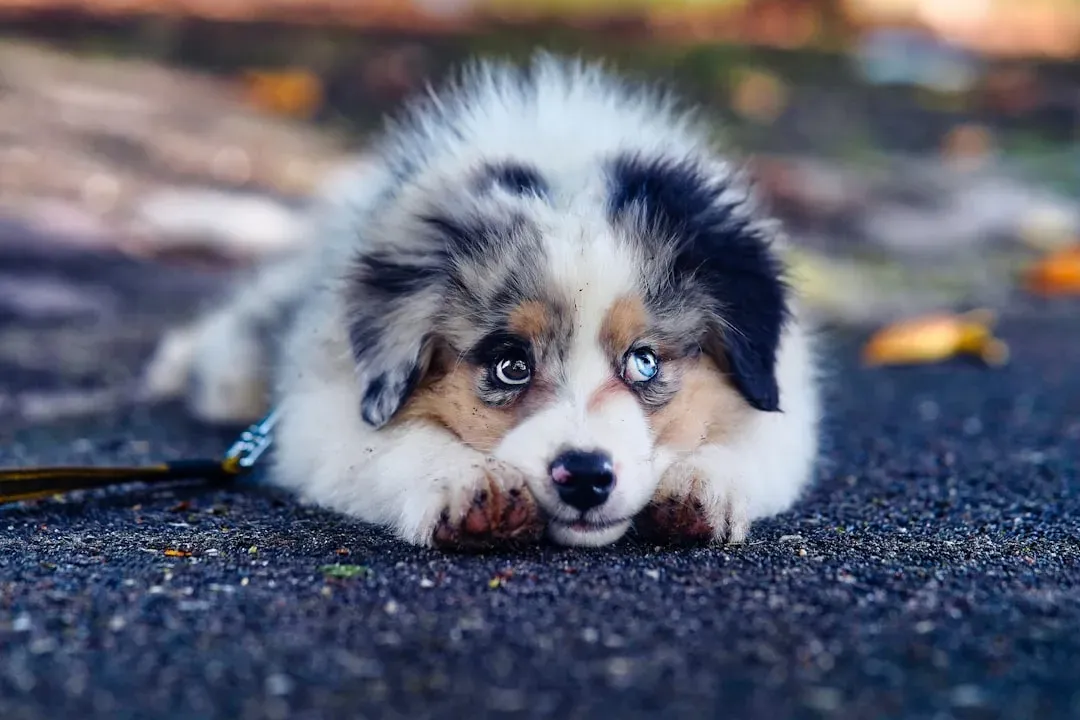
Just when you think you’ve got socialization figured out, fear periods show up uninvited. There are two major fear periods in a puppy’s socialization, one at 8 to 11 weeks and the other at 6 to 14 months. These fear periods are evolutionarily programmed and are protective for dogs in the wild.
The first fear period is particularly tricky because this fear period happens right around the time puppies are coming home and adjusting to a new family, and starting to explore the world. Something that didn’t bother your pup yesterday might suddenly send them running today. Honestly, I’ve seen confident puppies suddenly become wary of the kitchen broom they walked past a hundred times before.
During fear periods, dogs become afraid of people, pets, objects and even places they have been previously comfortable with. The second fear period around adolescence catches many owners off guard. Your 6 to 14 month old may look like an adult dog, making it hard to remember they’re still a puppy emotionally developing, and the confident puppy you had just yesterday is now insecure and worried about a harmless object.
How Fear Transforms Into Aggression
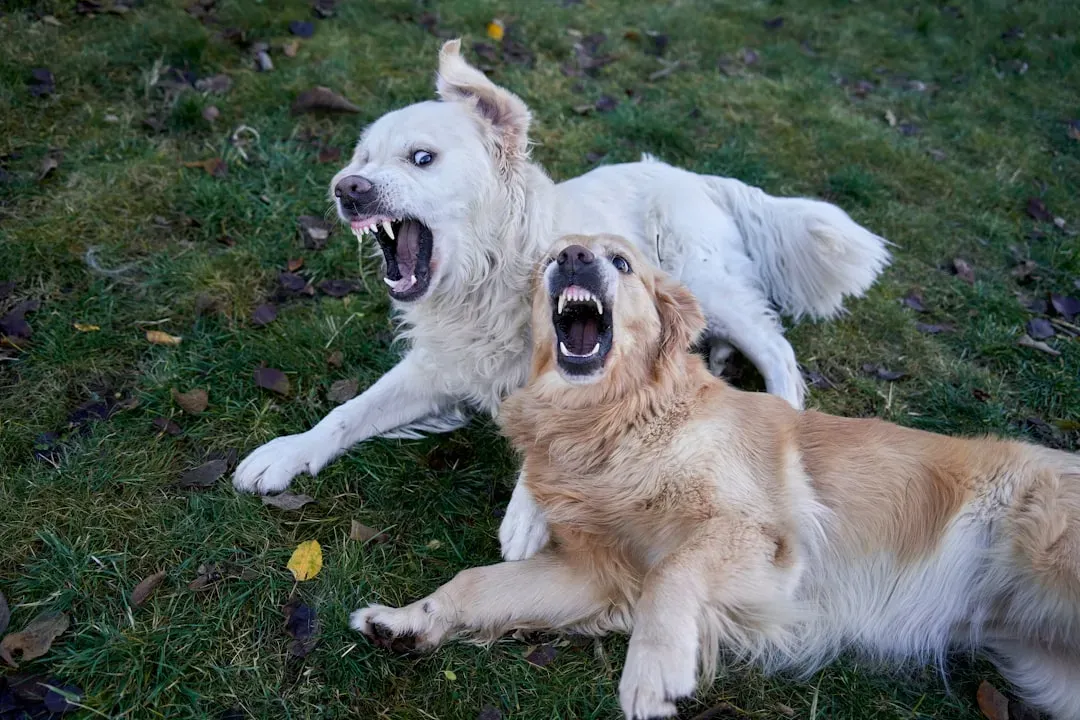
Here’s something that surprises many dog lovers: fear and aggression are deeply connected. Reactive behaviors can morph into defensive aggression, and this change can happen over time after a dog’s many attempts to create distance between themselves and a stimulus have repeatedly failed, or it may escalate during one single interaction.
Think about it from your dog’s perspective. Aggression including barking, growling, lunging, and biting is a normal social behavior dogs use to communicate their emotional state, and this strategy may be chosen if the dog is uncertain, conflicted, afraid, or anxious because aggression increases distance between the frightening thing and the dog. When polite signals get ignored, dogs escalate.
Anxious dogs are often reactive due to a lack of socialization while they were a puppy, and things that would be no big deal to other dogs are overwhelming instead. The poorly socialized dog doesn’t have the emotional tools to cope. They never learned that strangers are safe or that other dogs just want to say hello. Every encounter feels like a potential threat, pushing them toward defensive aggression as their only option.
Building Confidence Through Proper Exposure
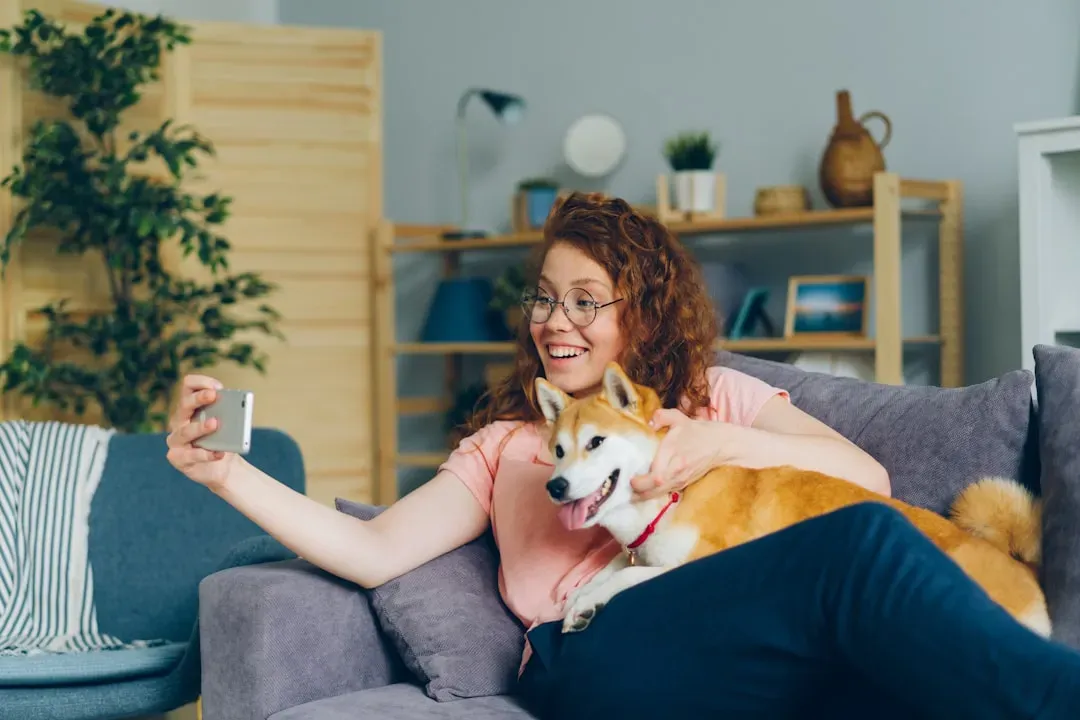
The good news? You can prevent all of this. Research shows puppies exposed to various people, animals, environments, and experiences during the critical period are significantly more likely to grow into well-adjusted adults, while puppies with limited exposure often develop fears and anxieties that persist throughout their lives.
Proper socialization isn’t about overwhelming your puppy with everything at once. Puppies should not be overwhelmed during the socialization period, so adjusting stimulation to the level of development is a useful way to minimize the chances of this happening. Start small. Let your puppy observe from a distance. Pair new experiences with treats, praise, and play.
It’s not just the quantity of experiences your puppy has but also the quality, and the secret to socialization success is making sure it’s always a positive experience for your puppy. Introduce different types of people, varied environments, household sounds, and friendly dogs. Puppies experiencing isolation, insufficient enrichment, lack of exposure to environmental stimuli and absence of positive human and dog interactions during the socialization period are at risk of developing fearful and avoidant behaviors as adults.
Conclusion: The Investment That Lasts A Lifetime
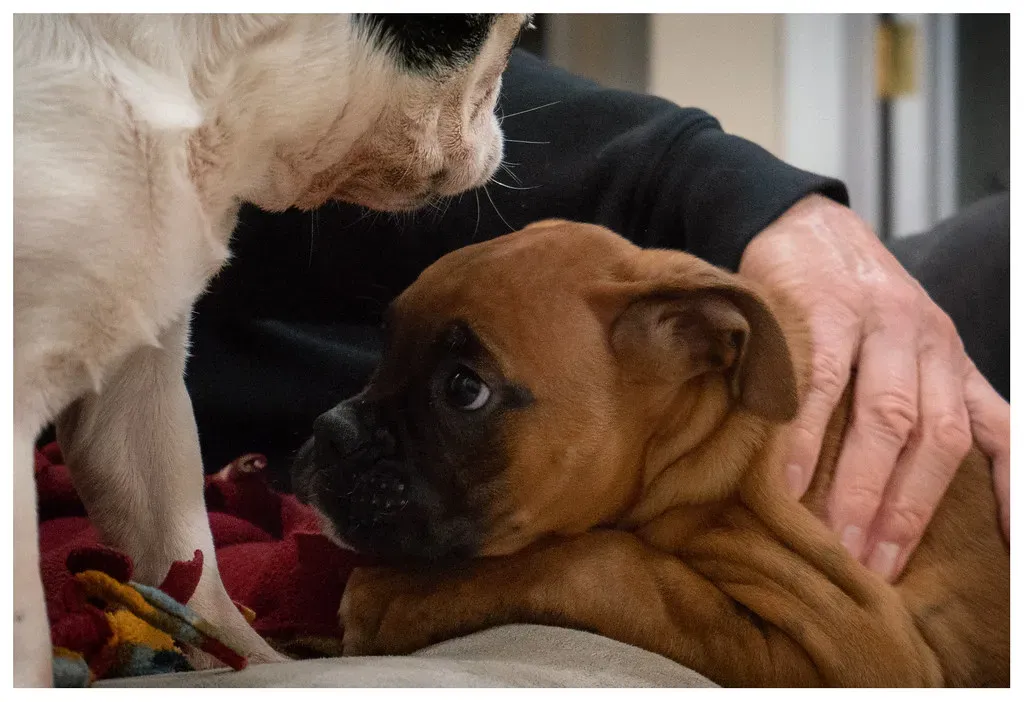
The experiences you provide during your puppy’s critical socialization period will influence their personality, behavior, and quality of life for years to come. This narrow window between 3 and 14 weeks shapes whether your dog greets life with confidence or cowers from it. Missed opportunities during the critical puppy socialization period put pups at risk of becoming shy, fearful, defensive adult dogs.
The dogs who struggle most with fear aren’t born that way. They’re created through unintentional neglect of this crucial developmental stage. Even the sweetest temperament can’t overcome a lack of early positive experiences. Your puppy is counting on you to open doors to the world during those precious early weeks.
What will you do differently knowing this? The clock is already ticking on your puppy’s socialization window. Make every moment count, because the confident, happy dog you want starts with the experiences you provide today.