
10 Common Dog Behaviors That Signal Stress (And How To Help)
You know that sinking feeling when something just seems off with your pup? Maybe they’re acting clingy, or they’ve suddenly become interested in licking absolutely everything in sight. Dogs don’t have the luxury of telling us when they’re overwhelmed or anxious, so they speak through their bodies instead. The tricky part is that many of these stress signals look like everyday doggie quirks. What might seem like harmless behavior could actually be your four-legged friend waving a little SOS flag. Learning to decode these subtle signs isn’t just about being a better dog parent. It’s about protecting their emotional wellbeing and strengthening the bond you share. So let’s dive in.
Excessive Panting When It’s Not Hot or After Exercise

Dogs pant when hot, excited, or stressed, and if your dog is panting even though they have not exercised, they may be experiencing stress. Picture this: your dog is sitting calmly on the couch, the room is comfortably cool, yet they’re panting like they just ran a marathon. That’s a red flag.
It’s customary for pups to pant after a long run or spending time in high temperatures, but if they begin to pant during a visit in the absence of physical exertion or heat, this is a very obvious sign of stress. Context matters a lot here. If the panting kicks in during a thunderstorm, when visitors arrive, or even during a car ride, your dog is probably feeling anxious. Creating a quiet, safe space away from the trigger can help them regulate their breathing and settle down.
Yawning Repeatedly Without Being Tired
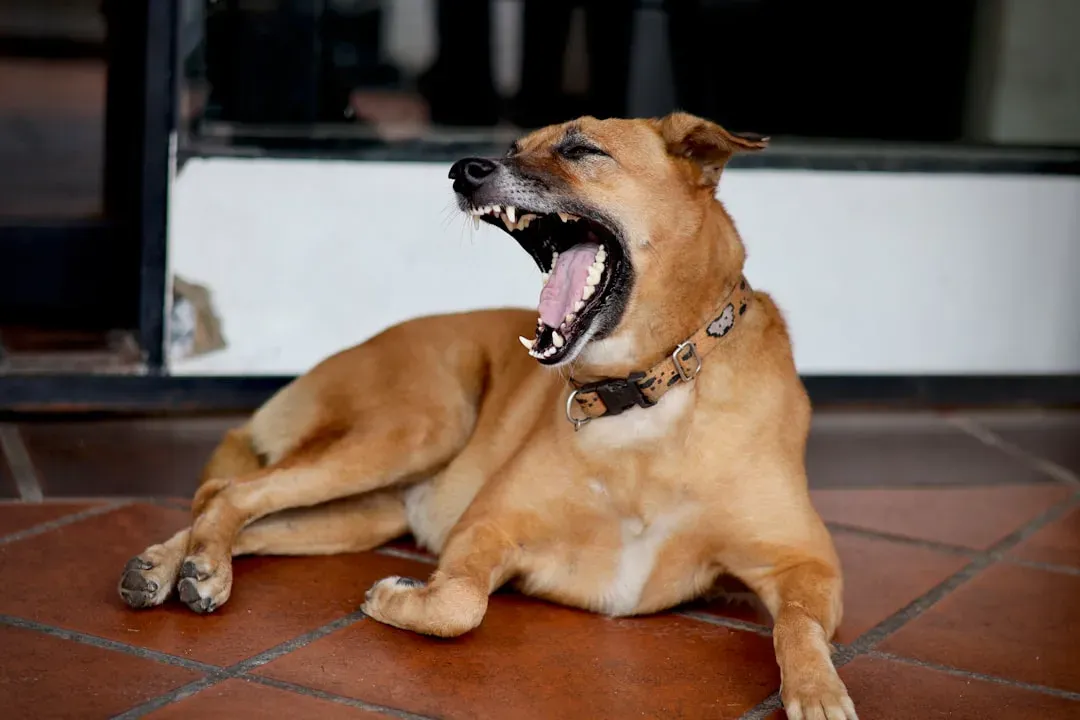
Not all yawns are created equal. While we humans yawn when we’re bored or sleepy, dogs use yawning as a self-soothing mechanism when they’re anxious.
Dogs yawn when they are tired or bored, and they also yawn when stressed, with a stressful yawn being more prolonged and intense than a sleepy yawn. You’ll notice the difference. A stress yawn looks exaggerated, almost theatrical, and it might come alongside other behaviors like lip licking or looking away. Yawning frequently when not obviously tired can be a sign of stress, fear, or anxiety and can be a way to diffuse a tense situation the dog finds himself in. Give your dog permission to step away from whatever’s making them uncomfortable. Sometimes the kindest thing we can do is let them opt out.
Whale Eye and Changes in Facial Expression
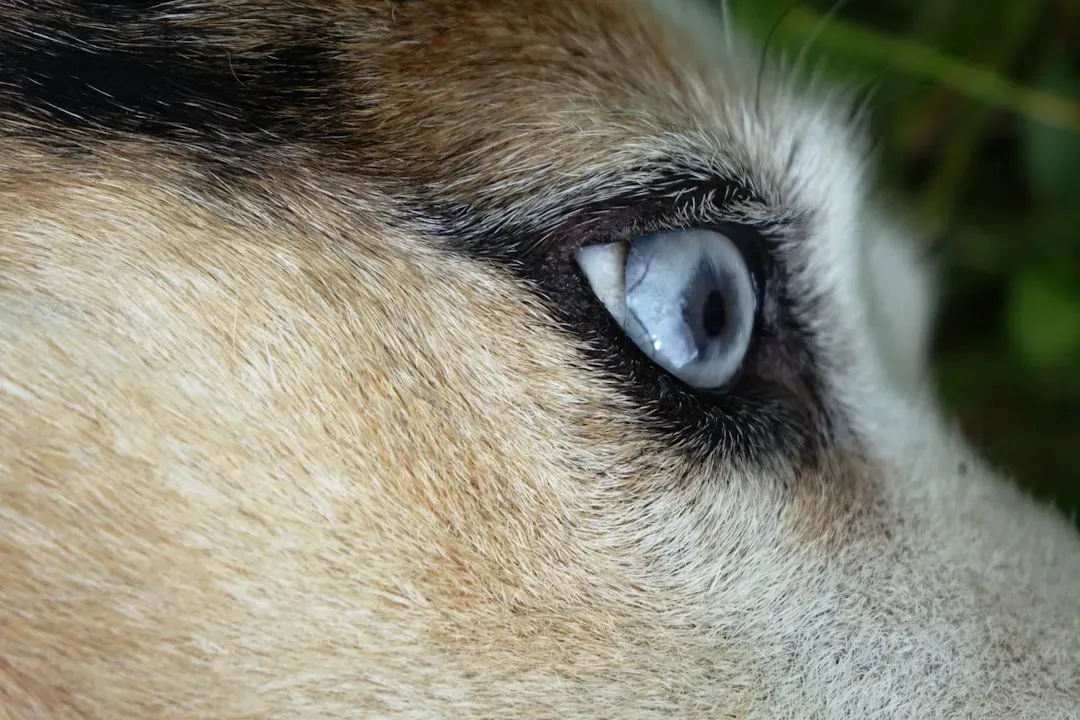
Stressed dogs may have dilated pupils and blink rapidly, and they may open their eyes wide and show more sclera (white) than usual, giving them a startled appearance. This is often called “whale eye,” and it’s one of the most telling signs of canine discomfort. The whites of their eyes become visible in a crescent shape, usually when they’re tracking something that worries them without turning their head.
Stress signs to look for include whale eye, tucked ears or tail, raised hackles, lip-licking, yawning, and panting. Ears pinned back flat against the head also signal that your dog is trying to make themselves smaller, less threatening, or simply wants to disappear. Ears pulled back against the head or to the sides, sometimes called airplane ears, typically indicate fear, anxiety, or appeasement. Recognize these cues early, and you can intervene before your dog’s anxiety escalates.
Excessive Licking, Drooling, or Lip Smacking
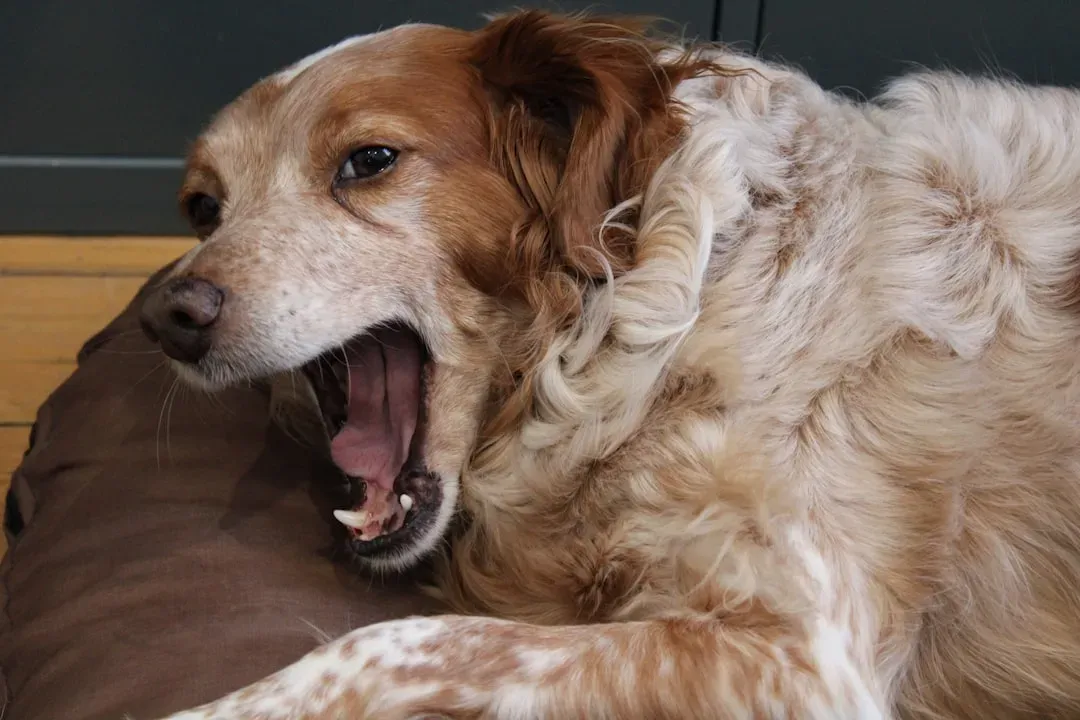
Dogs may drool and lick excessively when nervous. If your pup suddenly seems obsessed with licking their lips, paws, or even the furniture, it’s worth paying attention. If your dog is demonstrating licking behaviors in the absence of appetizing smells or wet paws, this is a signal that he is experiencing anxiety.
Sometimes dogs will lick their own noses repeatedly or even lick the air. It’s bizarre to witness, honestly, but it makes sense when you realize they’re trying to calm themselves down. Drooling that isn’t food-related is another clue. If you notice your dog doing this in specific situations like vet visits, new environments, or around unfamiliar people, that’s their way of saying they need support. Redirecting them with a favorite toy or gently removing them from the stressor can make a world of difference.
Pacing, Restlessness, or Inability to Settle
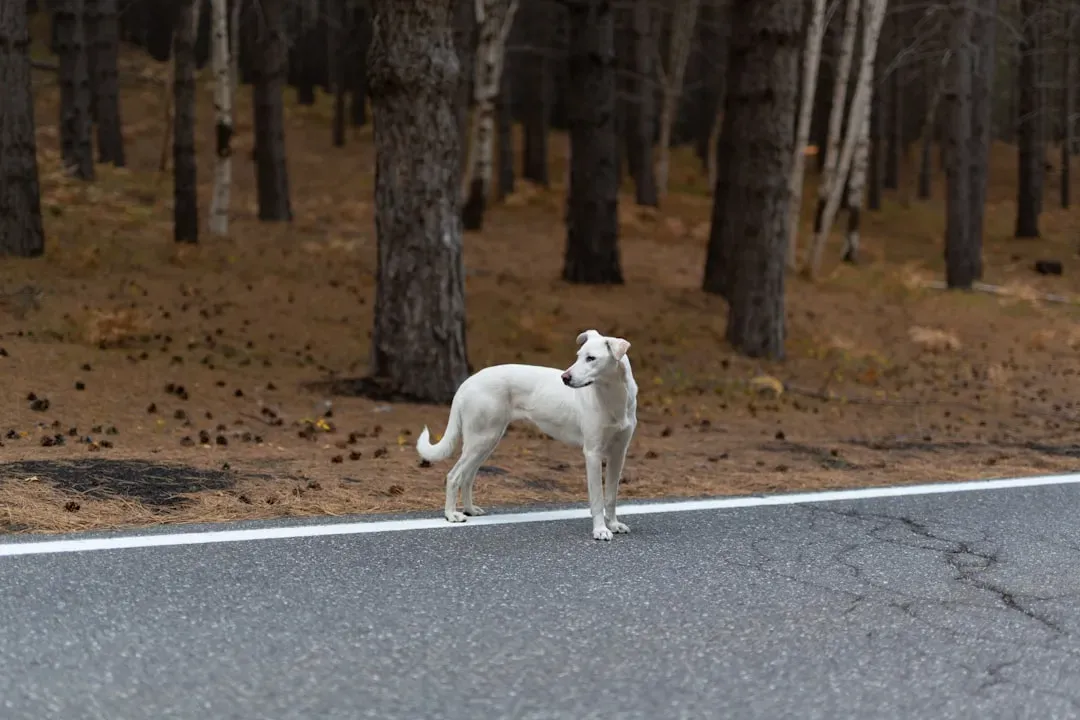
When dogs are pacing back and forth, it’s a sign they can’t settle down because something is stressing them. You’ve probably seen this. Your dog walks in circles, lies down for three seconds, gets up again, moves to another spot, and repeats. It’s like they’re searching for comfort but can’t quite find it.
Some dogs pace when they are agitated or frightened, and some dogs walk a repeated path around the exam room while waiting for the veterinarian to come in. Pacing often shows up during storms, when left alone, or in anticipation of something stressful. In older dogs, pacing may be a sign of dementia, so if you start to notice this in your senior pet, talk to your veterinarian right away. Establishing a predictable routine and offering a cozy retreat can help ease this restless energy.
Tucked Tail or Cowering Body Posture
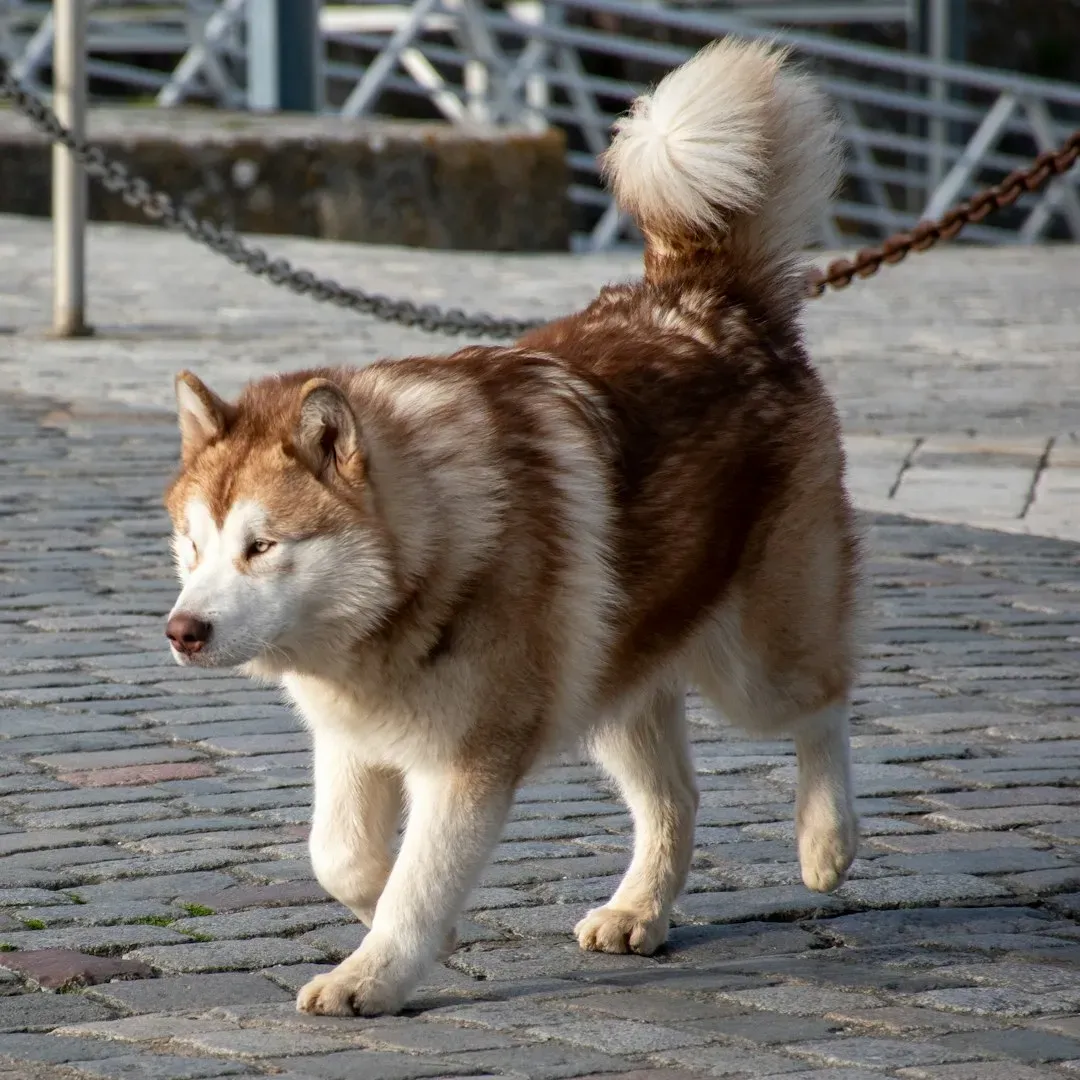
A tail tucked between the legs is one of the most recognizable signs of fear, nervousness, or anxiety. It’s a universal doggie distress signal. When combined with a lowered head, flattened ears, and a body that seems to shrink into itself, your dog is telling you they feel threatened or unsafe.
If a healthy dog with no orthopedic problems shifts their weight to the rear legs or cowers, they may be exhibiting stress, and when scared, dogs may also tuck their tails or become rigid. A tucked tail can also indicate physical discomfort or pain, so if your dog’s tail is consistently tucked without an obvious stressor, a veterinary check-up is warranted. Either way, it’s a sign they need reassurance or space. Never force interaction when your dog is showing this body language. Respect what they’re telling you.
Shedding More Than Usual

This one surprises a lot of people. Yes, stress can literally make your dog lose fur on the spot. Show dogs that become nervous in the show ring often blow their coat, and dogs also shed a lot when in the veterinary clinic, though it’s less noticeable in outside settings like a new dog park.
If you’ve ever come home from the vet and found your car seat covered in fur even though your dog barely moved, that’s stress shedding. It happens quickly and can be quite dramatic. While you can’t stop it from happening, you can work on reducing the stressors that cause it. Gradual desensitization to anxiety triggers, combined with positive reinforcement, helps build your dog’s confidence over time so their body doesn’t go into panic mode as easily.
Avoidance, Hiding, or Turning Away

Some tense dogs move behind a trusted person or behind a nearby object, and they may even nudge or jump on their person to prompt them to move along. Dogs who feel overwhelmed often choose flight over fight. They might hide under the bed, behind the couch, or even try to squeeze into impossibly small spaces.
Similar to humans, dogs will try to remove themselves from situations that they find stressful, and many do this by turning their heads away from the trigger. Turning their head, refusing eye contact, or physically moving away from someone or something is a polite way of saying “I’m not okay with this.” Your dog might move away or actively try to avoid whatever is worrying them, and bear in mind that in some situations it might be you that they are worried about, or someone you are with. Forcing interaction in these moments can backfire. Let them retreat, and give them time to decompress.
Destructive Behavior or Excessive Chewing

Destructive behaviors like chewing furniture, shoes, or doors can be a way to cope with stress. It’s frustrating to come home to a chewed-up couch cushion, no doubt about it. However, it’s rarely about defiance. More often, it’s your dog trying to self-soothe or release pent-up anxiety.
Destructive behaviors or panic, such as chewing furniture or the crate, are indicators that your dog’s stress is severe and needs professional help. Separation anxiety is a common culprit here, but boredom and lack of mental stimulation also play a role. Dogs need both physical and mental stimulation, and a bored dog can often lead to a stressed, unfulfilled dog, with a dog without a job or purpose leading to them coming up with their own work which often includes destructive habits or compulsive behaviors. Puzzle toys, regular exercise, and crate training done correctly can really help redirect that anxious energy into something positive.
Loss of Appetite or Gastrointestinal Upset
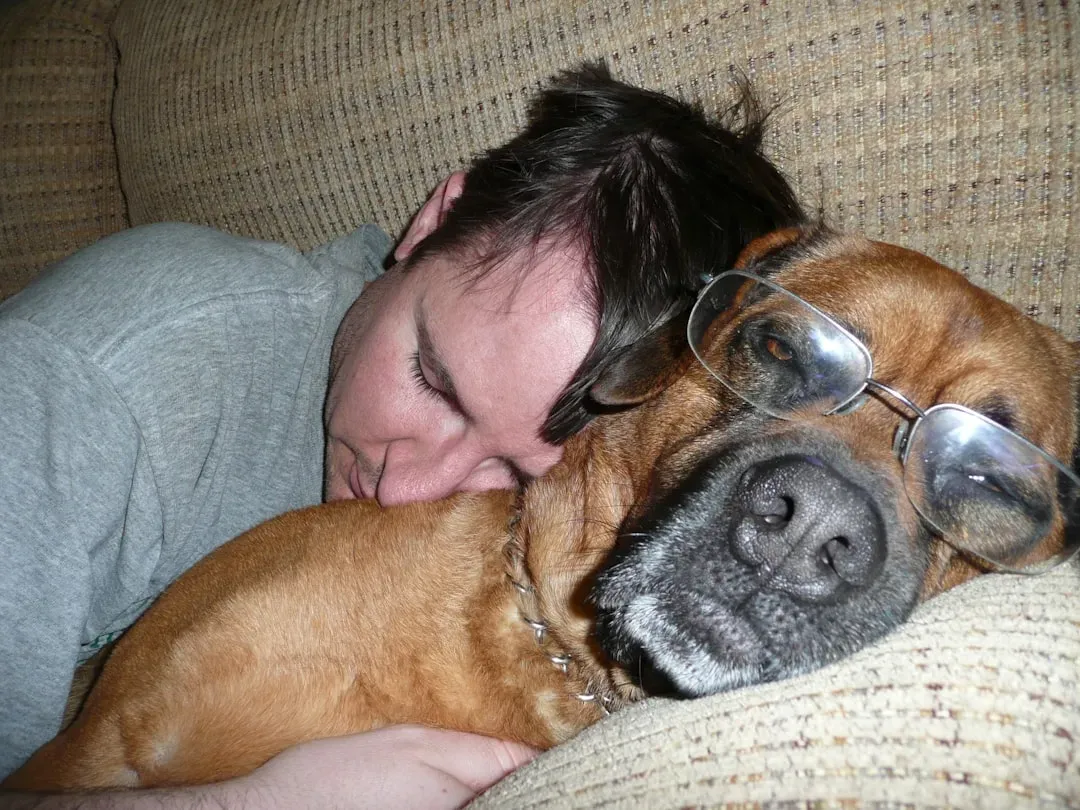
Like people, nervous dogs may experience an increased urgency to urinate or defecate, and dogs may experience gastrointestinal upset that can include vomiting, diarrhea, and refusing food. Stress doesn’t just live in the mind. It wreaks havoc on the body, too.
If your normally food-obsessed pup suddenly turns up their nose at dinner, something’s wrong. Same goes for unexplained tummy troubles. The dog doesn’t eat meals and doesn’t take treats from you. Chronic stress can weaken the immune system and lead to ongoing digestive issues, so it’s not something to brush off. If these symptoms persist or appear frequently, a vet visit is essential to rule out medical causes and discuss anxiety management strategies.
What You Can Do To Help Your Stressed Dog

If you notice signs that your dog is stressed, first remove them from the stressor and find a quiet place to regroup. Sometimes the simplest solution is the most effective. Distance and a calm environment give your dog the chance to reset their nervous system.
As with humans, exercise can be a great stress reducer, and for healthy dogs, physical activities such as walking or playing fetch may help both you and your dog release tension. The more confident your dog feels, the better they can cope with situations that trigger their fear, and one way to build confidence includes providing a consistent routine so that your dog can predict when they will eat, take a walk, engage in playtime. Calming aids like pheromone diffusers, anxiety wraps, and supplements can also be helpful tools. If your dog becomes stressed often or in response to many triggers, see your veterinarian, and after ensuring that your dog’s behavior does not have a physical basis, your veterinarian may refer you to a trainer or veterinary behaviorist for further assessment with a treatment plan that may include behavior modification, medication, or changes in the daily routine.
Recognizing stress in our dogs isn’t always easy, especially when the signs are subtle or easily mistaken for something else. Yet paying attention to these behaviors can be life-changing for your pup. Stress left unchecked doesn’t just go away. It compounds, affecting their health, happiness, and trust in the world around them. The good news is that you have the power to help. With patience, understanding, and a willingness to see the world through your dog’s eyes, you can create a safer, calmer environment where they can truly thrive. What small changes could you make today to ease your dog’s worries?