
Brazil’s Ambitious Roadmap to Protect 80% of Amazon by 2030
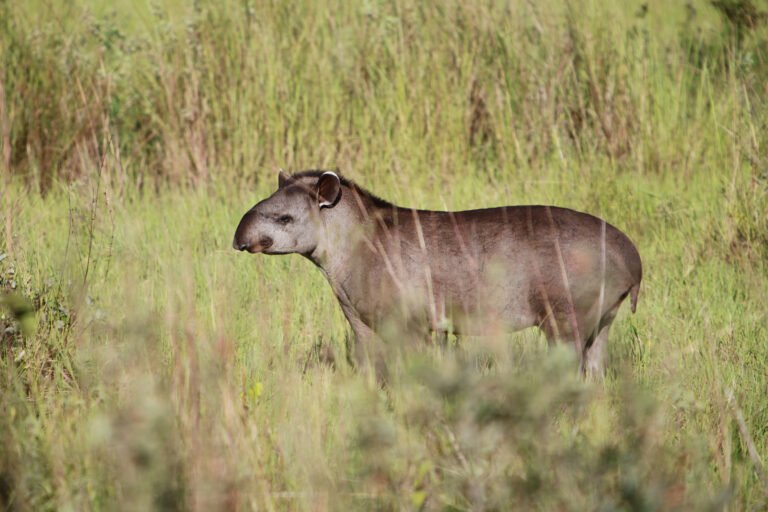
World’s Biodiversity Hotspot Under Pressure (Image Credits: Imgs.mongabay.com)
Brazil – Officials submitted the National Biodiversity Strategy and Action Plan for 2025-2030 to the United Nations late last year, outlining a comprehensive approach to conserve the country’s vast ecological treasures.[1]
World’s Biodiversity Hotspot Under Pressure
The nation holds the title of the planet’s most biodiverse country, hosting between 10% and 15% of all known species within its borders.[1] Nearly two-thirds of the Amazon rainforest lies within Brazil, and the country produces about one-tenth of the world’s food supply. This unique blend of natural riches and agricultural power positions Brazil as a pivotal player in global conservation efforts.
Yet mounting threats loomed large before the strategy’s release. Deforestation rates in the Amazon had declined for five straight years, hitting the lowest level in more than a decade during 2025, thanks to stronger enforcement and better data integration.[1] Still, climate pressures like rising temperatures and prolonged droughts strained ecosystems, risking fragmentation and disrupted rainfall patterns.
Core Conservation Goals Take Shape
At the heart of the plan stands a commitment to conserve 80% of Brazil’s Amazon portion by 2030. This target encompasses protected areas, Indigenous territories, and sustainably managed lands where large-scale conversion remains prohibited.[1]
The strategy extends beyond the rainforest. It pledges to end deforestation across all biomes by 2030, prioritizing illegal activities while introducing compensation and restoration for permitted clearing. Officials framed forest loss as a multifaceted problem tied to land rights, credit systems, and governance reforms.
- Zero deforestation nationwide by 2030.
- 80% conservation of Brazilian Amazon.
- Land-degradation neutrality and anti-desertification measures.
- Wildfire prevention integrated into broader ecosystem management.
- Reform of harmful subsidies, with identification completed by late 2025 and phase-out by 2030.
Linking Biodiversity to Climate and Economy
Brazil integrated biodiversity directly into its climate agenda by placing both under the same ministry, involving 20 federal agencies. Ecosystems now serve as vital infrastructure for carbon storage, disaster risk reduction, and rainfall regulation, with mangroves and reefs shielding coastlines.
Agriculture features prominently through “sustainable intensification,” urging higher yields from existing farmlands via technology and better practices for soy and beef production. This approach seeks to ease pressures on native vegetation, though safeguards against unchecked expansion remain essential.
The plan emerged from Brazil’s largest-ever biodiversity consultation, spanning two years and engaging scientists, Indigenous groups, civil society, and government stakeholders. Traditional communities hold central roles in governance and decision-making.
Finance and Implementation Challenges
Funding emerges as a cornerstone, with goals to boost domestic and international investments substantially. Mechanisms include biodiversity credits, a regulated carbon market, and initiatives like the Tropical Forest Forever Facility.
Political realities cast a shadow, however. As a federal blueprint without constitutional force, success hinges on sustained leadership amid upcoming elections. Shifts in administration could dilute priorities, underscoring that enforcement and incentives will prove decisive.
Key Takeaways
- Brazil targets 80% Amazon conservation amid falling deforestation rates.[1]
- Zero deforestation by 2030 spans all ecosystems, paired with subsidy reforms.
- Nature finance ramps up via credits and markets to support restoration.
- Indigenous involvement strengthens sustainable management.
This strategy signals Brazil’s renewed focus on harmonizing economic growth with planetary health. Implementation will test the nation’s resolve. What steps should global partners take next? Share your views in the comments.