
Dogs Have a Secret Language of Tail Wags, And You’re Probably Missing Half of It
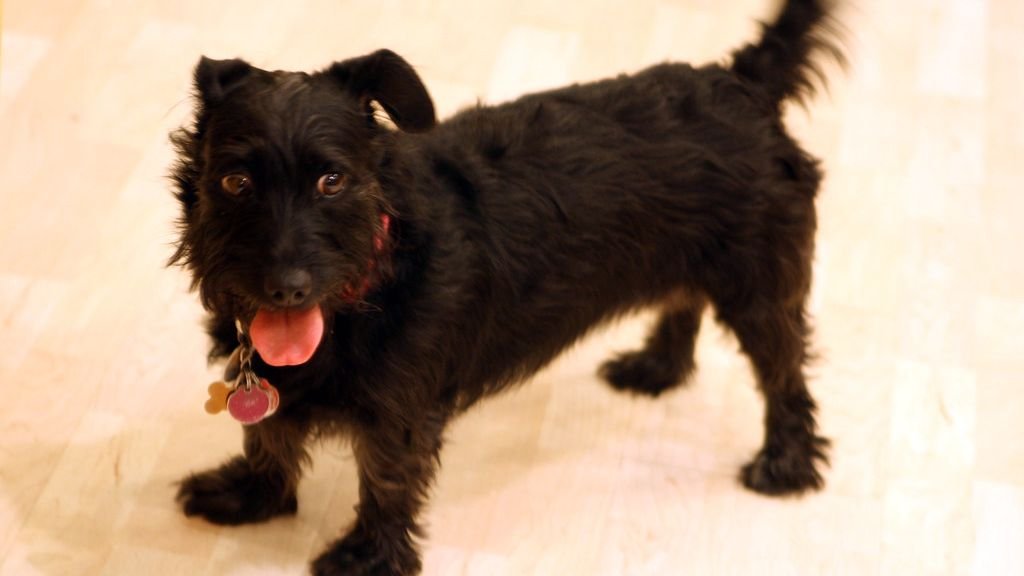
You’ve probably been told a hundred times that a wagging tail means a happy dog. That’s what most of us learn from childhood, right? Seeing that wiggling rear end, we assume everything is sunshine and rainbows in our pup’s world. Here’s the thing though: We’ve been reading it all wrong for years.
A wagging tail doesn’t necessarily mean a happy dog. It simply means arousal of some kind. That arousal could come from happiness, sure, but it might also signal fear, frustration, or even aggression brewing beneath the surface. Honestly, I think this misunderstanding is why so many people get bitten by dogs they thought were friendly. The tail was wagging, after all.
Let’s dive into what your dog is really saying when that tail starts moving.
The Direction Matters More Than You Think
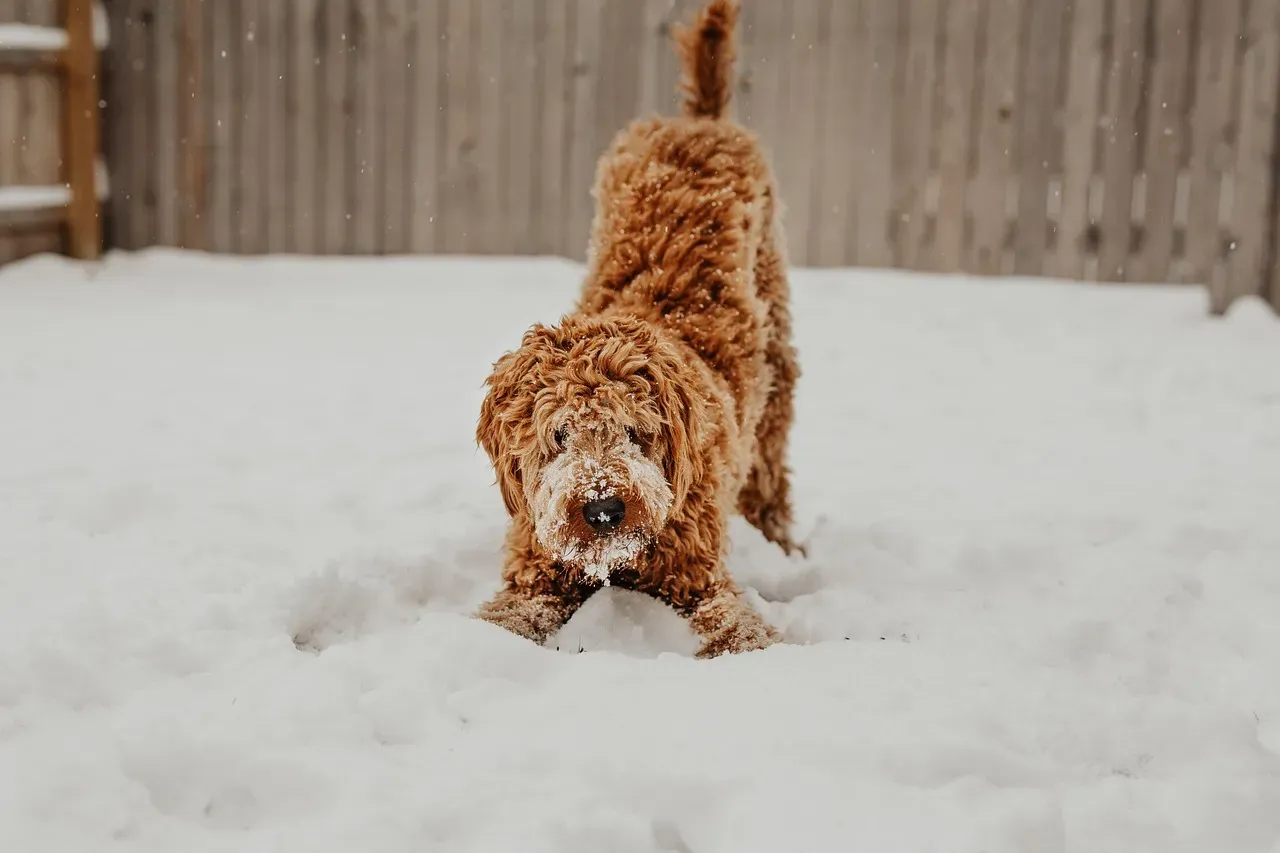
Studies show that dogs wag their tails to the right when they are happy or confident, and to the left when they are frightened. Wait, direction? Yes, you read that correctly. When dogs looked at tails wagging to the left, their heart rate increased and they showed more signs of stress and anxiety. The dogs were more relaxed when they saw tails wagging to the right.
The side bias of dog tail wags suggests a brain hemisphere lateralization that control the movement of the tail. Tail wags biased to the right are controlled by the left hemisphere, while left biased wags are controlled by the right hemisphere. This means the wag direction is directly linked to which part of their brain is firing up at that moment.
It’s subtle. You really have to pay attention to catch it. Think about watching from behind your dog, facing the same direction they are. Does that tail swing more toward their right side or their left? Tail wagging developed asymmetry toward the right side over three days of dog-human interactions, suggesting that it is a time-sensitive indicator of social familiarity. Your dog might start cautiously wagging left when meeting someone new but shift rightward as comfort builds.
Speed and Height Tell the Emotional Story
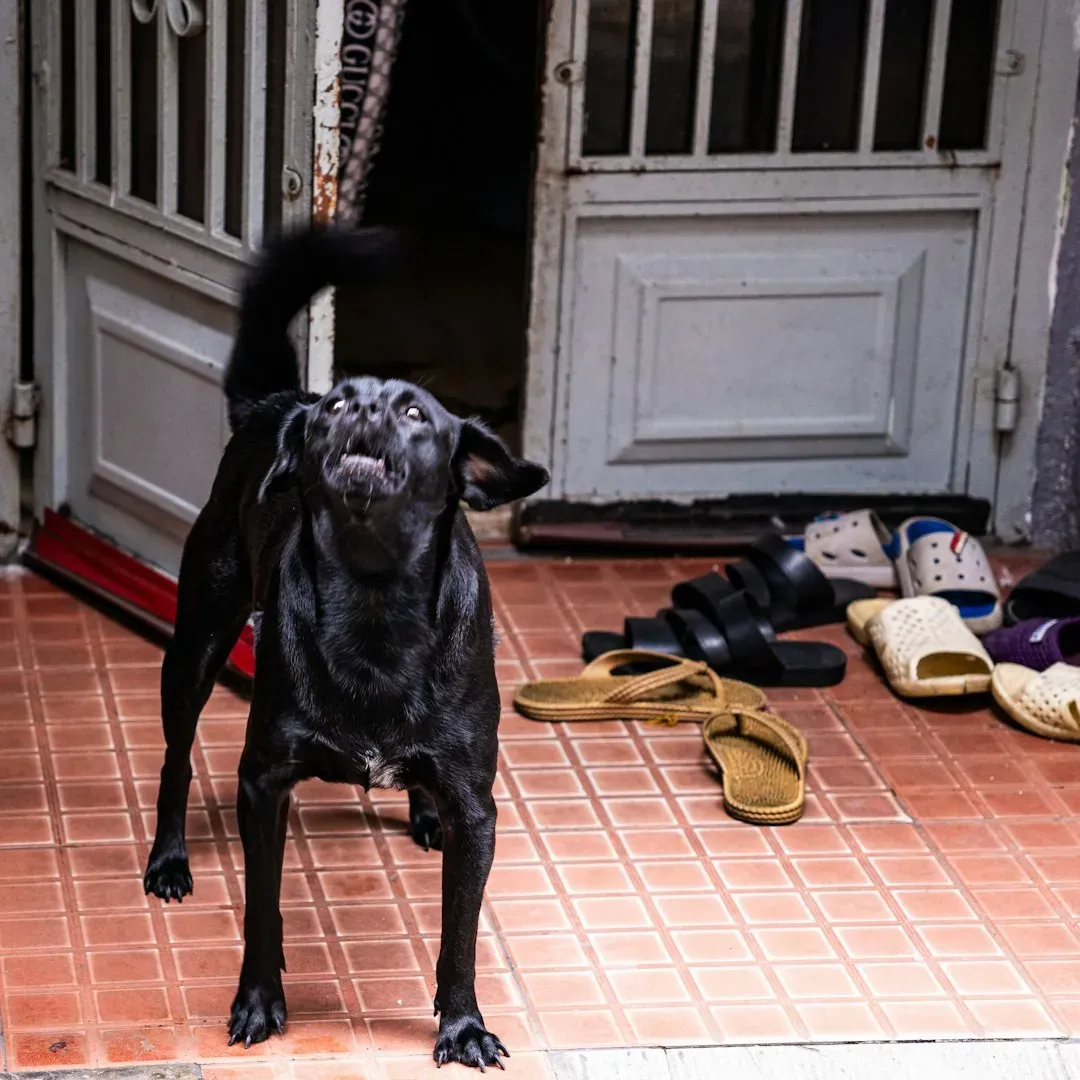
In general, the higher the dog’s tail and the faster the wag, the greater the level of arousal. Picture this: Your dog’s tail shoots straight up like a flag pole, vibrating at lightning speed. That’s not necessarily joy. That could be intense focus, overexcitement, or a warning sign.
While a very high tail indicates high arousal, a very low-wagging tail most often denotes fear and appeasement. A low, tucked tail with a slight wag is your dog essentially pleading with you or another dog to back off. They’re scared, submissive, trying desperately to communicate they’re not a threat.
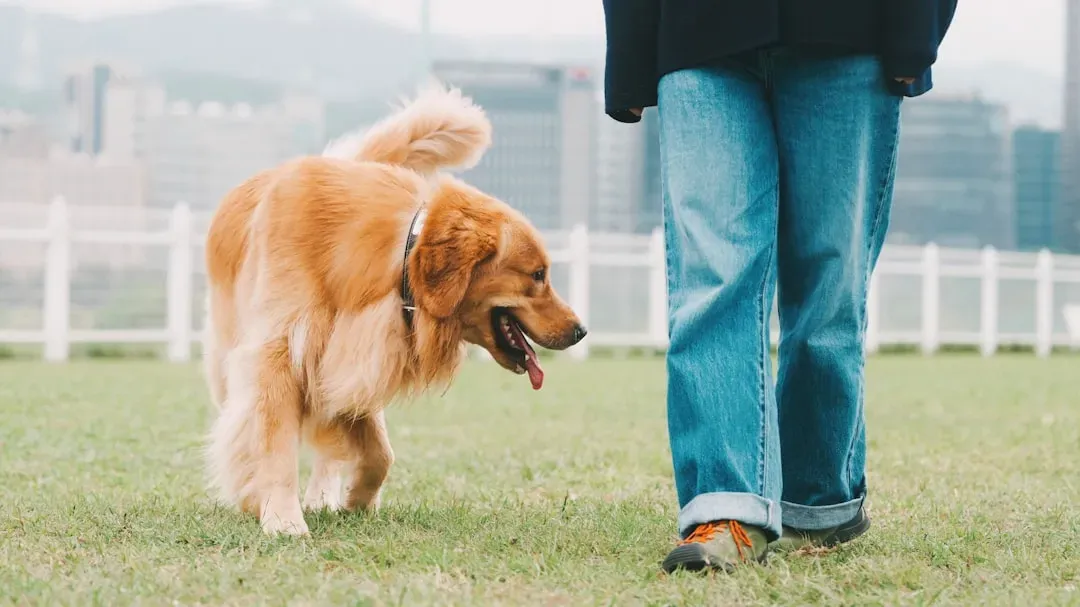
I like to look for what I call “the half-mast swish,” where the tail is gently wafting back and forth at about hock level. That’s your sweet spot. That’s the tail position and speed that suggests genuine contentment and relaxation. The dog isn’t worried, isn’t overstimulated, just comfortably existing in the moment.
The Freeze and the Helicopter
When a dog suddenly stops wagging his tail and freezes, it may mean that he wants divert a threat without being aggressive. Many dogs do this when petted by strangers to communicate that they don’t want to interact with them. Let’s be real, this is a huge one people miss. Your dog was wagging, you reached out to pet them, and suddenly everything goes still. That’s not relaxation. That’s a massive red flag.
A fast wag that slows to a freeze is always a warning sign. It means your dog has shifted from one emotional state to another, probably from uncertain to defensive. Back away. Give space. Respect what they’re telling you.
On the complete opposite end, there’s the helicopter tail wag (where the dog’s tail spins in a circle). Without question, that’s a happy wag. You’ll usually see it when a dog is greeting a beloved person. This is unambiguous joy. When you see those circular wags, you’re witnessing pure, unadulterated excitement and affection. It’s hard to say for sure, but I don’t think any other tail movement comes close to this level of clarity.
Why Puppies and Other Dogs Need This Language
Like human infants, dogs must learn their language. Puppies aren’t born knowing what a wagging tail means any more than newborn babies understand words. But when puppies are about a month old, they recognize the need to communicate with their mother and siblings, so they pick up the lingo.
Dogs tend not to wag their tails unless there is another animal or human nearby with whom to interact. This blows my mind every time. Your dog doesn’t wag when they’re alone. It’s a social signal, like how we smile or wave. It exists purely for communication.
Dogs interpret tail cues differently depending on the length of the tail, as well as the size of the dog interpreting and expressing the behaviour. Dogs are more likely to approach other dogs with long tails when they exhibit wagging behaviour. They are less likely to approach dogs with short tails, even if they exhibit the same wagging behaviour. Dogs with docked tails or naturally short tails are literally handicapped in their ability to communicate with other dogs. They’re trying to speak a language with half their vocabulary missing.
Context Is Everything
No dog body language signals act alone. They’re all part of a package. So, when you read a dog’s communication, look at every signal the dog is using from the tail height to the eye shape. You can’t just stare at the tail and call it done. What are the ears doing? Are they pinned back or forward? What about the eyes? Soft and relaxed or hard and staring?
When a tail moves from neutral, to taut vertical, to a tight arch over the back, it indicates increased arousal. This tail position is an assertive posture that can progress to an intense aggressive display. Pair that with a stiff body, forward-leaning posture, and direct stare, and you’ve got a dog on the edge of aggression.
Different breeds complicate this further. It’s important to understand that the neutral or natural position of a dog’s tail varies by breed. Most dogs have tails that hang down near their heels when they are relaxed. But some dogs, for example beagles, hold their tails more vertically. Breeds such as greyhounds and whippets curl their tails under their bellies while many other breeds, such as Siberian huskies and Norwegian elkhounds, curl their tails over their backs. You need to know what’s normal for your specific dog before you can spot what’s abnormal or significant.
Conclusion
Your dog has been speaking to you all along, using a sophisticated vocabulary you probably didn’t even realize existed. Direction, speed, height, context, and even the pause between wags all carry meaning. It’s not just random wiggling.
Your dog is “talking” to you all the time. If you learn what your dog is saying, you will develop a deeper bond of trust and respect. Start paying closer attention tomorrow. Watch which way that tail swings. Notice when it freezes. Celebrate those helicopter wags. You’ll be amazed at how much clearer your conversations become once you start listening with your eyes instead of just your assumptions.
What have you been missing in your dog’s tail language? Take a closer look today and see what they’ve been trying to tell you all this time.