
The Way Your Dog Plays With Toys Can Tell You About Their Past and Personality
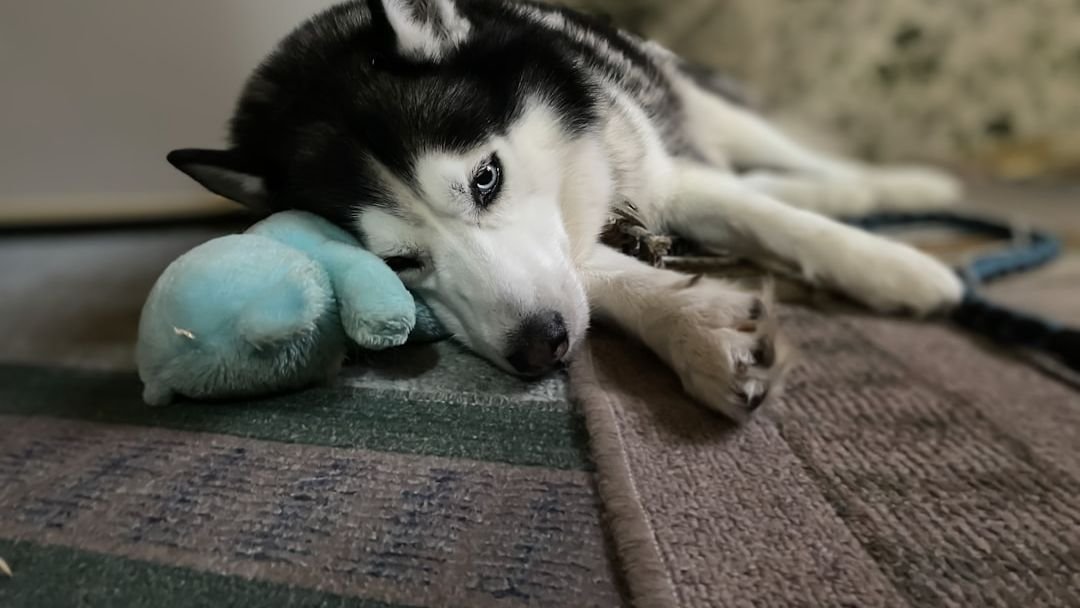
Have you ever watched your dog interact with a toy and wondered what’s really going on in their mind? Maybe they carefully cradle a stuffed animal like it’s the most precious thing in the world, or perhaps they tear through a plush toy in seconds flat. The truth is, every bite, every tug, every gentle nuzzle tells a story. These seemingly simple play behaviors are actually windows into your dog’s soul, revealing clues about who they are, what they’ve been through, and what makes them tick. What your dog does with their toys isn’t random. It’s a language all its own, if you know how to read it.
When Gentle Play Speaks of Tender Hearts
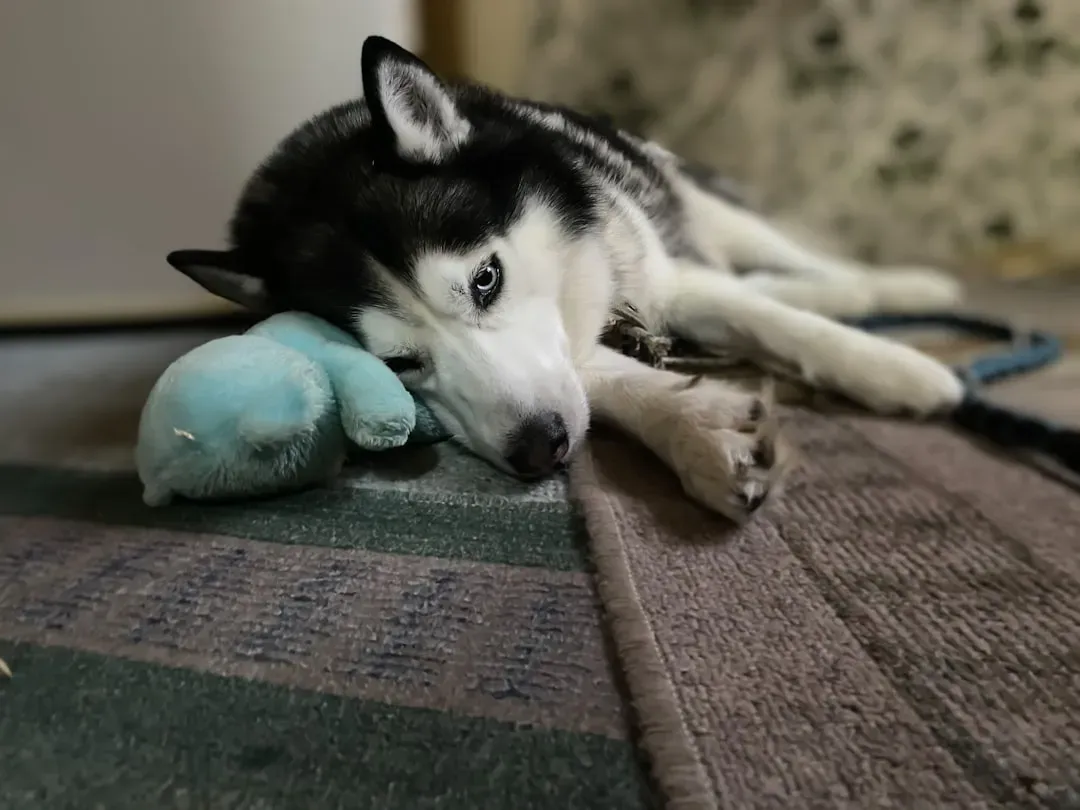
Some dogs treat their toys with remarkable delicacy. They carry them around, sleep beside them, or gently mouth them without ever causing damage. Carrying around and sleeping with a stuffed animal are signs that your canine companion is tapping into their parental instincts. This nurturing behavior often appears in dogs with naturally caring temperaments, particularly in breeds like Retrievers and some herding dogs who were bred to have soft mouths.
Here’s the thing though: this gentle play can also reveal something deeper about their past. Dogs who’ve experienced insecurity or separation may cling to a special toy as an emotional anchor. They may also want to make sure that they have a friend when you’re not around and they becomes anxious. If your dog becomes genuinely distressed when separated from a particular toy, it’s worth paying attention to. Watch for excessive whining or refusing to settle without it, as these might signal underlying anxiety that deserves your gentle support.
The Destroyers Who Hunt With Purpose

Does your pup systematically disembowel every plush toy within minutes? Before you despair about the toy carnage, understand that if your dog has a tendency to rip stuff animals to shreds, it’s a good sign that they’re having some fun with this pseudo hunt. This isn’t destructive behavior in the negative sense. It’s actually a healthy expression of predatory instincts hardwired into their DNA.
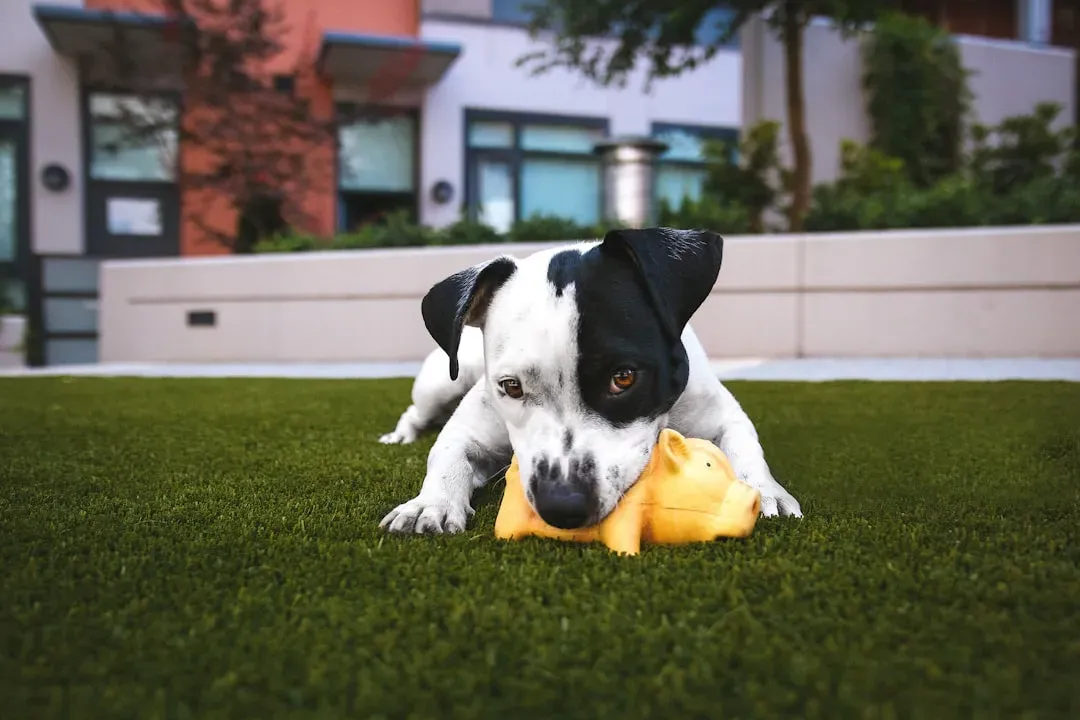
If your dog loves playing with squeaky toys, you’ve got a furry little hunter on your hands. The squeak made by these toys is comparable to sounds that potential prey would make if frightened or injured. Breeds with high prey drives, like terriers and hounds, often show this behavior most intensely. Let’s be real: they’re not being naughty when they destroy toys. They’re simply being dogs who need an outlet for instincts that served their ancestors well. Provide durable toys specifically meant for heavy chewing, and rotate them regularly to keep the “hunt” fresh and engaging.
Obsessive Players and What They’re Really Telling You
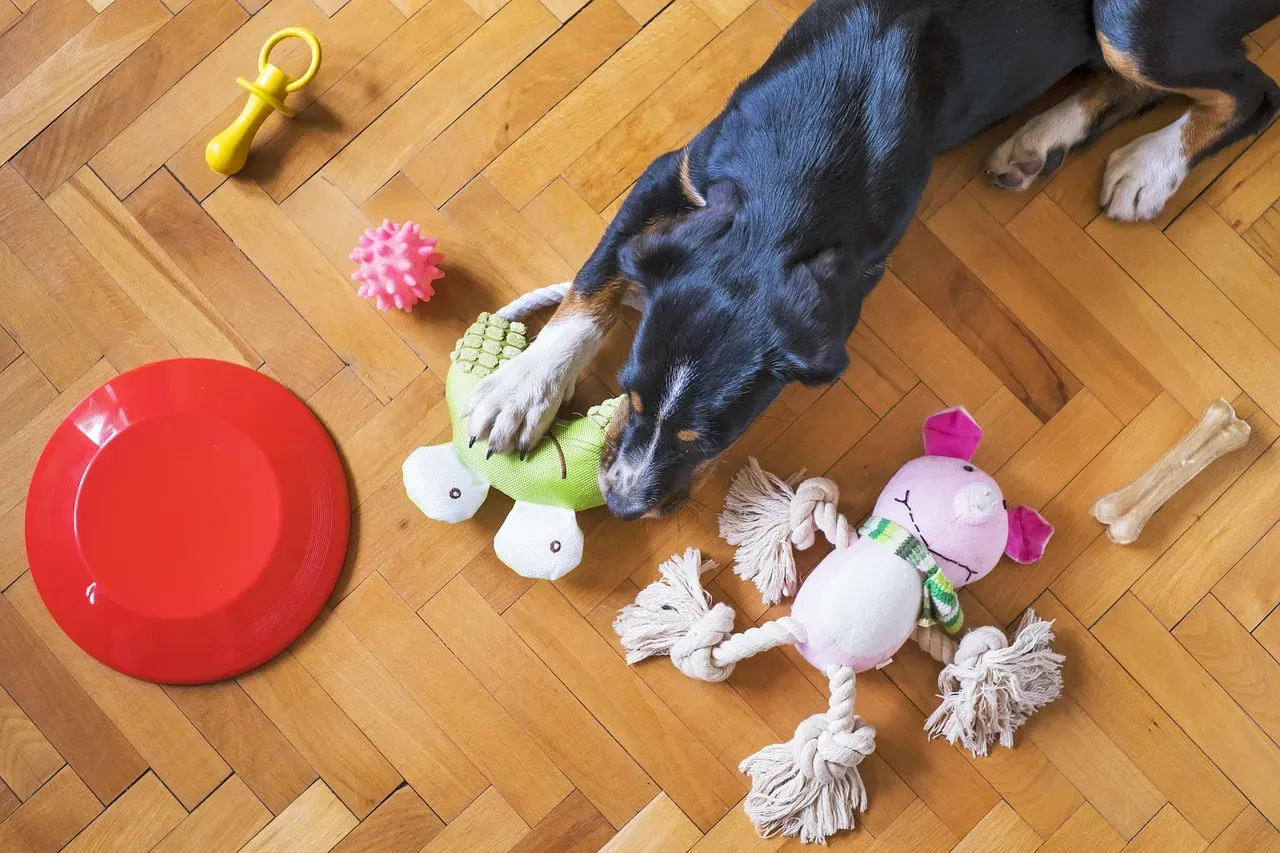
There’s a difference between enthusiasm and obsession. Some dogs fixate on toys to an extreme degree, and recent research suggests this goes beyond normal play. Data from 105 highly play-motivated dogs revealed that 33 subjects exhibited behaviours consistent with addictive-like tendencies, including an excessive fixation on toys, reduced responsiveness to alternative stimuli, and persistent efforts to access toys. I know it sounds crazy, but some dogs can actually develop addiction-like behaviors around toys.
Shepherd breeds such as German Shepherd and Belgian Shepherd had the highest scores for addiction-like behaviors. Shepherds are bred for high-focus activities such as livestock protection, police work, and search and rescue, which require persistence and strong motivation. If your dog continues trying to access a toy even when injured, refuses to eat when their favorite toy is unavailable, or becomes unable to settle for extended periods, these are red flags. This level of fixation can sometimes point to understimulation in other areas of their life or even past trauma where control over possessions meant survival. Consider consulting a certified behaviorist if the obsession affects their quality of life.
The Resource Guarders Protecting What’s Theirs
Growling over toys, stiffening when you approach during play, or snapping when someone gets too close to their prized possession – these behaviors tell a powerful story about a dog’s past experiences. Generally, resource guarding is thought to be inherited from one or both of the dog’s parents. However, a dog’s upbringing could also provoke the development of resource guarding, particularly if they live in an environment where they have had to squabble with other pets over food, toys, etc.
For rescue dogs especially, resource guarding can stem from times when they genuinely had to compete for survival. Fearful behavioral issues stem from past trauma. Rescue dogs’ behaviors stem from a lack of socialization and past trauma. It’s hard to say for sure, but a dog who aggressively protects toys may have learned that possessions are scarce and must be defended at all costs. The good news is that this behavior can be addressed with patience. Never punish a dog for guarding, as this erodes trust. Instead, teach them through positive reinforcement that good things happen when people approach their toys, not bad things.
Disinterested Players and the Hidden Message

What about dogs who simply don’t seem interested in toys? This apparent indifference can be one of the most revealing behaviors of all. Traumatized dogs can become depressed, showing diminished interest in play or interaction. The once eager-to-walk dog now prefers to lie in its bed, displaying a noticeable lack of enthusiasm or energy. While some dogs naturally have lower play drives, a sudden loss of interest in previously enjoyed toys warrants attention.
Dogs from neglectful backgrounds may have never learned how to play, honestly. They might look at a toy with confusion because play was never part of their early development. Similarly, senior dogs or those dealing with pain may avoid toys not because they don’t want to play, but because physical discomfort makes it unpleasant. Cats and dogs who’ve been through trauma can develop signs of fear, anxiety, and stress, which can reveal themselves in a variety of ways. Some signs to watch out for are: Signs of fear, anxiety, and stress can also be associated with other situations. If your dog shows toy disinterest alongside other changes like appetite loss, withdrawal, or unusual lethargy, a vet visit should be your first step.
Bringing It All Together for Your Dog’s Well-Being
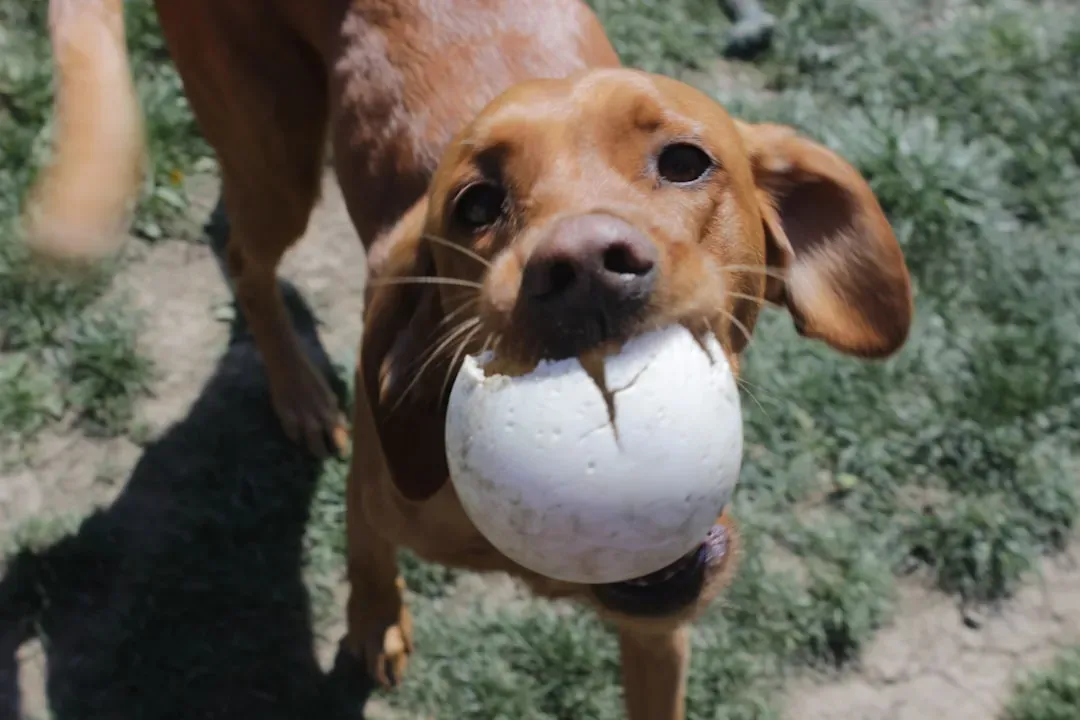
Understanding how your dog plays with toys isn’t about labeling them or putting them in a box. It’s about seeing them more clearly, understanding their needs more deeply, and responding with the care they deserve. Every torn squeaker, every carefully protected plushie, every disinterested glance contains information you can use to enrich their life. Pay attention to changes in play behavior, as these often signal shifts in emotional or physical well-being before other symptoms appear.
The beauty of this insight is that it empowers you to make better choices. Choose toys that match not just their size or breed, but their personality and past experiences. For anxious dogs, predictable toys that don’t surprise might work best. For understimulated working breeds, complex puzzle toys can provide the mental challenge they crave. For dogs healing from trauma, patience and the freedom to approach toys at their own pace builds trust. Your dog’s relationship with their toys is a conversation. The more you listen, the better you’ll understand what they’re trying to tell you. What does your dog’s favorite toy reveal about them? Have you noticed any patterns that surprised you?