
Are You Accidentally Encouraging Your Dog’s Naughty Habits? Find Out Now
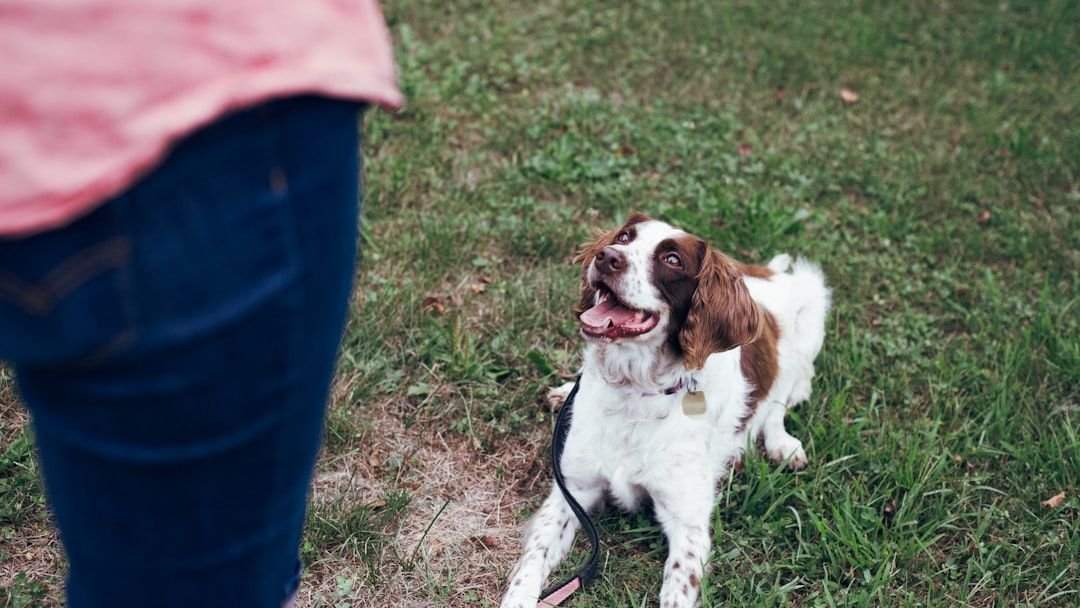
You know that moment when your dog does something completely maddening, like jumping on guests or barking nonstop at the doorbell, and you wonder where on earth they learned that? Here’s the thing: they might have learned it from you. I know, it sounds crazy. You’d never intentionally teach your dog to misbehave, right?
Yet countless dog owners unknowingly reinforce the very behaviors that drive them up the wall. It happens so subtly, so innocently, that most people have no idea they’re doing it. Your reaction to bad behavior, the timing of your attention, even your tone of voice can all send the wrong message to your furry friend. Dogs are brilliant at reading us, and they’re always learning, whether we’re actively teaching them or not.
So let’s dive in and uncover the sneaky ways you might be creating those naughty habits without even realizing it.
Your Attention Is the Ultimate Reward

Many dogs learn that the only way to get their owner’s attention is by doing something wrong, like barking, jumping, or chewing things they shouldn’t. Think about it. When your dog is lying quietly in the corner being an absolute angel, do you rush over to praise them? Probably not.
If a dog is seeking your attention at the wrong time, it is because you are not giving them enough of it at the right time. This simple truth changes everything. Your dog might steal your socks and dash around the house not because they love socks, but because they’ve figured out that this behavior guarantees you’ll pay attention to them. Even negative attention feels rewarding to a lonely pup.
Dogs try several behaviors on their owners through trial-and-error learning, wondering which will work, and with time they learn which are most effective. Once they discover that barking gets you to look up from your phone or jumping gets you to interact with them, that behavior becomes their go-to strategy.
The Doorbell Dilemma and Other Accidental Lessons

When your dog barks at the doorbell and you yell in response, your dog doesn’t understand what you’re saying but knows that when they yell, you yell, and now everyone yells, which is a very fun reinforcing game. Honestly, from your dog’s perspective, you’re joining in the chaos rather than stopping it.
Dogs thrive on routine and reinforcement, so the more they rehearse a behavior or the more times that behavior has been reinforced, the more likely it is to be repeated. Every time the doorbell rings and your dog barks and you respond, you’re building what experts call a reinforcement history. The behavior gets stronger with each repetition.
If you occasionally give in to those sad puppy eyes and sneak your dog a table scrap, you’re rewarding begging behavior, and if your dog barks when they can’t reach a toy and you get it for them, you’re teaching them that barking gets your attention. These little moments add up faster than you’d think.
Inconsistency Confuses Your Best Friend

Picture this: today you let your dog jump on you when you come home because you’re in a good mood and their excitement is adorable. Tomorrow you scold them for the exact same behavior because you’re wearing nice clothes. Dogs learn best when commands and rules remain the same, and if you allow your dog on the couch today but scold them for it tomorrow, they’ll become confused.
Your dog isn’t being stubborn or defiant. They’re genuinely baffled about what you actually want from them. All family members should follow the same rules and commands, and sticking to a routine helps because dogs thrive on consistency. If one person allows counter surfing while another punishes it, your dog lives in a confusing world where the rules keep changing.
This inconsistency doesn’t just slow training. It can actually increase anxiety and stress in dogs who desperately want to please you but can’t figure out the rules of the game.
The Power of Ignoring the Good Stuff

Don’t ignore your dog when they are being good; give them your attention when they are doing what you want them to, and reward good behavior so they are very clear about the appropriate ways to get your attention. This might be the most important shift you can make in your relationship with your dog.
Most of us take good behavior for granted. When our dog settles quietly while we work or walks nicely on a leash for once, we don’t even acknowledge it. Then we wonder why those good behaviors are so rare. If you tend to ignore your dog and only pay attention to them when they are doing an undesirable behavior, you will be training them to do exactly what you do not want by rewarding them with your attention whenever the behavior occurs.
The solution sounds almost too simple: catch your dog being good and make a fuss about it. Praise them for lying calmly. Reward that loose leash walking. Celebrate the moments when they choose their chew toy over your shoe. These small acknowledgments tell your dog what actually earns your approval.
Teaching What You Want, Not Just Stopping What You Don’t

Here’s where things get really interesting. Only ignoring undesirable attention-seeking behaviors like jumping or barking rather than doing any training can get you into trouble, because the dog might offer another unwanted behavior in place of the one you wanted to get rid of, such as jumping higher and harder, barking, or biting your leg. Simply telling your dog “no” without showing them what to do instead leaves them guessing.
The easiest way to shift your dog’s behavior is to reinforce a different and incompatible behavior. Instead of jumping to greet people, teach them to sit. Rather than barking for attention, train them to fetch a toy or go to their bed. You’re giving them an alternative path to get what they want.
If you pet or talk to your dog when they jump on you, they’ll think jumping is okay, and without realizing it, many owners encourage bad habits this way. The trick is redirecting that enthusiasm into something you actually appreciate. When your dog approaches you excitedly, ask for a sit before giving affection. You’re not dampening their joy; you’re channeling it productively.
Conclusion
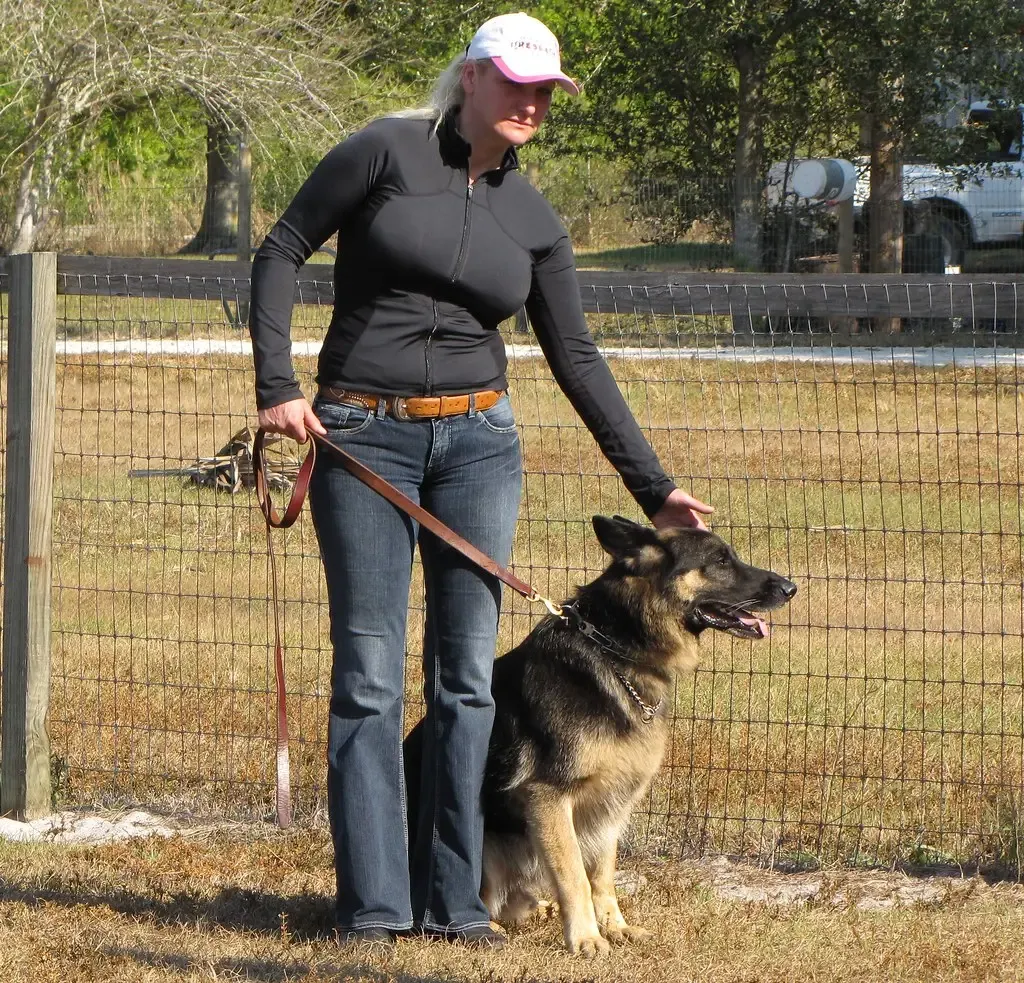
The truth is, most naughty dog behaviors aren’t born from stubbornness or spite. They’re the result of mixed messages, accidental reinforcement, and our very human tendency to react without thinking. We can unintentionally reinforce behaviors we don’t want if we’re not thoughtful about what behaviors we’re reinforcing. Your dog is constantly learning from you, picking up on patterns you didn’t even know you were creating.
The good news? Once you understand how you might be accidentally encouraging bad habits, you can start making intentional changes. Pay attention to the good moments. Be consistent with your rules. Teach alternative behaviors instead of just saying no. Your dog wants to please you; they just need clearer communication about what that looks like.
What surprises you most about how dogs learn from us? Share your thoughts in the comments below.