
6 Reasons Why Your Dog Might Be Ignoring You (And How To Get Their Attention Back)
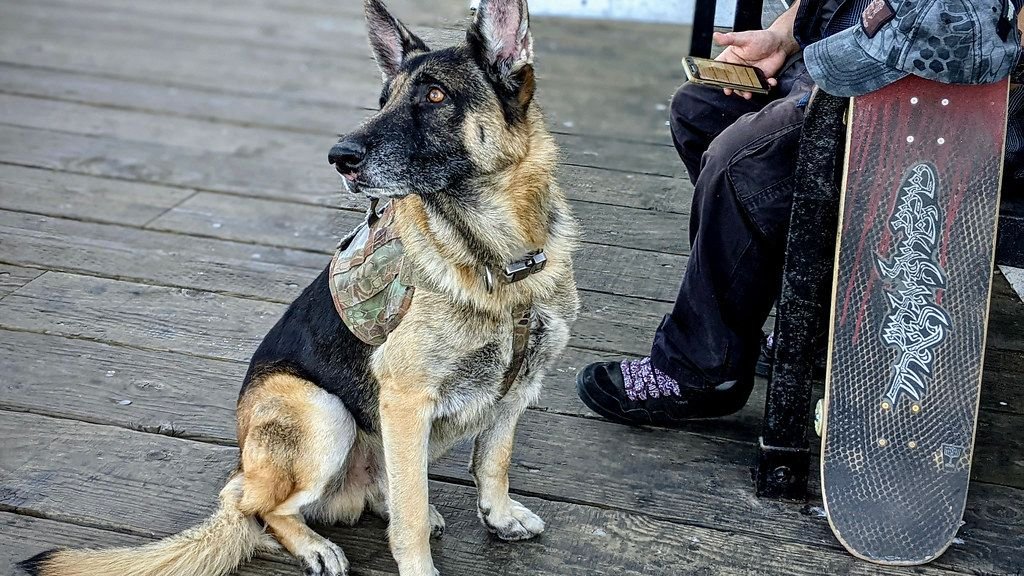
You call your dog’s name across the yard. Nothing. You repeat it, louder this time, maybe with a little more edge to your voice. Still nothing. Your pup just keeps sniffing that same patch of grass like you don’t even exist. Sound familiar? If you’ve ever felt invisible to your own dog, you’re definitely not alone. It’s one of those moments that can make even the most patient dog lover feel a little hurt, maybe even a bit frustrated. Here’s the thing though: your dog isn’t being rude or defiant. Most of the time, there’s a genuine reason behind that cold shoulder, and once you understand what’s really going on, you can start rebuilding that connection. Let’s dive into the six most common reasons your furry friend might be tuning you out.
They’re Distracted by a More Exciting World
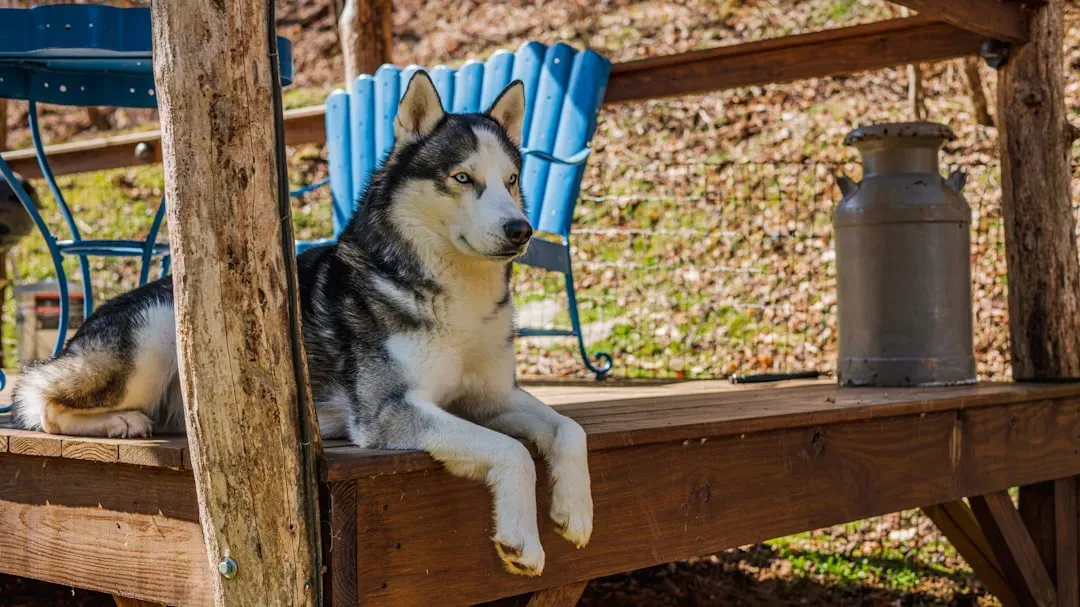
Busy environments with new smells, wildlife, or children can absorb your dog’s focus faster than your voice, even for a well-trained dog. Think about it from their perspective. You’re asking them to sit, but there’s a squirrel ten feet away, another dog barking in the distance, and the most fascinating scent trail they’ve ever encountered. Their brain is basically throwing a party, and your voice is just background noise.
Some dogs walk with their nose glued to the ground, eager to absorb any scent, while others are ever-alert with heads on a swivel, scanning for signs of other dogs or cats. To help them refocus, you need to make yourself more interesting than the environment. Start training in quiet, boring spaces first. Once they nail the basics there, gradually add distractions. Use super high-value treats – think real chicken or cheese – to compete with those external temptations.
You’ve Accidentally Taught Them to Ignore You
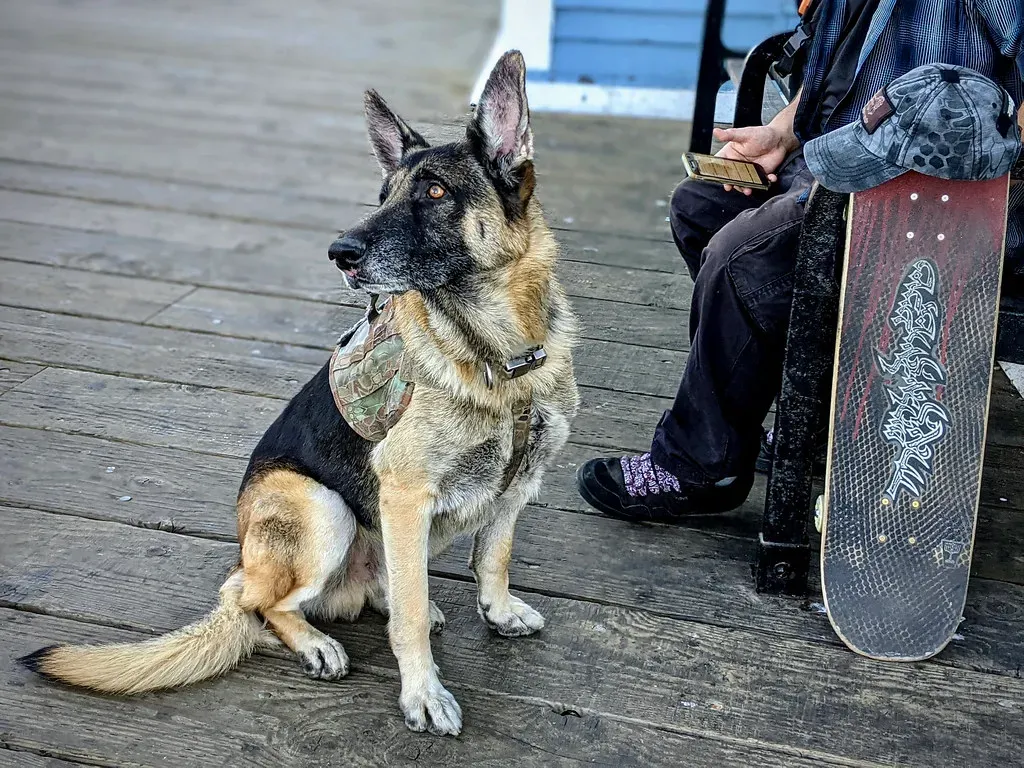
This one stings a bit, but it’s incredibly common. Most people whose dogs ignore them have unwittingly trained them to do so, because the behavior that is rewarded gets repeated. If you call your dog five times and they only come on the fifth attempt, you’ve just taught them that the first four don’t really matter. Same goes for repeating commands over and over without any consequence.
When a signal is repeated over and over with no meaning attached, it becomes background noise, much like how city dwellers stop noticing sirens after hearing them constantly with no consequence. The fix? Make your words count. Say the command once, and if your dog doesn’t respond, don’t repeat it. Instead, move closer, get their attention, and try again. Always follow through with either a reward for compliance or a gentle redirection when they don’t listen.
The Command Hasn’t Been Properly Generalized
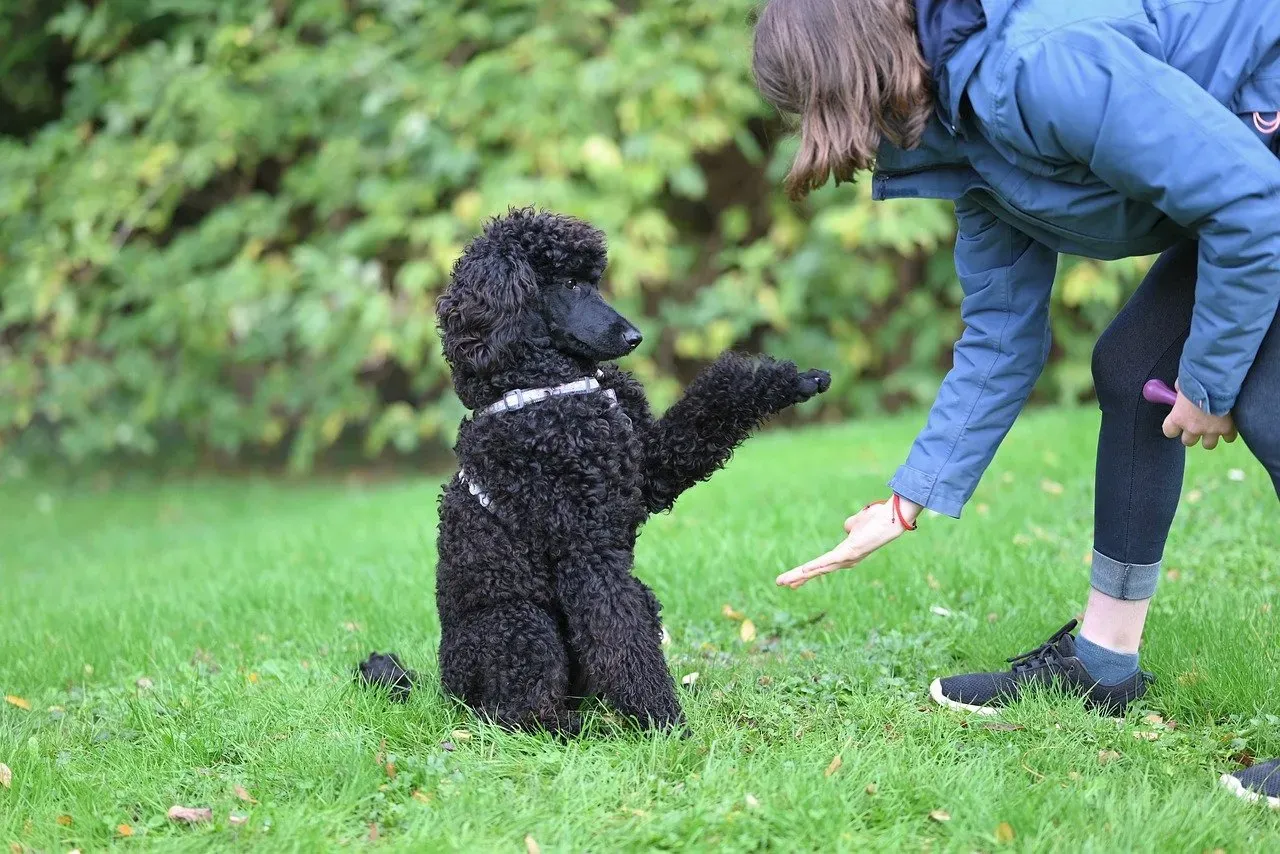
Your dog sits perfectly in the kitchen. But at the park? It’s like they’ve never heard the word before. Just because a dog sits for a treat in the kitchen doesn’t mean they understand “sit” at the park, because dogs don’t generalize behaviors the way humans do. If they haven’t practiced a command in different situations, they genuinely may not recognize it when you really need them to respond.
If you’ve taught Sparky to sit in the kitchen, he hasn’t yet learned “sit” – he’s learned “sit in the kitchen,” because dogs are so tuned in to what we’re communicating. The solution is systematic practice. Train each command in at least five to ten different locations with varying levels of distraction. Your living room, the backyard, a quiet street, a busier park – each new environment helps your dog understand that “sit” means sit everywhere, not just in one specific spot.
There May Be a Health Issue You Haven’t Noticed
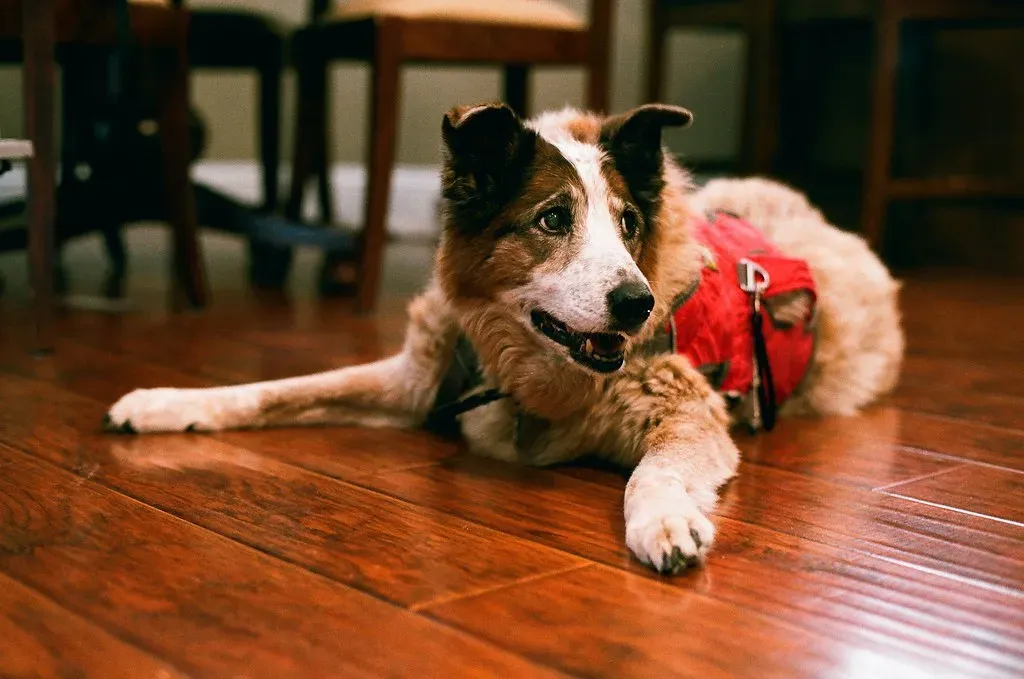
Older dogs may start ignoring commands simply because they can’t hear well, see clearly, or feel comfortable, as pain makes them less responsive and more withdrawn. Hearing loss is especially sneaky because it happens gradually. For elderly dogs, hearing loss is often caused by degenerative changes in the nerves inside the ear, and the changes are gradual, with symptoms creeping up slowly.
If your previously attentive dog suddenly starts ignoring you, don’t assume it’s behavioral. Canine discomfort can manifest in many ways, and it might be that your dog simply can’t hear you calling, not because they’re choosing to ignore the cue. Schedule a vet checkup to rule out hearing loss, vision problems, pain, or cognitive decline. These issues are treatable or manageable with the right approach, and catching them early makes a huge difference.
Your Cue Has Been “Poisoned”
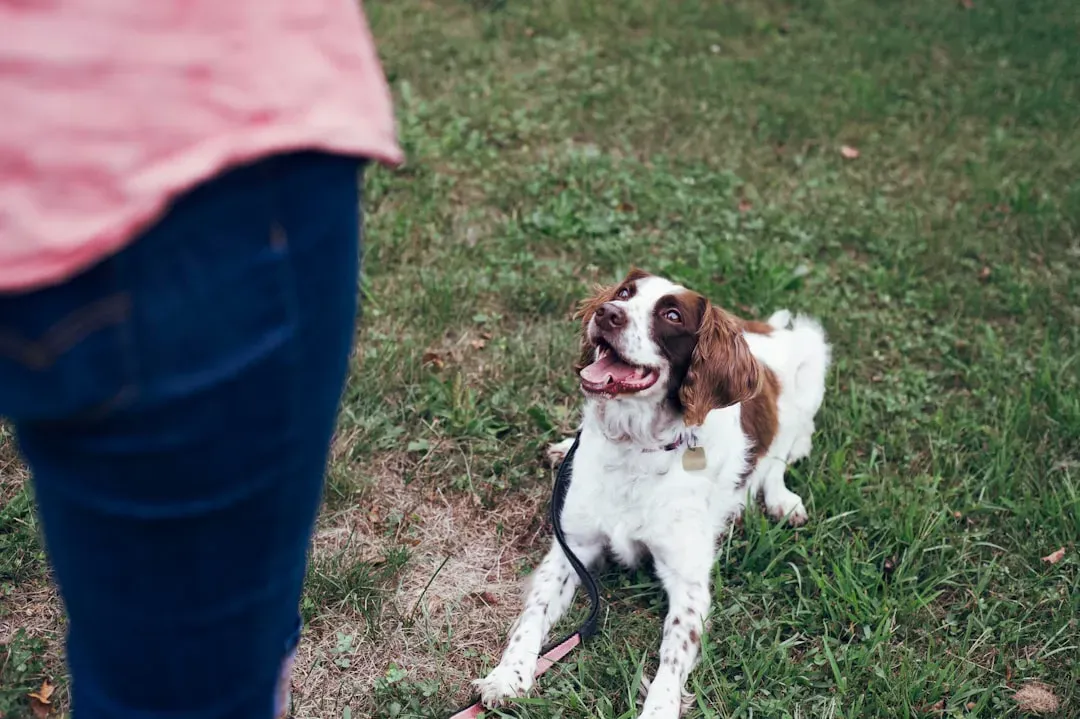
Here’s something most dog owners don’t realize: commands can become poisoned. The most common poisoned cue trainers see is actually dogs’ names, because owners often say their dog’s name when trying to get their attention, and it’s more often than not followed up with something unpleasant like a bath. If every time you call your dog it means nail trimming, going in the crate, or ending playtime, they’ll start avoiding you when they hear it.
If you call your dog to you for something they don’t like, such as a bath or nail trim, you’ve taught your dog that “come” means “things I hate.” To fix a poisoned cue, you need to rebuild the positive association. Call your dog for amazing things – treats, play, affection – far more often than for unpleasant tasks. If the damage is severe, consider choosing a new word entirely and starting fresh with only positive experiences attached to it.
You’re Not Engaging Enough With Them
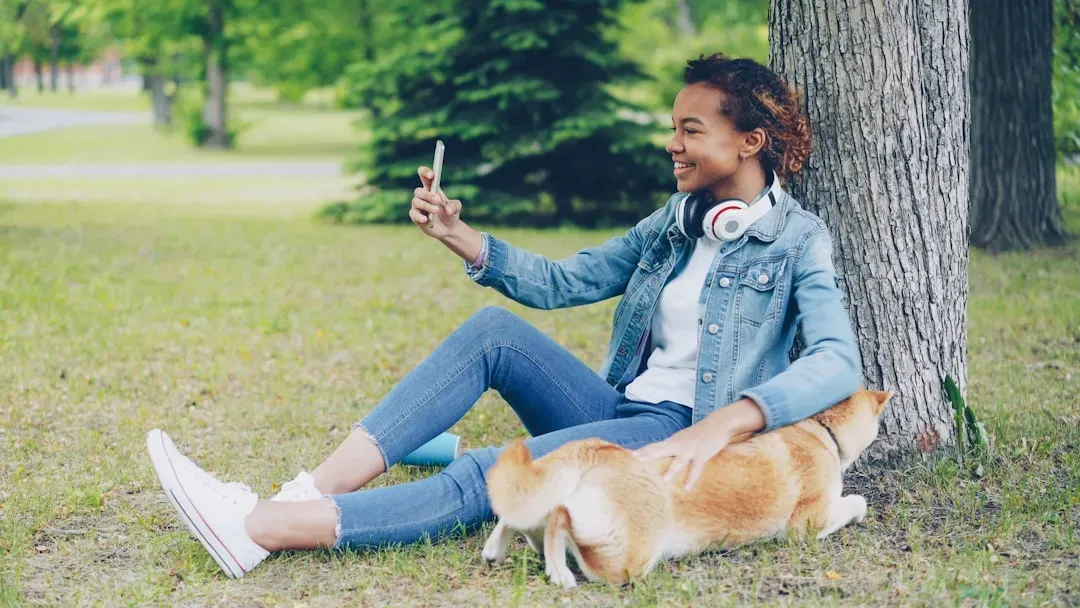
Out in public, most dogs pay little to no attention to their owners, and these dogs are wonderfully engaged with everything in their environment – just not with the person on the other end of their leash. If you’re not actively building a relationship based on fun, trust, and mutual attention, your dog will find more interesting things to focus on. It’s honestly that simple.
The best way to strengthen the bond is by spending active time together, because dogs love doing fun things with their owners, such as walks, hikes, road trips, and visits to friends. Make yourself the most rewarding part of your dog’s day. Play games that require focus, practice attention exercises where you reward eye contact, and carry surprise treats on walks. When your dog checks in with you voluntarily, make it worth their while. The more you become a source of joy and excitement, the more they’ll want to tune in to you.
Conclusion
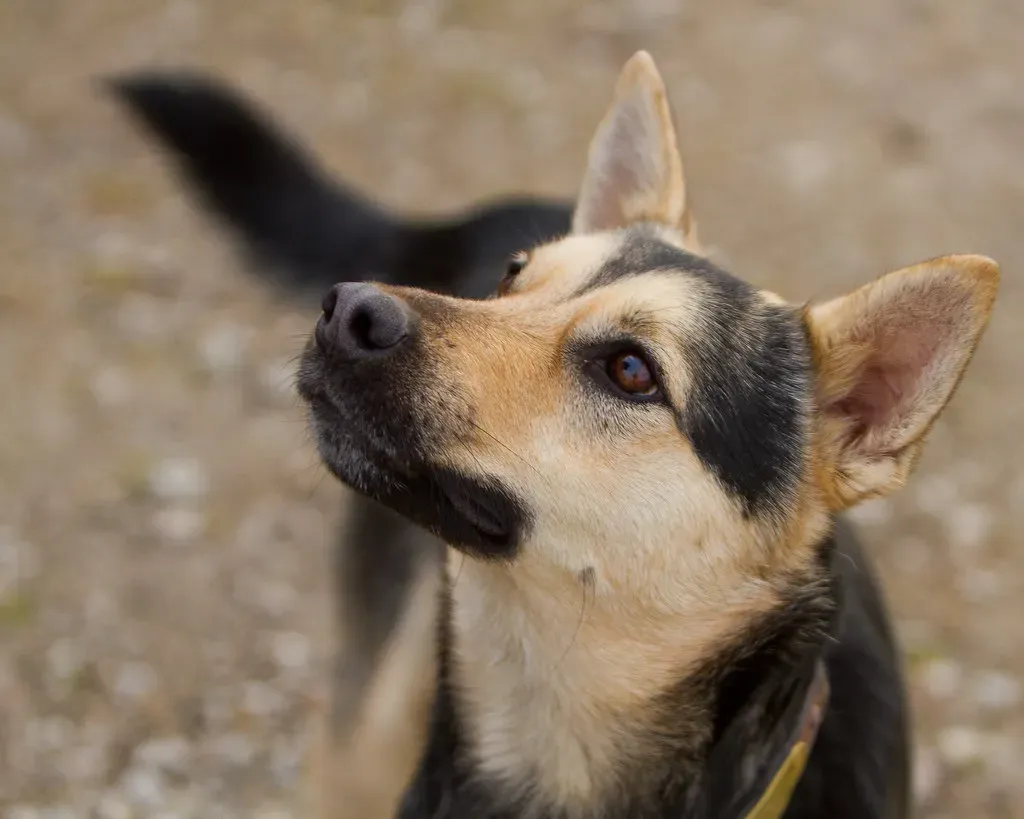
If your dog has been giving you the cold shoulder, don’t lose heart. More often than not, it’s a communication gap rather than deliberate disobedience. Whether it’s distraction, inconsistent training, a health concern, or simply a lack of engagement, each of these issues has a solution. The key is patience, consistency, and a willingness to see the world from your dog’s perspective. Start small, celebrate the wins, and remember that every moment you invest in understanding your dog strengthens the bond you share.
What’s been your biggest challenge with getting your dog’s attention? Have you tried any of these strategies? Share your experience in the comments below – we’d love to hear what’s worked for you.