
Rare Footage of Four Snow Leopards Filmed Together
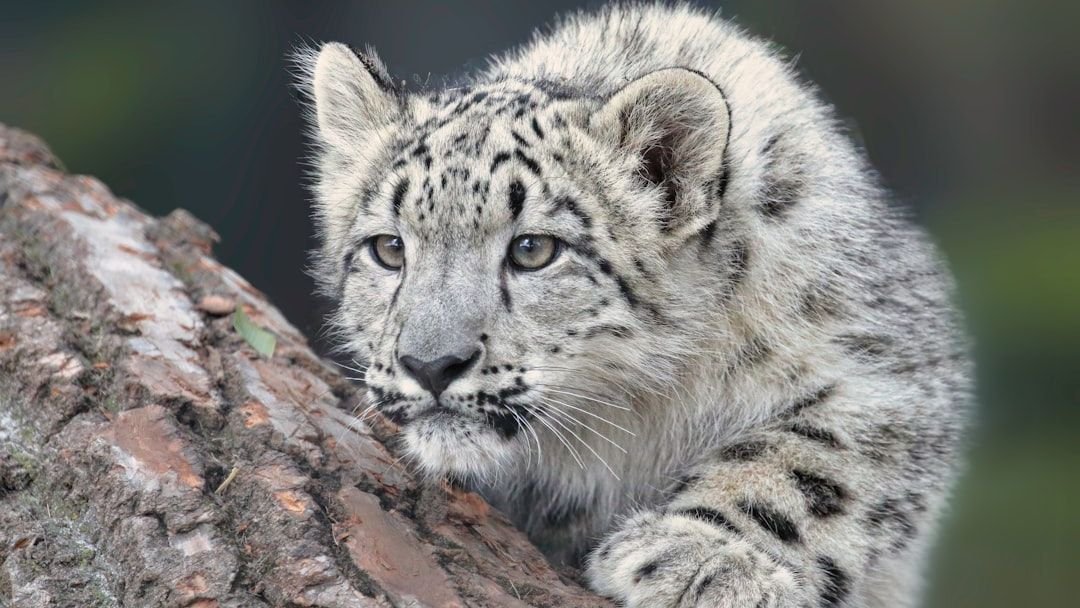
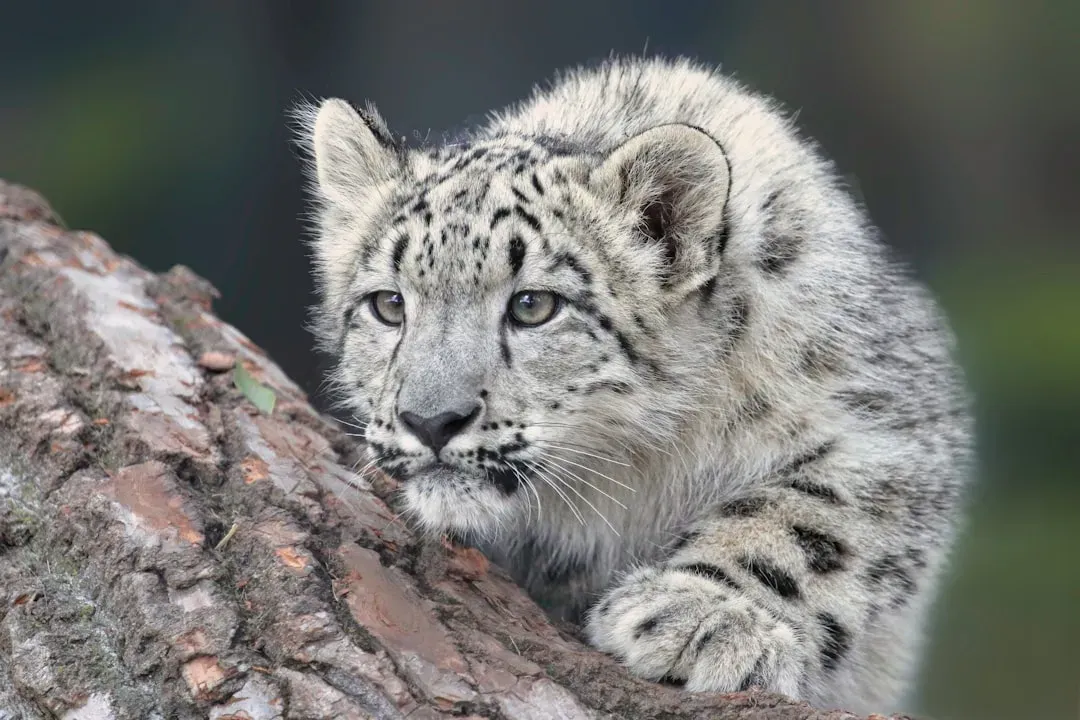
Wildlife observers rarely glimpse even one snow leopard in the wild, let alone four at once. This extraordinary event unfolded in the remote Karakoram mountains of Pakistan, where these elusive cats briefly converged. Local enthusiast Asif Ashoor documented the moment, sparking global fascination nearly a year after its capture. What draws experts in is how this challenges everything known about their solitary lives.
Such sightings offer a rare peek into behaviors hidden by jagged peaks and vast distances. Conservationists now scramble to understand if food scarcity or family ties prompted the gathering. Here’s the thing: moments like these could reshape strategies to save a species on the brink.
The Historic Sighting in Hushe Valley
In the harsh wilderness of Hushe Valley, Pakistan, four snow leopards appeared together, defying their reputation as lone wanderers. These “ghosts of the mountains” typically avoid each other, blending into rocky terrains above 5,000 meters. Asif Ashoor stumbled upon them during an expedition, capturing proof of their brief alliance in a pristine, undisturbed habitat. This convergence happened far from human trails, highlighting the valley’s role as a potential hotspot for undocumented behaviors. Experts speculate the group included adults and sub-adults, possibly drawn by abundant prey like ibex during lean times. Such events underscore the value of on-the-ground vigilance in these isolated ranges.
Snow Leopards: Elusive Survivors of Extreme Heights
Snow leopards roam the roof of the world, from the Himalayas to Mongolia’s steppes, facing relentless challenges. Their global population hovers around 4,000 to 7,500 individuals, classified as Vulnerable by the IUCN with numbers in steady decline. Thick, spotted fur provides perfect camouflage against predators and prey alike, while juveniles stick with mothers before dispersing at two years old. Adults, however, shun company, patrolling massive territories solo. Climate change shifts prey patterns and melts vital water sources, compounding isolation. This Hushe Valley group hints at flexibility in their social rules under pressure.
Asif Ashoor’s Crucial Contribution
Asif Ashoor, a dedicated wildlife photographer from Pakistan’s Gilgit-Baltistan region, turned a routine visit into a landmark discovery. His passion for rare species led him deep into Hushe Valley, where patience met opportunity. Local knowledge guided his patrols, emphasizing community roles in spotting threats like poachers. This find boosts citizen science, bridging gaps in funded research amid tough logistics. Organizations such as the Snow Leopard Trust now eye collaborations for expanded surveys. Ashoor’s work spotlights how grassroots efforts illuminate secretive lives.
Unveiling Social Mysteries
Snow leopards’ social world stays shrouded by nocturnal habits and remote homes. Traditional views paint them as strict loners, yet this quartet suggests temporary groupings during mating or feasts. Kinship might bind mothers with grown cubs, fostering rare tolerance. Compared to pride-forming lions, these cats adapt uniquely to isolation. Genetic diversity hangs in the balance for fragmented populations, making such insights priceless. Camera traps must multiply to decode these patterns fully.
Pressing Conservation Threats
Poaching for pelts and bones claims hundreds yearly, fueling illegal trades. Habitat loss from mining fragments ranges, curbing mating chances. Herders kill in retaliation over livestock, while warming climates disrupt prey. Predator-proof corrals and eco-tourism emerge as counters, easing conflicts. This sighting amplifies urgency for protected zones across borders. High-altitude ecosystems rely on these cats as guardians of broader life.
Expert Views and Future Steps
Biologists call this a breakthrough for elusive behaviors. Dr. Charudutt Mishra of the Snow Leopard Trust notes such observations unlock theorized traits. Genetic sampling could trace family links non-invasively. International plans prioritize action amid buzz. AI cameras and collars promise intrusion-free tracking. Funding surges for restoration, eyeing healthier herds.
Final Thought
This Hushe Valley moment reminds us how fragile wonders persist in hidden corners. Protecting snow leopards safeguards entire mountain realms. What rare wildlife encounter have you witnessed? Share in the comments.
Source: Original YouTube Video