
The Truth About Chihuahuas: Are They Loyal Companions or Little Troublemakers?

Let’s be real here. You’ve probably heard the stories, watched the videos, maybe even witnessed it firsthand. That tiny dog, weighing barely more than a bag of sugar, barking furiously at a German Shepherd five times its size. Or that purse pup who growls at everyone except their owner. Chihuahuas have earned quite the reputation, haven’t they? Some folks swear by them as the most devoted companions on earth. Others see them as yappy, snappy little menaces with Napoleon complexes.
So what’s the truth? Are these pint sized pooches the fiercely loyal lap dogs their fans claim, or are they the temperamental troublemakers skeptics believe them to be? Here’s the thing. The answer isn’t as simple as picking a side. Chihuahuas are complicated little creatures with big emotions packed into those tiny bodies. They can be both incredibly loving and frustratingly feisty, often in the same afternoon. Understanding what makes them tick requires looking past the stereotypes and digging into what’s really going on behind those enormous eyes. Let’s dive in and uncover the real story behind one of the world’s most misunderstood breeds.
The Loyalty Question: Velcro Dogs or Selective Socializers?

Chihuahuas display absolute loyalty to their owners and entire families, often to an almost comical degree. If you consider following someone around like a shadow as loyalty, then Chihuahuas are extremely loyal, never leaving you alone, not even in the bathroom.
This intense attachment isn’t just cute folklore. Chihuahuas tend to bond to one person above all others, it’s actually a trait of the breed. They become what many owners affectionately call “Velcro dogs,” sticking to their chosen person like glue. They often form strong bonds with their owners, frequently choosing one person to be their primary companion, which can lead to an incredibly loving relationship where the Chihuahua thrives on attention and affection.
This devotion can be touching, honestly. Your Chihuahua will likely know your routines better than you do, waiting by the door before you even grab your keys. Yet this same loyalty can morph into possessiveness if not properly managed. Chihuahuas are pack animals by nature who often form a particularly close bond with one person in the household, and once that bond is established, they feel safest when that person is nearby.
The Troublemaker Reputation: Fear Dressed Up as Ferocity
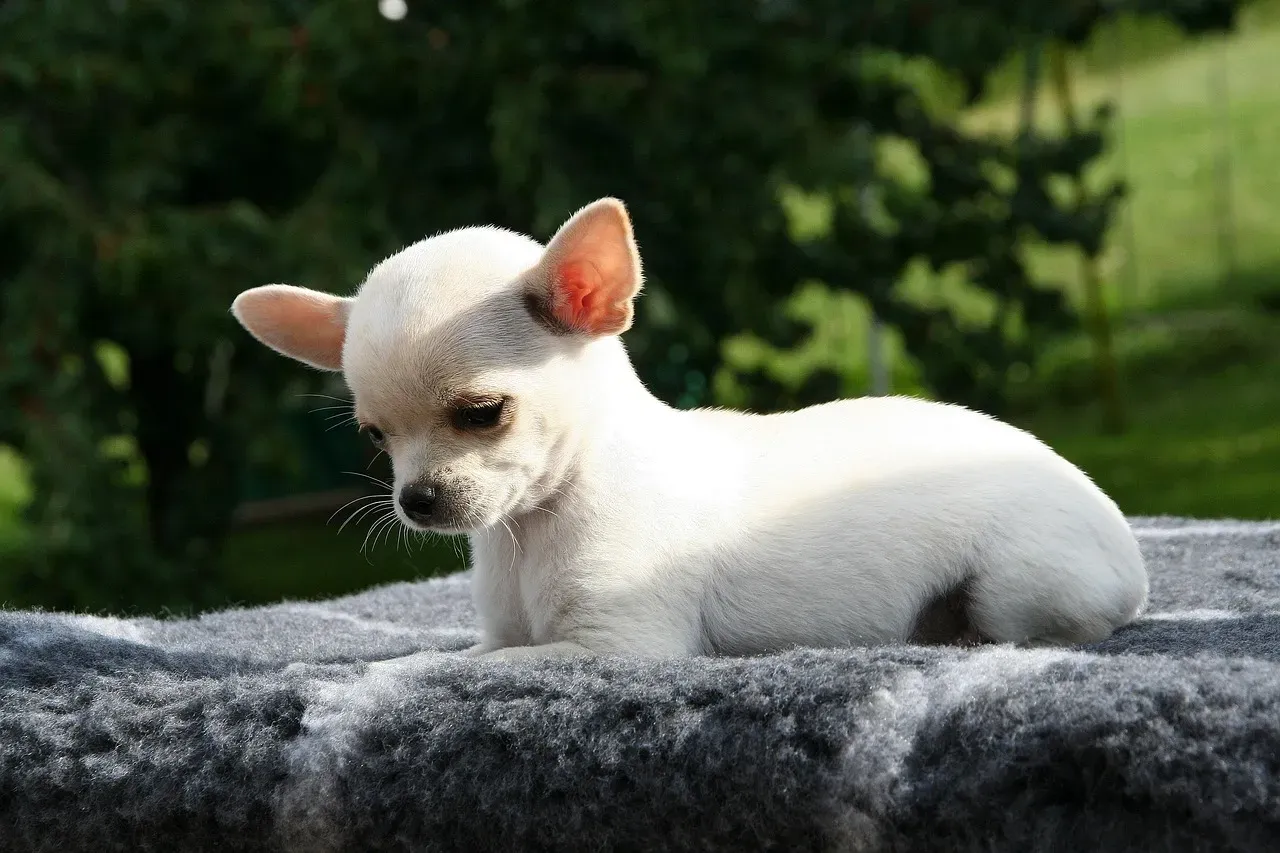
Here’s where things get interesting. That aggressive little dog snapping at strangers? Most aggressive behaviors in Chihuahuas stem from fear rather than inherent meanness, as their diminutive size makes them naturally more vulnerable, which can trigger defensive responses when they feel threatened, often manifesting as barking, growling, or even nipping.
Think about it from their perspective. You’re barely six inches off the ground, surrounded by giants who could accidentally step on you. Because they are small, they react quickly when they feel unsafe or overwhelmed, and what looks like aggression is often fear mixed with loyalty, especially around strangers or new situations. Their bravado is basically a defense mechanism.
Many dog parents may not be aware that fear is a primary cause of aggression in dogs, as they act out when they meet new people or encounter new experiences they aren’t accustomed to. The notorious “mean Chihuahua” often exists because owners dismissed early warning signs, thinking aggressive behavior was cute or harmless in such a small package. A snarling, snapping Chihuahua may be thought of as being cute and the behavior dismissed as not important, but this is a huge mistake.
The irony? We treat our little dogs differently in ways that understandably lead to aggressive behavior, and more than half of the small dog aggression cases are related to how the dog is handled. We pick them up suddenly, startle them during sleep, invade their space constantly. Things we’d never dream of doing to a Labrador, we do repeatedly to Chihuahuas. Their “troublemaker” status is sometimes our own creation.
The Intelligence Factor: Smarter Than They Look
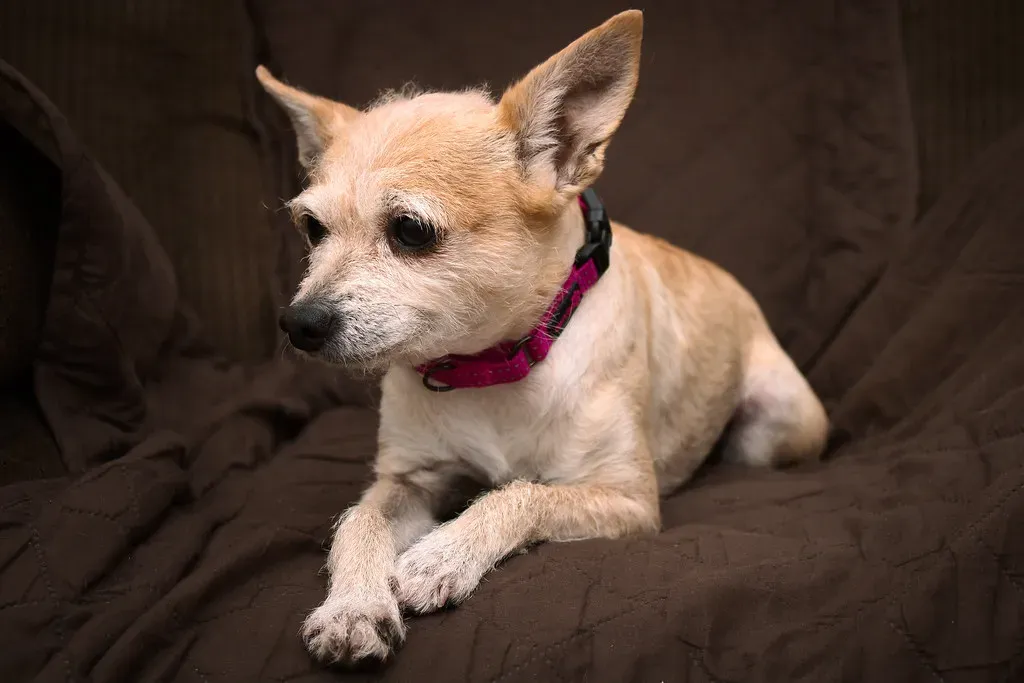
Don’t let the tiny skull fool you. Despite their size and home like nature, which are often traits that tack along with less intelligent breeds, the Chihuahua is quite sharp, quick to learn and process information. These little dogs are surprisingly clever, which can work for or against you depending on your training approach.
Chihuahuas are smart enough to not only learn quickly but to bring the lessons with them and apply them at home. They excel at reading human emotions and body language. This intelligence means they’re entirely capable of learning commands, tricks, and proper behavior. It also means they can manipulate you if you let them.
The Chihuahua is one of the most dignified and fearless dogs of all breeds, however this dignified persona and confidence is often what makes them so hard to train and housebreak, as they can be quite fickle when it comes to obedience. They know what you want them to do. Whether they decide to comply is another matter entirely. Training requires consistency, patience, and understanding that harsh methods backfire spectacularly with this breed.
Health Realities: Small Bodies, Big Concerns
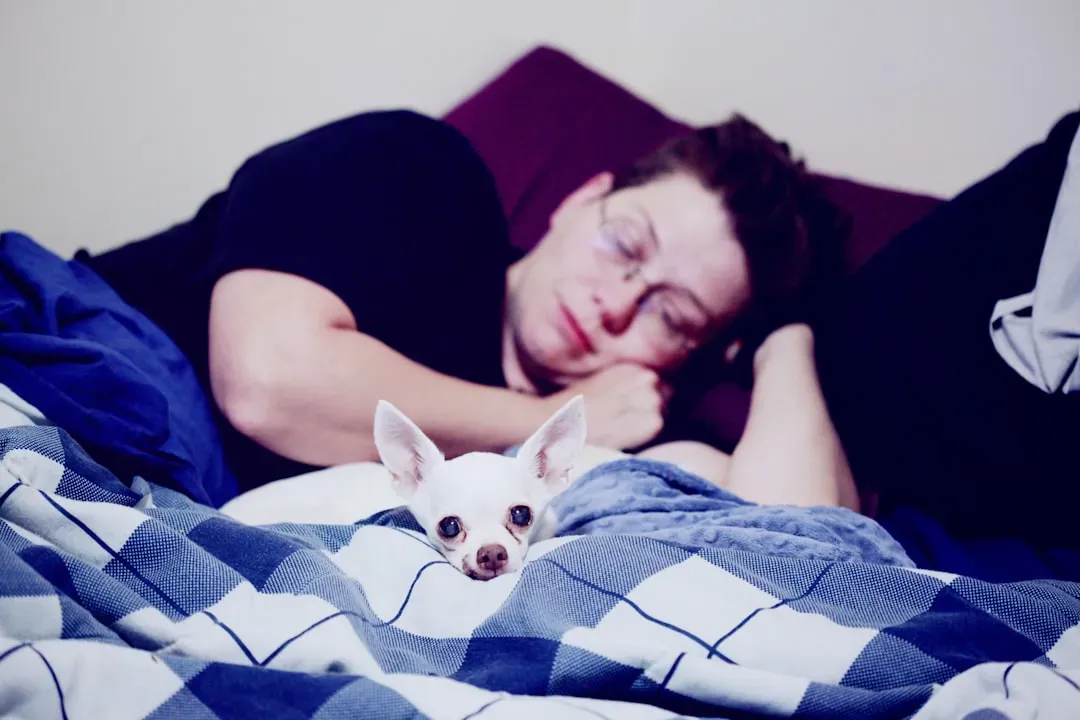
Chihuahuas can live remarkably long lives of 14 to 16 years, yet their longevity is often shadowed by breed specific health challenges. Their tiny frames come with unique vulnerabilities that responsible owners need to understand.
Chihuahuas are especially prone to dental disease due to their small mouths and tightly packed teeth, as crowded teeth can trap food and bacteria, quickly leading to plaque buildup, gum inflammation, and tooth loss, making dental problems one of the most common health issues in this breed. Daily tooth brushing isn’t optional; it’s essential preventive care. A luxating patella, the dislocation of the kneecap, is a hereditary disease that usually starts to present about four months after a puppy is born, and a Chihuahua with this condition may limp or avoid using the affected leg completely, sometimes holding their hind legs in the air for several minutes at a time.
Due to their minuscule size and fast metabolism, Chihuahua puppies especially are vulnerable to drops in blood sugar, with signs including weakness, lethargy, tremors, collapse, and seizures, requiring frequent, nutrient dense feeding and early veterinary care if symptoms appear. Missing even one or two meals can cause dangerous hypoglycemic episodes. If the trachea collapses, your Chihuahua will have trouble breathing and develop a chronic honking cough, and when severe, your dog may have blue gums or faint because they can’t breathe.
Regular vet checkups aren’t paranoia; they’re necessary for catching these issues early when they’re most treatable.
The Socialization Secret: Making or Breaking Your Chi
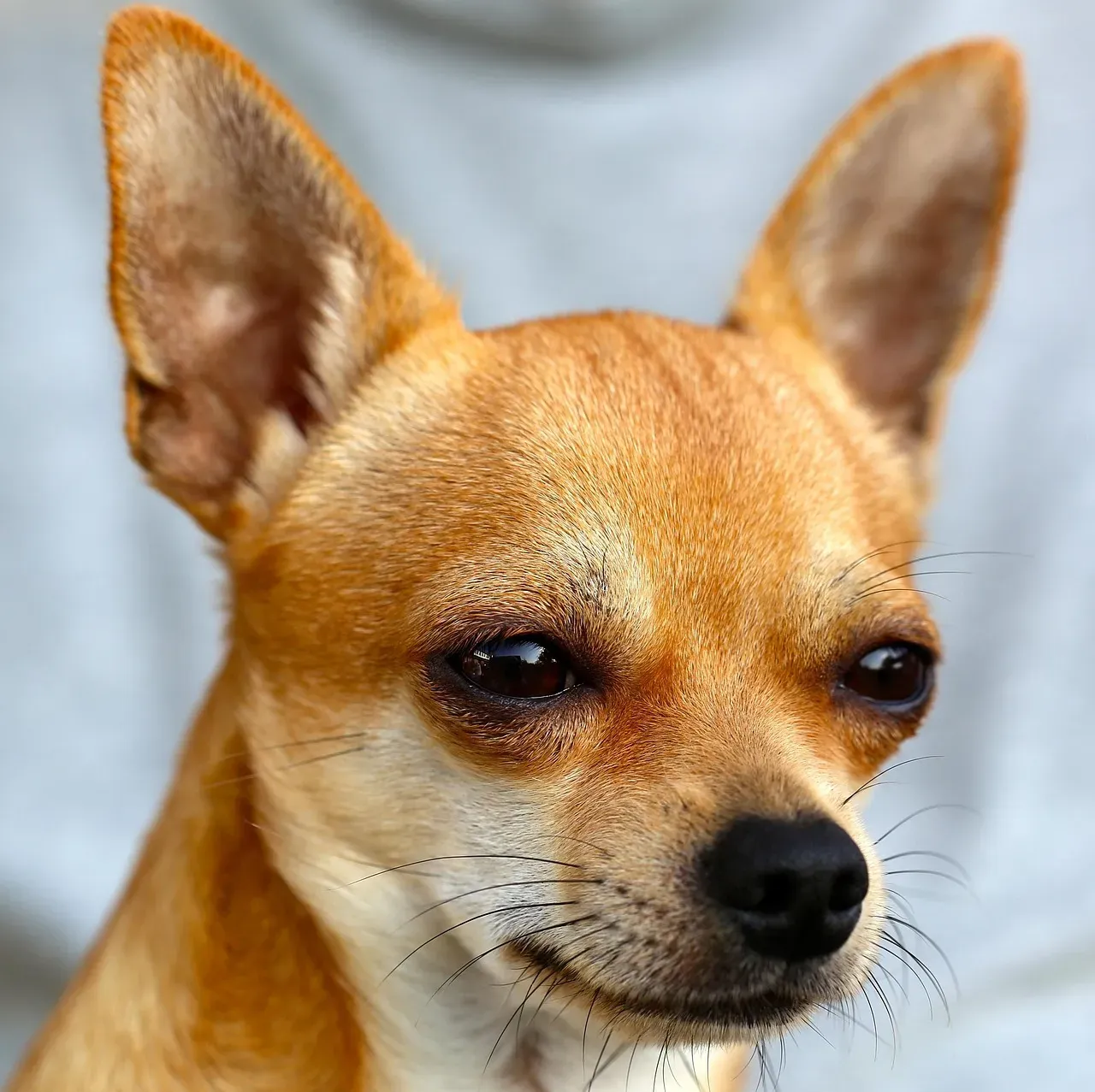
Here’s something crucial that many Chihuahua owners learn too late. Without proper exposure to the outside world, it’s likely that your Chihuahua will become introverted and yappy, the very personality and temperament they’re notorious for. Early and consistent socialization isn’t just recommended; it’s absolutely critical.
Many Chihuahua owners unknowingly contribute to their pet’s aggressive tendencies by not providing adequate early socialization. It’s hard to say for sure, but the sweet, confident Chihuahua and the reactive, anxious one often differ primarily in their early life experiences. Puppy classes are a must, and while these dogs are tiny to the point that their bad behavior is less impactful than a much larger canine, their sassiness can often challenge their owners, making puppy classes essential to enforce obedience and further socialization as they’re introduced to other canines learning the same lessons.
Proper socialization means exposing your Chihuahua to different people, places, sounds, and experiences while they’re young. Proper socialization is critical for Chihuahuas to learn to behave around people and other dogs, letting them experience floor level walks and controlled introductions to varied social situations while ensuring exposure is positive and safe, avoiding carrying the dog constantly which may contribute to fear and aggression towards larger dogs and unfamiliar people.
The difference between a well socialized Chi and one raised in isolation is staggering. One becomes a confident, adaptable companion. The other becomes the stereotype everyone dreads.
Conclusion: Companions, Not Troublemakers (With the Right Approach)
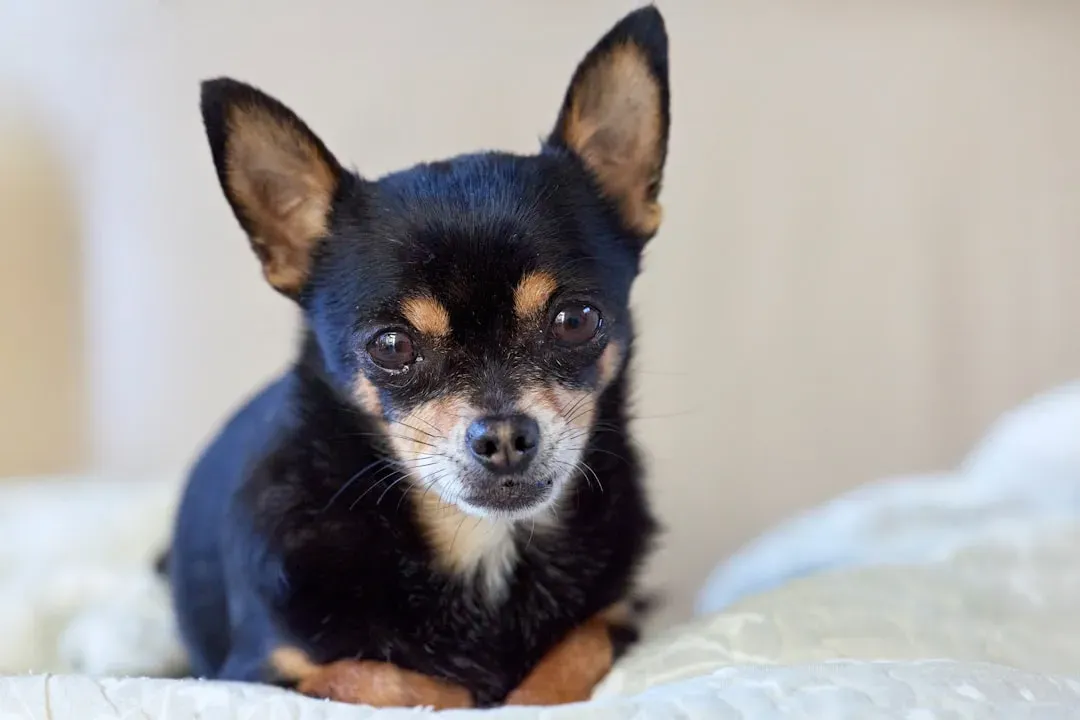
So here’s the verdict after peeling back all the layers. Chihuahuas aren’t inherently troublemakers. They’re intensely loyal, surprisingly intelligent, undeniably brave little dogs who need owners willing to understand their unique psychology. Their reputation as yappy, aggressive handbag accessories largely stems from mishandling, poor socialization, and owners who treated them like living stuffed animals rather than actual dogs with real needs.
These little dogs are loving, loyal, compassionate, quirky at times, and can be quite playful if given the opportunity. Their devotion to their people is genuine and profound. The “trouble” typically emerges when fear, lack of training, or inadequate socialization creates behavioral problems that could have been prevented.
Honestly, Chihuahuas are whatever you help them become. Treat them with respect, train them consistently, socialize them properly, and address their health needs, and you’ll have one of the most devoted companions imaginable. Spoil them rotten, skip training because they’re small, and fail to socialize them, and you’ll reinforce every negative stereotype. The choice, and the responsibility, lies entirely with us.
What’s your experience been with Chihuahuas? Have they surprised you with their loyalty, or have you encountered the troublemaker side? Share your thoughts in the comments below!