
10 Dog Breeds That Require Extreme Consistency to Potty Train
Honestly, there’s something magical about bringing home a new dog. The excitement, the wagging tail, those big soulful eyes looking up at you. You’ve got everything ready, from the cozy bed to the perfect food bowls.
Then reality hits. You discover that adorable furball has absolutely no interest in learning where to do their business, and suddenly you’re mopping up accidents three times a day while wondering if you’ll ever have clean carpets again. If you’re going through this right now, take a deep breath. You’re not alone in this journey.
Some breeds simply need more patience and dedication when it comes to housebreaking. It’s not that they’re less intelligent or deliberately difficult. They just have personality traits, physical characteristics, or stubborn streaks that make the potty training process take longer. Let’s dive in.
Dachshunds: The Stubborn Little Sausage
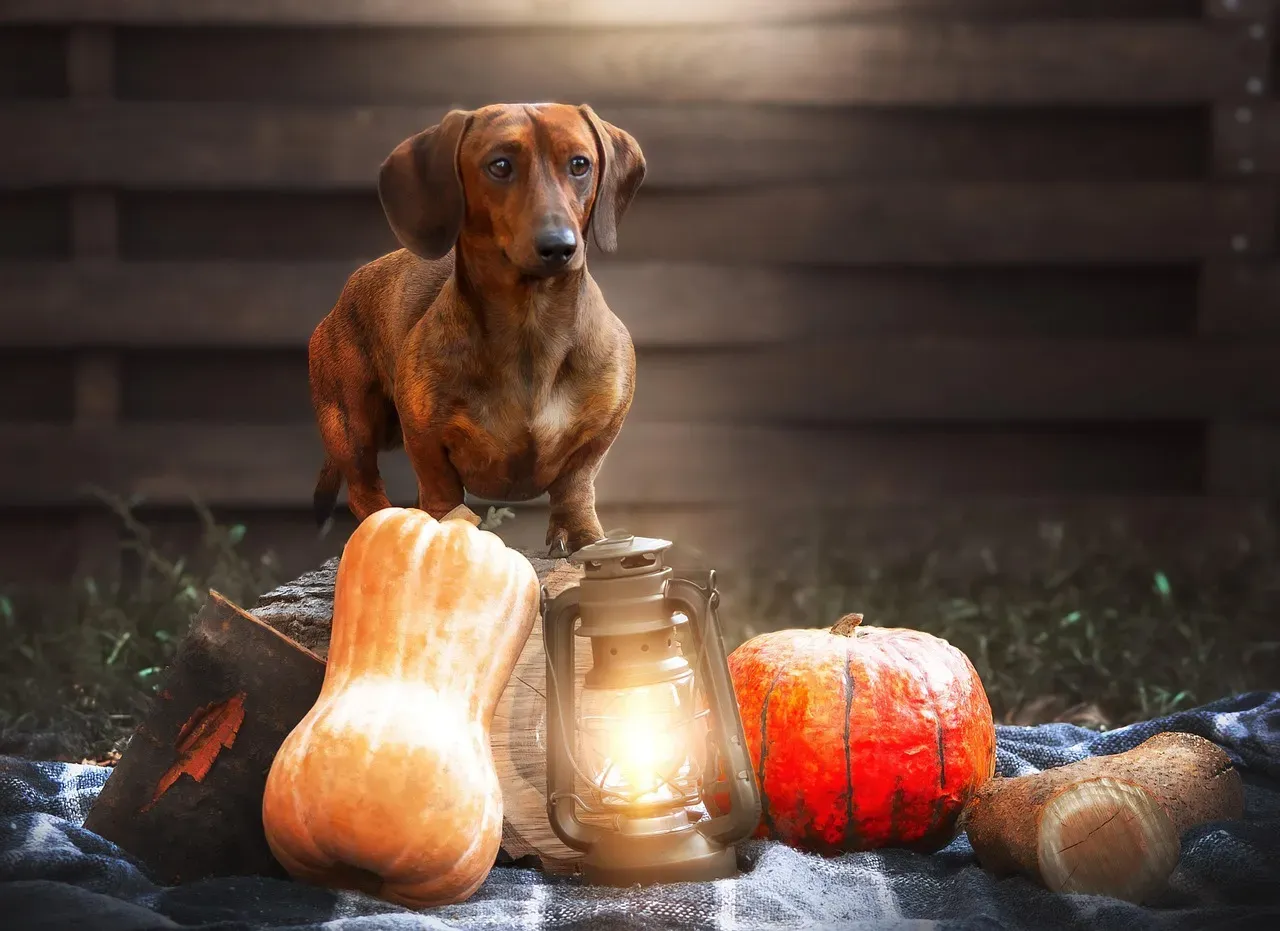
Dachshunds are often ranked the hardest breed to potty train, closely followed by Jack Russell Terriers and Basset Hounds. These low-riding pups pack a massive attitude into a tiny package. They’re clever enough to learn what you want, but whether they’ll actually comply is another story entirely.
Dachsies can be defensive when pushed, and they need plenty of convincing to go outside when it’s wet or cold. Picture this scenario: It’s raining outside, and your dachshund looks at you like you’ve lost your mind for suggesting they step one paw into that damp grass. They’d much rather find a cozy corner inside to handle their business.
The key with these determined little dogs is creating an unshakeable routine. Take them out at the exact same times every single day. Reward successes immediately and clean accidents thoroughly with enzymatic cleaners to remove all scent traces.
Crate training is recommended since they can be difficult to potty train, and dachshunds aren’t usually fans of cold weather.
Shih Tzus: The Charming Manipulators
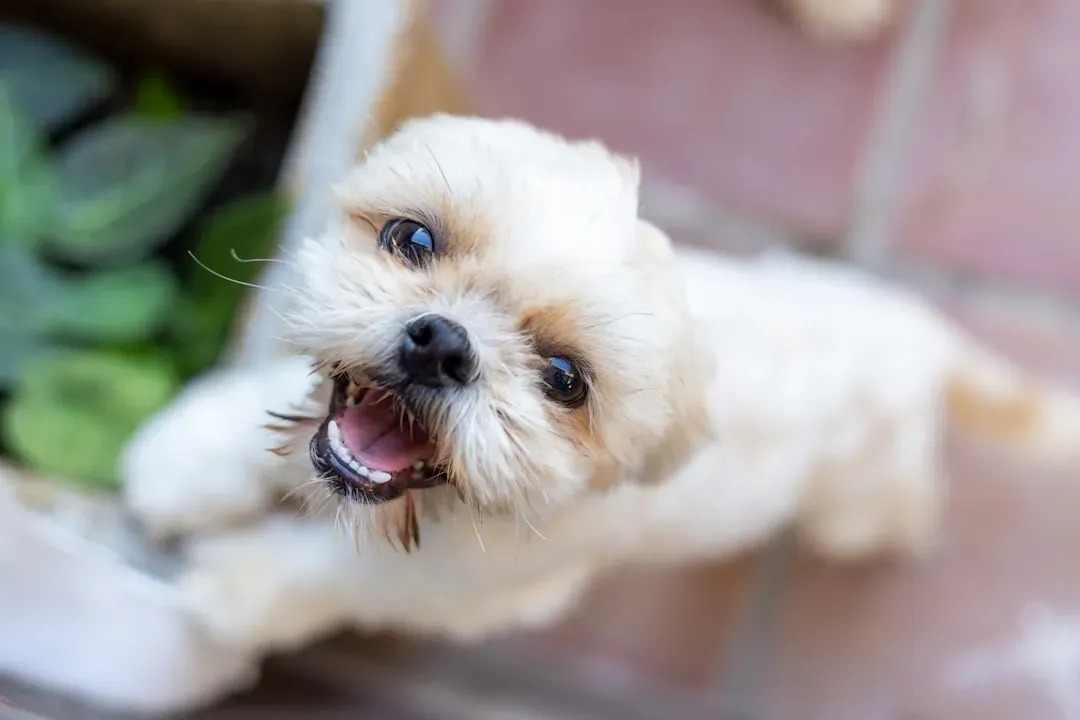
Let’s be real, Shih Tzus have mastered the art of wrapping their owners around their tiny paws. The breed tends to charm his owner into letting him have his own way, which can result in a less-than-completely-housebroken pet. They’re adorable and they absolutely know it.
Taking the number one spot on one veterinarian’s list of difficult dogs to potty train is the beloved toy breed, the Shih Tzu, with their reaction to potty training being essentially “NO.” These pups take their sweet time maturing mentally, which means you’re dealing with puppyish behavior for years, not months. Their small bladders compound the issue since they genuinely can’t hold it as long as larger dogs.
What works best is ignoring those pleading eyes when they’ve had an accident and focusing solely on positive reinforcement when they get it right. Consistency here means never giving in to their charm offensive.
Jack Russell Terriers: The High-Energy Rebels
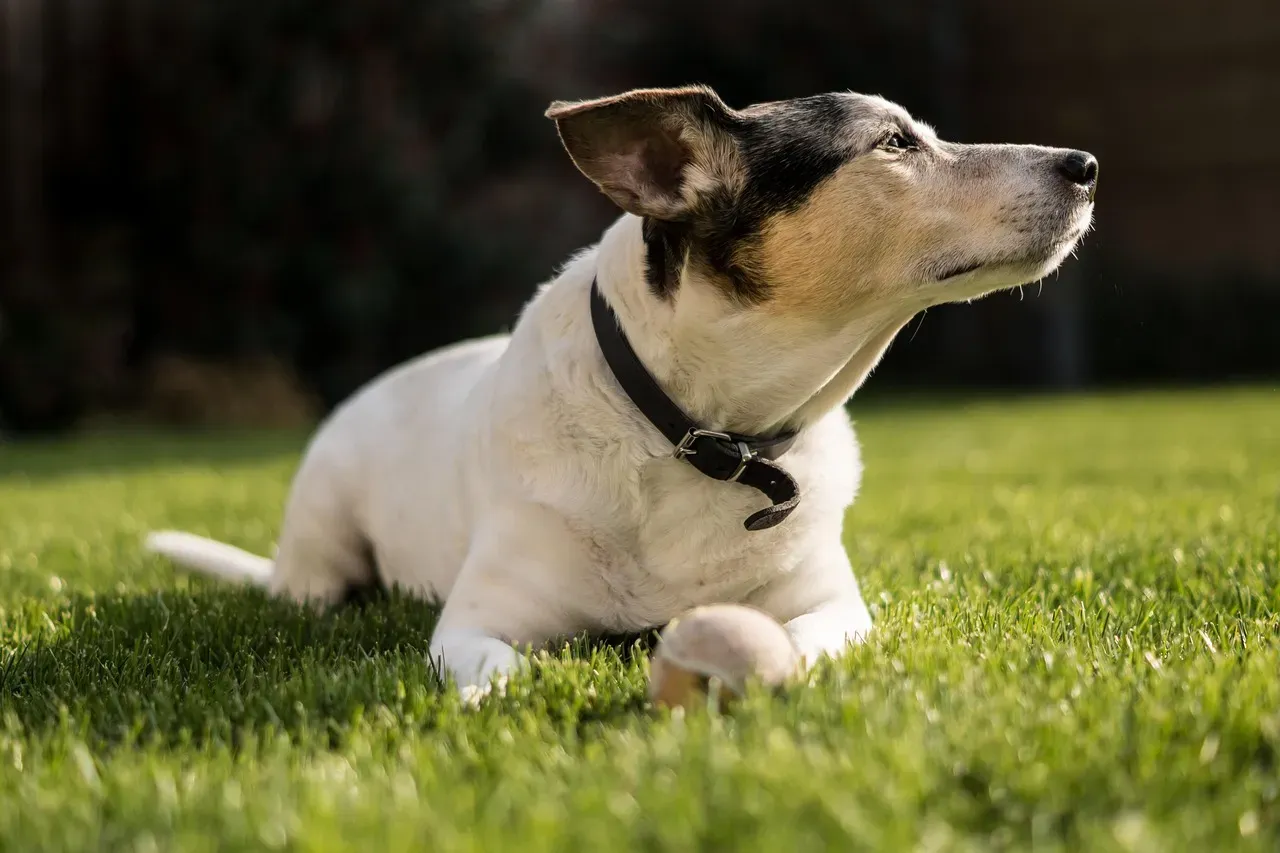
Of all of the terrier breeds, the Jack Russell is hands down the most difficult to housetrain. These little dynamos have energy for days and the stubbornness to match. They’re whip-smart, which sounds like it should make training easier, right? Wrong.
Their intelligence means they get bored quickly and distracted even faster. Jack Russell terriers are known to be a challenging breed, and these pups are little balls of energy that can be difficult to potty train. They might understand perfectly well that they’re supposed to go outside, but if something more interesting is happening, that rug near the door suddenly looks like a fine alternative.
These terriers need tons of physical exercise before training sessions. A tired Jack Russell is a slightly more cooperative Jack Russell. Keep training sessions short, upbeat, and loaded with high-value treats.
You’ll need nerves of steel and patience that seems endless. Supervise them constantly during the early months, because even a moment’s inattention can result in an accident.
Bichon Frises: The Fluffy Independent Spirits
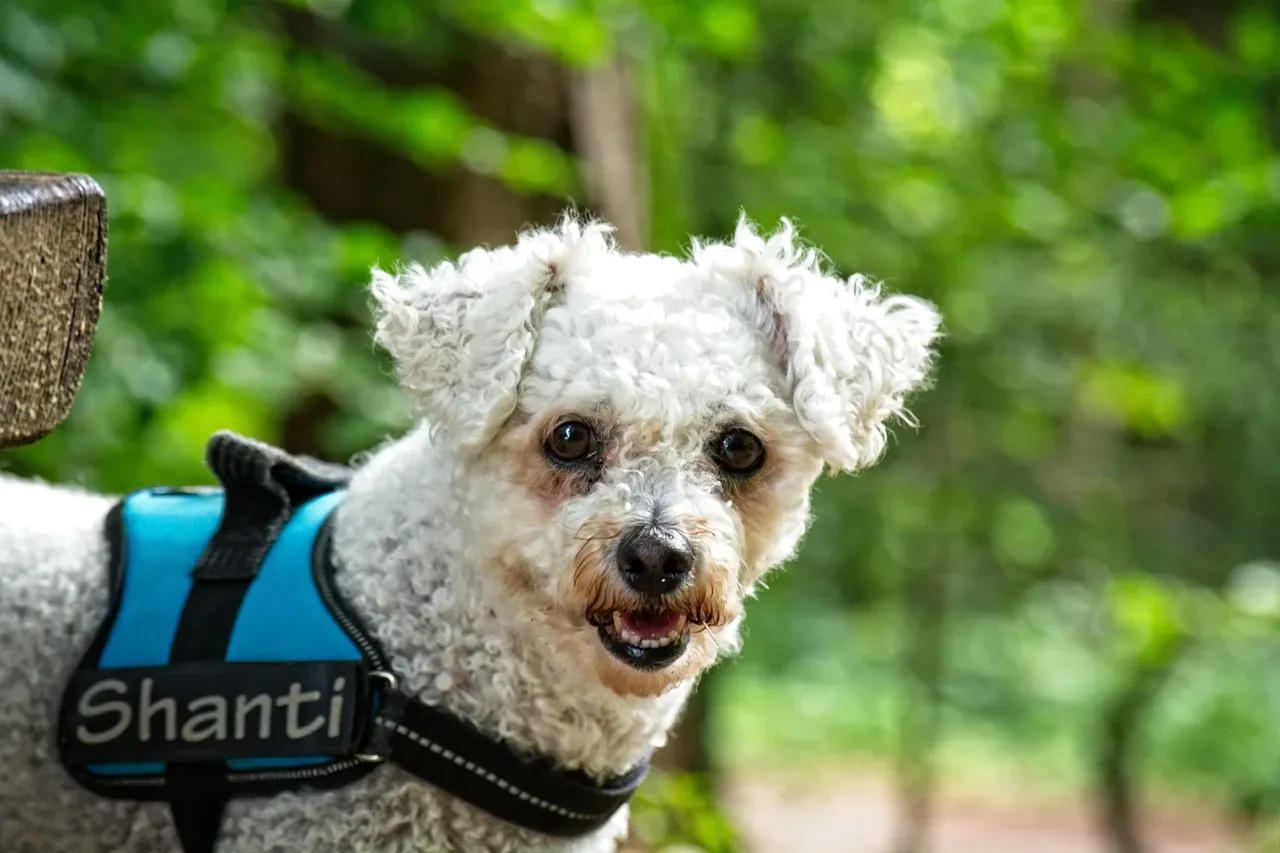
Those cotton-ball coats and cheerful personalities disguise a surprisingly independent nature. Bichon Frises have a reputation for being difficult to housebreak, and the breed is fiercely independent and tends to be picky about going outside when it’s rainy or cold out.
Bichon Frises are playful yet independent and sassy, which makes them tricky to train, and consistency and patience are essential to keep them from messing up your floors. They might sneak off to a quiet corner if you’re not watching carefully. Their small size makes those puddles easy to miss until you accidentally step in one.
Weather matters tremendously with this breed. They detest getting their beautiful coats wet or dirty. Having an indoor backup option like puppy pads for truly miserable weather days can save your sanity.
Crate training combined with extremely frequent outdoor trips is your best strategy. Celebrate every single success like they’ve just won an Olympic medal.
Beagles: The Nose-Driven Wanderers
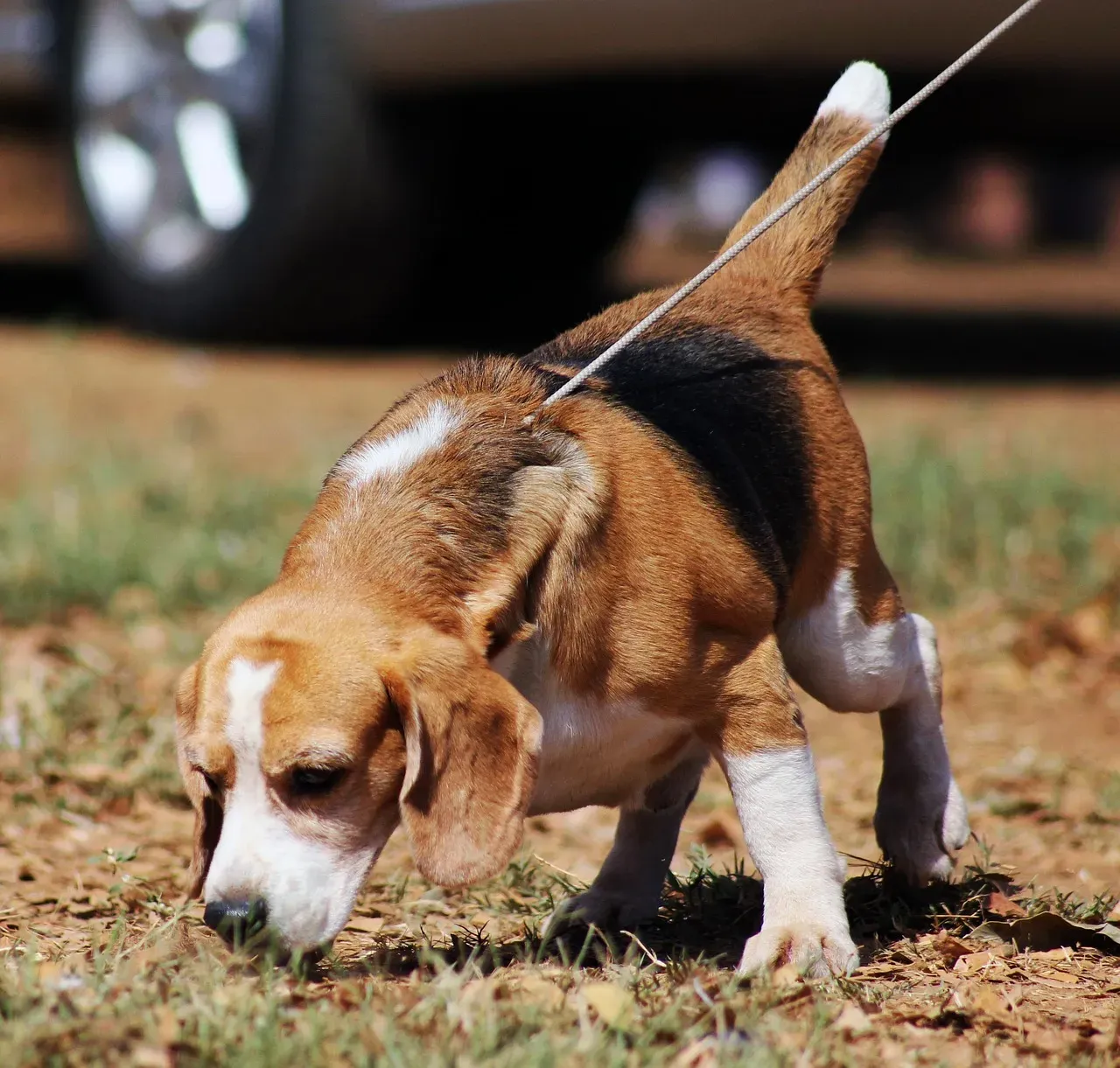
Beagle puppies are affectionate and playful but notorious for being easily distracted and having a short attention span, and they may take longer to associate toileting behaviors with the right command. Their noses rule their entire world. When a beagle catches an interesting scent, absolutely everything else ceases to exist, including the fact that they were supposed to be pottying.
You take them outside specifically to do their business, and instead they spend twenty minutes tracking the path of a squirrel from three days ago. Then the moment you bring them back inside, frustrated and exhausted, they squat right in front of you.
They tend to be excitable dogs with a short attention span that tend to get easily distracted and have a rather selective memory. Honestly, it’s maddening. The solution involves taking them to the exact same spot every single time, on a leash, and waiting patiently until they accomplish the task at hand before allowing any sniffing adventures.
High-value treats delivered immediately upon success help cement the connection between location, action, and reward.
Afghan Hounds: The Elegant Daydreamers
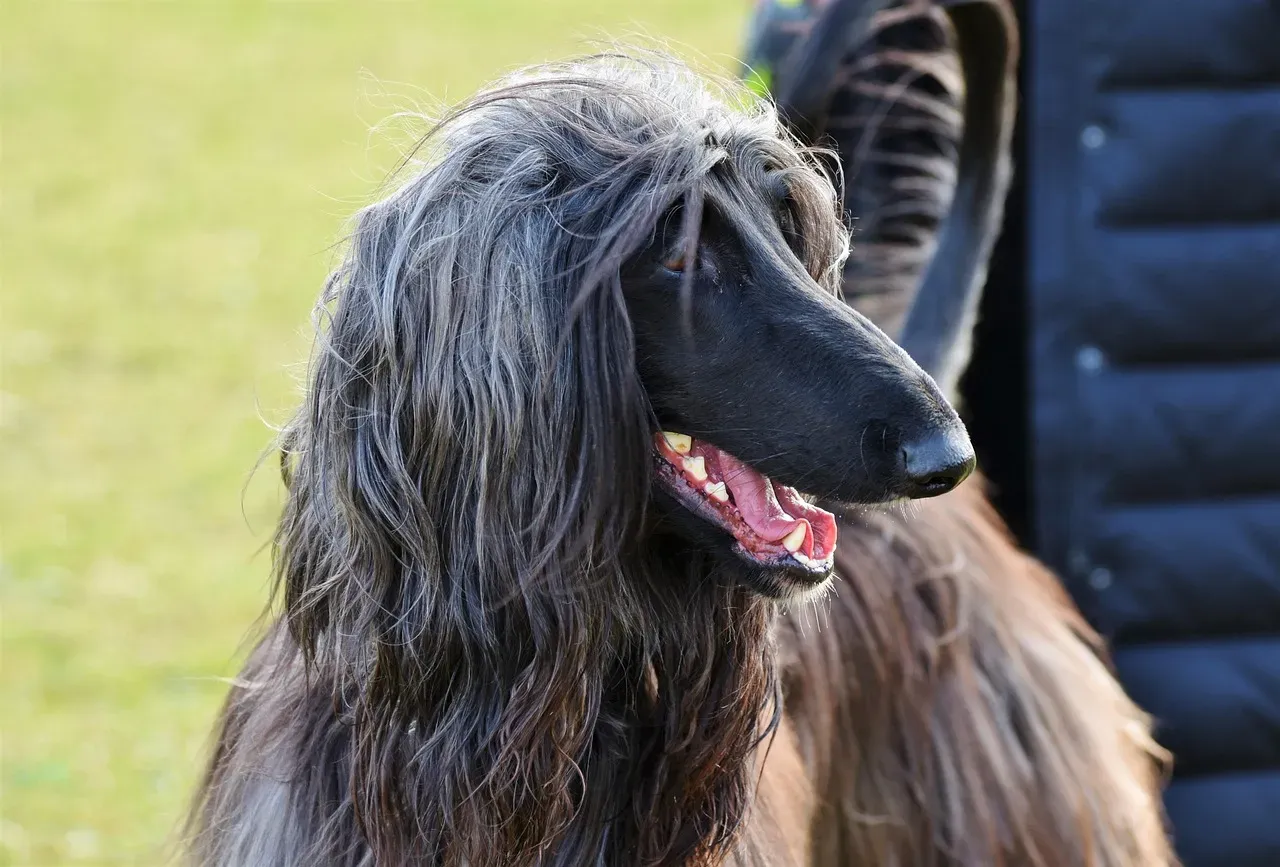
Afghan Hound puppies are ranked last in canine intelligence traits, often described as lofty daydreamers, and they might be slower mastering house training compared to other breeds. These gorgeous dogs with their flowing coats seem to exist on another plane entirely. They’re independent to their core and march to the beat of their own drummer.
Afghan hounds have the independent personality of a cat and tend to do what they want, when they want, possibly ignoring your prompts and commands. Traditional training methods that work beautifully with eager-to-please breeds like Labs often fall completely flat with Afghans.
They require an owner who can read subtle body language cues and maintain calm persistence without ever becoming harsh or frustrated. These sensitive and independent dogs don’t respond well to intimidation and may shy away from firm commands, but they thrive on positive reinforcement and rewards.
Patience becomes absolutely critical. Progress might be glacially slow, but eventually, with gentle consistency, they’ll get there.
Pomeranians: The Big Personalities in Tiny Bodies
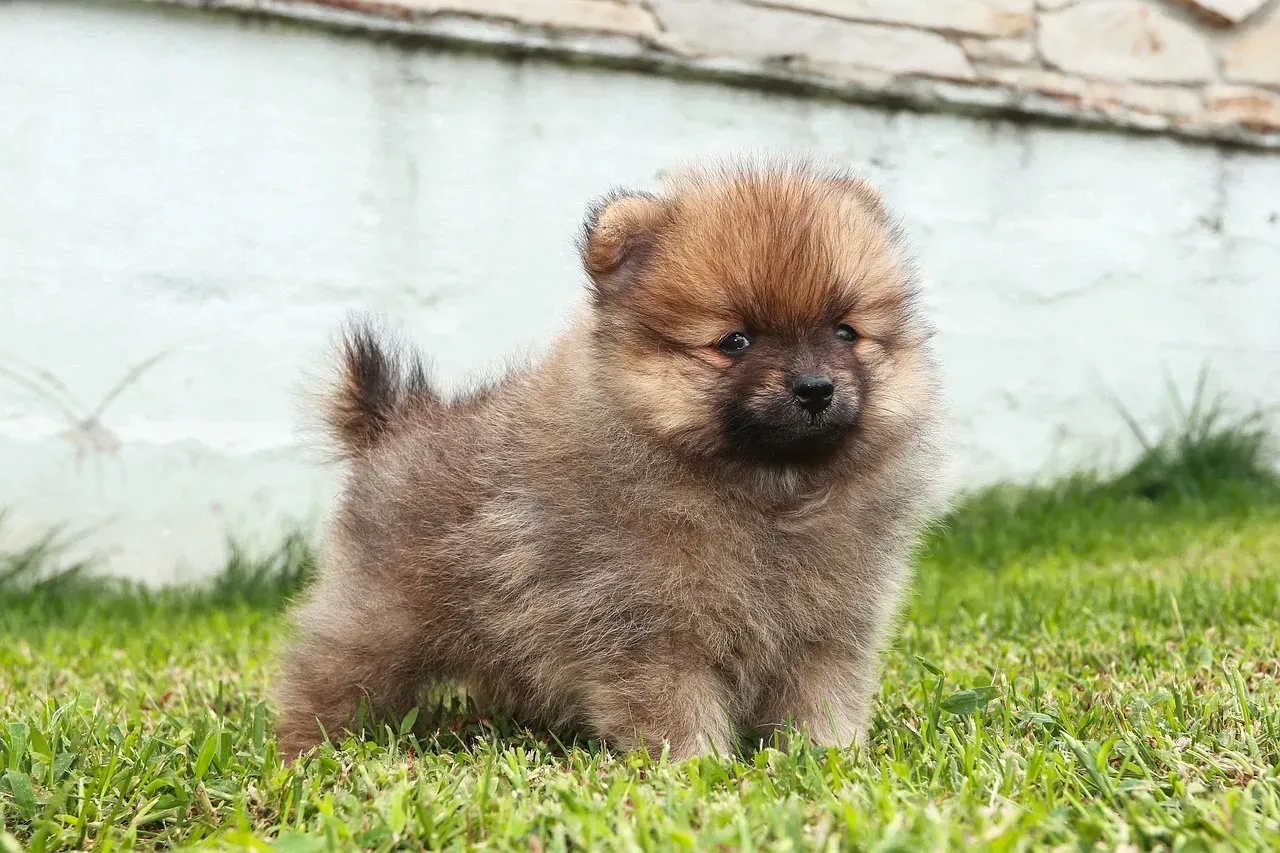
Pomeranians love pleasing their owners, but their personalities can make them hard to train, especially when combined with extra small bladders that can’t hold it for long. These little fluffballs are full of confidence and sass. They’re also easily distracted by, well, everything.
Their tiny bladders mean they physically need to go more frequently than larger breeds. Pomeranians are enthusiastic but distractible, which can impede consistent progress. You might take them out every hour and still have accidents because they simply can’t hold it any longer than that.
The combination of their lively, sometimes stubborn personality and legitimate physical limitations creates the perfect storm for potty training challenges. Frequent trips outside are non-negotiable. Set phone alarms if you need to, because missing even one scheduled break can result in an accident.
Short, positive training sessions work best. Keep the energy upbeat and the treats flowing when they succeed.
Yorkshire Terriers: The Weather-Sensitive Divas
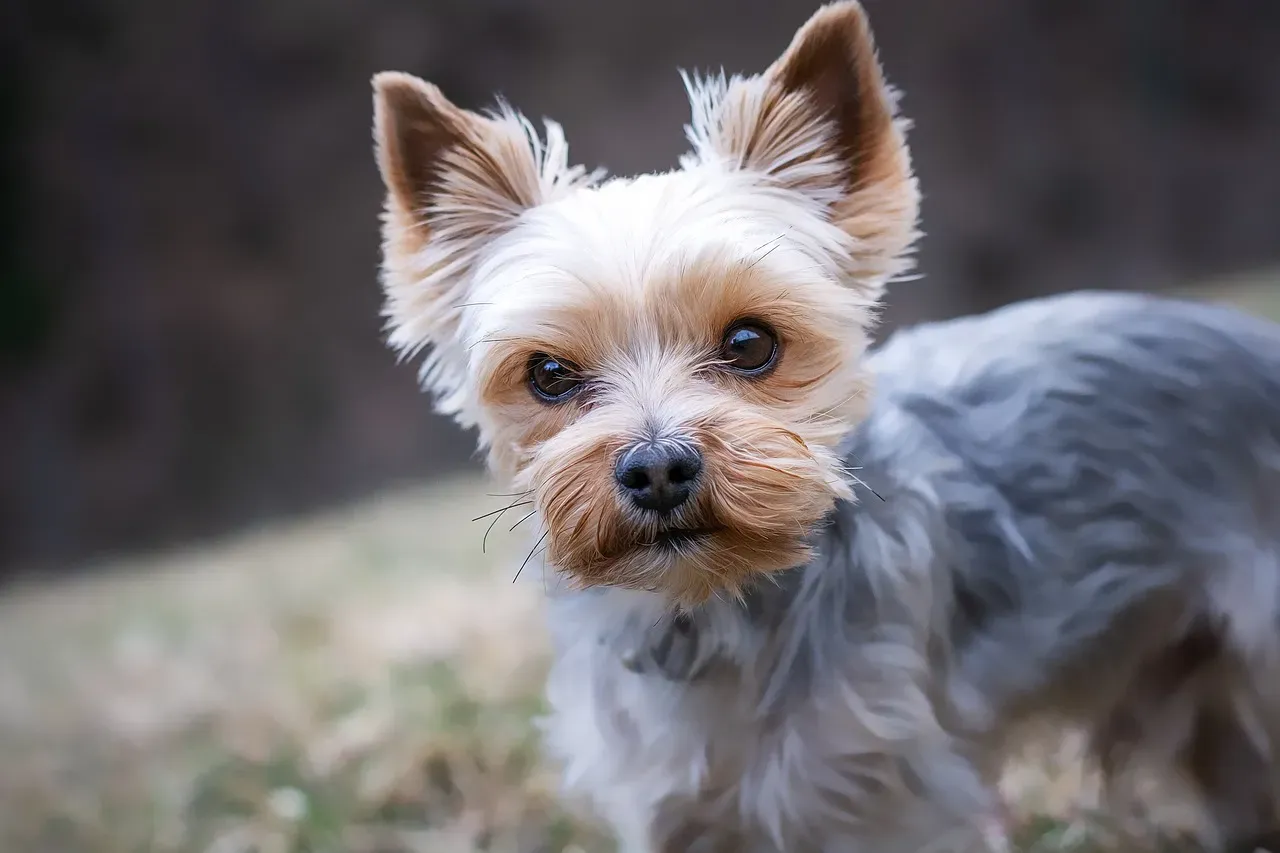
Yorkshire terriers can be tough to potty train, and they are especially difficult to convince to go outside to do their business when it’s wet or cold out. These tiny terriers have definite opinions about comfort, and anything less than perfect weather conditions is simply unacceptable.
Yorkies are intelligent and capable of learning quickly, but their stubborn streak rivals breeds three times their size. They look at you with those big eyes as if you’re being completely unreasonable by expecting them to step into cold rain or snow.
Yorkshire Terriers, another small breed with frequent needs, often require patient, consistent training methods. Their small bladders mean they need frequent breaks, but their diva attitudes mean they’ll refuse to cooperate if conditions aren’t to their liking. Indoor potty solutions become almost necessary during extreme weather.
Crate training helps, as does having a covered outdoor area if possible. Patience and consistency remain your most valuable tools.
Basset Hounds: The Stubborn Sniffers
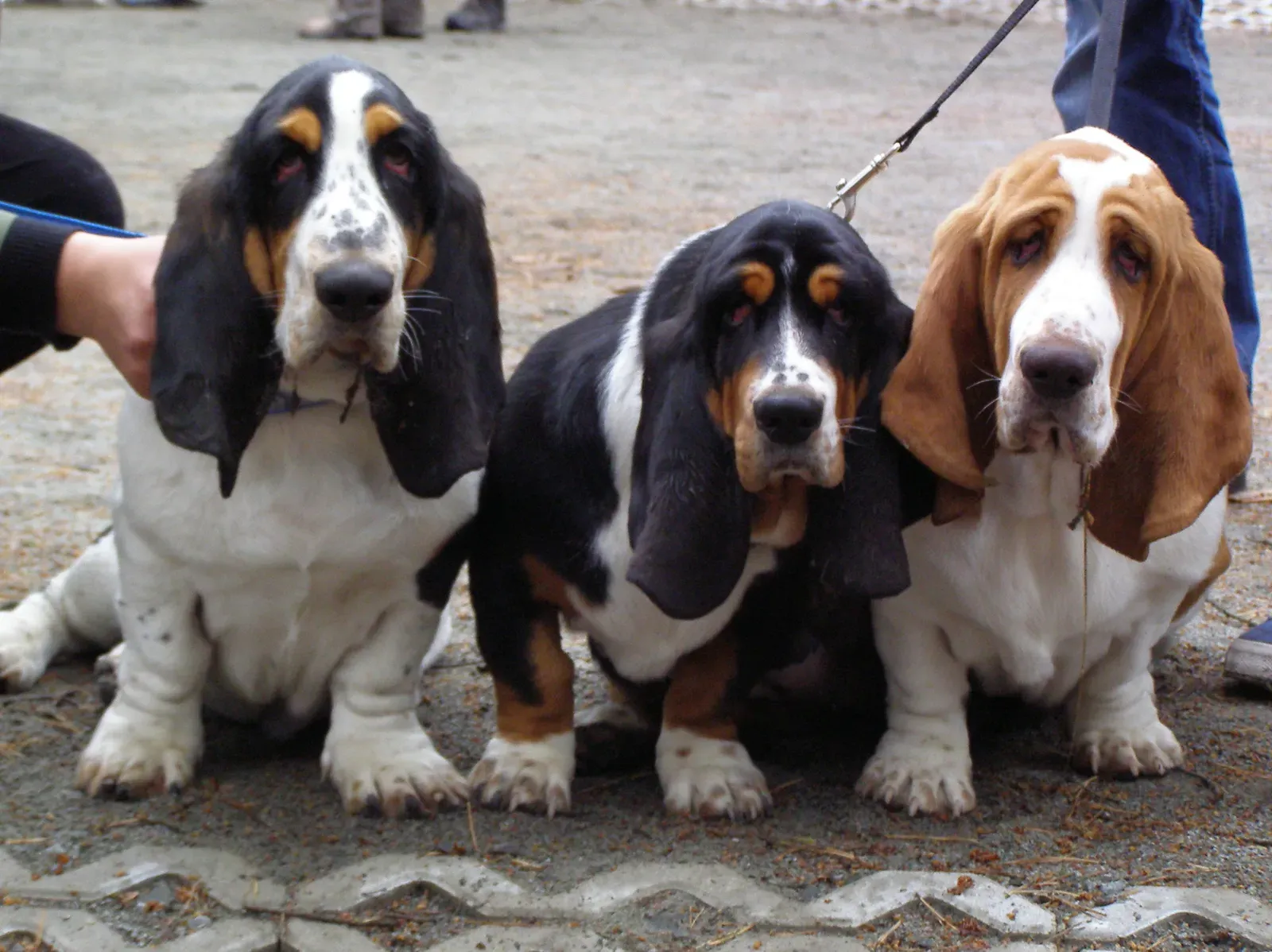
Basset hounds are famous for their easygoing demeanor, but they’re slow learners and one of the most difficult breeds to housebreak, and these sniffer dogs get easily distracted by scents. Those droopy ears and sad eyes are absolutely adorable, but don’t let them fool you into thinking these dogs are pushovers.
Bassets move at their own leisurely pace through life. Rushing them accomplishes absolutely nothing. Their powerful noses pick up every scent in the neighborhood, and once they lock onto something interesting, getting their attention back requires serious effort.
Basset Hounds are reputedly tricky to potty train, and like many scent hounds they can find it difficult to maintain focus, though a consistent, patient approach eventually works. You need the patience of a saint and the consistency of a metronome. Every single trip outside should be on leash to prevent wandering, and you’ll need to wait them out until they finish their business.
Food motivation works wonders with this breed. Figure out what treat makes their eyes light up and reserve it exclusively for potty training success.
Pugs: The Adorably Lazy Contrarians
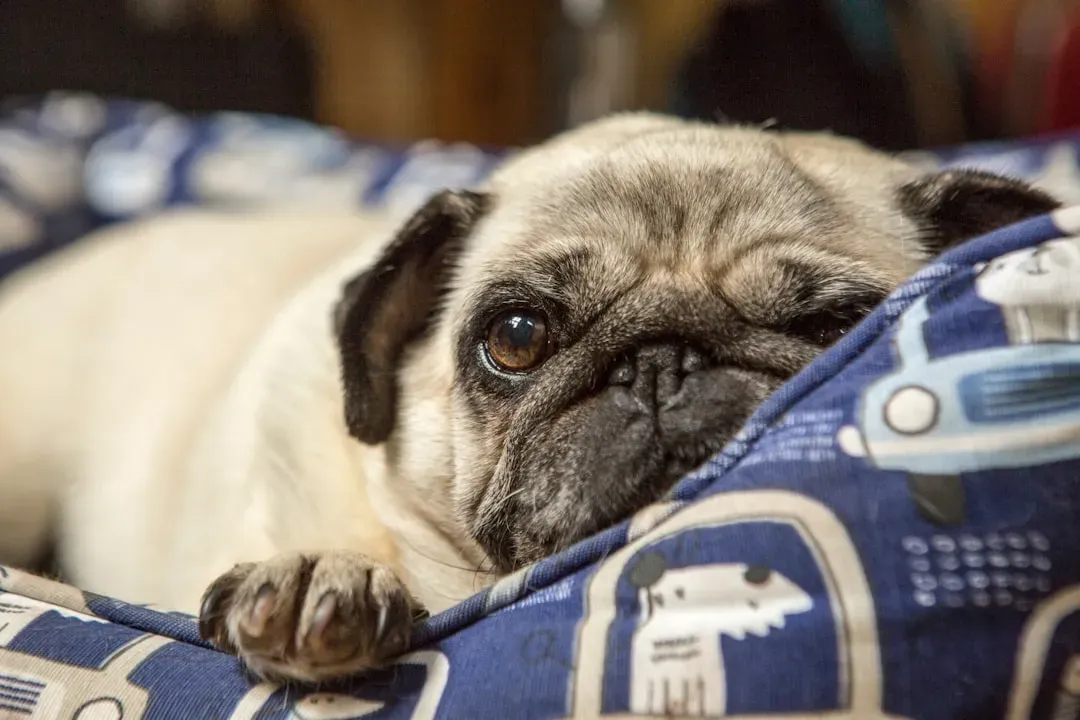
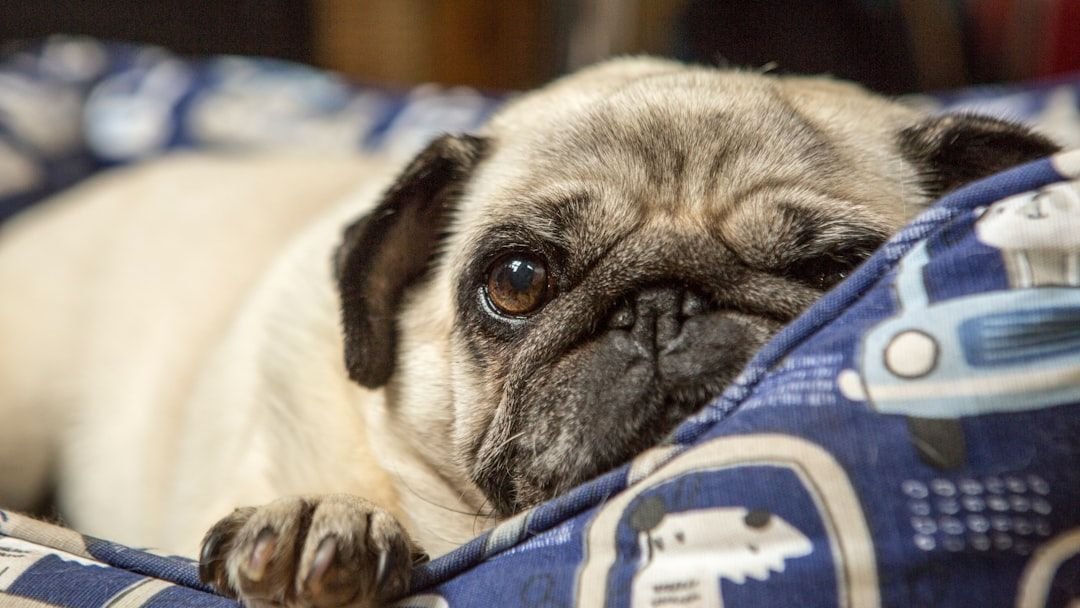
Everyone loves a Pug’s goofy personality, but their stubborn streak can make potty training tricky. These wrinkly-faced charmers would much rather be napping on the couch than dealing with the inconvenience of going outside. They’re masters at playing innocent after accidents, tilting their heads like they have absolutely no idea how that puddle got there.
Even though they’ve mastered the perfect head tilt, pugs haven’t mastered potty training, and they’re especially stubborn when going to the bathroom, especially when it’s not nice outside. Cold weather, rain, or even just a slight breeze becomes an acceptable excuse in their minds to skip the outdoor trip entirely.
Their brachycephalic faces mean they’re sensitive to temperature extremes, which does genuinely affect their willingness to go outside in harsh conditions. Keep training sessions fun and pressure-free. Pugs respond poorly to stress or harsh corrections.
Stick to consistent potty breaks and use indoor pads as a backup for bad weather.
Conclusion: The Light at the End of the Tunnel
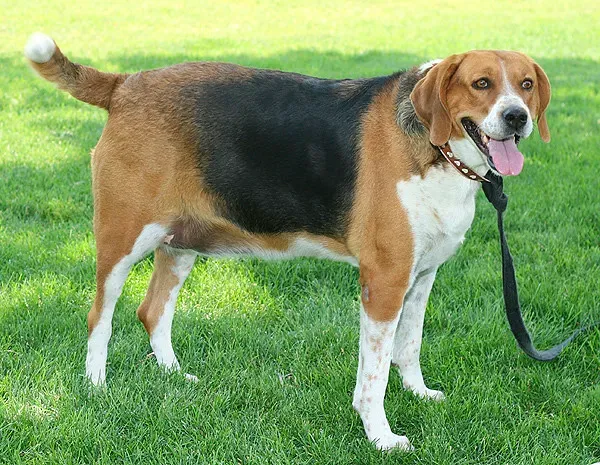
Here’s the thing about these challenging breeds. They’re not trying to drive you crazy, even though it absolutely feels that way at three in the morning when you’re cleaning up yet another accident. Their stubbornness, independence, or physical limitations simply mean they need more time, patience, and consistency than other breeds.
Most dogs take 4-6 months to be fully house trained, but stubborn or small breeds may need 6-12 months of consistency. That timeline might feel overwhelming right now, but eventually, something clicks. One day you’ll realize it’s been a week without accidents, then two weeks, then a month. Progress happens slowly, then all at once.
Every single one of these breeds can become reliably housetrained with the right approach. The magic formula involves unshakeable consistency, endless patience, immediate positive reinforcement, and accepting that setbacks are part of the process, not proof of failure. Keep showing up, keep being consistent, and trust that your persistent efforts will pay off.
What’s your experience been with potty training challenging breeds? Did any strategies work particularly well for you?