
12 Surprising Reasons Why Your Cat Ignores You (and What to Do)
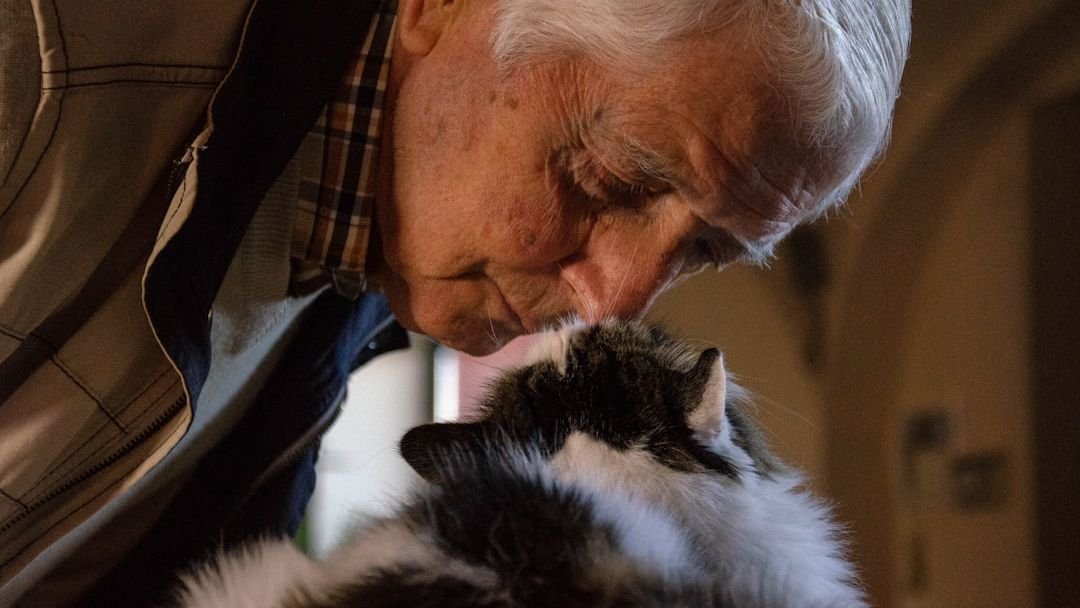
You’ve called your cat’s name a dozen times. They’re sitting right there, maybe lounging by the window or sprawled across the couch. You can see their ears twitch slightly, so you know they heard you. Yet they don’t even glance your way. Not a single acknowledgment of your existence.
Sound familiar? Honestly, it’s one of the most frustrating parts of being a cat parent. You’d never expect your dog to pull this kind of stunt, right? Cats, though, they’re built different. The thing is, there’s usually a legitimate reason behind that cold shoulder treatment. Sometimes it’s behavioral, other times it’s medical, and occasionally it’s just their quirky feline nature showing through. Let’s dive into the surprising explanations for why your beloved fluffball might be giving you the silent treatment.
1. They’re Simply Asserting Their Independence
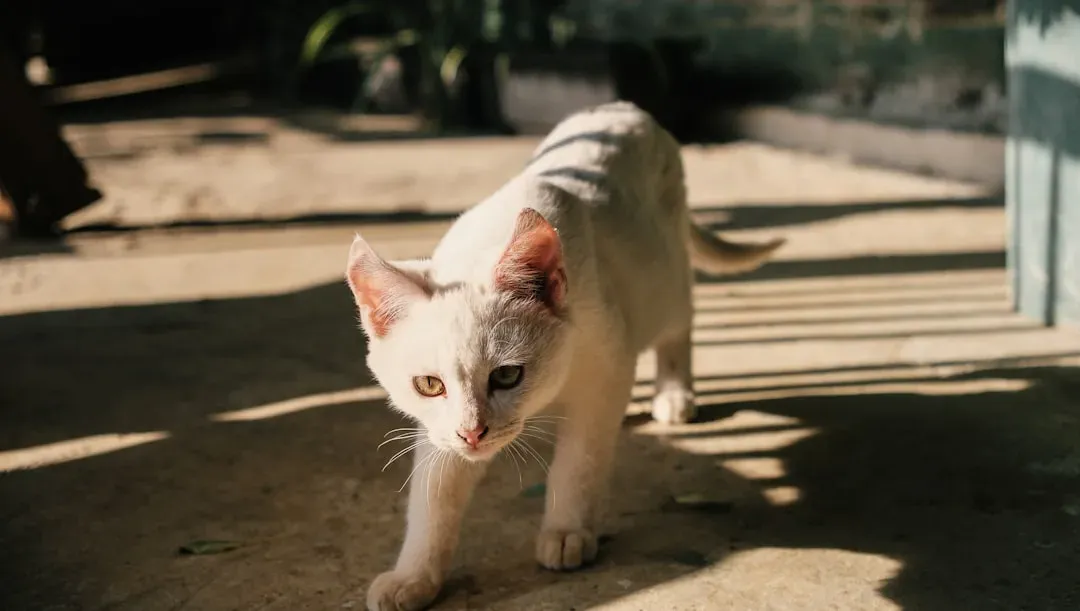
Let’s be real, cats aren’t dogs. Their ancestors were often solitary hunters, and many cats retain this independent streak, which is partly influenced by how they were socialized as kittens and partly by their genetic makeup. Think of it like this: your cat loves you, but they don’t need constant validation the way some pets do.
Cats are solitary hunters and often prefer to spend time alone, and this independence can sometimes be misinterpreted as ignoring their owners. It’s not personal spite or revenge. They’re just wired to value their autonomy. When you’re calling them and they don’t respond, they might genuinely need some solo time before they’re ready to interact again.
This behavior becomes especially noticeable when your cat has had a busy day of napping in various sunny spots around the house. They’ve got their own schedule, their own priorities. You can respect this by giving them space when they seem disinterested. Forcing interaction usually backfires and makes them even less inclined to engage with you later.
The best approach? Let them come to you on their terms. Create an environment where they feel comfortable initiating contact, rather than always being the one to pursue them. This actually strengthens your bond over time.
2. You’re Overstimulating Them With Too Much Attention
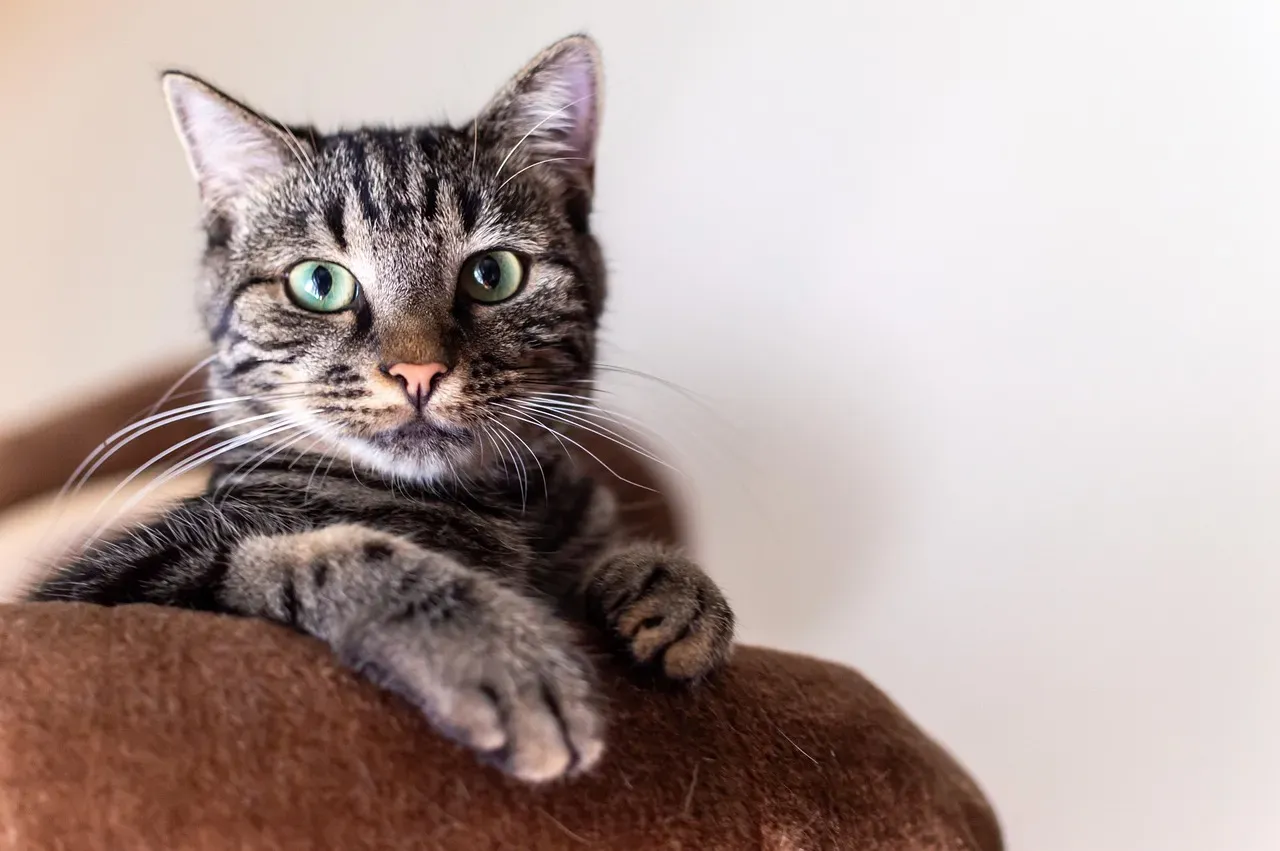
Here’s something most people don’t realize: cats can become overstimulated when they’re overwhelmed by some external factor, such as excessive petting. It’s like sensory overload for them. What starts as enjoyable petting can quickly become uncomfortable, even painful for some cats.
Overstimulation is caused by a painful nerve reaction, stress or built-up frustration, and it has nothing to do with a cat’s temperament but an actual physiological response to touch where their nervous system goes into overdrive. This explains why your cat might approach you for affection, then suddenly bite or swat when you give them what they asked for.
Watch for the warning signs. Often the first sign is subtle and quick, like a small ripple or twitch in their skin. Their tail might start flicking rapidly, their ears might flatten, or their pupils might suddenly dilate. These are all signals that they’ve had enough.
When you notice these cues, immediately stop the interaction. Give your cat space to decompress. Try limiting petting sessions to shorter intervals, focusing mainly on areas like the head and chin rather than down their back or belly.
3. They’re Actually Sick or in Pain
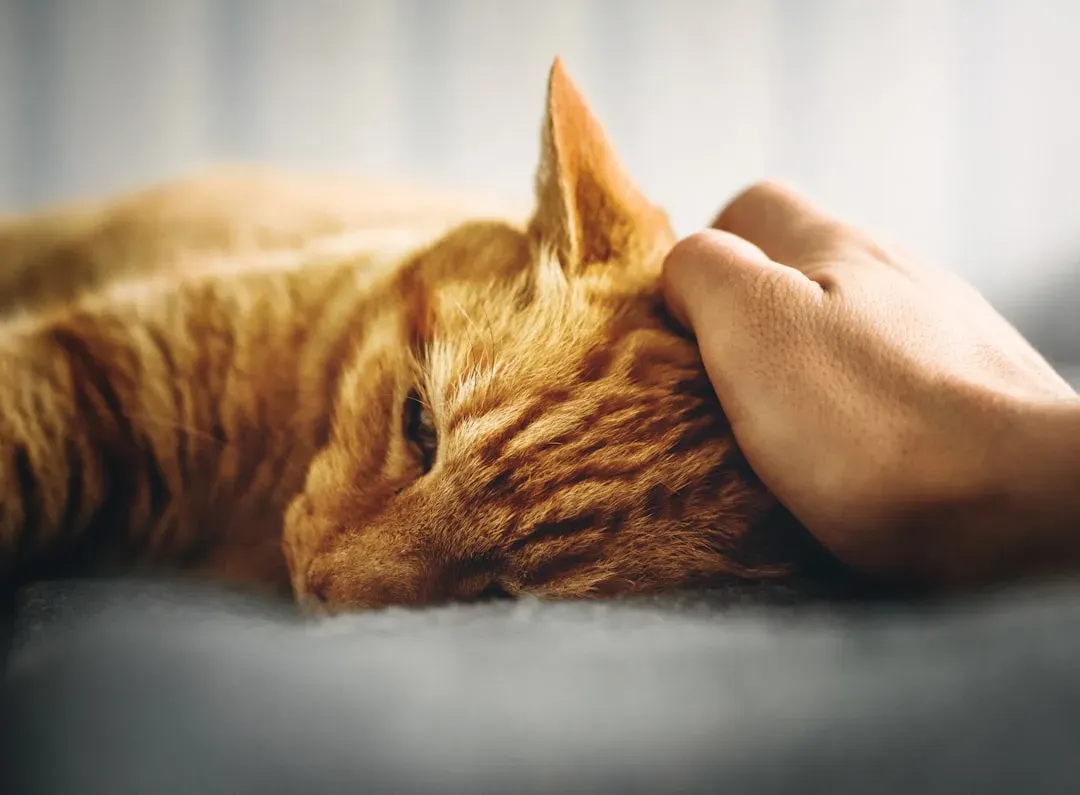
This one’s serious. If your cat is ignoring you, it could mean they’re sick or in pain, especially if this behavior started suddenly, as many medical conditions including kidney disease, infections, or anything that causes pain can cause cats to withdraw. Cats are masters at hiding illness because in the wild, showing weakness makes them vulnerable to predators.
Sick cats often act detached and withdrawn, and some cats can act clingy toward their owners when they’re in pain but a lot of cats act detached and withdrawn, making it seem like they’re ignoring you. If your normally social cat suddenly starts hiding under the bed or avoiding interaction, that’s a red flag.
Pay attention to other symptoms too. Are they eating less? Drinking more or less water than usual? Have their litter box habits changed? Any combination of behavioral changes with physical symptoms warrants an immediate vet visit.
Don’t wait to see if it passes. Early detection of health issues can make a massive difference in treatment outcomes and your cat’s quality of life. Your vet can rule out medical causes and provide appropriate treatment if needed.
4. Stress Is Taking a Toll on Them
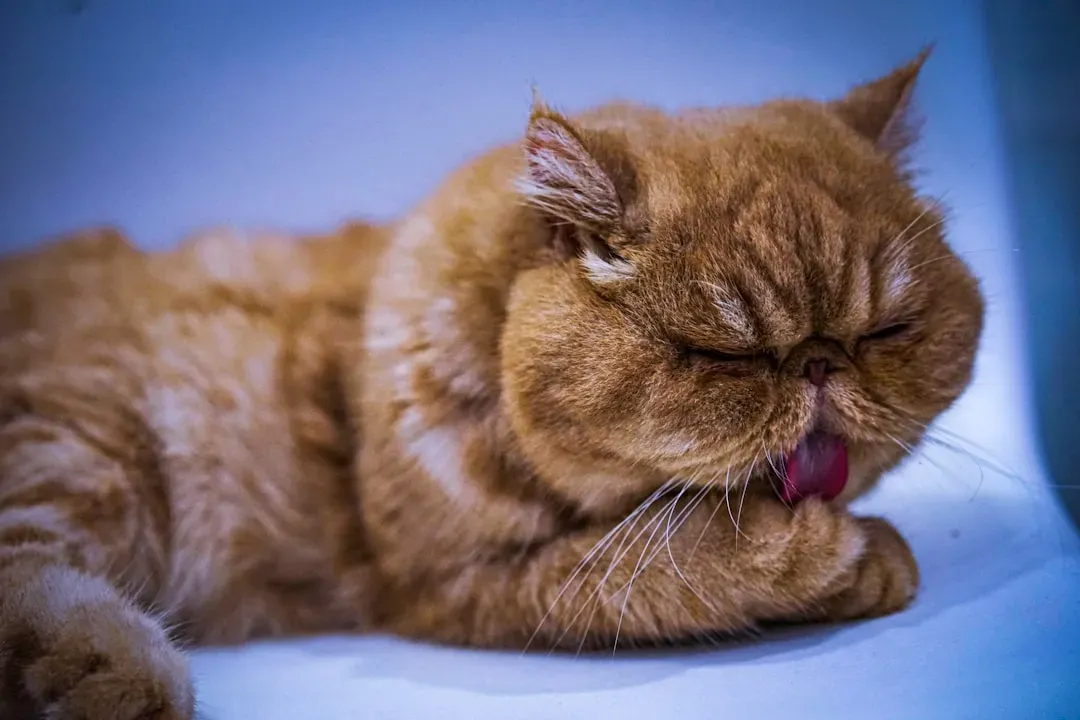
If your cat is stressed, it can change their behavior, and a stressed cat is less likely to want cuddles and human affection, and they might even ignore you if they’re extremely stressed. Cats are incredibly sensitive to their environment, and what seems minor to you might be overwhelming for them.
Stress can come in many different forms, including house moves, a new baby or visitor in the house, a new pet, a change of furniture, a new neighborhood cat, or conflict between household cats, as they’re creatures of habit and don’t like change. Even rearranging the living room furniture can trigger stress in some cats.
Think about any recent changes in your household. Did you get a new roommate? Start a home renovation project? Change your work schedule? Any of these could be the culprit. Cats thrive on predictability and routine.
Creating a calm, stable environment helps tremendously. Provide hiding spots where your cat feels safe, maintain consistent feeding times, and consider using pheromone diffusers to help reduce anxiety. Sometimes just identifying and minimizing the stressor makes all the difference.
5. Fear Is Making Them Withdraw

Fear can be a powerful emotion and if your cat is scared, it’s likely that they’ll ignore you. Maybe there was a loud noise that spooked them, or perhaps they had an unpleasant experience recently. Cats have excellent memories, especially when it comes to things that frightened them.
Sometimes the fear isn’t obvious. It could be a new appliance that makes an unfamiliar sound, a delivery person who comes to the door regularly, or even a scent they find threatening. You’d be surprised how something seemingly insignificant can trigger a fear response in cats.
One of the most common reasons for this behavior is fear, which might be due to a recent traumatic event such as being introduced to a new pet or moving house, or the cat may simply be sensitive to changes in their environment and may need some time to adjust. Patience is key here.
Avoid forcing interaction when your cat is fearful. Let them approach you when they feel ready. Speak softly, move slowly around them, and create positive associations by offering treats when they do come out of hiding.
6. They’re Dealing With Sensory Decline From Aging
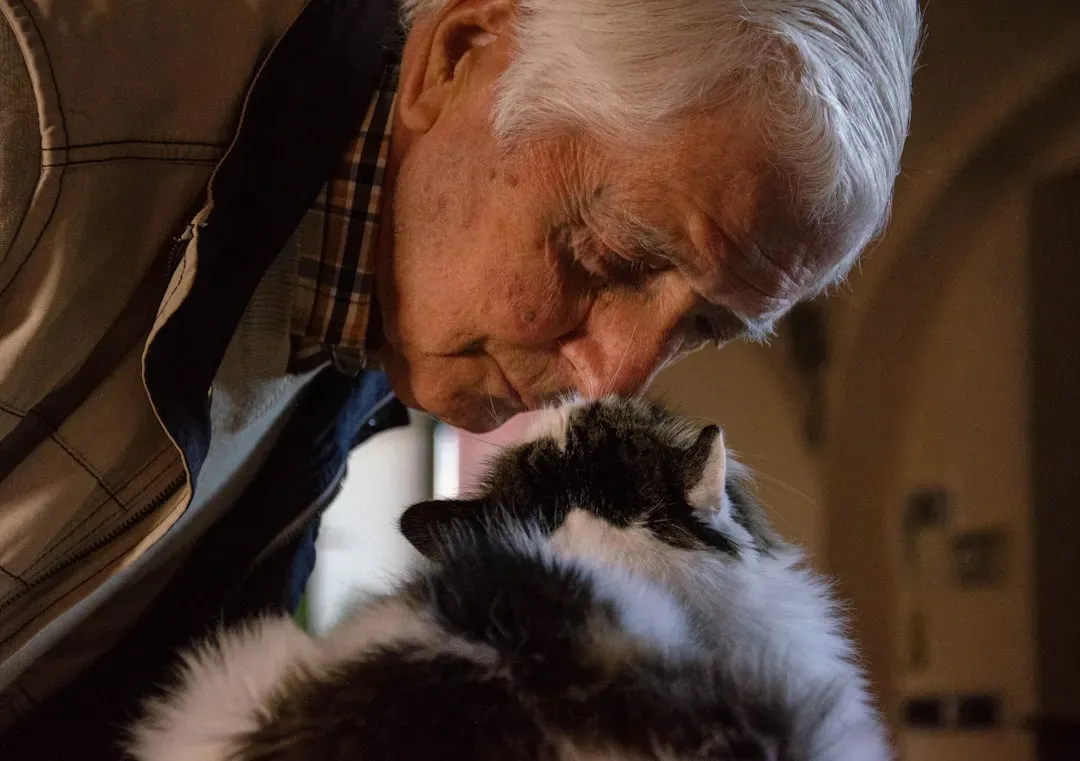
If your cat is getting older or has poor eyesight or hearing, it’s possible that they don’t know you’re looking for attention and may not be ignoring you at all but rather not realize you’re calling or beckoning to them. This is actually pretty common in senior cats.
Senior cats may appear to ignore their owners due to declining hearing or vision, and what seems like indifference might actually be difficulty in perceiving your presence or calls. Your cat isn’t being stubborn; they literally might not know you’re there trying to get their attention.
The gradual nature of sensory decline means you might not notice it right away. Your cat compensates by relying more heavily on their other senses, particularly smell. They adapt remarkably well, which can mask the problem for months.
If you suspect hearing or vision loss, schedule a vet checkup immediately. Meanwhile, try using clearer visual signals like hand gestures, and approach your cat from angles where they can see you coming. Consistency in routine becomes even more important for cats with sensory issues.
7. You Actually Smell Different to Them
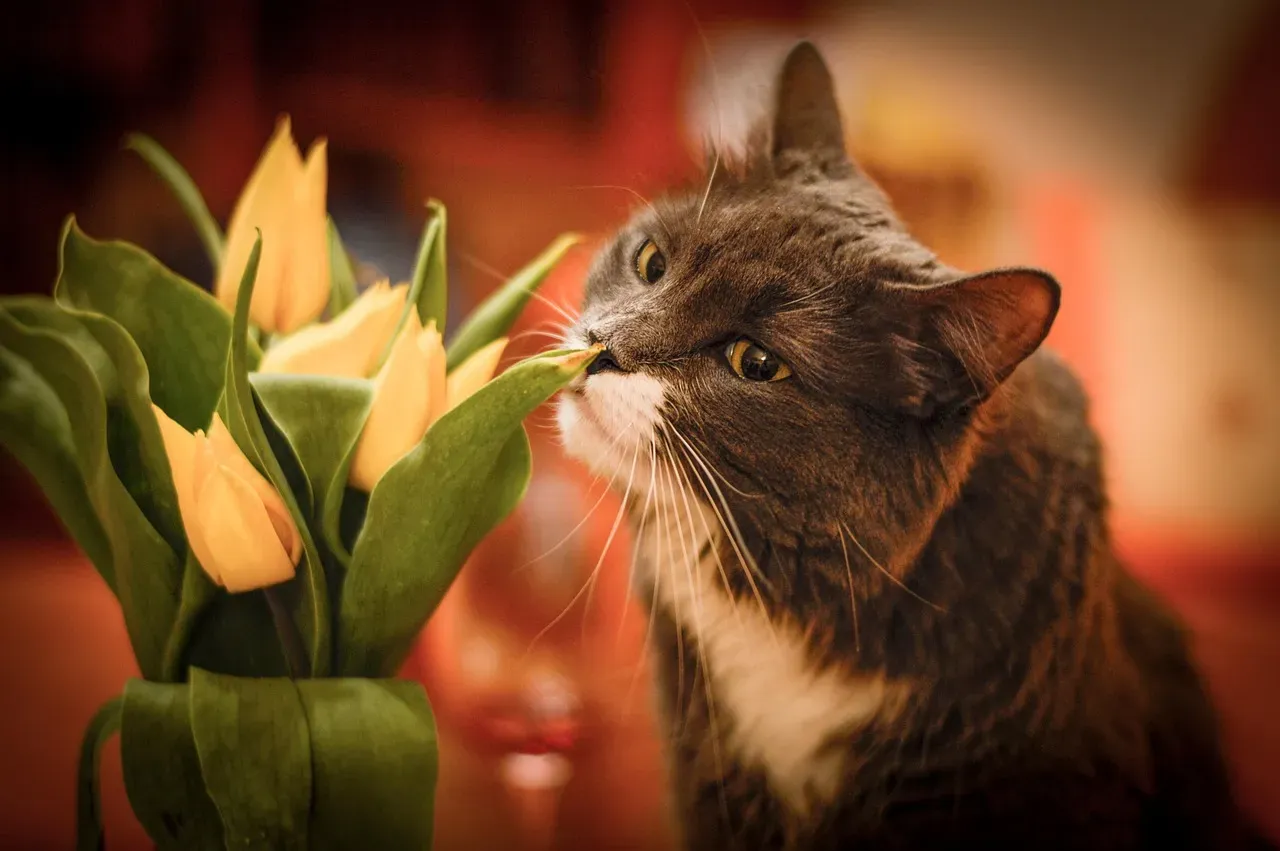
I know it sounds crazy, but cats have an incredibly sensitive sense of smell, and changes in your scent can genuinely confuse or concern them. Cats have an extremely well-developed sense of smell, and this is used extensively for communication. When your scent changes, they might not immediately recognize you as their trusted person.
Did you switch perfumes or colognes? Start using a different laundry detergent? Come home after petting someone else’s cat? Even visiting a hospital or veterinary clinic can leave you smelling completely foreign to your cat. They might need time to identify that it’s still you under all those strange new smells.
Cats have an incredible sense of smell which is much more powerful than ours, and significant changes to the smell of their home can be a real concern to cats, even though it may not be obvious to us. What seems like a pleasant new scent to you might be overwhelming or threatening to them.
Give your cat time to sniff you and reacquaint themselves with your scent. Avoid wearing strong fragrances around them if possible. Sometimes washing your hands before interacting with your cat can help remove competing smells that might be confusing them.
8. There’s Conflict With Other Pets in the Household
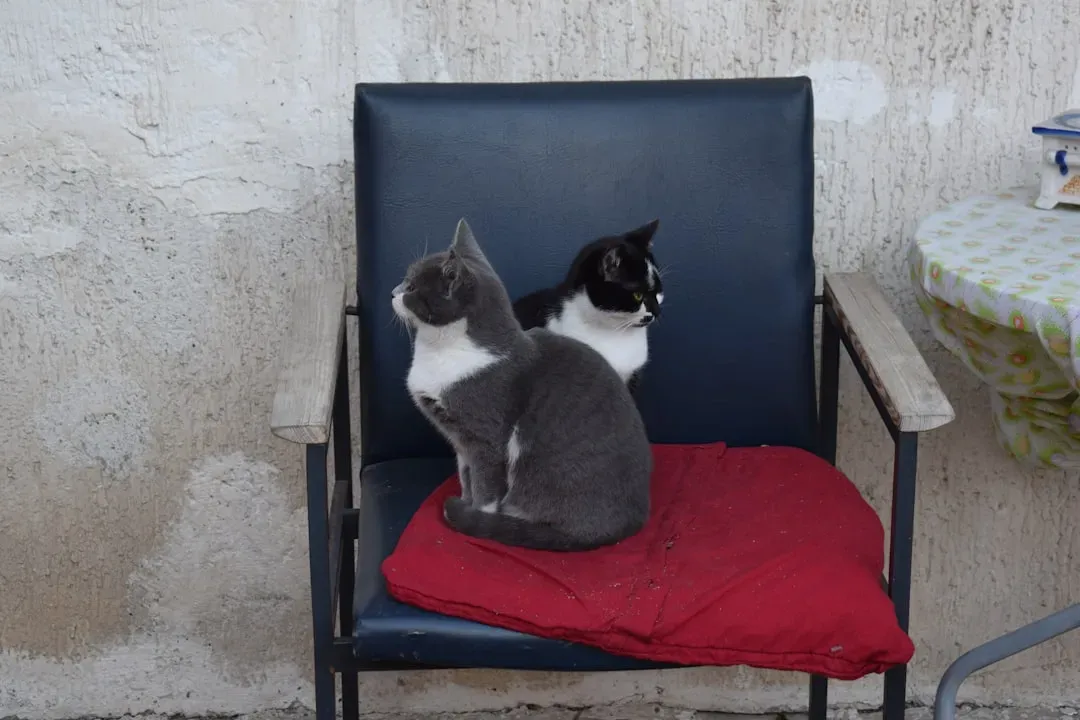
If you have multiple pets, social tension or territorial disputes might cause your cat to become more reclusive, and ensuring each pet has their own resources like food bowls, litter boxes, and resting spots can help reduce stress. Inter-cat conflict is one of the most underestimated stressors in multi-pet homes.
The conflict might not be obvious fighting. Often it’s subtle intimidation tactics like blocking doorways, staring, or monopolizing resources. One cat might prevent another from accessing the litter box or food bowl, creating chronic stress that causes withdrawal behavior.
Chronic changes in the environment, such as getting a new pet or the arrival of a child, may lead to long-term stress in cats that causes various changes in their behavior. Even cats who have lived together for years can develop relationship issues over time.
Provide multiple resource stations throughout your home. That means several litter boxes, multiple feeding areas, and plenty of elevated perches where cats can retreat. Consider consulting a feline behaviorist if the conflict persists despite your efforts.
9. They’re Experiencing Cognitive Dysfunction
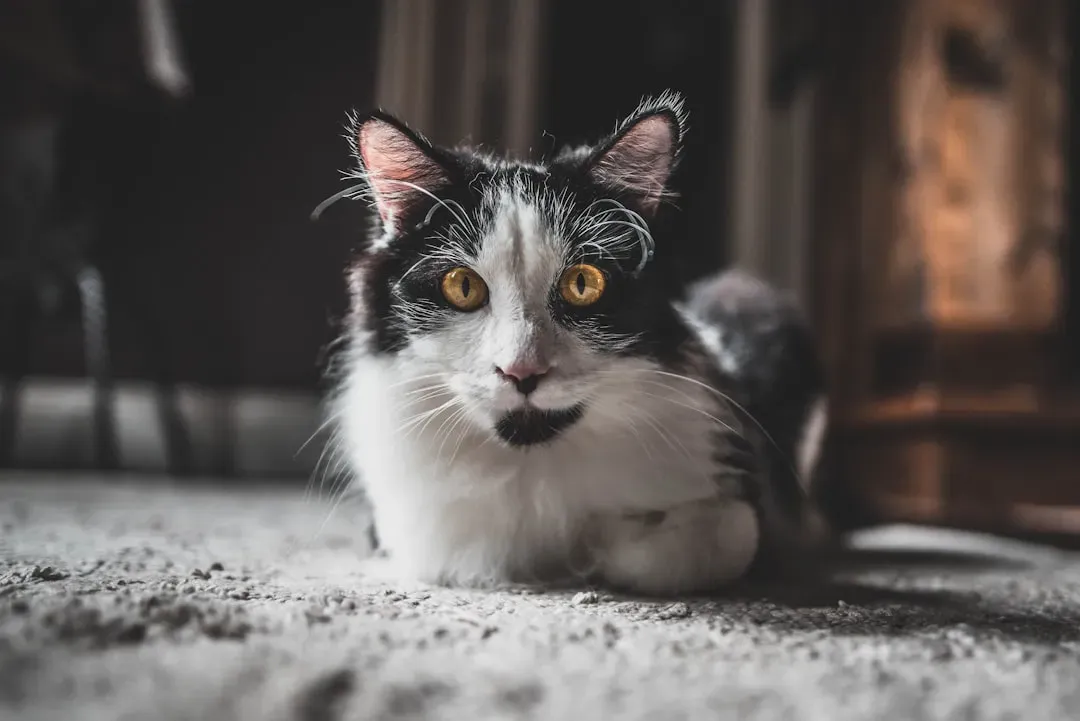
Cats can develop feline cognitive dysfunction, a condition a lot like dementia in humans, which causes signs like disorientation, confusion, and anxiety. This condition becomes more common as cats age, typically affecting cats over ten years old.
Cognitive dysfunction can manifest in various ways. Your cat might forget routines they’ve followed for years, vocalize more at night, or seem confused in familiar spaces. They might not respond to their name simply because they’re disoriented or anxious rather than deliberately ignoring you.
The progression is usually gradual, which makes it easy to dismiss early signs as normal aging. You might think your cat is just becoming more aloof or grumpy when actually their brain function is declining. This absolutely requires veterinary attention.
Your vet can recommend management strategies and potentially prescribe medications or supplements that support cognitive function. Environmental enrichment, consistent routines, and extra patience all help cats with cognitive decline maintain better quality of life.
10. You’ve Accidentally Violated Their Boundaries
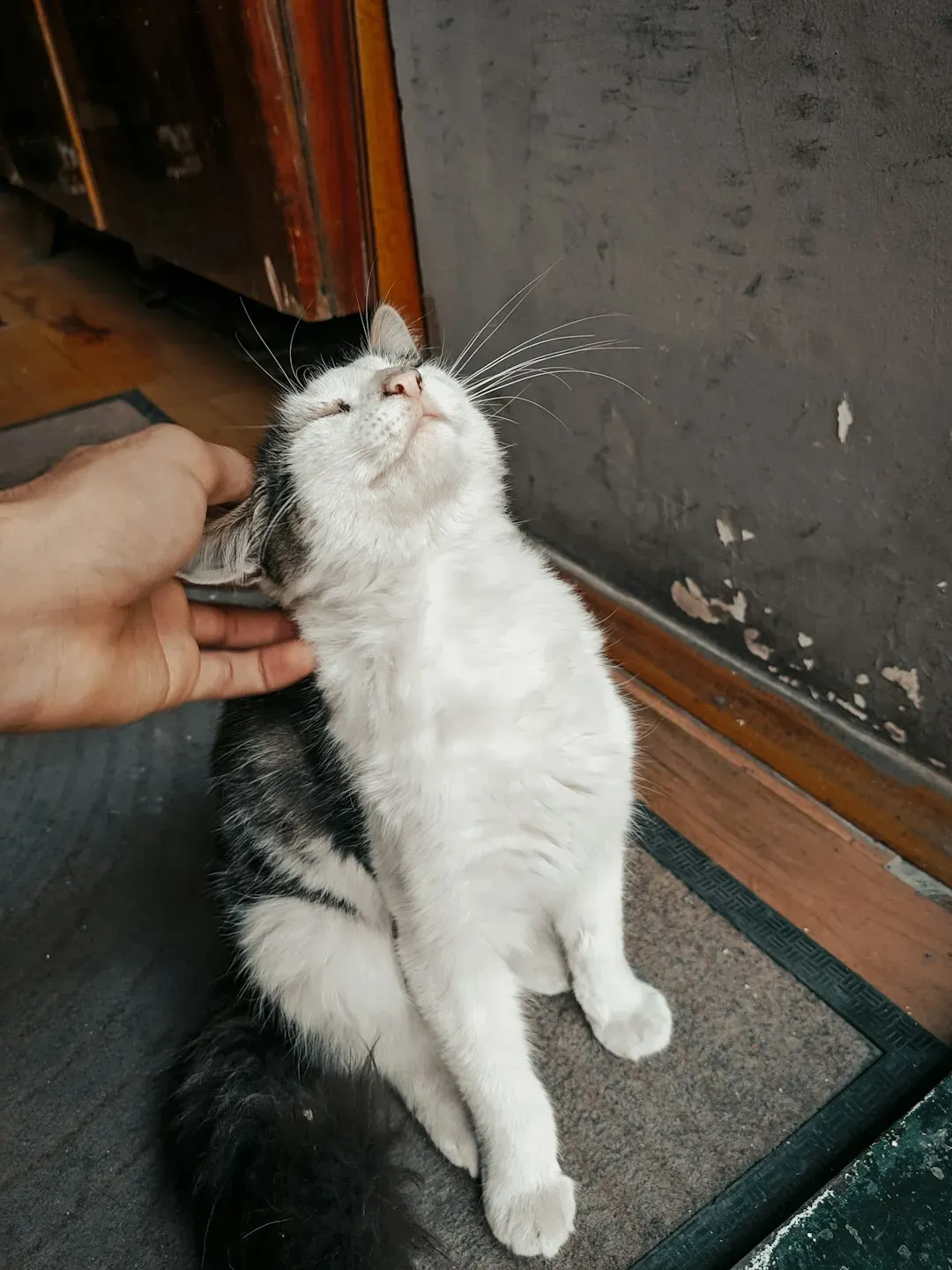
Being stroked or picked up when it’s not wanted or enjoyed is stressful for cats. Think about the last few interactions you had with your cat. Did you pick them up when they were trying to get somewhere? Pet them when they were focused on something else? Interrupt their grooming session?
Cats have very clear boundaries about physical contact, but their communication is subtle. They might have given you a warning signal that you missed, like a tail twitch or ear rotation. When you didn’t respond to those subtle cues, they escalated to ignoring you altogether as a protective measure.
Cats have distinct boundaries when it comes to physical interaction, and too much petting, handling, or forced attention can lead to sensory overload, causing them to withdraw, so respecting your cat’s need for personal space is crucial. Learning to read their body language becomes essential.
Pay close attention to when and how your cat prefers to be touched. Some cats love being held, others absolutely hate it. Some enjoy long petting sessions, while others prefer brief interactions. Respect these preferences, and your cat will be much more inclined to engage with you.
11. They’re Simply Focused on Something More Interesting
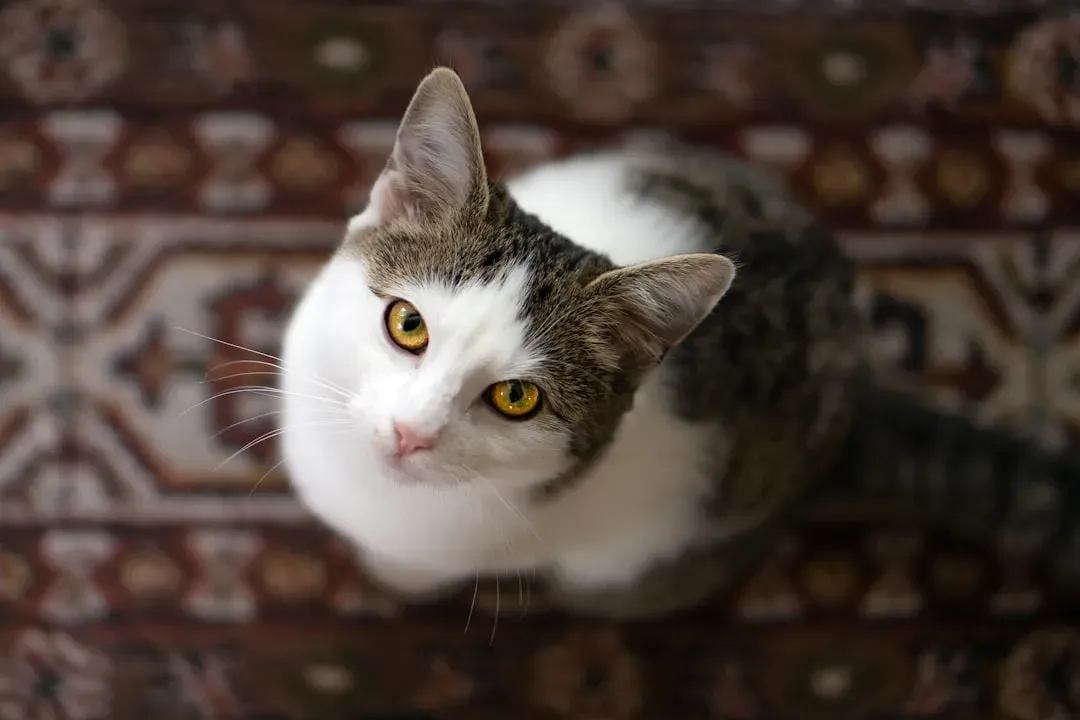
Cats are masters of selective attention, and that’s one of the reasons they are cats and not dogs. Sometimes your cat isn’t ignoring you out of stress, fear, or illness. They’re just completely absorbed in watching that bird outside the window or tracking a dust particle floating through a sunbeam.
For a cat, your home is their territory where they generously allow you to live, and your cat might love you deeply, but they’d like to keep that love a private affair. This perspective explains a lot about feline behavior. They’re not being rude; they’re just operating according to cat logic.
The intensity of a cat’s focus when they spot prey or something intriguing is remarkable. Their entire world narrows to that single point of interest. Your voice calling them becomes background noise they filter out completely. It’s not deliberate disrespect; it’s just how their predatory brain works.
Wait until they’ve finished their observation before trying to engage. Or use a word they’re strongly motivated by. Honestly, most cats will snap out of their trance pretty quickly if you mention treats or dinner.
12. They Need Their Essential Rest Time
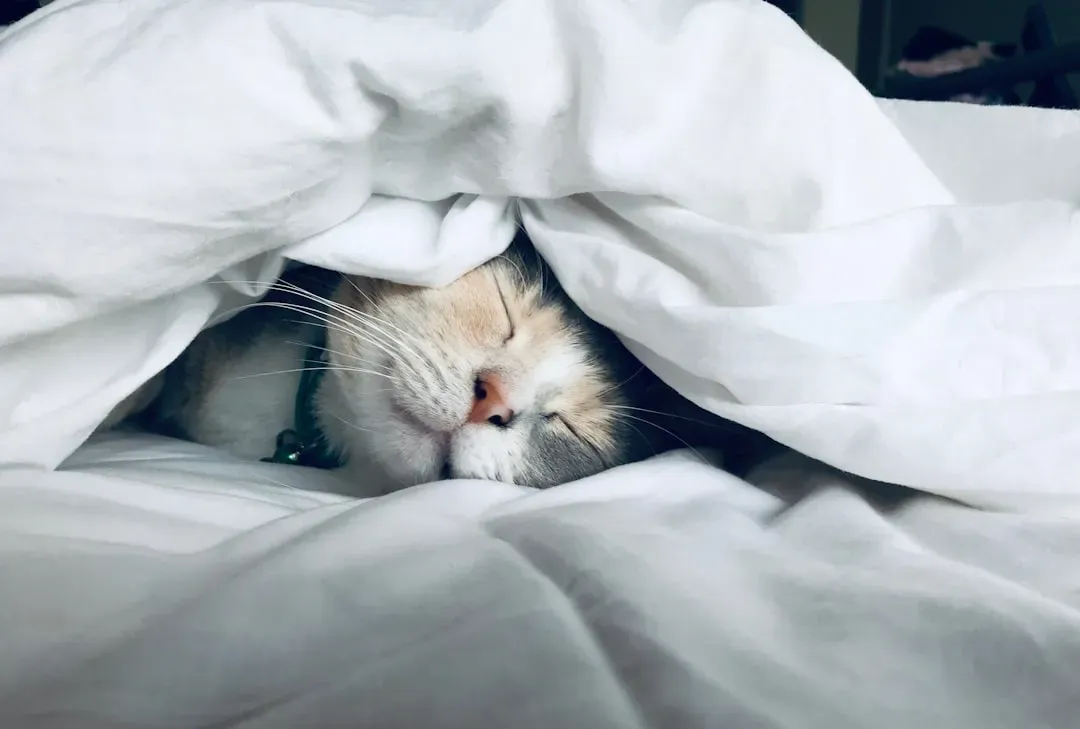
Sometimes, some cats need peace, and there are times of the day and night when they nap and rest, and they may not appreciate being disturbed. Cats sleep anywhere from twelve to sixteen hours a day, and they take that sleep seriously.
Cats often sleep during the day and are more active at dawn and dusk. If you’re trying to engage with your cat during their regular nap schedule, you’re fighting an uphill battle. They might hear you calling but choose to conserve their energy rather than respond.
It’s important to understand and be familiar with your cat’s personality, behaviors, and habits, so you can easily pick up any subtle changes, and if your cat has a routine when they eat, play, and nap and they like their privacy during any of these times, be sure to recognize that. Not every instance of being ignored signals a problem.
Learn your cat’s daily rhythm. Notice when they’re typically most active and receptive to interaction. Schedule play sessions and bonding time during their alert periods rather than during their designated rest times. This simple adjustment can dramatically improve your relationship.
Conclusion
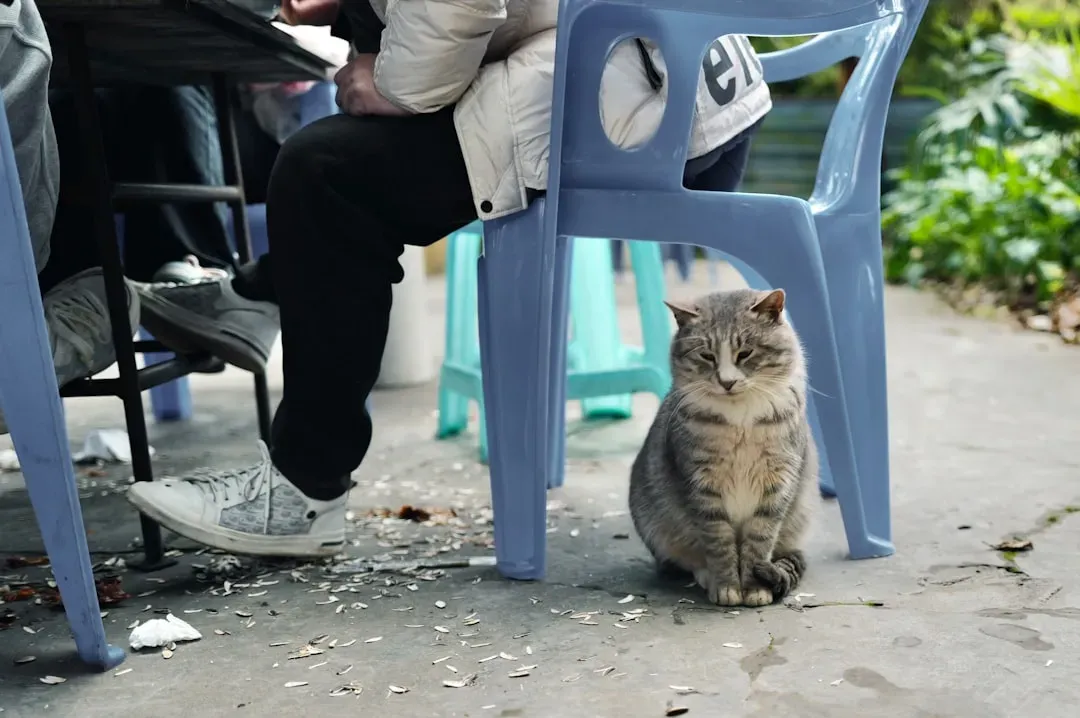
Understanding why your cat ignores you isn’t about taking it personally. It’s about recognizing that cats communicate differently than we do, and what looks like deliberate snubbing usually has a legitimate explanation behind it. Whether it’s a medical issue, environmental stress, natural independence, or simply bad timing, there’s always a reason for the behavior.
Cats are often not ignoring their humans for any malicious reasons, and there is usually a simple explanation for the lack of response. The key is observation. Pay attention to patterns, watch for accompanying symptoms, and don’t hesitate to consult your veterinarian if the behavior seems sudden or concerning.
With patience, understanding, and willingness to meet your cat on their terms, you can strengthen your bond and reduce those frustrating moments of being ignored. Remember, those private moments of affection when they do choose to engage with you become even more special because they’re given freely.
What has your experience been with your cat’s ignoring behavior? Have you discovered any surprising triggers we didn’t cover here?