
10 Incredible Birds You Can Spot in Your Own Backyard
Your backyard might seem like an ordinary patch of grass and trees, but here’s the thing. It’s actually a front-row seat to one of nature’s most colorful shows. Every single day, dozens of feathered visitors stop by, going about their business while we rush around doing ours. Most of us barely notice them beyond a quick glance through the kitchen window.
The truth is, you don’t need fancy binoculars or a trip to some remote wilderness to experience amazing wildlife. Some of the most fascinating creatures on the planet are probably hanging out near your bird feeder right now, or pecking around in your garden. Once you start paying attention, you’ll be amazed at the personalities, colors, and quirky behaviors these birds display. So let’s dive in and discover which incredible birds might already be calling your backyard home.
1. Northern Cardinal: The Backyard Celebrity
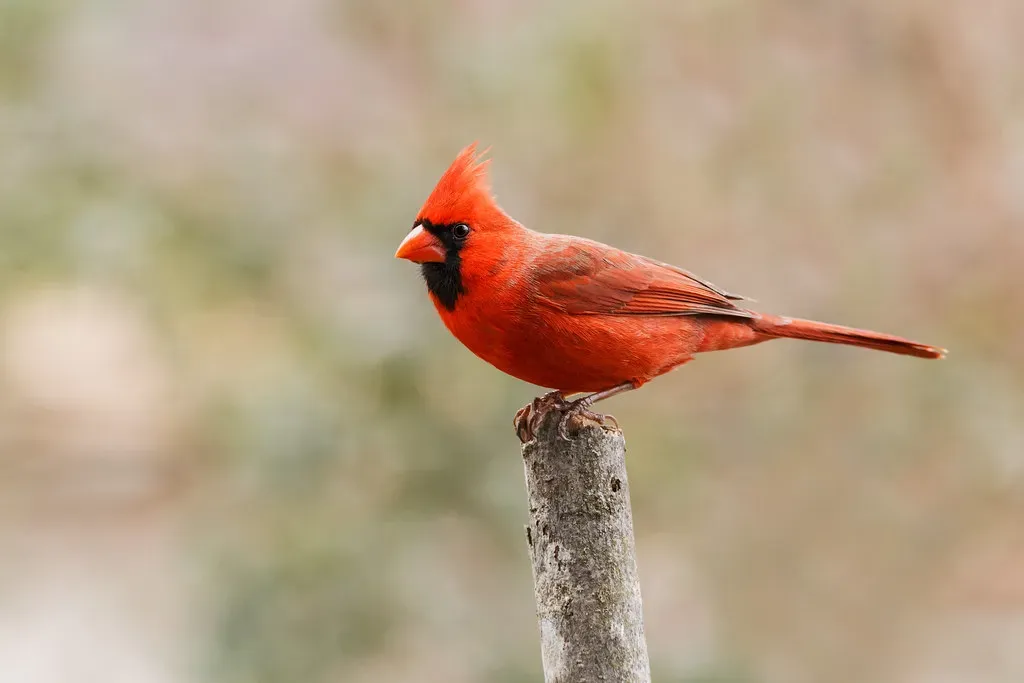
If there’s one bird that stops people in their tracks, it’s the Northern Cardinal. When it comes to songbirds, males are typically the ones who sing. Female cardinals are among the few that are known to belt out a tune of their own! The males sport that unmistakable brilliant red plumage that looks almost unreal against winter snow or spring greenery.
Here’s a detail most people miss. The females might not be as flashy, but they’re beautiful in their own right with warm brown feathers accented by hints of red on their wings and tail. Red northern cardinals, with their perky crests and black eye masks, are easy to identify. Females are a drabber brown, but their matching crests and bright orange bills make them special, too. Both sexes have that distinctive crest that stands up when they’re alert or excited.
These birds are surprisingly early risers. Some backyard birders have noticed that cardinals are often the first visitors to arrive at feeders in the morning, sometimes appearing before sunrise. They’re not shy about staying late either, frequently being the last ones to grab a snack before nightfall.
This familiar red bird is the official bird of seven U.S. states. That alone tells you something about how beloved they are across the country. If you want to attract more cardinals to your yard, offer black oil sunflower seeds at your feeder. They’ll become regulars faster than you might expect.
2. American Robin: The Spring Symbol That Never Really Leaves
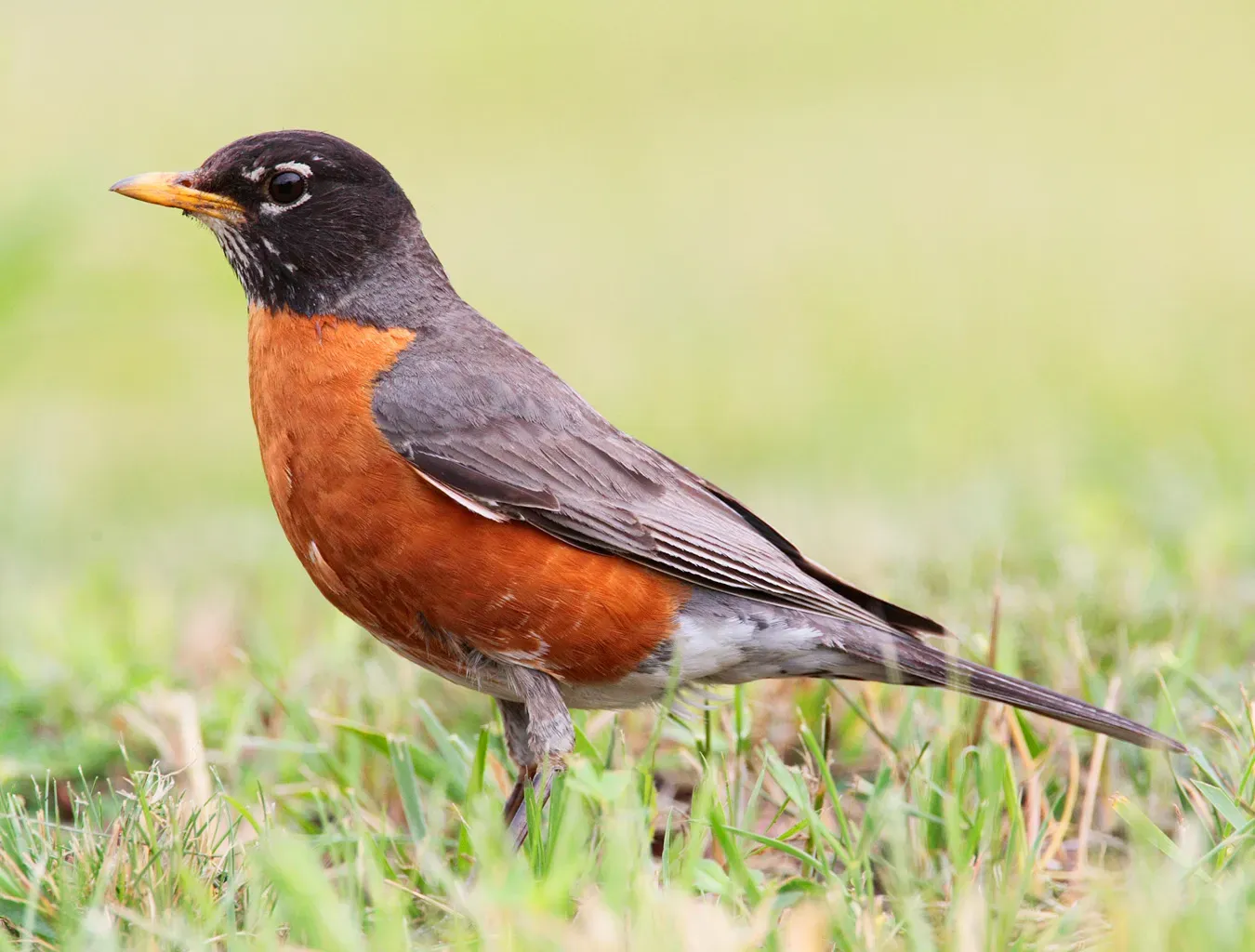
Often considered a harbinger of spring, American robins are actually year-round residents in most of the U.S. That’s right, the bird everyone associates with warmer weather doesn’t always migrate. So where do they disappear to during winter? They eat mainly insects, so in the winter, these backyard birds disappear into forests where they dig under bark for their meals. As soon as the ground thaws in the spring, they reappear in yards everywhere, foraging for worms and bugs.
Robins have this intense focus when hunting for worms that’s honestly fascinating to watch. American robins have exceptional eyesight. They hunt for worms by standing perfectly still and watching for the tiniest movements in the soil. That head-tilting behavior you see isn’t them listening for worms like people often think, it’s actually them looking for movement.
Found throughout North America, this familiar orange-breasted thrush may be the most abundant bird in the U.S. and Canada. Their distinctive rusty orange breast and cheerful song make them impossible to miss once they return to lawns and gardens. They’re bold birds too, often hopping around fearlessly even when people are nearby.
What’s truly interesting is how they switch their diet based on season and availability. During breeding season they focus heavily on protein-rich earthworms and insects, but come fall and winter, they shift to berries and other fruits. Honestly, their adaptability is probably why they’re so successful across such a wide range.
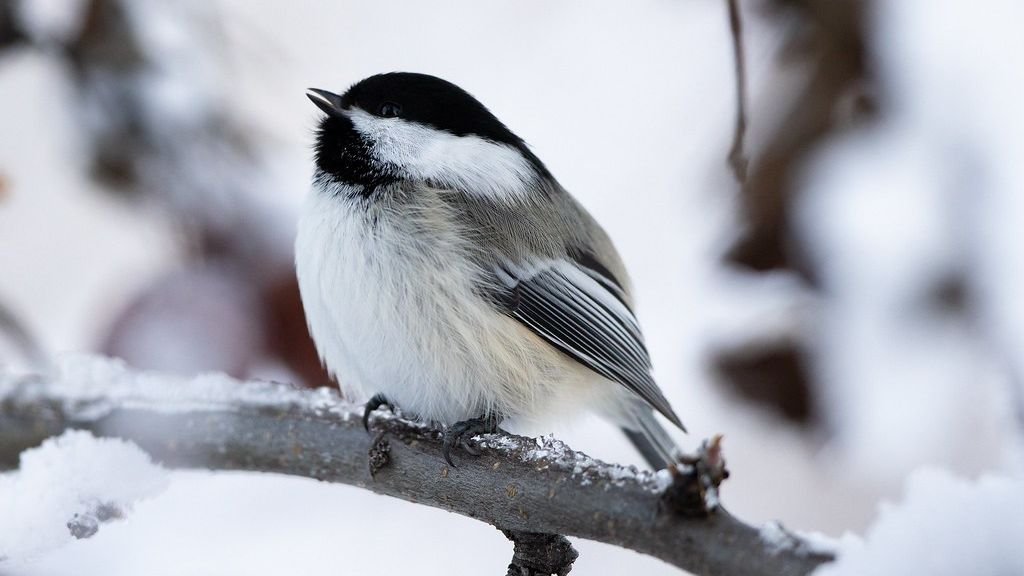
3. Black-Capped Chickadee: The Friendliest Feathered Neighbor
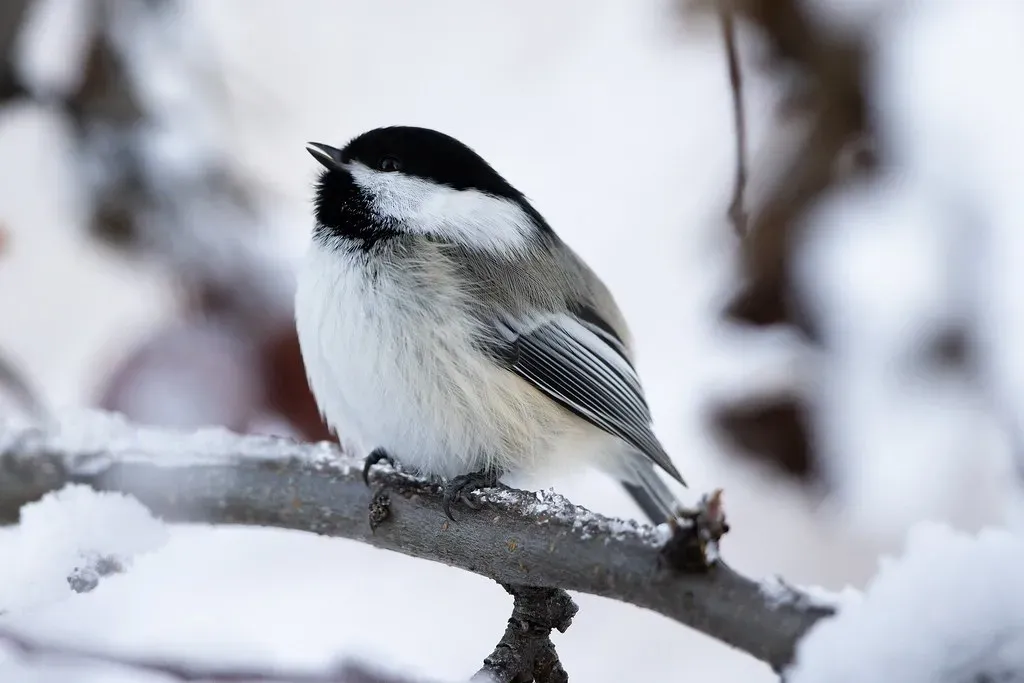
Then you’ll want to get to know the black-capped chickadee! This is one of the friendliest common small birds in America, and adorable to boot. These tiny acrobats are probably already visiting your yard, announcing themselves with their distinctive call. Their “chickadee-dee-dee” call is one of the first many birders learn to recognize.
Here’s something wild about chickadees that sounds almost made up. Every autumn, the part of a black-capped chickadee’s brain responsible for memory grows by 30 per cent, to help it find its hidden seeds throughout the winter. In the spring, it shrinks back to normal size. Their brain literally changes size seasonally to help them survive. Nature is incredible sometimes.
These birds are genuinely curious about humans. With enough patience and stillness, you might even get one to eat from your hand. They’re quick, acrobatic, and capable of hanging upside down from branches while foraging. Watching them work is like seeing a tiny gymnast in feathers.
If you want to attract chickadees to your yard, sunflower seeds are your best bet. They’ll grab a seed, fly off to a safe perch, hold it with their feet, and hammer it open with their bill. It’s efficient and surprisingly entertaining to watch.
4. Blue Jay: The Bold and Beautiful Troublemaker
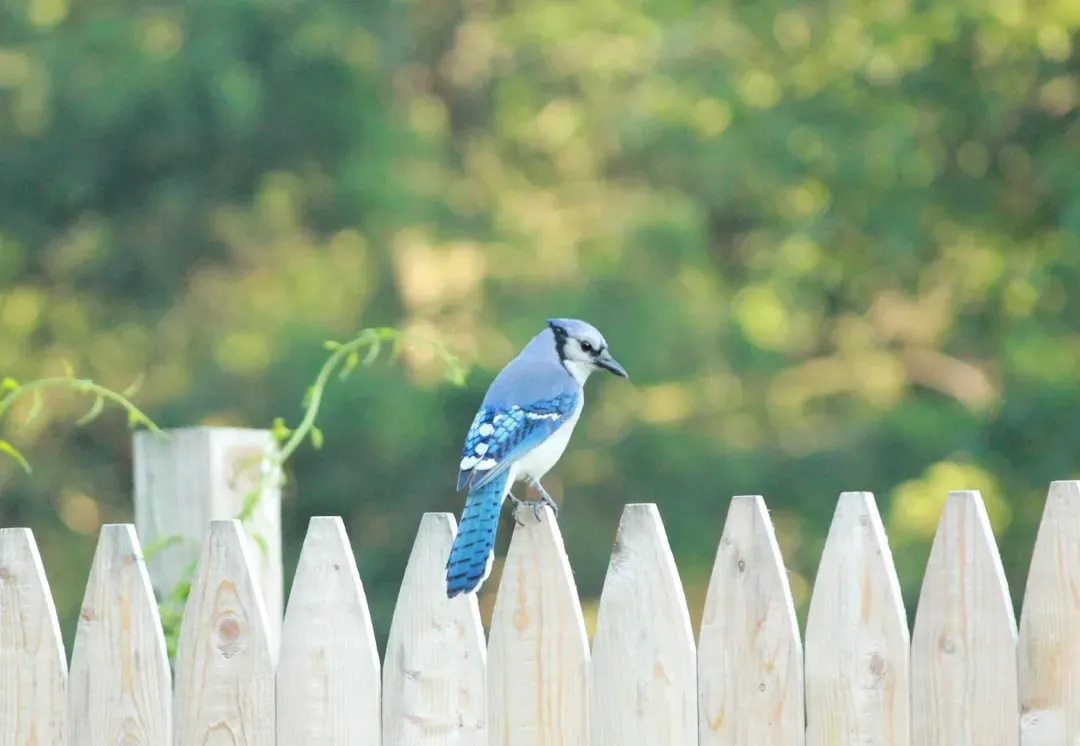
Let’s be honest, Blue Jays have a bit of a reputation. Another large bird, blue jays have somewhat of a bad reputation. They’re sometimes called bully birds for their habit of scaring other birds away from feeders. Yet despite their pushy behavior, they’re absolutely stunning to look at with those vibrant blue feathers and crisp white markings.
Here’s a surprising fact most people don’t know. Male and female blue jays look the same, which is relatively rare in the bird world. In many bird species, males are the showy ones while females blend in, but not with jays. They’re both equally gorgeous.
Beyond their feeder antics, Blue Jays are actually quite intelligent. The vibrant blue birds are so fond of burying acorns and other nuts that the species is being credited with an uptick of oak trees sprouting in North America. When they’re not busy being conservationists, they don’t mind if you leave a few peanuts out: They can crack the shell by holding it steady with their feet.
They can be loud and raucous, sure. Their calls can be heard from quite a distance, and they’re not exactly shy about making their presence known. Still, there’s something entertaining about their boldness and confidence at the feeder. They know they’re impressive and they act like it.
5. American Goldfinch: The Sunshine Bird with a Wardrobe Change
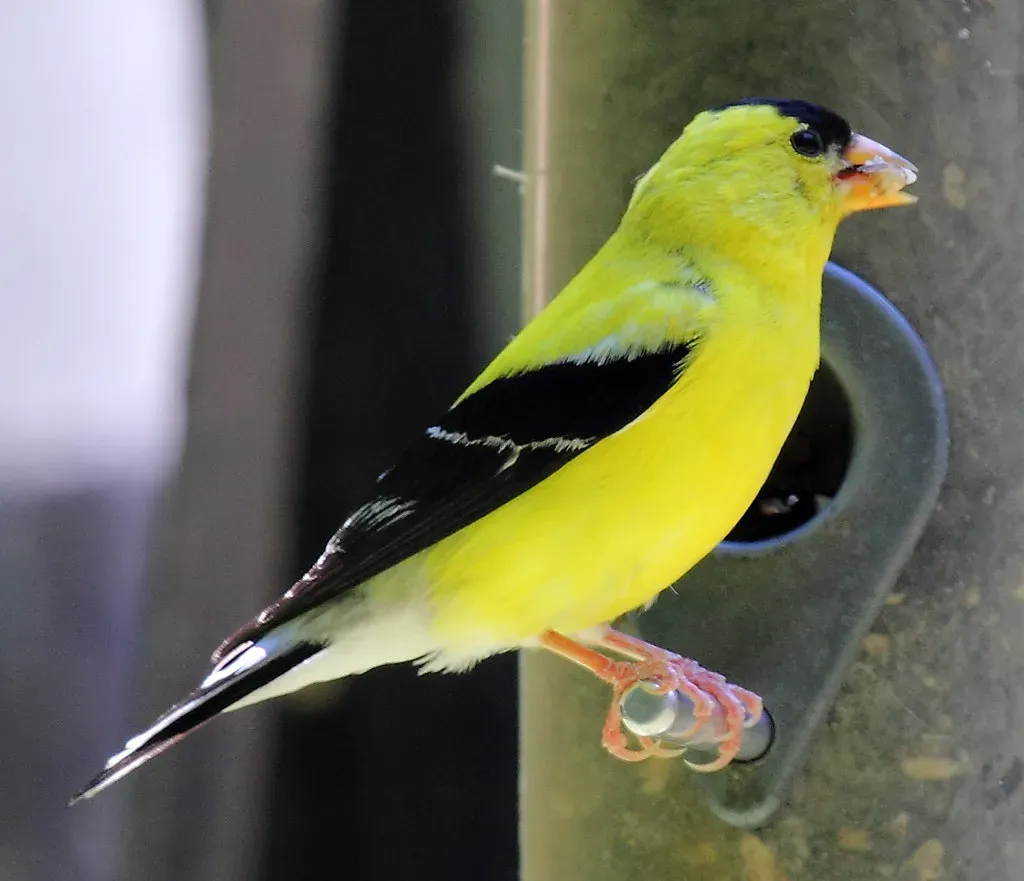
In the spring and summer, bright yellow-and-black American goldfinches are impossible to miss. They look like little bursts of sunshine hopping around your yard. Not only are American goldfinches common birds, but they also stand out from the others because of their bright yellow feathers.
What catches people off guard is how different they look in winter. In the winter, their coloration is more muted, but they’re still around and active. The males lose that electric yellow color and fade to a duller olive-brown that helps them blend in. It’s like they swap out their fancy outfit for winter camouflage.
Here’s something fascinating about their diet. No insects for goldfinches, please! They are strict vegetarians and rarely eat an insect if they can help it. They feed solely on seeds and plants, only eating insects occasionally by mistake. That’s pretty unusual for songbirds.
If you want to attract these cheerful little birds, thistle feeders are the way to go. Plant some native milkweed or thistle in your garden and you might get a bonus, attracting both goldfinches and monarch butterflies. It’s a win all around for your backyard ecosystem.
6. Downy Woodpecker: The Tiny Drummer
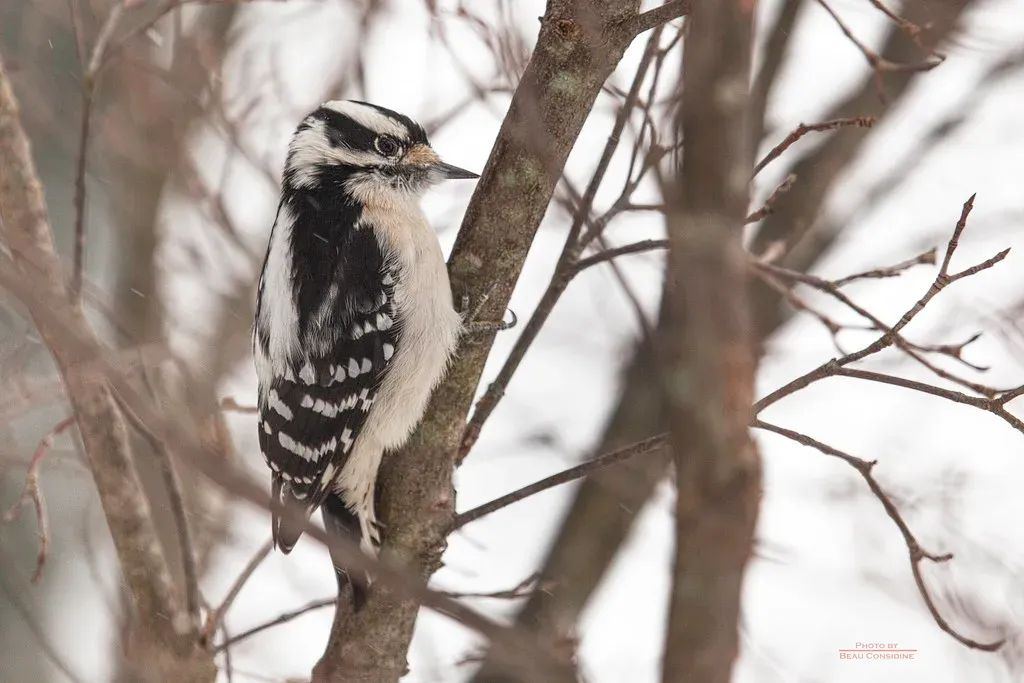
Downy Woodpeckers are the smallest woodpeckers in North America. Don’t let their size fool you though. These little birds are energetic, entertaining, and surprisingly easy to spot once you know what to look for. Like other woodpeckers, they excavate holes in trees for nesting and roosting, but they usually target dead trees.
They have this distinctive black and white pattern that makes them stand out against tree bark. Males have a small red patch on the back of their head, while females don’t. These stubby-billed, black-and-white birds live in deciduous woods and tree-filled urban and suburban parklands, where they forage on trees, shrubs, and large weeds for insects and other arthropods.
Unlike some woodpeckers that stay hidden in deep forests, Downies are comfortable around people. You’ll spot them in city parks, suburban yards, and even clinging to your suet feeder. They’re acrobatic too, often hanging upside down or sideways while searching for insects in bark crevices.
One of the coolest things about woodpeckers in general is how they avoid knocking themselves out. How do woodpecker keep from knocking themselves out? All species have an enlarged and reinforced brain case, allowing the brain to sit higher than the impact zone, where the skull is also thicker. Thanks to this and extra muscles behind the beak, woodpeckers essentially have built-in shock absorbers. Nature’s engineering at its finest.
7. Mourning Dove: The Gentle Cooing Companion
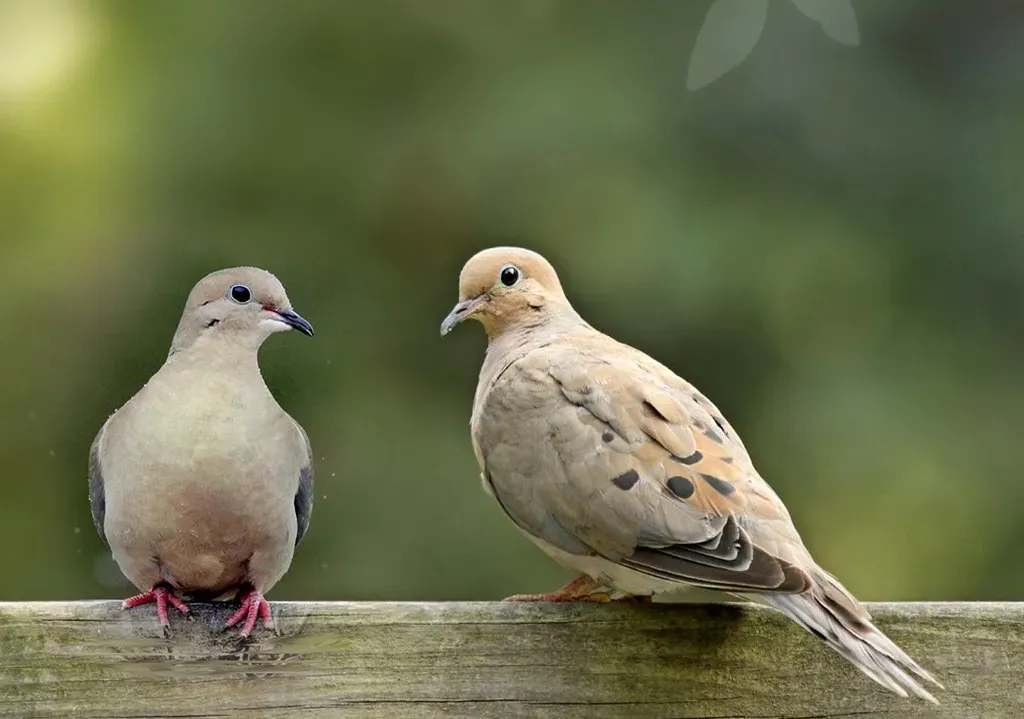
If you’ve ever heard a soft, mournful cooing sound early in the morning, you’ve probably heard a Mourning Dove. This bird’s mournful woo-oo-oo-oo call gives it its namesake and is commonly heard throughout the United States. Mourning doves often settle in and eat large amounts of seed, but make up for it with their sweet insistent cooing call.
These birds are larger and plumper than many backyard songbirds. When they fly, their wings make a sharp whistling sound, which is especially noticeable on landing and take-off. That distinctive whistle is actually created by air rushing through their wing feathers.
Here’s an interesting behavior that explains why you often see them pecking around on the ground for extended periods. When they grab seeds off the ground, mourning doves aren’t necessarily eating them; instead, they are stockpiling in an enlarged part of their esophagus for later. They’re basically filling up their crop so they can digest the seeds safely from a perch later.
Mourning doves who have successfully raised a brood will return to the same nesting site, so you may be hearing this woeful call from the same individuals year after year! They’re loyal to locations that work for them, which means once they choose your yard, they might become permanent residents.
8. White-Breasted Nuthatch: The Upside-Down Expert
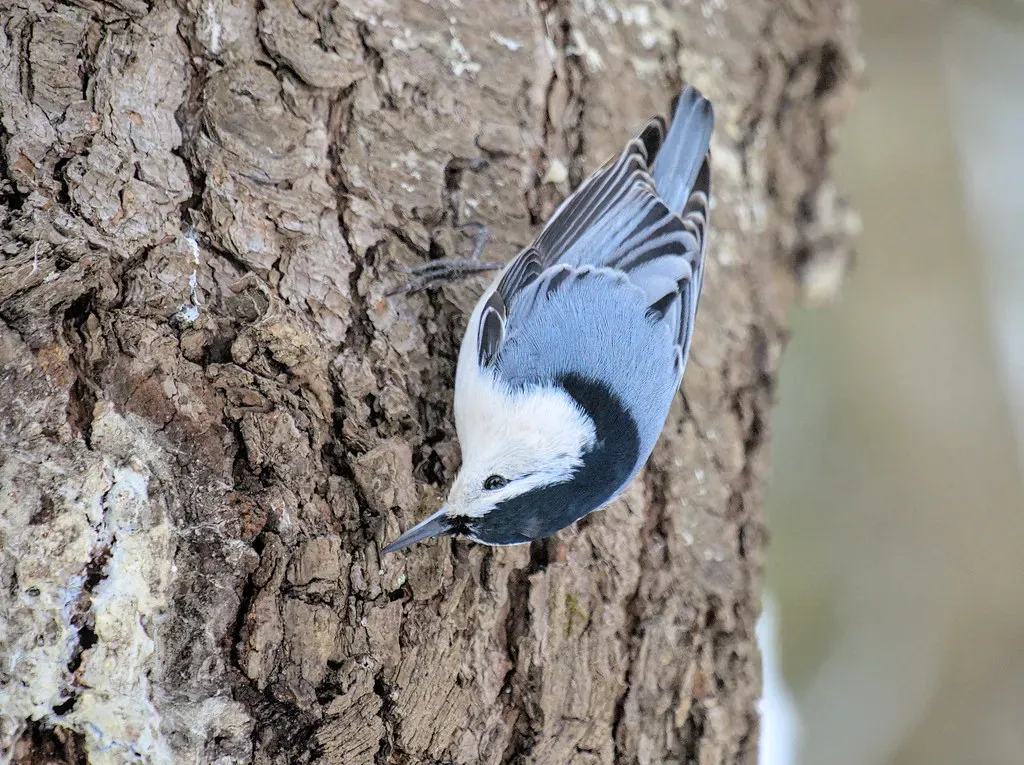
A white-breasted nuthatch is easy to spot due to this backyard bird’s unique habit of hopping around upside-down. Seriously, if you see a bird walking headfirst down a tree trunk, you’ve found yourself a nuthatch. You can recognize this bird by its white face and underside, bluish back and wings, and dark crown (black in males and gray in females), its nasal “yank-yank” call, and its habit of creeping down tree trunks headfirst.
The nuthatch will eat just about everything you serve at feeders and has a special love for large seeds like peanuts and acorns. They jam these nuts into tree crevices and whack them to open and pry out the meat. Watching them hammer away at a seed wedged into bark is genuinely entertaining.
These birds are serious about food storage. They survive the winter by caching seeds in bark crevices to eat later. They’re constantly shuttling back and forth between feeders and their hiding spots, stockpiling for harder times. It’s impressive how methodical they are about it.
Year-round residents, even in cold areas, nuthatches nest in natural cavities and old woodpecker holes. That upside-down foraging style isn’t just for show either. By approaching bark from a different angle than other birds, they can spot insects and food sources that others miss. Smart strategy, honestly.
9. Tufted Titmouse: The Crested Charmer
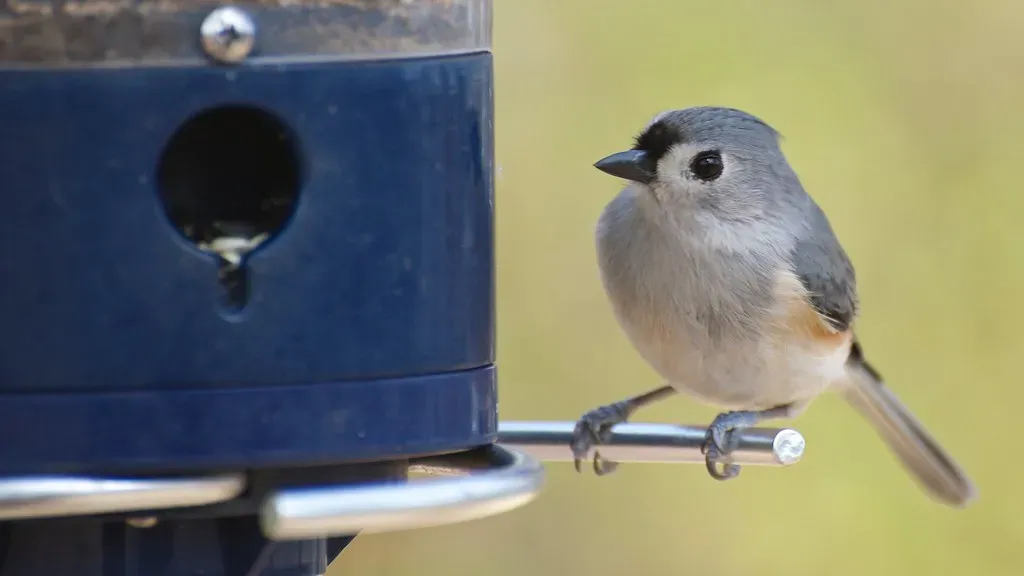
Speaking of cute, check out the tufted titmouse! Gray-backed with a white belly, this small bird also boasts flashes of orange and a jaunty crest. That perky little crest on top of their head makes them instantly recognizable and ridiculously adorable.
Titmice have this fascinating feeding behavior that’s fun to watch. Titmice are fun to observe at feeders, as they hold one seed in their feet and pound it open to get the meat within. They’re methodical and focused when working on a seed, showing surprising strength for such a small bird.
Like chickadees, titmice are active hoarders preparing for winter. In fall, watch their hoarding behavior as they store up food for winter. You’ll see them make repeated trips from your feeder to various hiding spots in nearby trees and shrubs, building up their emergency food supply.
These birds are also surprisingly vocal. They have a loud, ringing song that sounds like they’re calling “peter peter peter.” Once you learn to recognize it, you’ll realize they’re probably already in your neighborhood. They’re year-round residents in many areas, bringing life and energy to winter landscapes when many other birds have migrated south.
10. Dark-Eyed Junco: The Winter Snowbird
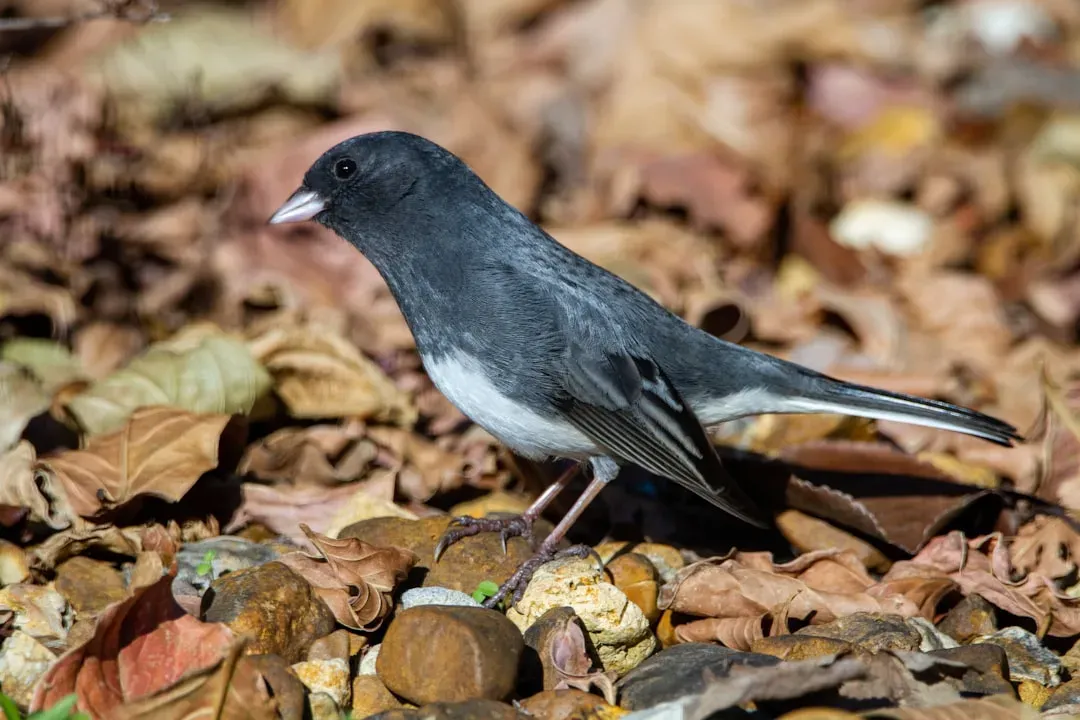
Juncos are a popular and widespread winter visitor to almost all of the United States from the boreal forests of the North and high mountains. They prefer mixed woods and coniferous habitat, but they are staples of backyards, where they bounce around under feeders foraging and eating spilled seeds. They’re ground feeders primarily, hopping around beneath feeders picking up what other birds drop.
The eastern version of the junco – the dark-eyed one above – features a white belly and a slate head and back, but there are a few different subspecies of the bird that vary geographically. Depending on where you live, your juncos might look slightly different from those in other regions. These unassuming gray members of the sparrow family have a surprisingly complicated taxonomic history: Until the 1970s, they were split into five different species, based on how plumage variation linked to different regions across North America. However, they were eventually “lumped” when it became clear that these groups regularly interbreed.
Dark-eyed Juncos are colloquially known as “snowbirds” due to their sudden appearance throughout much of the country when the temperature starts dropping. They show up right around the first snowfall and stick around through winter, then head back north come spring. It’s almost like they’re following the cold weather.
You may see this bird’s distinctive white outer tail feathers flash as it flits from one spot to another, while foraging on the ground for bugs and seeds. That flash of white is often the first thing you notice when a group of juncos takes off. They’re social birds, typically traveling in small flocks, and their presence signals that winter has truly arrived.
Conclusion
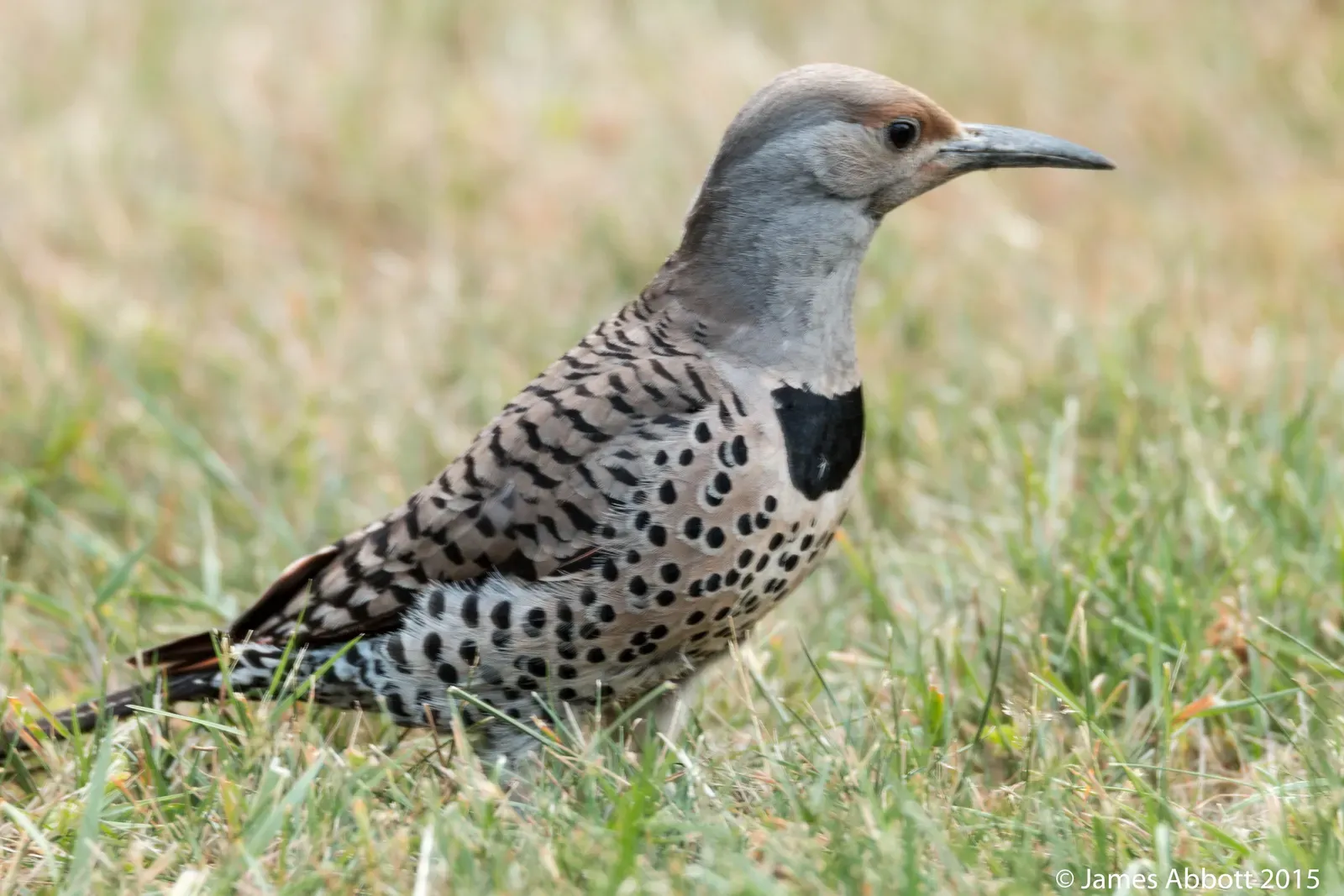
Your backyard is basically a wildlife theater with free admission every single day. These ten birds are just the beginning. Once you start really watching, you’ll notice individual personalities, territorial disputes, clever feeding strategies, and moments of unexpected beauty.
The incredible thing about backyard birding is how accessible it is. You don’t need expensive equipment or specialized knowledge to start. Just look out your window with a bit more attention. Maybe grab a field guide or download a bird identification app. Put out some feeders if you want, or simply observe who’s already visiting your trees and shrubs.
What surprises most new bird watchers is how quickly they get hooked. One week you’re casually glancing at birds, the next you’re researching migration patterns and debating which feeder will attract the most variety. It’s a hobby that rewards patience and observation, two things our fast-paced world could use more of.
So tell us, which of these birds have you spotted recently? Have you noticed any behaviors or quirks that caught your attention? Your backyard might be hiding more wildlife wonders than you ever imagined.