
Picture this. You see a gorgeous dog at the park moving with power and grace, and you think to yourself how amazing it would be to have one. Maybe you’ve even thought about bringing home that striking breed you saw in a movie or on social media. Here’s the thing, though. Some breeds are beautiful, brilliant, and brimming with personality, yet they demand a level of skill, patience, and structure that catches many people off guard.
It’s not about being a bad dog or a bad owner. It’s about fit. Certain breeds were sculpted over centuries to do serious jobs, from hunting dangerous game to guarding estates to herding livestock across miles of rugged terrain. Those instincts don’t just vanish because a dog now lives in a suburban home. So let’s dive in and talk about six breeds that genuinely require more control than the average owner can offer.
Belgian Malinois: The Workaholic That Never Clocks Out
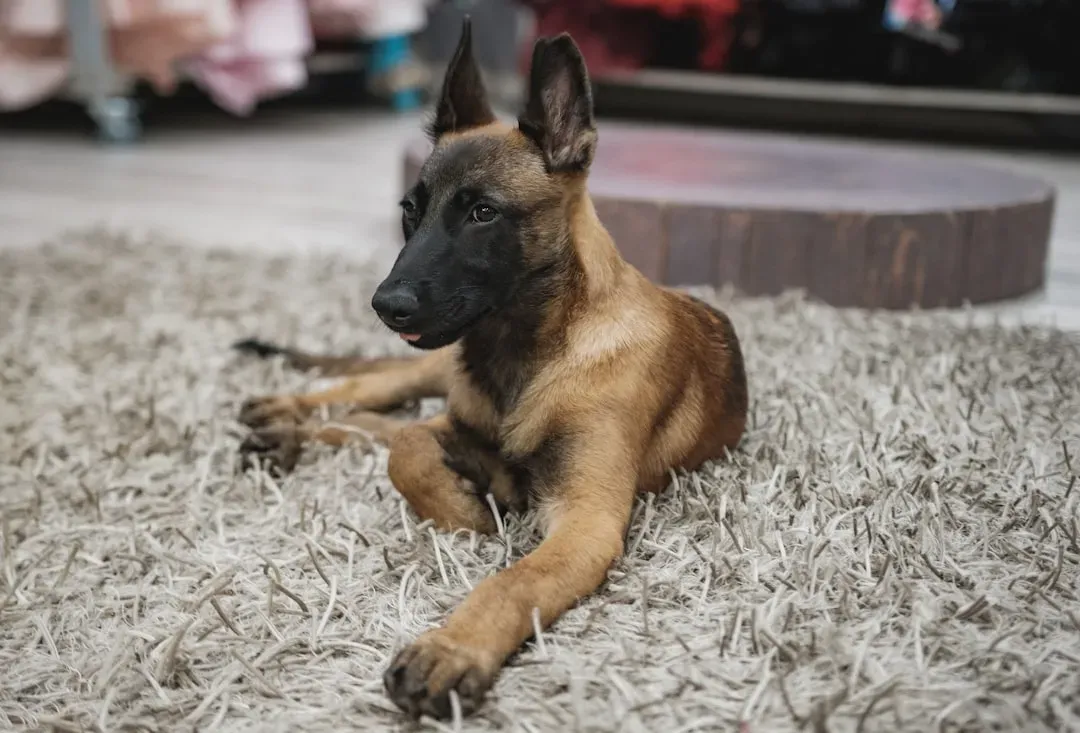
Belgian Malinois are intelligent and highly trainable, making them well-suited for active and experienced owners. You’ll see them working alongside police officers and in military units worldwide. That should tell you something right away. Drive gives a Malinois the bravery to tackle a man three times his size, and drive characterizes breeds like Belgian Malinois more than many others.
A high-drive dog is highly active both mentally and physically, and requires plenty of exercise as well as mental stimulation just to be able to relax at home. Without guidance, their energy can turn into destructive behaviors or anxiety. Think chewed furniture, relentless barking, or even aggression born from sheer frustration. Honestly, if you work long hours and want a dog that settles on the couch after a quick walk, this is not your match.
Siberian Husky: The Beautiful Escape Artist
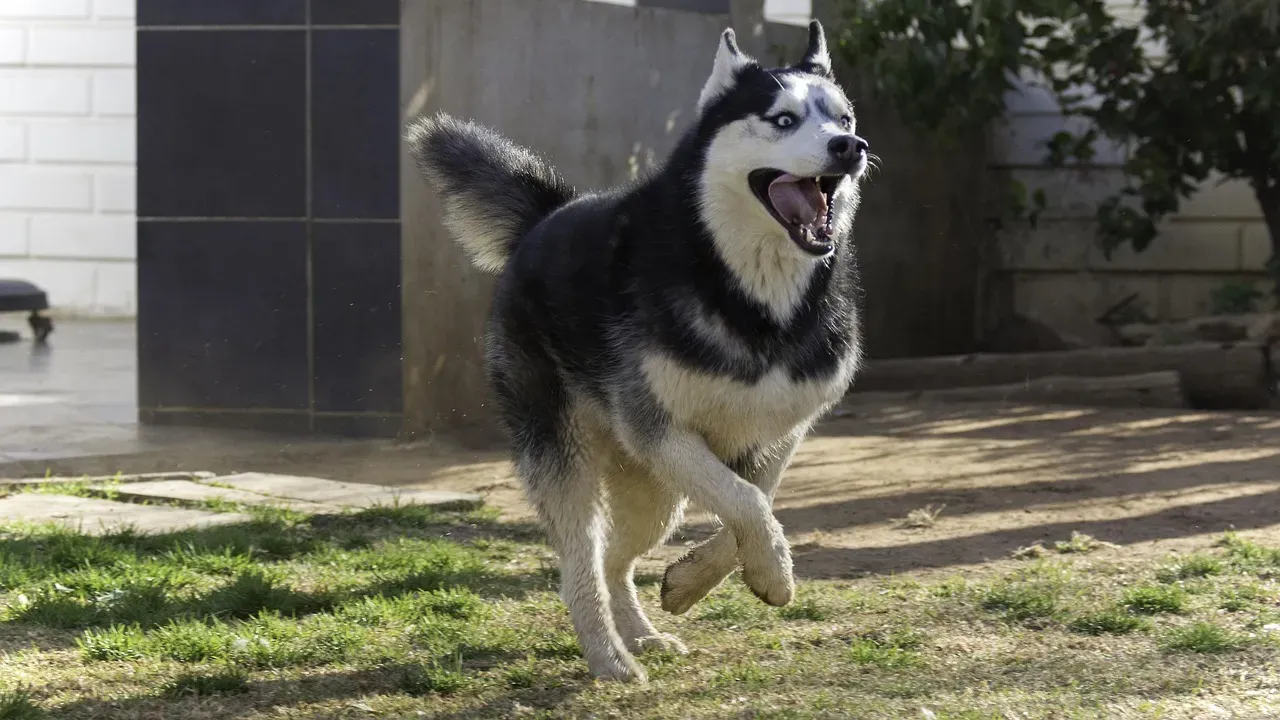
These famous sled dogs are known for their high energy levels, intelligence, and independence, but what makes them challenging is their high prey drive, stubbornness, and tendency to be escape artists. Huskies are stunning. Those piercing eyes and wolf-like features turn heads everywhere. The problem? Siberian huskies were developed to be sled dogs capable of traversing long distances, and they need heaps of exercise and mental stimulation.
They were bred to be independent, as this ensured a mushing group of huskies would ignore commands if the terrain was deemed unsafe, but that independence means they have a stubborn streak when it comes to listening to commands. Let me be real. This breed will test your fences, your patience, and your ability to stay one step ahead. These dogs are notorious escape artists and require plenty of dedicated training and a secure environment to keep their escapades in check.
Akita: The Loyal Guardian with a Dominant Edge
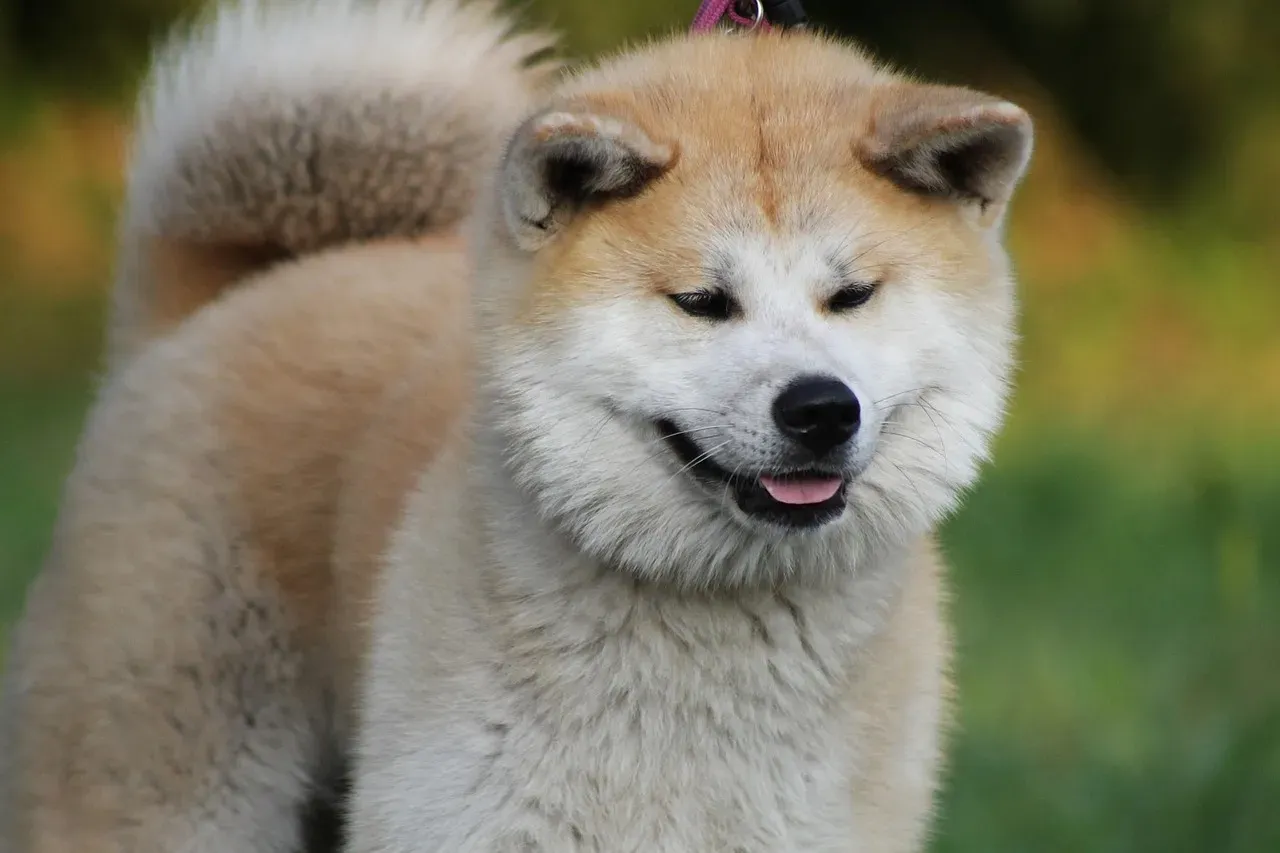
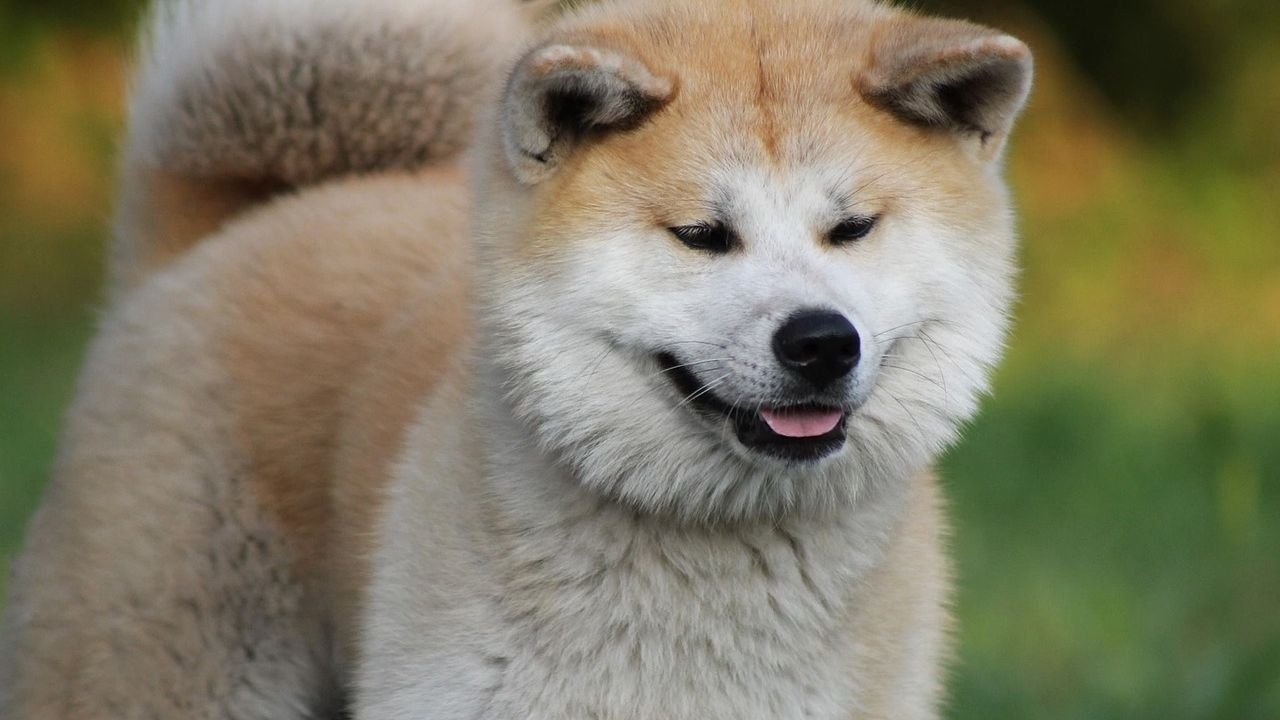
Akitas were bred to hunt big game, so they have a strong prey drive and can be aggressive if not adequately socialized and trained, and highly protective by nature, these dogs are often wary of strangers. It takes an experienced pet parent to keep Akitas grounded and trained. Their loyalty is legendary, which sounds wonderful until you realize that protective instinct can quickly become problematic without clear leadership.
Akitas are known for their strong-willed and independent personalities, originally bred for guarding and hunting, which required them to make their own decisions. They won’t back down from a challenge, including challenges from their own family members if they sense weakness or inconsistency. I know it sounds intense, but it’s the truth. These dogs need someone who radiates calm authority every single day.
Rottweiler: The Muscular Protector Who Needs Clear Boundaries
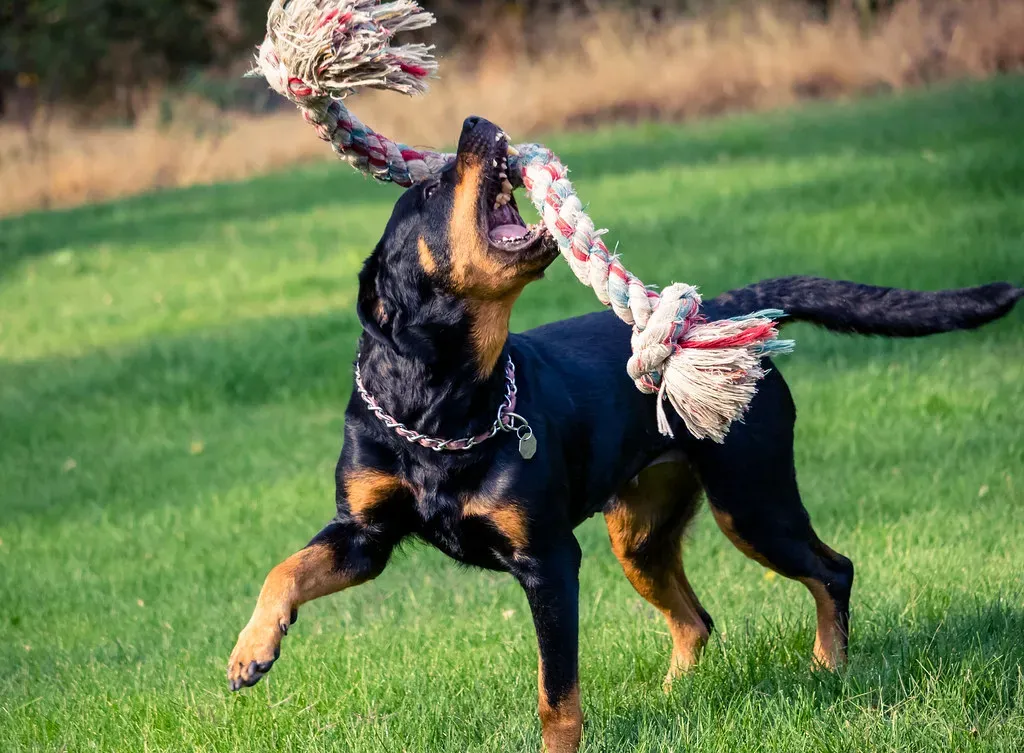
Rottweilers are loyal and protective breeds with a reputation for being a handful, intelligent, powerful, and naturally guard dogs. The key to training a Rottweiler is early socialization and consistent, firm training, as they can be stubborn and become overly protective if not trained correctly. Their size alone is intimidating, sometimes exceeding one hundred pounds of solid muscle.
Without proper guidance, things can spiral. Without proper guidance and a loving owner by their side, Rottweilers can develop destructive behaviors and can even become overprotective. What looks like devotion can morph into territorial aggression if boundaries aren’t crystal clear from day one. This breed requires an owner who understands the importance of establishing clear leadership and boundaries. They’re not trying to be difficult. They just need someone who knows how to channel that power into something positive.
Chow Chow: The Aloof Emperor of Dogs
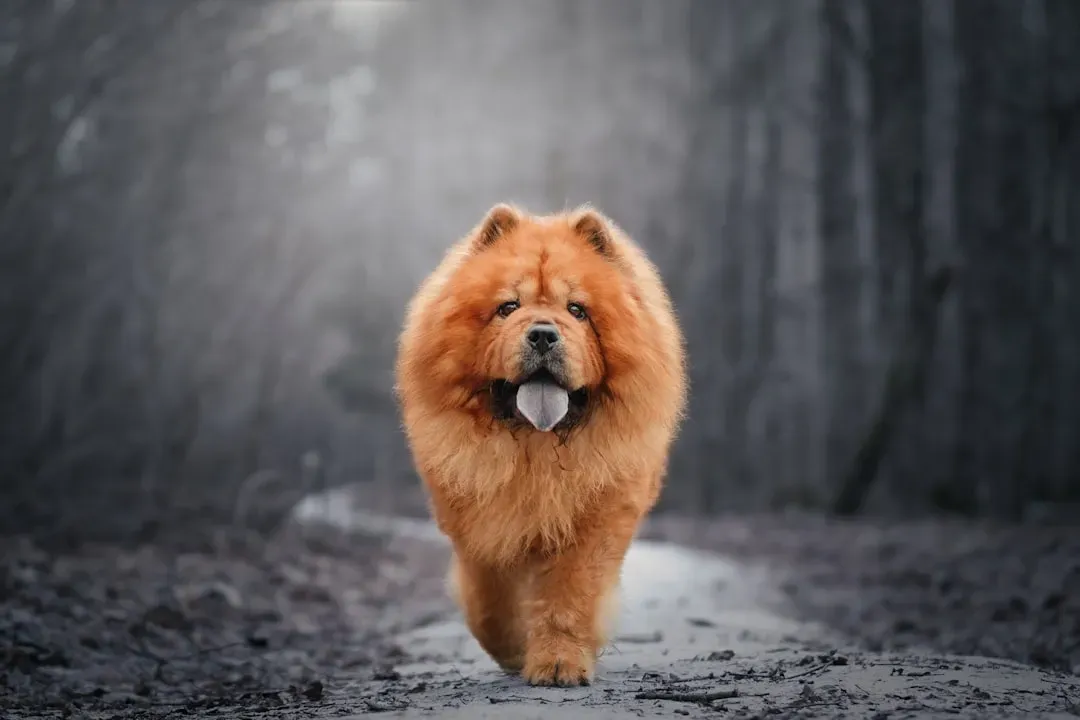
Chow Chows have a reputation for being strong-willed and aloof, and they can be wary of strangers and may require extensive socialization. While intelligent, these dogs are stubborn, and raising a well-mannered and well-adjusted Chow takes a lot of training and patience, so these dogs do best with experienced owners. Their lion-like mane gives them a regal appearance, and trust me, they know it.
If an inexperienced owner slides on the rules, a Chow may become downright unruly and challenge for pack leadership, and proper socialization in their early years will teach a Chow to be respectful and friendly. This isn’t a breed that melts with affection or eagerly obeys every command. They’re independent thinkers who respect strength and consistency. If you’re inconsistent, they’ll take the reins, and nobody wants that.
Australian Cattle Dog: The Relentless Herder
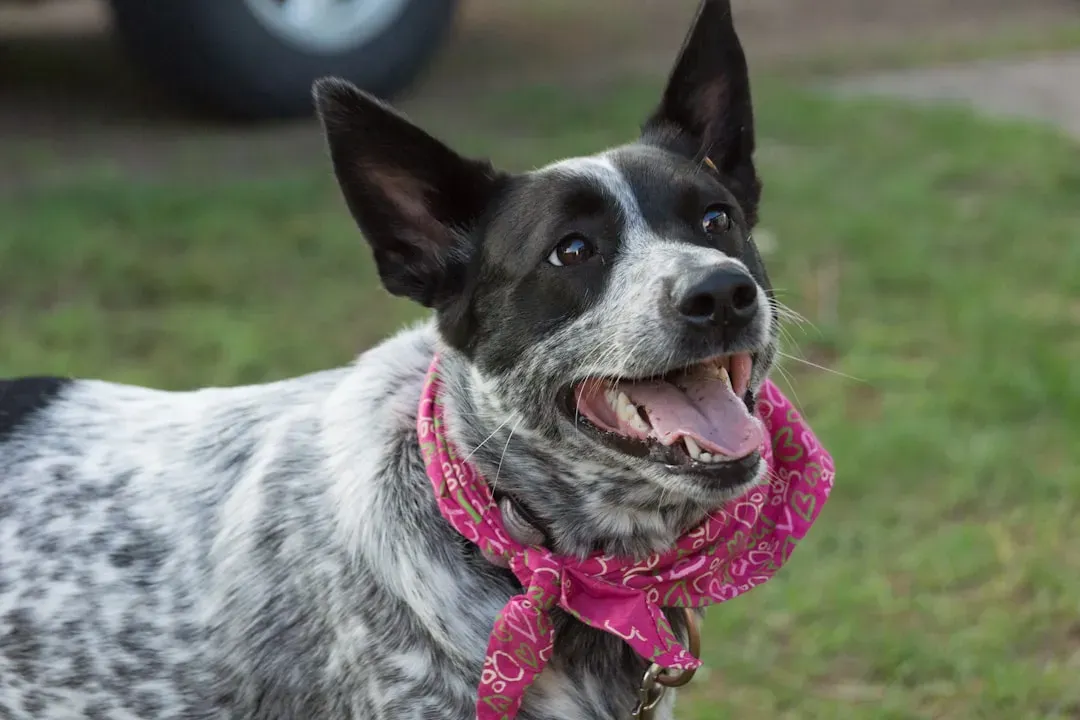
Also known as the Blue Heeler, Australian Cattle Dogs are herding dogs with incredible energy, independence, and stamina, bred to herd cattle over long distances and happiest with a job to do. Without proper outlets, they can exhibit destructive behaviors and become frustrated, needing mental stimulation, consistent training, and a lot of exercise. I’ve seen these dogs in action, and their focus is unbelievable.
Natural herders, Border Collies are prone to nipping at peoples’ heels. The same holds true for Cattle Dogs. They might try to herd your kids, your guests, or even your other pets. They are not suited for apartment living or sedentary households due to their high energy and activity levels. These dogs thrive in environments where they have room to move and tasks to complete. Without that, frustration builds fast.
Conclusion
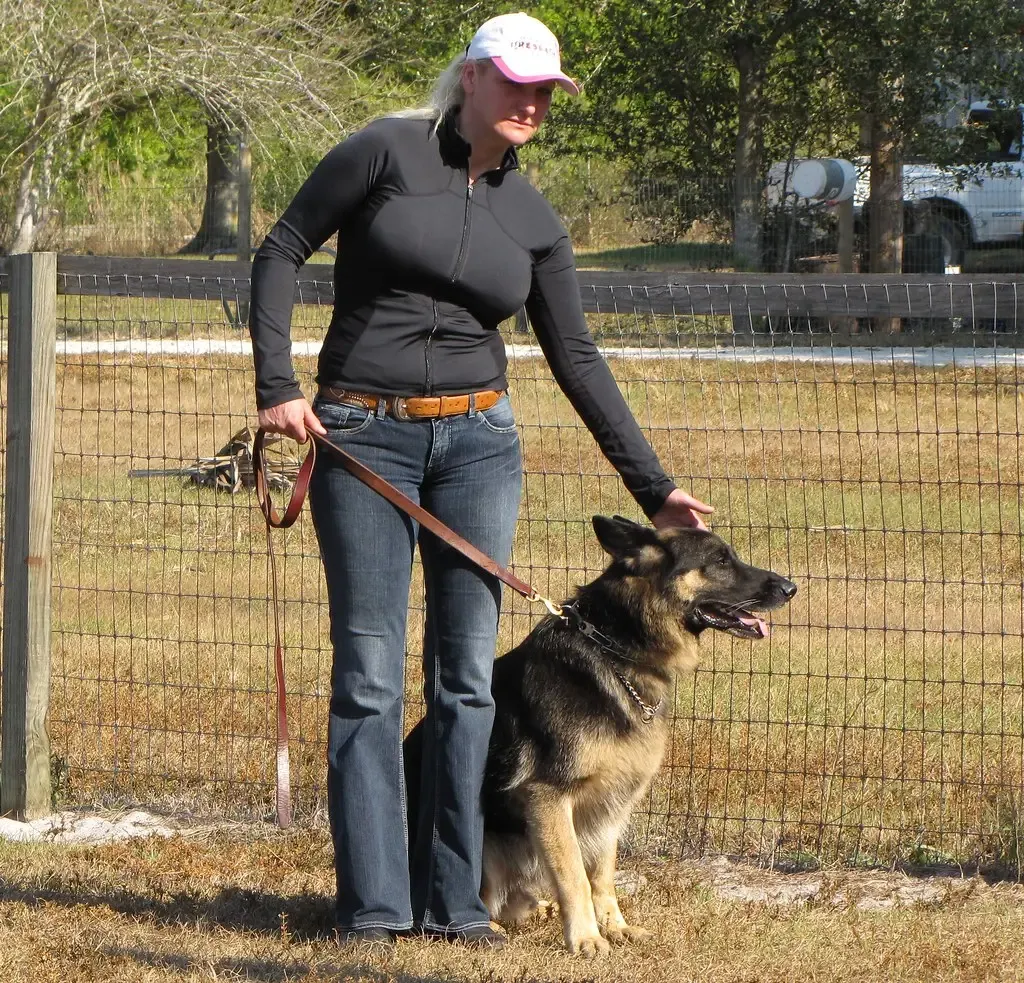
Choosing a dog should never be based on looks alone or a fleeting moment of inspiration. These six breeds are magnificent, loyal, and deeply rewarding in the right hands. Yet they demand time, knowledge, consistency, and an honest assessment of your own lifestyle and capabilities. Without much experience, highly independent, task-oriented, stubborn, aggressive, or anxious dogs can be very challenging for first-time pet parents and require intense training and attention.
If you recognize yourself as someone who loves a challenge, who’s willing to invest in training classes, daily exercise, and ongoing mental stimulation, then one of these breeds might be your perfect match. Otherwise, there’s no shame in choosing a more easygoing companion. What do you think? Could you handle one of these powerhouses, or would you prefer a dog that’s a bit less demanding? Let us know your thoughts.


