
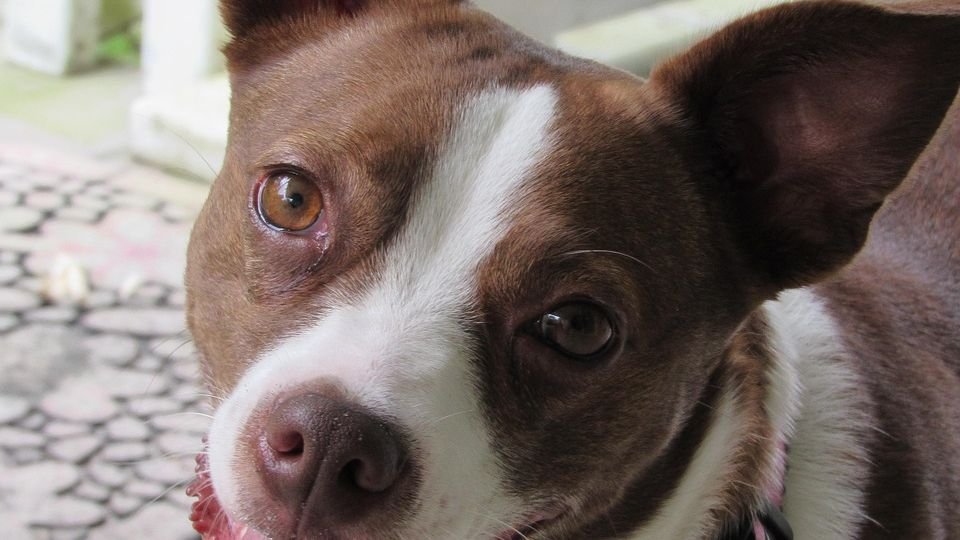
You know that feeling when you walk through the door and your dog rushes toward you, ears pulled back softly? Or when you hear a noise outside and suddenly both ears shoot forward like tiny radars? Here’s the thing. Your dog isn’t just hearing the world around them. Those ears are talking.
I think most of us assume our dogs communicate with barks and tail wags, which they absolutely do. Yet their ears might be the most honest part of their entire body. They shift, fold, and perk in ways that tell you exactly how your dog is feeling in that moment. It’s like they’re speaking an ancient language that we’re only just beginning to understand.
When Ears Go Forward: Alert Mode Activated
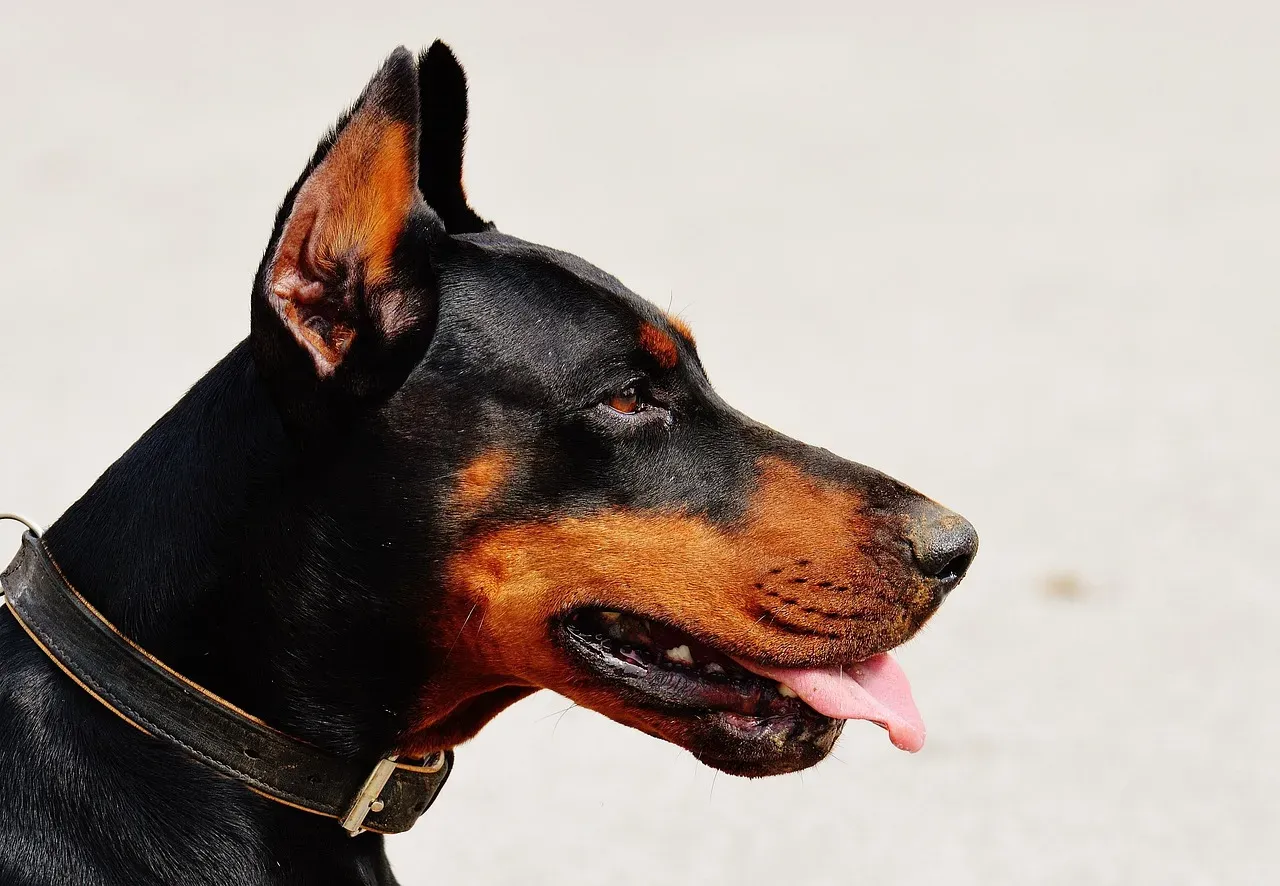
Erect ears facing forward indicate alertness, interest, or potentially aggressive behavior. Picture this: your dog hears a rustle in the bushes during your evening walk. Their ears immediately snap to attention.
When ears stand tall and point forward, it signals alertness or curiosity. That squirrel darting across the yard? Your pup’s ears have already locked onto it before their body even moves. Think of it like someone turning up the volume on a conversation they want to hear better.
Now, here’s where it gets tricky. An aggressive dog will also show forward-facing, erect ears, but they’ll have a high-held tail with short jerky wags. Context is everything. If your dog’s entire body is relaxed and their mouth is slightly open, those forward ears just mean they’re curious. If their body goes stiff and their gaze becomes fixed, that’s a warning sign.
Ears up and tightly held, almost touching, means your dog is very intense and it could be a prelude to a charge. This is the difference between your dog noticing something interesting and your dog preparing to react strongly to a perceived threat.
The Soft Pullback: Affection and Submission
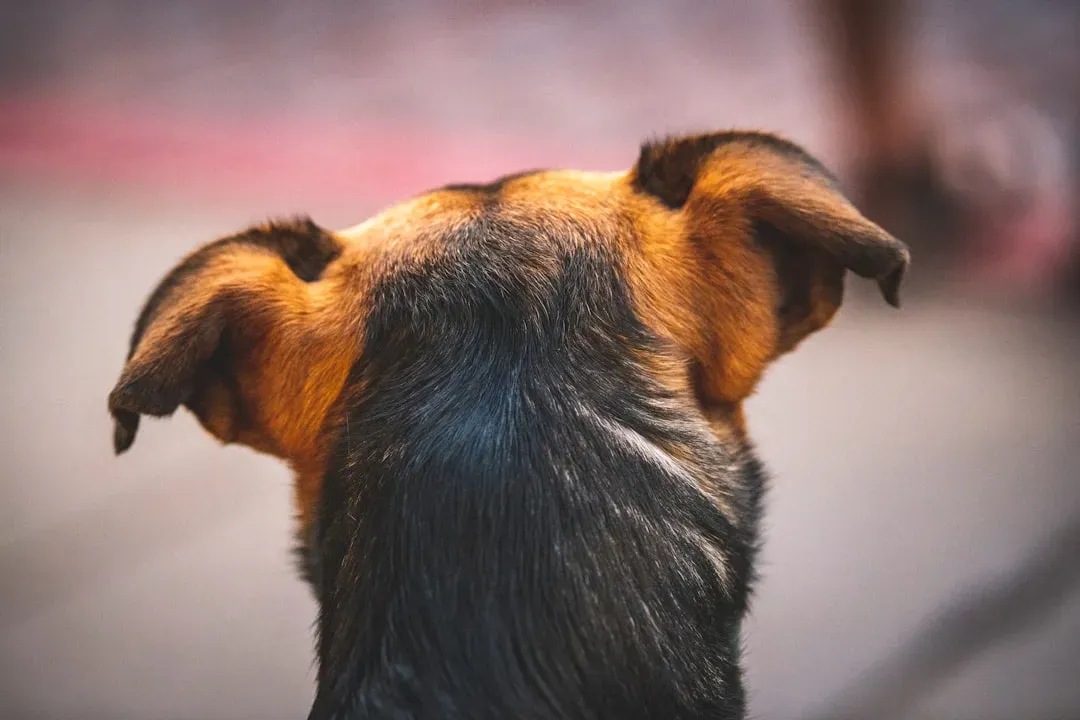
Let’s be real. This is probably the ear position that melts hearts most often. Some dogs pull their ears back when feeling affectionate or excited to see you, which may be paired with licking or tail wagging.
My own experience watching countless dogs has taught me this. When a dog approaches you with ears slightly back but their body loose and wiggly, they’re basically saying “I love you so much I can barely contain it.” As your dog gets closer during a greeting, they may drop or pull their ears back, still wagging and smiling, because they’re trying to please you.
Fearful and submissive dogs show clear behavior including a tucked tail, turning their head away, or rolling to show their tummy, and may crawl with wild wags or urinate in a low position. The key here is reading the whole picture, not just the ears alone.
There’s a spectrum to this position. Ears can vary from simply back to communicate appeasement, to flattened or pressed back in frightened individuals, and in extremely fearful dogs, ears can be pressed back so far they completely disappear. That last scenario gets called seal ears, and honestly, it breaks my heart every time I see it.
Flattened and Pinned: Fear, Anxiety, or Aggression
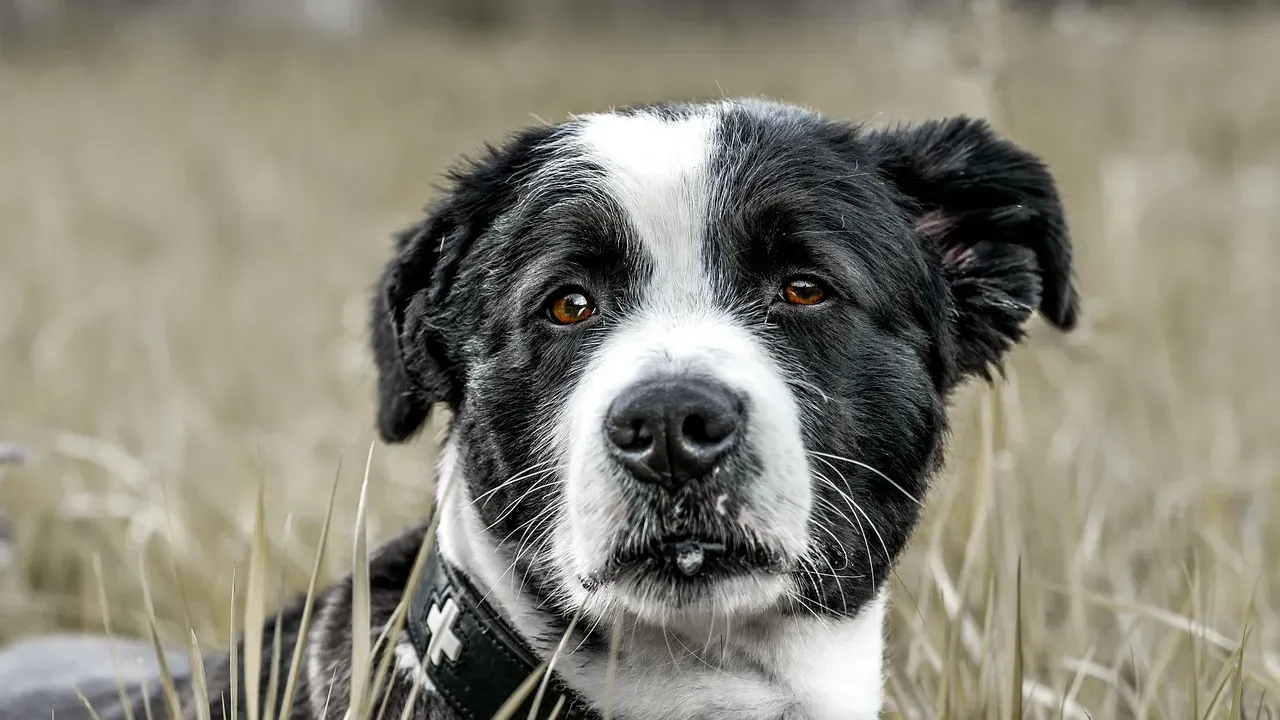
This is where things get serious. Flattened, pinned ears typically show fear, aggression, or anxiety, and the body will likely be tense. It’s one of those positions where you need to stop what you’re doing and pay attention.
If your dog’s ears are flattened against their head, it could mean they’re feeling worried, often accompanied by other stressed body language like a tucked tail, lip licking, yawning, or panting, and the further back the ears are pointed, the more anxious or fearful they may be. Think about how you might hunch your shoulders when you’re uncomfortable. Dogs flatten their ears.
Here’s something that surprises people. Aggressive dogs slick their ears back just before an attack. So yes, extremely pinned ears can signal both fear and aggression. The difference? With fear, the tail may be tucked or held low and they may crouch or hunch down, but you may also see hair along their back raise up and they may curl their lip or growl if the message isn’t being received.
If you notice your dog’s ears suddenly go flat during a vet visit or when meeting a new person, give them space. They’re telling you they need reassurance or distance from whatever is making them uncomfortable.
The Adorable Tilt and Mismatched Ears: Confusion and Curiosity
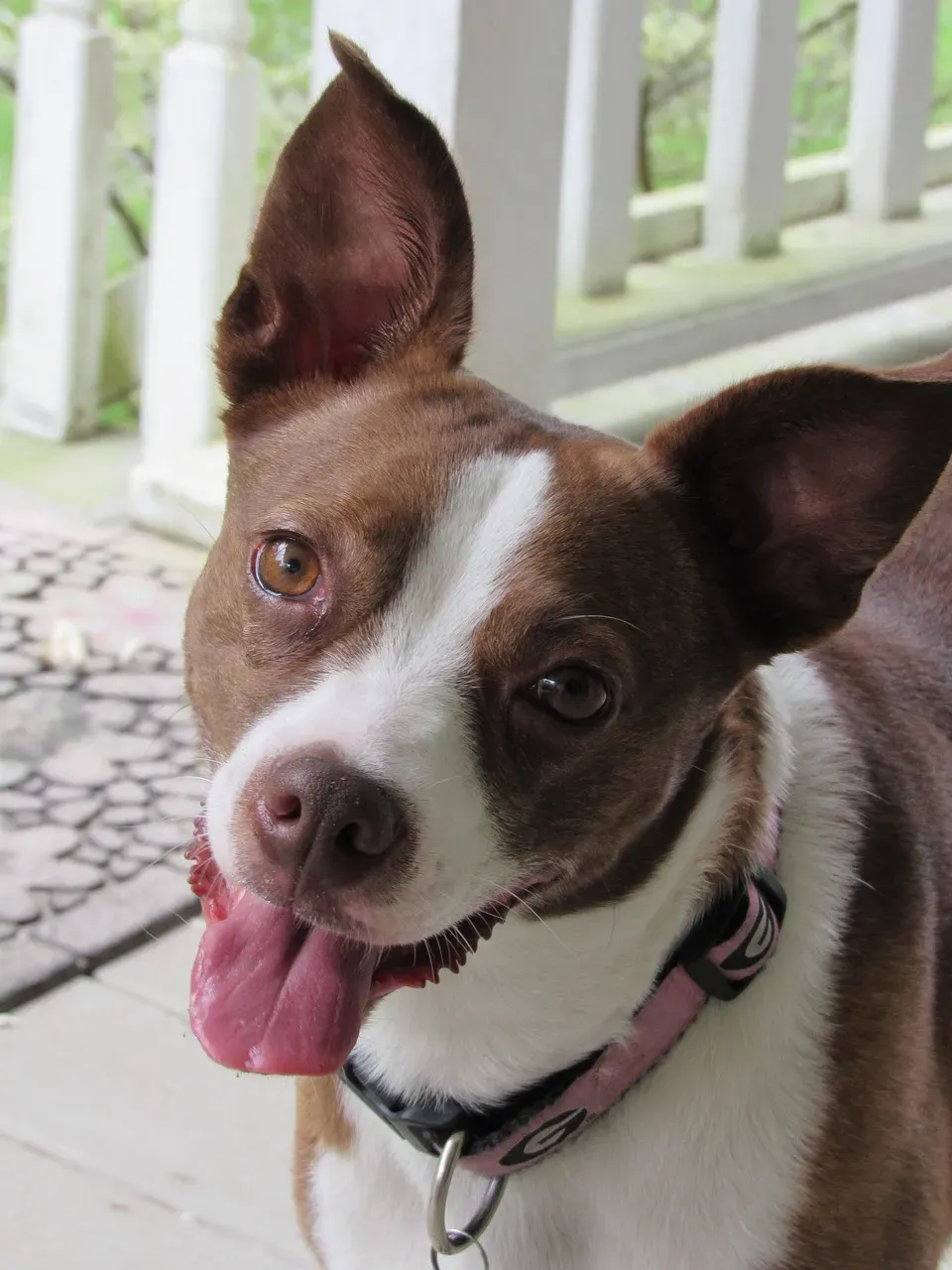
You know that irresistibly cute head tilt dogs do? The mismatched ear look, where one ear is perked and the other is relaxed, often means they’re trying to figure something out and may be listening closely while gauging how to respond.
Expressing puzzlement is one of the most common dog ear expressions, and when ears flick from one position to another, the dog hasn’t quite made up their mind. It’s like watching someone weigh their options in real time.
Sometimes your dog will put their ears through their paces, moving them up and down and sideways in seconds, which usually means they’re confused by their surroundings or hearing multiple noises and trying to pinpoint them simultaneously, or feeling out of place in a new situation. Imagine walking into a crowded party where you don’t know anyone. That’s kind of what your dog is processing.
I think the head tilt happens when they’re really trying to understand us. Dogs can hear frequencies we can’t, and they’re constantly filtering sounds. That tilt might help them hear better or process what we’re saying more clearly.
When Ears Signal Health Problems: What to Watch For
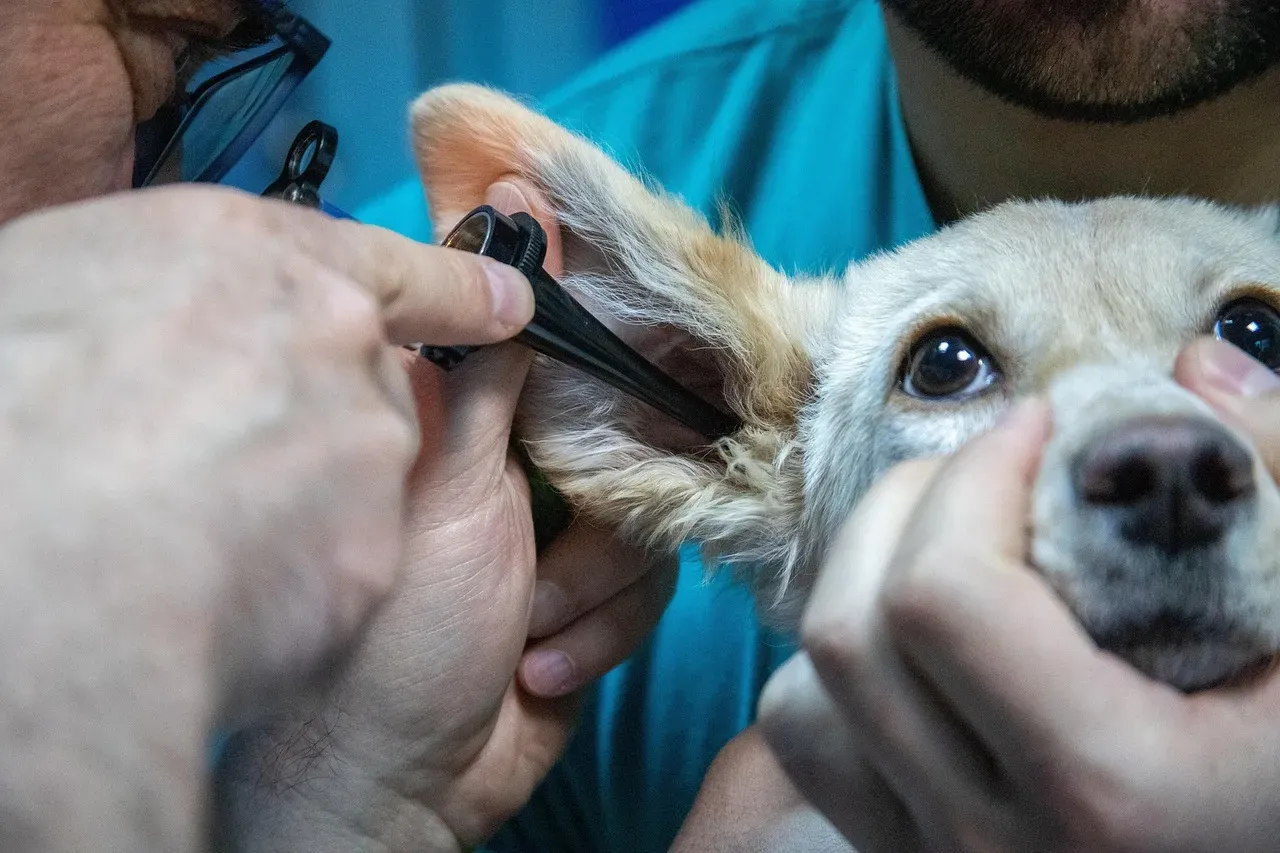
This is critical. If your dog is showing unusual ear postures, such as one ear held down, tilting their head slightly, or holding a drop ear out from their head a bit, they may have an ear infection or hematoma, and ears are very sensitive so they should be examined carefully.
Ear infections are common in dogs, especially those with floppy ears such as Basset Hounds and Cocker Spaniels, and an estimated 20 percent of dogs have some form of ear disease. That’s roughly one in five dogs. Not insignificant numbers.
Many dogs will shake their head and scratch their ears to relieve discomfort, the ears often become red and inflamed and develop an offensive odor, and a black or yellowish discharge commonly occurs. If you notice any of these signs, don’t wait. Ear infections are painful and they won’t resolve on their own.
Dogs with droopy or V-shaped ears have a higher risk of developing ear infections than dogs with upright ears, due to limited air circulation, increased moisture retention, and the specific anatomy of their ear canals. Prevention matters here. Regular gentle ear checks can catch problems early, and keeping ears dry after swimming or baths helps tremendously.
Conclusion
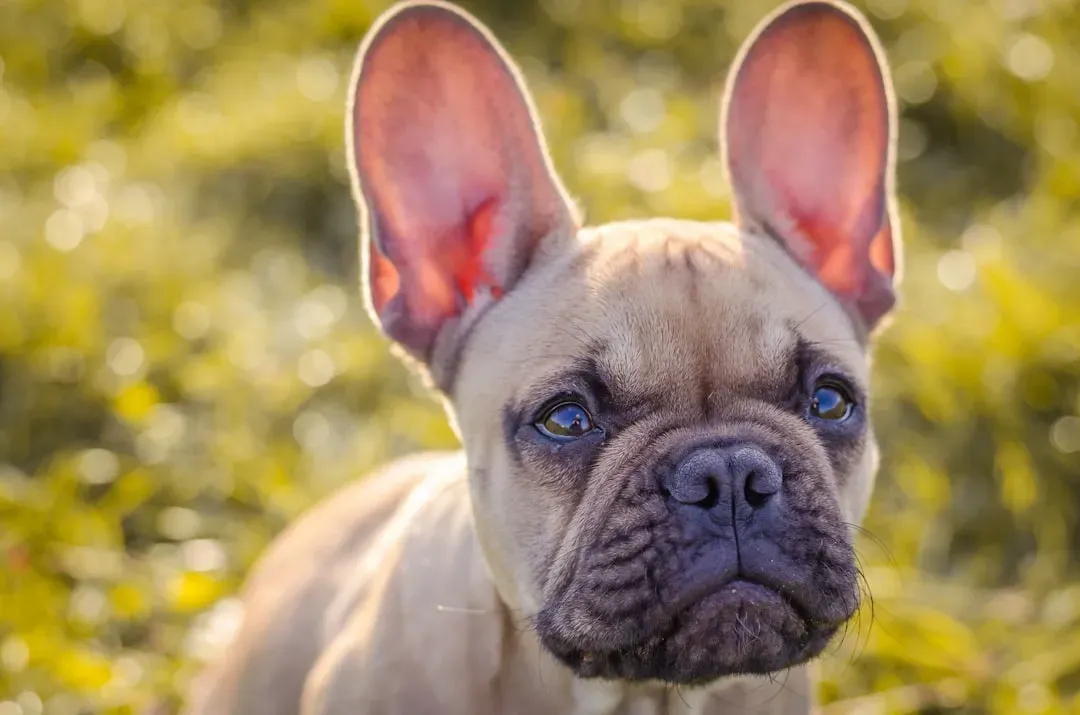
Your dog’s ears are constantly in motion, constantly communicating. Learning to read them transforms how you understand your best friend. It helps you know when they’re excited, when they need comfort, when they’re unsure, and when they might be in pain.
The beautiful thing about this secret language is that it’s been there all along. We just needed to slow down and pay attention. Dogs use a combination of body language, which means trying to understand ear position meaning by itself proves confusing, and what it means when ears are back depends on what the tail says, body position, if fur lies smooth or hackles raise, and many other things.
Start watching your dog’s ears today. Notice how they move when you come home, when they hear their favorite word, when they meet another dog. You’ll be amazed at how much they’ve been telling you all this time.
What have you noticed about your dog’s ear language? Have you spotted patterns we didn’t cover here?


