

It’s easy to fall in love with a dog’s looks. A fluffy coat, expressive eyes, or a unique build can melt hearts. Yet what’s going on behind those adorable faces matters just as much, if not more, than what meets the eye. Some breeds are delightfully easy to read, their emotions written plainly in their wagging tails and relaxed postures. Others? Well, they’re a bit more complicated.
Recent research comparing over 18,000 dogs found that breed has much less to do with personality than is generally supposed, which tells us that individual temperament varies widely. Still, some breeds are more likely to show unpredictable responses to everyday situations, especially when not socialized or trained properly. Honestly, these dogs aren’t bad or mean by nature. They just require more patience, knowledge, and effort from their humans to truly thrive. Let’s dive into six breeds that can surprise even experienced owners with their complexity.
Chow Chow: The Independent Guardian
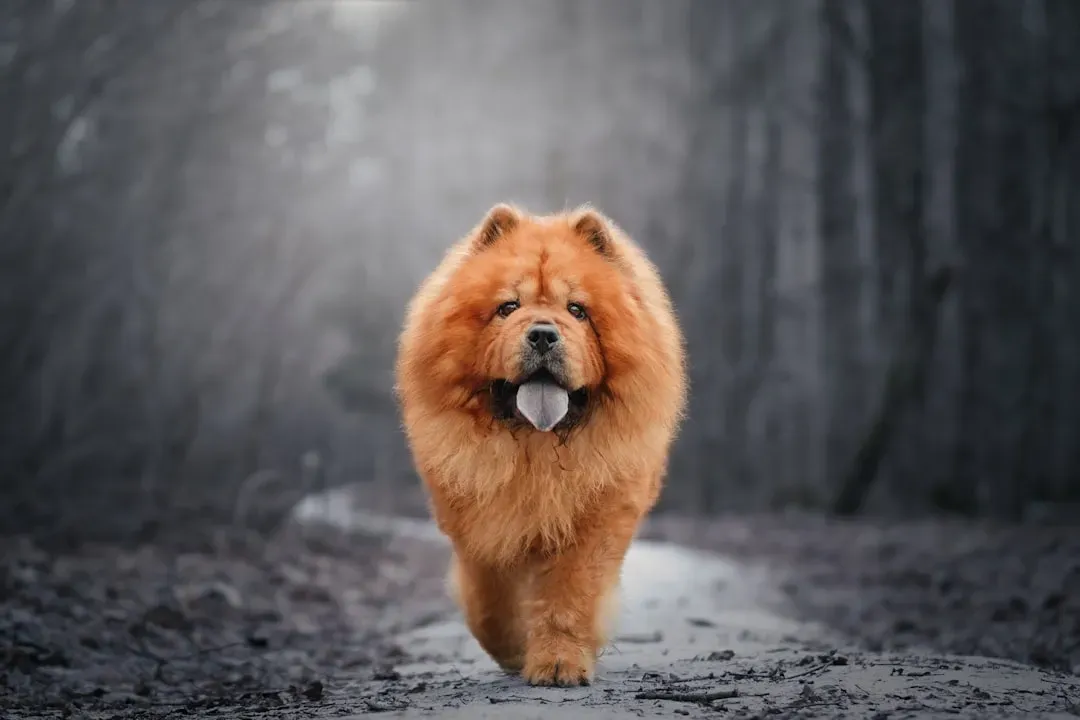
The Chow Chow resembles a living teddy bear with its thick mane and deep-set eyes. They tend to be aloof with strangers and can be aggressive with other dogs, fitting with their history as guard dogs. This isn’t a breed that typically warms up quickly to new people or situations.
What makes them unpredictable is their tendency to switch from calm to defensive without much warning. This is the most dangerous of all dog temperaments, and it’s extremely common in the Chow Chow – they are protective over territory and family, and won’t willingly allow people into their home. One moment they’re resting peacefully, the next they’re blocking a stranger from entering your house.
One interesting feature is that they are naturally quite well mannered when young, which can lure owners into false security, and by the time they become teenagers, you have a problem on your hands. Bad-tempered Chows are usually the result of indiscriminate breeding and a woeful lack of socialization. Early training is absolutely critical.
Watch for stiff body language, fixed stares, and that signature scowl that can precede a growl. They don’t always give you multiple warnings. If you’re considering a Chow, prepare to invest heavily in puppy socialization classes and maintain firm, consistent boundaries throughout their life.
Dalmatian: The High-Energy Charmer
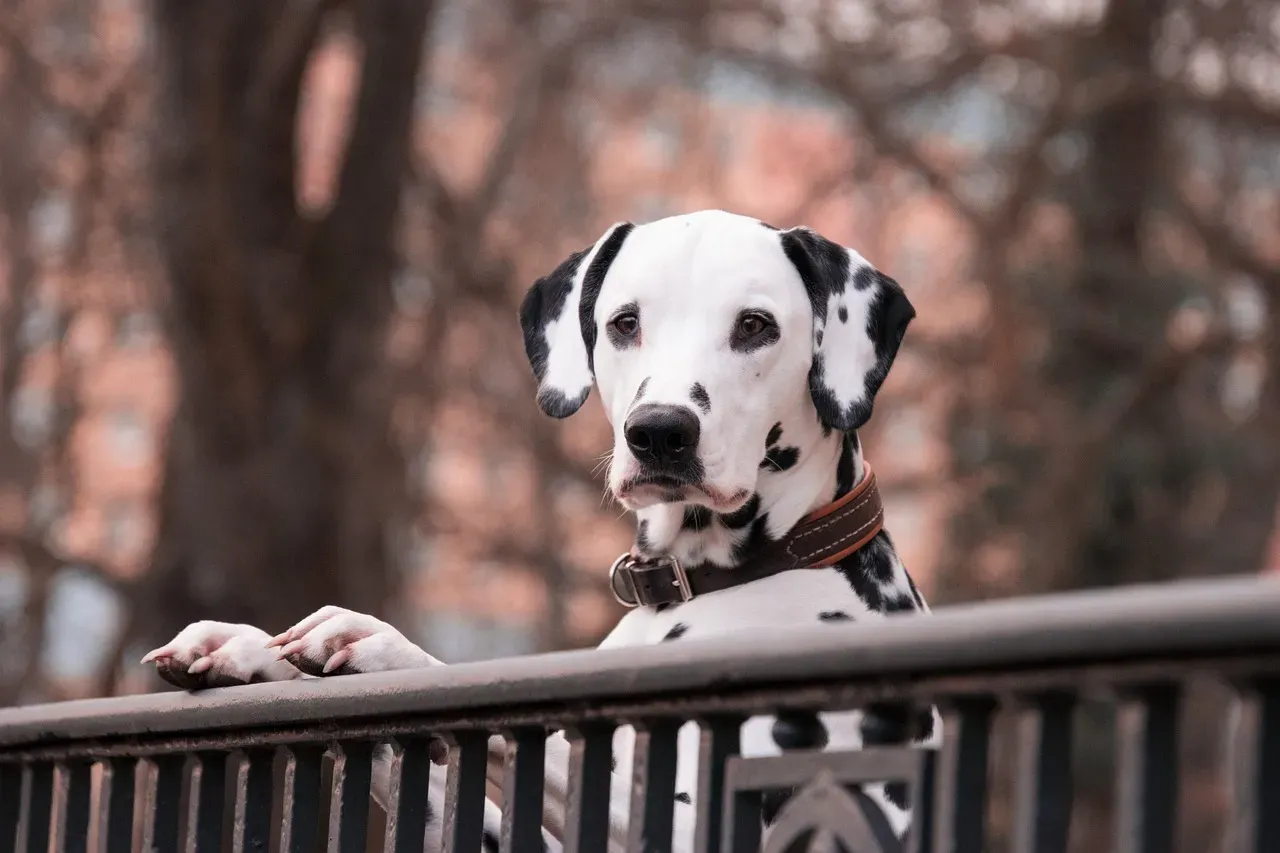
Those iconic spots make Dalmatians instantly recognizable, yet behind that striking coat lies a dog that needs structure and purpose. Some Dalmatians can be reserved with strangers and aggressive toward other dogs; others are timid if not well socialized, and yet others can be high-strung. That’s quite a range of possibilities.
They were bred for energy and endurance with a willful personality, and when owners don’t fulfill these needs, they get restless, bored, irritable and become unpredictable. Think of a Dalmatian as an athlete who needs daily training. Without it, frustration builds.
The breed’s popularity after certain Disney movies led to serious problems. Unscrupulous people bred dogs purely as income without evaluating temperament before mating them, resulting in widespread Dalmatian temperament problems – this generation was hyperactive, aggressive, and extremely stubborn. Sadly, many families were unprepared.
These pups might be prone to anxiety, nervousness, or unpredictability, which can lead to aggression if behaviors aren’t properly dealt with. Dalmatians have a hereditary predisposition to deafness, generally presenting in their first few weeks of life, with most deaf in both ears or just one ear. Deaf dogs require specialized training approaches and can startle more easily, adding another layer of complexity to their care.
Akita: The Silent Protector
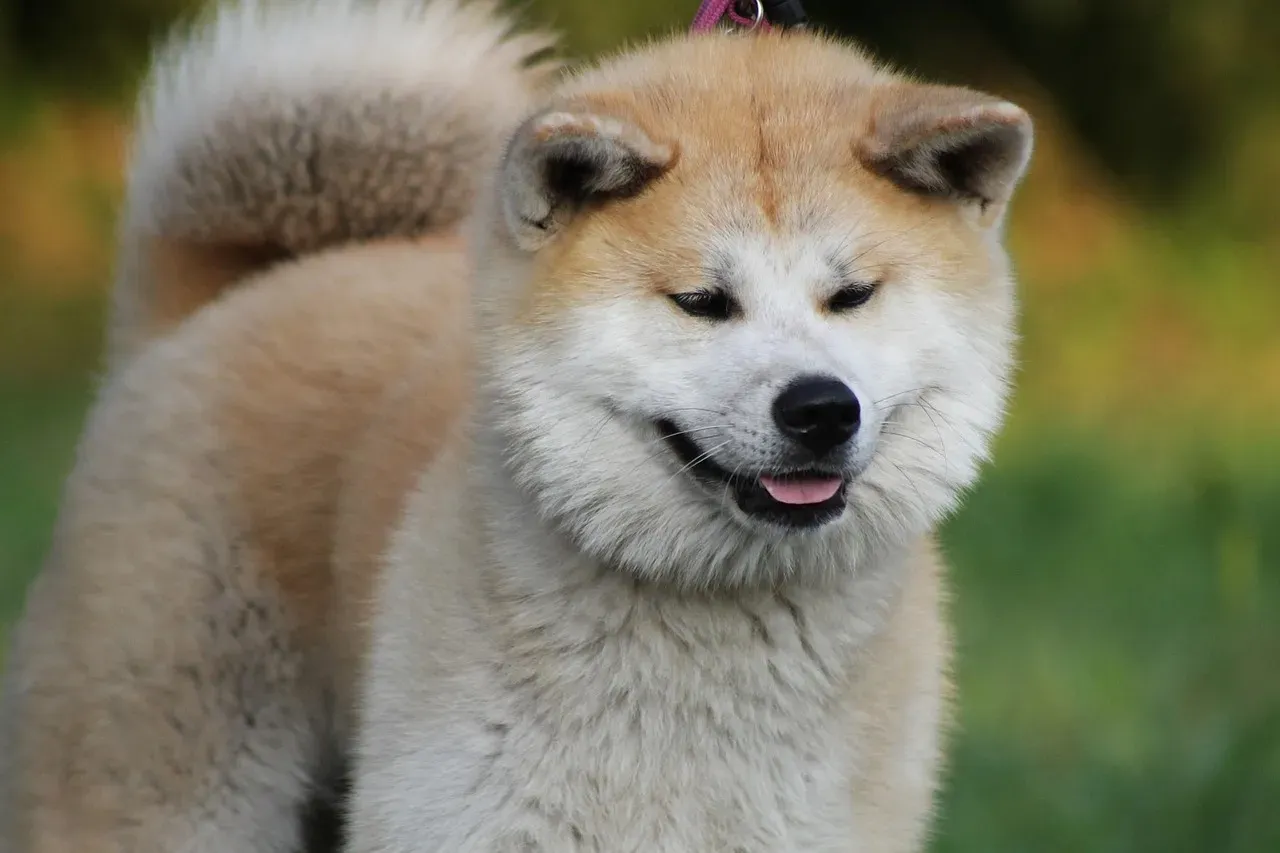
Akitas carry an air of nobility and quiet confidence. Originating from Japan, they were bred to guard and hunt, which gave them a serious, watchful temperament. The Akita is happy to be an only dog and can be aggressive toward other dogs not in his family group, and will most likely try to keep his status as top dog at any cost.
Their temperament can change from playful one minute to aggressive the next, which catches many owners off guard. One of the biggest temperament issues with the Akita is their tendency to aggression towards other animals – their guarding nature means they will attack seemingly out of nowhere. There’s often minimal warning.
Akitas frequently direct aggression toward strangers in the home, particularly children, and also display dominance aggression in and outside the home. This protective instinct is deeply ingrained. Unless taught to respond calmly, Akitas may overreact to unfamiliar situations and people, potentially with aggressive behavior.
What makes this particularly challenging is their subtlety. Due to their subtle body language, other dogs can have difficulty reading them just like people, which can lead to fights. They’re not big barkers, preferring to observe quietly before acting. If you want an Akita, you must establish yourself as a calm, consistent leader from day one and never leave them unsupervised with unfamiliar people or animals.
Chihuahua: The Tiny Terror
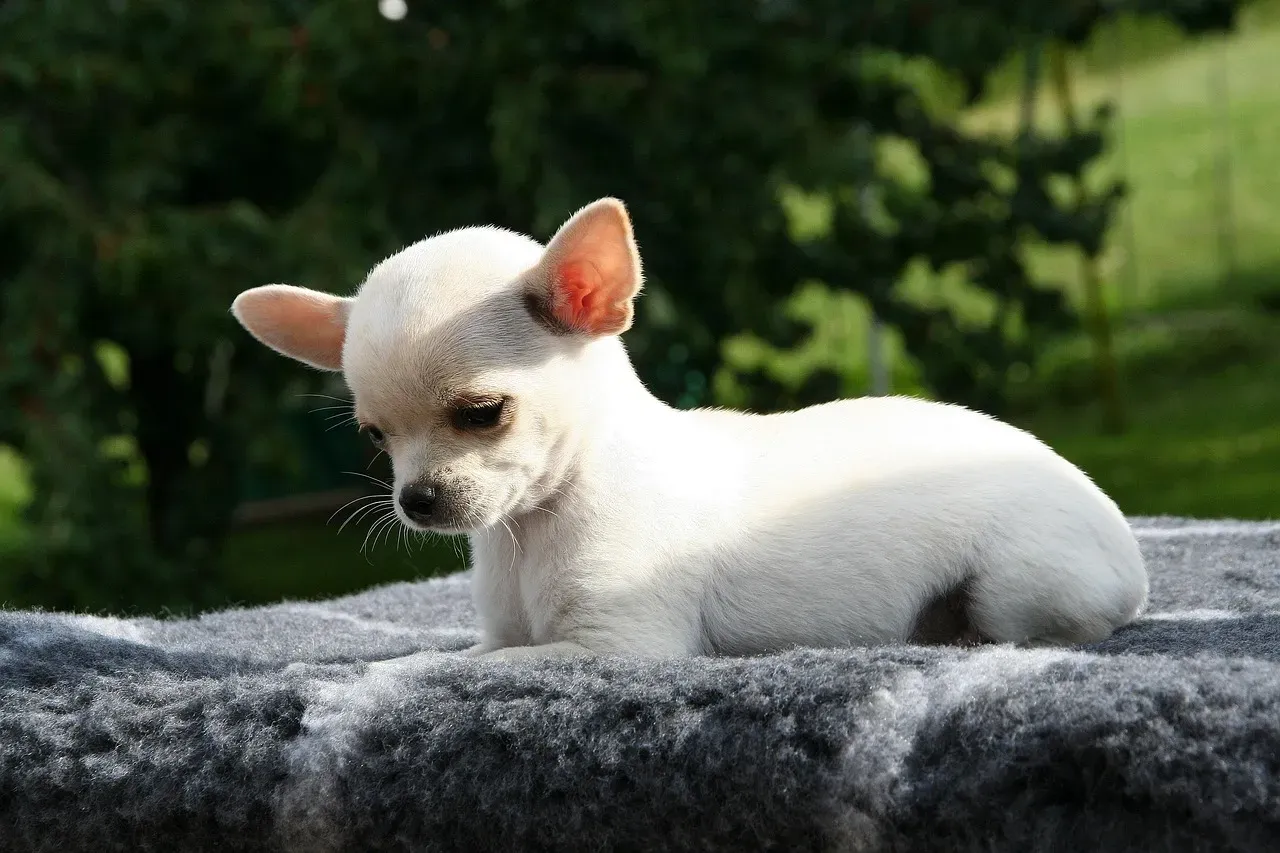
Let’s be real – Chihuahuas have earned their reputation as ankle-biters. Despite weighing only a few pounds, they pack enormous attitude into their tiny frames. Chihuahuas are alphas – their intelligence demands no less. They see themselves as equals to dogs ten times their size.
Chihuahuas are known for being extremely territorial; they will stake their claim to toys, beds, and people, and if you mosey in on a Chihuahua’s territory, you could spark aggressive behavior. The most common cause is fear – their small size makes the world feel threatening.
Here’s the thing many owners get wrong: You need to invest time training the Chihuahua just as if they were a large-breed dog instead of allowing behaviors like jumping up that wouldn’t be allowed with larger breeds. Chihuahuas seem more aggressive than other dogs because many owners do little to curb problematic behavior due to their size. People think it’s cute when a Chihuahua snarls. It’s not.
This widely cited survey reported Chihuahuas as the most aggressive among 35 dog breeds, especially feisty towards bigger dogs they haven’t seen before. Because Chihuahuas get so attached to their humans, they usually don’t socialize much with other people or dogs, and attachment issues can cause them to be more fearful, leading to aggressive behavior. Proper socialization from puppyhood is essential to prevent fear-based aggression later.
Jack Russell Terrier: The Relentless Hunter
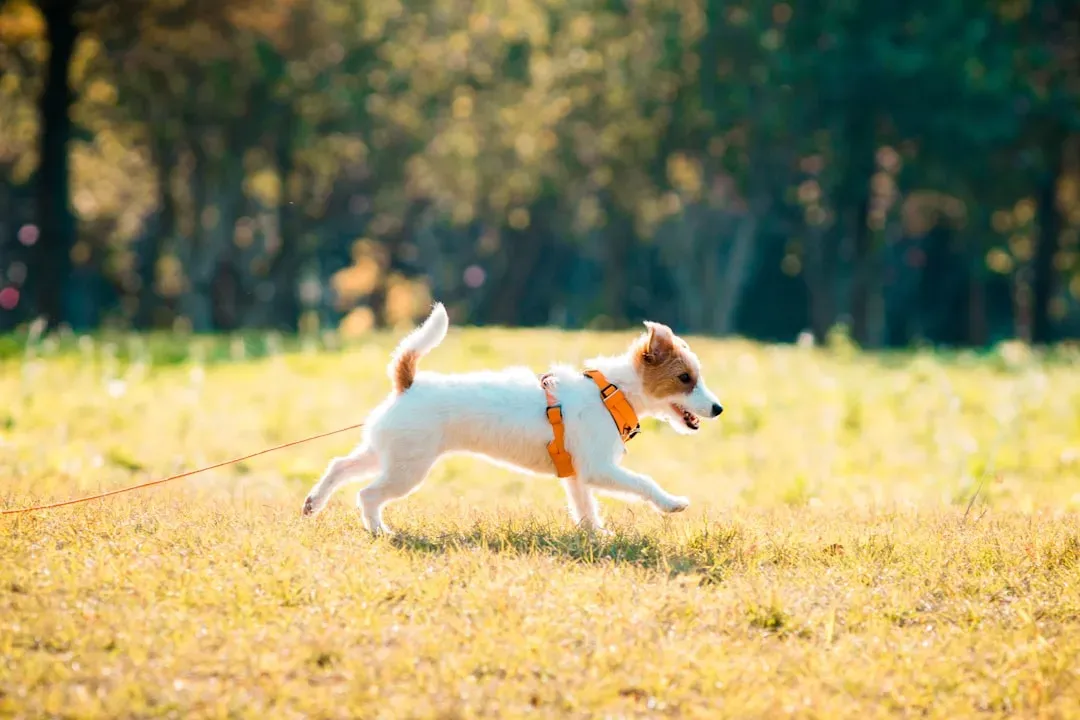
Jack Russell Terriers are bundles of pure energy wrapped in a compact, athletic body. Bred originally to hunt foxes, these dogs have prey drive hardwired into every fiber of their being. They’re smart, fearless, and incredibly determined – which sounds great until that determination turns into obsessive behavior or aggression toward other animals.
What makes them unpredictable is their lightning-fast reaction time combined with their stubborn streak. A Jack Russell might be happily playing one moment, then suddenly fixate on a squirrel, cat, or even a child’s toy with such intensity that they become unreachable. They can redirect frustration into nipping or snapping if they’re overstimulated or prevented from chasing something they’ve locked onto.
These terriers need constant mental and physical stimulation. Without it, they become destructive and irritable. They’re not dogs that do well sitting around watching TV with you all evening. They want jobs, puzzles, and challenges. In the wrong home, their energy and intensity can quickly escalate into behavioral problems that feel unpredictable but are actually the result of pent-up drive with nowhere to go.
Jack Russells also tend to be vocal and territorial, barking at anything they perceive as an intrusion. They’re often aggressive toward other dogs, particularly those of the same sex. If you’re thinking about a Jack Russell, ask yourself honestly whether you can provide multiple hours of exercise and engagement daily. If not, this isn’t your breed.
Siberian Husky: The Independent Wanderer
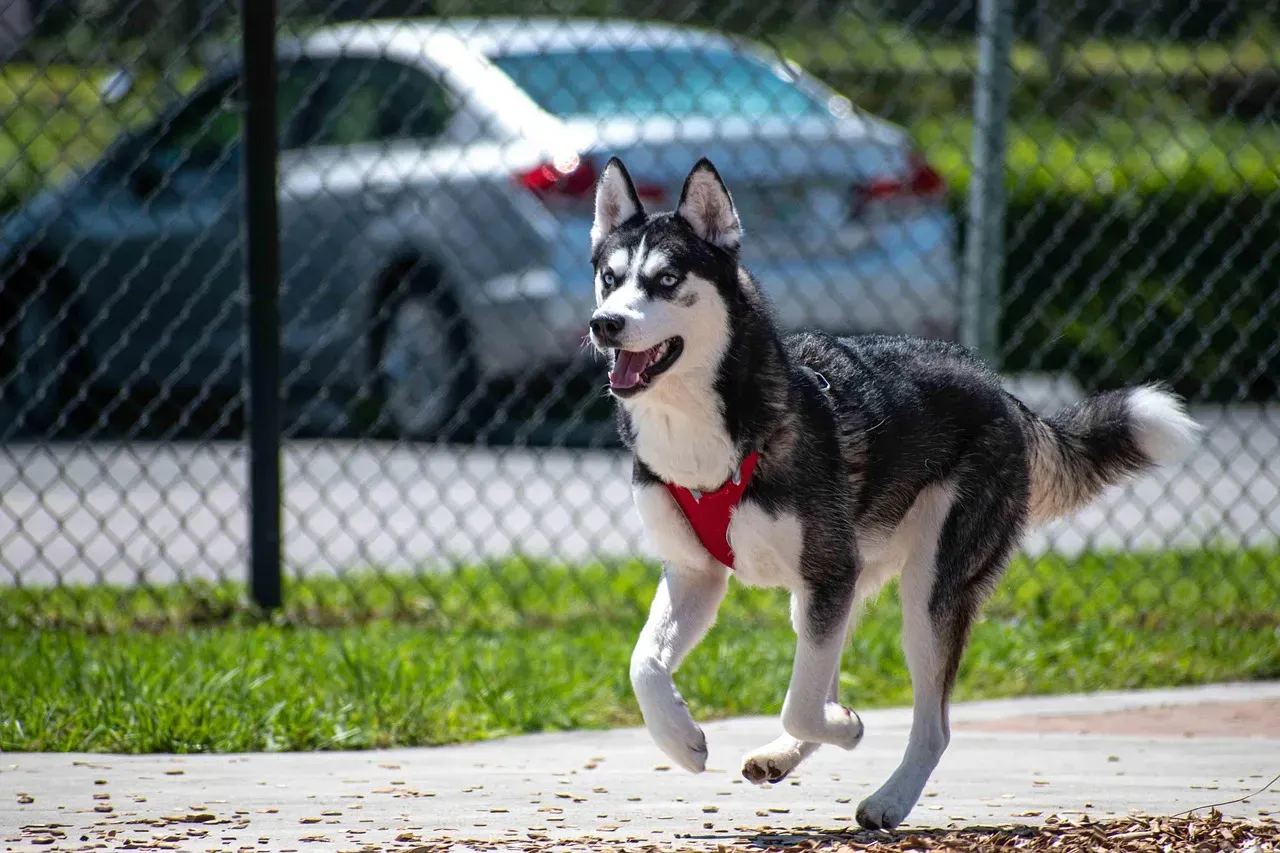
The Siberian Husky is a dog breed known for its unpredictability due to its high energy levels, intelligence, and independent nature. These beautiful dogs were bred to run long distances in harsh conditions, which gave them incredible endurance and a strong desire for autonomy.
Huskies are escape artists with selective hearing. They might come when called one day and completely ignore you the next, especially if something more interesting catches their attention. This inconsistency isn’t defiance exactly – it’s more that Huskies make their own decisions about what’s worth doing. They’re thinkers, not blind followers.
Their prey drive can be surprisingly strong and unpredictable. A Husky might live peacefully with your cat for years, then one day chase it instinctively. They’re also known for sudden bursts of energy – what Husky owners affectionately call “zoomies” – where they sprint wildly in circles or dash through the house with zero warning. While often playful, this behavior can knock over children or startle other pets.
Huskies are pack animals and can become anxious or destructive when left alone too long. They’re vocal dogs that howl, which neighbors don’t always appreciate. They’re also notorious for being difficult to train off-leash because their instinct to run is so powerful. If you want a Husky, you need secure fencing, patience with training that may never result in perfect recall, and a sense of humor about their stubborn independence.
Finding Balance and Understanding
Here’s what I’ve learned from years around dogs: no breed is truly unpredictable when you understand what drives them. These six breeds aren’t bad dogs. They’re just dogs with strong instincts, specific needs, and temperaments that require knowledgeable, committed owners. The unpredictability often comes from a mismatch between what the dog needs and what the owner provides.
Training and environment have a much bigger impact on a dog’s behavior than breed alone. Dogs raised in stressful, neglectful, or abusive conditions are more likely to develop aggressive behaviors, while early training and socialization, along with responsible ownership, can greatly reduce aggression risks. Every single one of these breeds can be wonderful companions in the right hands.
If you’re drawn to any of these dogs, do your homework. Talk to breed-specific rescues, connect with experienced trainers, and be brutally honest about your lifestyle. Can you really provide two hours of exercise daily? Will you commit to ongoing training throughout the dog’s life? Are you prepared to manage a dog that might never be trustworthy off-leash or around other animals?
The best relationships between humans and dogs come from realistic expectations and genuine understanding. These breeds aren’t for everyone, and that’s okay. But for the right person, they can be incredibly rewarding companions who teach us as much as we teach them. What do you think – are you up for the challenge?


