
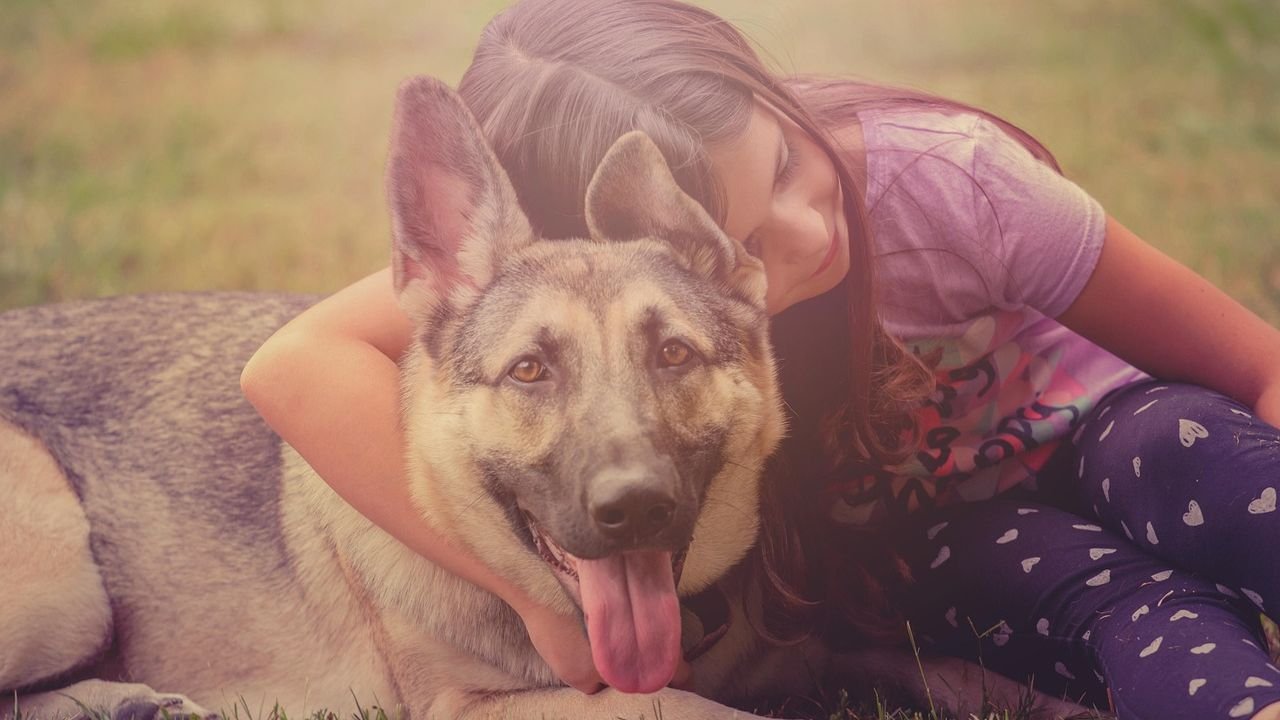
Have you ever walked past someone on the street, clutching their child a little tighter when they spot a certain dog coming their way? Maybe you’ve even been that person. Some dog breeds carry reputations that follow them like shadows, whispered warnings passed from neighbor to neighbor, friend to friend. Rottweilers are dangerous. Pit Bulls can’t be trusted. Dobermans are too aggressive for families.
Here’s the thing though. Most of what we think we know about certain breeds is rooted more in Hollywood scripts and sensational headlines than in reality. The dogs we’ve been taught to fear might just be the loyal, gentle companions we’ve been searching for all along. Let me take you on a journey through nine breeds that deserve a second look, breeds that have been unfairly judged and are actually wonderful with children when raised with love and proper training.
American Pit Bull Terrier: The Misunderstood Gentle Soul
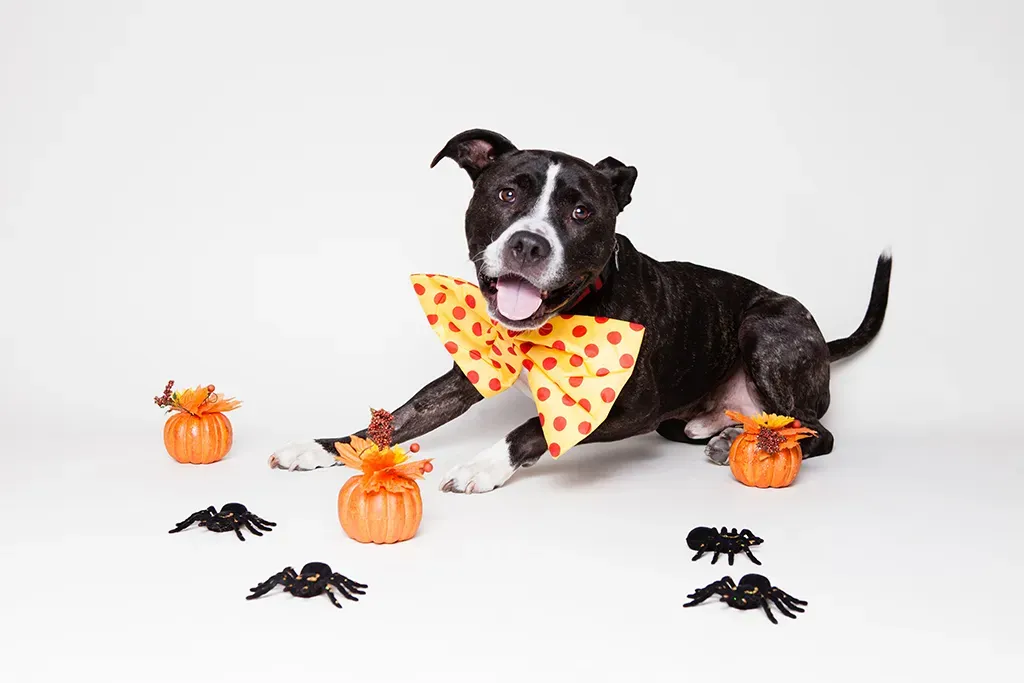
American Pit Bull Terriers and American Staffordshire Terriers tend to be very people-pleasing if raised in a loving home, and tolerate children’s rough play very well. In fact, they used to be known as “nanny dogs” due to their love of kids. It’s hard to believe when you look at the headlines, right?
Recent temperament testing data shows that the breeds commonly included in the pitbull-type category score within the top 20% of all breeds evaluated. These results reflect their exceptional temperament and support their success as service animals, therapy dogs, K9 police dogs, and, most commonly, beloved family pets. The truth is that Pitbulls raised in happy families surrounded by loving and caring people grow up to be gentle and loving animals. However, they might still act aggressively toward anything or anyone they perceive as threatening the family’s safety.
Early socialization matters tremendously. When you bring a Pit Bull puppy into your home, introduce them to your children from day one. Let them learn each other’s boundaries, teach your kids not to pull ears or tails, and always supervise playtime until trust is fully established. These dogs are muscular and strong, so accidents can happen during rowdy play, but their hearts are pure gold.
Rottweiler: The Loyal Guardian with a Soft Center
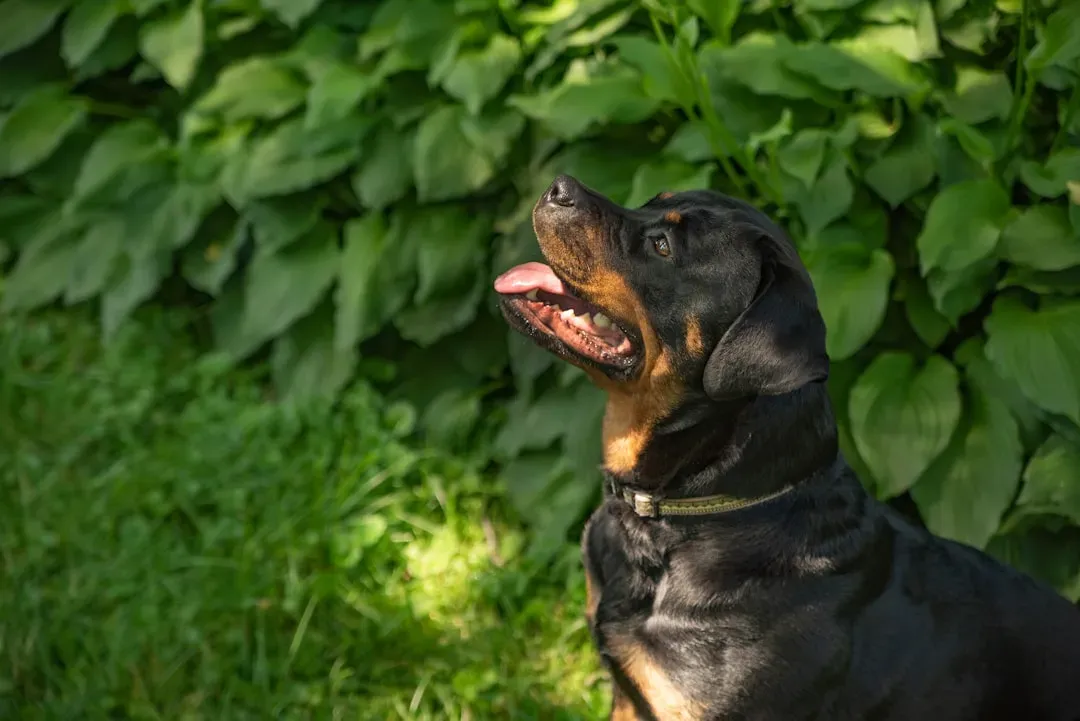
Rottweilers have this intimidating presence that makes people cross the street. Their broad chests, powerful build, and serious expression don’t exactly scream “family pet.” Yet behind that imposing exterior lives a dog that’s deeply affectionate and protective of their pack.
Rotts simply don’t know how large they are which will cause them to knock off babies and toddlers out of excitement. That’s the real concern here, not aggression. Rottweilers are loyal and cuddly if trained to be. If Rotties are domesticated and trained intensively, they will be playful and friendly to their family.
The key with Rottweilers is starting training early and being consistent. These dogs thrive on structure and respect firm, calm leadership. They need families with older children who can handle their size and energy. When raised properly, they become the kind of dog that will lay down their life to protect your kids. Just remember, supervision is essential, especially around toddlers who might inadvertently get bowled over by an enthusiastic Rottie greeting.
Doberman Pinscher: From Guard Dog to Family Companion
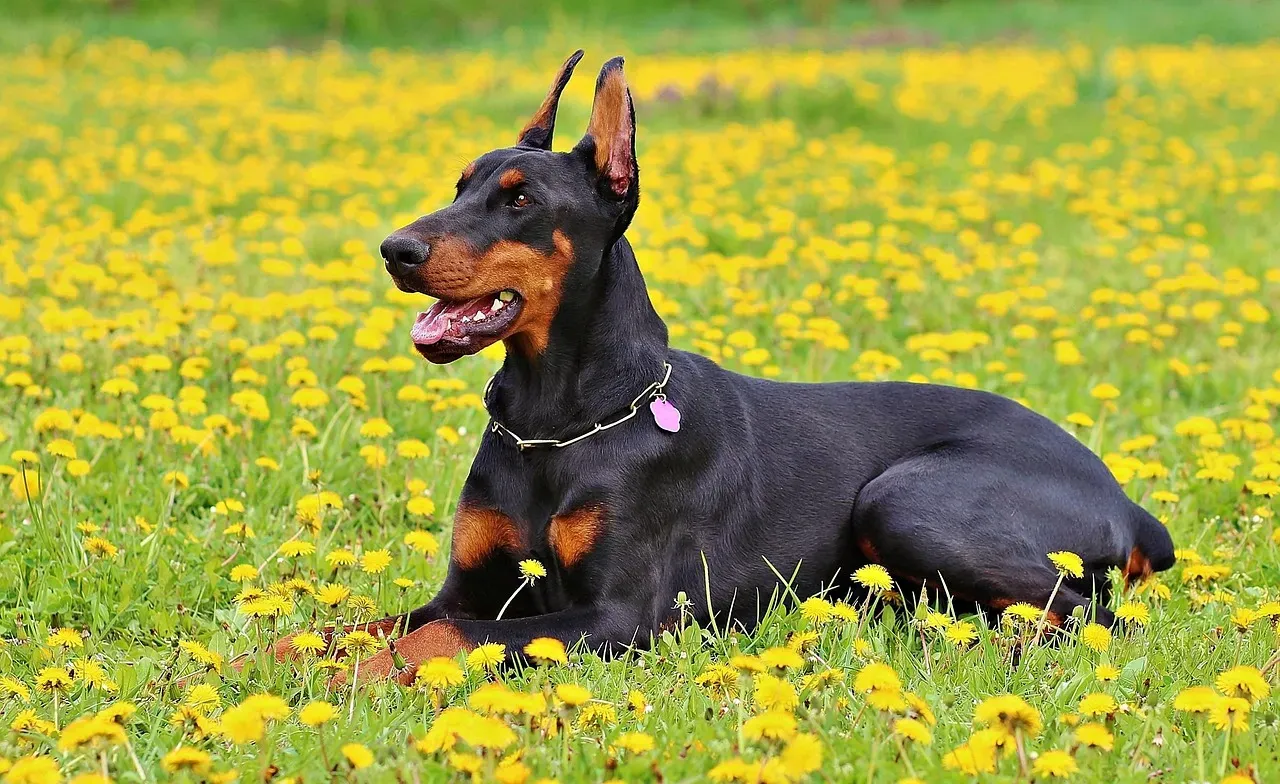
Many families report Dobermans are gentle and protective with kids. Shocking, isn’t it? This breed was literally created to be a protection dog for a German tax collector in the 1800s, yet they’ve evolved into something far more nuanced than their reputation suggests.
Dobermans are generally gentle and loving towards children in their family if they’ve been properly trained and socialised from puppyhood. However, they might not show the same affection towards children who come to visit. This protective instinct can be managed with proper socialization. The Doberman wants nothing more than to be close to their family, participating in every activity from backyard play to couch cuddles.
The Doberman Pinscher Club of America warns that young children and Doberman puppies are not a good mix. It is not a good idea to get a young Doberman puppy if you have babies, toddlers or young school-age children. Families with older, respectful children, however, often find Dobermans to be incredibly loyal and surprisingly silly companions.
German Shepherd: The Versatile Family Protector
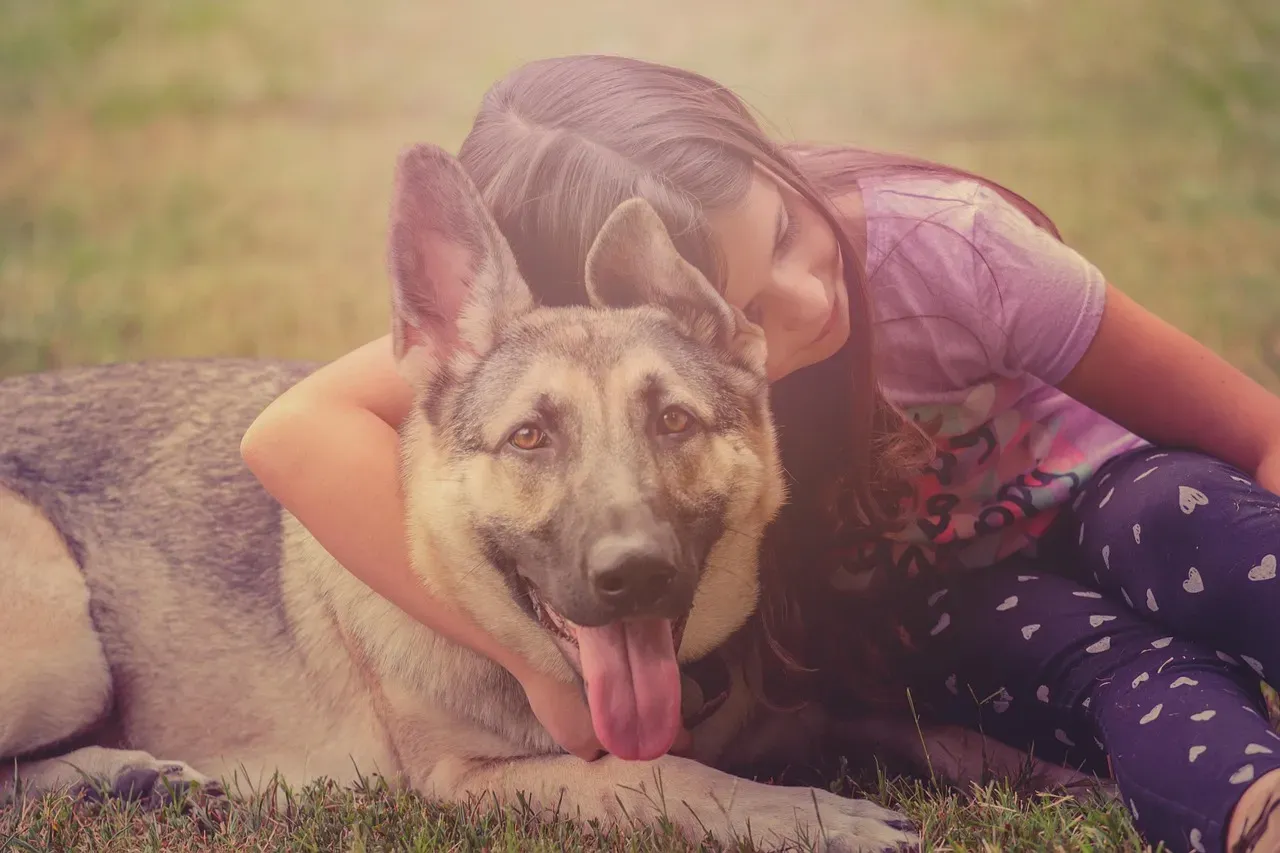
German Shepherds don’t face quite the same stigma as some other breeds on this list, but many parents still worry about bringing such a large, powerful dog into a home with kids. Let’s be real though, there’s a reason they’re consistently ranked among the most popular family dogs in America.
German Shepherds get along well with children if they are adequately trained and socialized. Children also need to learn the proper ways to interact with the dogs so that there are no unwanted accidents. The responsibility goes both ways. Your kids need to learn respect, and your Shepherd needs to learn patience.
Shepherds are smart and easy to train and love to please their owners. When properly trained and socialized, they can get along with very well children and other pets. Their intelligence makes them incredibly adaptable. They can sense when a child needs gentleness and when it’s time for energetic play. These dogs want to work, they want to have a job, and protecting your children becomes their greatest mission.
Staffordshire Bull Terrier: The Compact Powerhouse
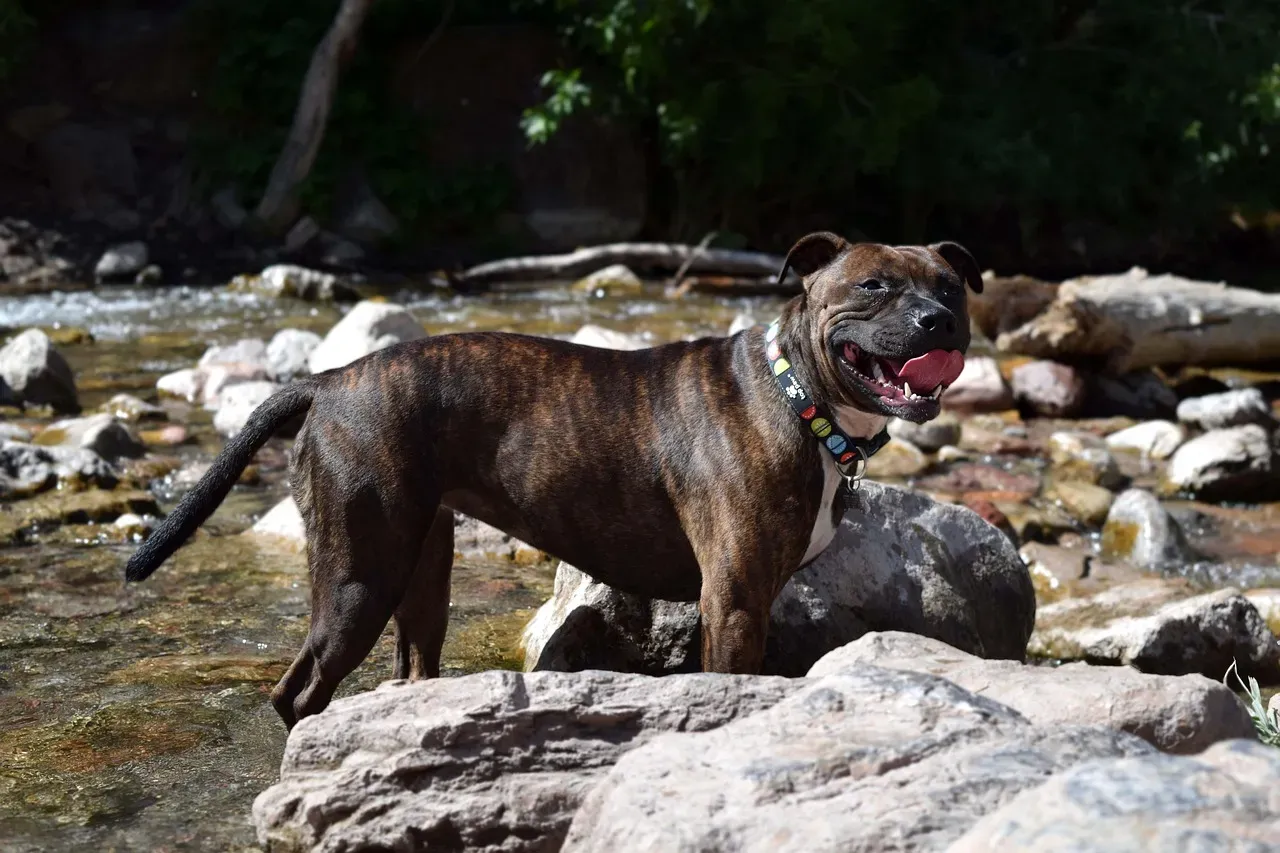
Often lumped together with Pit Bulls due to their shared ancestry, Staffordshire Bull Terriers carry similar stereotypes. They’re stocky, muscular, and have that blocky head that makes people nervous. Look past the exterior though.
Comparing the results of golden retrievers and breeds affected by the legislation, no significant difference was found. Studies have shown that these so-called dangerous breeds aren’t inherently more aggressive than beloved family dogs like Golden Retrievers. The Staffordshire Bull Terrier, particularly, has earned the nickname “nanny dog” in the UK for their patience with children.
These dogs are smaller than American Pit Bulls, making them slightly more manageable for families. They’re playful without being overwhelming, protective without being aggressive, and they bond fiercely with every member of the family. Training should be firm but positive, and socialization should start the moment you bring your puppy home. With the right approach, you’ll have a devoted companion who sees your children as precious treasures to guard.
Boxer: The Eternal Puppy with a Heart of Gold
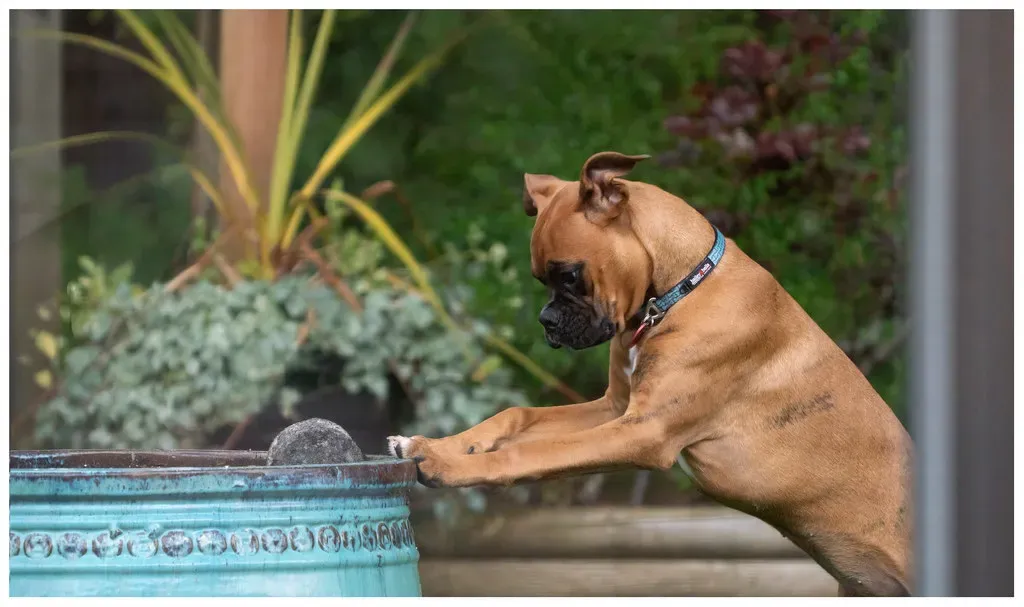
Boxers get a bad rap sometimes because of their exuberance and powerful build. Honestly, their biggest fault is not realizing they’re not lap dogs anymore after they hit 70 pounds. Their enthusiasm knows no bounds.
Active breeds like Boxers love playtime and long walks. These dogs burn energy in the backyard, at the park, or during family outings. They match children’s energy beautifully. While a toddler might get knocked over by an excited tail wag, older kids find in Boxers the perfect playmate for outdoor adventures.
These dogs are silly, goofy, and incredibly patient. They’ll tolerate dress-up games, tea parties, and endless games of fetch without complaint. Their protective nature means they’re always watching, always aware, but rarely aggressive without serious provocation. The Boxer’s face might look intimidating to strangers, but anyone who knows the breed understands they’re just big goofballs who want nothing more than to be part of the family chaos.
Bull Terrier: The Quirky Character
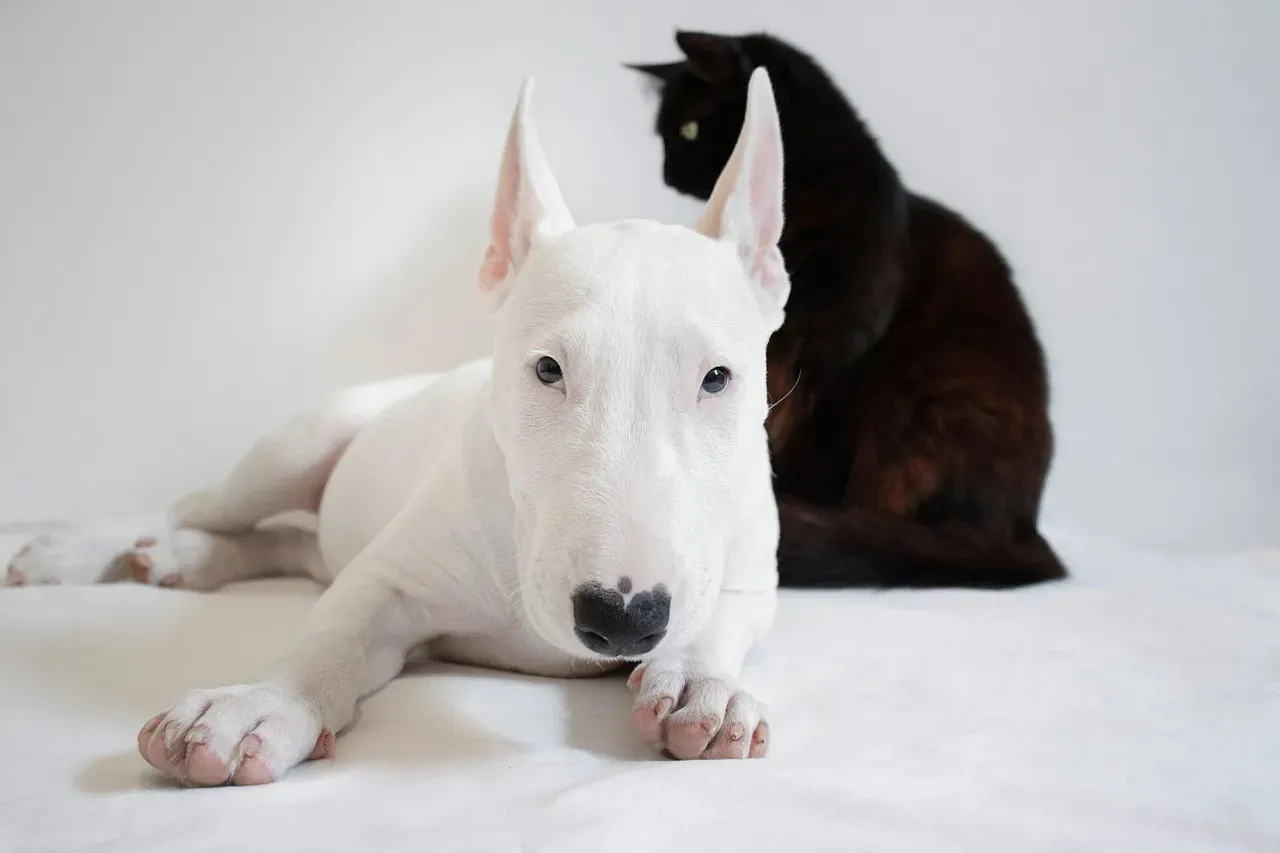
That egg-shaped head makes Bull Terriers instantly recognizable. Some people find them adorable, others find them strange-looking, and many assume they’re aggressive because of their muscular build and terrier tenacity. The reality? They’re clowns in dog form.
Bull Terriers bond intensely with their families and are particularly sweet with children they’ve grown up with. They’re sturdy enough to handle rough play but gentle enough to sense when softness is needed. Their playful antics and boundless energy make them entertaining companions for active families.
Training requires patience because Bull Terriers can be stubborn. They’re smart but independent thinkers who sometimes question your authority. Consistency is your best friend here. Start socialization early, expose them to various situations, and teach your children to respect the dog’s space. With proper guidance, Bull Terriers become loyal, protective, and endlessly entertaining family members who’ll have everyone laughing at their silly personalities.
Cane Corso: The Gentle Giant
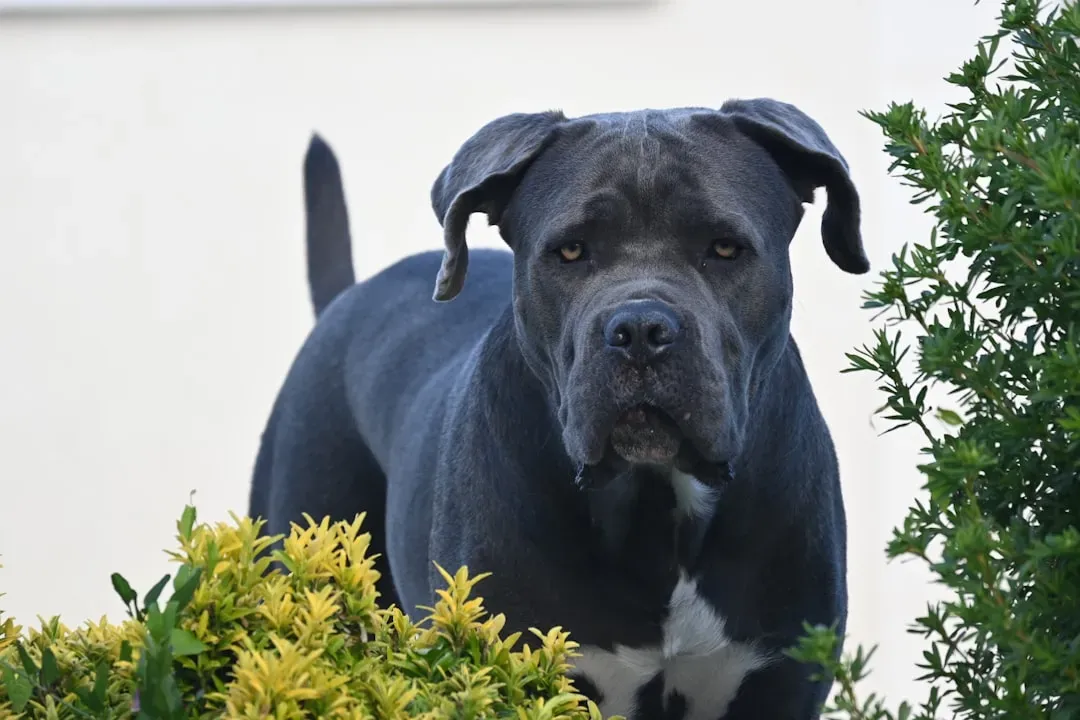
If you think a Rottweiler is intimidating, meet the Cane Corso. This Italian mastiff is massive, powerful, and looks like it could guard a medieval castle. Parents see them and immediately think “absolutely not.” Yet These dogs are known for their protective behavior, intelligence, and affectionate personality. While they look massive and intimidating, this breed can be very loving with its family.
The Cane Corso needs an experienced owner who understands how to establish leadership without harshness. These aren’t dogs for first-time owners or families with very young children. However, families with older children who can respect boundaries often discover that Cane Corsos are remarkably gentle and intuitive.
Socialization and training must start in puppyhood, period. A poorly socialized Cane Corso is a liability, but a well-raised one becomes a devoted guardian who’s calm, confident, and surprisingly sensitive to their family’s emotions. They need space, they need exercise, and they need a job to do. Give them those things, and you’ll have a protector who’s both fierce and tender.
American Staffordshire Terrier: The Affectionate Athlete

The American Staffordshire Terrier faces perhaps the most uphill battle when it comes to reputation. They’re frequently confused with Pit Bulls, restricted by breed-specific legislation, and portrayed as dangerous in media. The disconnect between perception and reality couldn’t be wider.
Aggression is strongly linked to an individual dog’s experience and environment – aggression is not a trait that can be associated with any specific breed. The factors associated with increased rates of aggression were not breed-specific and included intact dogs, a dog’s age, and dogs subjected to punishment-based training methods. In other words, how you raise them matters far more than their breed label.
These dogs are affectionate, loyal, and eager to please. They’re athletic and need plenty of exercise, making them perfect for active families who love hiking, running, or playing in the backyard. Their patience with children is remarkable when they’re properly socialized. Yes, they’re strong and muscular, but that strength comes with remarkable gentleness when interacting with the small humans they love.
Conclusion: Looking Beyond the Label
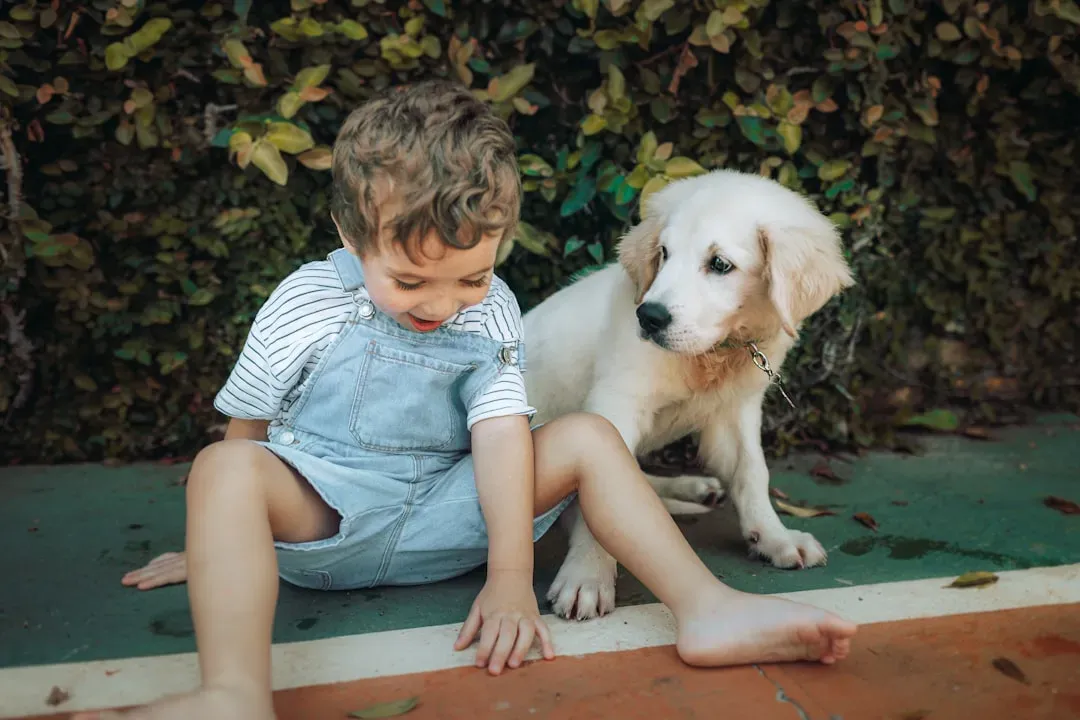
The breeds we’ve explored today share something beyond their misunderstood reputations. They’re all proof that individual temperament, proper training, and responsible ownership matter infinitely more than breed stereotypes. Many large dog breeds are great with children. A dog’s personality is more important than size when considering a family dog, and both kids and dogs need to be taught how to play safely together. Many large dog breeds can have hearts of gold with children, as long as they are socialized and trained from a young age.
Every single dog on this list requires commitment. They need training, socialization, exercise, and boundaries. They need families willing to put in the work, not just during the cute puppy phase but throughout their entire lives. Children need to be taught respect, gentleness, and how to read canine body language.
Perhaps the biggest myth we need to dispel isn’t about specific breeds at all. It’s the myth that any dog is automatically safe or automatically dangerous based solely on their breed. Judge the individual dog in front of you, consider your family’s lifestyle and commitment level, and make informed decisions rather than fear-based ones. What surprised you most about these breeds? Did any of them change your perspective?


