

You’ve probably seen it before. A dog who seems perfectly sweet one moment, then suddenly snaps, growls, or lunges when a stranger approaches. Maybe you’ve chalked it up to bad behavior or thought the dog was just “mean.” The truth is often more complicated than that. Many dogs who display what looks like aggression aren’t trying to dominate or intimidate anyone. They’re terrified.
Fear-based aggression is actually the most common form of aggression in dogs, and honestly, that changes everything about how we should respond to it. When a dog feels cornered, overwhelmed, or threatened, their brain kicks into survival mode. Dogs have three basic strategies when they’re afraid: fight, flight, or freeze. When flight isn’t an option because they’re on a leash or trapped in a situation, fight becomes the only card left to play.
Some breeds are particularly vulnerable to this kind of fear. Through a combination of genetics, breeding history, and temperament traits, certain dogs are simply wired to feel the world more intensely. That doesn’t mean these dogs are dangerous or unlovable. It means they need understanding, patience, and owners who recognize the signs before a growl turns into a bite. Let’s dive into six breeds that need a little extra support when it comes to managing fear and anxiety.
German Shepherds: The Sensitive Protectors
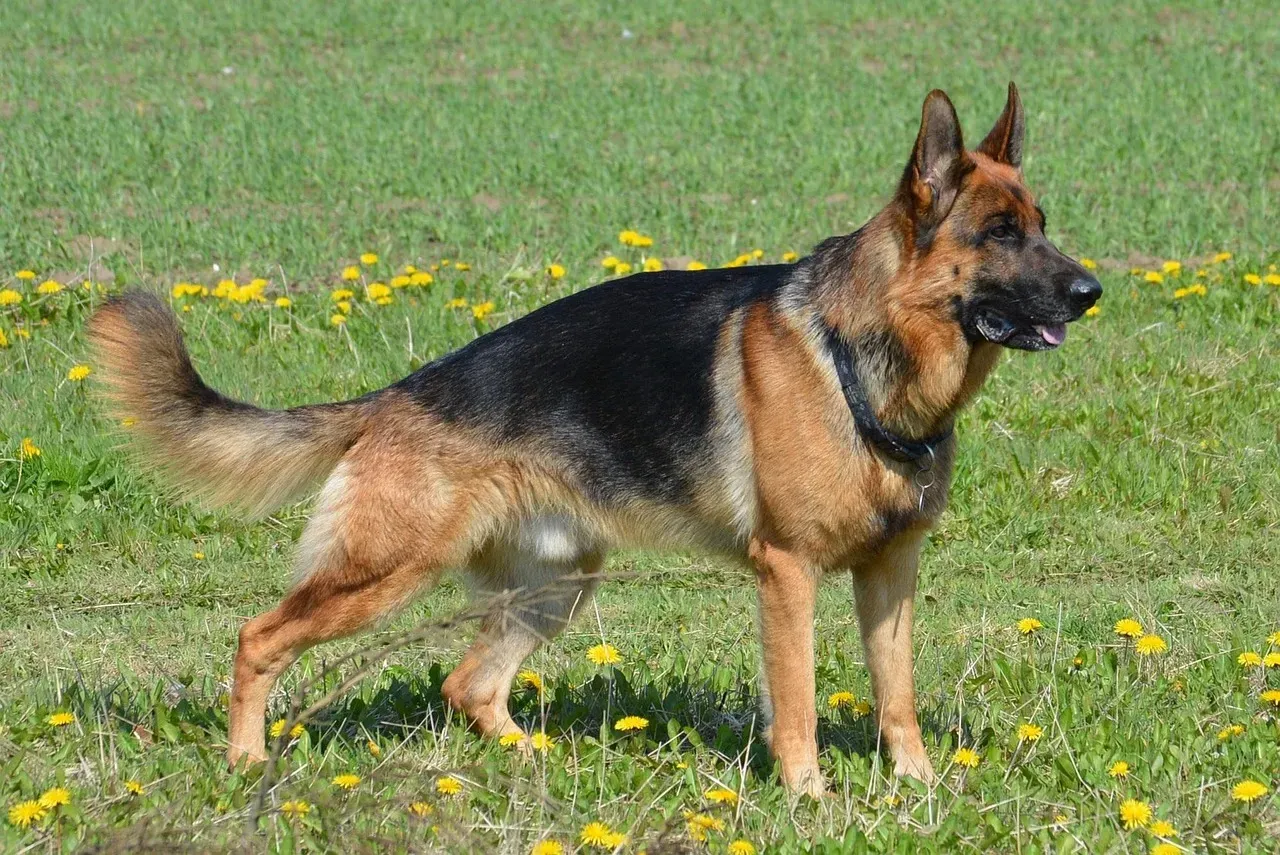
German Shepherds are supposed to be naturally unshockable according to their breed standard, yet many display fearful behavior. It’s almost ironic when you think about it. These dogs are police officers, military heroes, loyal family guardians. They look so confident and powerful.
Inside, though, many German Shepherds carry a surprising amount of anxiety. They’re naturally protective of their families, but some exhibit fear or aggression toward unfamiliar people, especially if not properly socialized. I’ve met German Shepherds who seemed nervous about everything from garbage trucks to sudden movements in their peripheral vision.
As guard dogs, German Shepherds need to be reactive to every threat to protect you and themselves. That hypervigilance can become exhausting for them. Their anxiety can stem from genetics, traumatic experiences, separation anxiety, noise phobias, and lack of proper socialization or exercise, and these intelligent dogs are highly attuned to their environment. When a German Shepherd doesn’t feel safe, that protective instinct can flip into defensive aggression faster than you’d expect. Watch for tucked tails, ears pinned back, and that telltale whale eye where you see the whites of their eyes. Those are your warning signs that anxiety is building.
Chihuahuas: Tiny Bodies, Enormous Fears
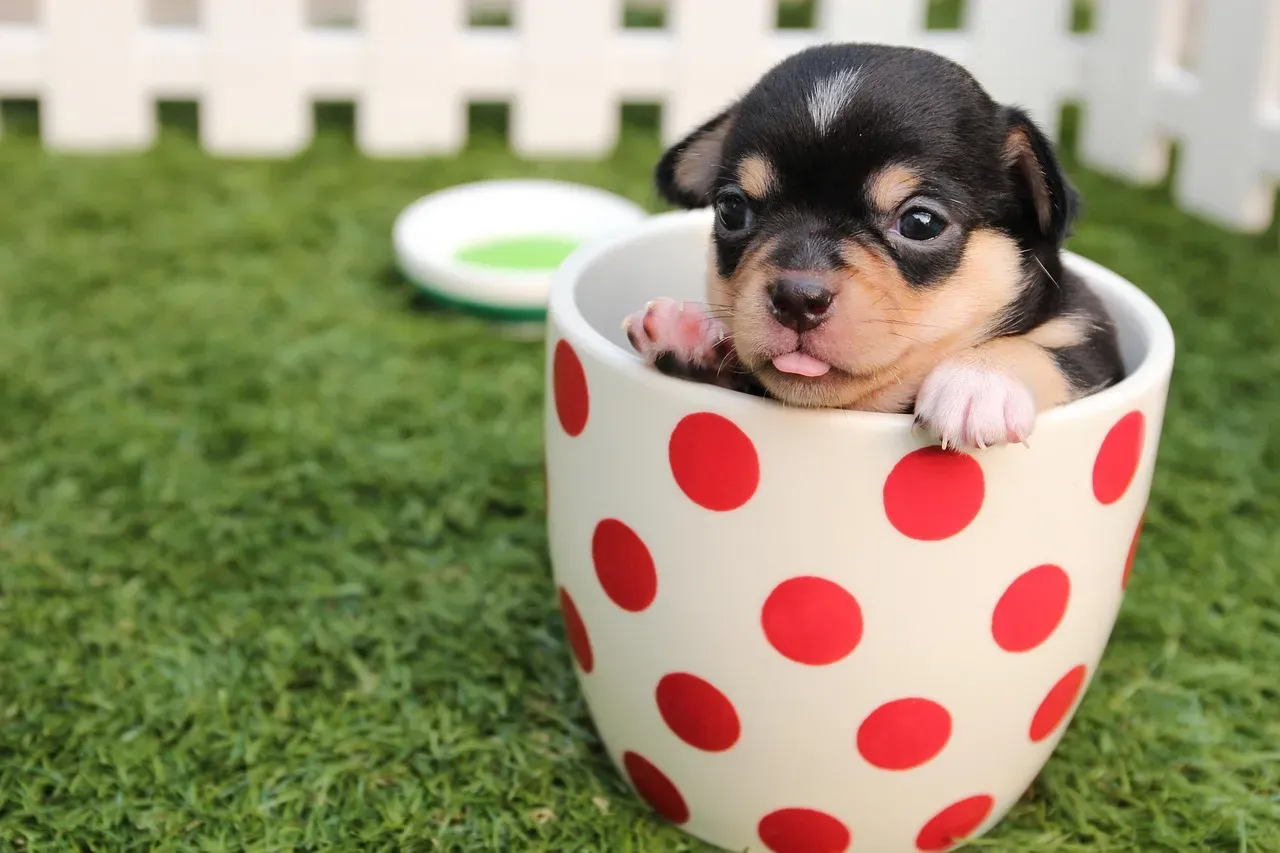
Chihuahuas are prone to fearfulness and anxiety due to their small size, and they may react defensively to perceived threats. Let’s be real here. Most people laugh off Chihuahua aggression because, well, they weigh about as much as a bag of flour. That’s exactly the problem.
Because of their tiny size, Chihuahuas often feel vulnerable around larger animals and people, which can lead to defensive aggression as they act tough to protect themselves. Imagine living in a world where literally everyone and everything towers over you. Every footstep could accidentally crush you. Every friendly pat from a stranger feels like being grabbed by a giant.
Chihuahuas are fear aggressive, making socialization crucial. They’re frequently picked up without warning, surrounded by larger dogs, expected to tolerate constant handling, and exposed to overwhelming environments, and when they react, they’re often saying they don’t feel safe. The barking, the snapping, the trembling? That’s pure anxiety talking. These dogs aren’t trying to conquer the world. They’re trying not to get stepped on. Early socialization during that fearless puppy phase makes all the difference in helping them understand the world isn’t as terrifying as it seems.
Border Collies: When Intelligence Meets Anxiety
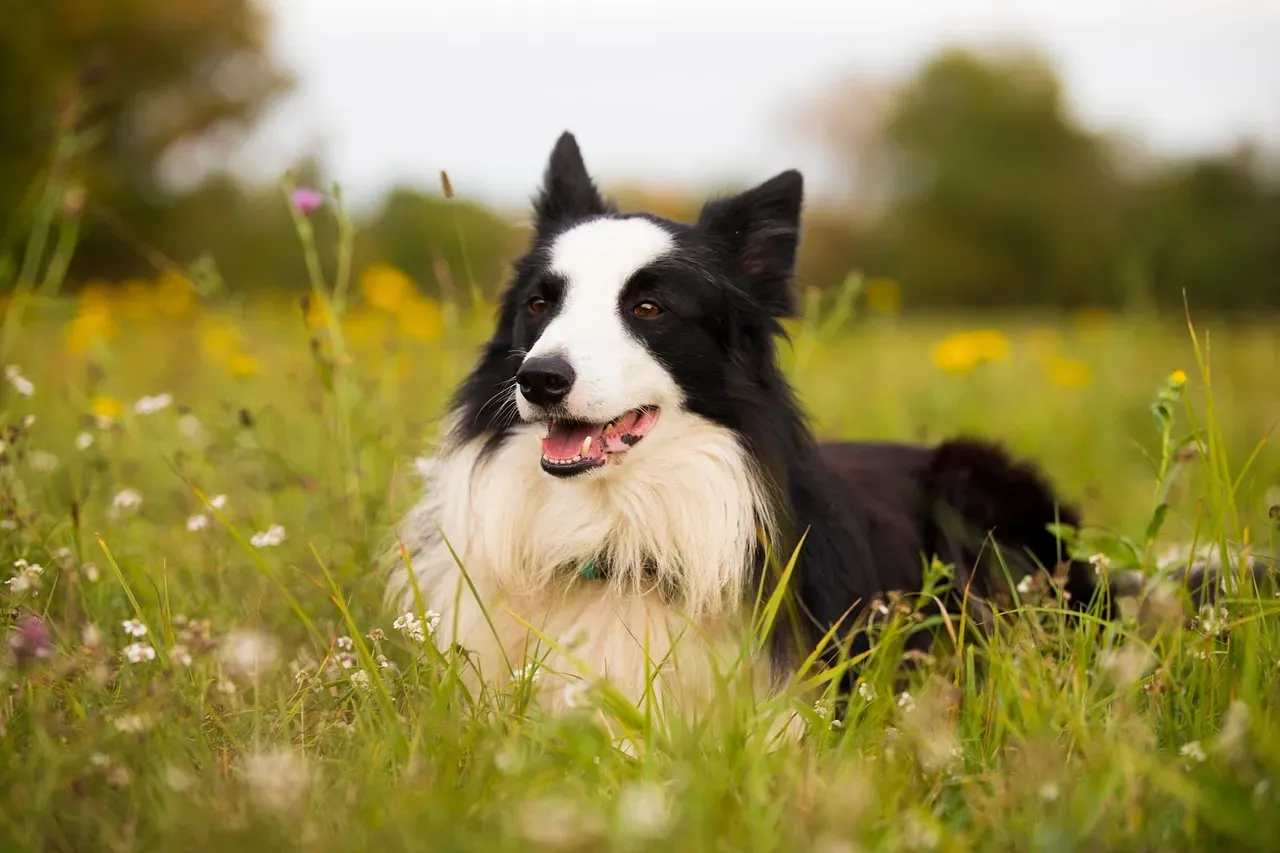
While any breed can experience anxiety, Border Collies are especially prone to feeling anxious. These are the Einsteins of the dog world, capable of learning over a thousand words. Their brilliance comes with a price, though.
Border Collies’ high intelligence means they are acutely aware of their surroundings and can quickly pick up on cues that their owner is about to leave, leading to anticipatory anxiety. They notice everything. The sound of your keys. The shoes you put on. The subtle shift in your energy when you’re stressed. Border Collies can be very sensitive to sound, and when they get nervous, they’re some of the most nervous dogs, with symptoms often missed because as long as they’re doing something, the anxiety goes unnoticed.
Here’s the thing about Border Collies. They are workaholics that thrive on herding livestock, are happiest with a job to do, and if they get bored, they are prone to anxiety. A bored Border Collie doesn’t just chew your couch. They can develop obsessive behaviors, become reactive to other dogs, or display fear-based aggression when they feel overwhelmed. Some Border Collies exhibit reactive behavior, reacting aggressively or fearfully towards other dogs, strangers, or unfamiliar stimuli. Their herding instincts combined with insufficient mental stimulation creates a perfect storm for anxiety-driven problems.
Toy Poodles: Small Dogs, Big Worries
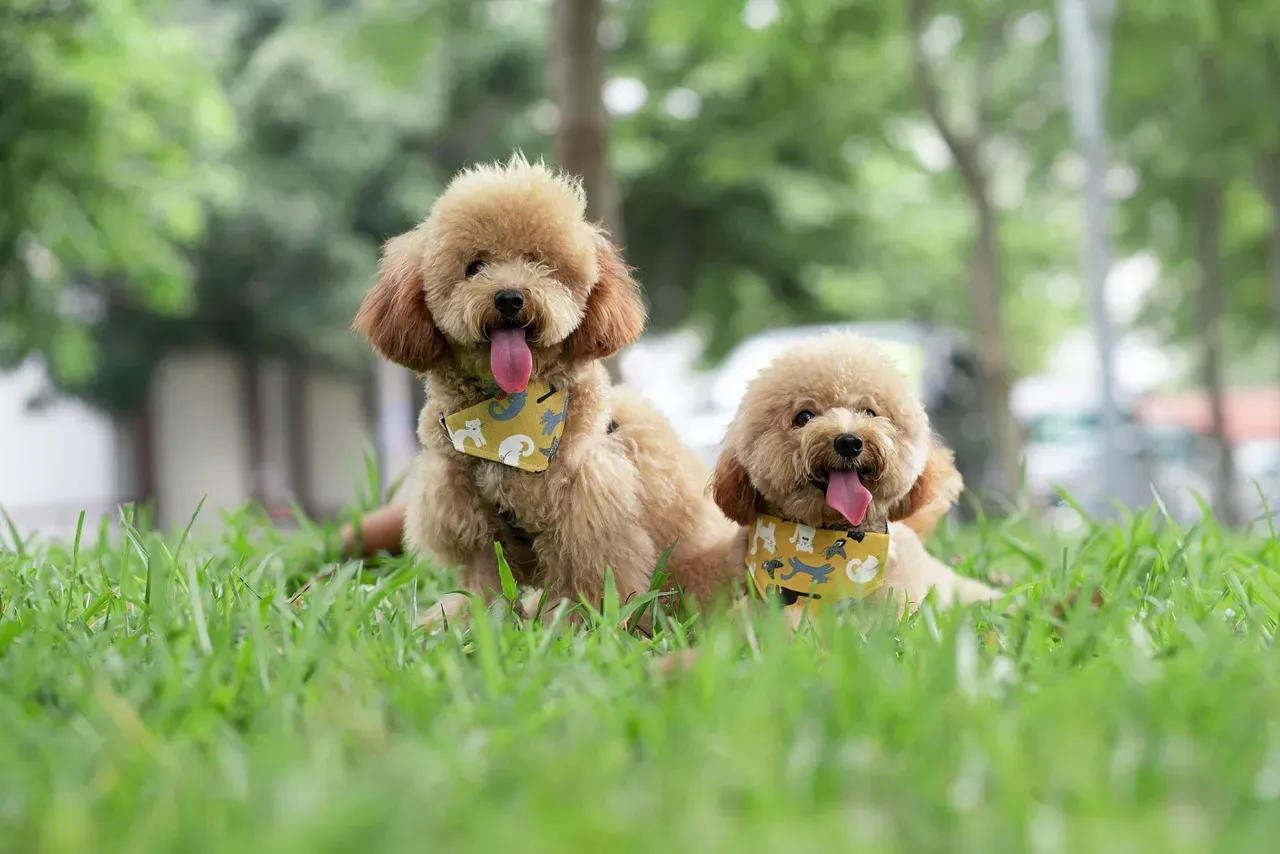
Toy Poodles had higher odds of aggressive behavior than breeds like Labrador Retrievers and Golden Retrievers. This might surprise people who think of poodles as fancy show dogs with perfectly groomed haircuts. Underneath all that fluff lives a dog who can be deeply anxious about the world.
Toy breeds in general face similar challenges to Chihuahuas. Toy breeds and shepherding breeds are more likely to develop fear responses and sometimes aggression, with some having an inherited predisposition for fear. Their physical vulnerability makes them naturally cautious. Unlike their Standard Poodle cousins who have more size and confidence, Toy Poodles often view the world as a dangerous place full of threats.
They’re smart enough to remember every bad experience. That time someone stepped on their paw. The loud vacuum cleaner. The child who grabbed them too roughly. These memories stack up and create patterns of fear. Without proper socialization and gentle handling, Toy Poodles can become snappy and reactive, especially around strangers or in unfamiliar situations. They’re not being bratty. They’re being scared.
Miniature Schnauzers: The Anxious Sentinels
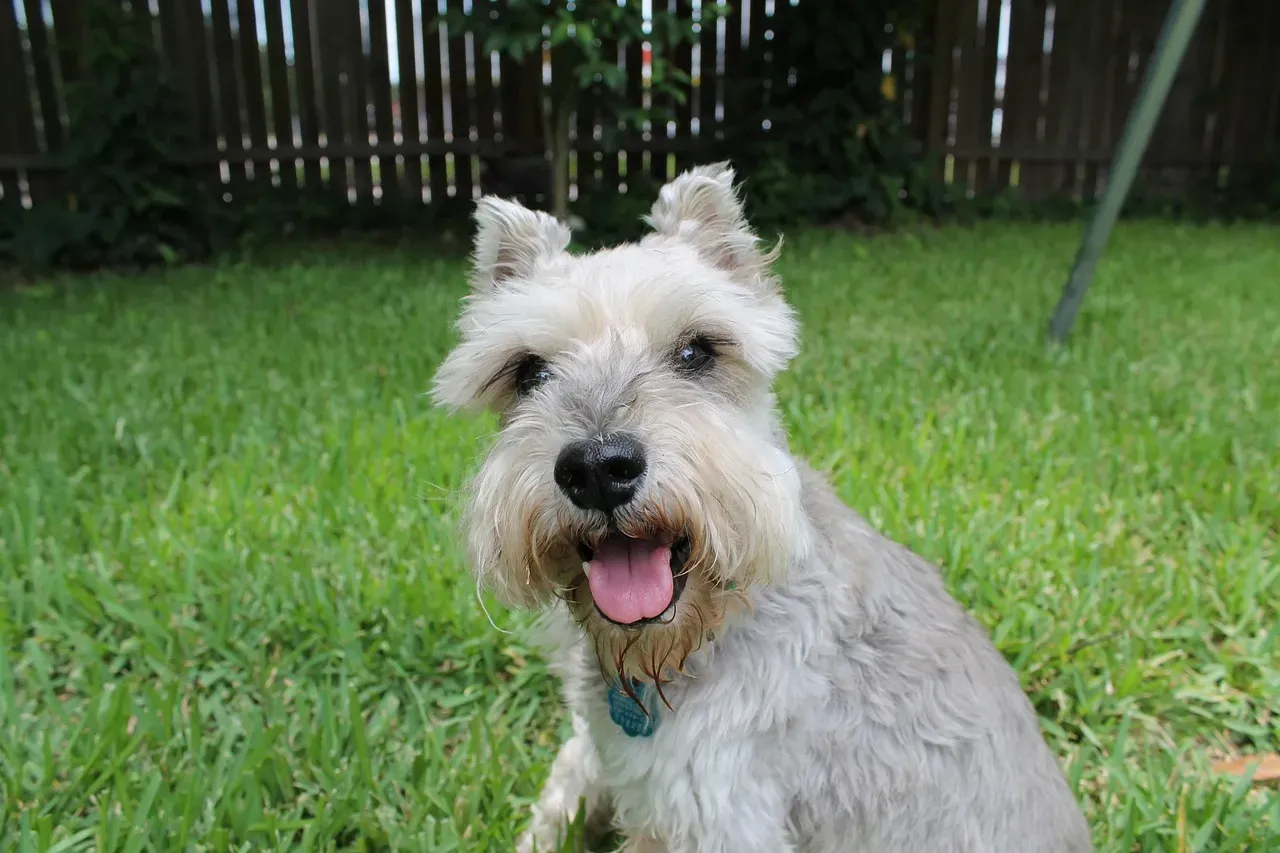
Miniature Schnauzers had higher odds of aggressive behavior compared to breeds like Labrador Retrievers. These bearded little characters were originally bred as farm dogs and ratters. That alert, watchful temperament that made them excellent at their job can also make them prone to fear-based reactions.
Miniature Schnauzers are naturally suspicious of strangers. It’s part of what makes them good watchdogs. They’ll bark at the mailman, the delivery driver, anyone approaching their territory. The problem comes when that wariness crosses the line into genuine fear and defensive aggression.
These dogs can be particularly reactive to sudden movements and unfamiliar people. Anxious dogs are often reactive due to a lack of socialization while they were a puppy. If a Miniature Schnauzer doesn’t get exposed to various people, places, and situations early in life, they can become increasingly fearful as adults. That fear manifests as barking, lunging, and sometimes biting when they feel cornered. They’re trying to keep threats at a distance, not trying to hurt anyone.
Rough Collies: Gentle Souls with Hidden Fears
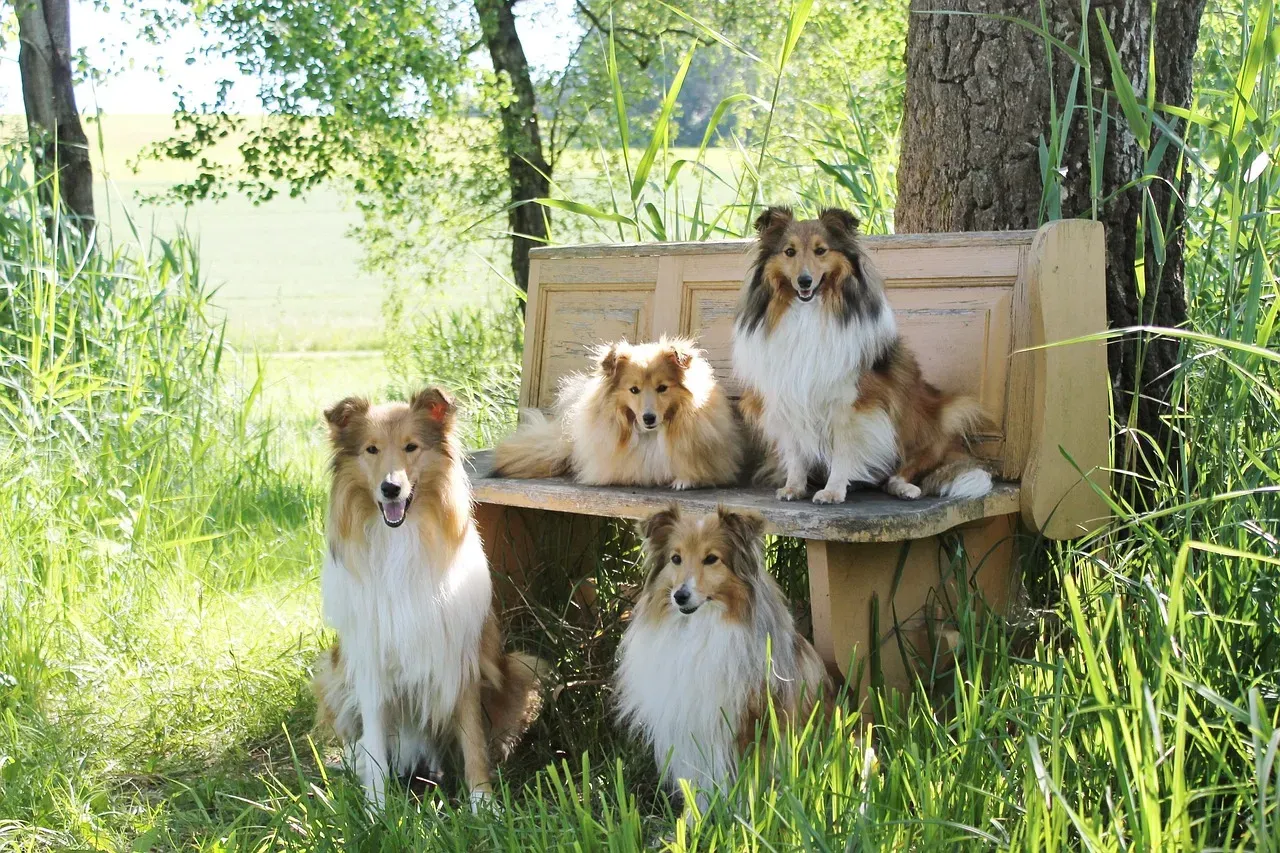
Rough Collies had higher odds of aggressive behavior than breeds like Labrador Retrievers and Golden Retrievers. If you grew up watching Lassie, this might shock you. Collies seem so noble and gentle. They are, mostly. They’re also incredibly sensitive dogs who can struggle with anxiety.
Like their Border Collie relatives, Rough Collies are herding dogs with sharp minds and keen awareness. They’re deeply bonded to their families and can become anxious when routines change or when they encounter unfamiliar situations. Their sensitivity means they pick up on tension, stress, and conflict in the household.
Border Collie anxiety can stem from external stimuli, past experiences, and fear of other people or dogs, and Rough Collies share these same vulnerabilities. Noise sensitivity is particularly common in this breed. Thunderstorms, fireworks, even raised voices can trigger intense fear responses. When a Rough Collie feels overwhelmed and can’t escape, that gentle dog might growl, snap, or bite. It’s not aggression. It’s panic dressed up in teeth.
Understanding Changes Everything
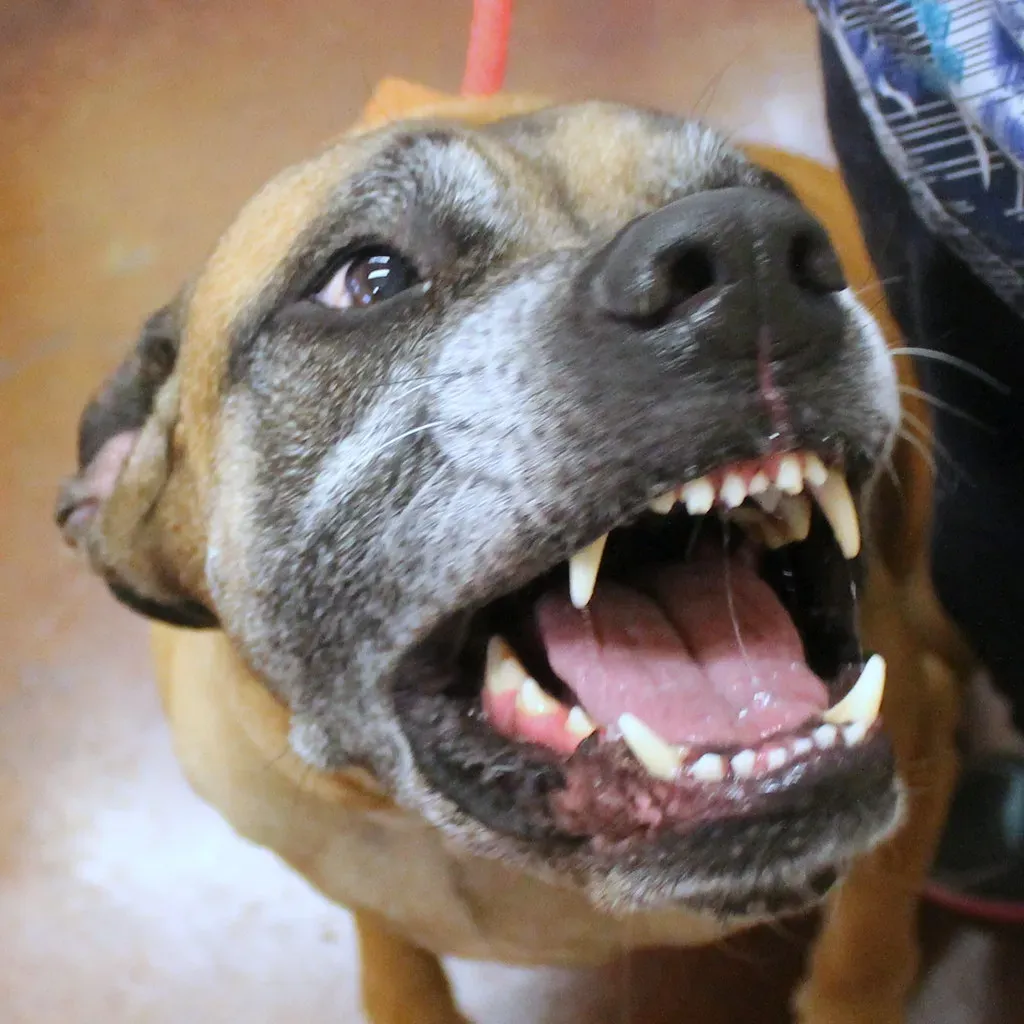
A fearful or anxious dog usually does not have a past history of abuse, more often it’s a lack of experience or knowledge with that fearful stimuli that drives the behavior. That’s worth repeating because so many people assume a scared dog must have been mistreated. Sometimes yes, but often no. Sometimes dogs are just naturally more anxious due to genetics, lack of socialization, or traumatic experiences that seem minor to us but were huge to them.
You cannot correct fear or aggression with punitive measures such as scolding or physical correction, as these techniques can inhibit behavior and teach dogs not to exhibit warning signals, increasing fear and anxiety. If your dog growls, listen to them. If your dog growls, walk away or move them away from the cause and take note of what was occurring before the growl to reduce escalation to a bite.
The good news? Fear aggression in dogs is a treatable problem if we understand why the dog is aggressive and commit to a behavior modification plan that decreases the dog’s anxiety. It takes patience, consistency, and often professional help from a veterinary behaviorist. Positive-reinforcement training methods work best, as dogs trained this way have been found to be more optimistic and resilient, helping build confidence and strengthen the human-animal bond.
These six breeds aren’t broken or bad. They’re just carrying more fear than most. With understanding, proper training, early socialization, and compassionate handling, even the most anxious dog can learn to feel safer in the world. They’re not asking to be perfect. They’re asking us to see their fear and help them through it. What do you think? Have you experienced fear-based behavior with your own dog? Tell us in the comments.


