
You know the feeling. You’ve been working on training your dog for weeks, maybe months. You’re putting in the time, following advice you found online, trying your best. Yet somehow, things seem to be getting worse instead of better. Your pup is more confused, more anxious, or even more stubborn than when you started.
Here’s the thing most people don’t realize: sometimes the very techniques we think are helping our dogs are actually setting them back. Training mistakes don’t just stall progress. They can create brand new problems that didn’t exist before. The good news? Once you understand what’s going wrong, fixing it becomes so much easier. Let’s dig into the training missteps that might be sabotaging your success.
Being Inconsistent With Your Cues and Rules
Inconsistent training in dogs often leads to confusion, frustration, and unwanted behaviors, especially when commands aren’t reinforced uniformly. Think about it from your dog’s perspective. One day, jumping on the couch is fine because you’re in a good mood. The next day, it earns them a scolding. How are they supposed to figure out the rules?
When you’re inconsistent with your dog’s training it can lead to them being confused and therefore ignoring your commands, and can also lead to disobedience and a refusal to follow your cues. This happens all the time in multi-person households. Maybe you’re working hard to teach your dog to sit before going outside, then your teenager just flings the door open and lets the dog rush out. Every inconsistent interaction sets back all the careful work you’ve done.
The fix? Everyone in your household needs to be on the same page. Use the same words for the same behaviors. Enforce the same rules every single time. With messaging that is 100% consistent, puppies learn quickly. Dogs thrive on predictability. Give them that gift.
Accidentally Rewarding the Wrong Behavior
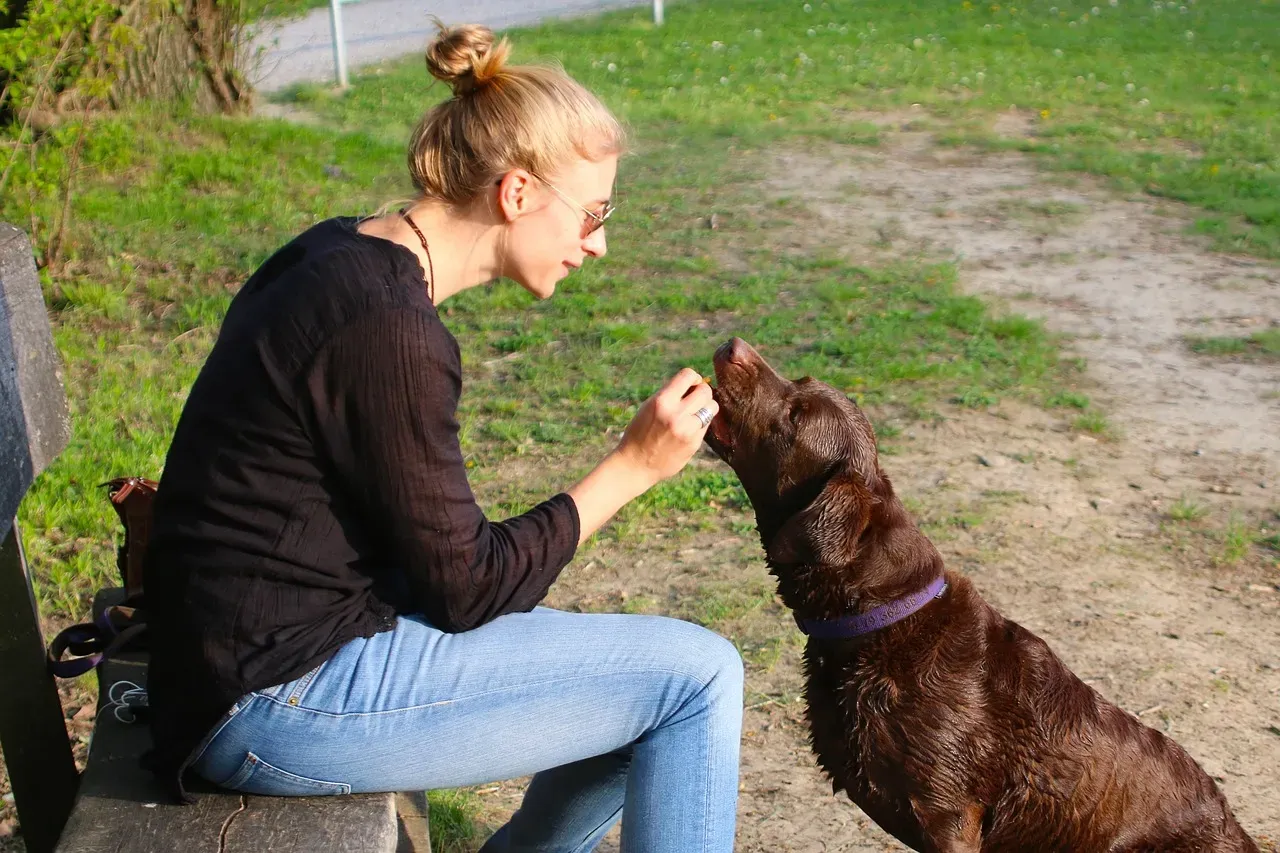
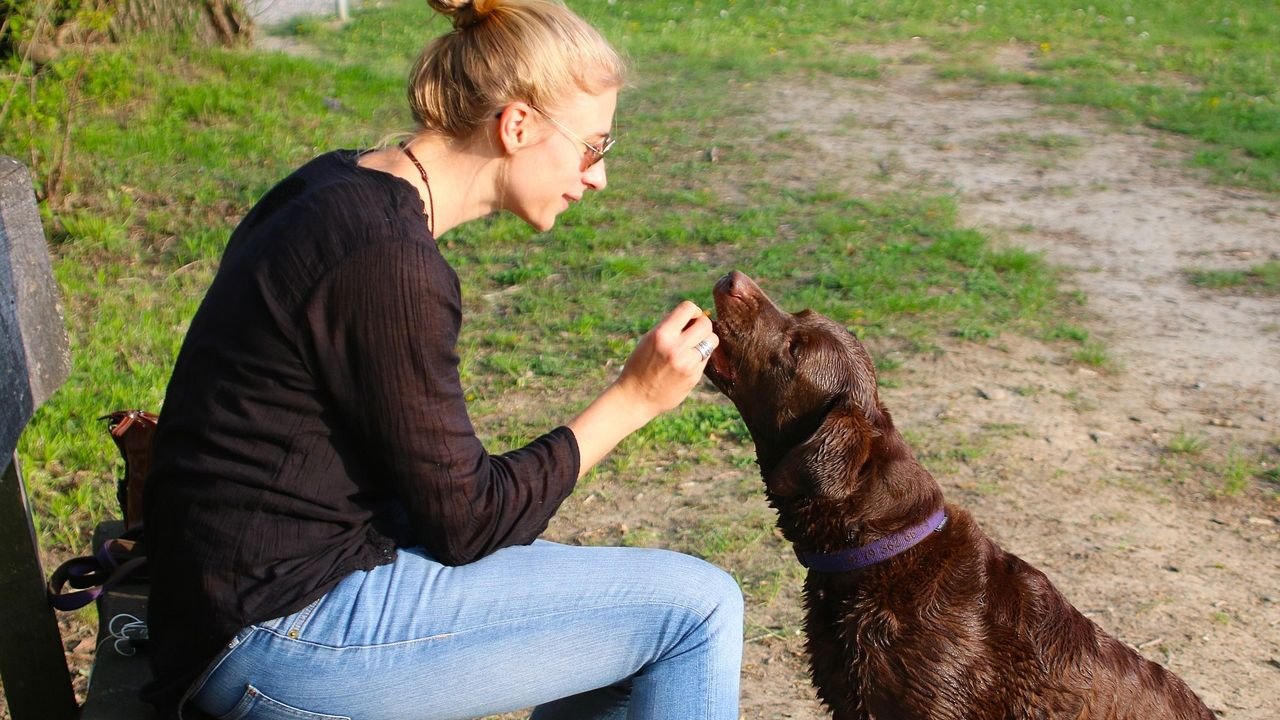
This one’s sneaky because it happens without you even realizing it. Whatever your dog is doing when they get a reward will be reinforced; for example, if you ask your dog to lie down but they’re sitting again when you give them their cookie, you’ve really reinforced sitting. Timing is everything in dog training.
Picture this: you call your dog to come. They trot over to you, then jump up excitedly. You give them a treat while they’re mid-jump. Guess what behavior you just taught them? Coming when called, or jumping on you? Your dog thinks it’s the jump that earned the reward.
Focus on delivering the treat immediately after the behavior you like and before your dog has time to throw another behavior. Speed matters here. If you’re too slow with your rewards, you’re creating confusion instead of clarity. Watch what your dog is actually doing at the moment the treat hits their mouth.
Using Punishment That Creates Fear and Stress
Using aversive training methods can jeopardize both the physical and mental health of dogs. I know some old-school trainers still swear by harsh corrections, shock collars, or yelling. The science tells a different story.
Dogs trained with aversive methods displayed more stress-related behaviors, were more frequently in tense and low behavioral states, and exhibited higher post-training increases in cortisol levels, and were more pessimistic in cognitive tasks than dogs trained with rewards. What does this mean in real life? Your dog might obey out of fear, not understanding. They become anxious, shut down, or even aggressive.
Positive punishment can result in inhibition of behaviors that serve as communication signals; if threat displays are punished, the animal will cease warning people, however the underlying fear remains or may be even increased, which can lead to what appears to be unpredictable, explosive aggression. Think about a dog who growls when uncomfortable. Punish that growl, and you haven’t solved the fear. You’ve just taught the dog not to warn you before they bite.
Repeating Commands Over and Over
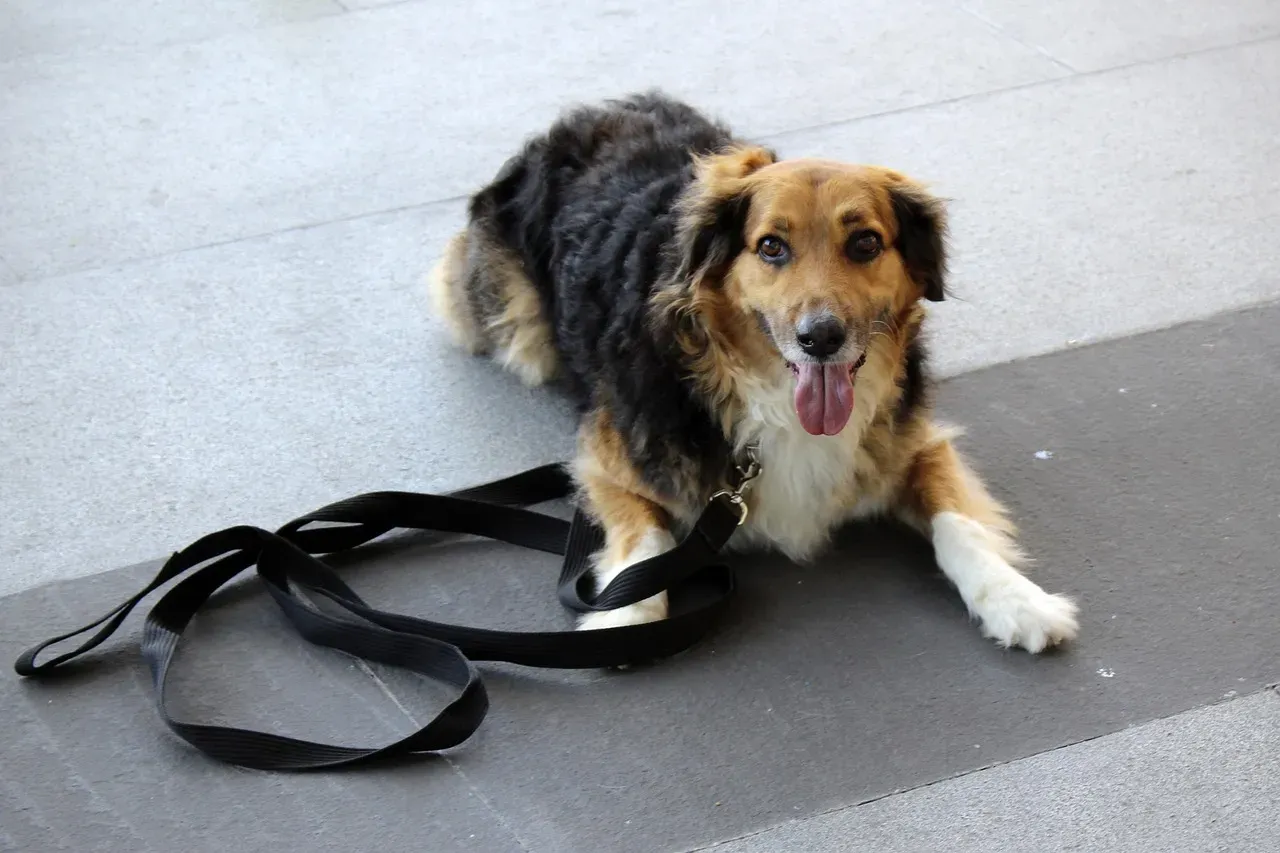
“Sit. Sit. SIT. SIT!” Sound familiar? Dogs are smart, and when you repeat cues, they learn and store this information; when you repeat a cue multiple times, your dog will learn that this is the complete cue, so they’ll wait for it to be said multiple times.
You’re essentially teaching your dog that they don’t need to respond to the first command. They learn to wait for the second, third, or fourth repetition before actually doing anything. This is called “poisoning” a cue.
The solution? Say the command once. If your dog doesn’t respond, go back a step in training. Maybe they don’t actually understand what you’re asking yet. Or maybe the distraction level is too high for their current skill level. Don’t nag. Instead, make the task easier and rebuild from there. Your dog will thank you with faster, more reliable responses.
Training Sessions That Are Too Long
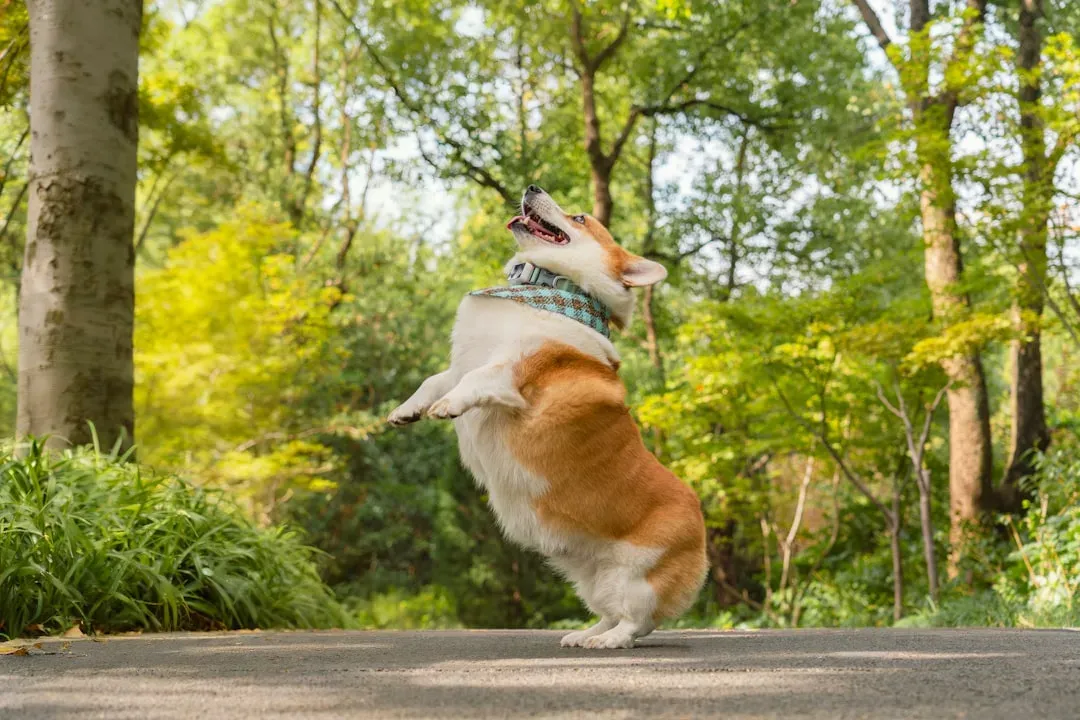
Multiple short training sessions are better than one long one, and when trainers say short sessions, they mean 30 to 90 seconds, not 20 minutes or more. Yes, you read that right. Seconds, not minutes. Most people are shocked when they learn this.
Long training sessions lead to mental fatigue. Your dog starts making mistakes, getting frustrated, and losing motivation. You might interpret this as stubbornness or lack of intelligence. Really, you’ve just exhausted their brain.
Keep it short and sweet. Three one-minute sessions scattered throughout the day will give you better results than one grueling 20-minute marathon. End on a high note, when your dog is still excited and successful. This builds confidence and keeps them eager for the next session.
Letting Your Emotions Show During Training

Dogs can read human emotions, and if your dog thinks you’re angry or stressed, they’ll shut down and stop learning; although this often looks like your dog is being stubborn or ignoring you, they’re simply reacting to your negative mood. Your frustration is contagious.
I get it. Training can be maddening when progress stalls. You’re tired, you’ve explained this a hundred times, and your dog still isn’t getting it. Taking a breath and staying upbeat feels nearly impossible. Yet it makes all the difference.
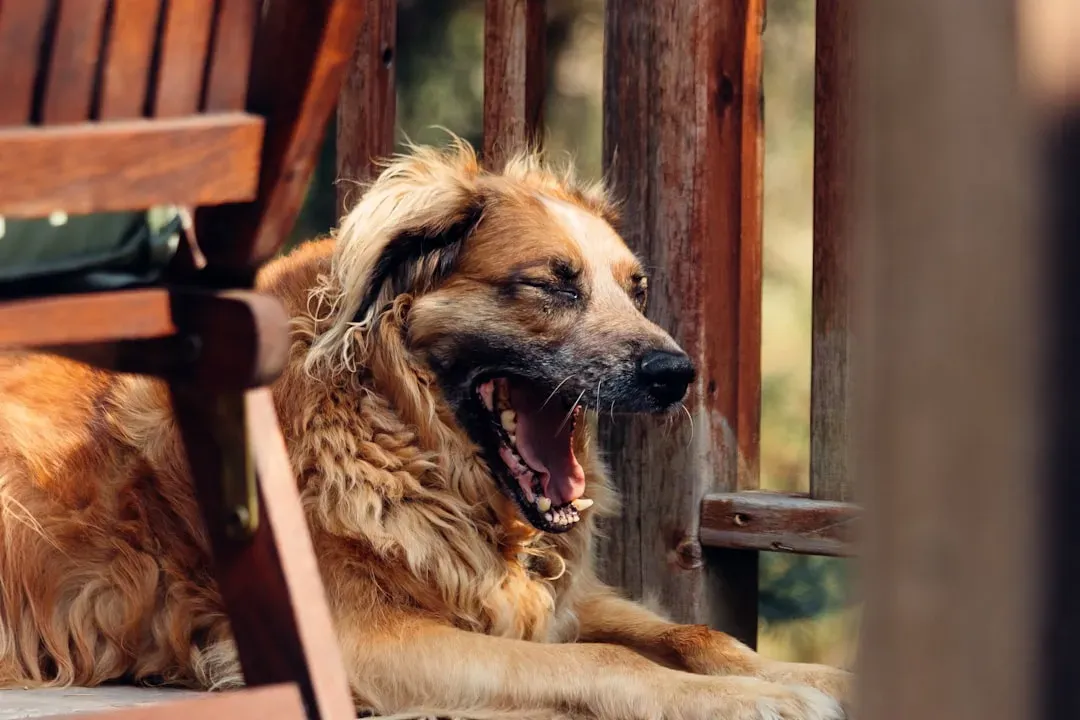
If you see your dog yawning, looking away, sniffing the ground, or other signs of disinterest, take stock of your emotions and see what you’re projecting. These behaviors aren’t defiance. They’re stress signals. Your dog is telling you they’re uncomfortable with the training environment, and often that discomfort stems from sensing your tension. Step back, reset your attitude, and try again later. Training should be fun for both of you.
Conclusion
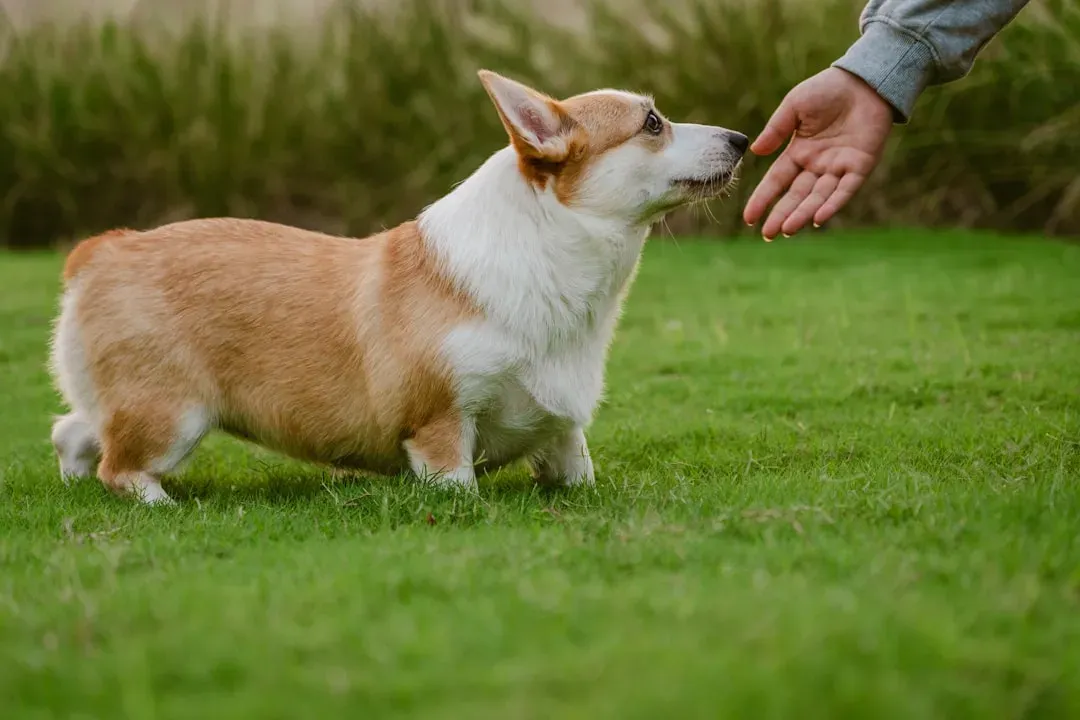
Training mistakes don’t make you a bad dog owner. They make you human. Every single person who’s ever trained a dog has fallen into at least one of these traps. I certainly have. The beautiful part is that dogs are remarkably forgiving and adaptable. Once you adjust your approach, you’ll often see improvements within days.
Remember, your dog wants to succeed. They want to understand what you’re asking. They’re not trying to drive you crazy or dominate you. They’re just doing their best with the information they have. Give them clear, consistent guidance. Use rewards generously. Keep sessions short and emotions positive. Avoid harsh punishments that damage trust.
What’s been your biggest training challenge with your dog? Did any of these mistakes sound familiar? Small changes in how we approach training can create massive shifts in our dogs’ behavior and our relationship with them.


