
You know that feeling when life gets a little chaotic and your heart starts racing? Dogs feel that too, maybe even more intensely than we do. Some breeds wear their hearts on their furry sleeves, and when stress shows up at the door, they simply crumble. It’s not about being weak or poorly trained. It’s wired into who they are.
The truth is, not all dogs bounce back from anxiety or changes the same way. Some pups thrive in busy households or unpredictable routines, while others need calm, predictability, and a whole lot of reassurance to feel safe. If you’ve ever watched a dog pacing, whining, or hiding under the bed when things feel off, you’ve witnessed emotional distress in real time.
So let’s talk about the breeds that struggle most when the world feels too big or too loud. These aren’t bad dogs. They’re sensitive souls who need us to understand their needs a little better.
Border Collie: When Intelligence Becomes Overwhelming
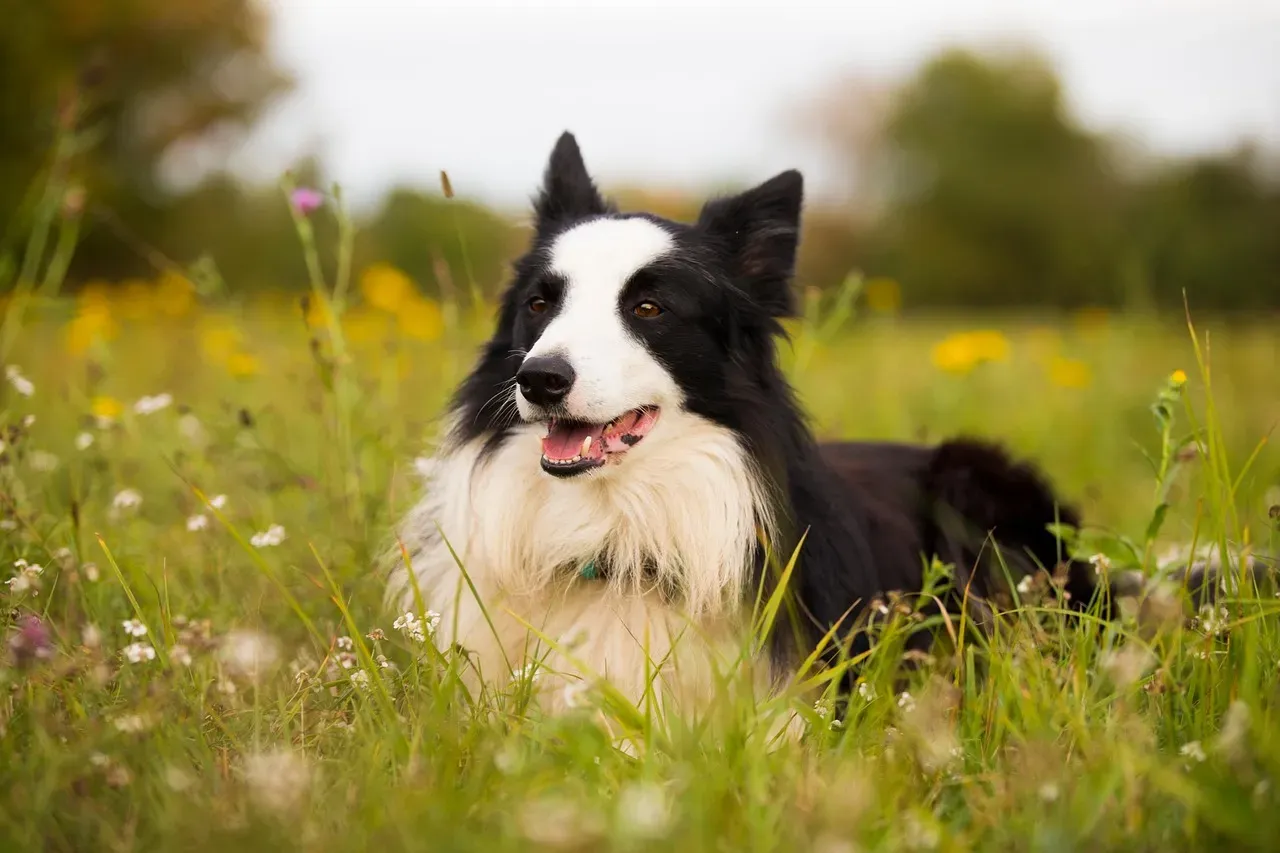
Border Collies are energetic and friendly, yet when boredom strikes, they may exhibit anxious behaviors such as excessive barking. Honestly, these dogs are almost too smart for their own good. Their brains never seem to shut off, which means they notice everything. Every sound, every movement, every shift in your mood.
Herding breeds were designed for constant vigilance, problem-solving, protection, and environmental sensitivity; they were bred to be constantly outdoors, alert, and run for days at a time. Now imagine that same dog stuck in an apartment with nothing to do. The result is often anxiety that spirals into destructive chewing or obsessive behaviors like chasing shadows.
Border Collies are highly intelligent and high energy dogs; they can get bored easily and may indulge in destructive behaviors like ripping apart pillowcases or damaging doors and windows, and they are highly prone to suffering from separation anxiety. When you leave them alone, their stress skyrockets. They need jobs to do, puzzles to solve, and plenty of outdoor time to feel emotionally balanced.
Vizsla: The Velcro Dog With Separation Panic

Cheerful and energetic Vizslas love spending time with loved ones; they’re often called Velcro dogs because of how closely attached they are to the people they love, and because of this, separation anxiety is a common problem. If you’ve ever had a Vizsla follow you from room to room, including the bathroom, you know what this means.
These dogs don’t just prefer your company. They absolutely need it to feel okay. Vizslas follow you everywhere and are always in need of a hug and pat; this high sensitivity is the main cause of anxiety in them. Leaving a Vizsla alone for hours can trigger intense panic, drooling, destructive behaviors, and even self-harm attempts as they try to escape.
Their attachment is beautiful but also fragile. They require love and affection from their families with plenty of playtime; lack of attention and affection also leaves them vulnerable to anxiety. If your lifestyle involves long work hours or frequent travel, this breed will struggle emotionally.
Cavalier King Charles Spaniel: Gentle Hearts Bruise Easily

The Cavalier King Charles Spaniel is a small dog breed known for its sensitive and affectionate nature; because they form strong bonds with their owners, they often struggle with separation anxiety if left alone for extended periods. These little lap dogs were bred to be companions, and they take that job very seriously.
They are sensitive to harsh treatment and need kindness, reassurance, and a lap available at all times; Cavaliers are highly sensitive and tend to reflect their owners’ emotions. If you’re stressed, they feel it. If you raise your voice, even at someone else, they might shut down completely. Their world revolves around emotional closeness.
Leave them alone for long periods and that sweetness can turn to stress; separation anxiety is a common issue. You’ll notice excessive whining, pacing near doors, or even accidents indoors when they’re left behind. They’re not being difficult. They’re genuinely scared.
Chihuahua: Tiny Bodies, Big Anxiety
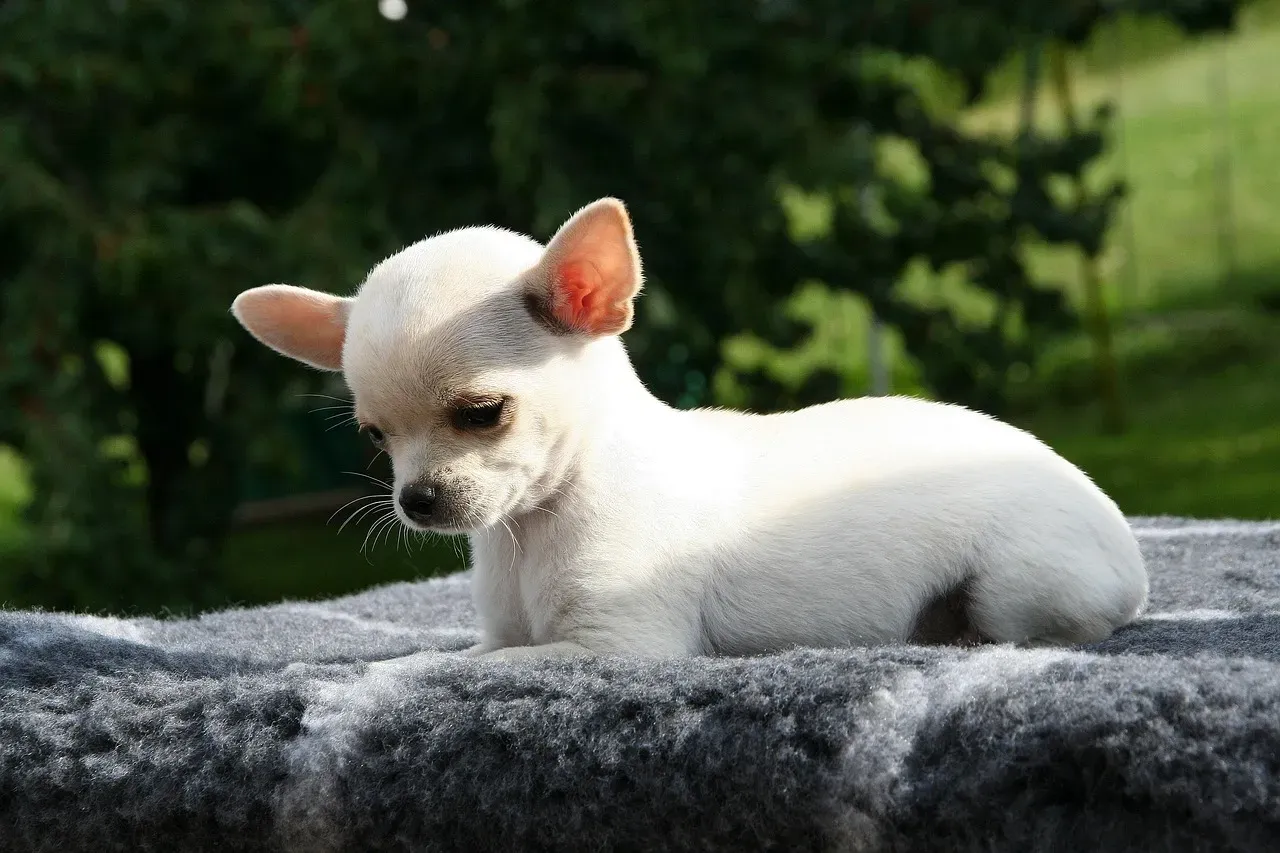
Despite their bold personalities, Chihuahuas are prone to social and separation anxiety; they may be shy and timid around new people and bark excessively when nervous. People often underestimate how emotionally fragile these little dogs can be because they act so fierce. That boldness is often a defense mechanism.
Chihuahuas don’t handle change well. New visitors, loud noises, or unfamiliar environments can send them into a tailspin of fear and reactivity. Their small size means the world feels bigger and scarier to them than it does to larger breeds. Providing a predictable routine, engaging toys, and a safe space can help ease their stress.
When stressed, they might tremble uncontrollably, hide, or become snappy and defensive. It’s their way of saying the world feels unsafe right now. Patience and consistency are everything with this breed.
Cocker Spaniel: Sensitivity Behind Those Soulful Eyes
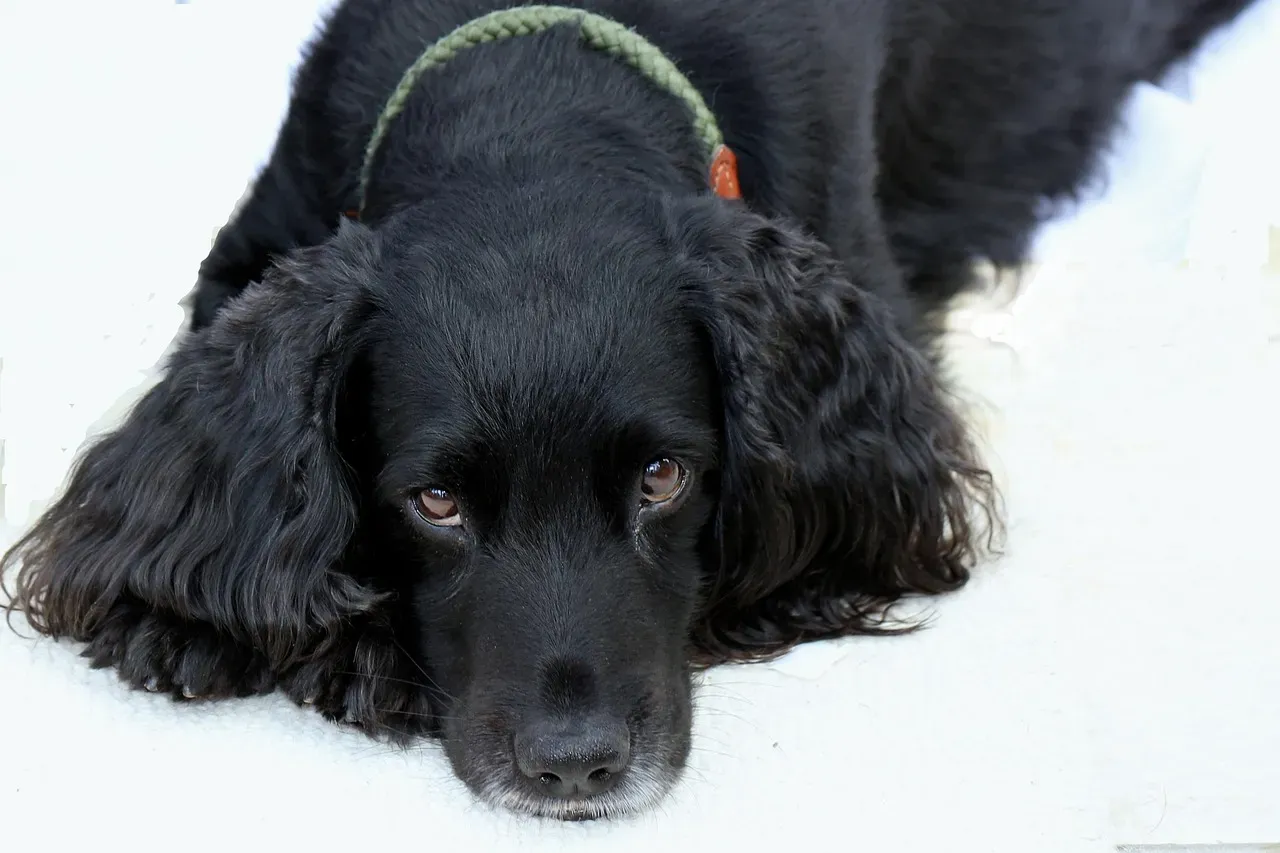
Cocker Spaniels are known for their sensitive and affectionate nature; however, this sensitivity makes them highly attuned to their surroundings and more reactive to changes in their environment; even minor disruptions, such as changes in routine or new visitors, can cause significant stress and anxiety. These dogs feel everything deeply.
Behind those soulful eyes is a dog that feels everything; even a stern tone can make them sulk. Harsh corrections or punishment can completely break their spirit. They respond beautifully to gentle training and positive reinforcement, but they crumble under pressure.
Push them too hard or ignore them and they may become anxious or withdrawn; a bored Cocker can become clingy or exhibit nervous behaviors, and they’re prone to separation anxiety. Watch for signs like excessive paw licking, whining, or destructive chewing when they’re left alone. Their emotional needs are high, and they don’t hide it well when they’re struggling.
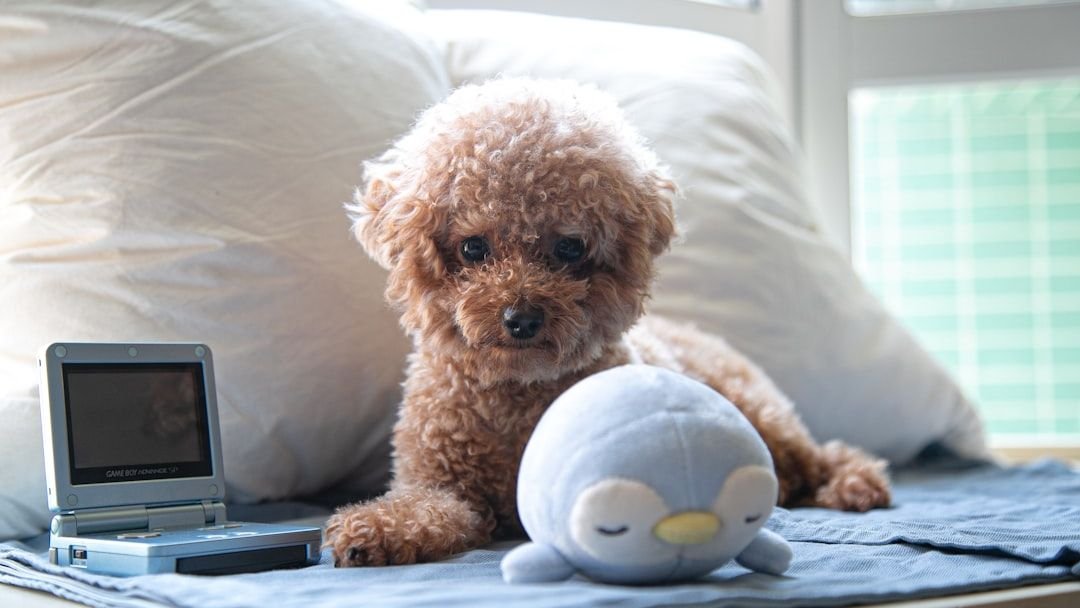
Toy Poodle: Smart, Sensitive, and Easily Overwhelmed
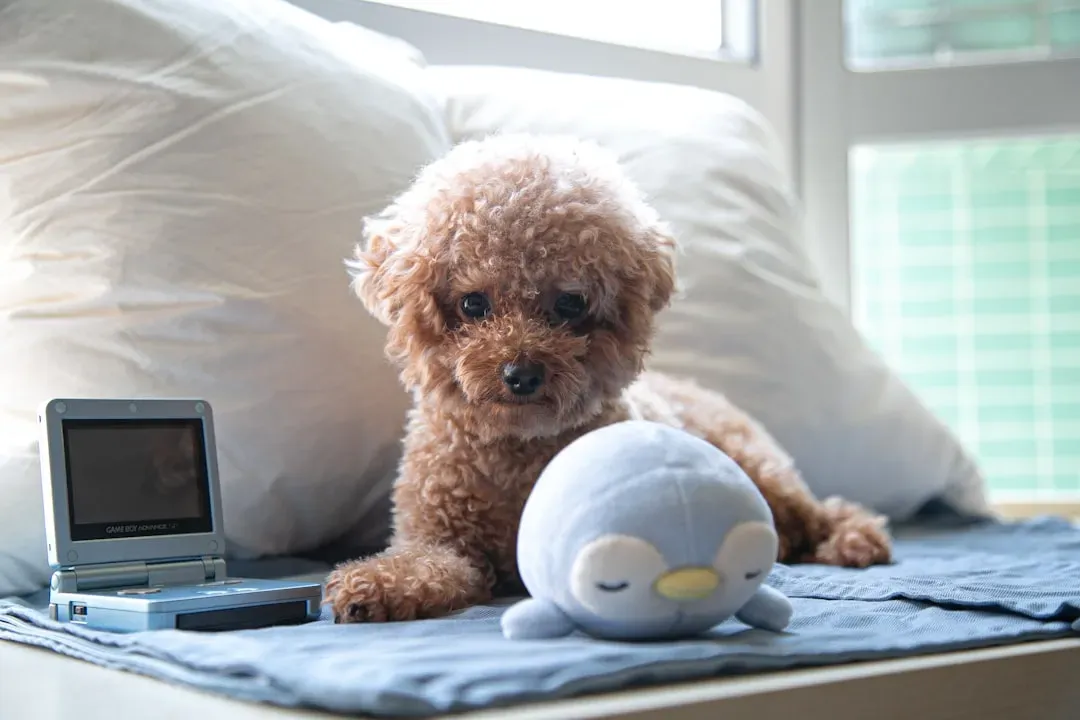
Toy Poodles are very sensitive to new environments and changes in their routine, which may contribute to stress-related gastrointestinal upset. Their intelligence is impressive, but it also means they’re hyperaware of everything happening around them. Change throws them off balance quickly.
Toy Poodles have been selectively bred for specific traits such as alertness, sensitivity, and intelligence; however, this selective breeding has also resulted in making them genetically predisposed to anxiety, and the heightened alertness that makes them excellent at responding to their environment can also make them more susceptible to stress. They pick up on tension in the household instantly.
Their sensitivity, which contributes to their trainability and responsiveness, can also make them more reactive to changes and potential threats in their surroundings; this sensitivity is a double-edged sword as it allows them to learn quickly but also means they are more likely to become stressed in unfamiliar or chaotic situations. Keeping them mentally stimulated with puzzle toys helps, but they also need calm, consistent environments to truly thrive.
Conclusion
Chronic anxiety affects not only behavior but also a dog’s overall well-being, from sleep patterns to their ability to learn and feel safe; chronic stress also affects physical health, so reducing anxiety meaningfully improves both emotional well-being and overall quality of life. These sensitive breeds aren’t broken or difficult. They’re just wired differently, and they need us to meet them where they are.
Understanding your dog’s emotional limits isn’t about changing who they are. It’s about creating an environment where they feel safe enough to be themselves. Predictable routines, positive reinforcement, mental enrichment, and plenty of reassurance can transform an anxious dog’s life. Sometimes the kindest thing we can do is simply acknowledge that their feelings are real and valid.
Did your breed make the list? What helps your pup feel calm when the world gets loud?


