

You know that look. The one where your dog freezes mid-step when the microwave beeps, or when they suddenly bolt under the bed because someone dropped a spoon. It’s not just your imagination. Some dogs experience the world at an amplified volume, where everyday sounds feel like alarm bells ringing through their entire nervous system.
The truth is, noise sensitivity shows up in almost one third of dogs, making it one of the most common sources of anxiety in our canine companions. While any dog can become noise reactive, certain breeds are simply hardwired to be more attuned to sound and movement. It’s not weakness or poor training. It’s genetics meeting environment in ways that can leave both dog and owner feeling helpless during thunderstorms, garbage truck days, or even quiet Tuesday afternoons when the neighbor starts mowing their lawn.
Here’s the thing, though: understanding why your dog reacts the way they do is the first step toward helping them find peace. So let’s dive into six breeds that tend to live life with their ears on high alert, and what you can actually do about it.
Border Collie
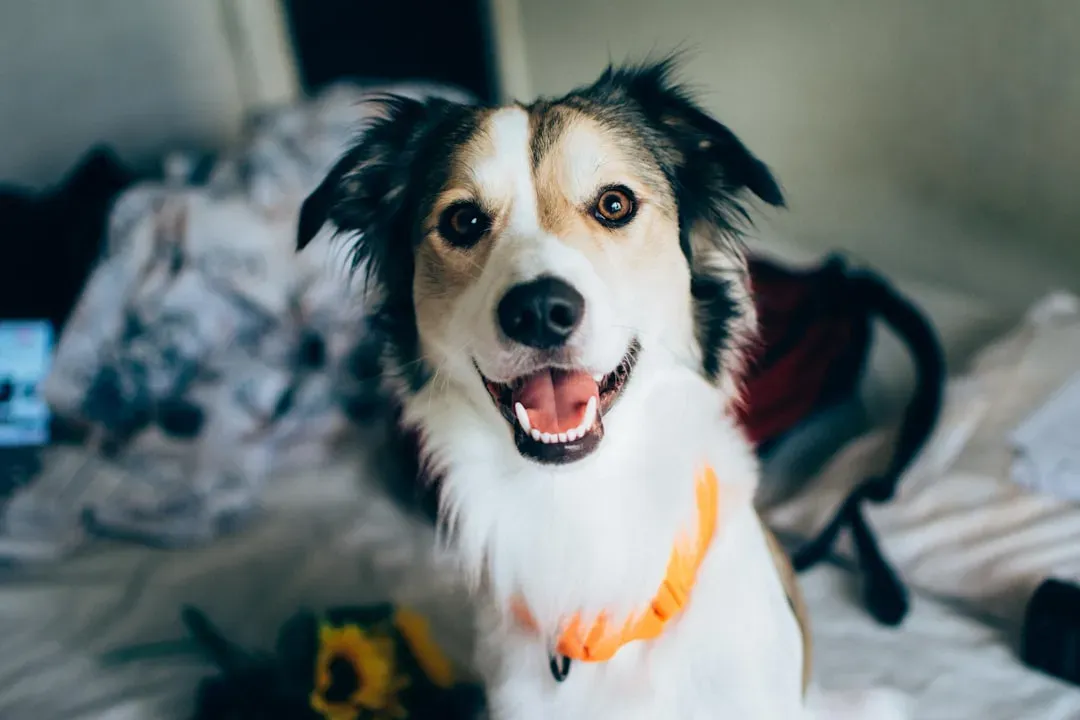
Border Collies can be very noise sensitive, developing fears of certain sounds, and many first time Border Collie owners are surprised by just how strongly their dog reacts to normal life events like a garbage truck rumbling past or a child bouncing a ball next door. Let’s be real, this isn’t the easygoing family pet that some people imagine when they fall in love with those intelligent eyes.
Border Collies were bred to be sensitive to sound so they could listen for commands and distinguish verbal cues or whistles from considerable distances while working livestock on windswept hillsides. That same trait that makes them exceptional working dogs also means they pick up on every creak, rustle, and hum in your home. They’re essentially living with surround sound permanently turned up.
Watch for the subtle signs early on. Your Border Collie might lick their lips when the printer starts, tuck their tail when the doorbell rings, or try to slink away when you turn on the blender. These aren’t dramatic reactions, which is exactly why they get missed. Border Collies and Australian Shepherds were more severely affected than German Shepherds in studies measuring noise reactivity, showing higher anxiety intensity scores overall.
The good news? Early intervention works. Create positive associations with household sounds by pairing them with treats or play. Start at low volumes and gradually increase exposure. Most importantly, stay calm yourself, because your Border Collie is absolutely reading your energy.
Australian Shepherd

Australian Shepherds are another herding breed that didn’t get the memo about relaxing. Herding breeds such as border collies and Australian shepherds are more likely to experience distress during noisy events, and Aussies can develop sound sensitivity especially when their exercise and mental stimulation needs aren’t being met.
Many herding breeds were developed to be protective of their property, which means they’re extra likely to be sensitive to sounds that might predict a stranger entering their territory. So when your Aussie barks frantically at the mail carrier or spins in circles when a motorcycle passes, they’re not being dramatic. They’re doing exactly what generations of selective breeding told them to do.
These dogs live in a state of heightened awareness. In studies investigating behavioral responses to noises in German shepherds, Australian shepherds, and border collies, Australian shepherds were more likely to pant and hide when frightened by loud sounds. You might find your Aussie cowering in the bathroom during a thunderstorm or refusing to go outside after hearing fireworks days earlier.
Prevention starts in puppyhood. Aussies need consistent, positive exposure to various sounds in controlled settings. Think: recordings played at whisper volume while they’re enjoying their favorite meal. Increase the volume only when they remain completely relaxed. Patience here pays dividends for years to come.
German Shepherd
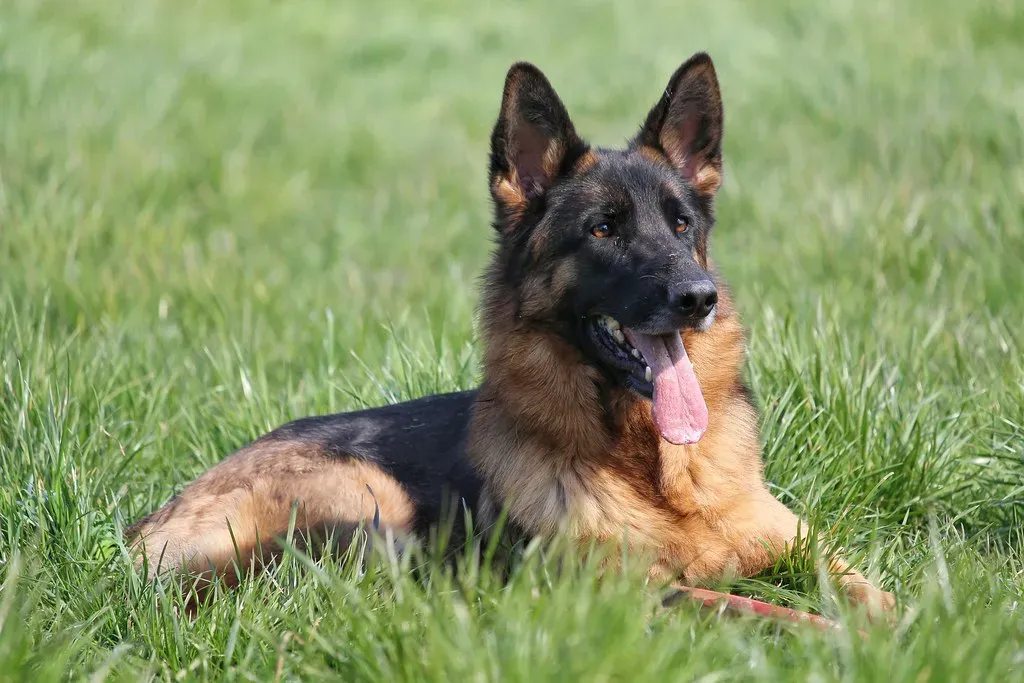
Here’s something that surprises people: German Shepherds, those supposedly fearless protectors, can be remarkably sensitive to noise. Many German Shepherds are sensitive to loud noises such as thunderstorms, fireworks, or construction sounds, which can lead to fear and anxiety resulting in behaviors like panting, pacing, or hiding.
German shepherds have excellent hearing, able to detect sounds long before humans can, and they’re especially sensitive to high pitched sounds, hearing frequencies between 47,000 to 65,000 Hertz compared to the roughly 20,000 Hertz humans can detect. Imagine experiencing the world at that volume. Sounds we barely register might be genuinely uncomfortable or even painful for them.
In studies of noise reactive dogs, German shepherds pace more than border collies or Australian cattle dogs when distressed by sounds. You’ll see them walking circuits through the house, unable to settle, sometimes for hours after the triggering noise has stopped. It’s exhausting to watch and even more exhausting for them to experience.
The key with German Shepherds is recognizing that it’s not uncommon for dogs to develop new fears or anxieties as they grow, and loud noises are a common trigger even in dogs that previously seemed unaffected. Start desensitization training early, ideally during puppyhood, but don’t despair if you’ve adopted an adult dog. Progress is still possible with consistency and compassion.
Cavalier King Charles Spaniel

These gentle lap dogs might seem like unlikely candidates for a noise reactivity list, but don’t let their royal demeanor fool you. Cavalier King Charles Spaniels may be sensitive to loud noises such as thunderstorms, fireworks, or vacuum cleaners, and this sensitivity can lead to fear and anxiety resulting in behaviors like trembling, hiding, or excessive barking.
Cavaliers are sensitive to both environment and emotions, and loud noises or chaotic environments may make them uneasy. Their emotional awareness, while making them wonderful therapy and companion dogs, also means they pick up on stress like a radio antenna. If you’re anxious about an approaching storm, your Cavalier has already felt it and started worrying too.
Cavalier King Charles Spaniels are commonly associated with noise sensitivity alongside breeds like Border Collies and Greyhounds. What makes Cavaliers particularly challenging is that their fear responses can intensify their already strong attachment behaviors, potentially worsening separation anxiety. It becomes a cycle: noise triggers fear, fear increases clinginess, which makes them even more vulnerable when alone.
Create a safe haven for your Cavalier. A quiet room with their bed, favorite toys, and maybe a piece of your clothing can provide refuge during stressful events. Some owners find that playing calming music or white noise helps mask triggering sounds. Remember, comforting your frightened Cavalier isn’t “rewarding” their fear, it’s providing the security they desperately need in that moment.
Shetland Sheepdog
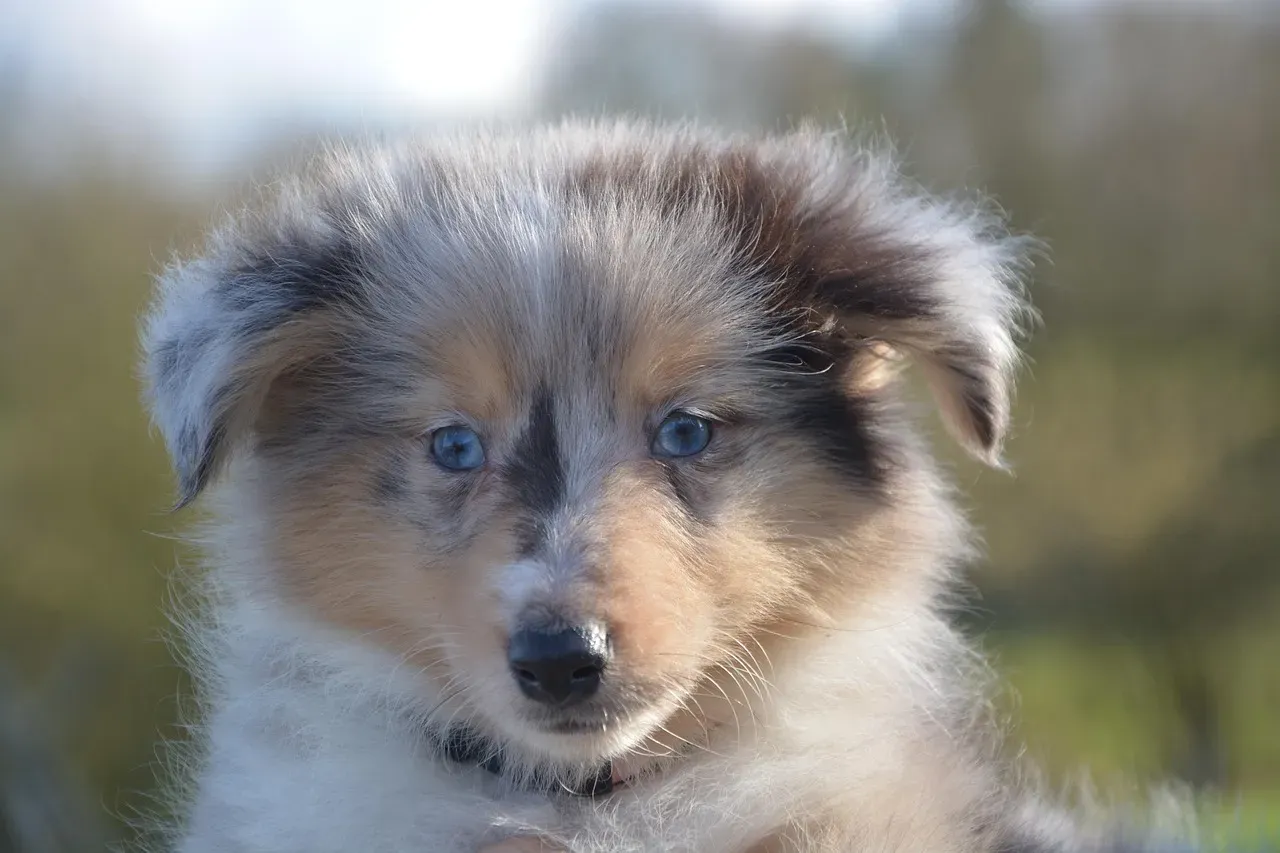
Shelties are small packages of sensitivity and awareness. Extreme sound sensitivity is most commonly seen in herding breeds, and you may see Shelties, Australian Shepherds, or Border Collies exhibiting these symptoms. These dogs were bred to work closely with shepherds, responding to subtle voice commands and changes in their handler’s tone.
That breeding history means modern Shelties often react to sounds we don’t even consciously register. The hum of electronics, distant traffic, the rustle of leaves outside the window, all of these can put a Sheltie on alert. The early warning signs of sound sensitivity are often missed because dogs show subtle stress signals at the beginning, such as licking their lips when they hear certain sounds, yawning, tucking their tail, or trying to move away.
Watch your Sheltie carefully during everyday activities. Do they leave the room when you start the dishwasher? Do they seem tense when children are playing loudly in the neighborhood? These small avoidances often escalate if ignored. What starts as mild discomfort can progress to full panic attacks during storms or other intense noise events.
Management strategies matter enormously. Background noise like soft music or a fan can help mask sudden sounds that startle your Sheltie. Predictable routines reduce overall stress levels, making them more resilient when unexpected noises occur. Think of it as keeping their baseline anxiety lower so they have more capacity to cope with surprises.
Mixed Breed Dogs with Herding Ancestry

Here’s what nobody tells you: mixed breed dogs are at highest risk for noise phobias, perhaps because they may spend their early days in less than ideal circumstances without the careful socialization that responsible breeders provide. If you’ve got a rescue mutt with some herding breed in the mix, noise sensitivity might be part of the package.
Multi mixed breeds could have inherited territoriality from one ancestor, motion sensitivity from another, and suspicion of strangers from yet another, bringing different traits together that can lead to quite explosive personalities. Your sweet rescue might be carrying the Border Collie’s sound sensitivity, the German Shepherd’s protective instincts, and the anxiety that comes from an uncertain early life all wrapped into one anxious bundle.
The challenge with mixed breeds is that you’re often guessing at what’s driving their reactions. That adorable scruffy dog might have herding breed wiring you can’t see just by looking at them. If you acquired your multi mixed breed as an adult or adolescent through rescue, they could have had traumatic experiences in their past or less than ideal early upbringing, which can significantly contribute to reactive behavior.
Don’t get discouraged. Mixed breed dogs can absolutely improve with patient, consistent training. Focus on building confidence through positive reinforcement, controlled exposure to triggering sounds, and creating safe spaces in your home. The work might take longer than with a well bred puppy who had proper early socialization, but the bond you build through helping them overcome their fears is something special.
Helping Your Noise Sensitive Dog Find Peace
Living with a noise reactive dog means relearning how you experience your own home. That vacuum cleaner isn’t just a cleaning tool anymore, it’s a potential source of terror for your best friend. The garbage truck on Tuesday mornings becomes something you plan around. It’s exhausting, honestly, but understanding is the foundation of everything else.
The good news is that fear of loud noises is the most common behavioural problem in pet dogs, which means veterinarians and behaviorists have developed effective strategies. Behavior modification through gradual desensitization and counterconditioning works when done correctly. Start with recordings of triggering sounds at barely audible levels while your dog enjoys high value treats. The goal is creating new associations, not forcing them to “tough it out.”
When a dog is in pain, they may react fearfully to sounds that don’t typically cause anxiety. This is crucial. If your dog suddenly develops noise sensitivity or it seems to worsen dramatically, schedule a veterinary exam. Arthritis, ear infections, dental pain, any physical discomfort can lower their threshold for tolerating stressful stimuli.
Sometimes environmental management is your best friend. If you observe a pattern of behavior, find out what’s happening at this location that might be causing it, because it’s often easier to change your environment by removing the source of the noise than to modify your dog’s fear based behavior. Can you move their crate away from the street side window? Can you schedule activities during quiet times of day? These small adjustments matter.
For severe cases, medication can be a game changer. There’s no shame in helping your dog through pharmaceutical support while you work on behavior modification. Talk to your vet about options. Dogs typically start fearing noises in their first or second year of life, and this fear can worsen as they age, so addressing it early prevents years of suffering.
Remember that staying calm yourself is essential. Your dog reads your emotional state like a book. If you tense up and start speaking in soothing tones when thunder rumbles, you’re telegraphing that something is indeed wrong. Instead, maintain your normal demeanor. Act like the washing machine’s spin cycle is the most boring thing in the world. Your confidence becomes their confidence.
What surprises most people is how much management helps alongside training. White noise machines, calming music designed for dogs, covered crates in interior rooms, compression wraps, these aren’t band aids, they’re legitimate tools that reduce suffering while you work on the underlying issues. Use every tool available.
The journey with a noise sensitive dog isn’t always linear. You’ll have setbacks. A particularly intense thunderstorm might undo weeks of progress. That’s okay. What matters is the overall trajectory and your commitment to understanding rather than judging your dog’s experience. They’re not being difficult. They’re genuinely frightened of sounds that, to their sensitive ears and nervous systems, feel overwhelming.
Does your dog startle at everyday sounds? You’re not alone in this, and neither are they. With patience, understanding, and the right approach, many noise reactive dogs learn to navigate the world with less fear and more confidence. What changes have helped your sensitive dog the most?


