
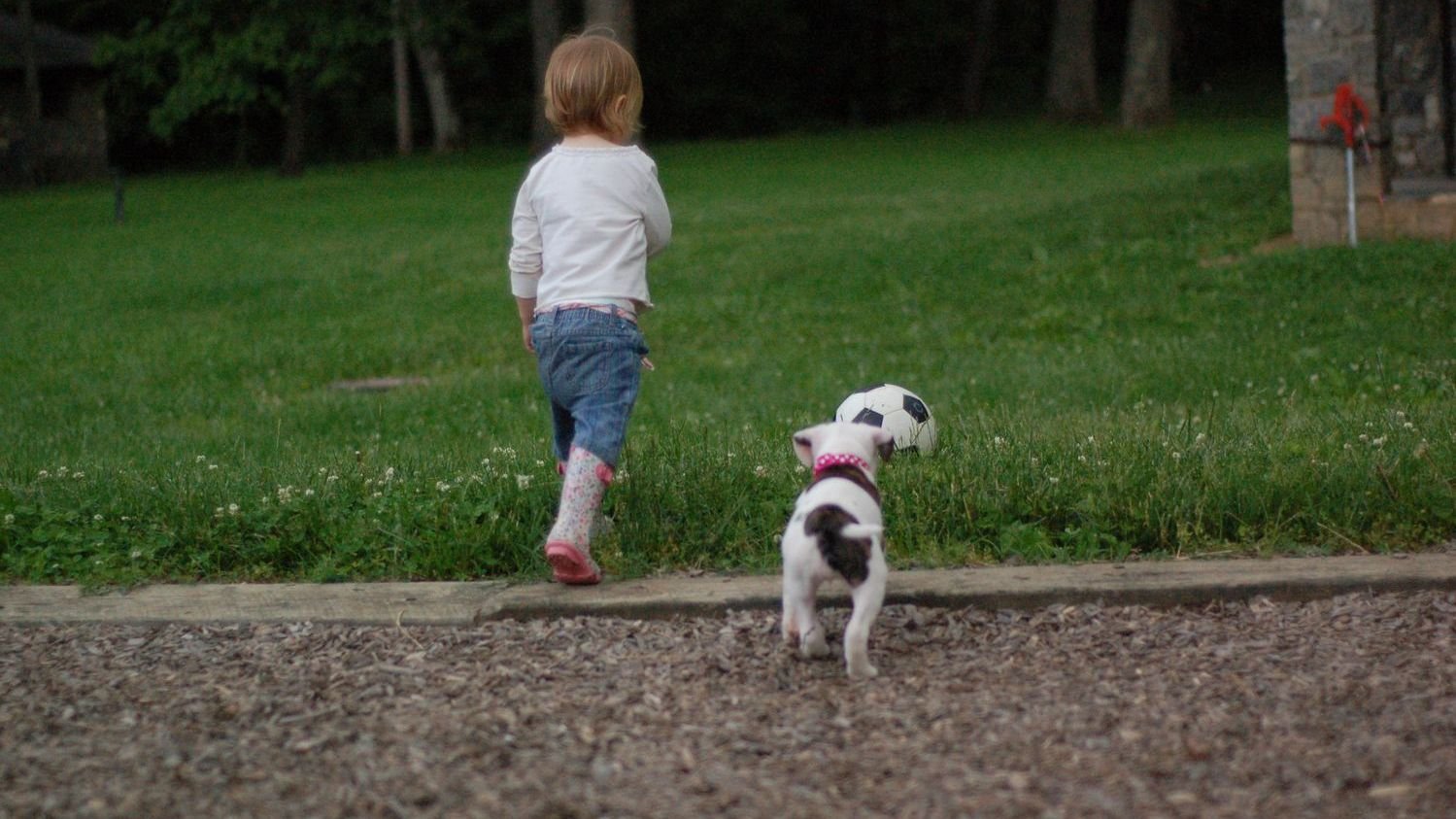
Have you ever stood at the dog park and watched your pup completely ignore the pack of furry friends romping nearby, choosing instead to glue themselves to your side? Maybe they seem more interested in making friends with the humans at your local coffee shop than engaging with their four legged counterparts. If this sounds familiar, you’re not alone. There’s something deeply charming yet puzzling about a dog who sees people as their preferred companions.
Let’s be honest. Society often assumes every dog should be a social butterfly, bounding joyfully toward any canine they meet. The reality is far more nuanced and fascinating.
Your Dog’s Preference is Actually Normal
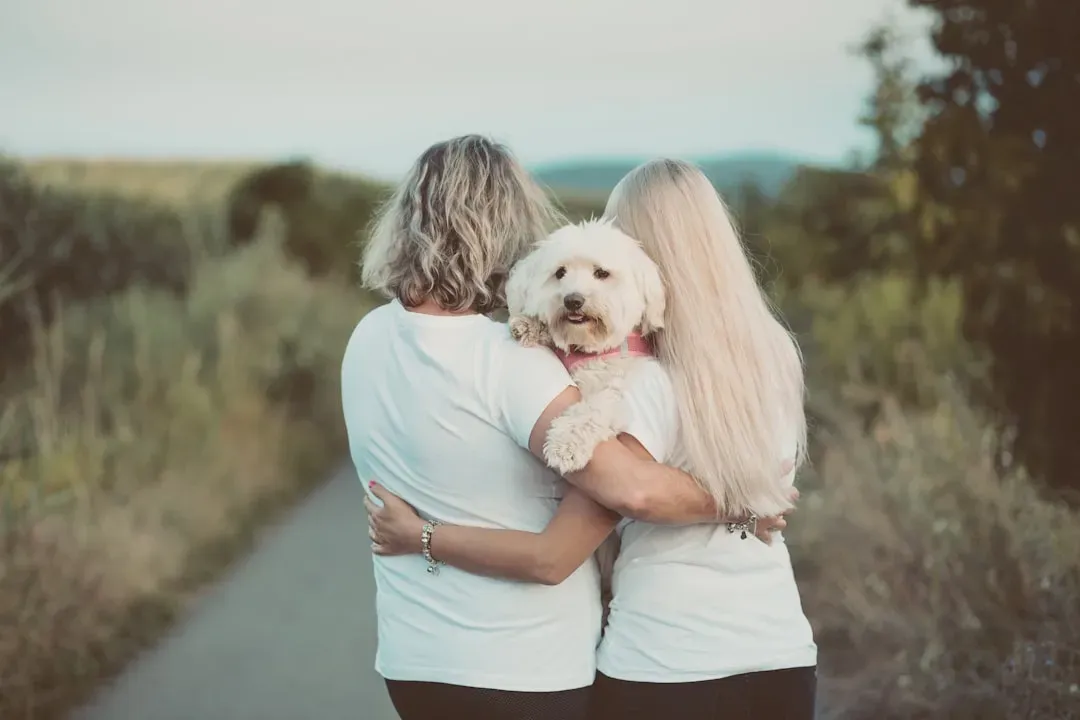
When given a choice, dogs appear to prefer relationships with humans. That’s not just anecdotal observation from devoted dog lovers like us. Research actually backs this up in ways that might surprise you.
Some dogs prefer the company of human beings instead of other dogs, and as dogs became more domesticated, they may have bonded more with humans than with other dogs. Think about that for a moment. We’ve spent thousands of years selectively breeding dogs not just for their appearance or working abilities, but for their capacity to connect with us emotionally.
When dogs become stressed, they draw more comfort from the presence of their human caretaker than from another familiar dog. There’s something profound in knowing your dog seeks you out when the world feels overwhelming. It’s not a flaw or deficiency, it’s evidence of the deep bond you’ve cultivated together.
Sociability toward humans and sociability toward dogs are separate traits, and many modern dogs have been bred and rewarded for human bonding rather than peer play. Your dog isn’t broken or antisocial, they’re simply wired to prioritize the relationship they have with you.
Breed and Genetics Play a Bigger Role Than You Think
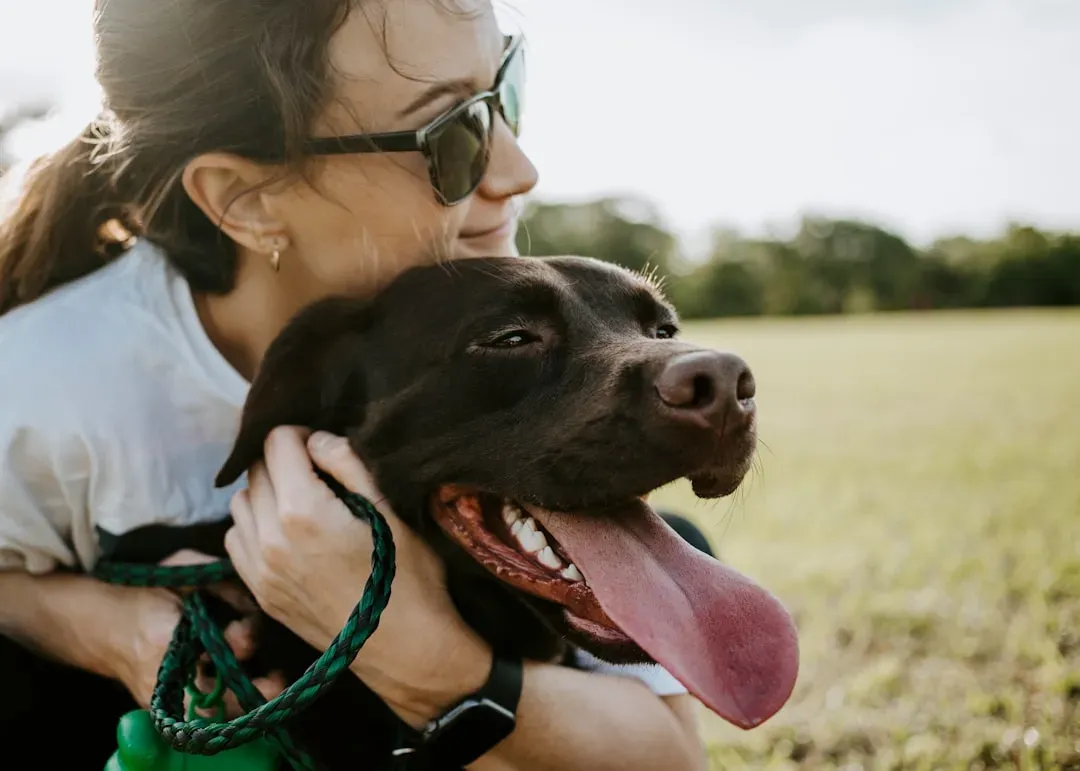
German Shepherds were bred to tend sheep with just their owner for company, so it’s not surprising that many prefer their people over other dogs. The same logic applies to numerous companion breeds developed specifically for human interaction.
Pugs were bred to be human companions and most of them definitely live up to the stereotype. If you’ve chosen a breed with this heritage, their people focused nature is literally in their DNA. Chihuahuas, French Bulldogs, Cavalier King Charles Spaniels – these breeds often gravitate toward their humans rather than seeking out doggy playmates.
Some breeds were developed to work closely with humans, while others were bred for independent work, and these differences affect how dogs prefer to interact. A Labrador Retriever bred for generations to work alongside hunters will naturally orient toward human partnership. It’s their calling.
Understanding your dog’s genetic blueprint helps you set realistic expectations. Not every dog needs a best friend at the dog park to live a full, happy life.
Early Experiences Shape Social Preferences Forever
To be effective, socialization must happen during the sensitive period, roughly 3 to 14 weeks of age, and should start before 8 weeks when a fear period begins. This window is shockingly narrow yet monumentally important.
If not properly socialised as puppies, dogs have a higher risk of problematic behaviours during adulthood. Perhaps your dog came from a situation where they had limited exposure to other dogs but abundant human contact during those critical weeks. The result? A pup who learned that people are safe, predictable, and rewarding, while other dogs remained unfamiliar territory.
A dog’s temperament develops due to the interplay between genes and the amount of exposure received as a puppy. It’s not just about nature or nurture, it’s both dancing together in complex ways. Sometimes a puppy raised primarily around humans simply doesn’t develop the same enthusiasm for canine companionship.
That doesn’t mean you failed your dog. Life circumstances, rescue situations, pandemic puppies who missed crucial socialization opportunities – there are countless reasons a dog might prefer human company. The key is accepting where your dog is now and working within their comfort zone.
Recognizing When Preference Becomes Fear or Anxiety
There’s a meaningful difference between preference and fear. Dogs who lack early socialization might be reactive towards other dogs, or fearful around unfamiliar people, and some don’t do well with handling. Watch your dog’s body language carefully when they encounter other dogs.
Signs like ears to the side, lip licking, looking away, and moving away when another dog approaches indicate discomfort. This isn’t a dog choosing human company out of preference; this is a dog experiencing genuine stress. If your dog stiffens, growls, or attempts to flee when seeing other dogs, you’re dealing with fear rather than simple preference.
It’s natural for dogs to become less social as they mature, and genetics plays a large role in a dog’s temperament and behavior. Sometimes what looks like changing preferences is actually your dog maturing into their true personality. Always rule out medical issues too. Pain or illness can make dogs irritable and less interested in social interaction.
If anxiety or fear is driving your dog’s behavior, consider working with a certified behaviorist. These issues won’t resolve on their own and can worsen over time without proper intervention.
Creating a Fulfilling Life for Your People Oriented Pup
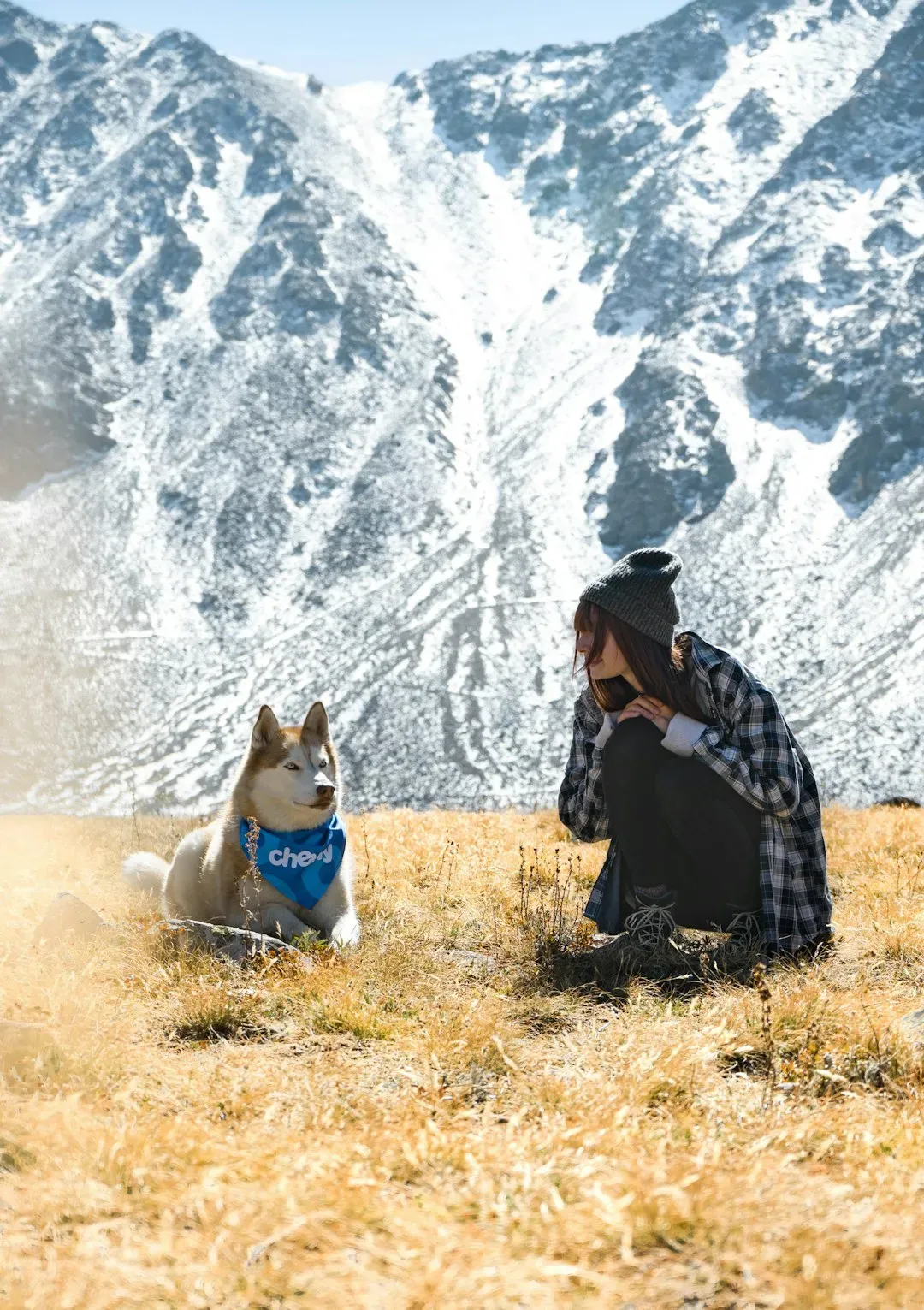
Here’s the thing. As long as you provide your dog with both mental and physical exercise and plenty of social interactions with you and other people or animals they care about, they can lead a very fulfilling and happy life. Your dog doesn’t need doggy friends to be complete.
Dogs who become overwhelmed around other dogs can live very fulfilled and happy lives without being placed in these situations, with lots of mental enrichment, exercise, and a strong relationship with you. Focus on what your dog loves. Long walks together, training sessions that challenge their mind, interactive toys, swimming, hiking – the possibilities are endless.
Build your dog’s social circle around people they trust. Invite friends over for visits. Take your pup to dog friendly patios where they can observe the world from the safety of your side. Let them be the official greeter at family gatherings. Lean into what makes your dog thrive rather than forcing them into situations that drain them.
Some dogs simply don’t want to wrestle with other dogs at the park, and honestly? That’s perfectly fine. Your dog’s happiness doesn’t require conforming to what we think a “social dog” should look like. It requires understanding who they actually are and honoring that.
Conclusion
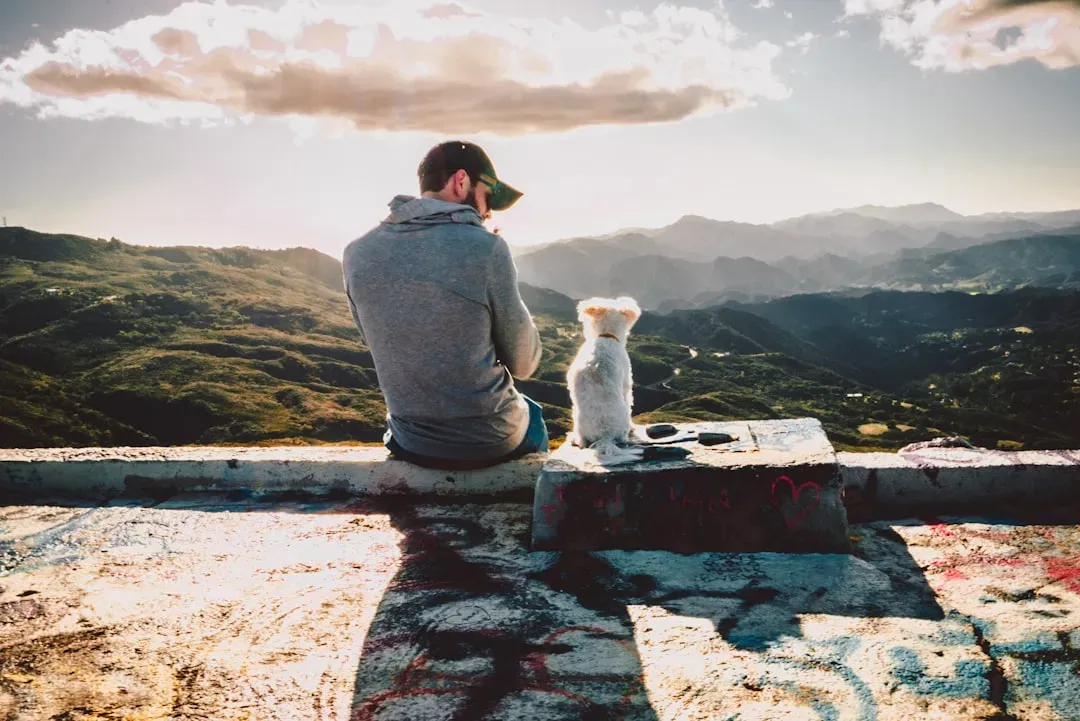
Your dog’s preference for human companionship over canine friendships isn’t a problem to solve. It’s a personality trait to understand and embrace. Whether shaped by genetics, early experiences, or simply individual temperament, a people focused dog can live an incredibly rich and satisfying life.
The bond you share with your pup is special precisely because they choose you. They seek your comfort when scared, your praise when proud, your presence when content. That’s not just meaningful, it’s extraordinary. So the next time someone at the dog park gives you a quizzical look because your dog prefers sitting with you over playing chase, smile knowingly. You’ve got a dog who understands what really matters.
What does your dog’s social life look like? Does your pup have a tight circle of human friends they adore, or are they a solo companion who wants nothing more than quality time with you?


