
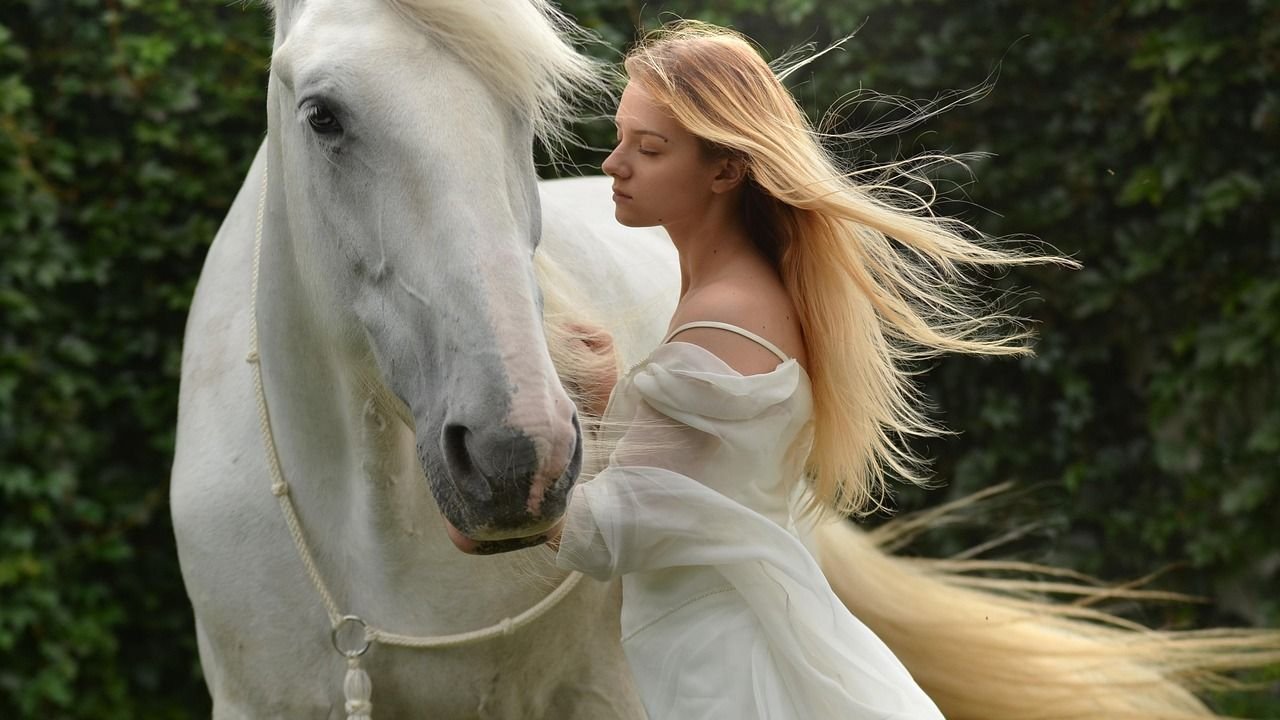
You walk into the barn after a rough day at work. Before you even reach the stall door, your horse turns away, ears flicking nervously backward. Another time, you arrive laughing after good news, and suddenly your usually standoffish gelding walks right up to greet you. Coincidence? Hardly.
Here’s the thing. Horses aren’t just picking up on whether you brought carrots or not. They’re reading you like an open book, scanning your face, listening to your voice, and sensing shifts in your body language that you don’t even realize you’re broadcasting. It’s almost unsettling once you understand how deeply they perceive human emotions. Let’s be real, most of us don’t even notice these subtleties in other people, yet horses have been quietly mastering this skill for thousands of years.
They Decode Your Facial Expressions in Seconds
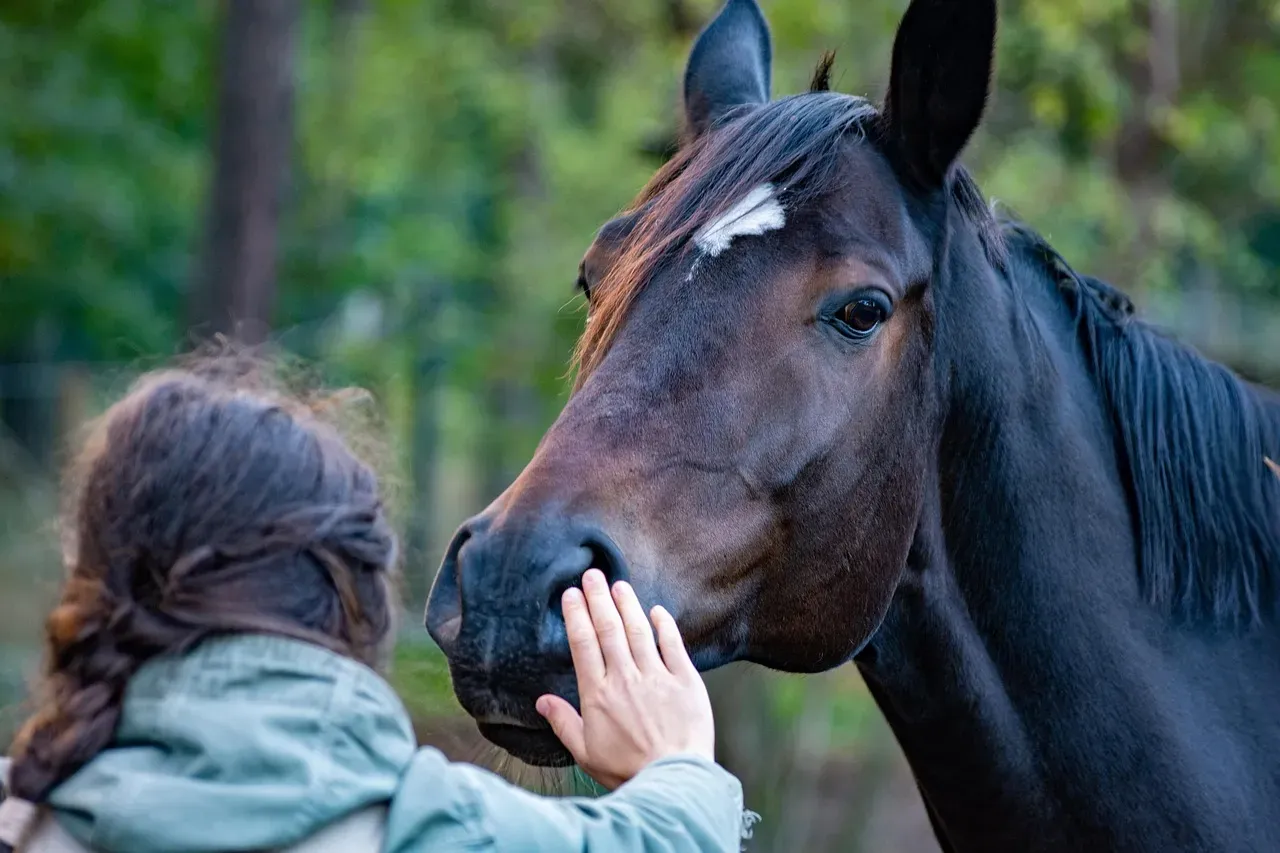
Research shows that horses recognize and react to human emotions expressed by facial cues alone. Think about that for a moment. Your horse doesn’t need to hear your voice or see how you’re moving. Just by looking at your face, they know whether you’re angry, happy, or stressed.
When shown photographs of angry expressions, horses tended to look at the images with their left eye longer than positive images, and their heart rates increased when they viewed negative facial expressions. That left-eye bias isn’t random. It’s connected to how their brain processes threatening stimuli. Your frown registers as a potential warning signal.
Studies found horses learned to choose sad or joyful faces against other emotions, and horses trained with joyful expressions could even generalize to novel faces. This means they’re not just memorizing your specific angry face. They’re learning what human anger looks like, period.
They Match Your Voice to Your Expression
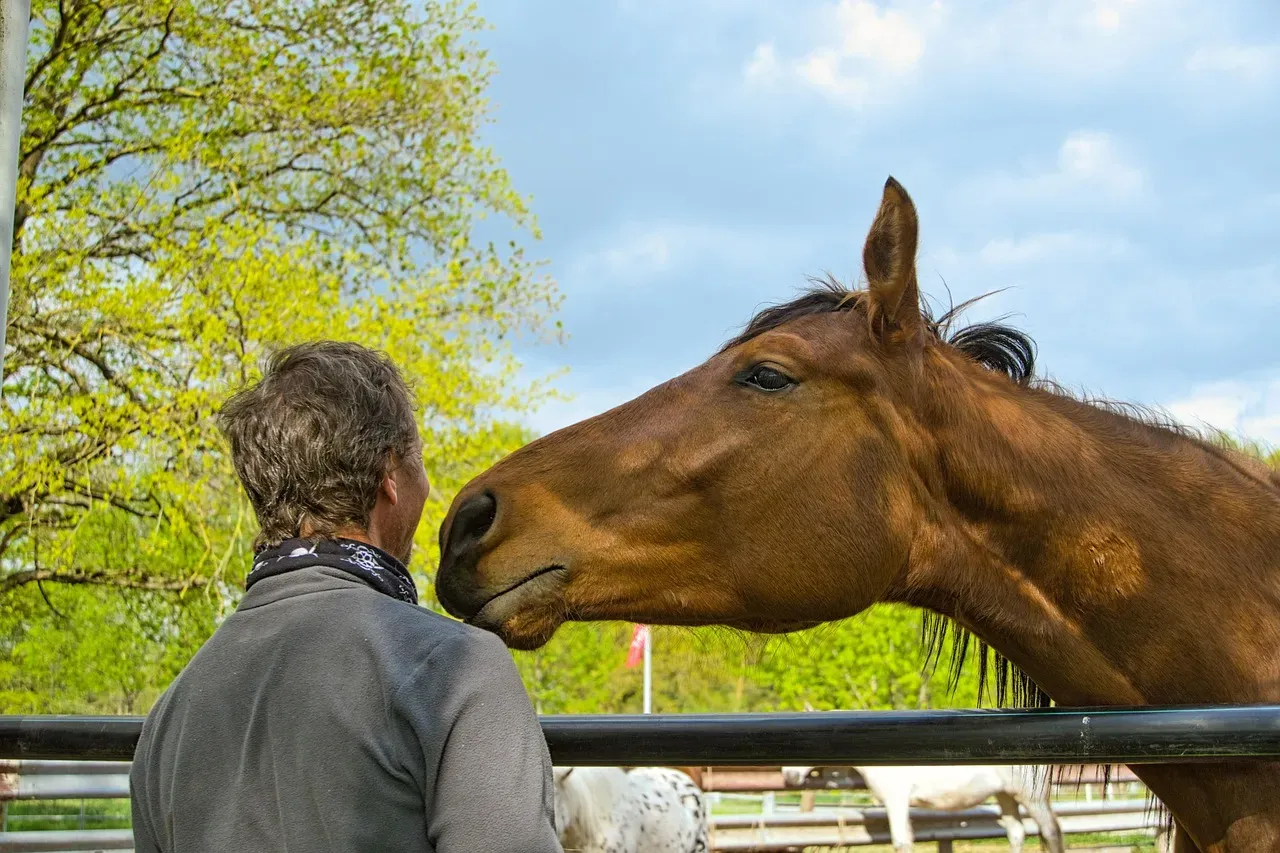
Horses responded to voices nearly twice as fast when the emotional values of facial expression and voice tone didn’t match. Imagine someone smiling at you while screaming. That incongruence throws you off, right? Horses experience the same confusion.
Horses integrate human facial expressions and voice tones to perceive human emotions. They’re cross-referencing what they see with what they hear. If your face says one thing and your voice says another, they notice immediately.
Horses first looked at the face that matched the emotion they were hearing, but spent longer looking at the face that didn’t match, seemingly surprised by the juxtaposition, and after initial responses, horses spent more time looking at human faces displaying happiness. It’s almost like they’re doing a double take. Can you blame them?
Your Body Language Speaks Louder Than Words
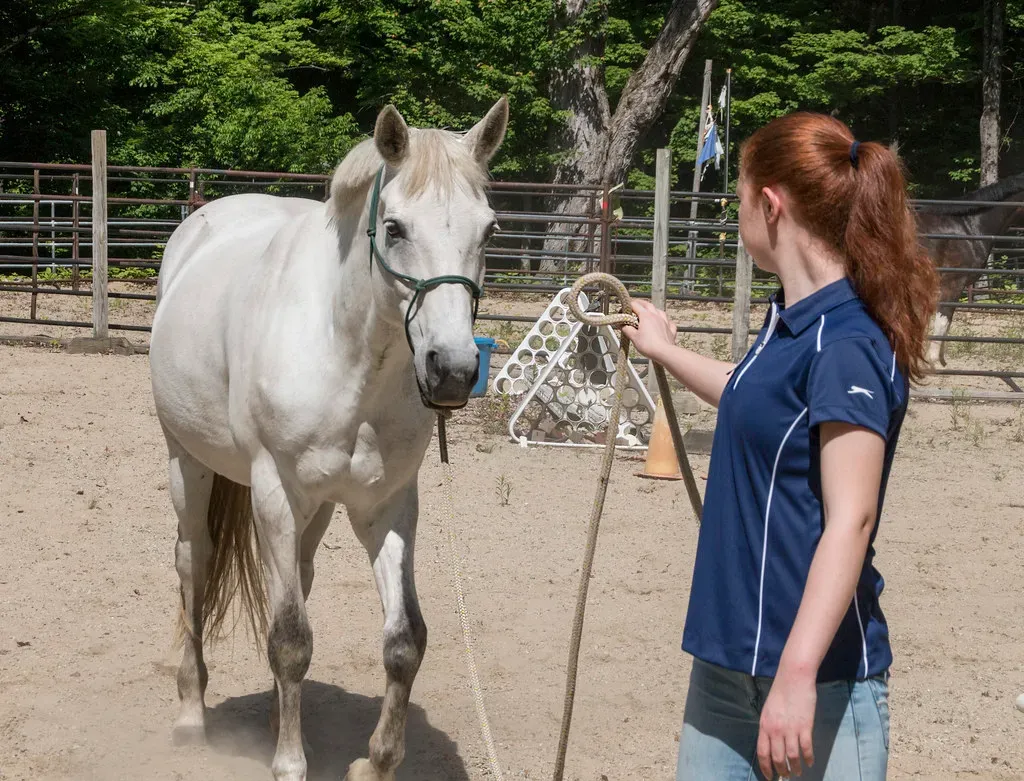
Horses put together the puzzle pieces of your tone, facial expressions, body language, and even energy to gauge what emotion you’re feeling. Every tiny movement matters. The way you hold your shoulders. How quickly you walk. Whether your stride is confident or hesitant.
While horses read and respond to all human emotions, they often offer a big response to negative emotions such as anxiety and anger, feeding off the energy you provide them and reacting to your fear with their fear. This is where things get tricky for nervous riders. Your anxiety creates a feedback loop.
Horses avoided following the human gaze and looked in their direction for a shorter period when humans displayed expressions of disgust. They’re not just passive observers. They adjust their own behavior based on what they sense from you.
They Remember Your Previous Emotional States
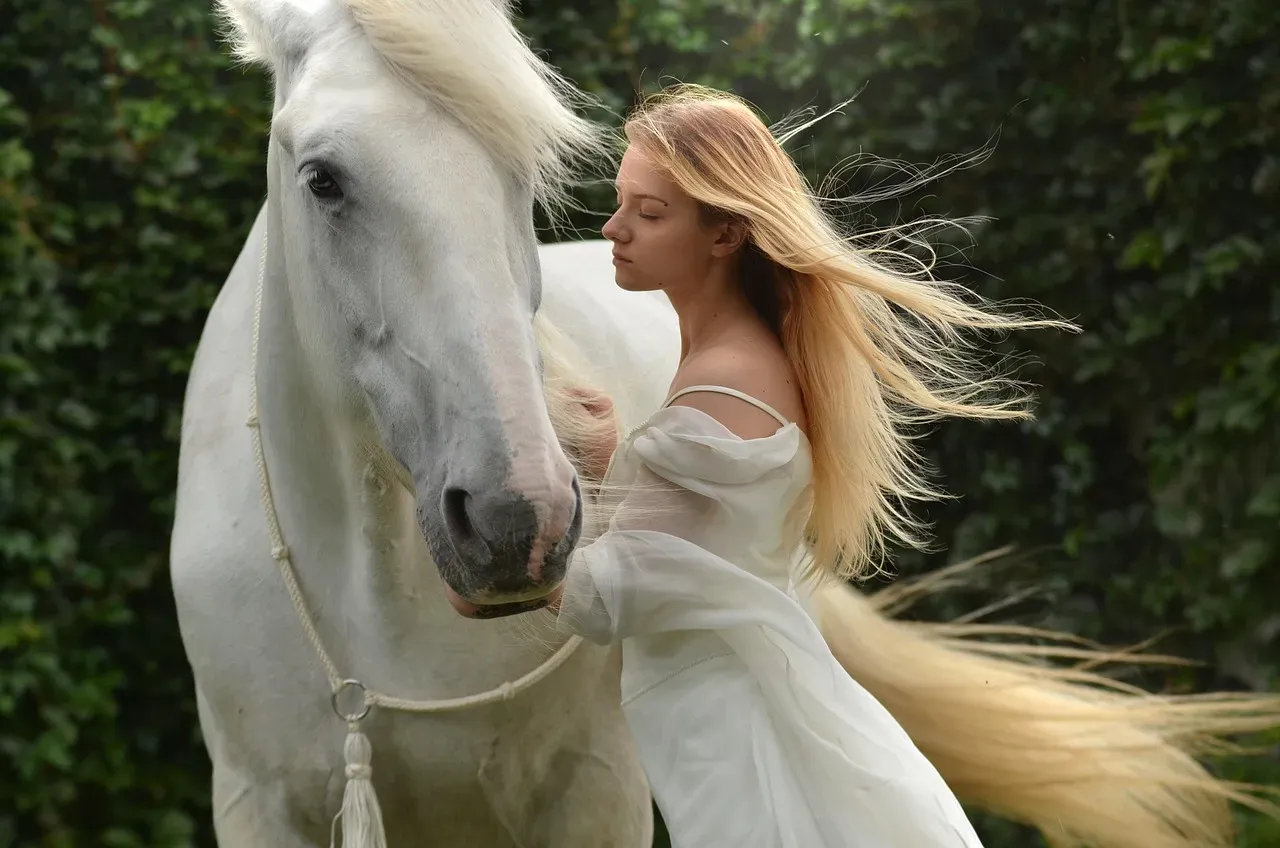
Horses can not only read human facial expressions, but they can also remember a person’s previous emotional state, and their emotional intelligence is such that they remember emotions, accurately interpret them, and adjust their behavior based on this information. This one genuinely surprises most people.
Your horse isn’t starting fresh every time you show up. They’re keeping track. If you were frustrated during yesterday’s training session, they remember. If you’ve been consistently calm and patient, that history informs how they greet you today.
Horses can do all of this even in people with whom they have had no prior interaction. So even a strange horse you’ve just met is already reading your emotional signature. It’s hard to say for sure whether this is entirely innate or partly learned, but either way, it’s remarkable.
Their Welfare State Affects How They Perceive You
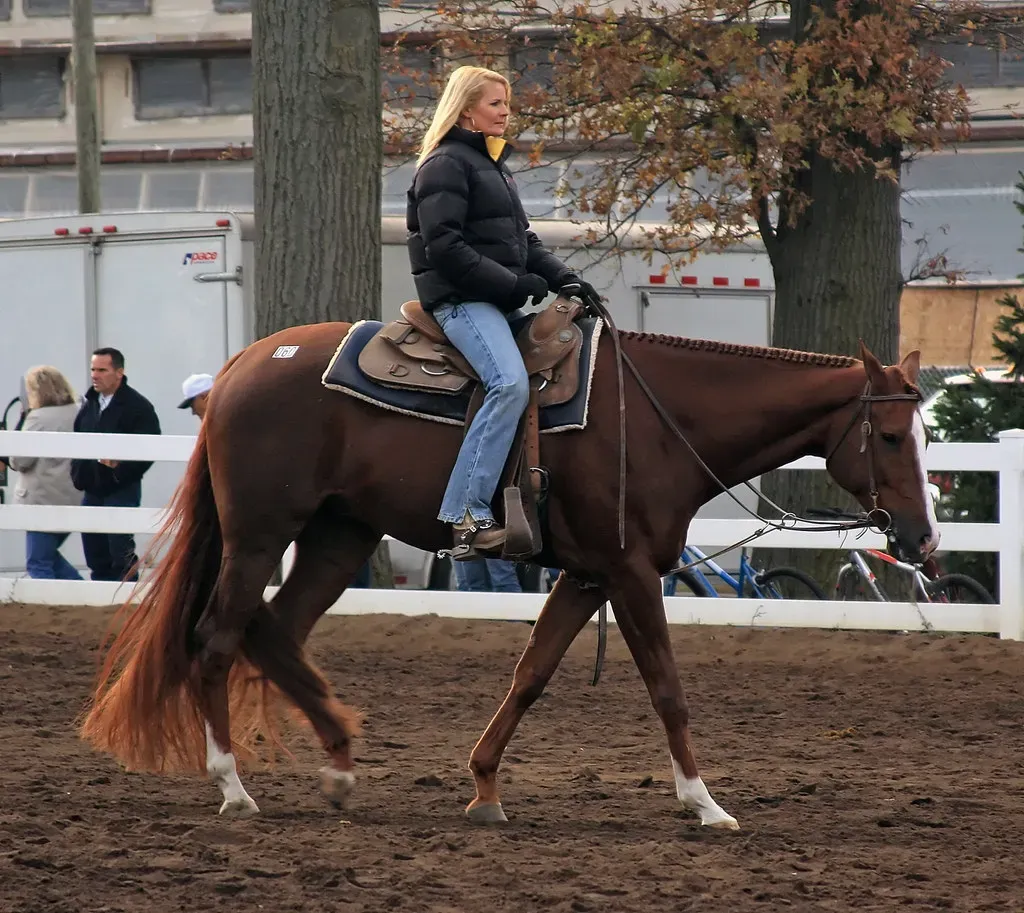
Horses in poorer welfare states and with less stable relationships with humans showed stronger behavioral and physiological reactions to negative emotional voices. This finding has huge implications for how we keep and train horses.
Horses in better welfare states reacted more calmly and showed more interest in positive voices, and brain activity reflected these differences, suggesting both emotional state and life experience play a role in how animals perceive human emotions. A stressed, isolated horse is hypervigilant to negativity. A content horse in a good environment responds with more curiosity and confidence.
Horses that have experienced extensive training and socialization with humans respond better, particularly horses that have spent an extended period with one person, and the more in tune to you they are, the more responsive they are. Relationship quality matters enormously.
They Possess Abundant Mirror Neurons for Empathy
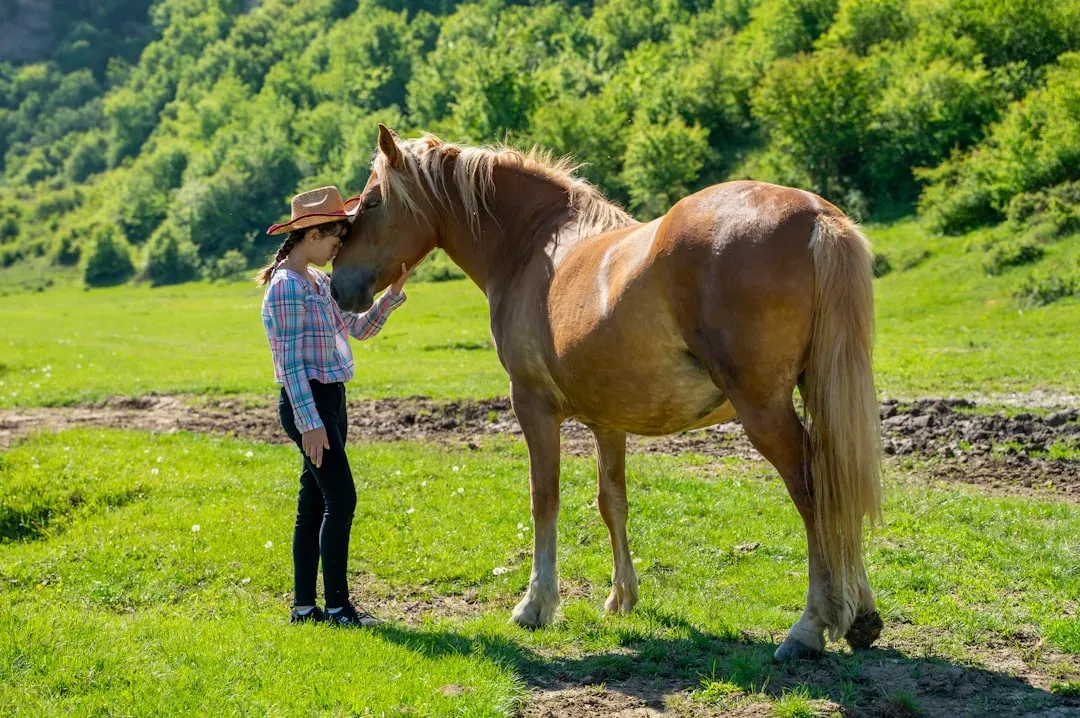
Horses have the keen ability to decipher human emotion because they uniquely possess an abundance of mirror neurons, a class of brain cells that allow people to recognize and empathize with emotion seen in other living things. This is the biological foundation for everything else we’ve discussed.
The wealth of mirror neurons in horses means they are especially empathetic and proficient at building relationships with each other and with people, allowing horses and humans to engage in social communication on a neurological level. It’s not anthropomorphizing to say horses feel what you feel. Science backs it up.
Horses are notably fluent in nonverbal communication because they are prey animals in the wild, having developed ways of communicating amongst themselves that did not give away their position to predators, and this adaptation is thought to have caused horses to become particularly skilled at nonverbal communication and reading subtle emotion. Their survival once depended on reading each other’s emotional states instantly. Now they apply that same skill to us.
Conclusion
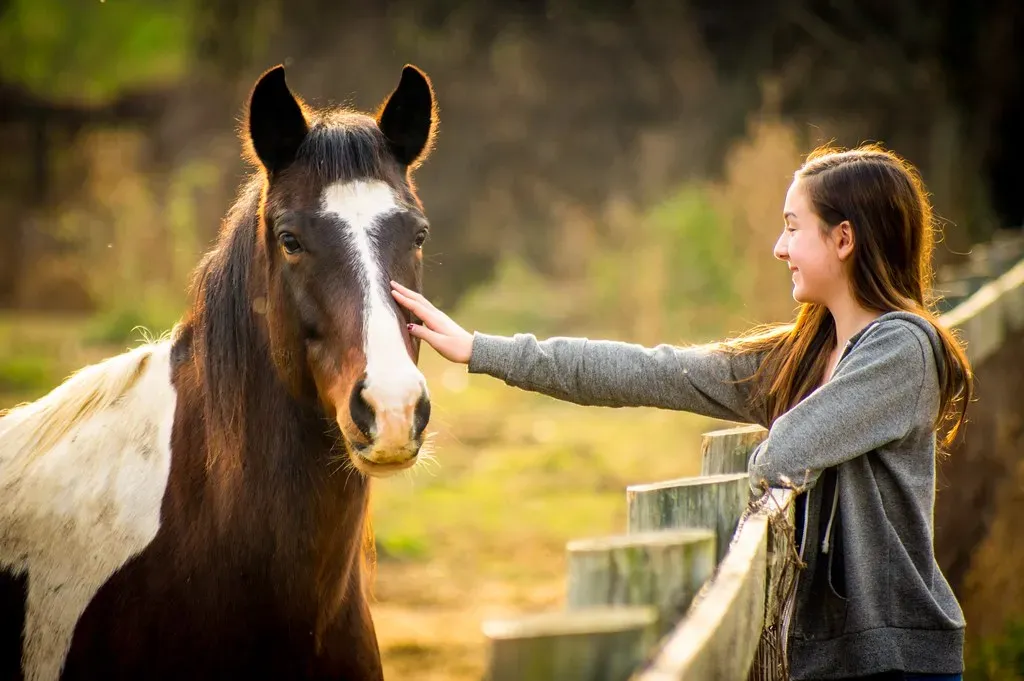
The next time you approach your horse, pause for a second. Take a breath. Check in with yourself. What are you bringing into that space? Frustration from traffic? Joy from a great morning? Anxiety about an upcoming ride?
Your horse already knows. They’ve been reading the subtle signals you didn’t even know you were sending. They’ve matched your expression to your tone, remembered how you felt yesterday, and adjusted their response accordingly. That’s not magic or mysticism. It’s biology, evolution, and thousands of years of partnership between our species.
The question isn’t whether your horse can read your emotions. They absolutely can, often better than you can yourself. The real question is: what are you going to do with that knowledge? How will it change the way you show up at the barn?
What emotions do you think your horse picks up on most? Have you noticed them responding differently based on your mood? Tell us your stories in the comments.


