

There’s something uniquely comforting about a large dog. Their sheer presence makes you feel safe, their gentle eyes seem to understand you like no one else, and when they lean against your leg or rest their head in your lap, it’s like the world slows down just for a moment. Yet many families hesitate. Will a big breed overwhelm our space? Can they really be gentle around the kids?
Let me tell you, the right large dog doesn’t just fit into family life. They transform it. They become protectors, playmates, and the silent keepers of your family’s heart. The question isn’t really about size. It’s about finding that loyal soul who’ll walk beside you through every stage of life.
So let’s dive in.
Golden Retriever: The Joyful Companion Who Never Stops Smiling
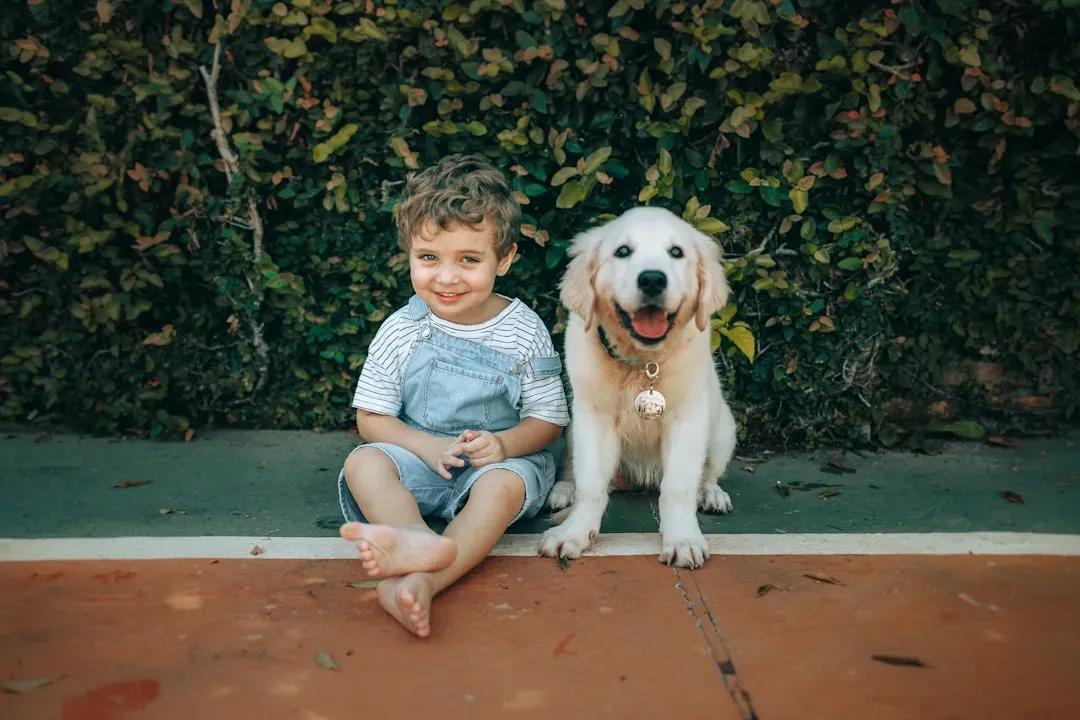
Golden Retrievers are known for their calm and kind personality, making them excellent family dogs. Honestly, there’s a reason they consistently rank among the most beloved breeds. They seem engineered for family life.
These dogs are even tempered, intelligent, and affectionate, plus they’re playful yet gentle with children and they tend to get along well with other pets and strangers. Watch a Golden around toddlers and you’ll see what patience really looks like. They endure sticky fingers, sudden hugs, and the chaos of childhood with unwavering calm.
Males typically weigh between roughly 65 and 75 pounds while females usually weigh about 55 to 65 pounds. They can be energetic, so it’s important to establish a daily exercise routine and train them early, keeping a close eye to make sure they don’t eat something they shouldn’t. Their intelligence makes training a breeze, which is a huge bonus for busy families.
However, there’s a trade off. Their dense double coat requires regular brushing, ideally two to three times a week, and during shedding seasons you’ll find golden fur practically everywhere. It’s a small price for such profound loyalty.
Bernese Mountain Dog: The Velvet Giant With a Heart of Gold

Bernese Mountain Dogs are calm, loving, and great with children, and even though they are large, they are gentle and patient. I think of them as living teddy bears who just happen to weigh over a hundred pounds.
These gentle giants are great family pets who live to please their owners, and once a Berner decides that you are theirs, they will show you a devotion that is second to none. They’re what I call “leaners,” constantly seeking physical contact with their favorite humans. If you sit down, expect a Berner to materialize beside you.
Adult Bernese typically weigh between 70 and 115 pounds. They require about 30 to 60 minutes of moderate exercise daily through activities like walks, playtime, or engaging in dog sports. They’re not marathon runners, but they do appreciate having a job to do.
Berners are very intelligent and eager to please, making them easy to train, though they are also affectionate and quite sensitive, so it’s easy to hurt their feelings. A harsh word is often enough correction. These dogs respond beautifully to positive reinforcement and gentle guidance, transforming into wonderfully behaved companions who seem to read your emotions.
Newfoundland: The Gentle Nanny With Lifesaving Instincts
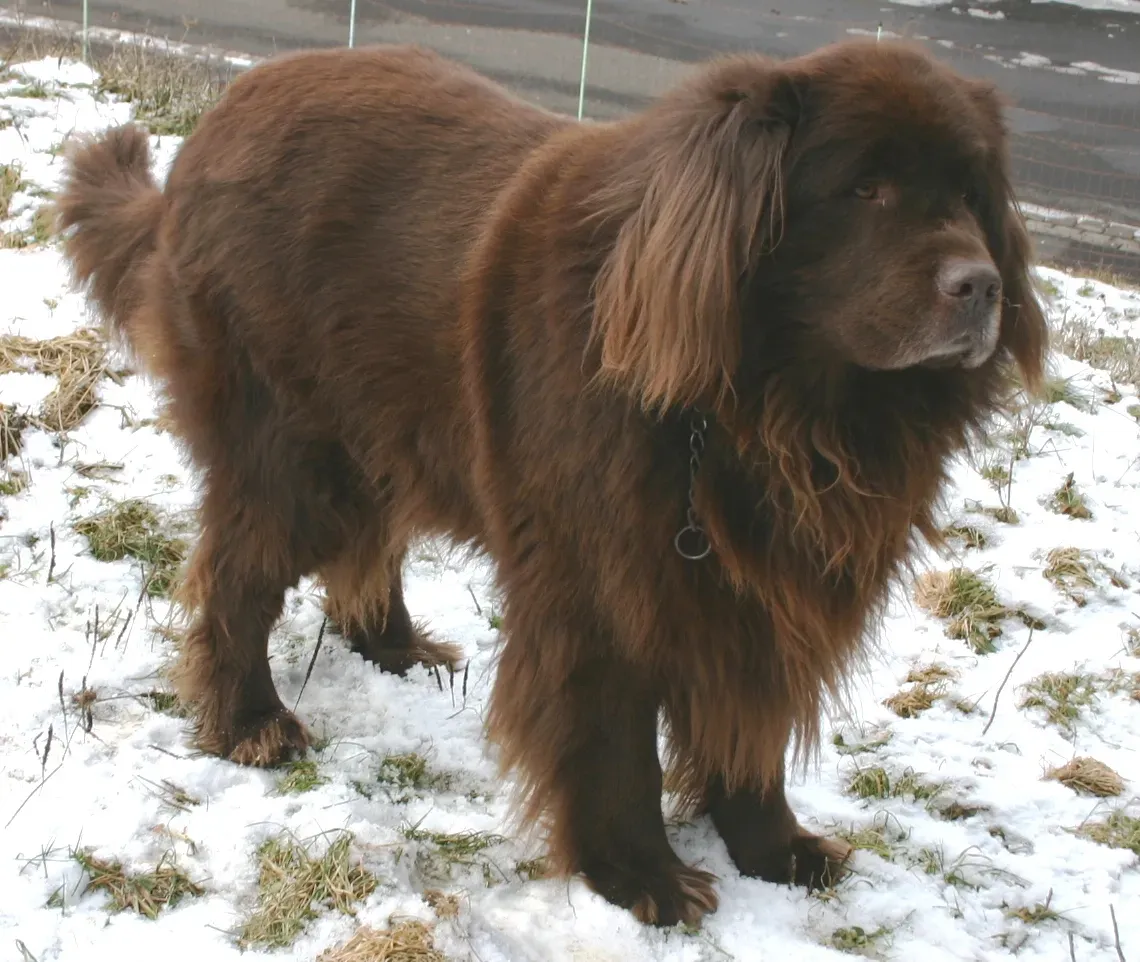
Males can weigh up to 150 pounds, yet they are among the gentlest of all dog breeds, earning nicknames like “nature’s nanny” and “the nanny dog” due to their mild mannered personalities and exceptional temperament with children. That’s not marketing hype. It’s the truth.
Newfoundlands are amazing family dogs, and as adults they are the gentle giants they are famous for being, displaying a calm breed that is confident and very good natured. Unlike other breeds, Newfies have a natural patience and gentleness with children of all ages, becoming caretakers who enjoy playtime while ensuring kids are protected from danger.
Males stand about 28 inches tall and weigh between 130 and 150 pounds, while females are slightly smaller at 26 inches and roughly 100 to 120 pounds. Newfoundlands are renowned for their exceptional water rescue abilities, with webbed feet making them excellent swimmers. If your family spends time near water, a Newfie is in their absolute element.
Keep in mind though, these gentle souls drool. A lot. Towels become standard household equipment. But when a Newfie rests their massive head on your knee and gazes up at you with those soulful eyes, you won’t care about a little slobber.
Labrador Retriever: The Boundless Optimist Who Makes Everything an Adventure
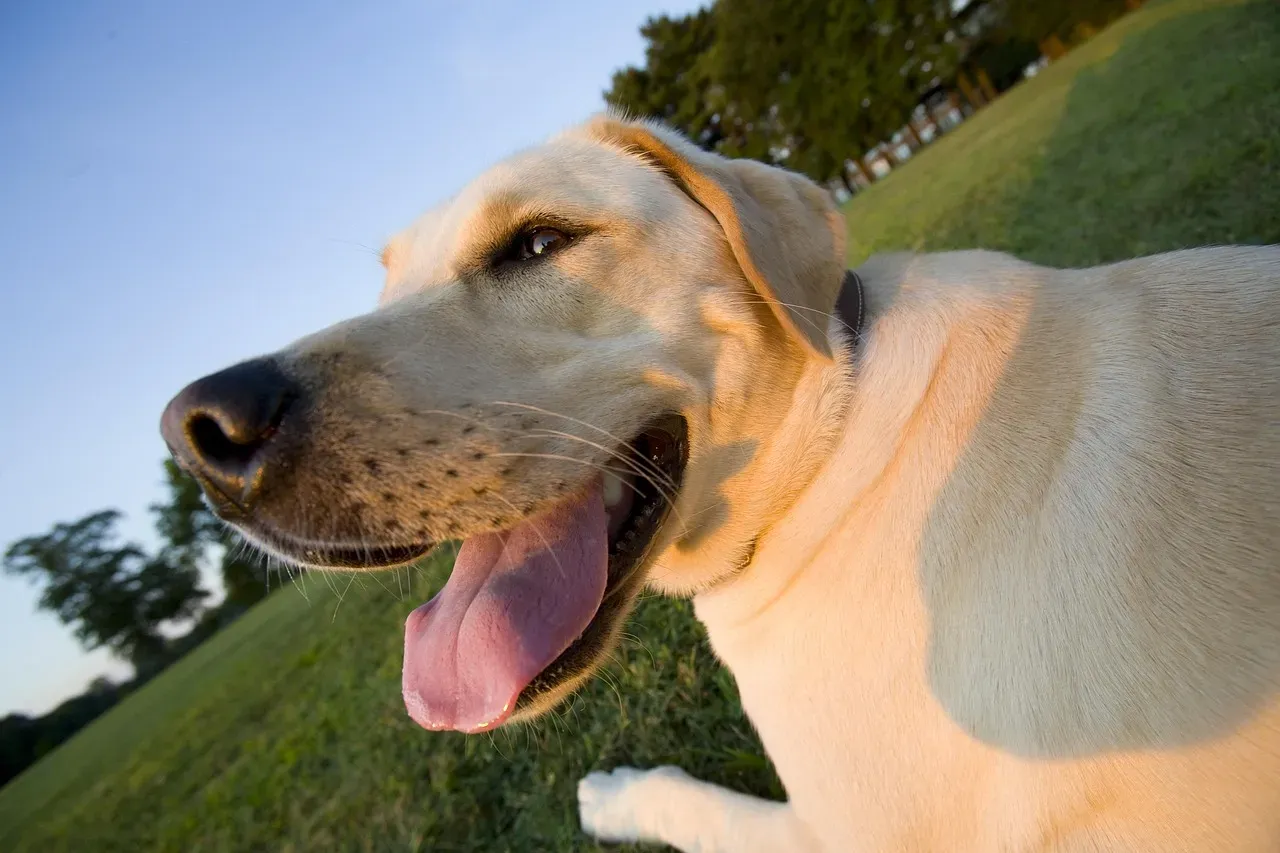
The Labrador Retriever continues to be one of the best family dogs, mainly because of its friendly and gentle nature, and Labs love people and enjoy being part of daily family activities. Think of them as perpetual motion machines powered by enthusiasm and affection.
Labs are known for their friendly nature, intelligence, and loyalty, they’re gentle and great with children, they are highly trainable and love to be active, and they form strong bonds with their family members. Labradors tend to be highly affectionate toward people, even strangers, and do exceptionally well with other dogs and with children.
Weights range from about 85 pounds for a large male to 55 pounds for a smaller female. They have very high energy levels that require a considerable amount of activity, and without adequate exercise and mental stimulation, Labradors can become destructive. This isn’t a dog for couch potatoes. Labs need to run, swim, fetch, and play daily.
Labs can exhibit puppy behavior longer than other breeds, sometimes until three years old, and they are smart and need to be busy. Their intelligence cuts both ways. A bored Lab will absolutely find creative (read: destructive) ways to entertain themselves. But give them purpose and activity, and they’ll reward you with unwavering devotion.
Great Pyrenees: The Majestic Guardian With a Surprisingly Soft Soul
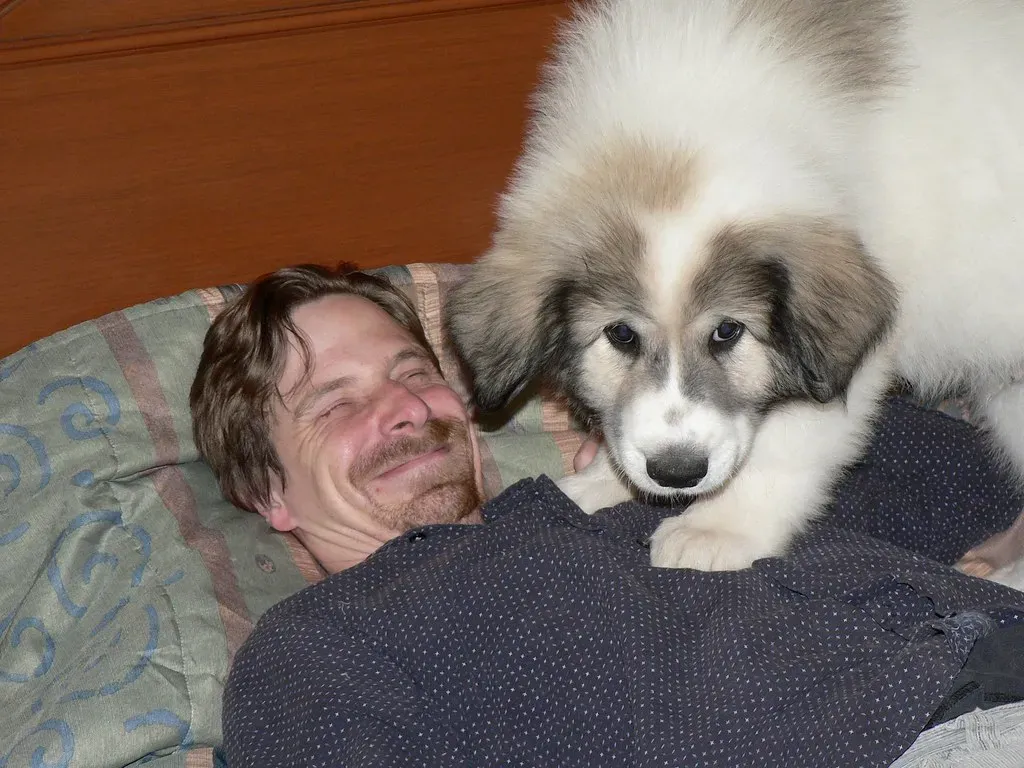
Great Pyrenees dogs carry themselves with a regal bearing that commands respect. Developed centuries ago to guard flocks in the Pyrenees Mountains between France and Spain, these white coated beauties possess an innate protective instinct that makes them exceptional family guardians.
What surprises many people is how remarkably gentle they are with children despite their imposing size. Males can reach over 100 pounds and stand more than two feet tall at the shoulder. Yet they seem to understand their own strength intuitively, moving carefully around small family members.
These dogs have an independent streak born from their guardian heritage. They were bred to make decisions on their own while protecting livestock, so expect a dog who thinks for themselves. Training requires patience and consistency rather than force. Pyrenees respond best to calm, confident leadership and positive reinforcement.
Their thick double coat requires regular grooming, especially during seasonal shedding. They’re also known for barking, particularly at night, because their guardian instincts run deep. If you live in a quiet neighborhood, this is something to seriously consider. However, for families seeking a devoted protector who bonds deeply with every family member, few breeds compare.
Saint Bernard: The Legendary Rescuer Who Lives to Serve
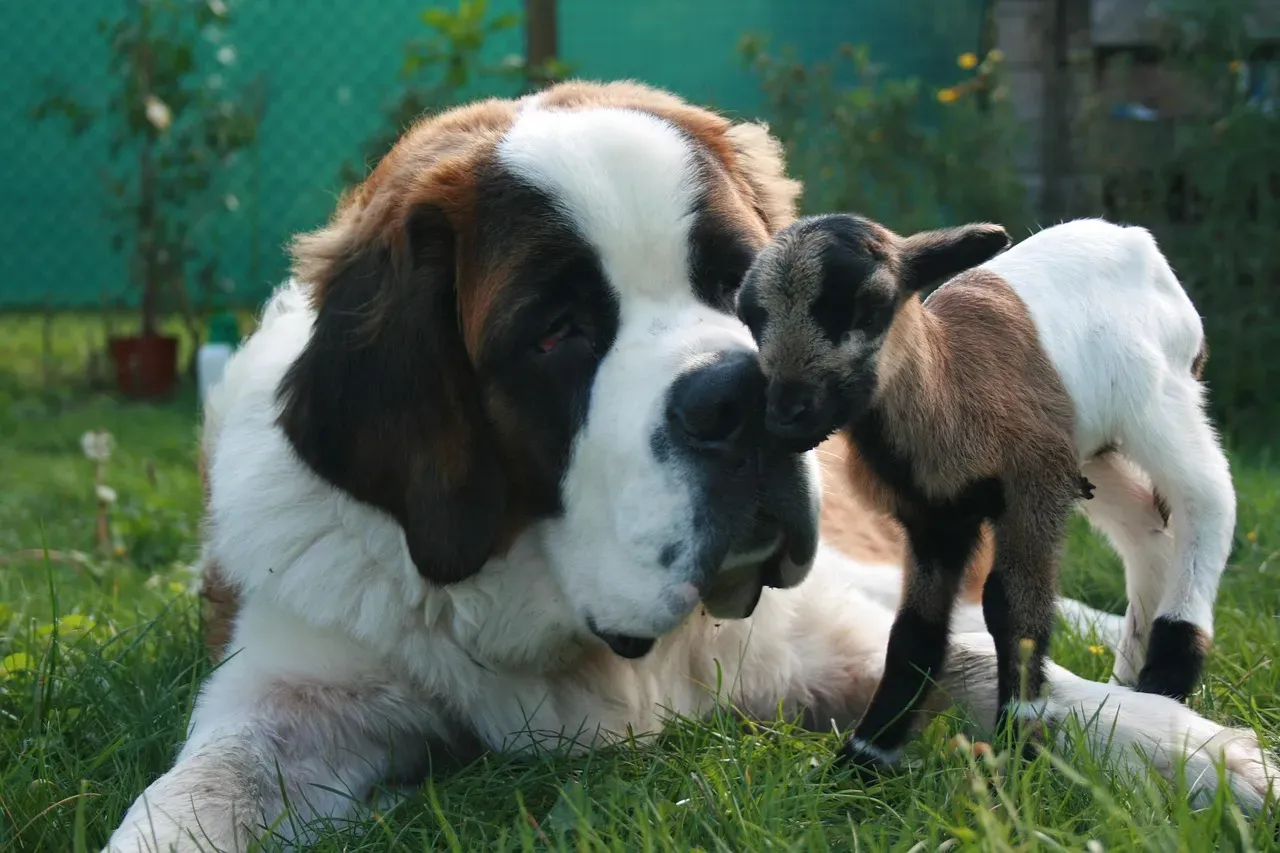
Saint Bernards carry history in their bloodlines. These Swiss mountain dogs earned fame rescuing travelers lost in Alpine snowstorms, and that helping instinct remains woven into their character today. They’re natural caregivers who seem happiest when looking after their family.
Despite weighing well over 100 pounds, Saints are incredibly patient and tolerant with children. They move deliberately, as if aware that one careless step could knock over a toddler. Their calm, steady temperament makes them wonderful companions for families with young kids who need a gentle giant rather than an excitable playmate.
These dogs don’t require intense exercise like some working breeds, but they do need daily walks and space to stretch. A Saint Bernard crammed into a tiny apartment with no yard would be miserable. They thrive in homes with room to roam and families who appreciate their easygoing nature.
Fair warning though: Saints drool profusely and shed year round. Their thick coat requires consistent brushing, and towels for wiping slobber become as essential as food bowls. They also have a shorter lifespan than many breeds, typically between seven and ten years. Every moment with a Saint Bernard becomes more precious because of this. Their devotion and gentle companionship make every single day worthwhile.
Finding Your Family’s Perfect Match
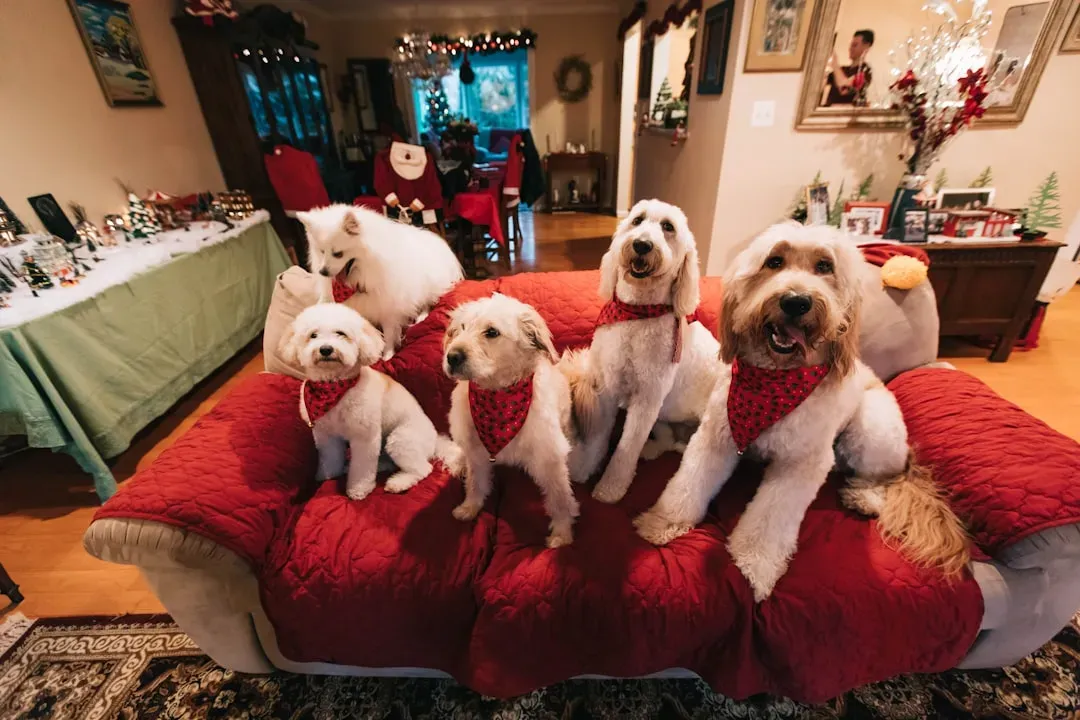
Choosing a large breed isn’t just about falling in love with a fuzzy puppy face or being charmed by those pleading eyes. It’s about honestly assessing your lifestyle, your space, and your family’s energy level. A Golden thrives with active families who love the outdoors. A Newfoundland needs access to water and doesn’t mind cooler climates. A Lab requires serious daily exercise and mental challenges.
Consider too the commitment involved. Large breeds eat more, cost more at the vet, require more space, and often have shorter lifespans than their smaller cousins. Grooming becomes a regular task rather than an occasional chore. Training is absolutely essential because an untrained large dog can accidentally cause chaos.
Yet when you find the right match, when that big gentle dog becomes part of your family’s daily rhythm, something magical happens. They teach your children empathy and responsibility. They get you moving and exploring outdoors. They provide security and comfort in ways that surprise you. And they love your family with a depth and purity that’s genuinely humbling.
The bond between a family and their large dog is profound. It’s built through daily walks, quiet evenings on the couch, silly playtime in the yard, and countless small moments that weave together into something beautiful. These gentle giants don’t just share your home. They become woven into the very fabric of your family’s story.
What do you think? Are you ready to welcome one of these magnificent souls into your life? Tell us in the comments which breed captured your heart.


