
The Silent Ways Your Dog Attempts to Communicate Their Discomfort
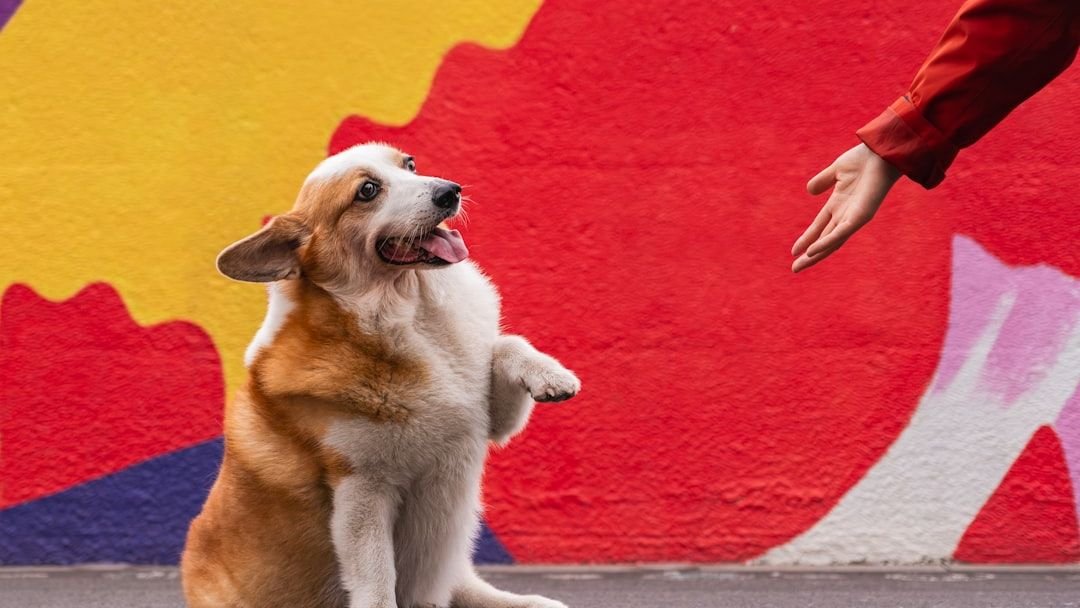
You know that feeling when something’s just not quite right with your best friend, yet you can’t put your finger on what’s wrong? Maybe they seem a little off, or perhaps they’ve simply become quieter than usual. Dogs are absolute masters at masking their pain and discomfort, an ancient survival instinct hardwired into their DNA. In the wild, showing weakness could mean losing their place in the pack or becoming vulnerable to predators. Our modern dogs, curled up on our sofas and snoozing in sunbeams, still carry this remarkable ability to hide what hurts.
Here’s the thing though. They’re not actually hiding it completely. They’re speaking to us constantly through a rich, complex language of subtle gestures, tiny shifts in posture, and fleeting expressions. We just need to learn how to listen. This matters more than you might think because recognizing these whispers of discomfort early can prevent minor issues from snowballing into serious problems. Let’s dive into the silent world of canine communication and discover what your dog has been trying to tell you all along.
The Eyes Tell Stories You Might Be Missing
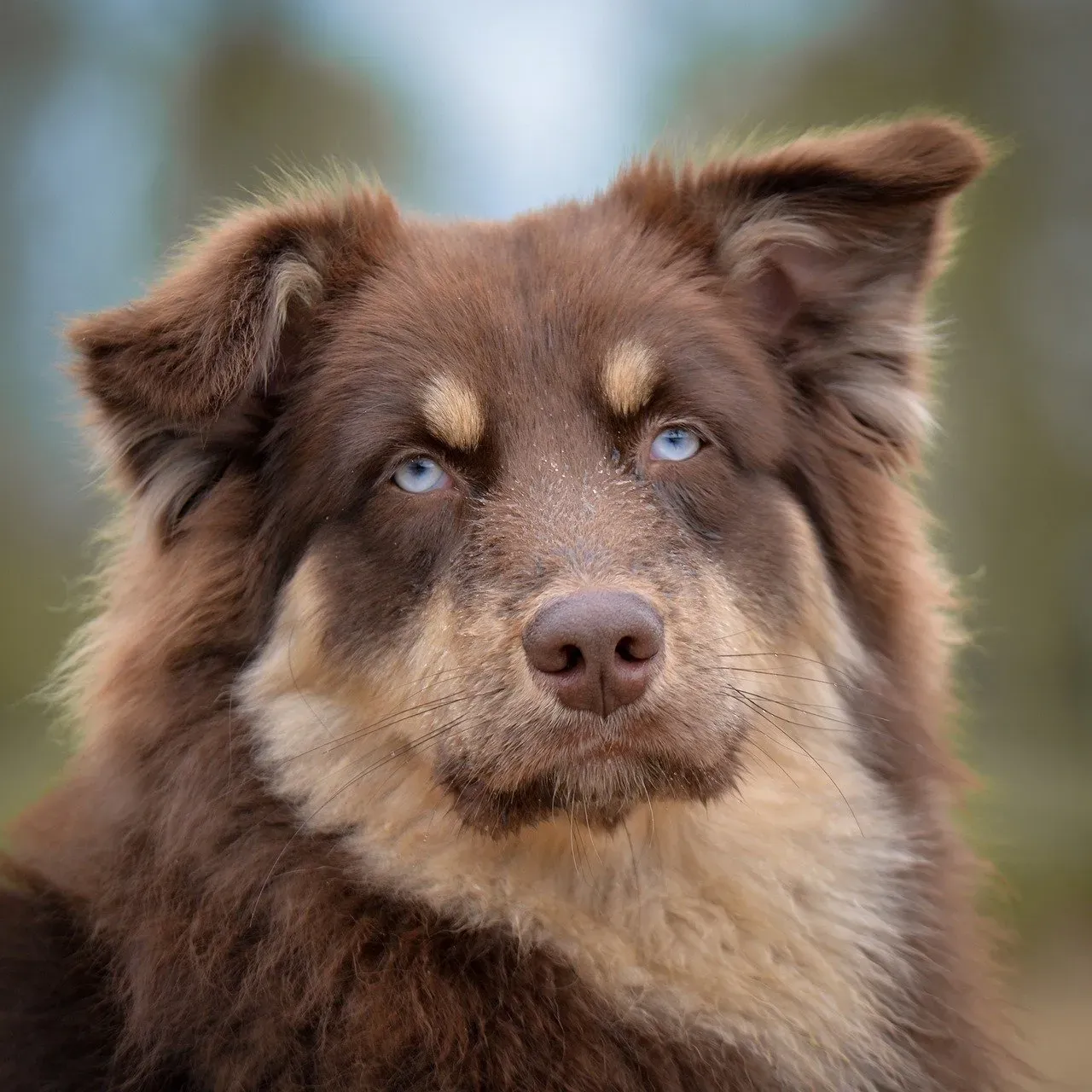
Whale eye, showing the whites of the eyes, may indicate anxiety or discomfort. If you’ve ever caught your dog giving you that sideways glance where you suddenly see the white crescents of their eyes, that’s not just a quirky look. It’s a red flag. When dogs feel stressed, they’ll pointedly look away and avoid eye contact, though people often interpret this as their dog ignoring them or being stubborn, but the dog is expressing discomfort.
Pay attention to how your dog’s eyes change in different situations. Soft, relaxed eyes with a gentle gaze signal contentment. Wide eyes, a hard stare, or those telltale whites showing? Your pup is uncomfortable. Maybe they’re anxious about the stranger approaching, or perhaps that hug from your toddler is just too much right now. The eyes are incredibly expressive, yet we often miss these fleeting signals because we’re not looking closely enough.
When Yawning Means More Than Being Sleepy
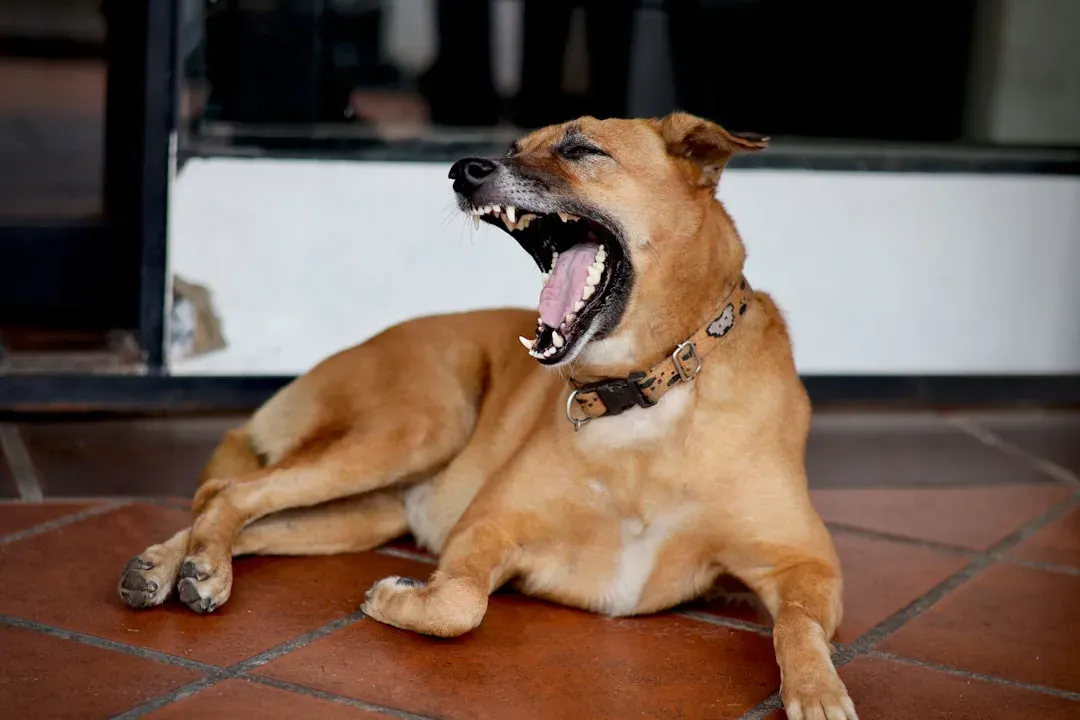
I know it sounds crazy, but your dog’s yawn might have absolutely nothing to do with being tired. Frequent yawning, not just after waking up, can indicate stress and a desire for an unpleasant situation to stop. Think about the last time you took your dog to the vet. Did they yawn repeatedly in the waiting room? That wasn’t because they found the experience boring.
If your dog yawns during a visit without any apparent reason, she could be experiencing stress. Watch for this during training sessions, when meeting new people, or in crowded environments. The yawn is your dog’s way of self-soothing, trying to calm themselves down when things feel overwhelming. It’s like their internal reset button, though honestly it doesn’t always work as well as they’d hope.
Subtle Body Language That Screams Discomfort
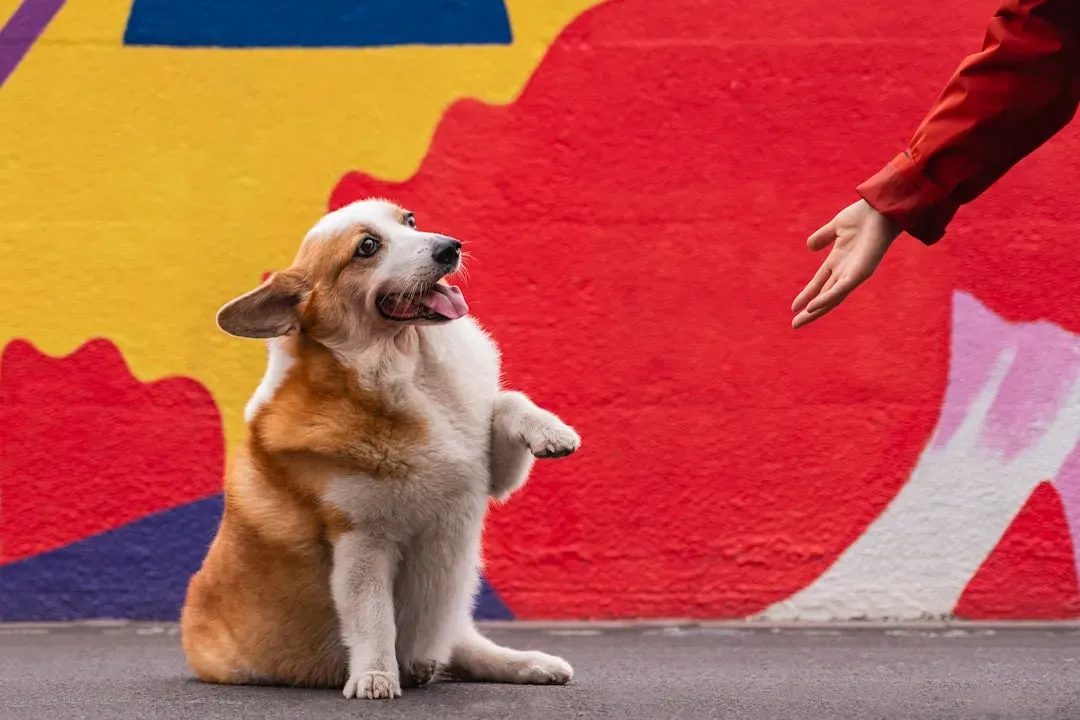
A dog experiencing an uncomfortable situation may turn his body away from the threat to present his back. This turning away is surprisingly common yet frequently misunderstood. Your dog isn’t being rude or ignoring you. They’re desperately trying to communicate that whatever is happening needs to stop.
Rapid, shallow breathing when not hot or exercising, along with ears pinned back or a low tail, usually indicates fear or anxiety. Notice how your dog positions themselves. Are they making themselves smaller, lowering their body close to the ground? Altered posture such as sitting or lying down more often, holding an arched back, carrying their head low, or positioning their tail abnormally may indicate pain. These postural changes develop so gradually that they become your new normal, which is why comparing your dog’s behavior now to six months ago can be incredibly revealing.
The Hidden Language of Lips and Tongues
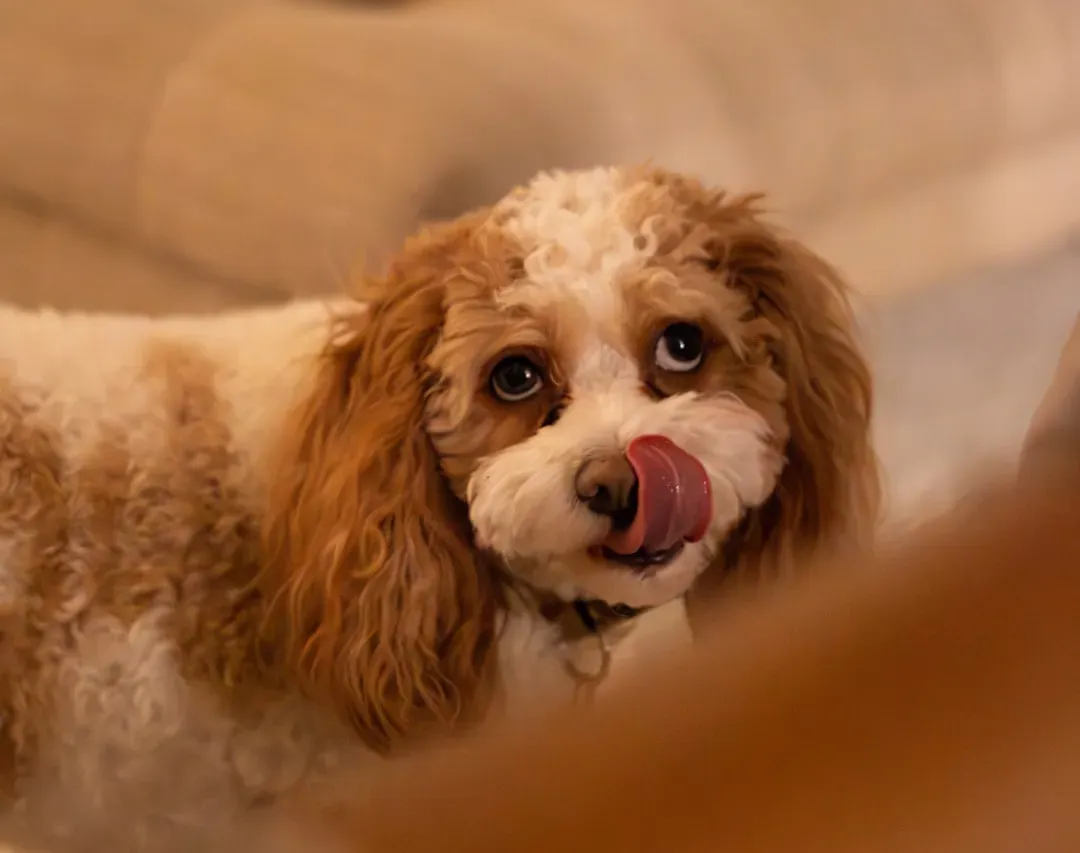
Dogs will lick their lips after a delicious meal, but they’ll also do it when they feel anxious, and it’s a sign of discomfort with a given situation. Sometimes the tongue flick is so quick you might miss it entirely if you’re not paying close attention. Let’s be real, most of us assume our dogs are just thinking about their next meal when they lick their lips.
Watch your dog during different interactions. Do they suddenly start licking their lips when your child approaches? When you reach for their collar? During grooming sessions? Lip licking and nose licking, along with panting and paw raising, are among the more common subtle cues of stress. These displacement behaviors are your dog’s attempt to diffuse tension and communicate their unease without resorting to more dramatic measures like growling or snapping.
Changes in Daily Habits You Shouldn’t Ignore
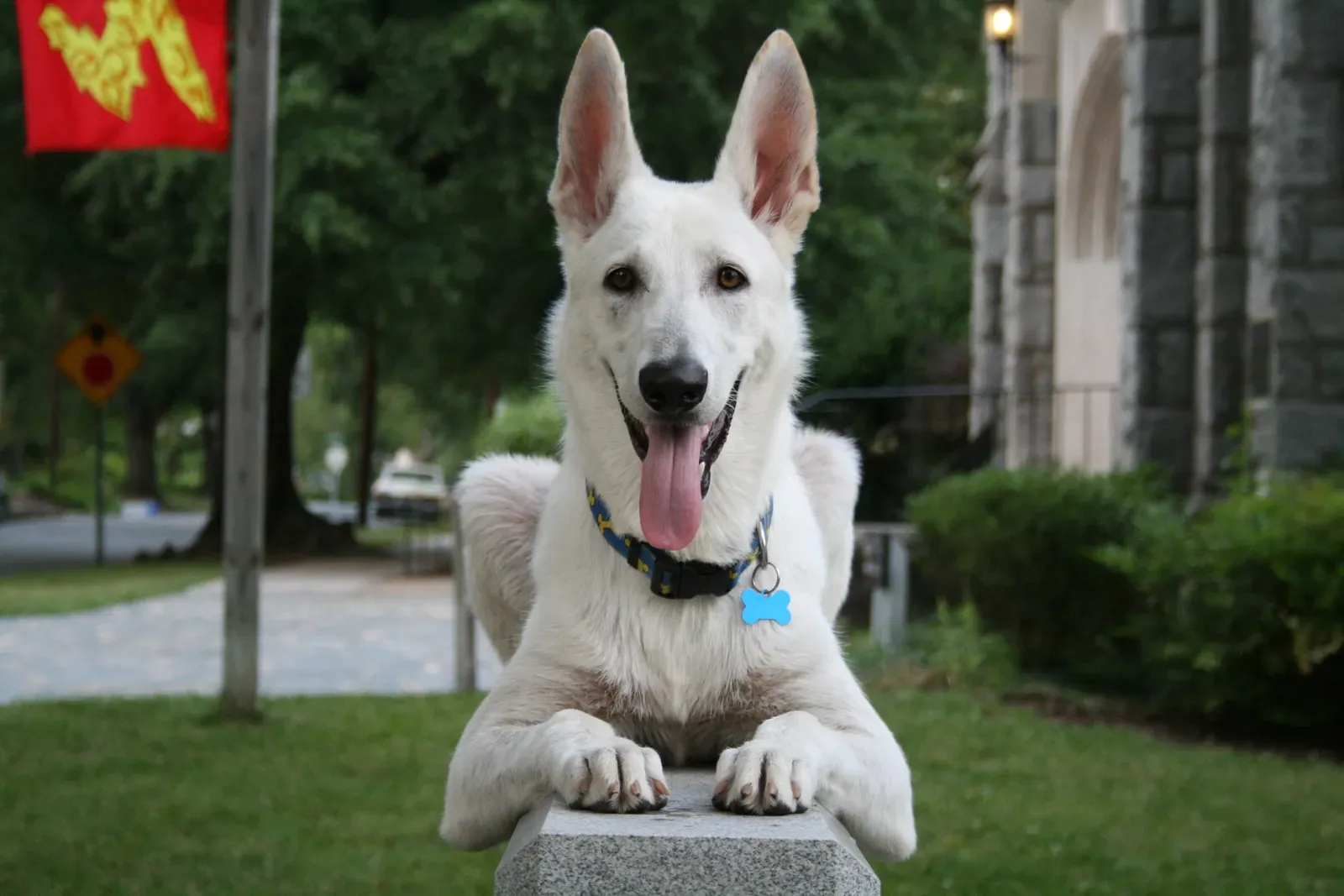
Veterinarians see dogs with advanced arthritis whose owners thought they were just slowing down with age, or pets with dental disease so severe their teeth are loose, yet they continued eating without obvious distress. This one hits hard because it’s so easy to dismiss gradual changes as normal aging. Your dog used to race you to the door when you grabbed the leash. Now they take their time getting up. You figure they’re just getting older, right?
Dogs in pain often sleep more as they try to heal, and a loss of appetite and noticeable differences in water consumption are often common symptoms. Maybe your once food-obsessed pup now shows less enthusiasm at mealtimes. Perhaps they’re suddenly having accidents indoors despite being perfectly housetrained. Inconsistent bathroom habits can signal stress as trained dogs might start having accidents indoors, with this behavior often stemming from anxiety or uncertainty. These aren’t signs of your dog being difficult. They’re desperate attempts to communicate that something hurts or feels wrong.
Conclusion
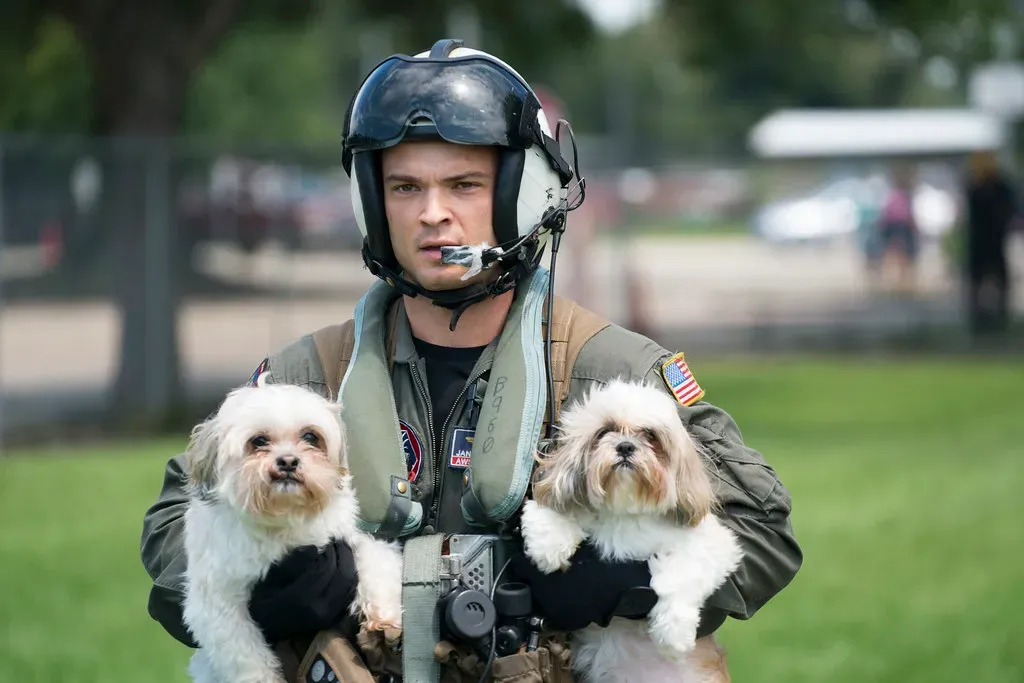
Your dog may not be able to tell you when they hurt, but they’re constantly communicating through subtle signs like the careful way they get up in the morning, the slight hesitation before jumping, the quiet sigh when they settle down. Learning to read these silent signals transforms your relationship with your dog. It deepens the trust between you because they know you’re truly listening, truly seeing them.
The more you practice recognizing the subtle, initial signs that a dog is feeling uncomfortable or afraid, the sooner you’ll be able to respond appropriately, and if you can respond to their subtle signs of discomfort, your dog will be less likely to communicate by lunging, baring teeth, snarling, growling, snapping, or biting. Start paying attention today. Watch your dog’s eyes, notice their posture, track their daily habits. You’ll be amazed at how much they’ve been trying to tell you all along. What subtle signals have you noticed in your own dog? Share your observations in the comments.