
Every parent who’s ever watched their child gaze longingly at a puppy knows the moment is coming. The big question, the pleading eyes, the promise to walk and feed the dog every single day. Honestly, adding a canine companion to your family can be one of the most rewarding decisions you’ll ever make. Dogs teach children compassion, responsibility, and the pure joy of unconditional love.
Here’s the thing, though: not all breeds are created equal when it comes to patience with children. Some dogs have temperaments that seem custom built for the chaos of family life, while others need a bit more space and understanding. I’ve spent years working with families and their furry friends, and I’ve seen firsthand which breeds thrive in homes filled with laughter, sticky hands, and the occasional accidental tail pull. Let’s dive into the breeds that shine brightest with kids and those that require a more watchful eye.
Golden Retriever: The Timeless Family Favorite
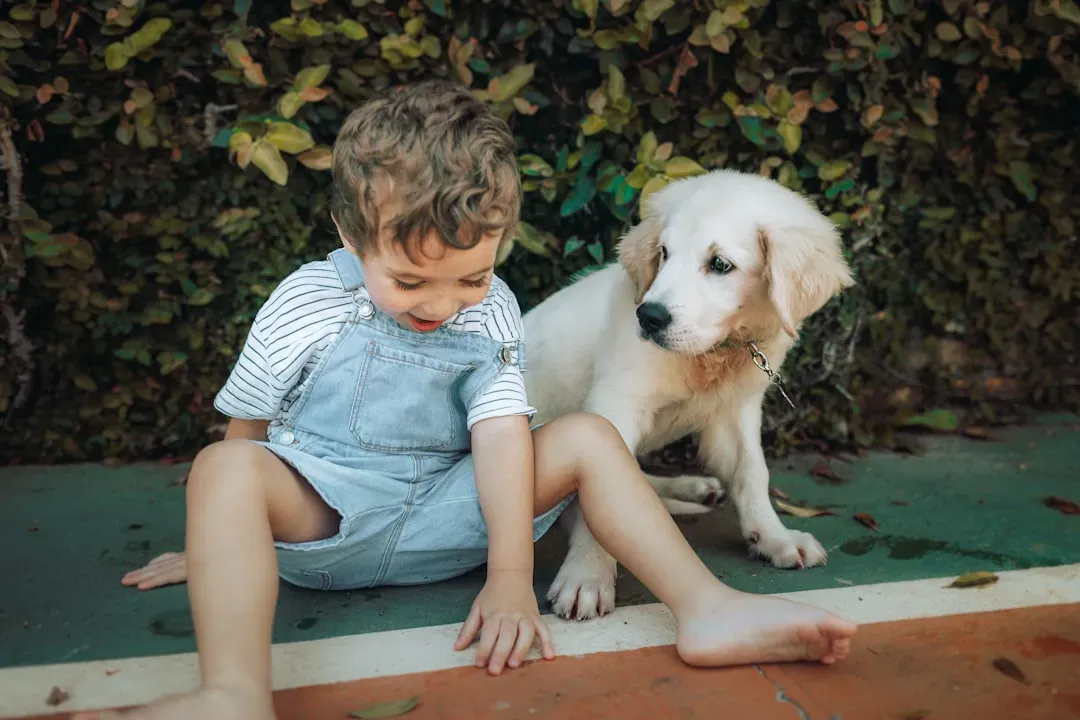
Golden Retrievers consistently rank as top family dogs due to their gentle mouths, patient temperaments, and natural love of children. These dogs seem to understand that children are small, unpredictable humans who deserve extra grace. I’ve watched Goldens sit calmly while toddlers use them as pillows, never flinching or showing irritation.
They’re large enough to handle enthusiastic kids but gentle enough for toddlers. Their eagerness to please makes training straightforward, and they adapt beautifully to the noise and energy of busy households. Watch for signs of hip dysplasia as they age, and remember they need daily exercise to stay balanced and happy.
Labrador Retriever: The Enthusiastic Playmate
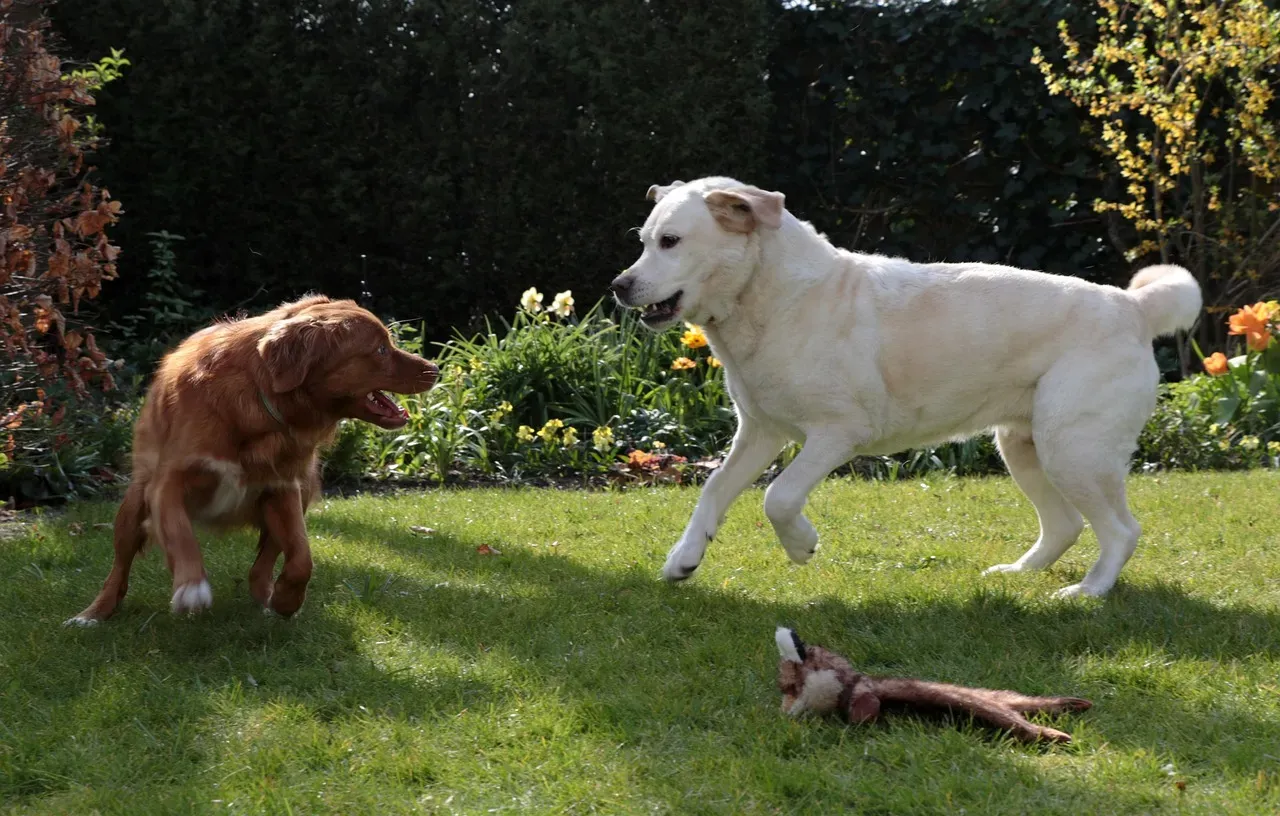
Labs are vigorous, highly trainable family dogs that are loyal and friendly, getting along well with other pets and people, and they adore children and are never happier than when playing fetch or learning new tricks. There’s something infectious about a Lab’s joy. They greet every day like it’s the best one ever.
These athletic dogs thrive in active families who love the outdoors. If your children enjoy running, swimming, or playing catch for hours, a Lab will match their energy perfectly. Keep in mind they shed moderately to heavily, so invest in a good vacuum and brush them regularly to manage the fur.
Beagle: The Cheerful Little Explorer
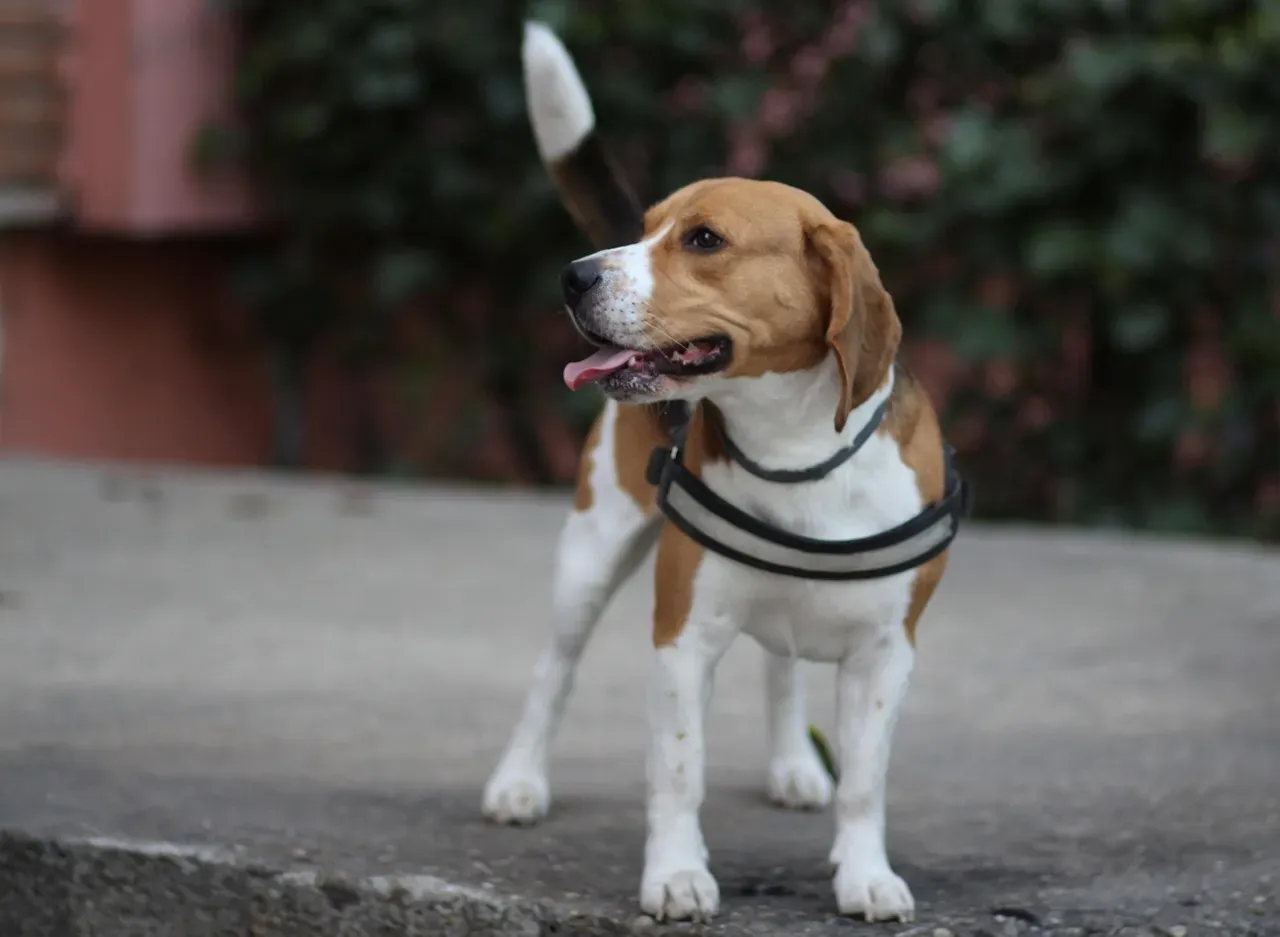
Beagles, weighing between 18 and 30 pounds, often enjoy spending time with their owners, going for walks, and playing games, and these loving, intelligent dogs typically make amazing family pets if they get enough exercise and interaction with their people. Their compact size makes them less intimidating for younger children, and their playful nature keeps everyone entertained.
Beagles do have a stubborn streak and love to follow their noses, so training requires patience and consistency. They’re not suited for families away from home frequently, as they can become destructive when lonely. Their signature howl can be loud, so prepare your neighbors in advance.
Collie: The Gentle Guardian
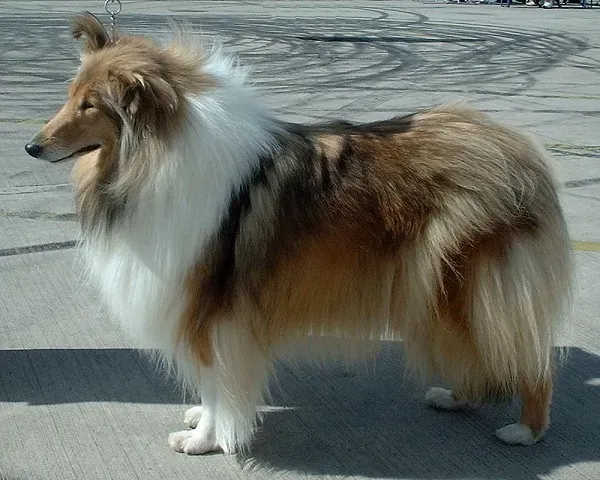
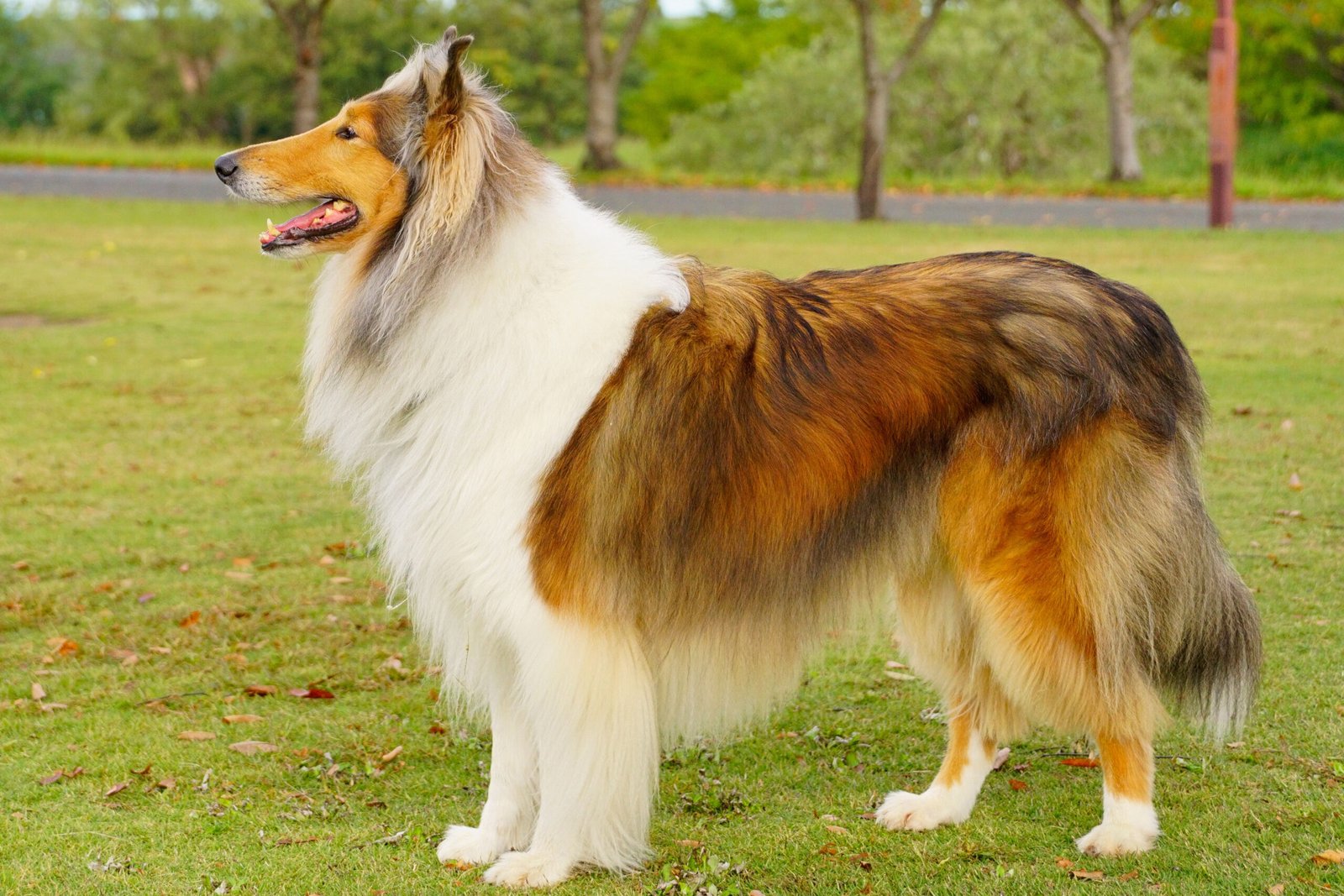
If you grew up watching Lassie, you already know the Collie’s reputation for loyalty and devotion. The collie is gentle and patient, which can be a plus for families with small children. These intelligent dogs seem to have an innate understanding of their role as family protector.
The watchful, reliable Collie is a faithful and intelligent dog who will play with, cuddle, and protect your kids, and they are easily trainable, though many Collies are protective and controlling, which may make them gently nip their family to keep them in line. This herding instinct is usually harmless, but it’s something to monitor with very small children who might find it confusing.
Newfoundland: The Gentle Giant
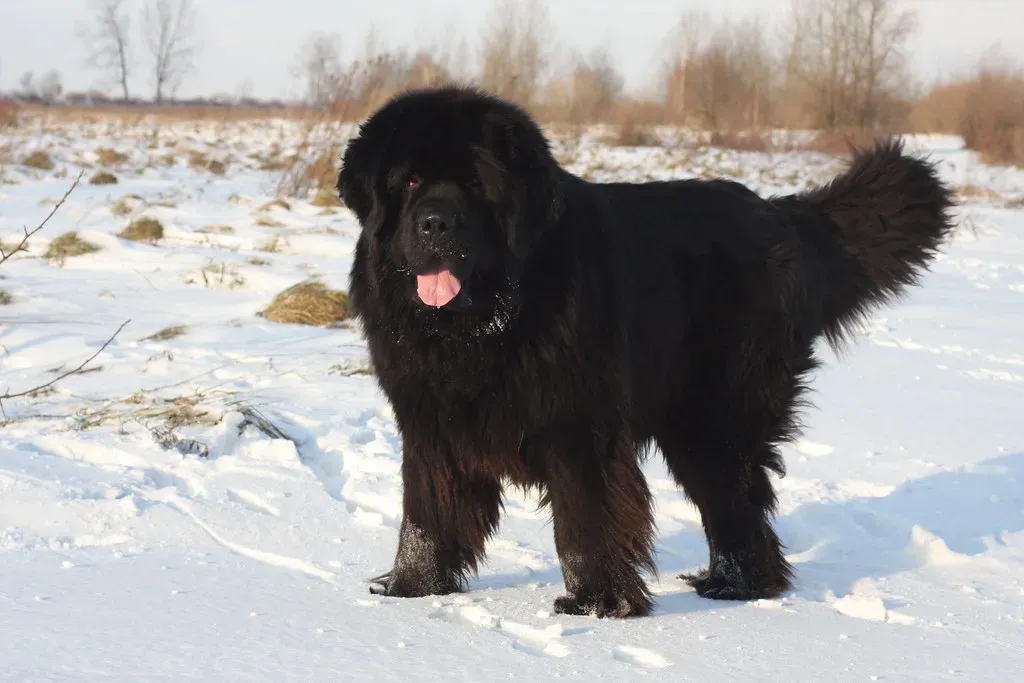
Newfoundlands are famously good with children and have natural protective instincts combined with calm temperaments, and they’re often called “nanny dogs” due to their patient, protective nature with kids. Despite their massive size, these dogs move with surprising gentleness around little ones.
Their love of water makes them excellent swimming companions, and their calm demeanor means they rarely get rattled by household chaos. Be prepared for drool and significant shedding, and understand that their shorter lifespan means cherishing every moment together. They require space, so apartment living isn’t ideal.
Bernese Mountain Dog: The Sweet Teddy Bear
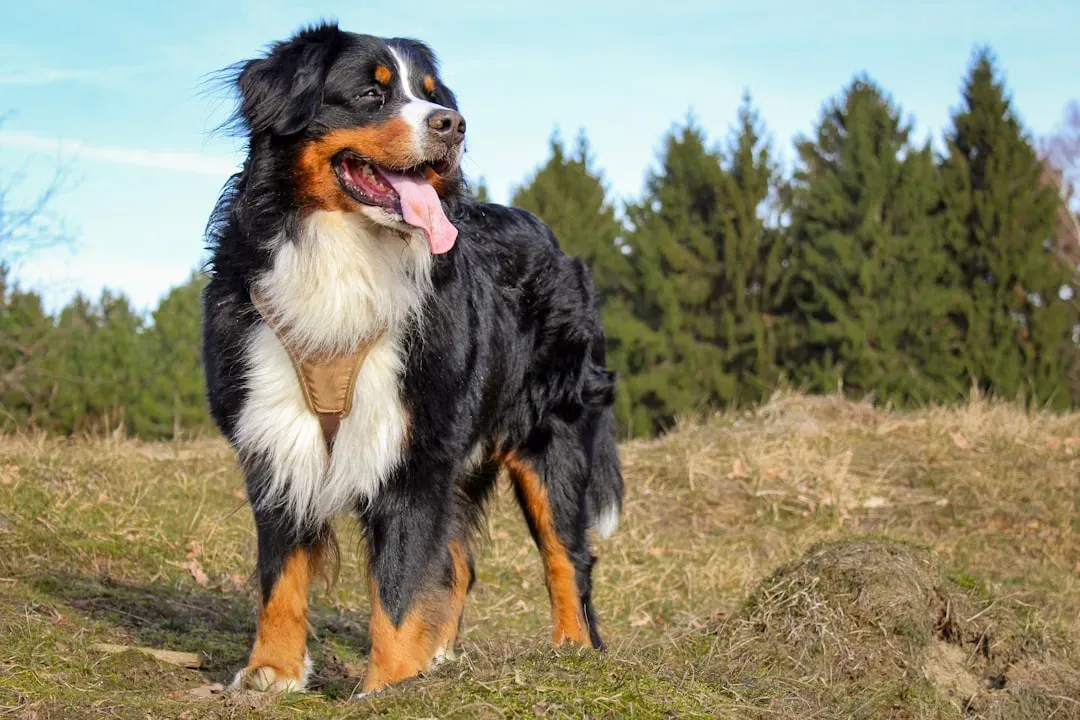
The charming, easygoing Bernese Mountain Dog is patient and sweet with children, and Berners enjoy work, which includes carting the kids around the neighborhood. These fluffy giants have hearts to match their size. Their calm nature makes them wonderful for families seeking a gentle presence.
These dogs can grow to be very large and need watching so that they don’t step on or knock over a child. Their size means they’re better suited to families with older children or those who can supervise closely. They prefer cooler climates and shed heavily, particularly during seasonal changes.
Boxer: The Energetic Protector
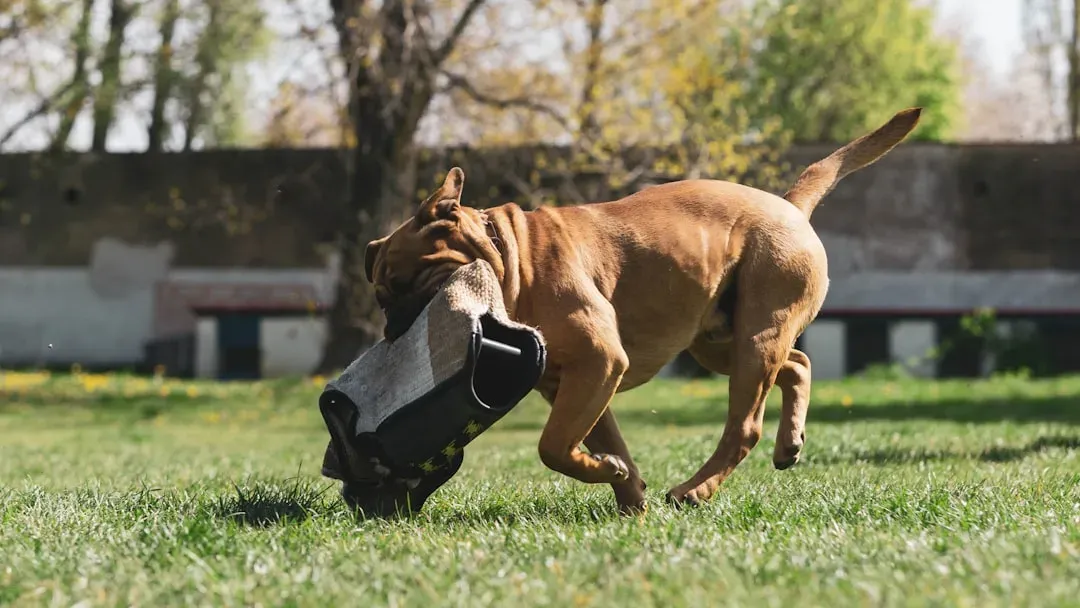
The boxer is known to be friendly and playful, making this pup a good match for families, especially active families given their energetic nature, and boxers are loyal and protective, eager to form strong relationships with their humans, and this breed tends to be patient and tolerant, a plus when part of a family with active children. Their goofy personality brings laughter to any home.
Boxers mirror the energy of children beautifully, always ready for another round of play. They need consistent training and early socialization to channel their enthusiasm appropriately. Their protective instincts mean they’ll watch over your children naturally, creating a sense of security.
Bulldog: The Laid Back Companion
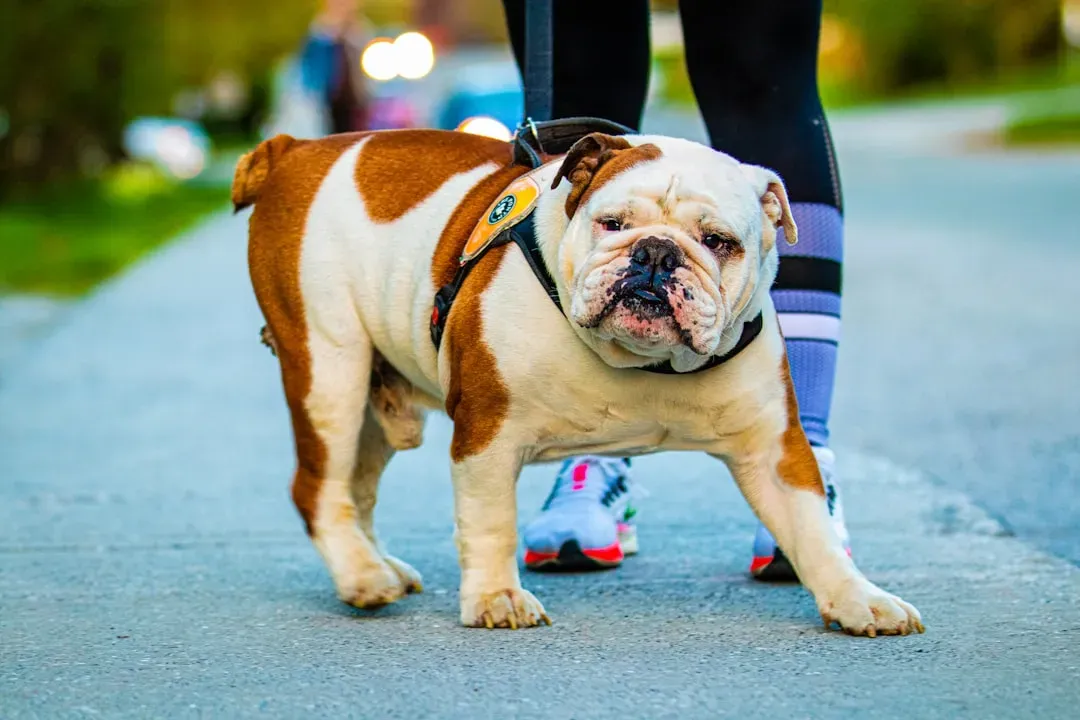
The steady, unflappable, huggable Bulldog has a wealth of tolerance for even the youngest children, and Bulldogs are careful dogs who, while not the most trainable breed, are naturally well behaved. Their stocky build and calm temperament make them ideal for families seeking a more relaxed lifestyle.
These dogs don’t require marathon exercise sessions, making them perfect for less active households. Watch for breathing difficulties, especially in hot weather, and clean their facial wrinkles regularly to prevent infection. Their patient nature means they tolerate a lot from curious toddlers.
Irish Setter: The Spirited Adventurer
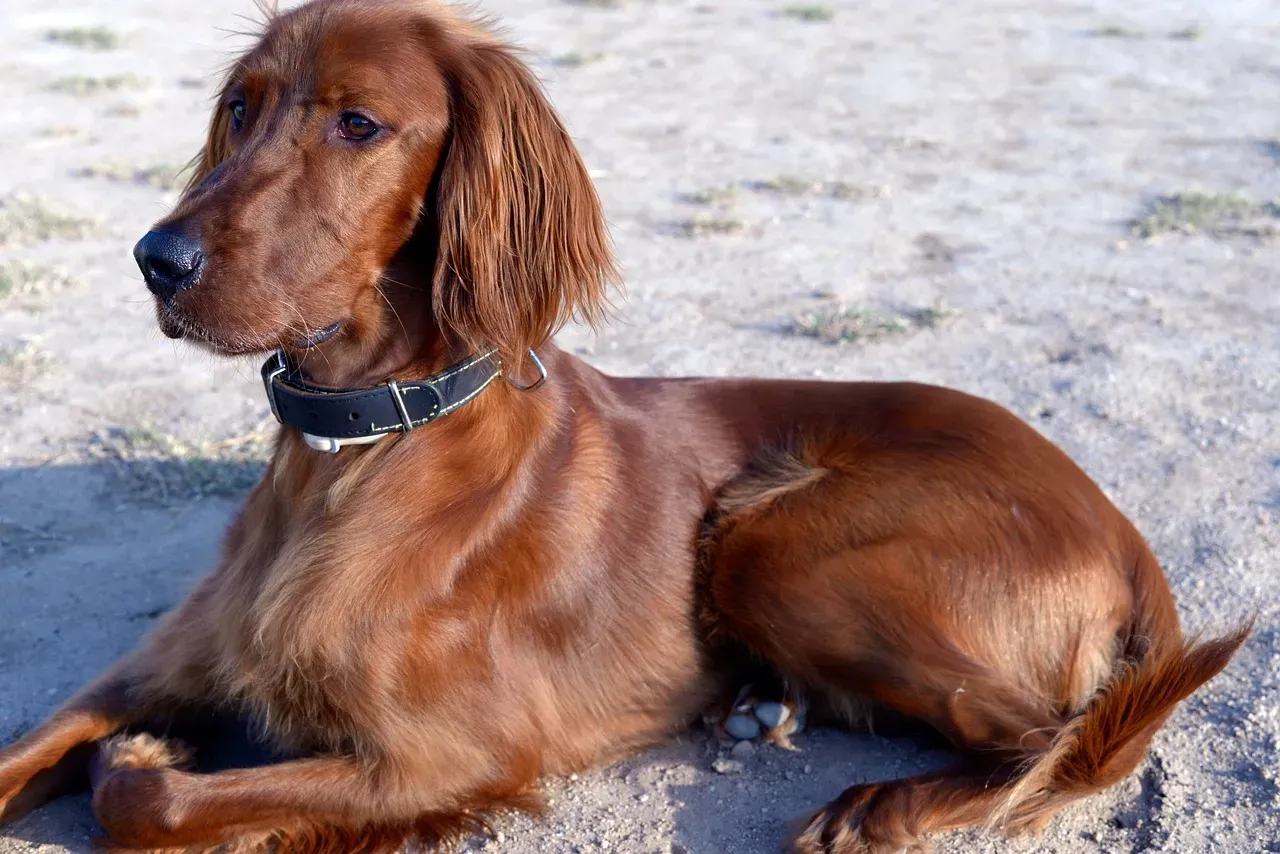
The beautiful, lovable Irish Setter combines a friendly disposition with a willingness to play all day, and these gentle, sensitive pets are a good dog breed for kids of all ages, including babies. Their striking red coats and joyful personalities make them stand out in any crowd.
These dogs thrive in active environments where they can run, play fetch, and join family adventures. They require significant exercise to stay mentally and physically balanced. Their affectionate nature means they form deep bonds with every family member.
Vizsla: The Velcro Companion
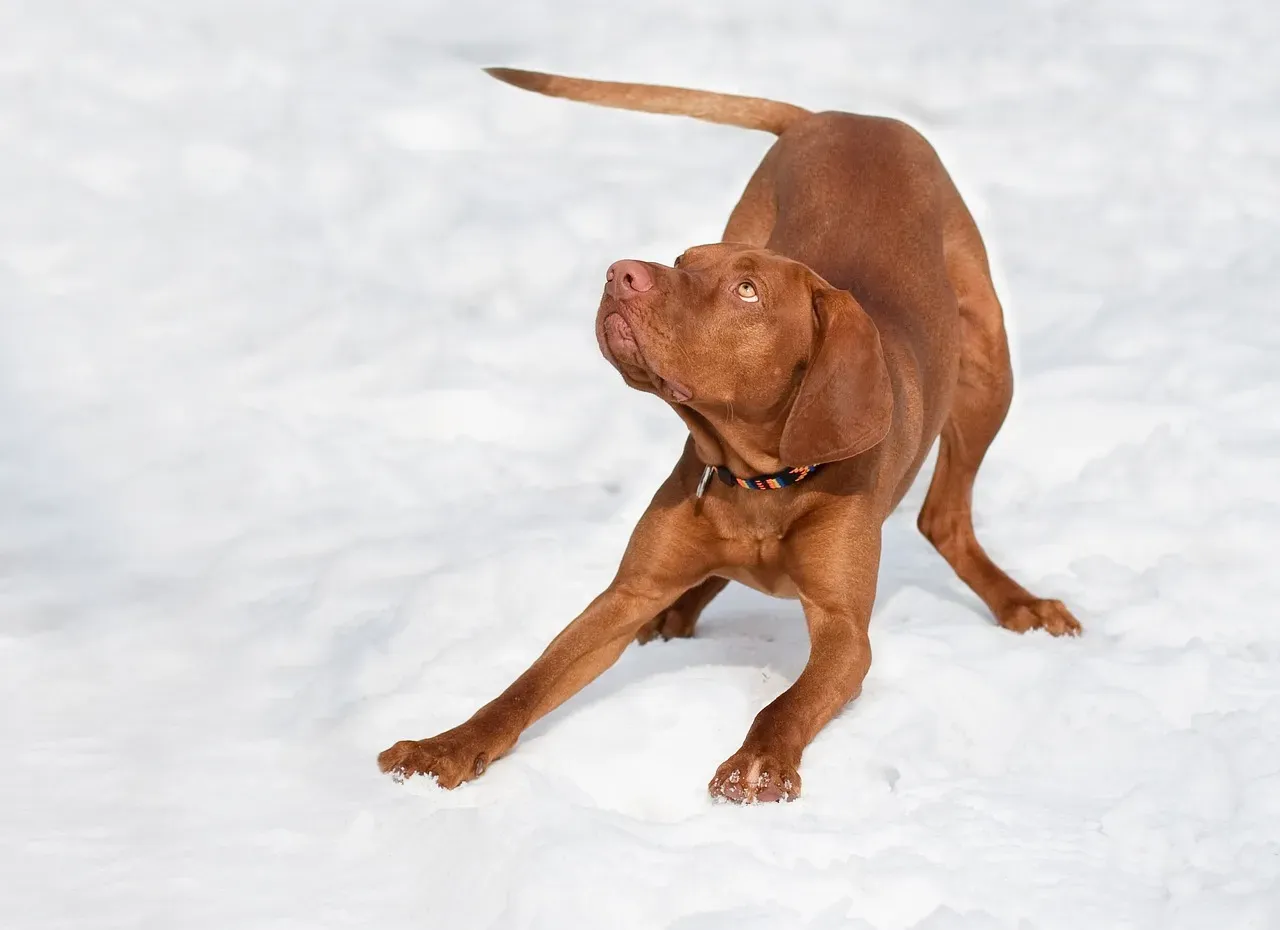
Vizslas are energetic hunting dogs that form incredibly strong bonds with their families and are naturally gentle with children, and they’re excellent for very active families who can meet their substantial exercise needs, and Vizslas are often called “velcro dogs” because they want to be close to their families constantly. This breed takes devotion to another level.
If your family loves outdoor activities and can provide extensive daily exercise, a Vizsla will reward you with unwavering loyalty and gentleness. They struggle when left alone for extended periods, so consider your schedule carefully. Their trainability makes them responsive to commands and household rules.
Cavalier King Charles Spaniel: The Affectionate Snuggler

Cavaliers are affectionate, gentle, and friendly dogs known for their loving nature and tendency to form strong bonds with their families, and they are a lower energy breed and appreciate short daily walks and interacting with their family members. Their smaller size makes them suitable for apartments or homes without large yards.
These gentle souls adapt well to various living situations and seem to intuitively understand when children need comfort. They’re content with moderate activity, making them perfect for families who prefer cozy evenings to marathon hikes. Regular veterinary checkups help monitor potential heart conditions common in the breed.
Chihuahua: The One Person Wonder
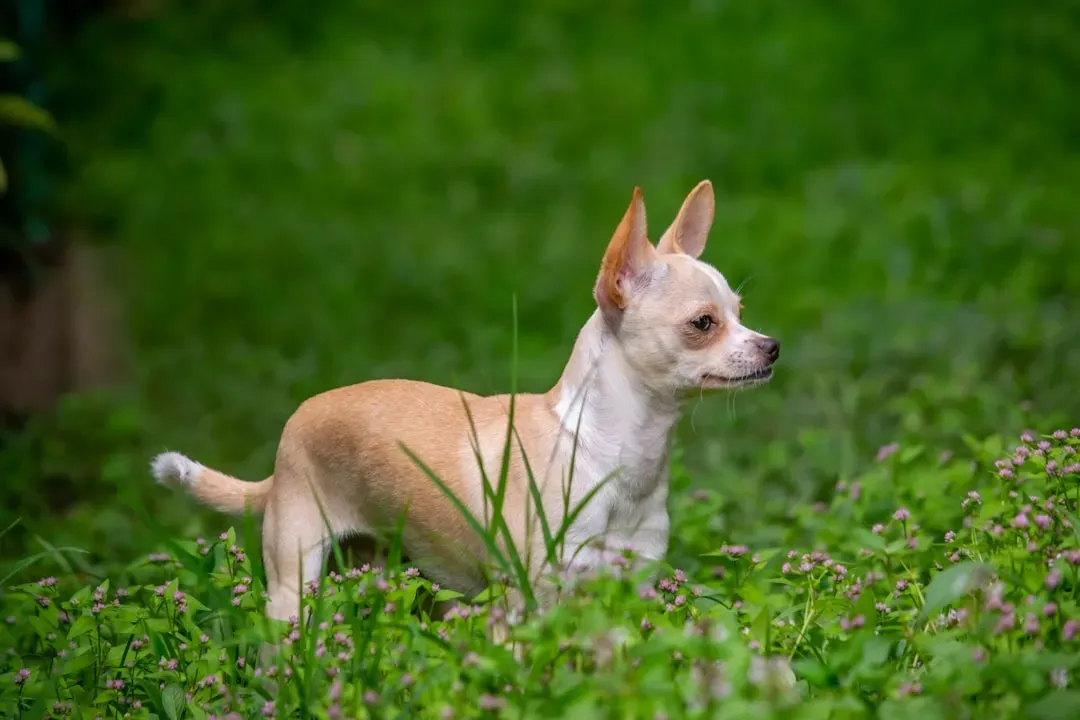
Here’s where we shift gears to breeds requiring closer supervision. Chihuahuas may look like small, innocent faces, but these dogs can be very strong, as they tend to be very attached to one person, with no interest in being nice to anyone else, and they are a potential bite risk to small children, especially if they feel a child is invading their space. Their tiny size makes them fragile and easily injured.
This breed can be very moody, not wanting anything disturbing or annoying to happen around them. Children’s unpredictable movements and loud voices can stress Chihuahuas, leading to snapping or biting. If you have your heart set on this breed, wait until children are older and can respect the dog’s boundaries consistently.
Akita: The Stern Guardian
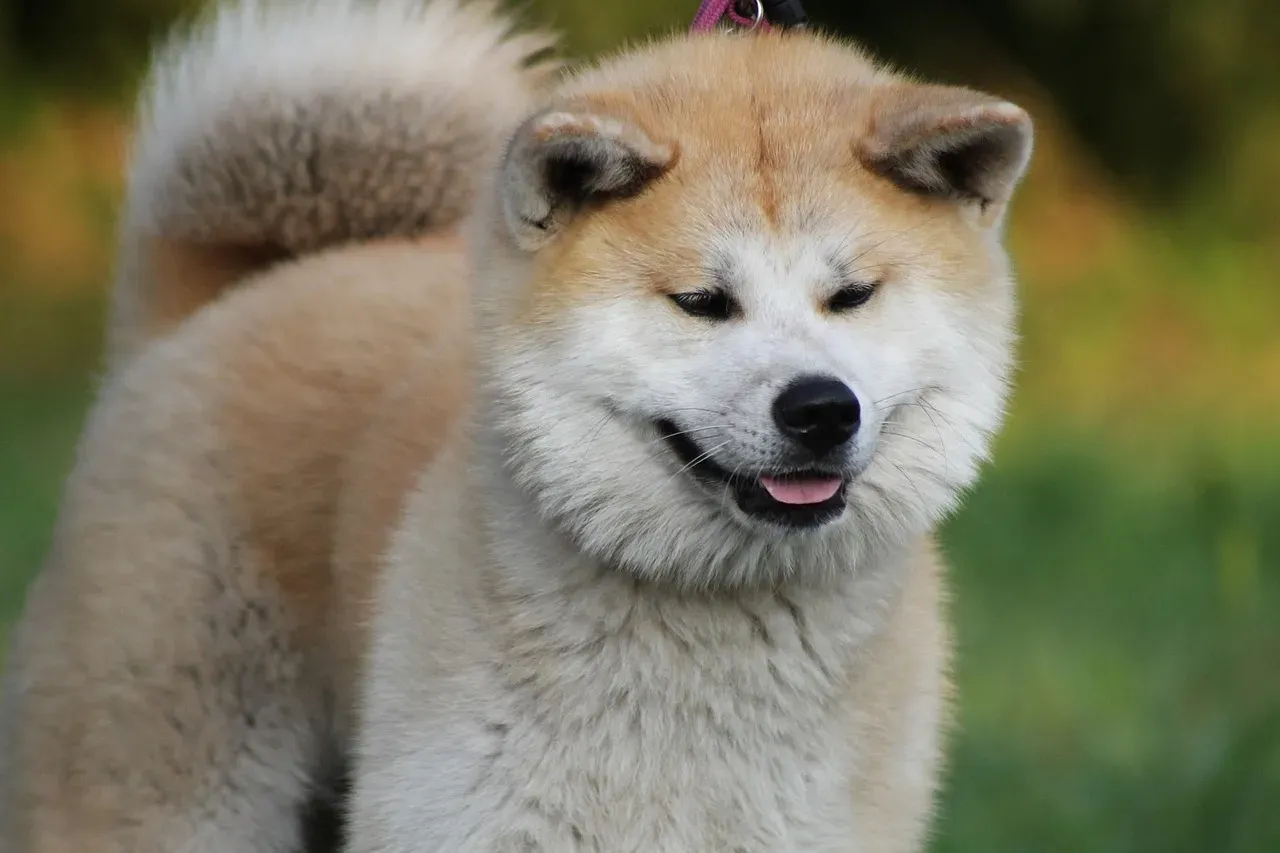
Akitas are stern and somber, they don’t take well to nonsense and teasing, and if they find children too unpredictable, they may not react appropriately. These powerful dogs were bred for guarding and hunting, giving them a serious work ethic that doesn’t always mesh with childhood chaos.
An Akita may be protective of the children in your family but dislike outsiders, which can be dangerous for guests. This selectiveness creates liability concerns during playdates or parties. They can work in families with older, respectful children who understand dog body language and boundaries.
Chow Chow: The Aloof Fluffball
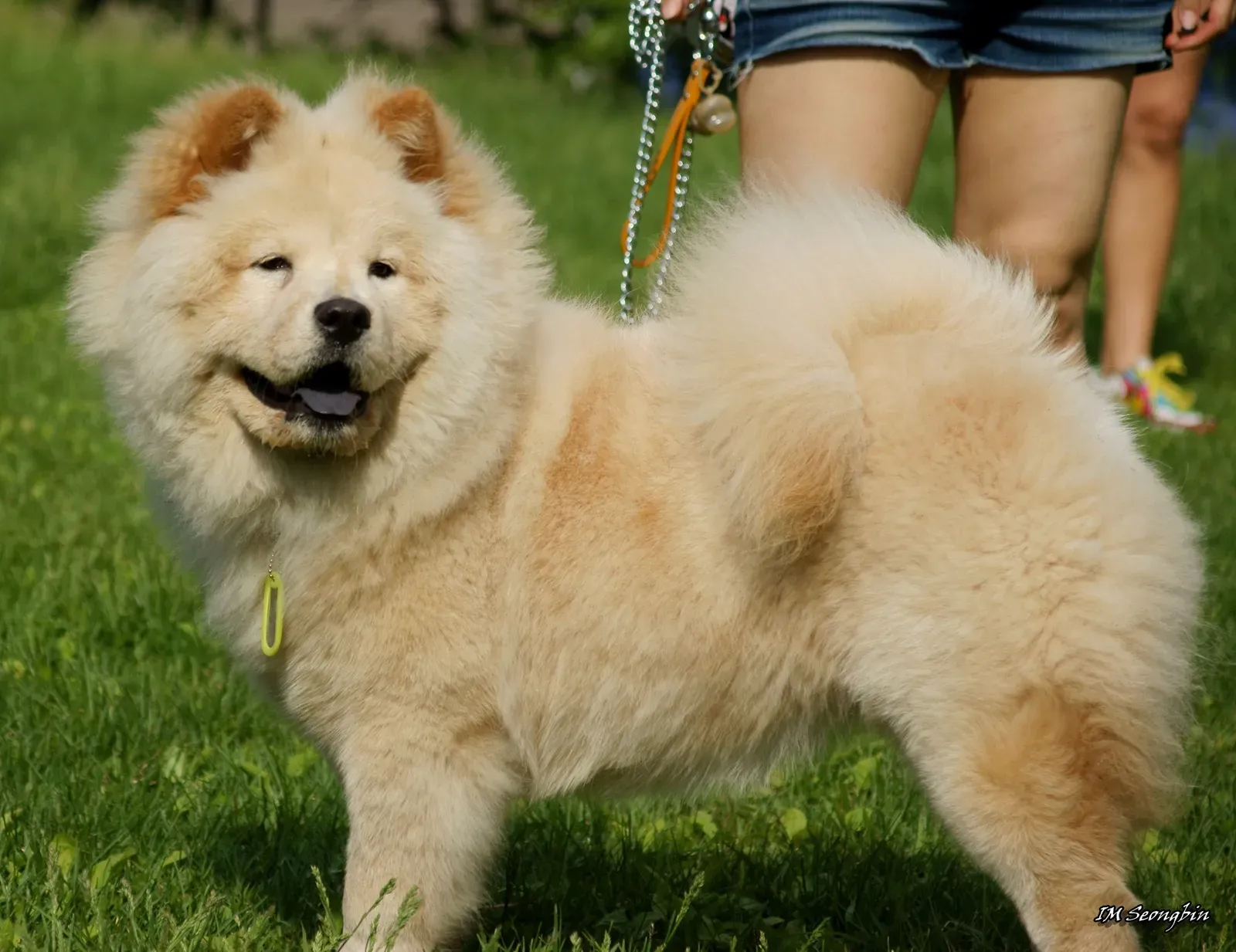
Chow Chow puppies are fluffy little bears that will win your heart with their squinty eyes and wrinkles, but despite how adorable they are, Chows may not be right for a large family with small children. Their independent nature and protective instincts require experienced handling.
These dogs can be territorial and don’t appreciate the boundary pushing that comes naturally to young children. They need extensive socialization from puppyhood and clear leadership from adults. Families drawn to their teddy bear appearance should consider waiting until children reach their teenage years.
Rottweiler: The Powerful Protector
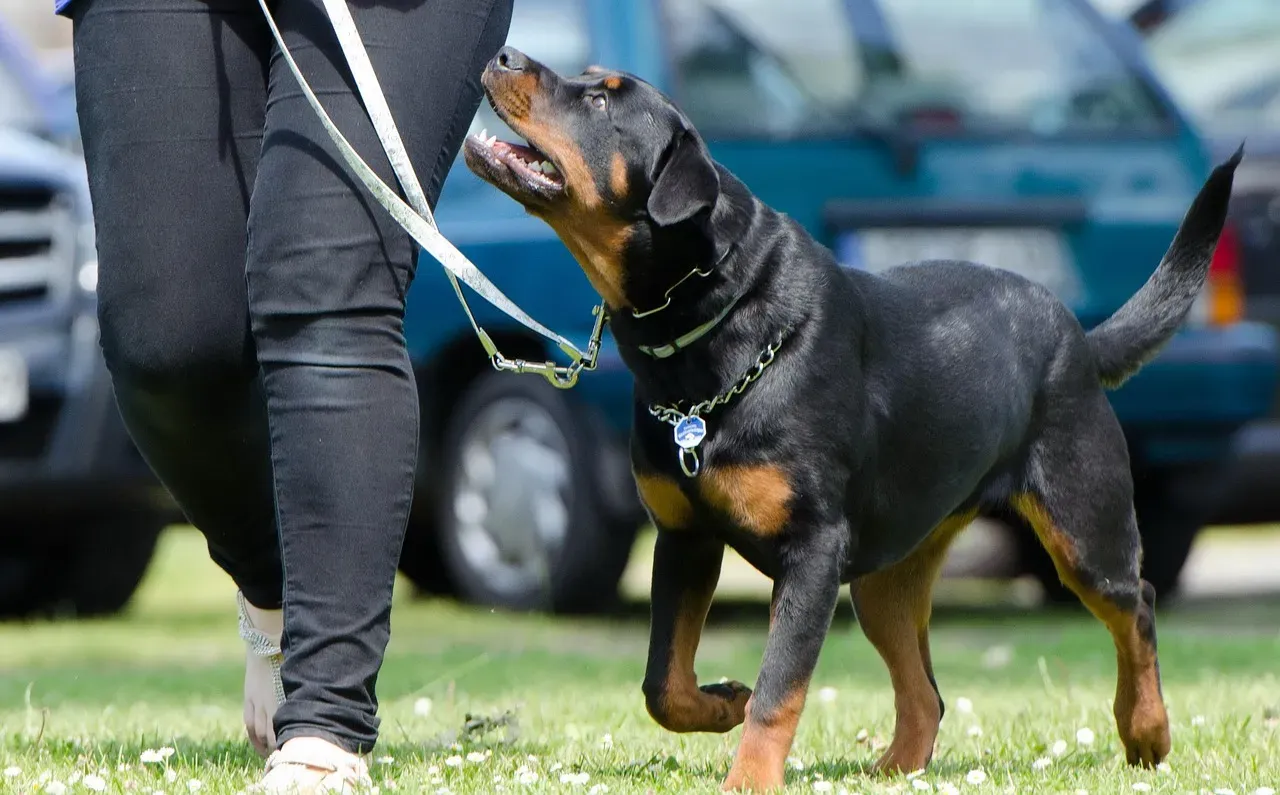
Rottweilers are excellent guard dogs, and if they are trained well can become loving family pets even for small kids, and they are among the smartest dog breeds in the world, but the key to adding a Rottweiler to your family, especially if you have young children, is to make sure they are properly trained, because without stern training they can be aggressive. Their intelligence is both a blessing and a challenge.
Because Rottweilers are large dogs, they mature slowly, making their puppyhood last forever, long before they grow up. This extended puppyhood combined with their size and strength means constant supervision around small children. With proper training and early socialization, they can be wonderful family members, but they’re not for first time dog owners.
Australian Shepherd: The High Energy Herder
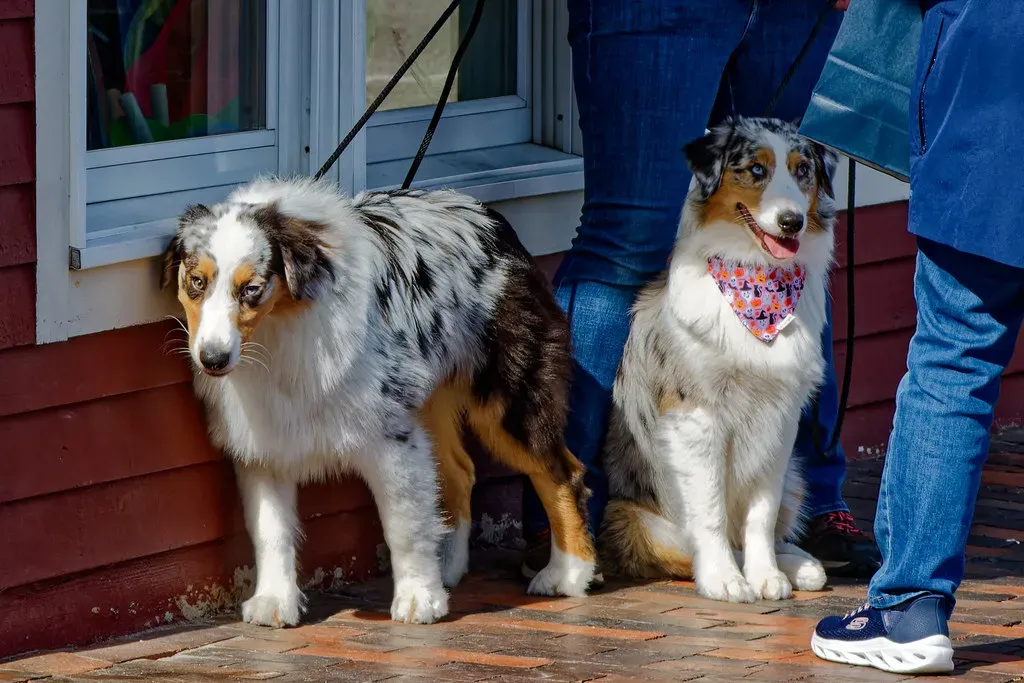
Herding dogs such as Border Collies or Australian Shepherds may nip or be so exuberant that they can overwhelm a small child. Their natural instinct to herd can translate into nipping at heels, which frightens young children even when the dog means no harm.
These incredibly intelligent dogs need substantial mental and physical stimulation. Without proper outlets for their energy, they become frustrated and may engage in unwanted behaviors. They’re better suited to families with older, active children who can participate in training and exercise routines consistently.
Creating a Safe Environment for All
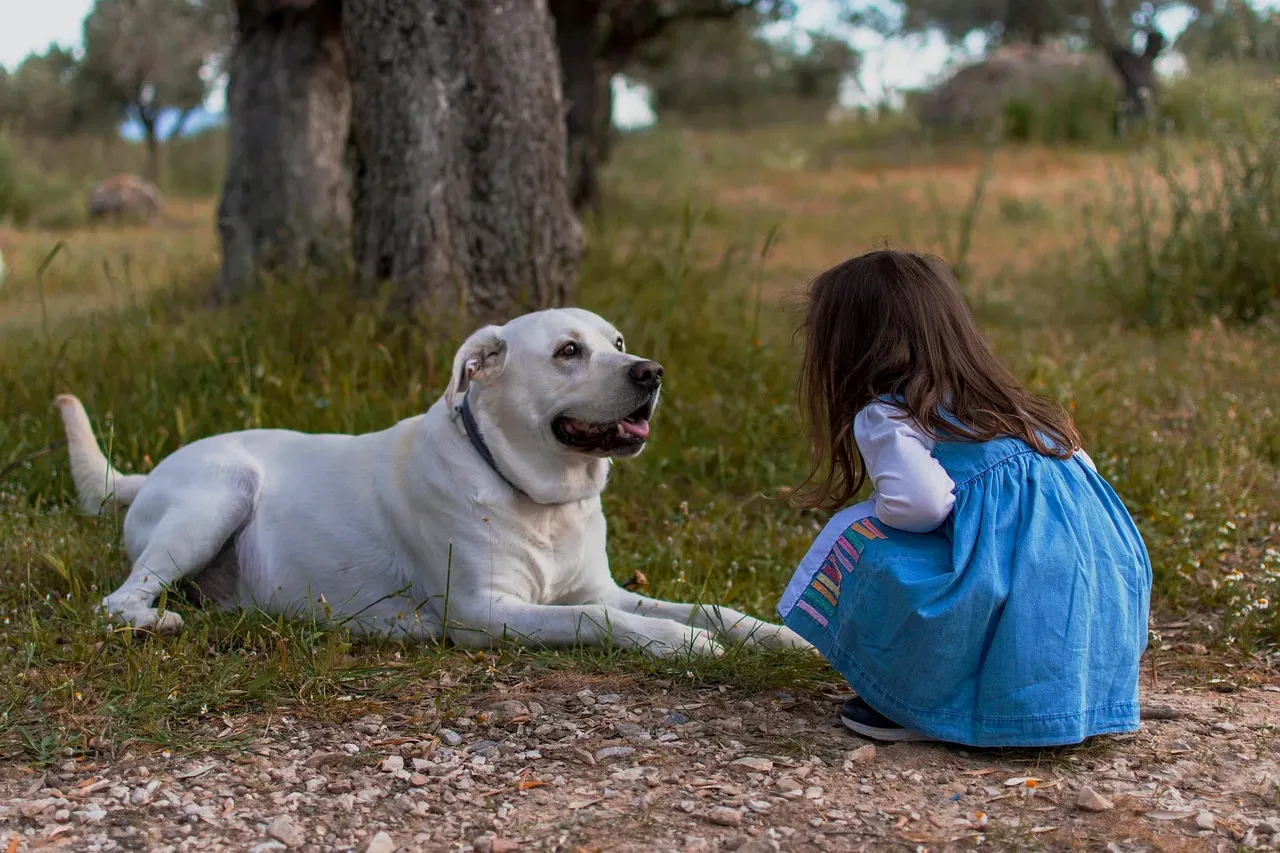
Never leave young children unsupervised with dogs, regardless of breed or individual dog’s temperament, as even the gentlest dogs can react unpredictably if hurt, frightened, or surprised, and establish clear rules about appropriate ways to interact with dogs, including no pulling ears or tails, no bothering dogs while eating or sleeping, and always asking permission before petting unfamiliar dogs. Supervision isn’t just about preventing bites; it’s about teaching respect.
Every dog deserves a safe space where they can retreat when overwhelmed. Provide dogs with safe spaces where they can retreat when they need breaks from child interaction, and dogs should never be cornered or forced to interact when they’re showing stress signals. Teaching children to recognize stress signals like yawning, panting, or moving away helps prevent incidents before they happen. What breed speaks to your family’s lifestyle? Tell us in the comments.


