
The 6 Biggest Mistakes Dog Owners Make When Introducing Their Dog to Visitors
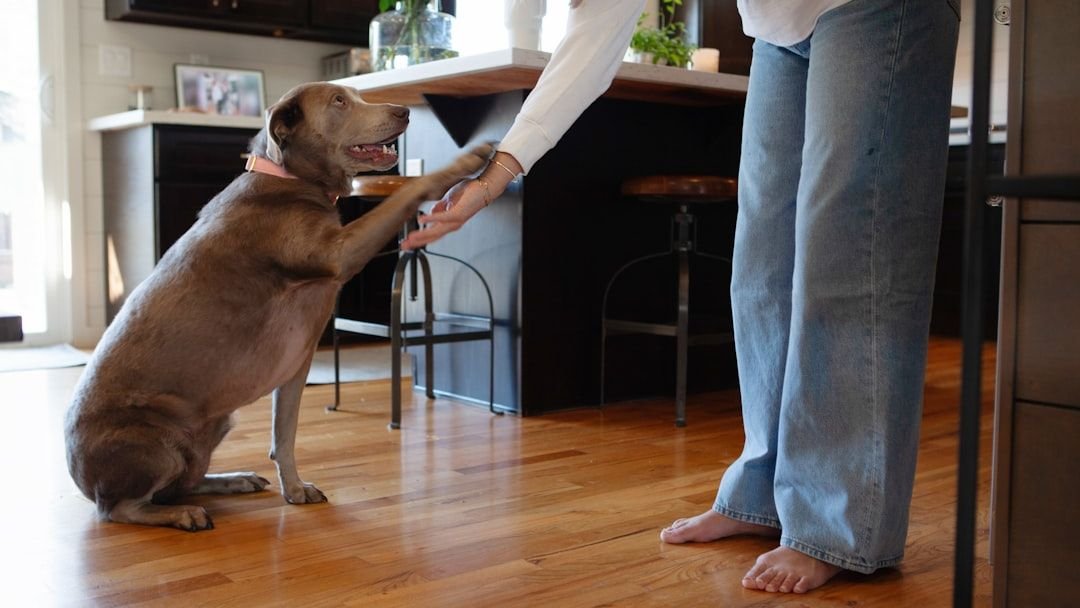
Picture this. The doorbell rings. Your dog launches off the couch like a furry missile. You’re shouting commands that might as well be in another language. Your visitor backs against the door, clutching their purse like a life raft. Sound familiar? Let’s be honest, introducing dogs to visitors shouldn’t feel like hosting a hurricane, yet so many of us fumble through it every single time.
Here’s the thing: most of these disasters aren’t because your dog is badly behaved. They happen because we unknowingly set everyone up for failure. Dogs take behavioral clues from their owners, and if an owner comfortably greets a guest with a good tone of voice, the dog will know this is a person to be trusted and welcomed. The mistakes we make are subtle, well-intentioned, and incredibly common. So let’s dive into the six biggest missteps dog owners make, and more importantly, how to fix them.
Skipping the Calm-Down Period Before the Door Even Opens
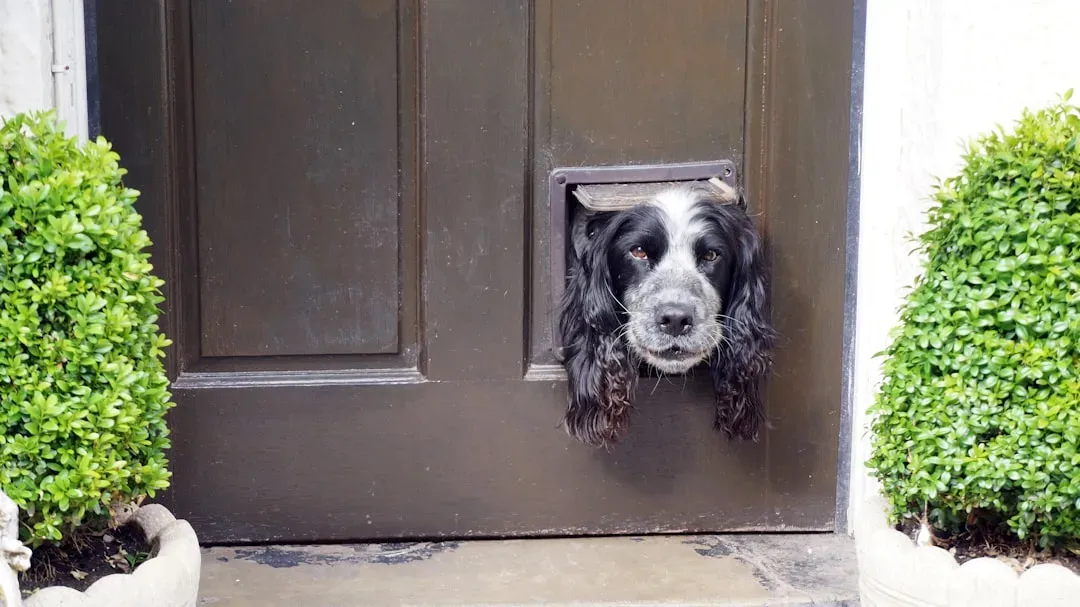
The moment that doorbell chimes, chaos erupts. Your dog is already in overdrive before you’ve even touched the handle, racing toward the entrance in full excitement mode. This is where the first huge mistake happens: we answer the door immediately without giving our dog a chance to settle. Many of us allow our fearful dogs to run wildly to the front door when the doorbell rings. By the time we arrive at the door to answer it, our dogs are already in such a lather that they can’t think straight.
Think about it. Would you greet an important guest while you’re still in your workout clothes, dripping sweat and out of breath? Probably not. Your dog needs that same courtesy, a moment to transition from excited chaos to calm awareness. What has worked well is putting an “out of order” sign on the doorbell and asking an expected visitor to call right before they arrive at the driveway. This way people have time to put the dog in a nice quiet room with a filled Kong toy or a healthy chew toy. It sounds overly cautious, maybe even a bit extreme, yet this simple pause can completely transform the greeting experience for everyone involved.
Forcing Interaction Instead of Letting Your Dog Choose
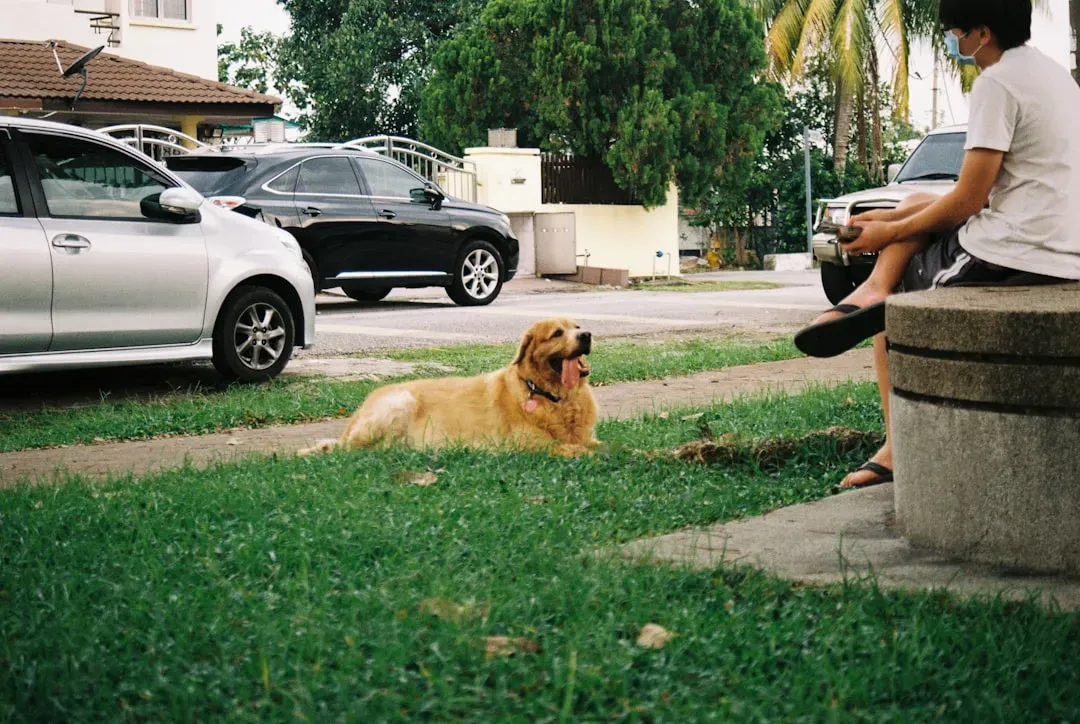
We’ve all done it. We grab the collar, pull our dog forward, and basically insist they say hello when they’re clearly not ready. Or worse, we hold them in place while a well-meaning visitor reaches down to pat their head. This is honestly one of the most damaging things we can do. Make sure visitors understand that they should never approach your dog, and that they need to let the dog approach them if and when the pup is ready. Approaching a dog too quickly can not only scare them but it could make them feel that they need to defend themselves with a growl or a bite.
Rather than sticking your hand in the dog’s face or reaching out for pets, wait for the dog to come to you. If the dog approaches you, they are saying they want to meet you. If they hang back, respect they simply aren’t in the mood. Honestly, would you want someone to force you into a hug with a stranger? Your dog feels the same way. Choice matters more than we realize.
When you give your dog the freedom to approach on their own terms, you’re building confidence instead of fear. Some dogs need only seconds, others might need several minutes, and that’s perfectly acceptable.
Rewarding Overexcited Behavior Without Realizing It
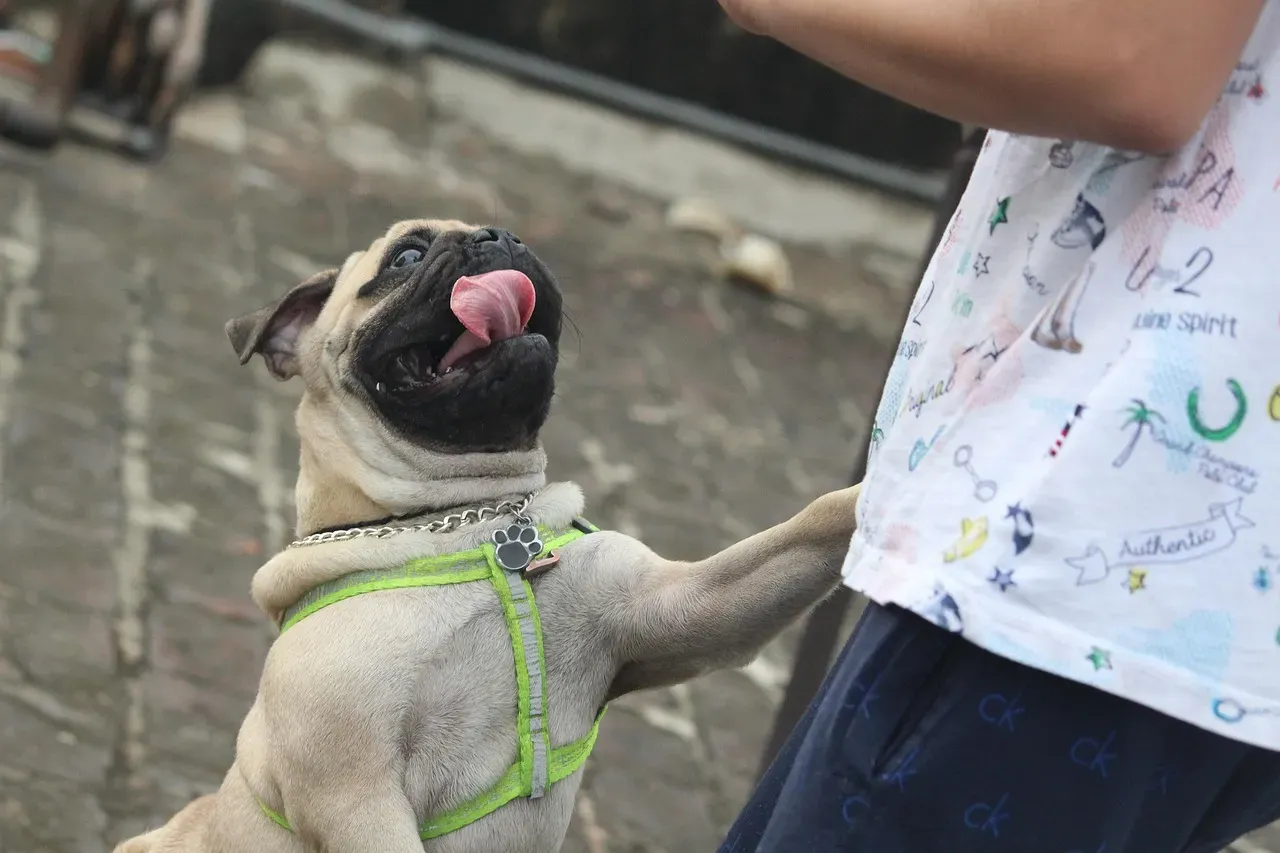
Here’s where things get tricky. Your dog jumps on your guest, and what does the visitor do? They laugh, pet your dog, maybe even say something like “Oh, it’s okay, I love dogs!” Congratulations, you’ve just reinforced jumping. A brand-new dog owner might say “I don’t reward the jumping,” but is simultaneously petting the dog to calm it down. These kinds of things reinforce unwanted behaviors. Reinforcement isn’t about intention; it’s about what the dog perceives as rewarding.
When introducing your dog to guests, it is very important to allow them to pet only when the dog is calm. If your dog starts to get excited, put it back into a sit-stay and give it time to calm down. By only allowing petting after calming, you will reinforce that good things will happen when it can stay calm. I know how hard this is to enforce, especially when guests insist they don’t mind. You have to be your dog’s advocate here. Set the rules clearly before anyone walks through that door, and stick to them even when it feels awkward.
The pattern is simple but powerful: calm behavior gets attention, wild behavior gets ignored or a brief timeout.
Ignoring Your Dog’s Stress Signals
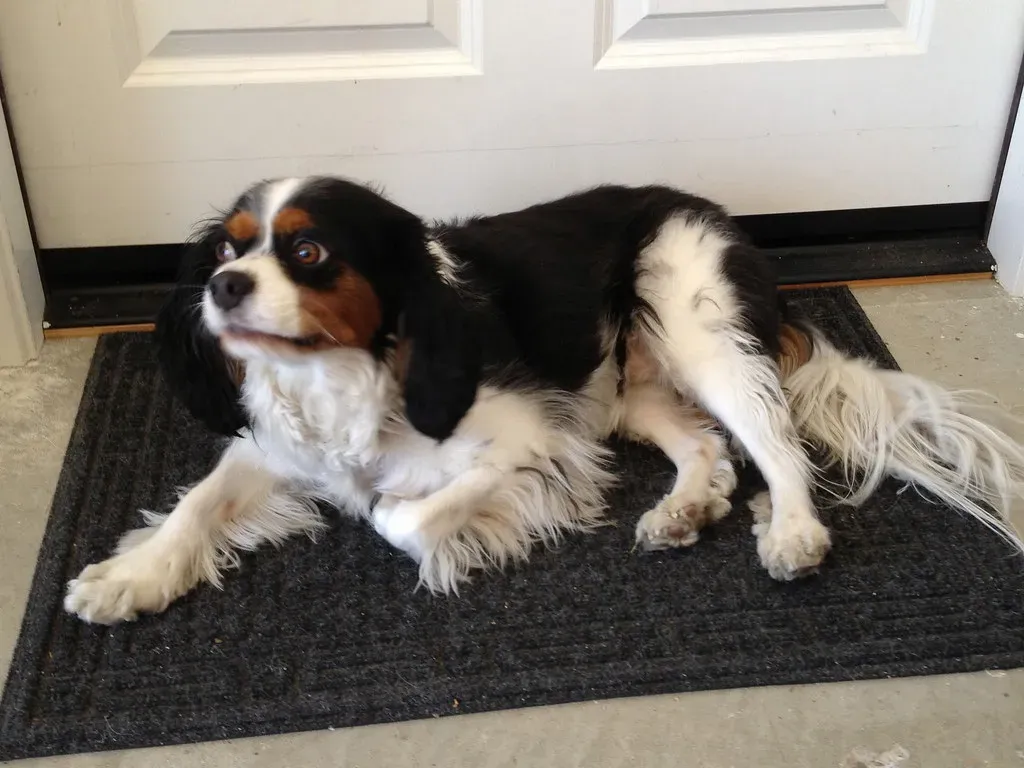
This one breaks my heart because it happens constantly. Dogs are master communicators, yet we often miss or dismiss their signals completely. Stressed dogs may have dilated pupils and blink rapidly. They may open their eyes wide and show more sclera (white) than usual, giving them a startled appearance. Their ears may be pinned back against their head. Stressed dogs lick their noses and lips frequently, pant without being hot or having just exercised, and frequently yawn. Many dogs will avoid eye contact, show white around their eyes, or have dilated pupils.
Yet what do we do when we see these signs? We push through anyway because we don’t want to be rude to our guest. A tail tucked tightly between the legs is a classic stress signal. A low tail with a stiff, quick wag can also mean worry, not joy. Your dog isn’t being difficult or stubborn when they show these behaviors. They’re literally screaming “I’m uncomfortable!” in the only language they have.
Learn to read the room from your dog’s perspective. If they’re showing multiple stress signals, it’s time to give them space, not push them harder into the situation.
Letting Guests Use Intimidating Body Language
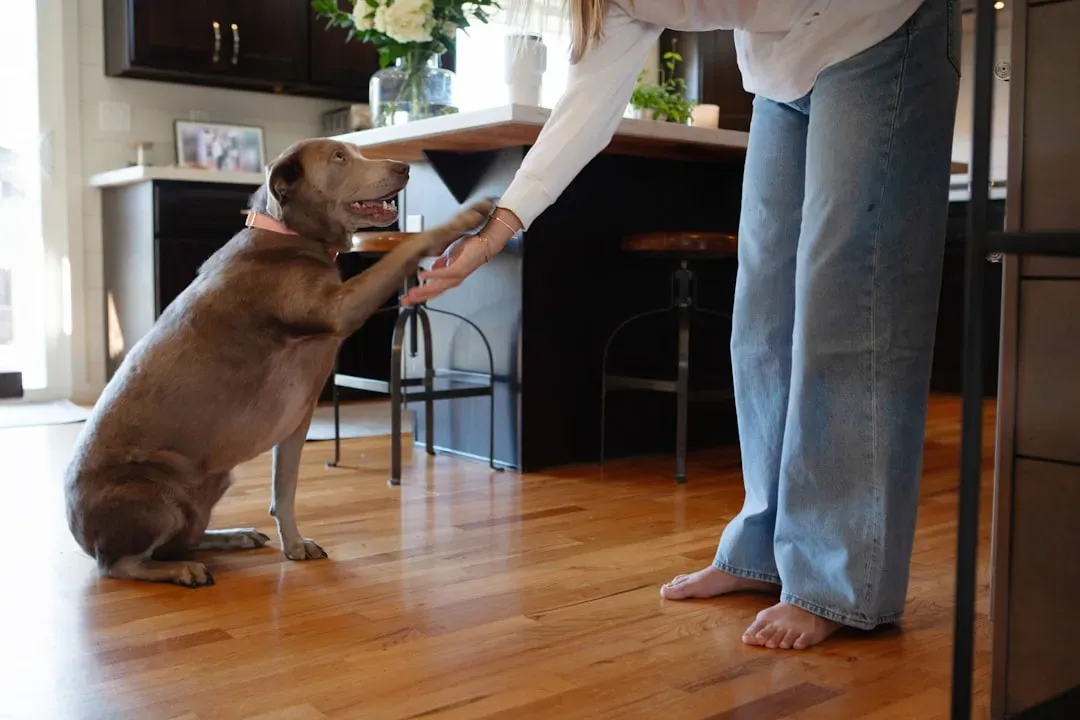
Most people mean well, they really do. Someone walks in, sees your adorable pup, and immediately bends over, reaches out their hand, and stares directly into your dog’s eyes. From a human perspective, this seems friendly. From a dog’s perspective? Absolutely terrifying. This type of frontal approach can be extremely uncomfortable or even terrifying for dogs. In order to make yourself more welcoming and less intimidating to any dog, you should turn your body to the side, lower yourself to their level, avert your eyes, speak softly with a happy voice, toss them treats, and give them time to approach you.
Avoid reaching over the dog’s head as that is frightening. And don’t hug or restrain the dog in any way. Most dogs dislike pats on the head and hugs. They might tolerate them from their family members, but strangers are a different story. Instead of petting over the head, guide your guest to pet your dog on the chest, side, or under the chin.
I think we forget that dogs don’t shake hands or hug hello like humans do. Teaching guests proper greeting etiquette before they meet your dog isn’t being controlling, it’s being considerate to both parties.
Failing to Prepare Your Dog With Proper Training
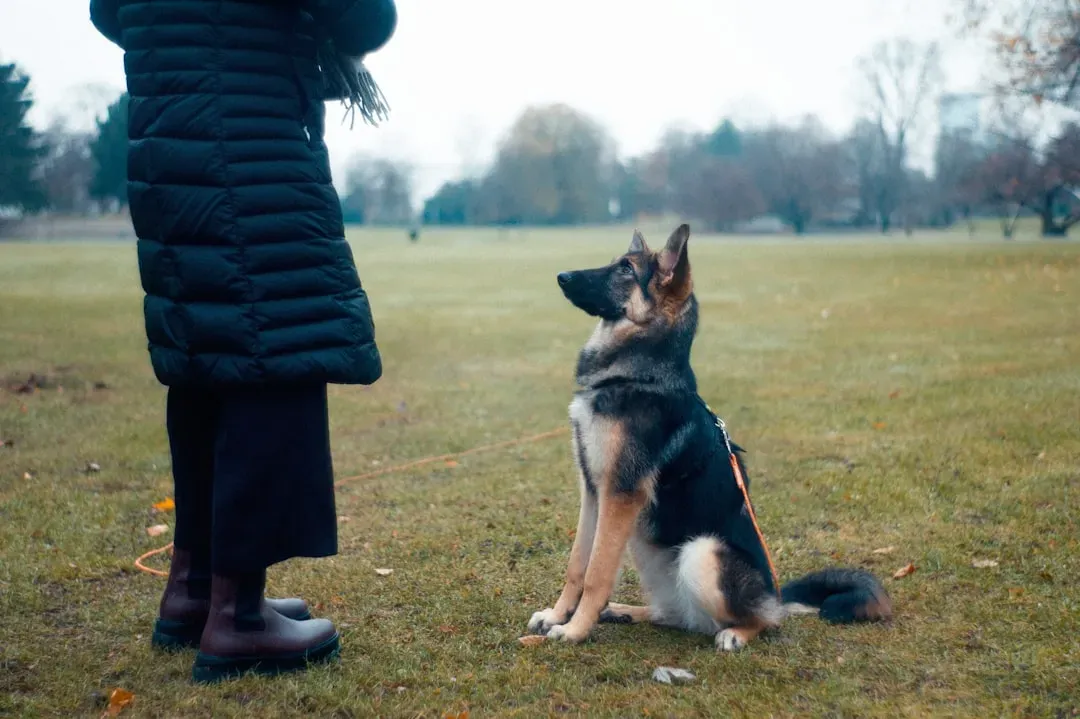
Let’s be real: you can’t expect your dog to magically know how to behave around visitors if you’ve never taught them. Many dogs react poorly to visitors because they aren’t used to being around strangers. Proper socialization and training from an early age will help dogs learn how to behave around guests both in the home and outside. The biggest mistake isn’t what happens during the visit itself, it’s everything that didn’t happen beforehand.
Providing the dog a safe space and training them to use it can be a crate, bed or just a corner of the room where they know they are safe. This should be the dog’s established space, and they can be rewarded for using it with a treat or chew toy. The dog should be trained to go to that spot with a simple command, which can be used whenever a guest arrives. Practice makes progress, not perfection. Work on greetings with friends and family members who understand your training goals. Start with low-key visits and gradually build up to more challenging scenarios. Your dog isn’t going to learn appropriate greeting behavior through osmosis.
Training isn’t a one-and-done deal either. It requires consistency, patience, and realistic expectations. Some dogs pick it up quickly, while others need weeks or even months of practice.
Conclusion
These six mistakes might seem small in isolation, yet together they create a perfect storm of stress, confusion, and potential danger. The good news? Every single one is fixable with awareness, preparation, and a willingness to advocate for your dog’s needs even when it feels uncomfortable. Remember that your dog isn’t trying to embarrass you or misbehave, they’re simply responding to situations they haven’t been taught how to handle.
Creating positive visitor experiences starts long before anyone rings your doorbell. It begins with understanding your dog’s unique personality, recognizing their stress signals, and putting systems in place that set everyone up for success. Your guests might not understand why you’re asking them to wait, turn sideways, or ignore your dog initially. That’s okay. A few seconds of explanation can prevent years of behavioral issues.
What changes will you make the next time visitors come to your home?