
10 Mistakes New Dog Owners Make That Can Impact Their Dog’s Confidence

Picture this: You’ve just brought home your new furry companion. The excitement is overwhelming, the photos are endless, the toys are piled high. Everything feels perfect until one day your once curious puppy starts cowering at unfamiliar sounds or lunging at strangers passing by. You wonder what went wrong. Here’s the truth that took me years of working with dogs to understand: confidence isn’t something dogs are just born with. It’s carefully built through hundreds of small moments, and honestly, it’s shockingly easy to accidentally undermine it without even realizing what you’re doing.
The good news? Once you know what to watch for, you can course correct. So let’s talk about the mistakes that quietly chip away at your dog’s self-assurance, and what you can actually do about them.
Missing the Critical Socialization Window

The socialization period between three and twelve to fourteen weeks is one of the most important periods determining later behavior. Think of it as your dog’s operating system being installed. Missed opportunities during this critical period put pups at risk of becoming shy, fearful, defensive adult dogs.
Puppies need to be introduced to new dogs, people, and situations between the ages of three and fourteen weeks, and without proper socialization, a shy dog can lack confidence as it matures. This doesn’t mean tossing your puppy into overwhelming situations. Controlled, positive exposures to different people, sounds, textures, and environments during this narrow window create the foundation for a confident adult dog who can handle whatever life throws at them.
Ignoring or Mishandling Fear Periods

Puppies experience two fear periods, both normal evolutionary parts of development, with the first around eight to eleven weeks. The second fear period occurs between six and fourteen months of age. These periods are sneaky because your previously confident pup suddenly acts like the world is terrifying.
Pushing hard during fear periods when puppies are naturally more cautious can create lasting fears, so patience and maintaining positive associations without forcing progress is essential. Let’s be real, it’s tempting to just show them there’s nothing to worry about. Never force your puppy to face his fears or thrust him into new situations when he seems panicked or fearful, as it may worsen the fear. Give them space, keep things positive, and wait it out.
Overwhelming Them with Too Much Too Soon

I’ve seen this happen countless times. New owners are so eager to socialize their pup that they create sensory overload. Rushing socialization by exposing puppies to too many new things at once can create fear rather than confidence, as gradual exposure that allows puppies to process experiences works better.
If your puppy shows fear, forcing them closer to scary things often increases fear rather than reducing it; instead, maintain distance where your puppy can see but isn’t terrified, and pair the sight with good things. Think of it like learning to swim. You wouldn’t throw someone into the deep end on day one, right? Same principle applies here.
Using Punishment or Harsh Training Methods
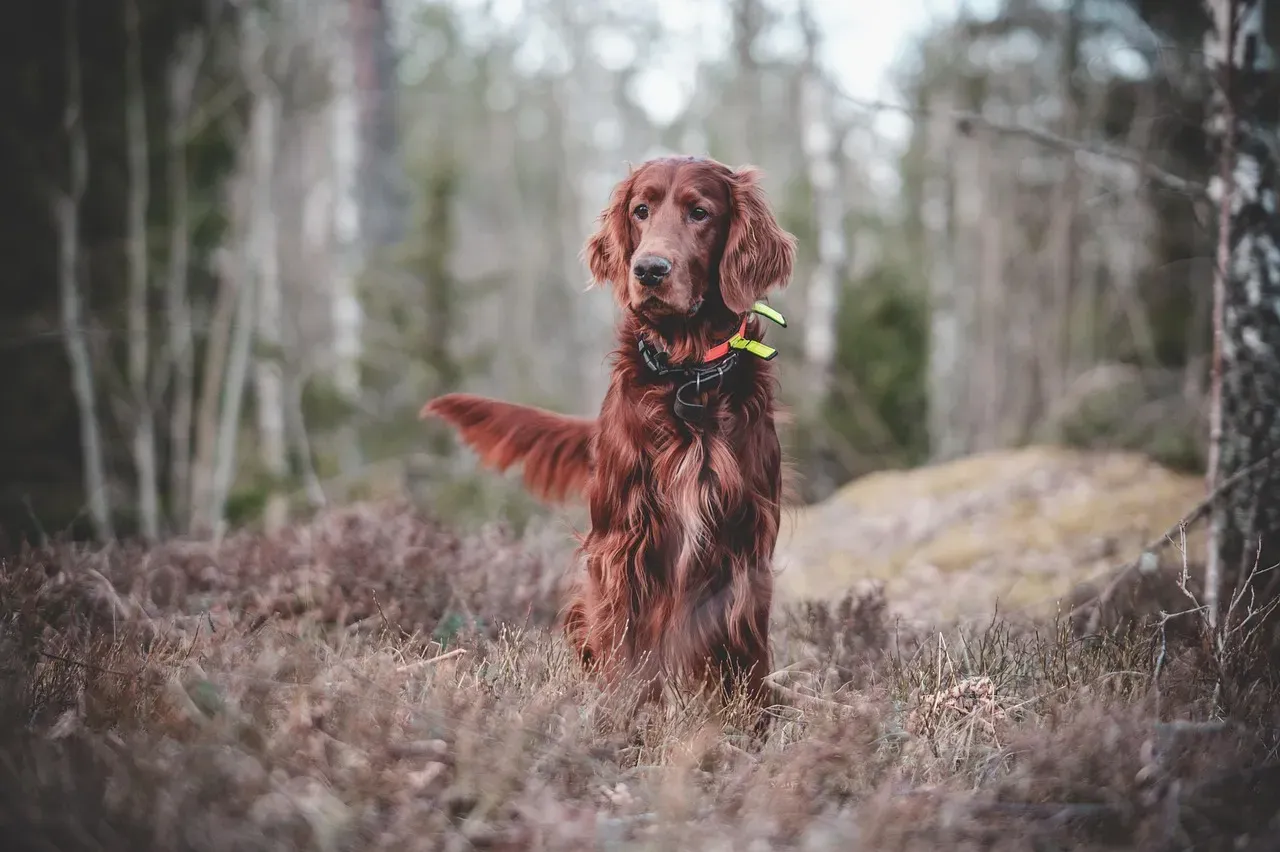
Dominant and controlling owners who use harsh punishments and intimidation can lead to dogs feeling anxious and stressed, causing them to become fearful of their owners and overly timid and submissive. This one breaks my heart because these owners usually think they’re doing the right thing. Dogs trained with reward-based methods display better obedience and fewer behavioral problems than those trained with punishment or aversive techniques.
Punishment and harsh methods have the opposite effect of building confidence. Your dog needs to trust that trying new things leads to good outcomes, not scary consequences. When training challenges arise, positive reinforcement creates dogs who are eager to learn rather than fearful of making mistakes.
Being Inconsistent with Rules and Routines
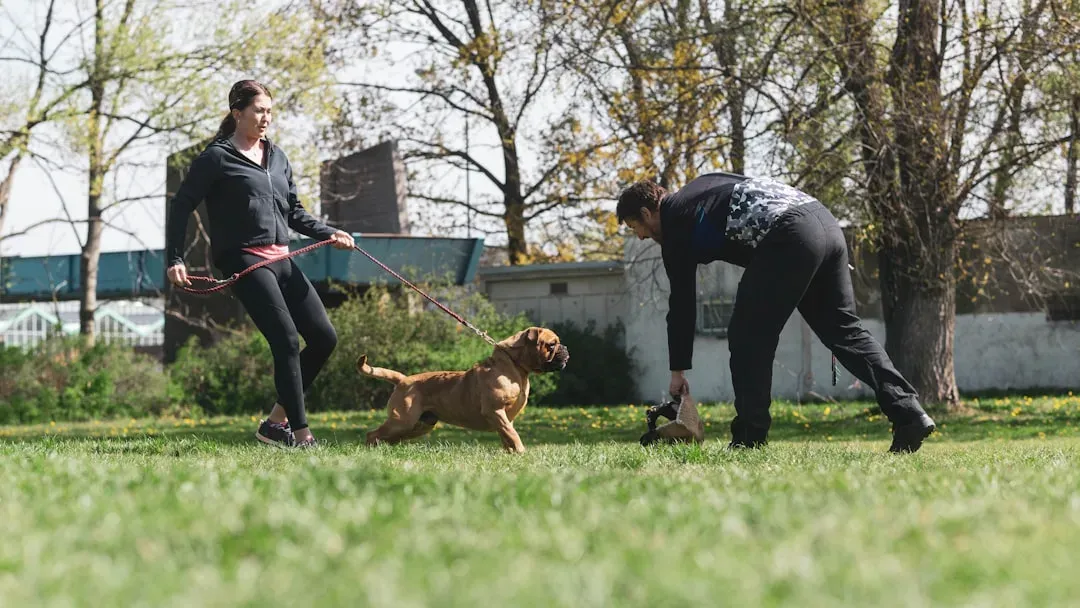
Indecisive and inconsistent owners create bossy, controlling dogs that lack confidence because dogs are highly sensitive to their owners’ behavior and will often mirror it, becoming confused by constantly changing minds and mixed signals. Dogs thrive on predictability. Clear patterns including routines, boundaries, and predictable interactions help dogs settle faster and behave more confidently.
Dogs tend to thrive in environments where they know what to expect, with consistent daily routines including structured meal times and designated rest helping to reduce anxiety and create a foundation of trust. It’s hard to say for sure, but I think many behavioral issues stem from dogs simply not understanding what’s expected of them because the rules keep changing.
Coddling Fearful Behavior
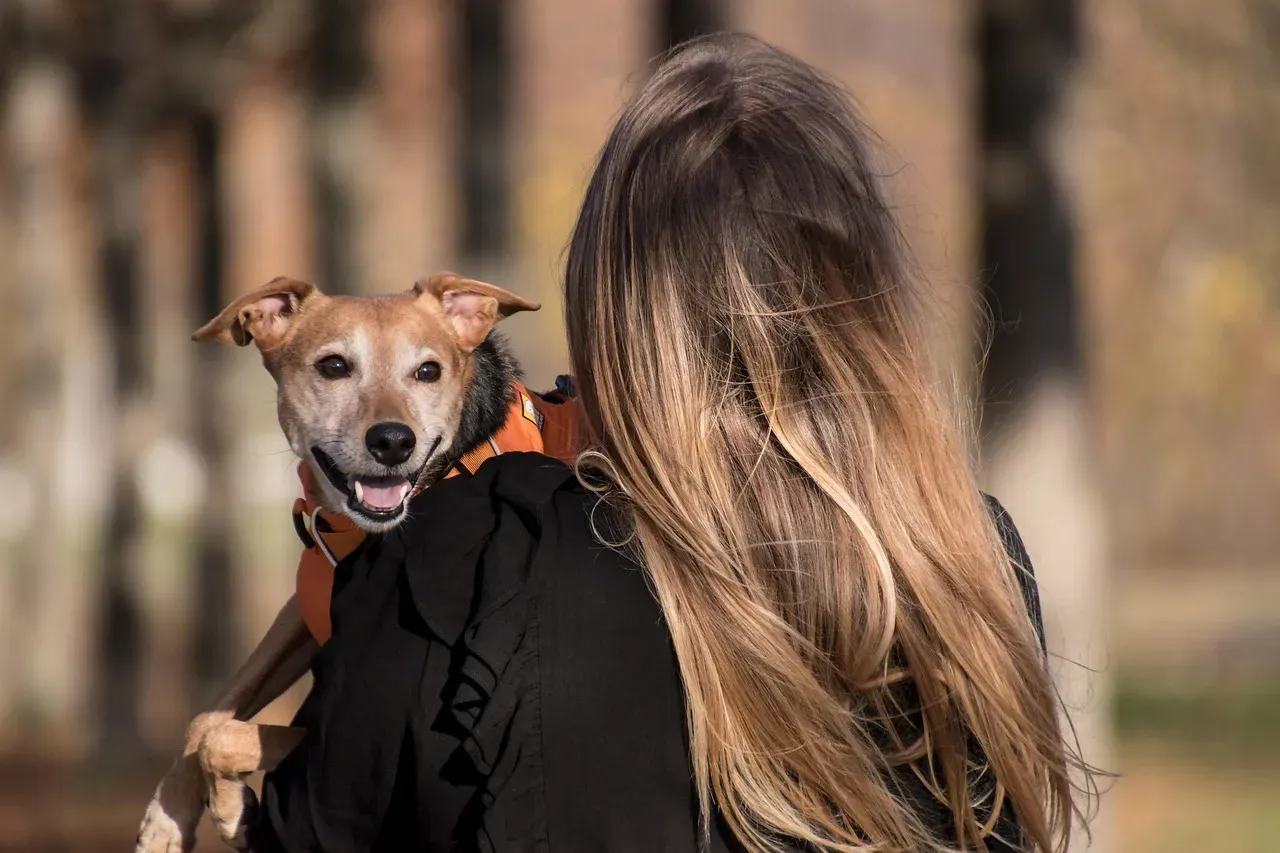
This is probably the most counterintuitive mistake. When your dog acts scared, your instinct is to comfort them, right? Here’s the thing: excessive reassurance can actually reinforce the fear. You must never feed into a puppy’s insecurities; you have to ignore puppies’ first fear reaction and let them figure it out for themselves without interference from you.
If an owner makes their dog do something after he clearly says no, it might make the owner themselves another source of fear. The balance is tricky. You’re not being cold; you’re being their calm, confident anchor. Stay neutral, don’t make a big fuss, and let them work through it while you act like everything is totally normal.
Skipping Basic Obedience Training
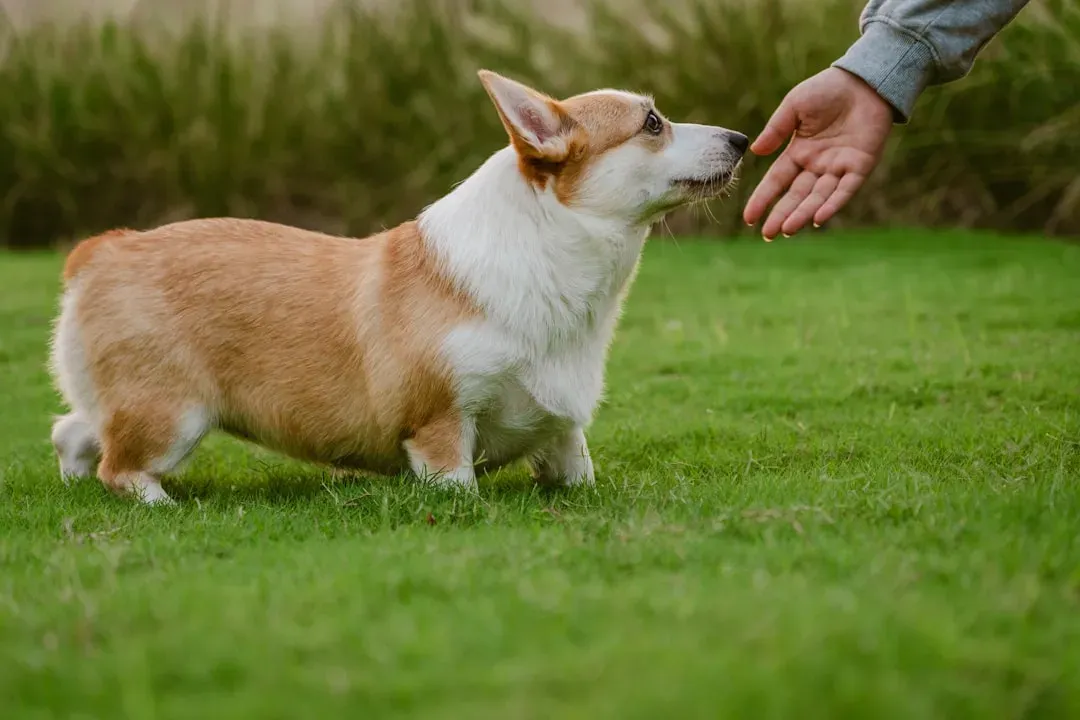
Dogs that are not taught basic commands and behaviors can become confused and overwhelmed when faced with new situations, leading to a lack of confidence. Training isn’t just about having a well-behaved dog. Teaching your puppy or dog life skills and training exercises using rewards when they get it right not only teaches them how to behave but builds confidence through success.
Obedience training creates an understanding between you and your dog, developing a language so you can communicate with one another, allowing your dog to look to you for guidance when facing scary situations or when life gets confusing. Think of training as giving your dog a roadmap for navigating the world successfully.
Allowing Negative Dog-to-Dog Experiences
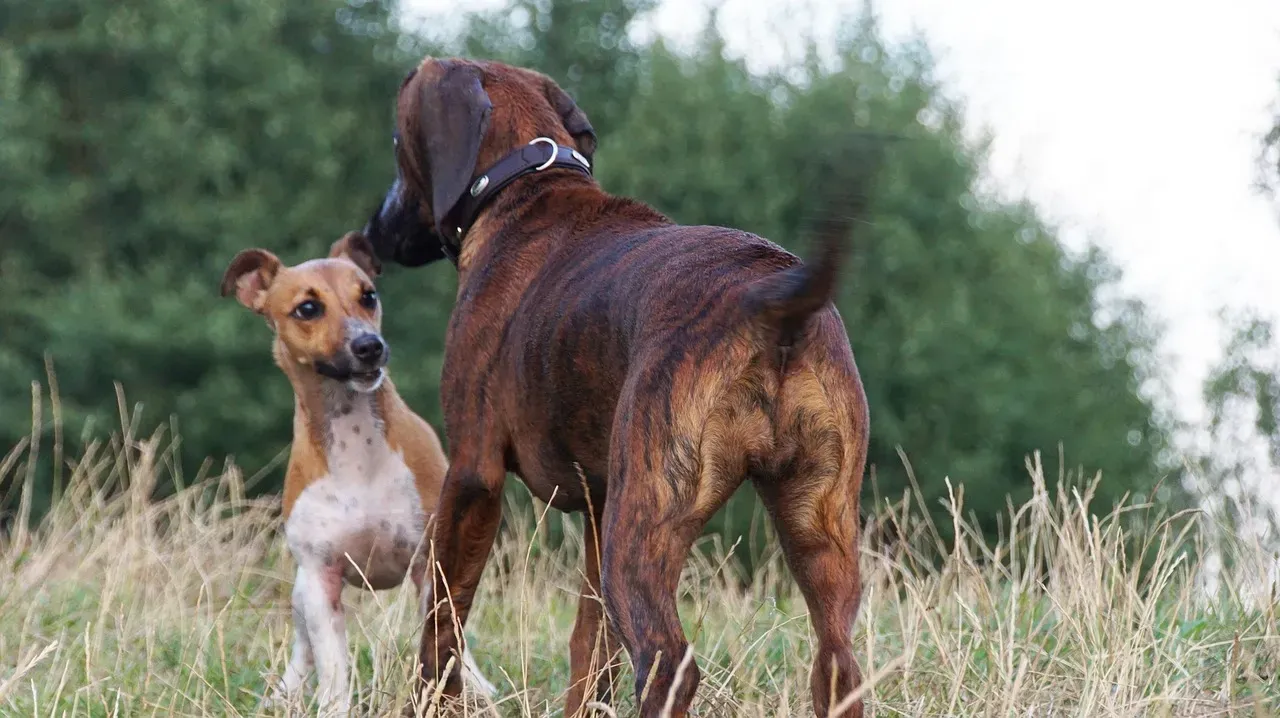
Dog parks can be overwhelming and potentially dangerous for young puppies. One bad interaction can undo months of careful socialization. What people think of as socialization at dog parks or free-for-all day care is likely to have a behavioral fallout. Not all dogs make good playmates, especially for impressionable puppies.
If your puppy only meets dogs of similar size and energy level, they may not learn to interact appropriately with different types of dogs; exposing them to calm, well-socialized dogs of various sizes and ages is important. Quality matters more than quantity when it comes to canine interactions. Controlled, positive experiences with stable, friendly dogs teach your pup that other dogs are safe and fun.
Failing to Recognize Body Language and Stress Signals
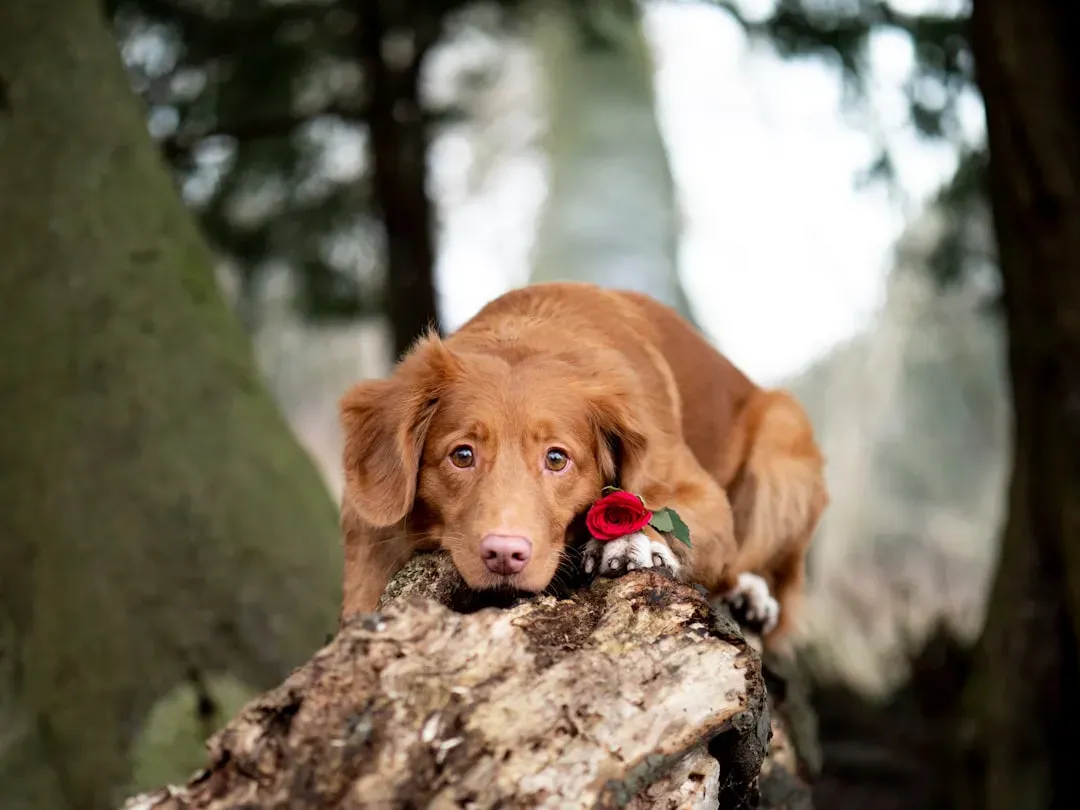
Dogs show body signals of fear including tucked tail, ears back, avoidance, shaking, and trying to hide. Dogs who have low confidence show lowered body language, other signs of anxiety such as yawning or lip licking, they may back away or hide, or even shake, pant and whine. Many new owners completely miss these signals or misinterpret them.
Keeping an eye on their body language and getting to know their signs of stress or fear is essential. Your dog is constantly communicating with you through their posture, facial expressions, and movements. Learning to read these signals means you can intervene before a mildly uncomfortable situation becomes a traumatic one. It’s like learning a new language, and honestly, it’s one of the most valuable skills you can develop as a dog owner.
Not Providing Opportunities for Success and Problem-Solving
Nose work, which involves searching for hidden treats or toys, and food puzzles that encourage dogs to work to obtain treats are useful tools for enrichment, mental stimulation, and confidence-building exercises. Confidence grows when dogs successfully navigate challenges on their own terms. When training, keep sessions short, clear, and consistent with rewards for small wins; for low-confidence dogs, even holding a sit for five seconds in a new environment can be a major victory, and praising or rewarding positive behaviors and new achievements is important.
Confidence doesn’t happen overnight; it’s built over time through trust, repetition, and success. Create safe opportunities for your dog to figure things out independently. Set them up to win, celebrate those victories, and watch their self-assurance bloom.
Conclusion
Building a confident dog isn’t about being perfect. It’s about being aware, patient, and willing to learn alongside your furry friend. Most fearful dogs gradually improve with time, training, and trust, and you can learn to manage their fears with training, patience, and time. The mistakes we’ve covered are incredibly common, which means you’re definitely not alone if you’ve made some of them.
The beautiful thing about dogs is their resilience and capacity for growth. Even if you’ve stumbled along the way, you can start making changes today that will help your dog feel more secure and capable. What surprised you most about these confidence-building insights? Have you noticed any of these patterns with your own pup?