
Dog Breeds That Become Difficult Without a Strong Daily Routine

You know that feeling when everything’s just a little off? Like you skipped breakfast or forgot to set your alarm? That jittery, unsettled sensation hits dogs too, especially certain breeds that crave structure like we crave morning coffee. I’ve seen it countless times with my own dogs and in homes I’ve visited. Without a predictable rhythm to their days, some breeds simply unravel.
Dogs aren’t just walking around hoping for the best. They’re watching, learning, anticipating what comes next. Dogs thrive on structure and predictability, which helps them feel secure and reduces anxiety. For some breeds, that need runs deeper than others. Skip the morning walk or forget training time, and you might find chewed furniture or a restless pup who can’t settle. Let’s dive into the breeds that truly need that daily anchor, and what happens when they don’t get it.
Border Collies: The Brilliant Minds That Need Jobs
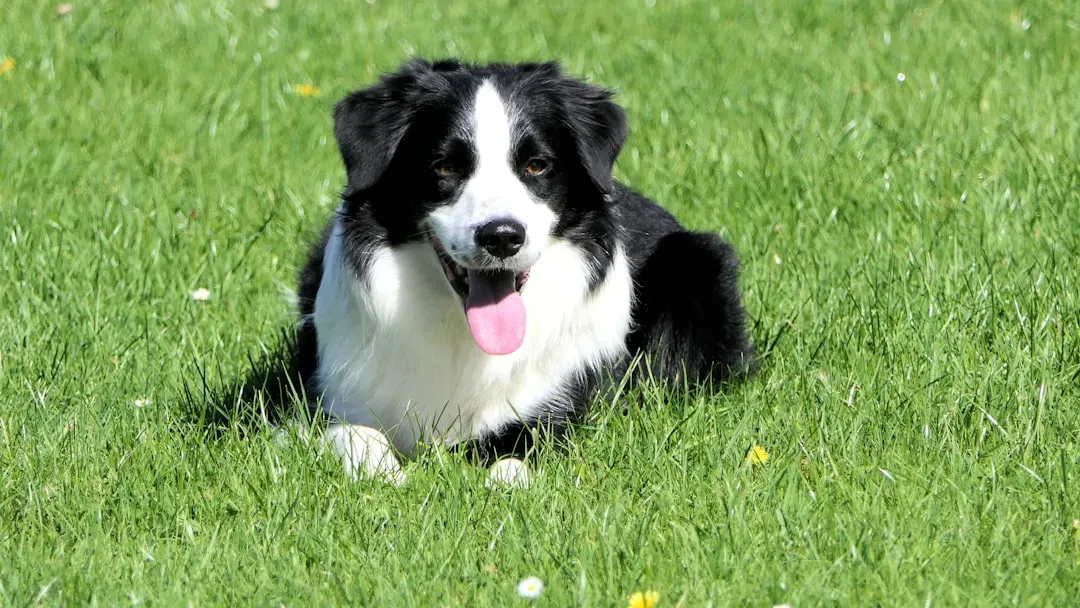
If you’ve ever met a Border Collie, you know they’re basically canine geniuses wrapped in fur. These dogs were bred to work sheep all day, and that drive didn’t just disappear when they moved into our living rooms. Border Collies need around two hours of exercise daily, divided among long walks, swimming, playing fetch, and agility training, plus mental stimulation through scent games and learning new tricks.
Here’s the thing about Borders: they love sticking to a schedule and require constant stimulation, looking forward to doing a task every day even if it’s different activities, as long as they know they’re doing a job regularly. Without that structure, they don’t just get bored. An untrained Border Collie that gets bored and feels like it has no purpose will become frustrated and irritated, leading to scratching floors, chewing furniture, biting, nipping, and herding.
I remember a friend’s Border Collie who started herding the kids around the yard, nipping at their heels during playtime. It sounds cute until someone gets pinched or scared. That’s a working dog with no outlet, creating their own job because nobody gave them one.
Belgian Malinois: The Relentless Athletes
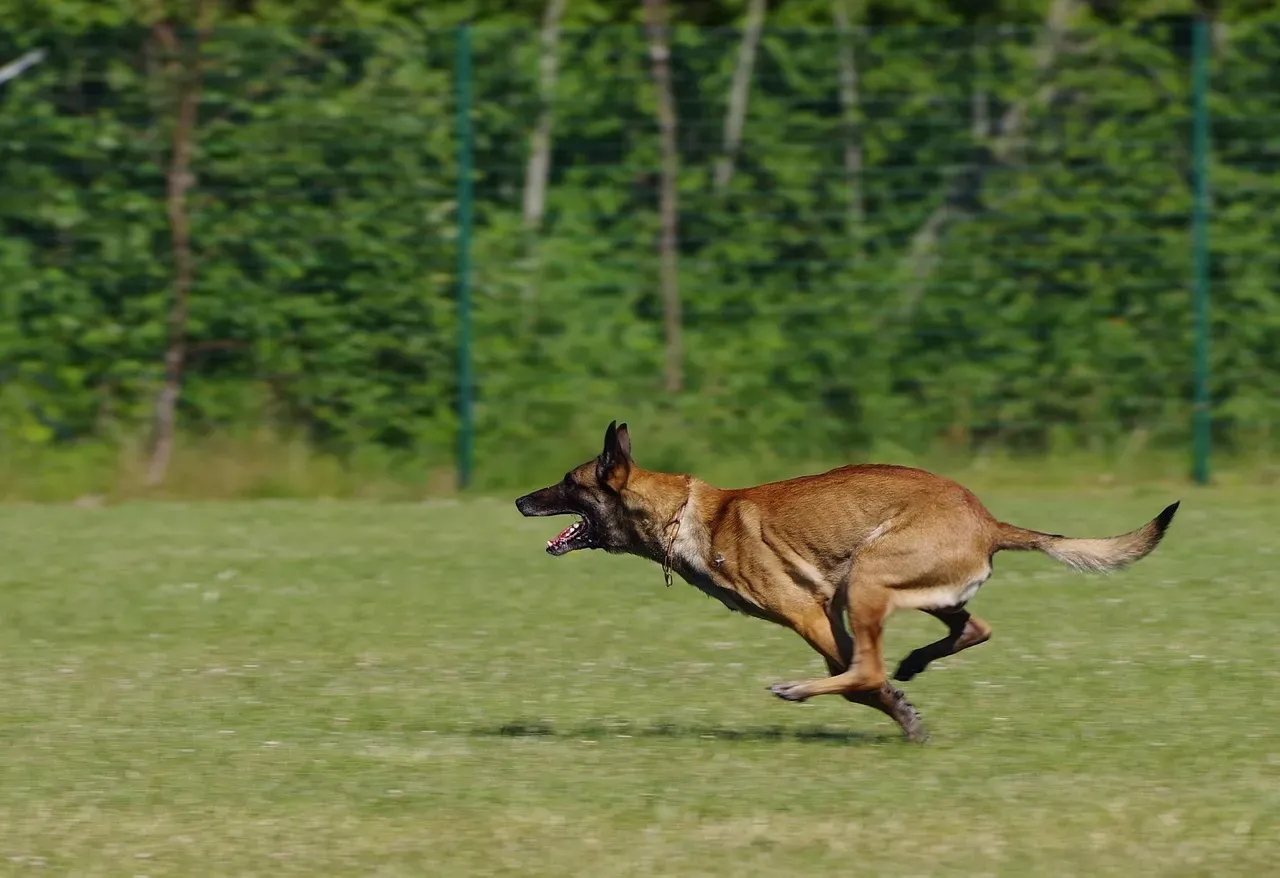
Let’s be real: Belgian Malinois aren’t for everyone. These dogs are like coiled springs of muscle and drive. They need at least ninety to one hundred twenty minutes of vigorous physical activity per day, broken into multiple sessions, with many Malinois thriving with over two hours if possible. That’s not a casual stroll around the block either.
If a Belgian Malinois doesn’t get enough mental and physical stimulation, they quickly become bored, leading to destructive behaviors like chewing, digging, or excessive barking, making daily training, play, and exercise crucial with mental stimulation just as important as physical activity. These aren’t dogs that settle into apartment life gracefully. They want purpose, challenge, and a schedule they can count on.
What makes Malinois particularly tricky is their intensity. If not allocated a particular job or left to itself too much, the dog can give itself a job like guarding the house and will be relentless, launching itself at any intruders whether a thief or a child that jumps the fence to collect a lost ball. Honestly, that’s terrifying if you’re not prepared. Structure isn’t optional with this breed. It’s survival.
German Shepherds: Loyal Protectors Who Crave Order
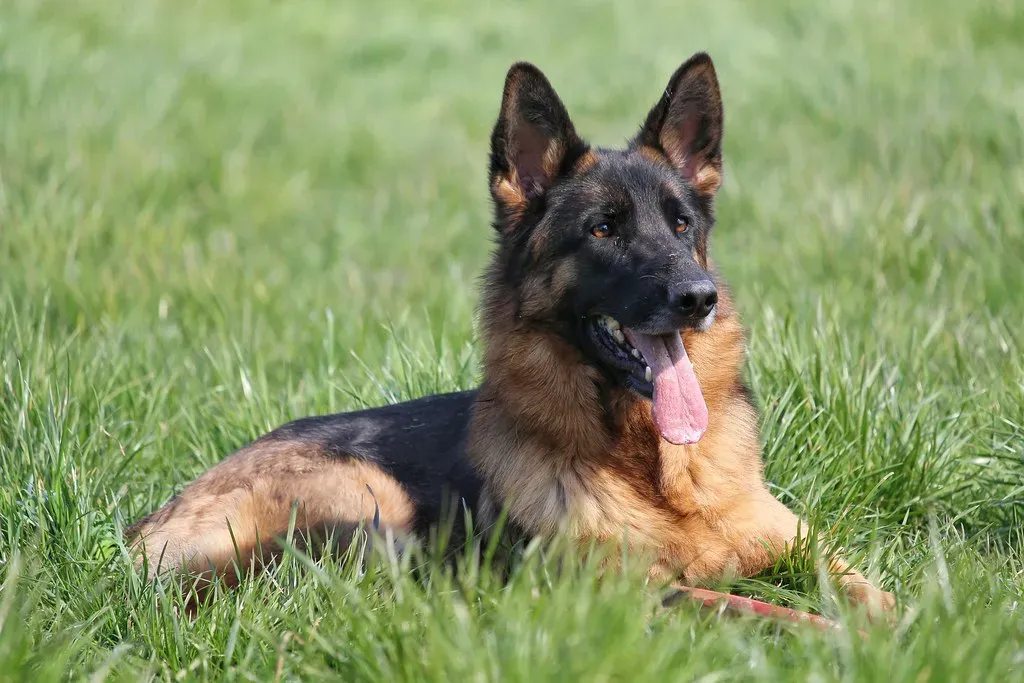
German Shepherds have that noble, dependable look for a reason. They were bred to work alongside humans, following commands and protecting flocks. German Shepherd Border Collie mixes need one to two hours of rigorous physical exercise daily, with daily walks alone not being enough, craving outdoor activities like fetch, frisbee, and hiking, as behavioral issues develop quickly without proper energy expenditure through structured exercise routines. Even purebred Shepherds need similar commitment.
These dogs don’t do well with chaos. They want to know when meals happen, when walks occur, when training starts. Shollies thrive on routine and clear expectations, with consistent daily schedules for feeding, exercise, and training being essential. The same applies to full German Shepherds.
Skip their routine and you’ll see anxiety creep in. Maybe they pace near the door. Perhaps they become overly vigilant, barking at every sound. I think what people don’t realize is how much mental energy these dogs expend trying to figure out what’s happening when their schedule falls apart. Give them structure, and they’re confident, calm protectors. Take it away, and they’re stressed guardians trying to control an unpredictable world.
Australian Cattle Dogs: Tough Workers With Tender Needs
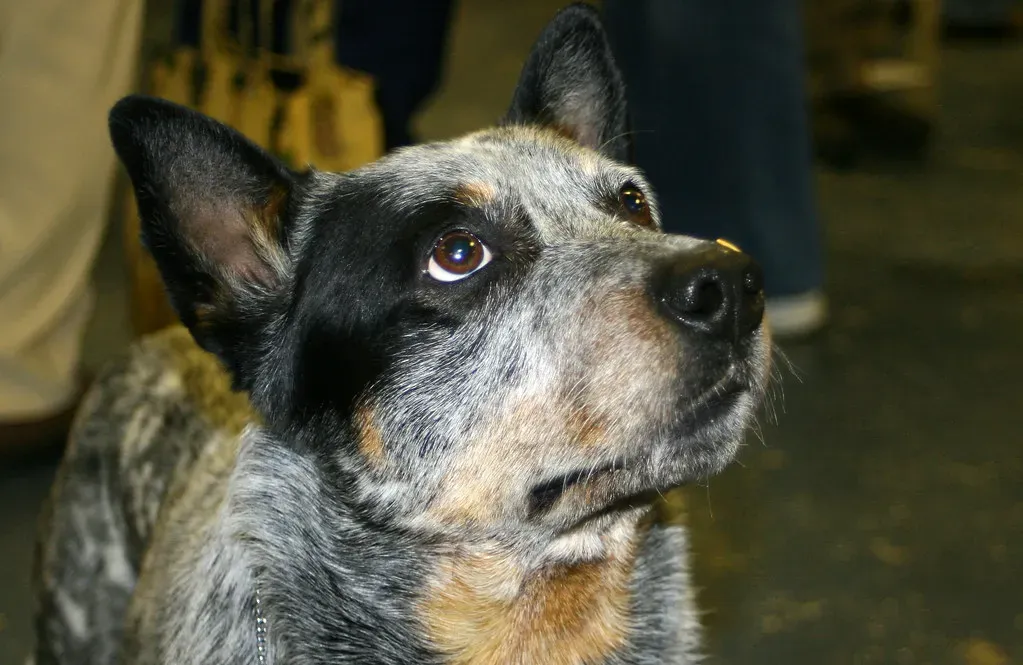
Don’t let their compact size fool you. Australian Cattle Dogs are tough little powerhouses bred to move cattle across vast distances. They have stamina for days and brains that never quit. These dogs need physical outlets, sure, but they also need mental challenges woven into their daily routine.
Structured activity helps reduce unwanted behaviors like chewing, digging, or hyperactivity, especially in high-energy breeds. Cattle Dogs fit that description perfectly. They’re happiest when they know what’s expected, when it’s happening, and how they can contribute. Leave them guessing and they’ll find ways to entertain themselves, usually involving your favorite shoes or the corner of the couch.
What strikes me about this breed is their sensitivity beneath all that toughness. They bond intensely with their people and become anxious when routines shift unpredictably. Consistent morning runs, midday training sessions, evening play – these aren’t luxuries for Cattle Dogs. They’re necessities that keep these intelligent dogs balanced and content.
Doberman Pinschers: Elegant Athletes With Hidden Anxiety

Dobermans look intimidating with their sleek build and alert expressions. Dobermans require around two hours a day of exciting walks, runs, and playtime, needing vigorous exercise throughout the day as they can get easily bored which can spell trouble for your house, plus they need mental stimulation to develop their intelligence and fitness. These aren’t dogs that lounge around contentedly all day.
Here’s what surprises people: underneath that confident exterior, many Dobermans struggle with anxiety. Dogs struggling to adjust to routine changes may become stressed or anxious, with stress manifesting in destructive behavior, pacing, or restlessness. Dobermans particularly benefit from knowing exactly what comes next.
Establish morning exercise, afternoon training, evening family time, and they flourish. Mix things up constantly or skip days randomly, and you might see destructive chewing, excessive barking, or clingy behavior. They need that predictable framework to feel secure. I’ve watched Dobermans transform from anxious wrecks into confident companions simply by implementing consistent daily schedules. It’s remarkable how much difference structure makes for this breed.
Conclusion
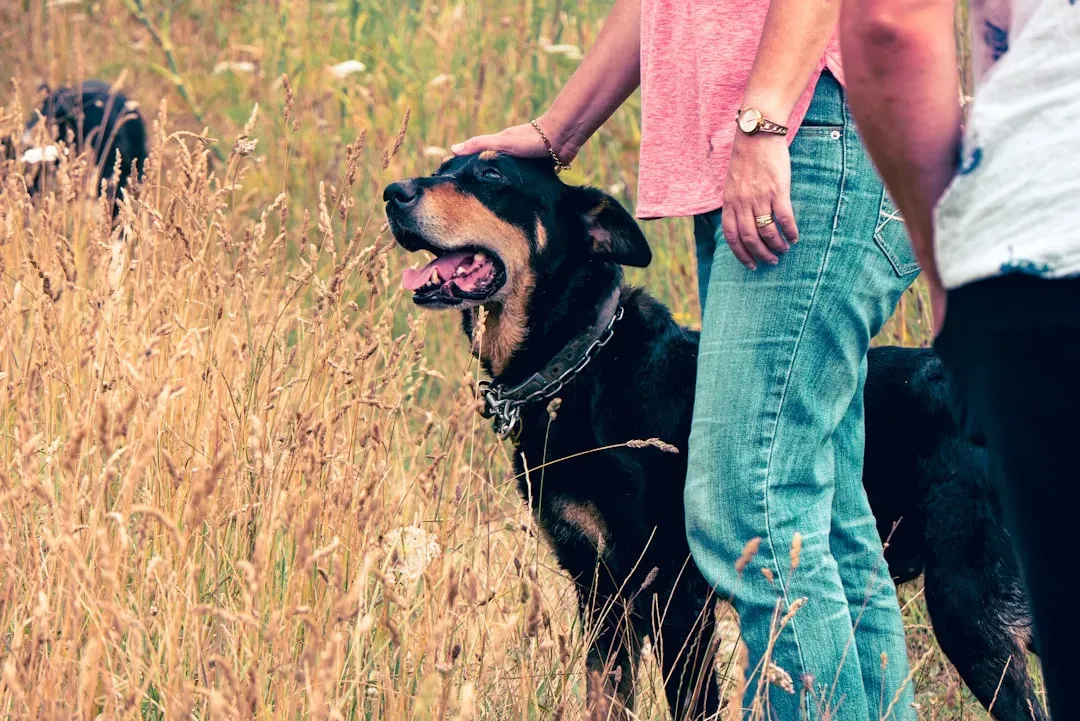
The truth is, these breeds aren’t difficult dogs. They’re specialized athletes and workers living in our modern homes, trying their best to adapt to lives vastly different from what they were bred for. Building a structured daily routine isn’t just about convenience for pet owners but improves a dog’s mental and emotional health, with consistent behaviors helping regulate energy, form bonds, and provide safety just like wild canines naturally establish.
When we provide structure, feeding at regular times, exercising consistently, training daily, we give these brilliant breeds what they’re desperately seeking: predictability and purpose. By creating predictable daily rhythms, you help your dog feel secure, calm, and ready to learn. It’s not about being rigid or inflexible. It’s about creating anchors in their day so they know what to expect.
These breeds will reward your consistency with loyalty, obedience, and joy. Without it, they’ll struggle, act out, and both of you will be frustrated. So what’s your routine with your dog? Are you giving them the structure they need to thrive? Share your experiences with us in the comments.