
North Dakota, Alabama and Idaho Rank Among Worst States for Animal Protection Laws, Organization Reveals
You’d think we’d all collectively figured out by now that animals deserve better than the bare minimum. Yet here we are in 2026, and a sobering new report reveals how far some states still have to go when it comes to protecting creatures who can’t speak for themselves. The gaps in legislation across the country are striking, and honestly, some of the findings might make you wonder what lawmakers were thinking. Let’s dive into what’s really going on.
The Rankings That Shocked Animal Advocates Nationwide
For the third consecutive year, Idaho ranks as the 48th worst state for animal protection laws according to the annual U.S. Animal Protection Laws Rankings Report published by the Animal Legal Defense Fund, the nation’s preeminent legal advocacy organization for animals. The report is the longest-running and most authoritative of its kind and assesses the relative strengths and weaknesses of each U.S. state and territory’s animal protection laws.
North Dakota is followed by Alabama (49), Idaho (48), Kentucky (47), and Mississippi (46) rounding out the states with the weakest animal protection laws. Oregon has claimed the top rank in animal protection laws for the second year in a row, followed by Massachusetts (2), Maine (3), Illinois (4), and Colorado (5), while North Dakota holds the bottom of the rankings in 50th place for the second year in a row. The 56 jurisdictions included in the 2024 U.S. Animal Protection Laws Rankings Report were numerically ranked based on their cumulative scores to 77 study questions covering 20 distinct animal protection laws categories.
Why North Dakota Landed Dead Last
North Dakota earned its lowest spot in the rankings because state lawmakers have yet to pass a number of important, and increasingly universal, protections. The failures stack up pretty quickly when you look closer. For example, North Dakota does not require that a person convicted of animal cruelty forfeit their animal, regardless of the extent of the cruelty, and it also does not have any possession ban law that would prohibit convicted abusers from possessing or residing with an animal for a set period of time.
Additionally, North Dakota does not have a law explicitly allowing animals to be included in domestic violence protection orders, nor does it have any law requiring or explicitly permitting social services workers to report suspected animal cruelty. It’s hard to say for sure, but these legislative blind spots seem almost deliberate at this point. The state appears stuck in the past while others sprint forward with reforms.
Alabama’s Troubling Penalties and Glaring Gaps
Alabama earned its 49th spot in the rankings because state lawmakers have yet to pass a number of important protections. For example, the maximum penalty for cockfighting under Alabama state law is a $50 fine. Let that sink in for a moment. A crime involving organized animal fighting carries roughly the price of a parking ticket in some cities.
Additionally, Alabama does not explicitly permit animals to be included in protection orders and does not require or explicitly permit social service workers to report suspected animal cruelty, despite the well-documented link between animal cruelty and domestic violence. A new trend highlighted in the report is laws including animal cruelty in definitions of coercive control, with abusers often threatening or harming companion animals as a way of controlling and intimidating their human victims. The state’s resistance to modernizing these laws feels frustrating given what we know about how abuse patterns escalate.
Idaho’s Persistent Problems and Stagnation
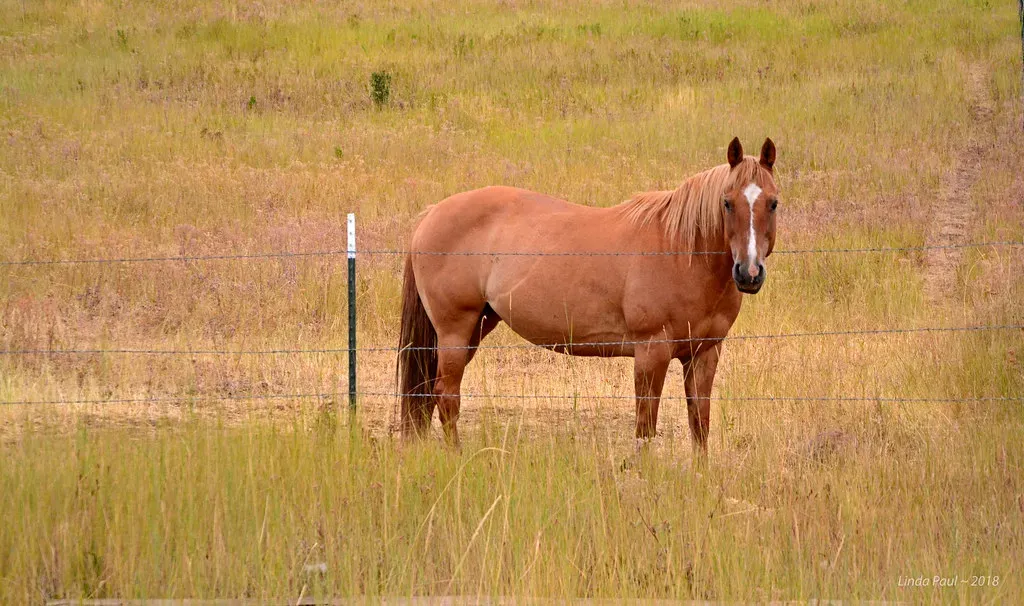
Despite the tireless efforts of on-the-ground advocates, Idaho has remained largely stagnant as other states have advanced. For three years in a row, Idaho has been nearly last on the list. This consistency in failure isn’t something to brush off lightly. Idaho earned its 48th spot in the rankings because state lawmakers have yet to pass a number of important protections. For example, Idaho does not have any law requiring veterinarians or social services workers to report suspected animal cruelty, despite the fact that those professions are more likely to encounter animal cruelty in their work.
Additionally, in Idaho even some of the most egregious animal cruelty offenses, such as torturing companion animals, are misdemeanors upon the person’s first conviction. It’s troubling that the state seems content to maintain the status quo while animal welfare advocates push for meaningful change. Progress happens when legislators actually listen, not when they stall year after year.
Emerging Legal Trends Across the Nation
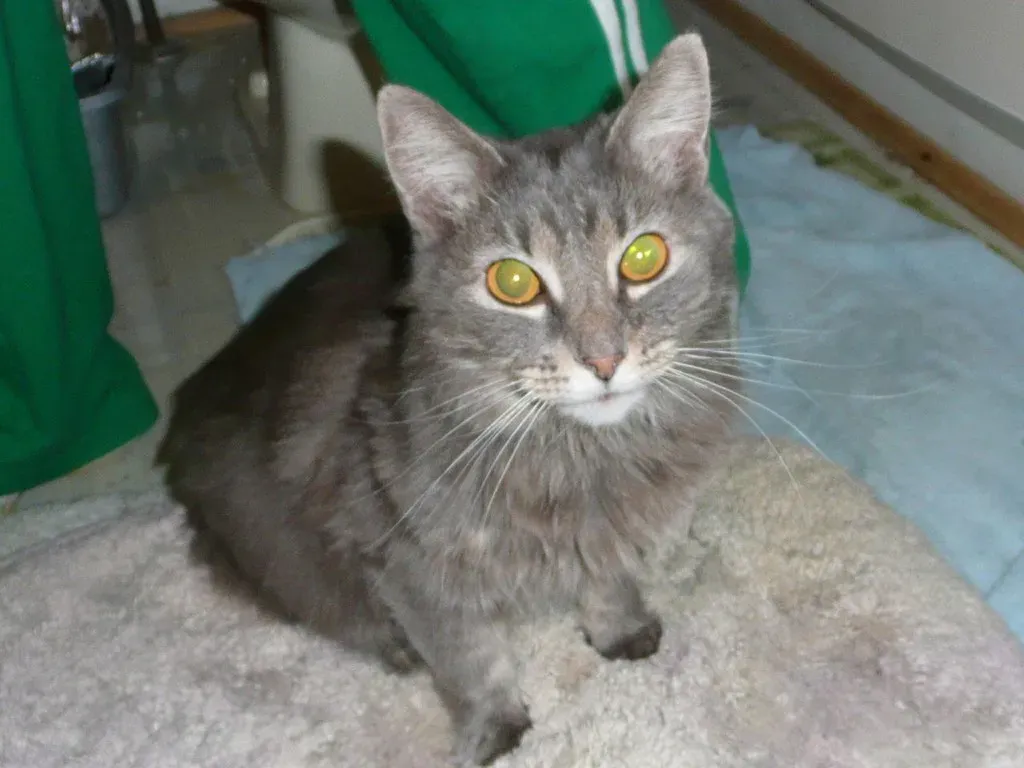
A new trend highlighted in the report is laws prohibiting declawing cats. Cat declawing, or onychectomy, is an invasive surgical procedure that involves amputating the last bone of each of the cat’s toes. When cats undergo declawing procedures, they suffer both physically and psychologically. The first state to ban cat declawing was New York in 2019. In 2025, the number of states banning cat declawing doubled, from three to six, with California, Massachusetts, and Rhode Island all enacting laws that year. Each of these six states, and the District of Columbia, now prohibit the unnecessary declawing of cats.
In 2024, four states – Colorado, Massachusetts, New Jersey, and Vermont – enacted laws adding animal cruelty to their definitions of coercive control. As of 2024, 14 states plus the District of Columbia include animal cruelty in their definitions of domestic violence. These shifts reflect a growing understanding that how we treat animals often mirrors broader patterns of violence and control in society.
Two Decades of Progress and What’s Changed

Since tracking began 20 years ago, there have been many advancements in animal protection law. Most notably, when the report was first developed, there weren’t any jurisdictions that explicitly permitted animals to be included in domestic violence protection orders. Now 42 states and two territories do so.
In 2005, there were only 21 states and one territory requiring or explicitly permitting veterinarians to report suspected animal cruelty. Now there are 44 states and two territories. Finally, the number of jurisdictions permitting courts to order possession bans, prohibiting convicted offenders from owning or possessing animals, has grown from 22 states and one territory in 2005 to 42 states and four territories. The trajectory is encouraging, showing that change is possible when pressure mounts and awareness spreads. Still, the holdouts look increasingly out of touch.
Final Thoughts on Accountability and the Road Ahead

Looking at these rankings, it’s impossible not to feel a mix of frustration and cautious optimism. States like Oregon and Massachusetts prove that comprehensive animal protection laws can exist when lawmakers prioritize them. Yet the persistence of North Dakota, Alabama, and Idaho at the bottom of these rankings year after year reveals a troubling indifference to basic animal welfare standards.
The connection between animal cruelty and human violence isn’t some fringe theory anymore. It’s backed by decades of research and real-world evidence. When states refuse to require forfeiture of animals from convicted abusers, decline to include pets in domestic violence protection orders, or slap minimal fines on horrific acts like animal fighting, they’re not just failing animals. They’re failing the communities and families who depend on strong protections across the board.
Honestly, I think the real question now isn’t whether these lagging states will catch up but when. Public awareness continues to grow, advocacy groups aren’t backing down, and the moral case for stronger protections becomes harder to ignore with each passing year. What do you think it’ll take for these states to finally step up? Tell us in the comments.