
Why Your Dog Follows You Everywhere: Exploring the Roots of Canine Devotion
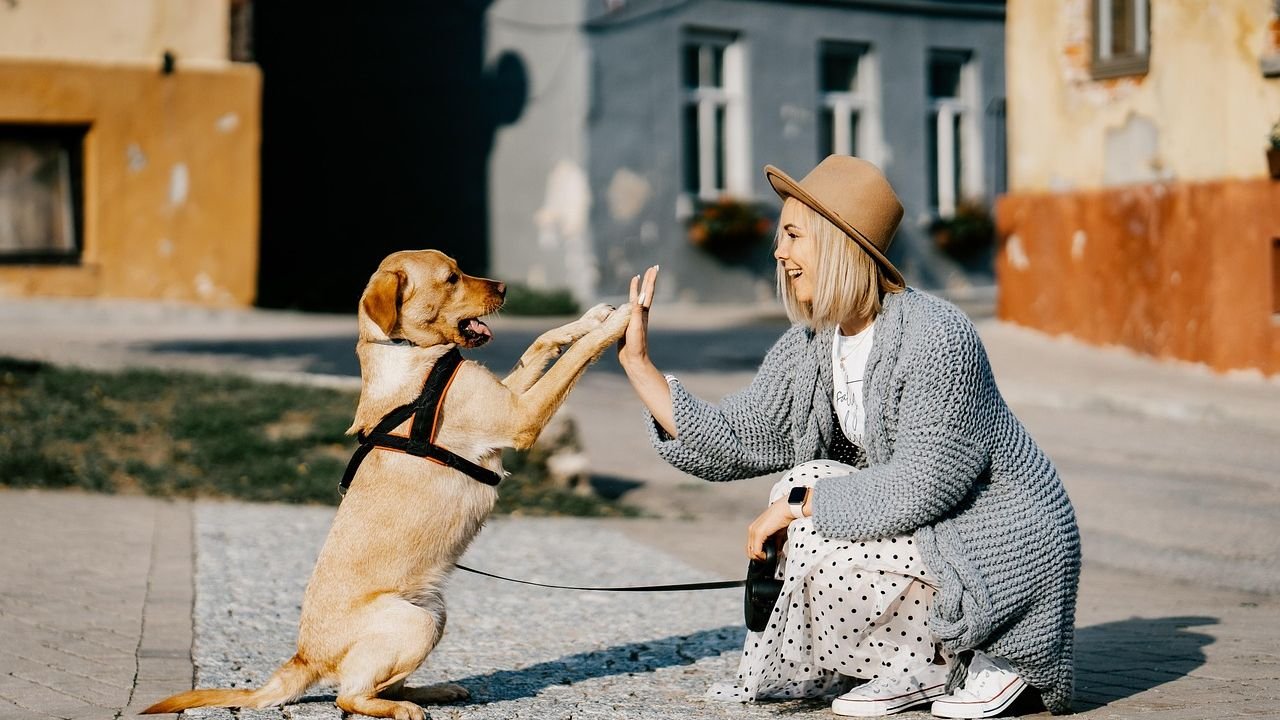
Have you ever opened the fridge only to find your dog sitting patiently at your feet, despite having just been snoozing peacefully on the couch three rooms away? Or perhaps you’ve noticed those familiar paws trailing behind you from the kitchen to the bedroom, the bathroom, and back again. This shadowing behavior, often endearing yet sometimes puzzling, is something countless dog parents experience daily. What drives our furry companions to become our four-legged shadows?
The answer is both beautifully simple and fascinatingly complex. It weaves together thousands of years of evolution, the deep emotional bonds we share with our dogs, and yes, sometimes a dash of anxiety or need mixed in. Let’s explore what’s really happening when your pup decides you’re never allowed a moment’s privacy.
Pack Instinct and Ancient Bonds That Still Echo Today
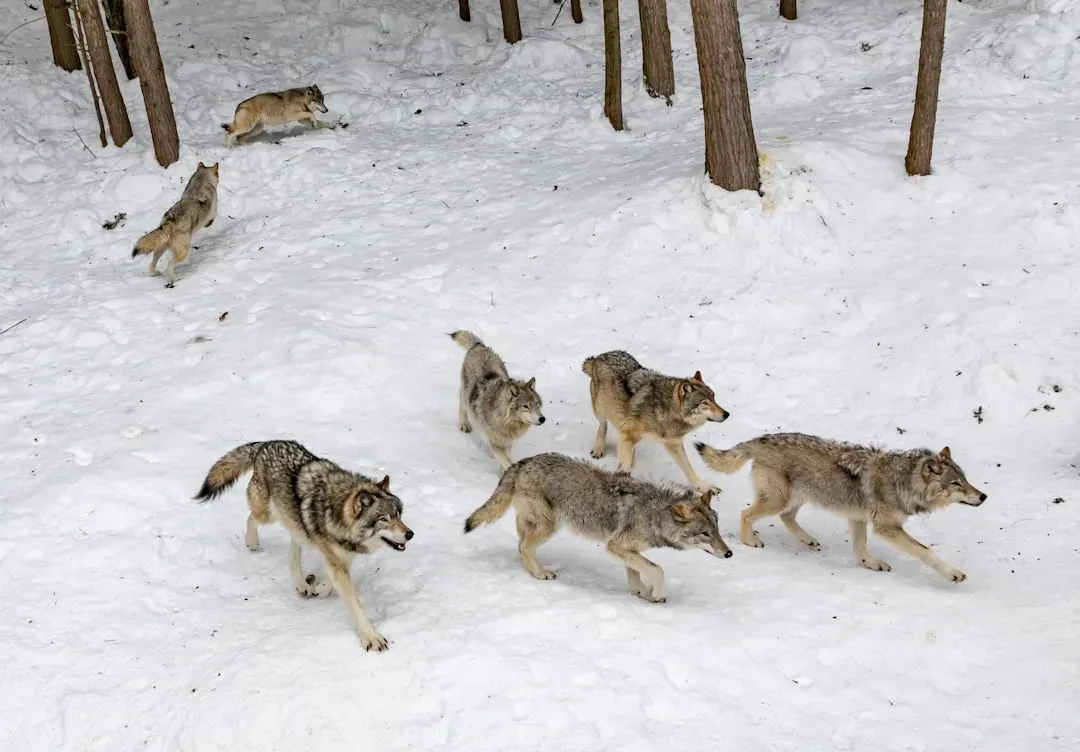
Here’s something fascinating: dogs are descended from wolves and are so closely related they can breed and produce fertile offspring. This isn’t just a fun fact from biology class. It’s the foundation for understanding why your dog acts like your personal bodyguard.
In the wild, wolves stick close to their pack, and the pack leader is the key to their survival. This pack mentality has been passed down to your domesticated doggo. Think about it: for thousands of years, a canine separated from the pack faced starvation or predators. Separation anxiety stems from a dog’s natural survival instinct to stay in close proximity to the pack. In the wild, a canine who is left alone is more likely to die, either from starvation or from attack.
When your dog follows you, they’re essentially treating you as the pack leader who provides food, safety, and direction. Following around the ‘alpha’ dog is a key survival instinct that comes from wolves travelling in packs. Your dog staying close to you means in their eyes, you are the leader. It’s one of the highest compliments your dog can give you, really.
The Science of Love: Oxytocin and Emotional Connection
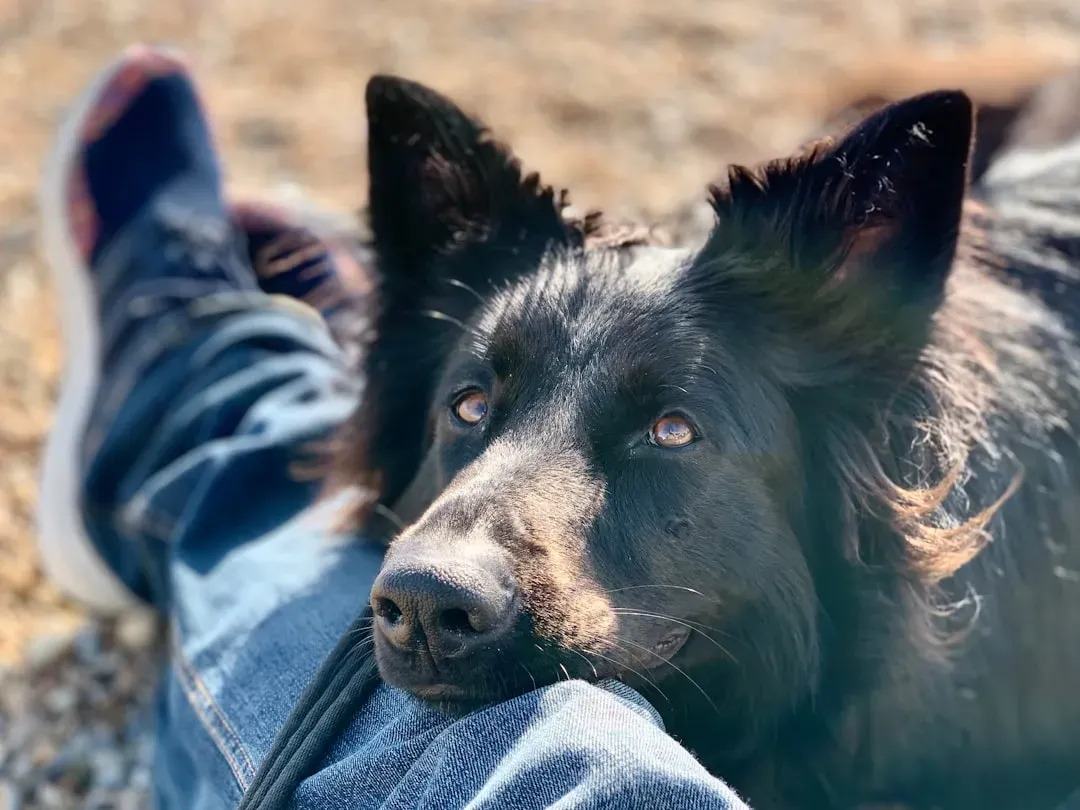
Let’s be real, dogs don’t just follow us out of some cold evolutionary calculation. They genuinely enjoy our company, and the science backs this up beautifully. Being close to their owner boosts a dog’s mood – cuddling, sitting up against you, licking and looking into your eyes actually releases oxytocin, the bonding hormone that increases trust. This is the same hormone that strengthens bonds between mothers and babies.
Thanks to 15,000 years of domestication, dogs’ attachment has shifted from other dogs to humans. That need for social contact can drive a dog’s desire to follow their owner wherever they go. A study in the journal Scientific Reports found that when dogs were shown photos of their caregivers, it activated parts of their brains associated with emotion and attachment in humans. Honestly, if that doesn’t make your heart melt, I don’t know what will.
Your pup isn’t just tagging along. When your dog follows you, they’re showing that they enjoy your company and feel secure with you. The silent dialogue of companionship plays out every time they pad along behind you.
Learned Behavior and the Power of Positive Reinforcement
Sometimes our dogs are brilliant little strategists. They’ve figured out that following us around often leads to something wonderful. Dogs are masters at picking up patterns and associations. When following you leads to rewards like treats, meals, walks, or attention, they quickly learn that shadowing you has positive outcomes.
Think about your morning routine. Does your dog follow you to the kitchen because they know breakfast is coming? Or maybe they trail behind when you grab your shoes because walks are about to happen. Lots of pets learn to clue in on daily routines, like the fact that they are fed or walked at certain times. What better way to make sure you don’t forget than to be right there and waiting?
We often reinforce this behavior without even realizing it. Every time you absentmindedly pet your dog while they’re following you, or slip them a treat while cooking, you’re teaching them that sticking close pays off. It’s worth noting though, this can become a cycle that’s hard to break if the behavior becomes excessive.
When Following Becomes Worrying: Recognizing Separation Anxiety
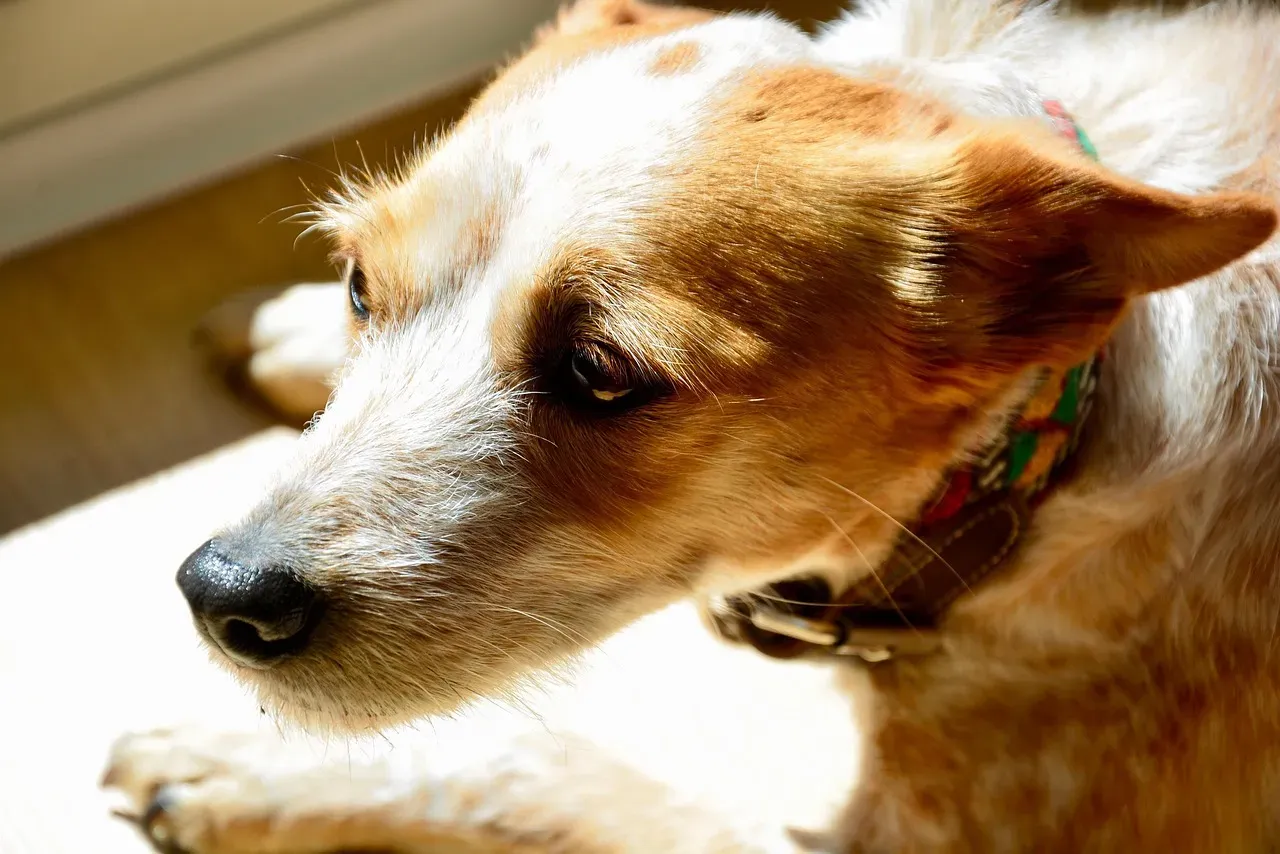
Following behavior certainly reflects a deep bond shared between pets and their parents. But it can also be a sign of anxiety and overdependence. There’s an important distinction here that every dog parent should understand. The big difference between separation anxiety and being a Velcro dog is anxiety itself. While Velcro dogs prefer to be glued to their owners, dogs with true separation anxiety actually panic when they’re away from their owners.
How do you tell the difference? Look at the intensity and what happens when you’re apart. Does your dog prefer to be with you or are they unable to be without you? If your dog becomes destructive, vocalizes excessively, or shows genuine distress when separated from you, that’s concerning. There’s a fine line between your dog following you around in a healthy, calm way, and separation anxiety. The latter means your pooch is distressed, and won’t let you out of their sight because they’re nervous and fearful of being alone without you.
Other signs to watch for include pacing, whining at doors, destructive behavior focused on exit points, or even self-injury from escape attempts. These behaviors need professional attention, not just patience and love.
Health Concerns and When to Call the Vet
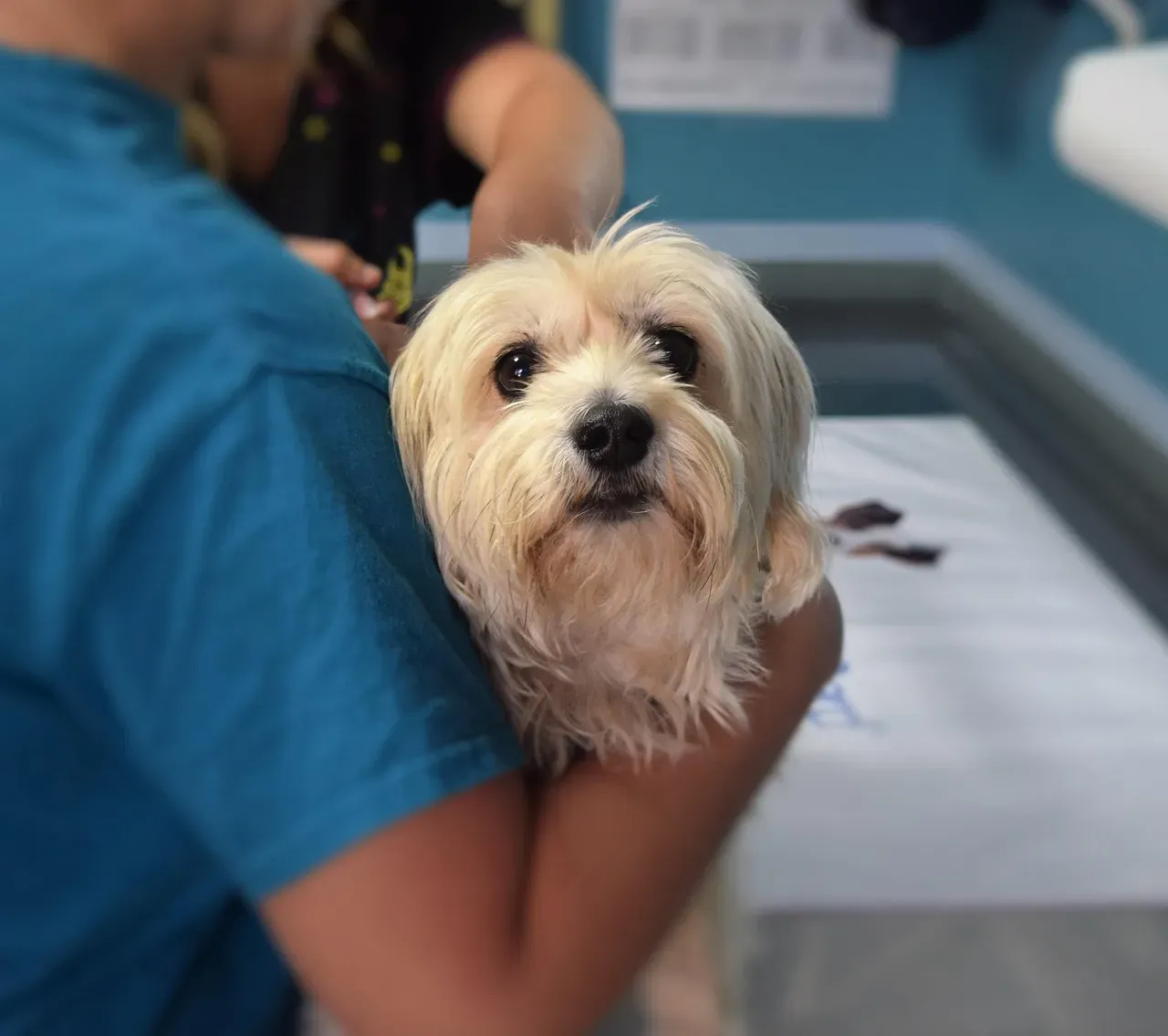
Sometimes a sudden change in following behavior isn’t about emotions at all. A dog that suddenly becomes very clingy may be suffering from a physical ailment and keeping you in reach for comfort. A checkup by the veterinarian is a good idea if this happens. This is especially true for senior dogs who might be experiencing age-related changes.
An older dog may be losing their sight or hearing. As a result, they may become more fearful of the environment and dependent on having you near. Pain from conditions like arthritis can also make dogs seek out their owners more frequently. They’re looking for comfort and reassurance when their world feels uncertain.
Occasionally, dogs will stick close to your side if they are nervous, frightened, uncertain of strangers, or not feeling well. This is especially common during thunderstorms and fireworks. If your previously independent dog suddenly becomes your shadow, don’t ignore it. Schedule a vet visit to rule out medical causes before assuming it’s purely behavioral.
Conclusion: Finding the Right Balance
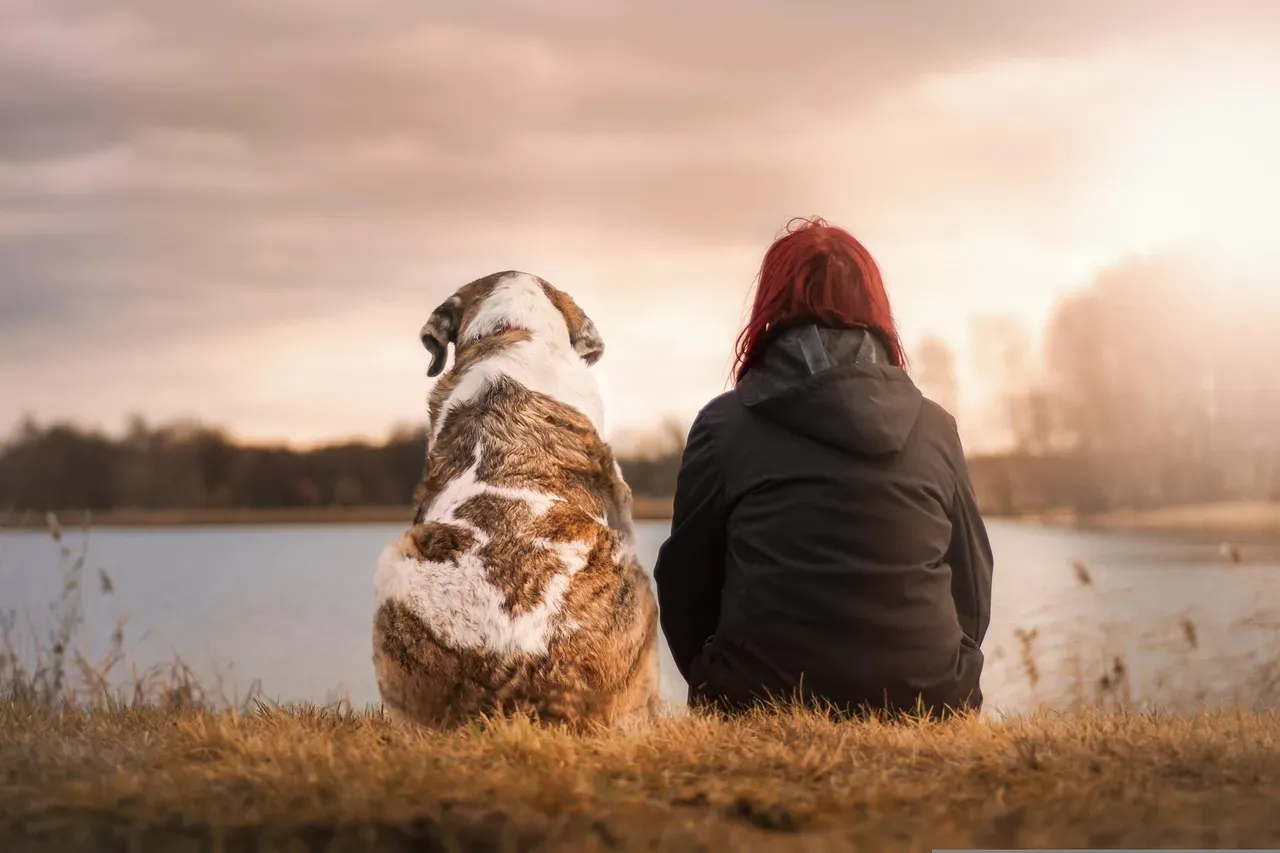
Your dog’s devotion, manifested through their constant companionship, is ultimately a testament to the incredible bond you’ve built together. It speaks to thousands of years of co-evolution, the chemical reactions that make love real and measurable, and the trust your dog places in you as their pack leader and protector.
The key is recognizing when this behavior is healthy affection versus when it signals anxiety or health concerns. A well-adjusted dog can enjoy your company without panicking when you’re apart. If you’re concerned about excessive clinginess, focus on building your dog’s confidence through gradual independence training, plenty of mental and physical exercise, and establishing routines that include healthy alone time.
What’s your experience with your shadow? Does your dog give you space, or are bathroom breaks a team sport in your house? Understanding the why behind the behavior helps us be better, more empathetic pet parents.