
Decoding the Whine: What Your Dog is Really Trying to Tell You
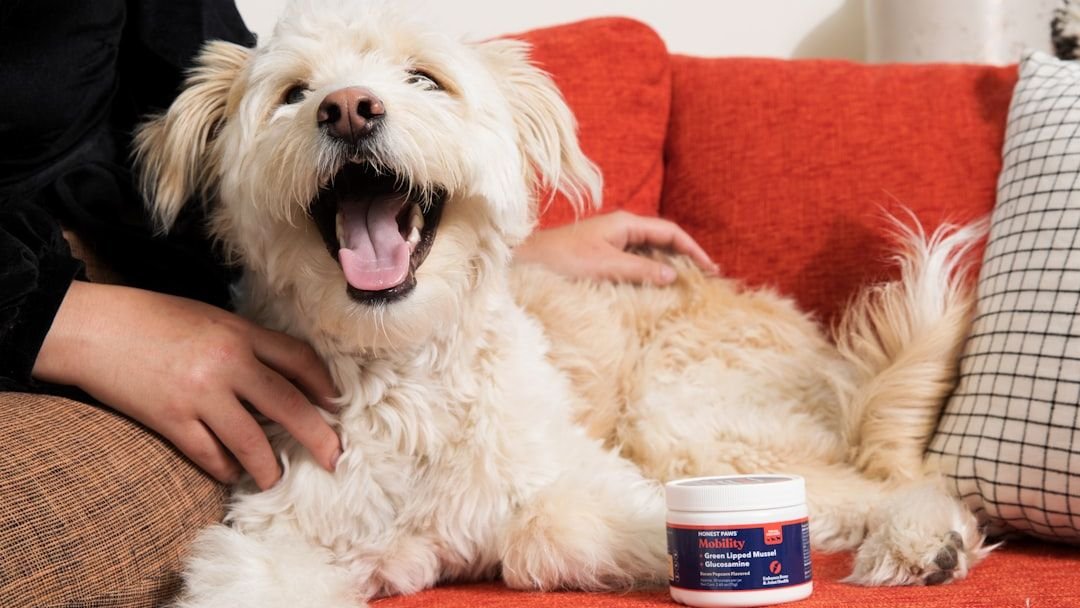
You know that sound. That high-pitched plea that makes your heart skip. Your dog stands there, eyes locked on yours, emitting a whine that somehow manages to be both heartbreaking and maddening at the same time. Is she hurt? Bored? Manipulating you for a treat?
Here’s the thing: whining is one of your dog’s most sophisticated communication tools, yet we often misread it completely. Whining is one of many forms of canine vocal communication. Think of it as their emotional vocabulary, a complex language that reveals everything from excitement to deep distress. Learning to decode those whines can transform your relationship with your furry friend, helping you respond with empathy instead of frustration. Let’s dive into what your dog is really trying to say when those unmistakable sounds start echoing through your home.
The Attention Seeker: When Your Dog Just Wants You

Let’s be real, sometimes your dog whines simply because they want your eyes on them. Dogs most commonly whine when they’re seeking attention, when they’re excited, when they’re anxious or when they’re trying to appease you. It’s like a toddler tugging at your sleeve during an important phone call. Your pup has learned that this particular sound gets results.
Dogs are highly perceptive and quickly learn that whining can garner attention. If they receive attention or rewards when they whine, they may continue the behaviour as a learned strategy to get what they want. Maybe you once gave in when they whined by the treat jar, and now they’ve filed that away as a winning tactic. Smart, right?
The trick is recognizing attention-seeking whining versus genuine need. Pay attention to body language. Is your dog relaxed, tail wagging, maybe even doing a little dance? That’s probably an attention grab. The key is rewarding quiet behavior instead of reinforcing the whining cycle. You need to reward your dog for being quiet. Teach your dog that she must always be quiet before receiving your attention, play or treats.
Honestly, I think we’ve all been guilty of giving in just to stop the noise. Still, consistency matters more than you might realize.
Pain and Discomfort: The Whine You Should Never Ignore
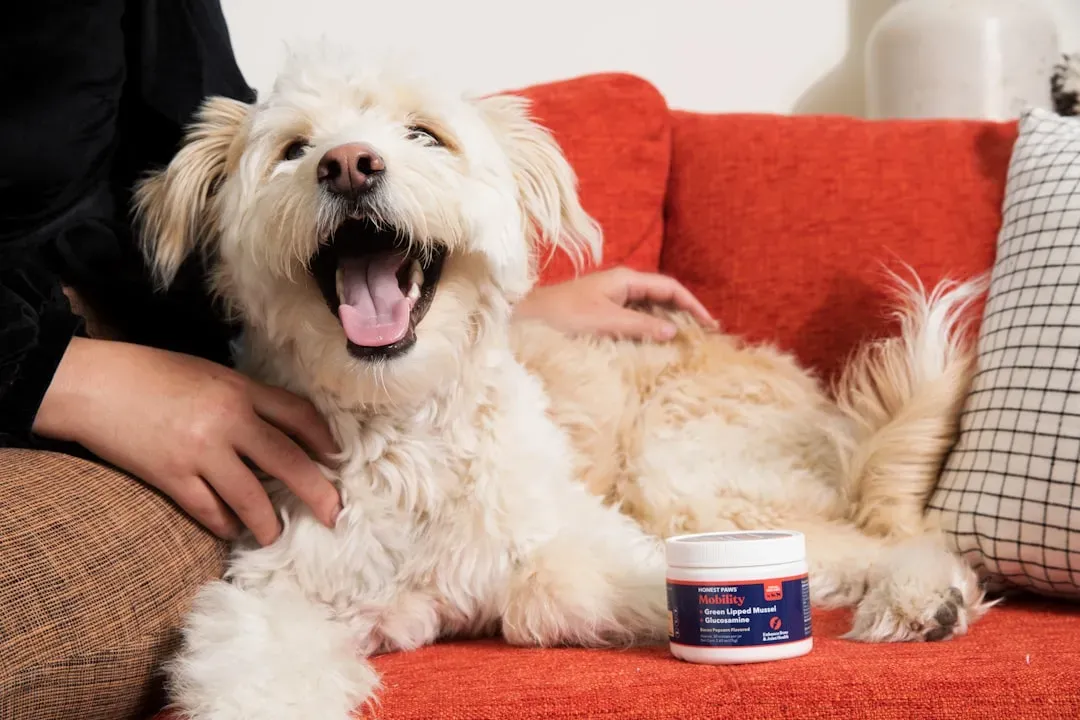
This one’s critical. Dogs often whine in response to pain or a painful condition. If you notice that your dog vocalizes frequently or has suddenly started to vocalize, it’s important to take her to the vet to rule out medical causes. When whining signals pain, it often comes with other clues like lethargy, limping, or changes in appetite.
Whining could be an indication that your dog is in some kind of physical distress. If they whine every time they try to go up the stairs or jump on the couch, your dog may have joint pain because of arthritis. Older dogs especially may vocalize more as their bodies age and joints become stiff. It’s their way of saying something hurts.
Watch for sudden changes in whining patterns. If your normally quiet dog starts vocalizing frequently, that’s a red flag. Pain-related whining is characteristically high-pitched and sudden, often accompanied by lethargy or loss of appetite, requiring immediate veterinary attention if these signs appear. Trust your gut on this one. You know your dog better than anyone, and if something feels off, it probably is.
Anxiety and Fear: The Emotional Whine
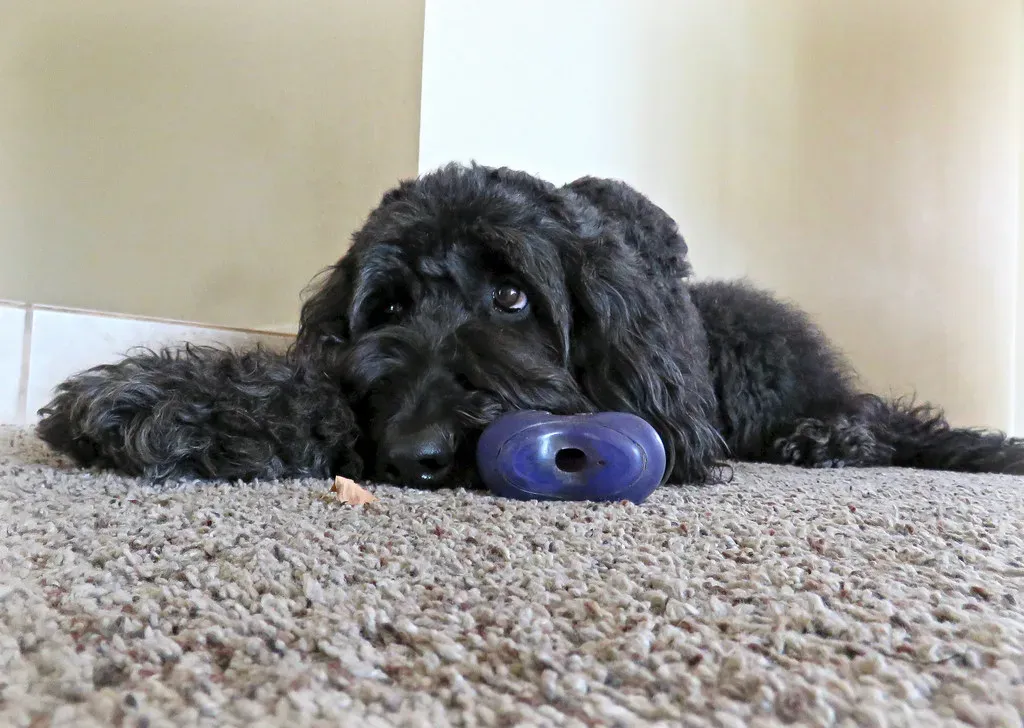
Whining can be your dog’s way of saying that they’re feeling scared or anxious. If your dog is also pacing, trembling, or panting while whining, they are likely fearful or anxious about something. Think thunderstorms, fireworks, or that scary vacuum cleaner. Dogs experience genuine fear, and whining is how they express it.
Anxious whining is usually accompanied by other nervous behaviors, such as pacing, circling and licking. Many anxious dogs do not seem able to control their whining when under extreme stress. Separation anxiety is particularly tough. Your dog may whine just as you’re grabbing your keys or putting on your coat because they’ve learned these cues mean you’re leaving.
Creating a safe space can help tremendously. Some dogs benefit from a cozy crate with a familiar blanket, soft music, or even calming supplements recommended by your vet. You can try to calm your fearful dog by giving them a safe spot to retreat to, talking calmly to them, and removing them from the situation. Socializing your pup can help them get accustomed to a lot of different situations that can help reduce fear. Remember, punishing anxious whining only makes things worse.
Excitement Overload: The Happy Whine
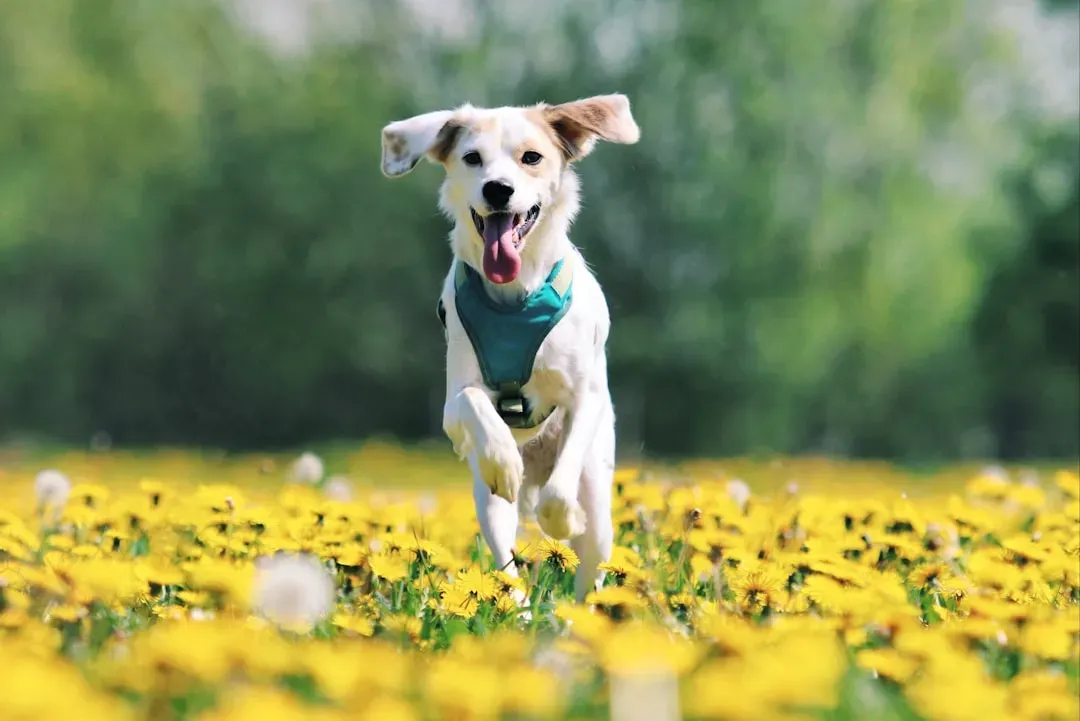
Not all whining signals distress. Some dogs whine simply because they’re excited or happy. This could be because they’re pleased to see you when you get home or they’re gearing up to play. You grab the leash, and suddenly your dog transforms into a whining, wiggling bundle of pure joy.
Most dogs whine when greeting people because they’re excited, and in an extremely aroused state, they may not have control over their behavior. It’s actually kind of endearing when you realize they’re just so overwhelmed with happiness that they can’t contain themselves. Think of it as the canine equivalent of squealing with delight.
However, if the excitement whining becomes excessive, you can manage it. Downplay greetings, keeping them short and simple. Avoid speaking in excited, loud tones, and keep your movements slow and calm. Wait to pet and interact with your dog until she’s less excited. Teaching alternate behaviors, like sitting for attention, gives your dog a more appropriate outlet for all that enthusiasm.
Basic Needs: The Practical Whine
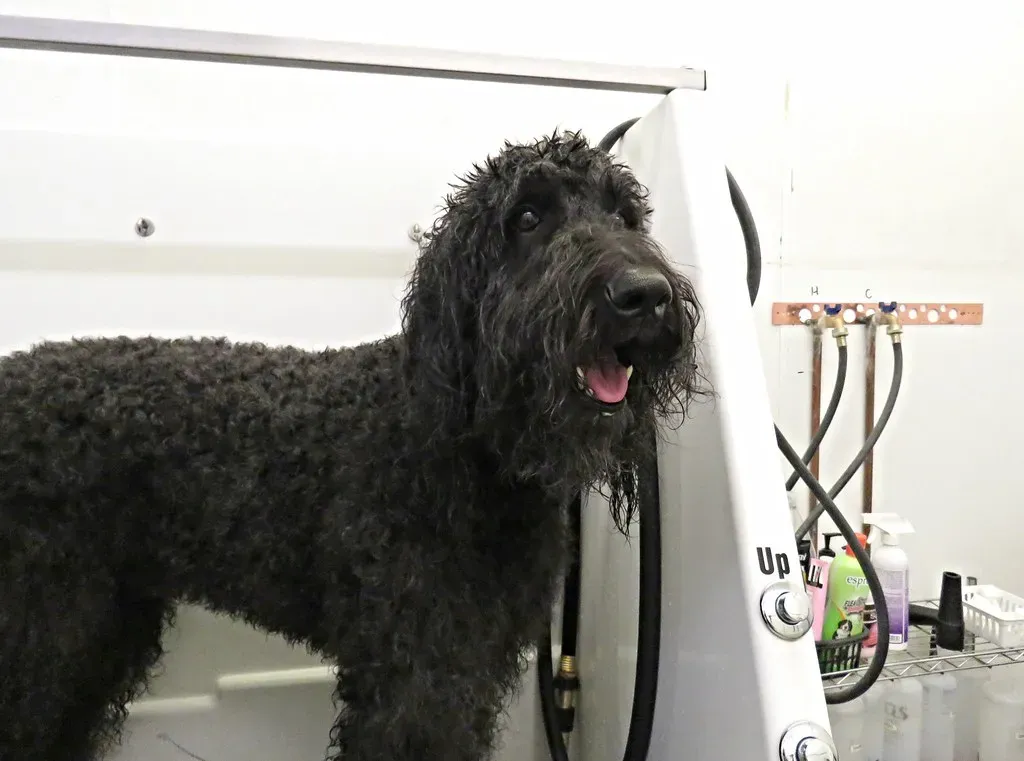
Sometimes the answer is beautifully simple. The most obvious reason your dog may be whining is that they need or want something from you, like food, water, or a walk. Maybe their favorite toy is stuck underneath the couch, or the cat is sleeping in their bed. Your dog is essentially saying, “Hey, human with thumbs, I need your help here.”
Watch where your dog goes when they whine. Are they standing by the door? Potty break needed. Staring at their empty water bowl? Thirsty pup. The whining should stop once you identify the problem and fix it. It’s actually pretty efficient communication when you think about it.
Boredom can cause whining and barking in dogs, as their pent-up energy needs somewhere to go. Boredom can be due to lack of physical exercise or missing enrichment and mental stimulation. Dogs are intelligent creatures who need both physical activity and mental challenges. A bored dog is a whiny dog. Puzzle toys, training sessions, sniff walks, and interactive play can work wonders for reducing need-based whining.
Conclusion: Becoming Fluent in Whine
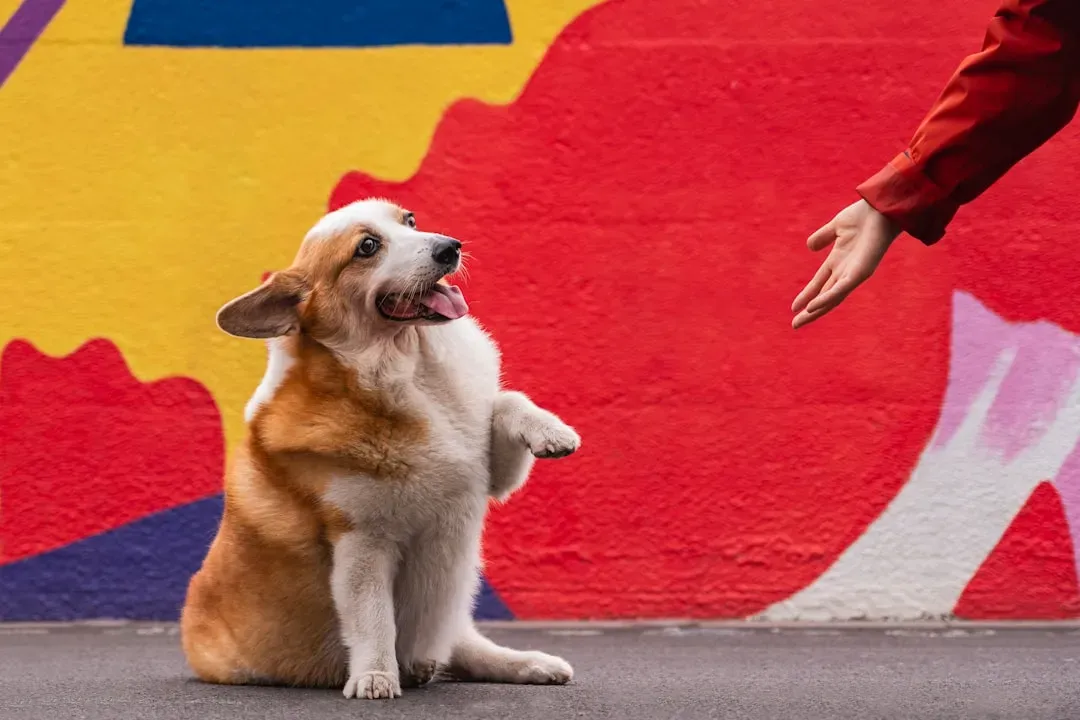
Deciphering your dog’s different whines is essential to the communication puzzle and gives you a leg up on canine communication. Every whine tells a story, whether it’s about joy, fear, pain, or simply needing a bathroom break. The more you pay attention to context, body language, and patterns, the better you’ll become at understanding what your furry companion is trying to say.
These specific vocalizations are another piece of the communication puzzle that can bring us closer to our pups when we are willing to crack the whining code. You can help your dog overcome the root cause of their discomforts with patience and empathy. Remember, whining is never without reason. It’s your dog’s voice, and learning to listen makes you a better guardian and friend.
What’s your dog trying to tell you today? Pay attention, respond with love, and never hesitate to consult your vet if something feels off. Your dog is counting on you to understand.