
These Dog Breeds Are Perfect for Cancer Owners Seeking Unconditional Comfort (And These Demand Too Much)

When you’re fighting cancer, every single day can feel like a mountain you didn’t ask to climb. Treatment schedules blur together. Exhaustion sets in. Loneliness sneaks up on you, even in crowded rooms. That’s where a dog can step in and change everything.
There’s something deeply healing about a warm, furry presence that doesn’t ask questions, doesn’t judge, and doesn’t leave your side when you’re feeling at your worst. Emotional support animals can help patients lower blood pressure and stress simply by being present together. For many people going through cancer, a dog isn’t just a pet. It’s a lifeline.
Still, not every breed is built for this role. Some dogs thrive on calm companionship and gentle routines. Others crave constant activity, intense exercise, and endless mental stimulation. Choosing wisely can mean the difference between gaining a source of comfort or adding more stress to an already overwhelming situation.
Why the Right Dog Matters More Than You Think
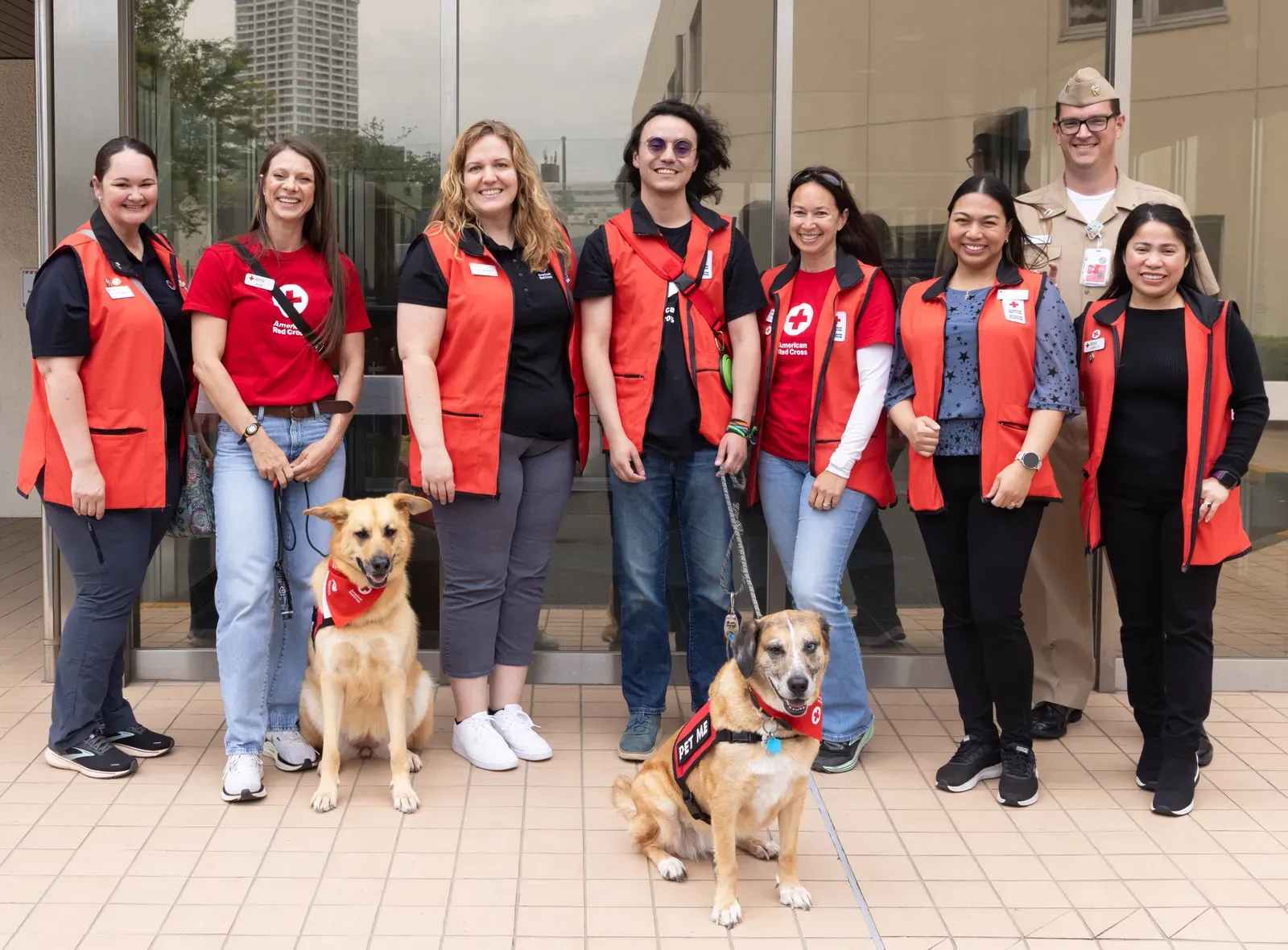
Let’s be real. Cancer treatment isn’t a sprint. It’s a marathon you never trained for. If you can’t be as active through lung cancer treatment, a calm or low-energy dog might be better. You’ll have days where getting off the couch feels impossible. Days where even brushing your own hair seems like too much.
Spending time with a therapy dog has been shown to help lower blood pressure and stress levels. It’s not just about feeling better emotionally. Research shows that interacting with dogs can trigger real, measurable changes in your body. Studies show that the presence of a support animal can reduce stress hormones like cortisol and increase the production of oxytocin, a hormone linked to bonding and emotional well-being.
Think of it like this: your immune system is already working overtime. Your body is in survival mode. The last thing you need is a dog that pulls on the leash, tears up furniture when bored, or barks at every shadow. Dogs need plenty of open spaces and regular exercise, or they might become destructive. What you need is a companion who understands stillness, who brings peace instead of chaos.
The Calm, Comforting Breeds That Fit Your Life Right Now

Some of the best dog breeds for emotional support for cancer patients include Labrador Retrievers, Golden Retrievers, Cavalier King Charles Spaniels, Poodles, and Bichon Frises. These breeds have earned their reputation for good reason. They’re gentle souls who seem to sense when you’re hurting.
Cavalier King Charles Spaniels are basically lap-sized bundles of empathy. They don’t need marathon walks or complicated training routines. They just want to be near you. Honestly, that’s their whole life mission. A Cavalier King Charles Spaniel will be happy to curl up on your lap, only requiring short walks or a run around in the garden.
Golden Retrievers and Labradors bring a different kind of magic. Larger, yes, but incredibly intuitive. These dogs are incredibly empathetic, often picking up on and responding to their owner’s emotions, which aligns with the Cancer’s empathetic nature. They’re also commonly used as therapy dogs in hospitals because of their calm temperaments. The most common ones include golden retrievers, poodles, dachshunds, pugs and Labradors.
Bichon Frises and Poodles are fantastic for people with allergies or anyone who can’t handle heavy shedding during treatment. They’re smart, loving, and adaptable. Plus, they’re small enough to maneuver around medical equipment if needed, which might sound silly until you actually experience it.
The High-Maintenance Breeds You Probably Should Skip Right Now
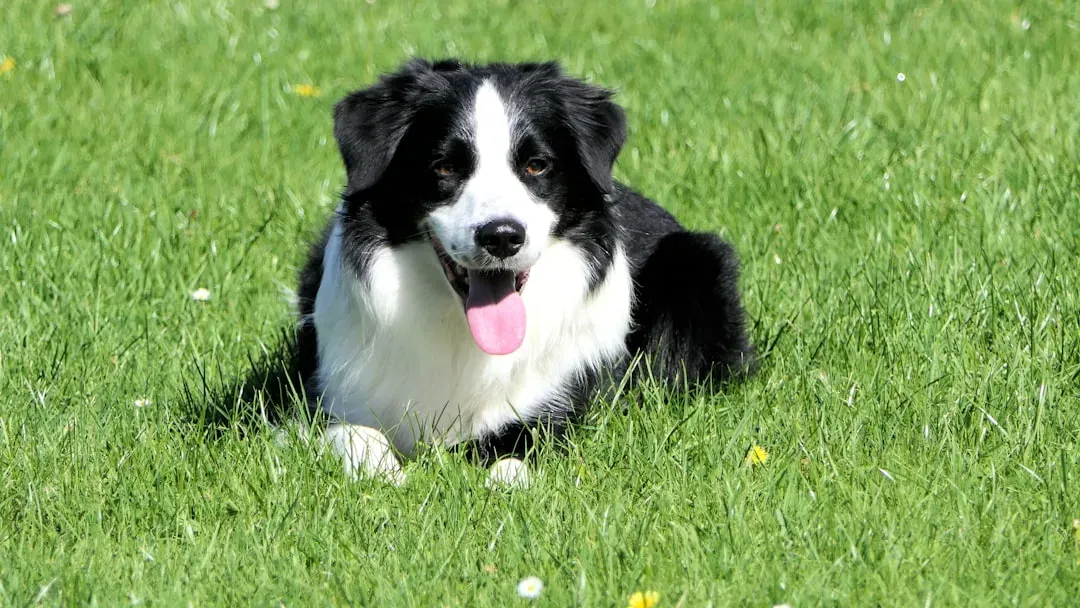
Here’s the thing nobody tells you: some dog breeds are wonderful, loyal, loving animals who are absolutely the wrong choice when you’re fighting cancer. I’m not saying these dogs are bad. They’re just demanding in ways that don’t match what you’re going through.
Border Collies, for instance, are brilliant. Too brilliant, sometimes. They need constant mental stimulation, complex tasks, and hours of exercise daily. Without that, they get anxious, destructive, and honestly miserable. If you prefer a relaxed lifestyle, an energetic breed might not be a good option. Imagine trying to keep up with that while managing chemotherapy side effects. Not happening.
Huskies are another breed that looks amazing in photos but requires an athletic owner who can handle their stubborn streak and endless energy. They’re bred to run for miles in harsh climates. They howl. They escape. They need firm training and lots of activity. Labradors tends to know the limits and display ample affection. Huskies? Not so much.
German Shepherds and Rottweilers are incredibly loyal and protective, but they demand consistent training, socialization, and physical challenges. They’re working dogs at heart. Without proper engagement, they can become anxious or overly protective, which adds stress instead of reducing it. Plus, both breeds are unfortunately prone to certain cancers themselves, which is a heartbreaking irony worth considering.
Jack Russell Terriers pack enormous personality into a tiny body. They’re fearless, energetic, and relentless. These little guys were bred to hunt and chase, and they never really turn that off. They need active owners who can match their intensity. If you’re exhausted from treatment, a Jack Russell will run circles around you – literally.
What to Look For When You’re Too Tired to Look

It is important to consider temperament when adopting a dog for emotional support. Forget about what’s trendy or what your neighbor has. Focus on what fits your actual day-to-day reality. Can you walk a dog for thirty minutes? Or are ten-minute strolls your current max? Be honest with yourself.
When choosing an ESA, look for an animal that is calm and easy to control. Animals that are likely to get upset or are hard to control around other people will probably not be a good choice. You’ll likely have doctor appointments, infusion centers, and medical visits where having a calm, predictable companion matters. Some facilities allow emotional support animals. ESAs might be allowed to go with their owners into some health care settings.
Size matters, too. Smaller breeds are easier to lift if needed, take up less space on furniture when you’re resting together, and generally require less food and fewer resources. Small dogs are easier to handle and care for, especially for those with limited mobility or strength. That said, medium-sized dogs like Cocker Spaniels or Whippets can also work beautifully if you have the space and energy.
Think about grooming, too. Some breeds need professional grooming every few weeks. Others shed constantly. During cancer treatment, when your immune system might be compromised, you want something manageable. One thing that must be considered while adopting a pet dog for seniors is that the dog should require minimal grooming and maintenance needs, so that it does not become a burden for the elderly at a time when they need support themselves.
Real Talk About Getting a Dog During Treatment
Do you have the time, money, and energy to care for a pet? Can you get help caring for one? These aren’t fun questions, but they’re essential. Cancer treatment is expensive. So is pet ownership. Vet bills, food, grooming, unexpected emergencies – it adds up fast.
If you’re going through treatment solo or your support system is already stretched thin, think about adopting an adult dog instead of a puppy. Puppies are adorable chaos agents who need training, socialization, and seemingly infinite patience. Adult dogs, especially those from rescues, often come house-trained and calmer. Adult dogs are often calmer and already trained, making them easier to manage.
Consider reaching out to therapy dog organizations or facilities that bring dogs to cancer centers. If you can’t or don’t want to adopt a support animal, ask your doctors about pet therapy. Many hospitals have pet therapy programs where animals will visit cancer patients to cheer them up and relieve stress. Sometimes regular visits from a trained therapy dog can provide comfort without the full-time responsibility.
Also, don’t ignore allergies or family concerns. A pet allergy can cause coughing, a runny nose, nasal congestion, and sneezing. When you’re already dealing with breathing issues or immune challenges, adding allergens into your home isn’t smart. Talk to your oncology team before bringing a dog into your life. They understand your specific situation better than anyone.
Conclusion
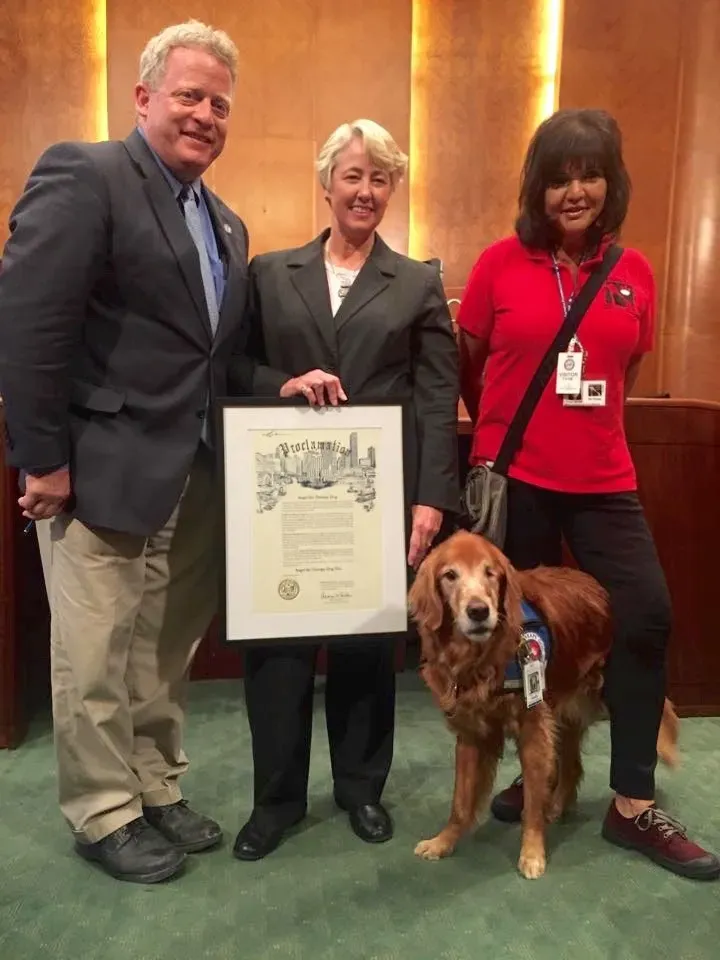
Support animals are not just companions – they are partners in healing. Their presence has been shown to improve quality of life, promote mental health, and offer cancerpatients a renewed sense of hope and resilience. Choosing the right dog during cancer treatment isn’t about finding the perfect breed. It’s about finding the right match for where you are right now.
A calm, gentle Cavalier who curls up beside you during rough days. A loyal Labrador who somehow knows when you need a nudge to get outside. A sweet Bichon who doesn’t shed all over your already-exhausted body. These dogs won’t cure cancer. They can’t take away the pain or fear. Yet they offer something medicine sometimes can’t: unconditional presence.
Meanwhile, high-energy breeds that need constant stimulation, intensive training, or athletic owners simply don’t fit this chapter of your life. That doesn’t make them bad dogs. It makes them the wrong dogs for right now. What do you think? Have you found comfort in a furry friend during your own health journey?