
The Unspoken Rules of Canine Social Circles: What Your Dog Wishes You Knew About Park Etiquette

Picture this. You’re standing at the dog park entrance, hand on the gate, heart full of excitement for your pup’s big adventure. Your dog is pulling on the leash, eager to join the chaos of barking, running, and tail-wagging inside. You unclasp the gate, release your dog, and within seconds you’re watching what looks like complete mayhem.
Dogs are watchers, not listeners like we are. They’re having entire conversations with their bodies that we miss while we’re scrolling through our phones or chatting with other owners. It’s a bit humbling, really. Our dogs are navigating an intricate social world with rules we barely understand, and honestly, we could be doing so much better by them. Let me walk you through what your dog desperately wishes you knew.
Reading the Room Before You Enter
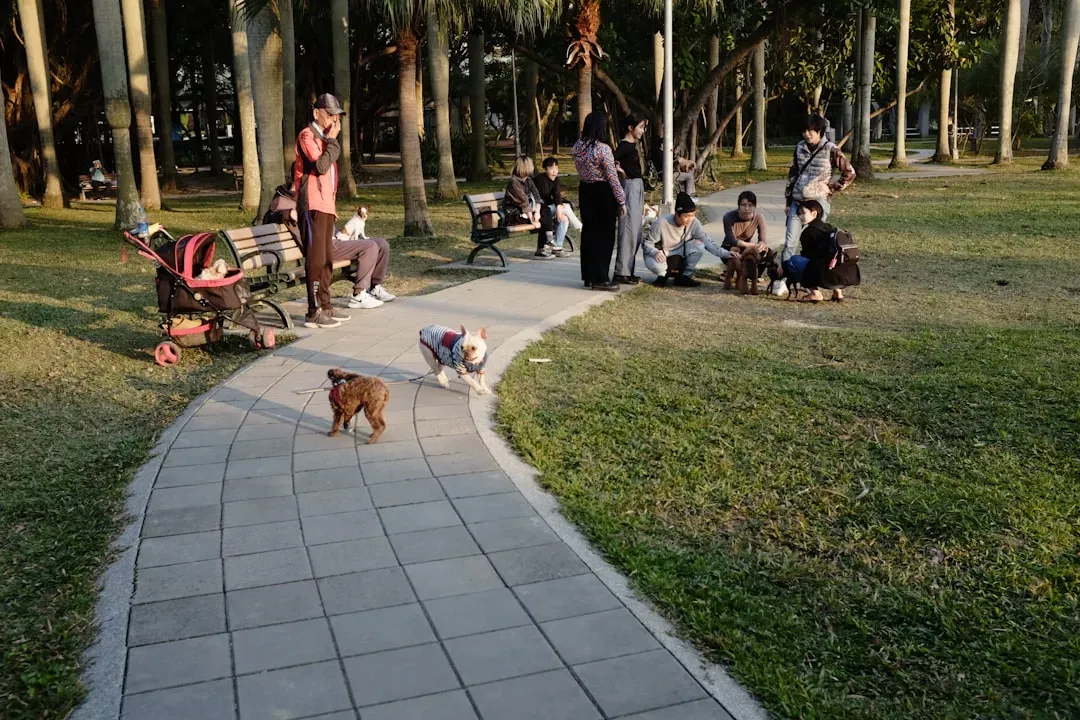
If a bunch of dogs rush the entrance every time a new dog joins the group, wait calmly for them to disperse before bringing your dog inside. Think of it like walking into a party where everyone swarms you at the door. Overwhelming, right? Your dog feels the same way.
Prior to taking your dog to the dog park, it’s a good idea to visit the park first without your dog. Become familiar with the layout, park rules, cleanliness, and the behavior of the dogs and people at the park. Take note of which day or time might work best for you and your dog, especially for those first few visits. Scout it out like you’re planning a heist. Notice which dogs are playing too rough, which owners are actually paying attention, and whether the vibe feels safe or chaotic.
Dogs don’t like large groups of other dogs coming at them. Avoid lingering near the entrance when new dogs are entering. Once you’re inside with your pup, move away from that gate quickly. Standing there creates a bottleneck of energy and stress that can escalate fast.
The Leash Situation Nobody Talks About
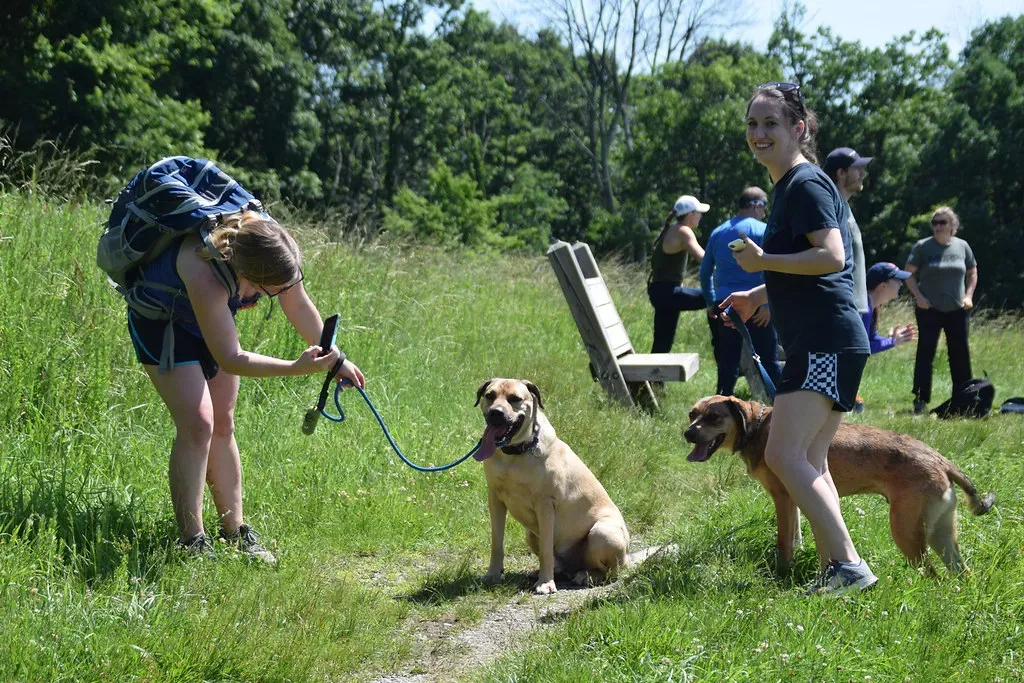
Here’s something that surprises a lot of people. The presence of a leash can be a major stressor. It prevents them from moving away from other animals and can result in a feeling of being trapped, which can lead to aggressive or defensive behavior. Your dog can’t use their natural escape routes when they’re tethered to you.
Most parks have two gates with an entry way in between them. Remove your dog’s leash between the first and second gate. Your dog can feel confined if he’s still on leash when the other dogs aren’t. This buffer zone exists for a reason. Use it wisely.
If you’re nervous about letting go of that leash, I get it. There’s vulnerability in watching your dog navigate the world without your direct control. That’s exactly why proper recall training matters so much before you ever set foot in an off-leash environment.
Decoding What Dogs Are Actually Saying
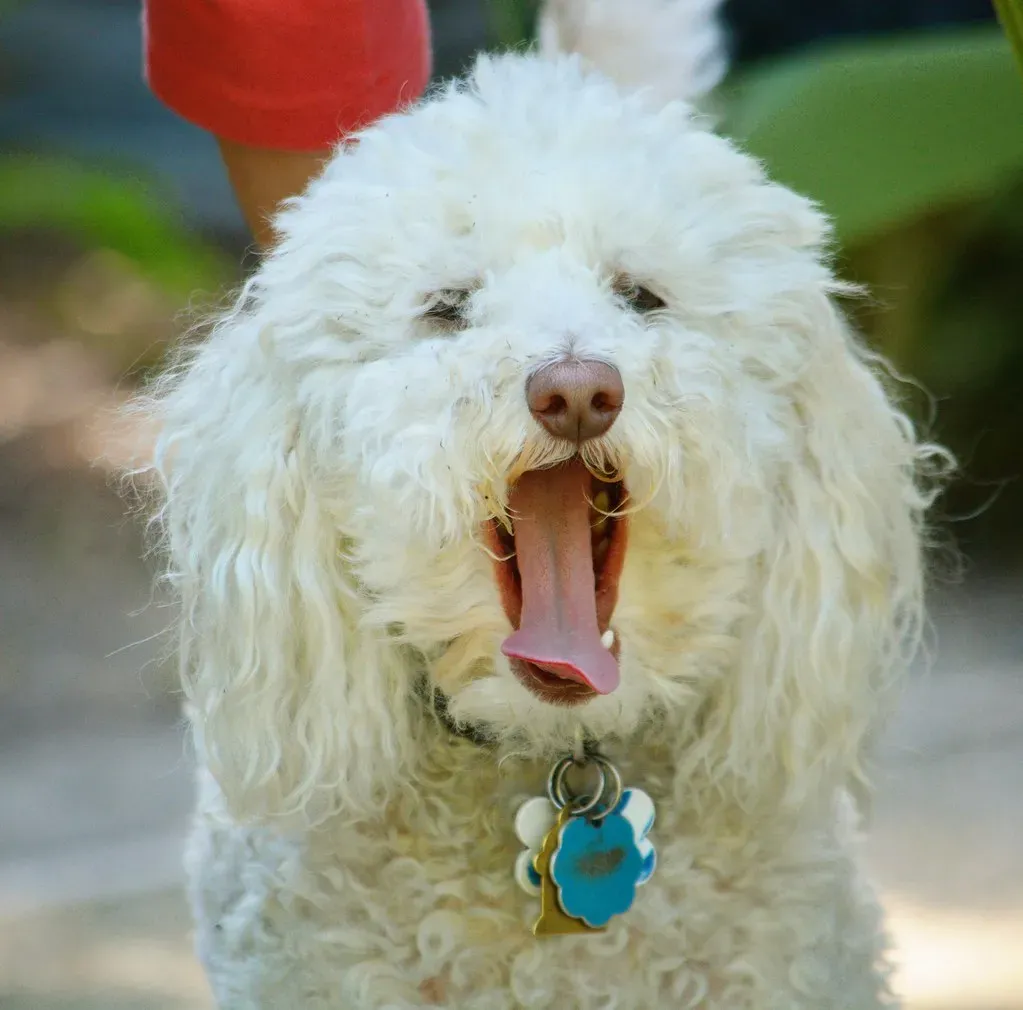
Dogs yawn when they’re stressed. Dogs use yawning to calm themselves in tense situations and to calm others, including their owners. So that big yawn you thought was adorable? Your dog might be telling you they’re uncomfortable.
Monitor your dog for signs of stress, such as shaking off when not wet, yawning when not tired, sniffing the ground or eating grass when a dog or human looks at or speaks with them, or avoiding other dogs or humans. These subtle signals are your dog’s way of saying they need a break or that the situation feels tense. Similar to shaking off water from the pool, dogs also give a shake to reduce tension or stress from their bodies.
Look at the whole picture. No dog body language signals act alone. They’re all part of a package. When you read a dog’s communication, look at every signal the dog is using from the tail height to the eye shape. A wagging tail doesn’t automatically mean happiness, especially if the body is stiff and the ears are pinned back.
Understanding Play Styles and Compatibility
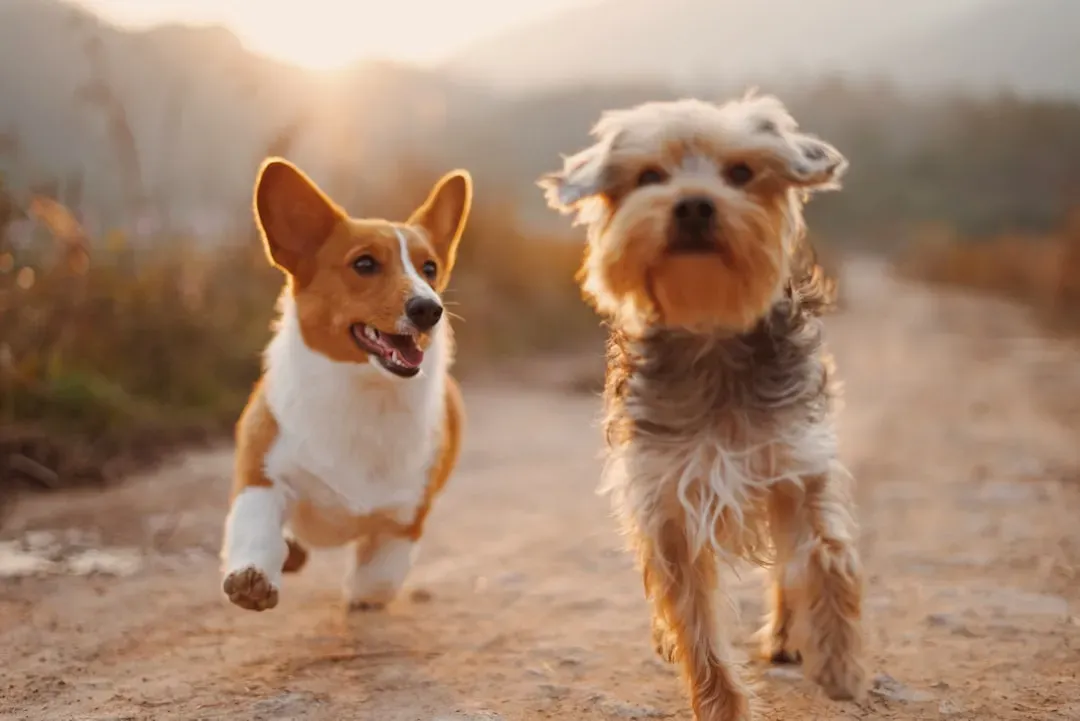
Not every dog plays the same way, and that’s completely normal. Successful canine friendships are often based on compatible play styles, since dogs naturally prefer to hang out with other dogs who share their idea of fun. Some dogs are wrestlers who love full-body contact and mock battles. Others are chasers who want endless games of tag.
The answer as to whether play is too rough rests more with the compatibility of the animals’ play styles, comfort levels, and size than it does with the vigor of the play. Although most day cares and dog parks use size as the primary criteria when grouping dogs, size is only a secondary criteria, because many small dogs actually enjoy playing with larger dogs if the styles match.
Happy, well-matched dogs will take turns, it shouldn’t look like one dog is always winning. Having said that, some submissive dogs actually like spending more than their fair share of time on the bottom. You need to know your own dog’s preferences and comfort level. If your pup consistently looks uncomfortable or keeps trying to escape certain playmates, intervene. Trust what you’re seeing.
Your Job as the Guardian and Advocate
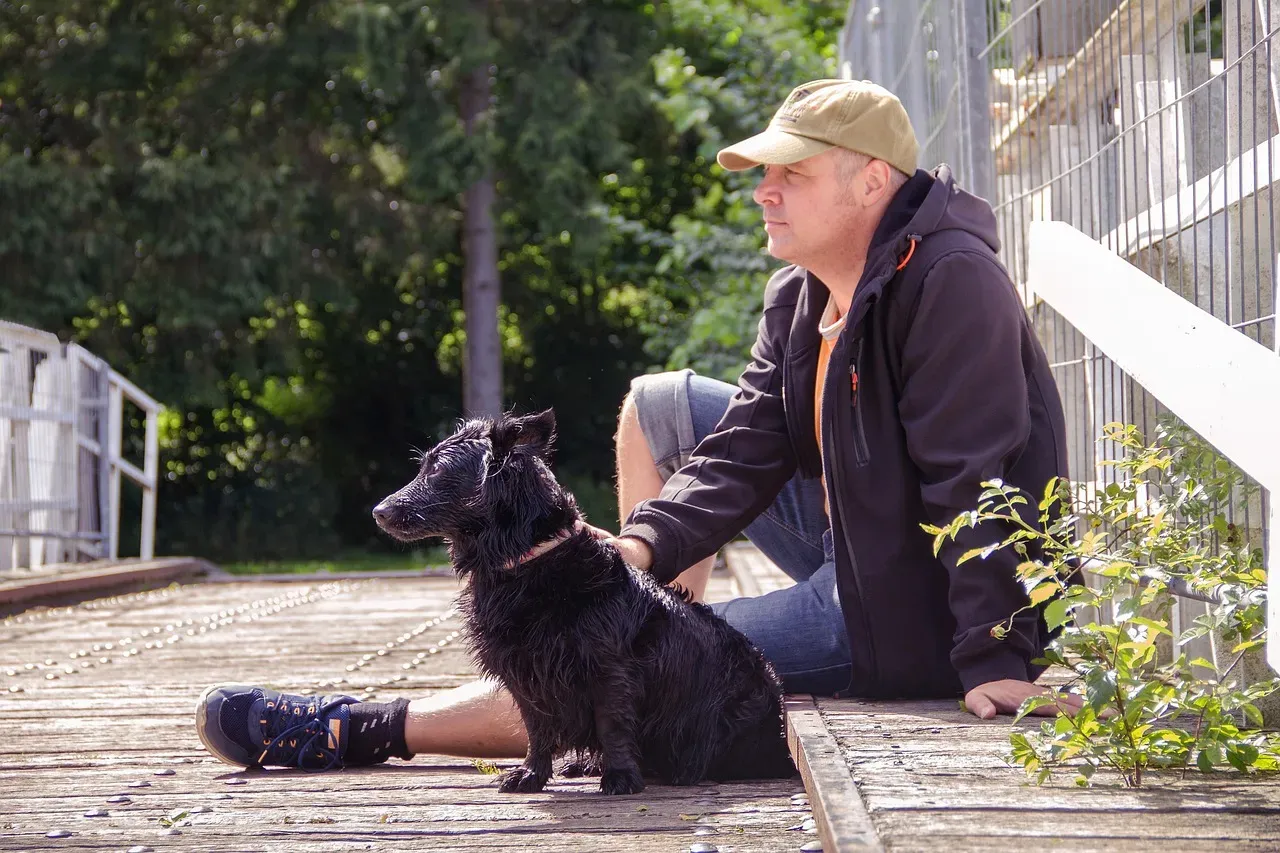
One of the most important pieces of etiquette is be present. Watch for what your dog is communicating, and watch what how other dogs are communicating. Put your phone away. I know we all want to capture that perfect Instagram moment, but your attention could prevent a traumatic experience or injury.
Keep a sharp eye on your pooch at the same time. If you see a lot of people standing around and talking or even just looking at their phones, proceed with caution. They could be missing warning signs that play is getting too rambunctious or specific dogs might not be getting along. You’re not just responsible for your own dog. The whole park environment depends on everyone doing their part.
Never bring food or treats into the dog park. The presence of food can upset other dogs. It can activate resource-guarding behaviors in your dog or other dogs, which can lead to conflict. Even if your dog is perfectly fine with sharing, another dog might not be, and suddenly you’ve created a dangerous situation.
Conclusion
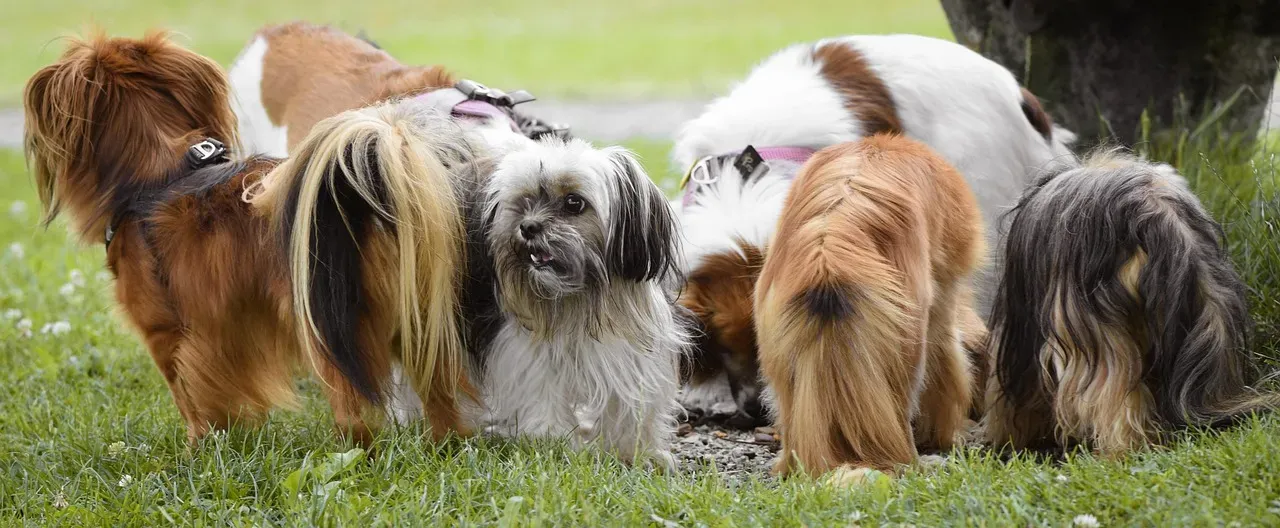
The dog park should be a place of joy, exercise, and healthy socialization. When we take the time to truly understand what our dogs are experiencing and communicating, we become better advocates for their wellbeing. Reading, understanding and responding to your dog’s body language is a key part of the companion-to-owner relationship. By understanding their cues and appropriately advocating for your dog, owners can continue to ensure their dogs remain happy, comfortable and safe.
Not every dog is meant for the dog park, and that’s perfectly okay. Some dogs thrive in quieter one-on-one playdates or peaceful walks through nature. The goal isn’t to force your dog into a social situation they find stressful. The goal is to honor who they are and give them the best possible life. What’s your dog telling you about their social needs? Are you truly listening?