
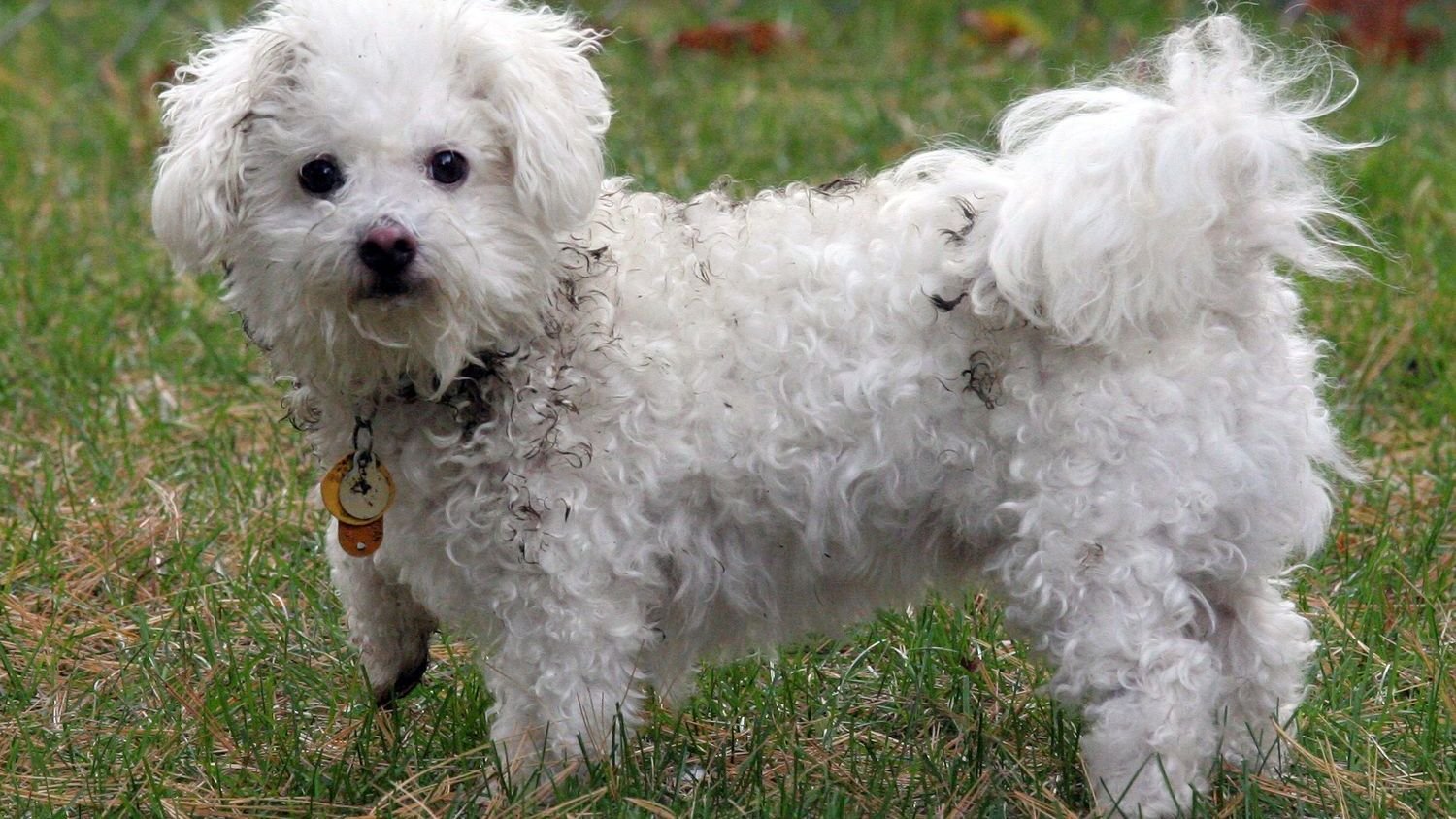
You probably noticed the way your dog’s nose twitches when you walk through the door, or how they pause mid-stride to sniff the breeze. That incredible nose is their superpower, guiding them through a world we can barely imagine.
Dogs possess up to 300 million scent receptors compared to our measly six million, making their sense of smell up to 100 million times more sensitive than ours. Think about that for a second. What seems like a faint whiff to us could be an overwhelming sensory experience for them. Now here’s where things get tricky. Some of the scents we find pleasant, comforting, even therapeutic, might actually be causing your furry friend silent stress. Let’s dive in and uncover what might be secretly bothering your beloved companion.
Essential Oils and Aromatherapy Diffusers

I know lavender is supposed to calm us down after a long day. It’s tempting to fill the house with soothing essential oil mist, right? Many essential oils including tea tree, peppermint, pine, cinnamon, citrus, and wintergreen are poisonous to dogs. The problem isn’t just toxicity.
Diffusers release microdroplets that dogs can breathe in, causing irritation and inflammation in their lungs, and dogs with existing respiratory problems can experience serious issues quickly. Your dog might start drooling excessively, become lethargic, or show signs of difficulty breathing. Common signs from essential oil exposure include vomiting, lethargy, drooling, ataxia, and anorexia. Even oils marketed as calming can trigger anxiety in dogs simply because the scent is so overpowering to their sensitive noses.
Scented Candles and Air Fresheners

That cozy vanilla candle creating ambiance in your living room might be making your dog deeply uncomfortable. Fragrances can cause allergic reactions or irritate existing respiratory problems in dogs. Here’s the thing most people don’t realize.
Paraffin, the major ingredient in most conventional candles, is a petroleum industry waste product that releases carcinogenic chemicals when burned, producing soot similar to diesel engine fumes or secondhand cigarette smoke. The scents themselves can cause stress or airway irritation depending on how strongly scented the candles are. Watch your dog’s behavior when you light a candle. Do they leave the room? Start pacing? These are subtle signs they’re telling you something’s wrong.
Chemical Cleaning Products
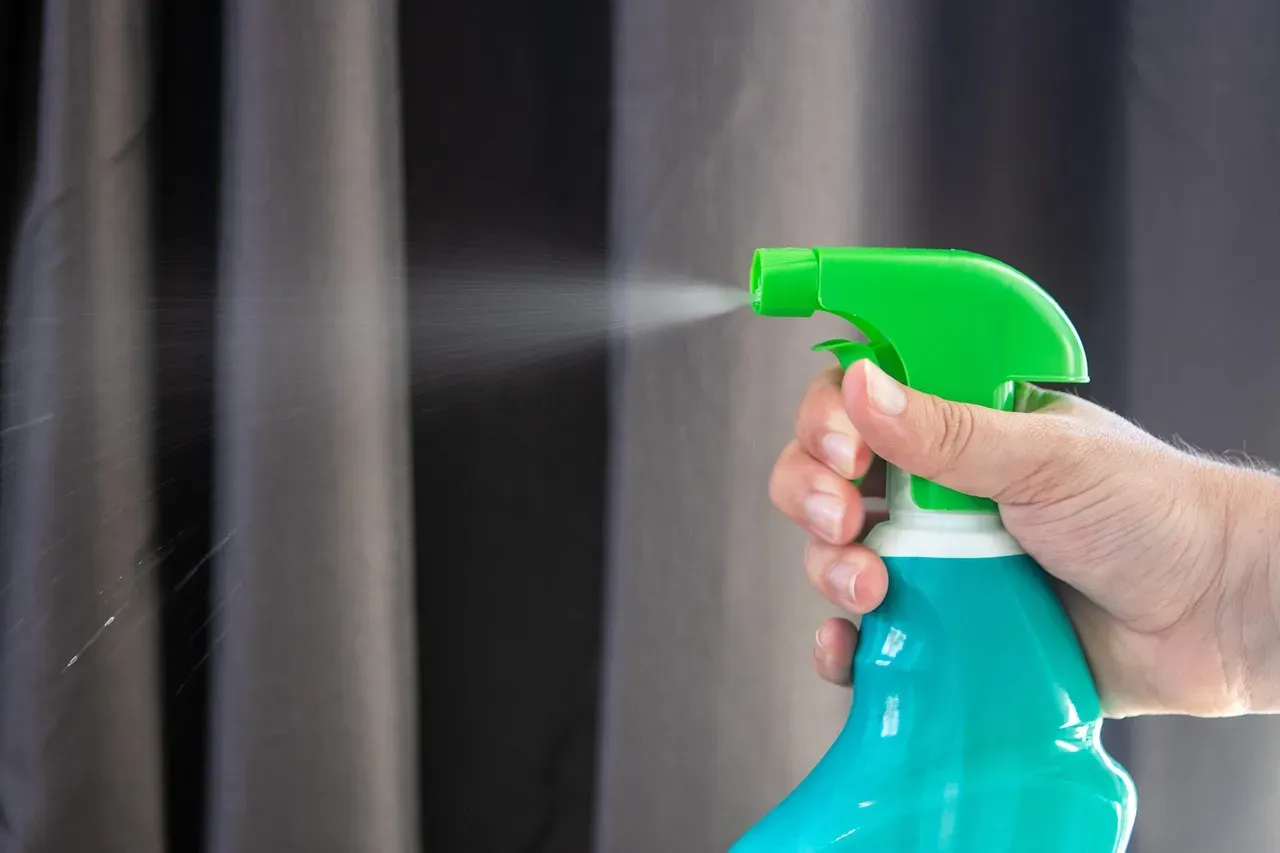
We all want a clean home, but those powerful cleaning sprays and floor cleaners leave behind scent molecules that dogs find disturbing. Household and environmental irritants like excess or abnormal odors from perfumed air fresheners can cause allergic rhinitis in dogs. Think about it from their perspective.
Dogs have more than 100 million sensory receptor sites in the nasal cavity compared to six million in people, and the area of their brain devoted to analyzing odors is about 40 times larger than ours. That lemony fresh scent that makes you feel accomplished after cleaning? To your dog, it might smell like a chemical assault. You might notice them sneezing, rubbing their face with their paws, or avoiding freshly cleaned areas entirely.
Strong Perfumes and Colognes
Your signature fragrance might be turning heads at work, but it could be turning your dog’s stomach. Dogs rely heavily on natural scent for identification and comfort. An area of the canine brain associated with reward responds more strongly to the scents of familiar humans than to those of other humans or familiar dogs.
When you mask your natural scent with heavy perfume, you’re essentially erasing the comforting smell your dog associates with safety and love. I’ve seen dogs become visibly anxious when their owners return home wearing a new, strong fragrance. They might seem confused, pace around you, or even back away. It’s honestly heartbreaking because they can’t understand why you suddenly smell “wrong” to them.
Cigarette Smoke and Incense

This one might seem obvious, but the impact goes deeper than you’d think. Dogs exposed to secondhand smoke have more eye infections, allergies, and respiratory issues including lung cancer, and studies show dogs living with secondhand smoke cough more. Incense isn’t much better, honestly.
Incense releases smoke even without an active flame, and since pets have a more acute sense of smell, they’re more susceptible to smoke effects, which can cause upper respiratory issues like sneezing, congestion, or watery eyes. The aromatic plant materials used create an overwhelming sensory experience for dogs. If you smoke or burn incense, notice whether your dog tries to leave the area or positions themselves as far away as possible.
Synthetic Fragrances in Household Products

Scented laundry detergents, fabric softeners, plug-in air fresheners – they’re everywhere in our homes. Testing of top-selling air fresheners and laundry detergents found 133 different volatile organic compounds emitted from 25 products, averaging 17 VOCs per product, with 24 classified as toxic or hazardous. Let’s be real, that’s terrifying.
Research shows the smell of human stress affects dogs’ emotions and leads them to make more pessimistic choices, so imagine what artificial chemical compounds might do. These synthetic scents don’t just irritate their noses. VOCs occur in paints, varnishes, fossil fuels, benzene, formaldehyde, and cigarette smoke, and can cause a laundry list of maladies. Your dog’s constant licking of their paws might not be allergies – it could be their response to residue from scented products on floors or furniture.
Creating a Nose-Friendly Home

So what can you do to help your sensitive sniffer feel more comfortable? Start by taking inventory of the scented products in your home. Switch to unscented or naturally scented cleaning products whenever possible. If you love candles, opt for unscented beeswax or soy versions instead of heavily fragranced paraffin ones.
Give your dog access to fresh air regularly. Open windows, let natural scents flow through your home. Daily doses of natural odorants from fields and woodlands outdoors help build up the reserve of sensory cells and brain connections related to smelling. Consider that your dog’s comfort zone might be a scent-free space where they can just be themselves.
Watch for signs of distress like excessive sneezing, watery eyes, pawing at their face, or avoiding certain rooms. These behaviors are your dog’s way of telling you something’s bothering them. The beautiful thing about dogs is their resilience and forgiveness. Make a few changes, and you’ll likely see them relax and enjoy their home environment even more.
What surprises you most about your dog’s sensitivity to household scents? Have you noticed any changes in their behavior around certain smells? Your awareness is the first step toward creating a happier, healthier home for your four-legged family member.


