

Have you ever wondered why your neighbor’s Border Collie seems to run endless circles around the park while your Bulldog prefers snoozing on the sofa? It’s not just personality or laziness. The truth is, a dog’s energy level runs much deeper than you might think. From ancient genetics to modern metabolism, there’s a fascinating science behind why some pups are natural athletes and others are certified loungers. Whether you’re trying to figure out if your current dog is getting enough exercise or you’re about to adopt a new furry friend, understanding these differences can change everything. So let’s dive in and uncover what really makes some dogs marathon runners and others champion nappers.
It’s Written in Their Genes

Breed explains just 9% of behavioral variation in individuals, but genetics still play a powerful role in shaping energy levels. Think about it this way: dogs were selectively bred for thousands of years to perform specific jobs. Selective breeding has shaped dogs to excel in specific roles, with herding dogs like Border Collies bred to work tirelessly managing livestock over large areas, and hunting dogs such as Pointers and Retrievers developed to assist hunters.
These breeding choices created dogs with different muscle compositions, cardiovascular systems, and metabolic demands. Active breeds typically have a higher proportion of fast-twitch muscle fibers, which provide bursts of speed and power, or slow-twitch fibers, which support endurance activities. The job your dog’s ancestors did centuries ago still echoes in their DNA today, influencing whether they want to herd imaginary sheep in your backyard or simply watch you from the couch.
Researchers found 131 variants tightly linked to these behaviors, with some located in genes that have been implicated in influencing behavior, including in humans. What’s really interesting is that these genes were much more likely to be expressed in the brain than in other tissues, showing that energy levels aren’t just about muscles but about how the brain is wired from birth.
Metabolism Makes All the Difference

Your dog’s metabolism is like an internal engine that converts food into usable energy. Active breeds often have faster metabolisms, requiring more calories to fuel their energy expenditure. This means a working breed like an Australian Shepherd burns through calories much faster than a low-energy Basset Hound, even when they’re both just lying around.
Muscles are the main driver of metabolism, with healthy, strong muscles necessary to keep up a healthy metabolic rate. Dogs with more lean muscle mass naturally have higher energy needs. A dog’s metabolic rate can be passed down from their parents similar to genetic diseases, with genetics also a factor when combined with breed.
Interestingly, smaller dogs often have different metabolic profiles than larger dogs. Research shows significant metabolic differences exist between body sizes, affecting everything from amino acid processing to antioxidant status. So your tiny Jack Russell might have a surprisingly high metabolism compared to a gentle giant like a Great Dane, who despite their size, are often content with moderate activity.
Working Dogs Were Built For Endurance
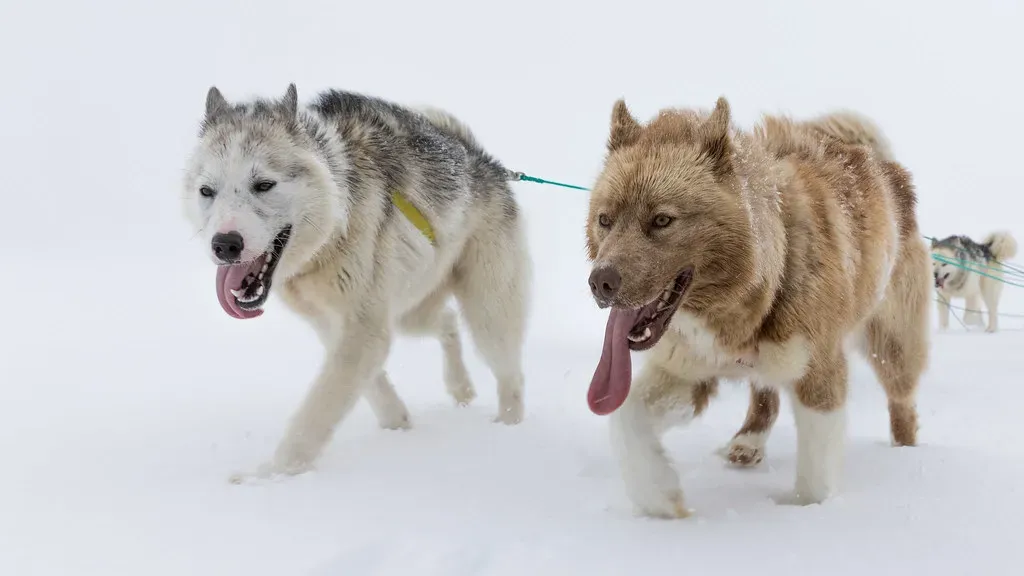
High-energy dogs originally bred to perform a canine job of some sort, such as retrieving game for hunters or herding livestock, have the stamina to put in a full workday. These aren’t just energetic by accident. Border Collies, for instance, were literally designed to manage sheep across vast Scottish hillsides, sometimes covering twenty or thirty kilometers in a single day.
Border Collies require 2-3 hours of exercise daily, often including high-intensity activities such as agility training, herding, or running. That’s not a suggestion, it’s a biological need hardwired into their system. When these working breeds don’t get adequate exercise, you’ll see it in their behavior. They might become destructive, anxious, or obsessively fixate on movement like cars or bicycles.
These dogs often have superior cardiovascular systems, enabling them to sustain prolonged activity without fatigue. Their hearts, lungs, and circulatory systems work more efficiently, allowing them to recover quickly and be ready for the next adventure. If you’ve ever wondered why your Labrador Retriever seems tireless at the dog park, now you know.
The Couch Potato Breeds Have Their Reasons

Brachycephalic breeds (bred to be “flat-faced”), tend to be low energy pups because they’re so prone to respiratory issues, with such dogs including small dog breeds like bulldogs and pugs. Their adorable smushed faces actually make breathing during exercise difficult and sometimes dangerous, especially in warm weather.
But it’s not just about breathing problems. Greyhounds might seem like a surprise as a low-energy dog breed, but the reality is that these large dogs are quite lazy at home and are often referred to as couch potatoes. Despite being built for speed, Greyhounds are sprinters, not marathoners. They need short bursts of activity followed by long periods of rest.
Dalmatians were bred for endurance and can run alongside horse-drawn carriages all day, but when kept as a housebound family pet, a Dalmatian’s excess of energy can make the dog seem wired. The lesson here? Understanding what your breed was designed for helps you provide the right environment. Some dogs were bred for companionship and warmth, literally meant to sit on laps or lie by hearths, and there’s absolutely nothing wrong with that.
Age, Health, and Individual Personality Matter Too

While breed gives you a baseline, every dog is an individual. Some factors that can affect energy levels include age, diet, health, breed, training, their human’s energy levels, and the energy of other animals. Puppies of any breed tend to be more energetic, but they eventually settle into their breed-typical patterns.
As dogs age, their amount of muscle mass tends to slowly decrease, and if an older dog has osteoarthritis that makes it painful for them to walk or run, then they may exercise less, which can also contribute to muscle loss. Health issues can dramatically change a naturally energetic dog into a more sedentary one. If your previously active dog suddenly becomes lethargic, it’s worth a vet visit.
Even within the same litter, you’ll find variation. Within each litter of puppies there is also a variety of personality types – some lively, others laid back. I’ve seen this firsthand with friends who adopted littermates only to discover one was a relentless ball of energy while the other preferred quiet corners. Genetics load the gun, but environment and individual temperament pull the trigger.
Matching Your Lifestyle to Your Dog’s Energy Level

Here’s the thing: choosing the wrong energy level for your lifestyle creates problems for everyone. A high-energy breed confined to a sedentary lifestyle may become bored, anxious, or even exhibit destructive behavior, while conversely, a low-energy breed subjected to excessive exercise and stimulation may experience stress or exhaustion.
If you establish a daily exercise routine – two to three times a day for 10 to 30 minutes – the dog will learn to relax during the day until it’s time for her outing. Consistency matters more than you might think. Dogs thrive on routine, and knowing when activity time comes helps them settle during downtime.
High energy breeds require a diet rich in proteins and fats to fuel their active lifestyle, while low energy breeds need carefully managed diets to prevent weight gain, with foods formulated for active breeds often containing higher calorie content to support their increased metabolic rate. Nutrition plays a surprisingly significant role in managing energy levels appropriately.
The Bottom Line on Canine Energy
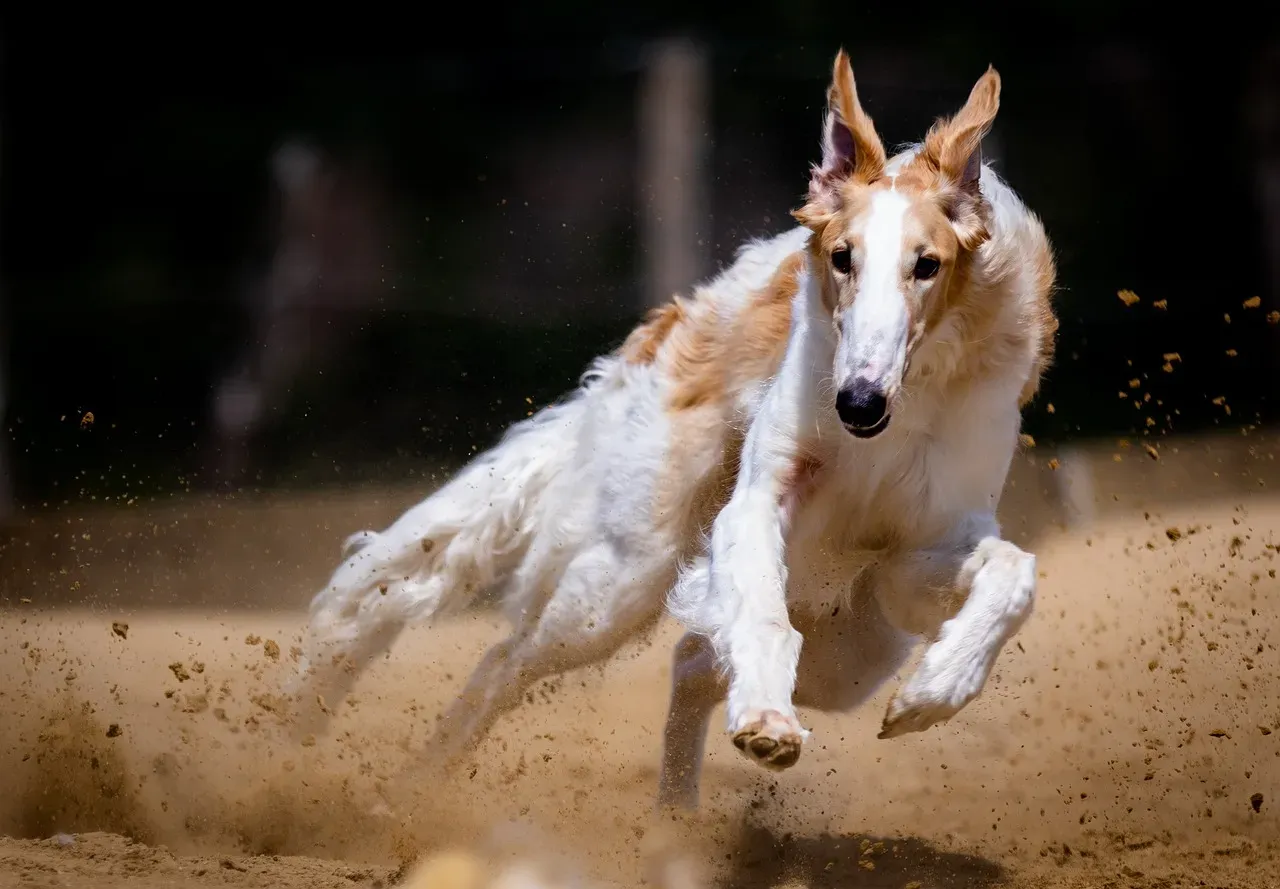
Understanding why dogs have different energy levels isn’t just interesting trivia. It’s practical knowledge that can prevent heartbreak, behavioral problems, and even dog surrenders to shelters. Whether your dog is a couch potato or a marathon runner, they’re perfectly designed for something specific.
The key is honest self-assessment. Are you genuinely active, or do you just think you should be? There’s no judgment either way, but your answer should guide your choice. A mismatch creates frustration on both ends of the leash, while the right match creates years of joy and companionship.
Remember, every dog, regardless of energy level, needs mental stimulation, proper nutrition, regular vet care, and most importantly, your love and attention. The happiest dogs aren’t necessarily the most exercised or the most relaxed, they’re the ones whose needs align with what their humans can realistically provide.
So what do you think? Does your dog’s energy level match your lifestyle, or are you both still figuring each other out? Either way, understanding the why behind the behavior is the first step toward a better life together.


