
6 Dog Breeds That Are Great With Kids But Not So Much With Cats
Choosing the right dog for your family is one of the most important decisions you’ll make. If you have young children and feline family members, the equation gets even trickier. Let’s be honest, you want a furry companion that will adore your kids yet won’t send your cat racing up the curtains every five minutes.
Some dogs are simply wired differently. Their ancestry tugs at them in ways that make cats feel more like fascinating moving targets than potential roommates. It’s not about being mean or aggressive. It’s instinct.
Think of it like this: breeds created for hunting or herding often carry an intensity that peaceful coexistence with a cat just can’t satisfy. These pups can be gentle, loving, and absolutely wonderful with children, yet the moment your tabby saunters past, something ancient awakens inside them. So let’s dive in and explore which breeds fall into this curious category.
Beagle: The Sniffer With a Big Heart for Kids
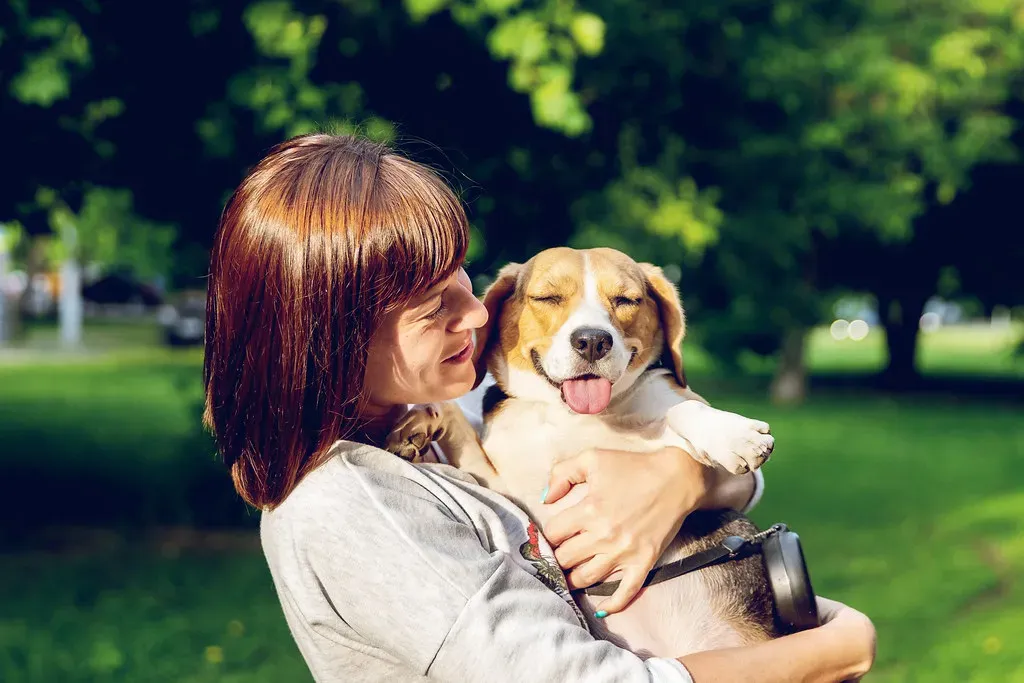
Beagles are great with children, displaying a loving and gentle temperament. They enjoy playing with kids and are patient enough to tolerate rough handling. Their compact size makes them ideal for families. They won’t accidentally knock over toddlers during playtime, which is a huge plus.
Beagles have the instinct to chase in the tradition of the famous Beagle packs of the 1800’s, but at the same time they are very loyal to their human family members and makes for an absolutely wonderful family pet. They do exceptionally well with children of all ages. You’ll find them trailing after your kids in the backyard like loyal little shadows.
Here’s where it gets complicated. Beagles have a strong prey drive and may be prone to chase cats, which could cause them distress. Proper introductions from a young age will help ensure your Beagle and cat get along. That nose of theirs is legendary. When they catch a whiff of something interesting, the rest of the world fades away.
Modern Beagles retain the high energy of their ancestors, as well as their outstanding scenting abilities and high prey drive. If a Beagle catches the scent of something interesting, they’ll try to track it down. Your cat might find this attention deeply unsettling, to say the least.
Australian Cattle Dog: The Energetic Herder
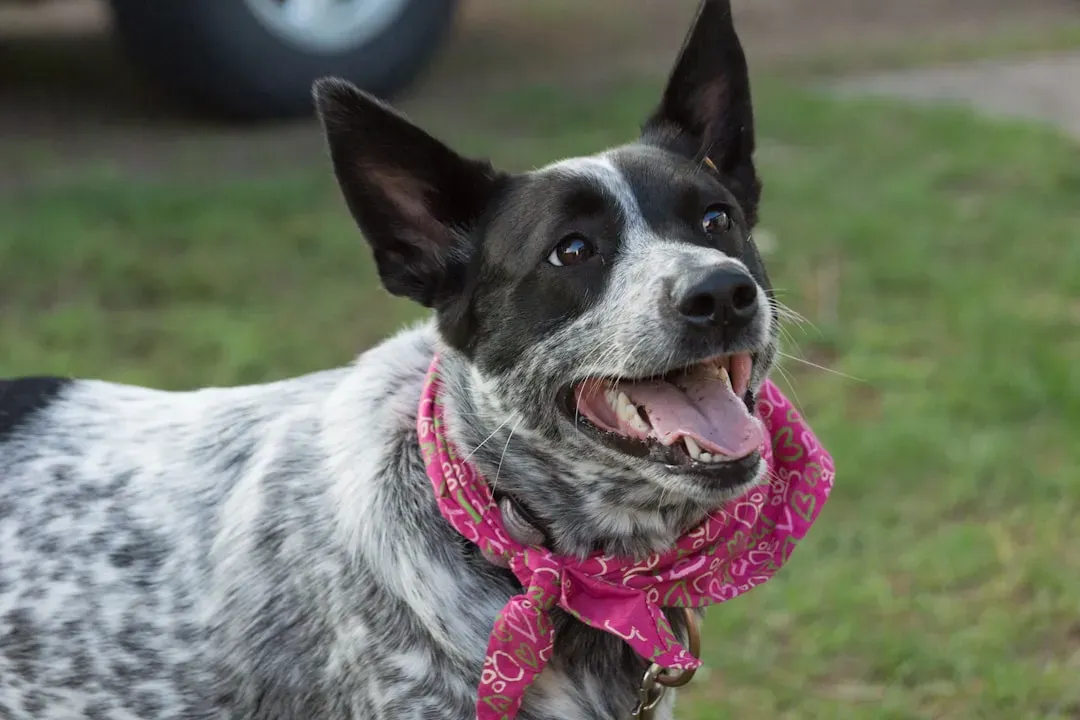
If you have active kids who love the outdoors, the Australian Cattle Dog could seem like a dream come true. These dogs can be great with kids. That said, since they’re a herding breed, fast-moving, unpredictable children can stress them out! This makes early socialization an essential step to teaching them how to interact with children properly.
They can do well with other dogs and cats if they are socialized properly. That’s the key phrase right there: if socialized properly. Without that early introduction, things can go south quickly.
The problem is their hardwired herding drive. Herding breeds in general have an intrinsic need to control the environment and will feel driven to herd almost anything, including adults, kids, cats, other dogs, and even cars! Your poor cat might spend its days being constantly “managed” by a dog who thinks it’s doing everyone a favor.
Because of the Australian Cattle Dog’s strong herding instincts, they might not be a cat’s best friend. Honestly, that instinct to nip at heels to move things along doesn’t translate well to a household with a skittish feline who just wants to nap in peace.
Jack Russell Terrier: Small Package, Big Instincts
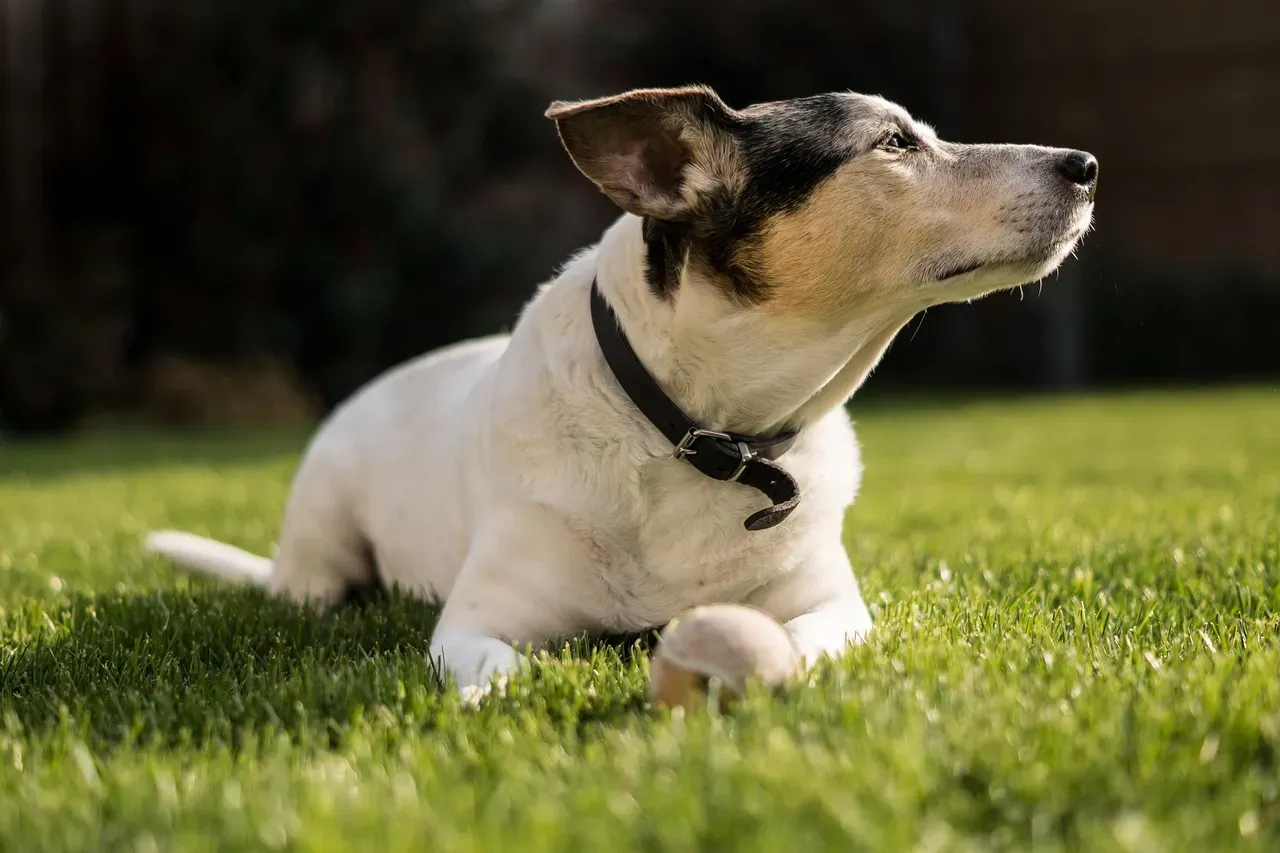
Jack Russells are bundles of energy wrapped in compact bodies. Your Jack Russell Terrier is a lively, tenacious, bold, fearless, feisty, cheeky, confident, independent, intelligent and full of life dog. He is super energetic and exuberant, spirited and full of personality. Kids often adore this spunky attitude.
They’re small enough that rough play with children tends to be less risky. There’s something deeply appealing about their mischievous personalities. You’ll find yourself laughing at their antics daily.
The trouble begins when you introduce cats into the picture. The average Jack Russell Terrier has a strong instinct to hunt, and cats like to run. Therefore, they don’t usually see cats as friends upon meeting them. They are likely to chase cats outdoors whenever they see them.
Their independent nature and prey drive make them best suited for single-pet households. They have a history of killing small animals, such as chickens, cats, and other dogs. That’s not a gentle warning. It’s a hard truth that potential owners need to understand before bringing home this breed.
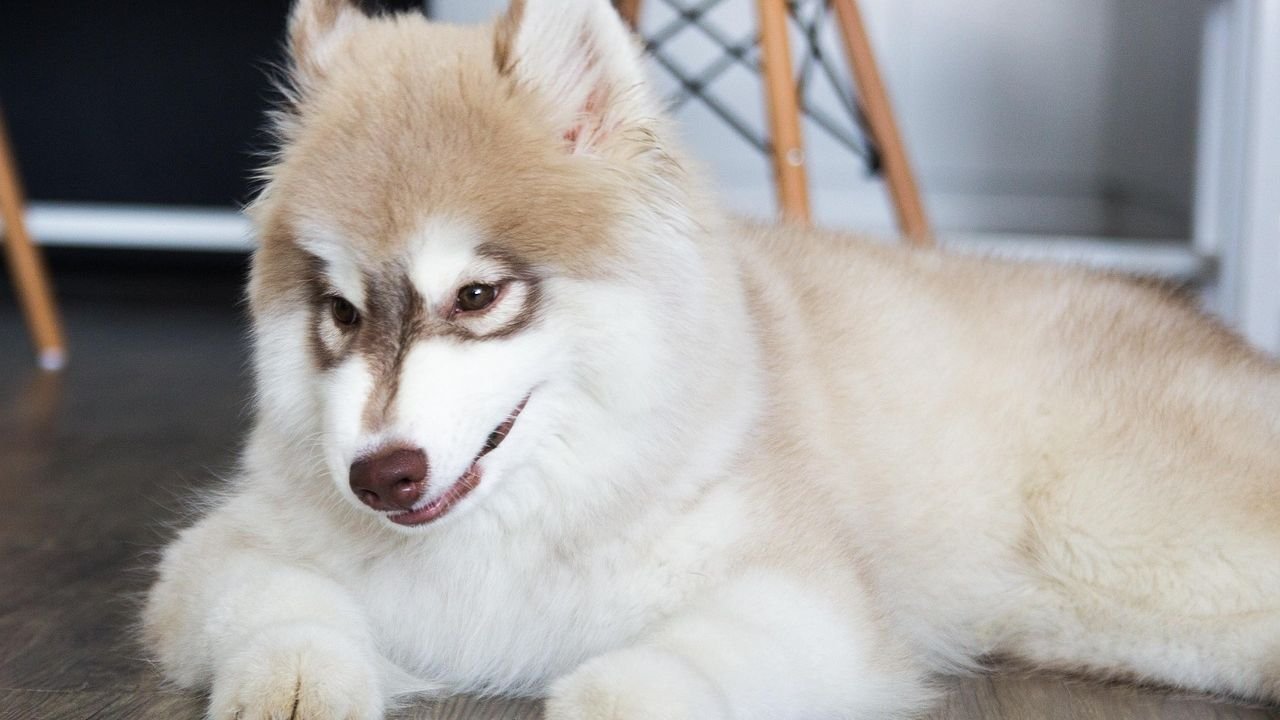
Siberian Husky: Stunning Beauty With Ancient Instincts
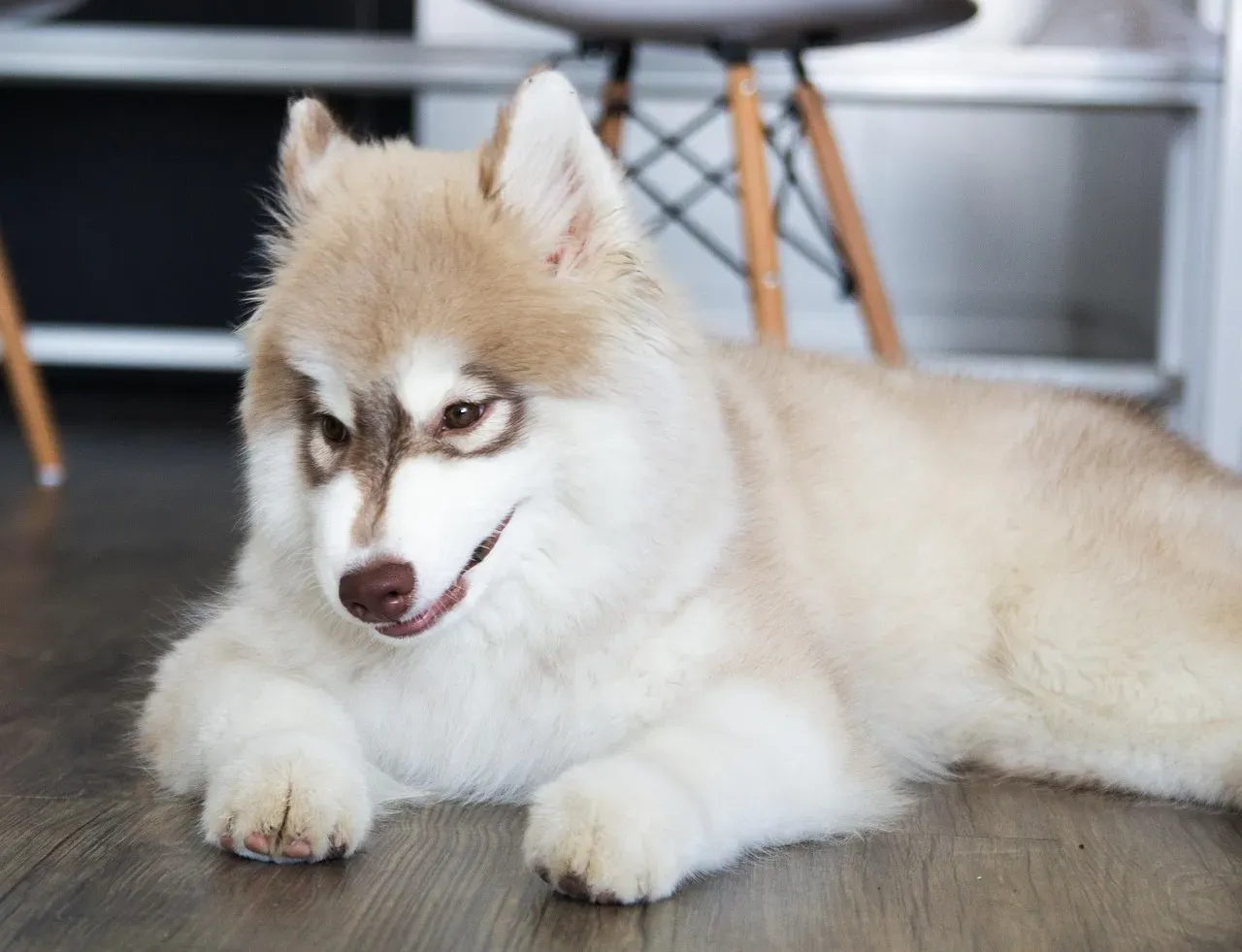
Siberian Huskies are very much affectionate with children. But it is necessary to train both parties to behave with each other. Their patience with kids can be remarkable when raised together from puppyhood.
These gorgeous dogs are stunning to look at with those piercing blue eyes and wolfish appearance. Families are often drawn to their friendly, outgoing nature. They can be goofy and playful, which children absolutely love.
The challenge comes from their powerful prey drive. Breeds like the Australian cattle dog or the Siberian husky have extremely high prey drives, and so have the instinct to chase smaller animals. That instinct runs deep in their genetic code.
Siberian Huskies are considered a bad choice for cat owners, but there are exceptions where Huskies lived with cats in the home, though supervision was needed. The key word there is “supervision.” You can never fully let your guard down with this combination.
Boxer: Playful Giant With Hunting Heritage

Boxers have earned their reputation as fantastic family dogs. They’re patient, protective, and genuinely seem to understand that little humans need gentler treatment. Their goofy personalities make them beloved members of countless households.
They’re built like athletes yet move with surprising grace. Kids love riding on their backs during playtime, and Boxers seem to genuinely enjoy the attention. There’s an earnestness about them that’s deeply endearing.
The issue with cats stems from their background. The Box Heeler often has the same high prey and herding drives associated with both parental breeds. This prey drive comes from the cattle herding history of Boxers. That history doesn’t just disappear because they now live in suburban homes.
While some Boxers do coexist peacefully with cats, it requires dedicated training from puppyhood. The movement of a cat darting across the room can trigger chase instincts that even well-trained dogs struggle to resist. It’s that split-second reaction that makes this pairing risky.
Alaskan Malamute: Majestic But Intense
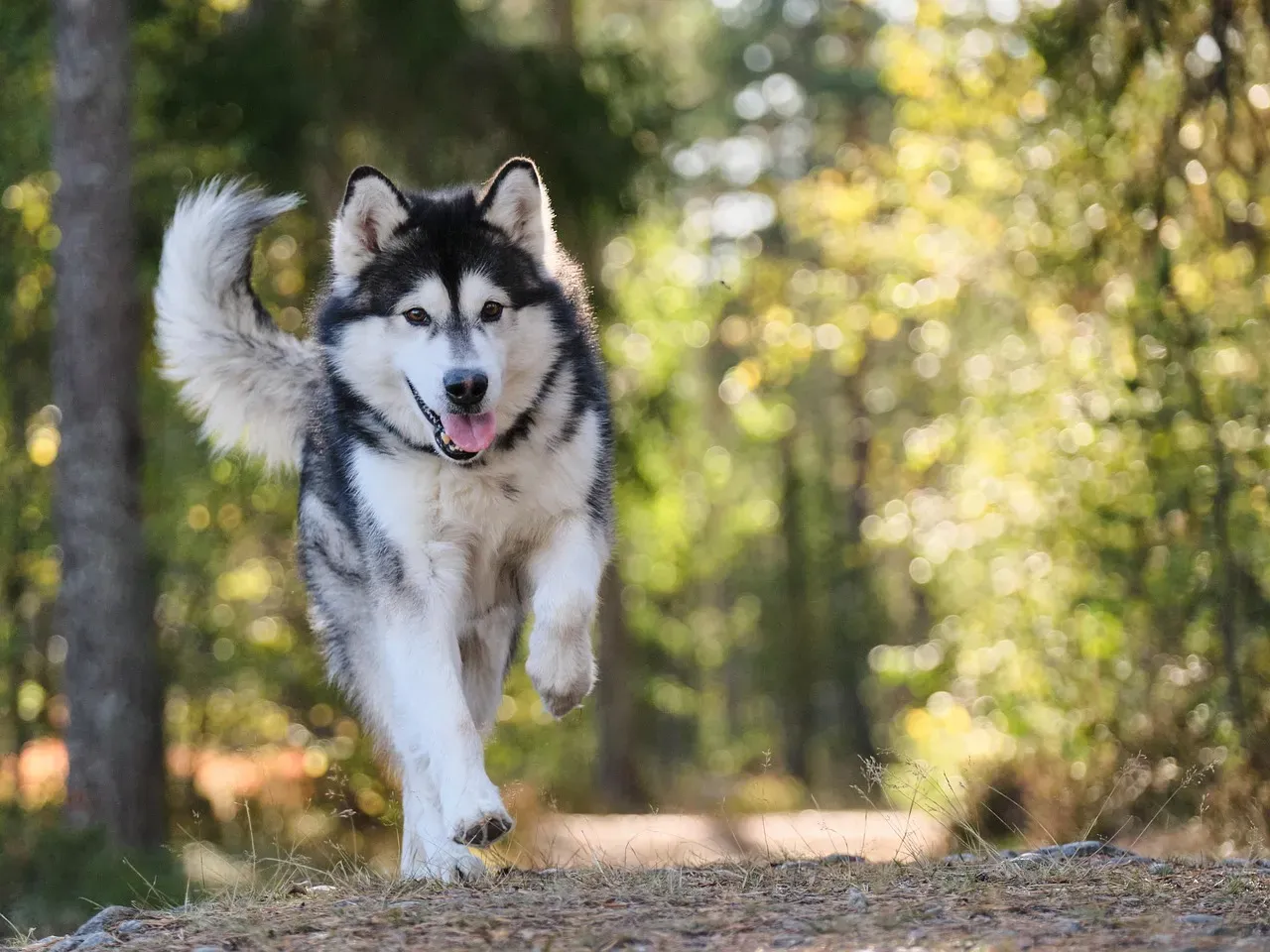
Alaskan Malamutes are large sled dogs built for the snow. While they look similar to their Husky and wolf cousins, they are a breed all their own. These dogs can be extremely dignified, outgoing, and affectionate with their family members.
Children are often mesmerized by their size and fluffy coats. Malamutes are very peppy, energetic, and big. They can easily knock children over or play too roughly with them. They might also not recognize when they are being too much, which will require attentive training.
Their prey drive is another story entirely. Dogs in the Working group, including breeds like the Alaskan Malamute, are mentioned among breeds not good with cats. These powerful dogs were bred for demanding physical work in harsh environments.
That intensity doesn’t switch off just because you’ve brought them into a cozy living room. Cats represent fast-moving prey items, and those ancient instincts can overwhelm even the best training. The size difference alone makes any incident potentially catastrophic for the cat.
Conclusion
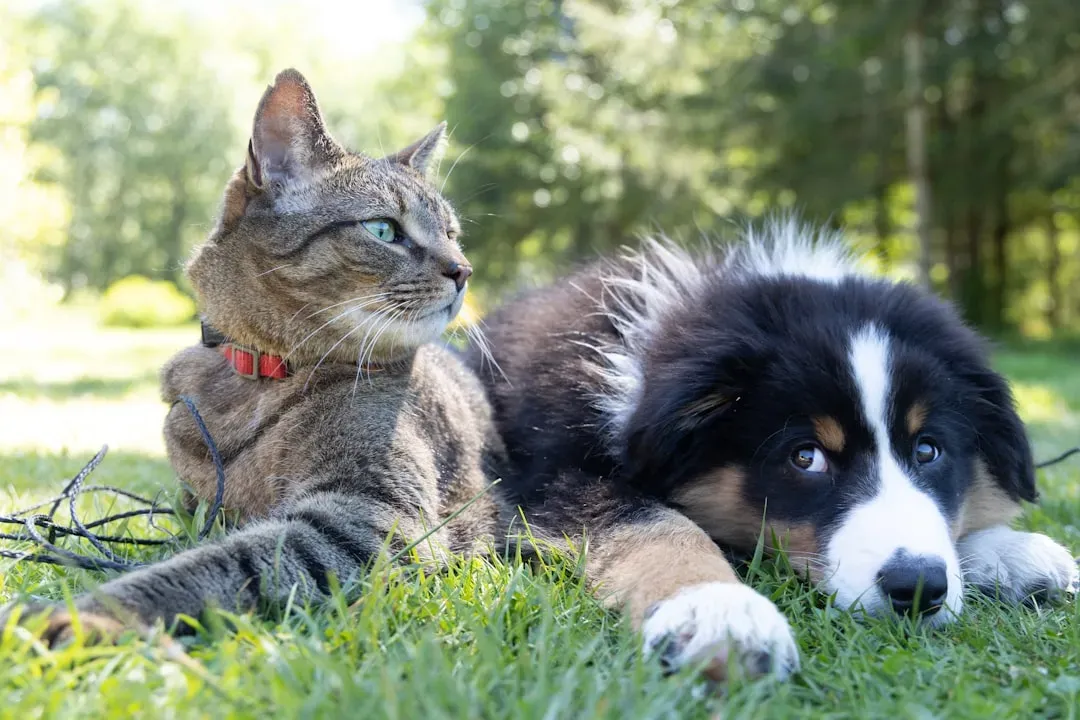
The reality is that most dogs can learn to tolerate cats with enough work, early socialization, and management. Some breeds just make that journey significantly harder. Most dog breeds can live calmly with a cat if they are socialized as puppies and are trained to leave the cat alone.
The six breeds we’ve explored today share something important: they’re wonderful with children yet carry instincts that make peaceful cat cohabitation challenging. It doesn’t make them bad dogs. It makes them dogs with specific needs and tendencies that potential owners should understand.
If you already have cats and are considering one of these breeds, proceed with caution. Speak honestly with breeders or rescue organizations about your household situation. Sometimes the kindest choice is acknowledging that a particular dog simply isn’t the right fit.
What do you think? Have you successfully raised one of these breeds alongside cats? Share your experiences in the comments below.