
7 Common Mistakes That Make Your Dog Anxious And How To Avoid Them
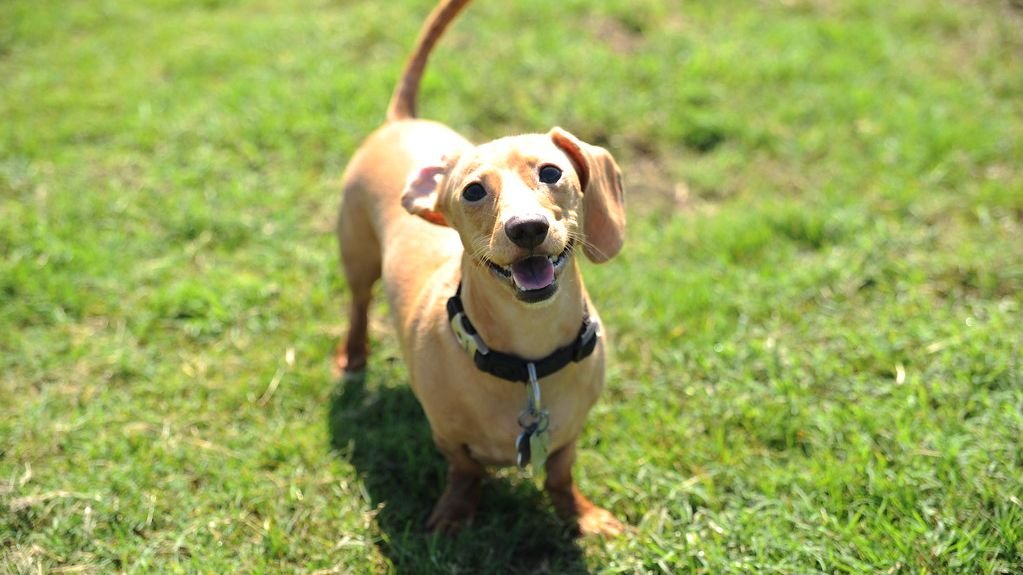
You love your dog more than anything. You’d do whatever it takes to keep them happy, healthy, and comfortable. Yet sometimes, without even realizing it, we create the very anxiety we’re trying to prevent. It’s one of those heartbreaking ironies of dog ownership.
The truth is, anxiety in dogs is surprisingly common. One study found that nearly 73% of dogs have at least one anxiety-related behavior. That’s a staggering number when you think about it. The good news is that many of these anxious behaviors stem from well-intentioned mistakes we make as owners, mistakes that are completely fixable once we understand what’s happening. Let’s dive into the seven most common missteps that might be making your furry friend more anxious than they need to be.
Misreading Stress Signals

Research shows that owners can misinterpret or respond negatively to expressions of fear, anxiety, or stress in their companion dog, particularly if the stressor is considered common, and that non-experts may be less able to identify signs of fear and anxiety in their dogs, particularly when the behaviors are subtle. Here’s the thing: your dog is constantly talking to you, but are you listening?
When your pup yawns during a training session or licks their lips while meeting a new person, you might think they’re just being cute. In reality, these are classic stress signals. Veterinary students easily identified some stress indicators such as stereotypical behaviors, excessive barking and aggressiveness, but they were less likely to identify yawning, low activity and paw raising as indicators of stress, suggesting that misunderstandings of underlying mechanisms of stress influence the ability to recognize subtle stress signs in dogs. The same goes for whale eye (when you see the whites of their eyes), sudden shedding, or that characteristic body shake after an uncomfortable interaction. Missing these cues means we can’t step in to help our dogs before their anxiety escalates into something more serious.
Transferring Your Own Anxiety
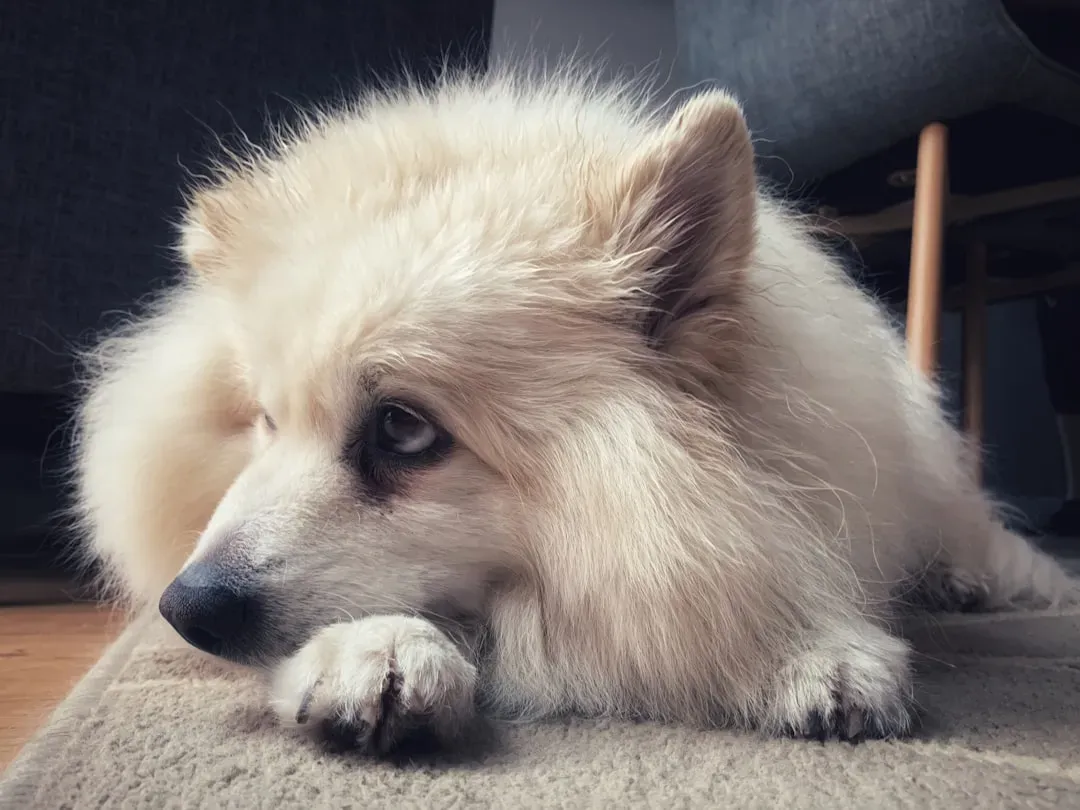
Let’s be honest: dogs are emotional sponges. They pick up on our energy faster than we realize. Dogs often feel anxious in response to human emotions, and if the dog’s owner seems outwardly anxious about a situation, the dog may learn to respond to that situation in an anxious manner.
Think about it. When you tense up on the leash because you see another dog approaching, your pup feels that tension travel right down the lead. This learned behavior can become self-fulfilling when a well-intentioned owner becomes more anxious or obsessive about the dog’s response to the situation, further fuelling the dog’s anxiety. I’ve seen this play out countless times at the dog park. The owner who anxiously hovers, worried their dog will misbehave, often ends up with the most reactive dog there. Your calm confidence becomes their calm confidence. Your nervous energy becomes their nervous energy.
Skipping Early Socialization
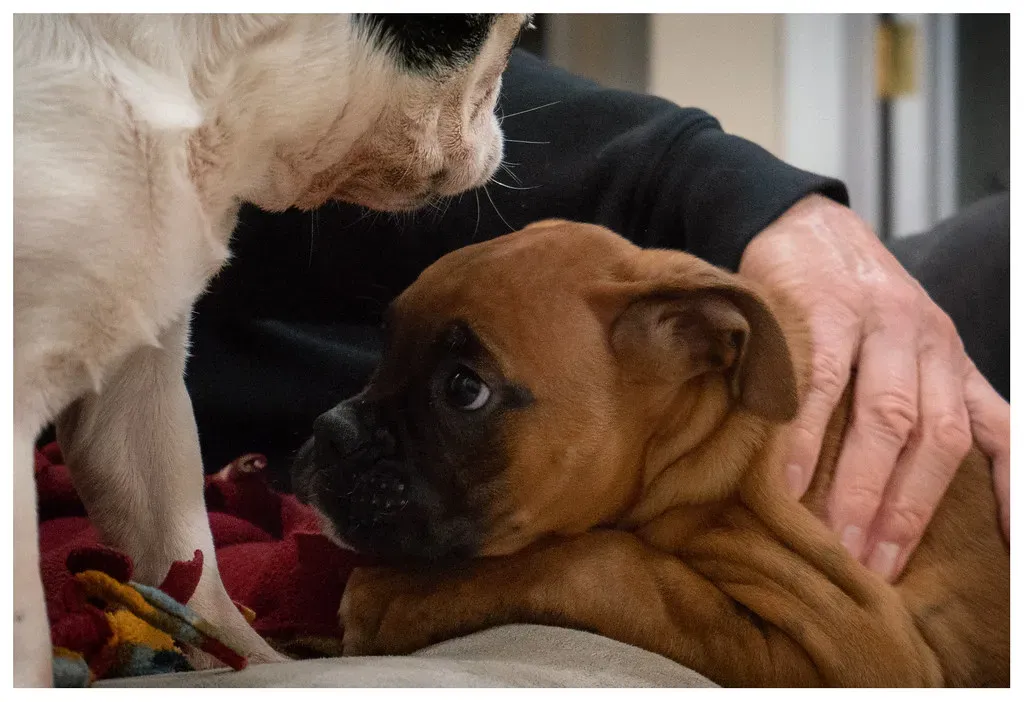
Another common issue in anxious dogs is a lack of socialization, and it is crucial to start socializing dogs at a young age. Puppies have a critical socialization window that closes frighteningly fast, typically between five and sixteen weeks of age. Miss this window, and you might be setting your dog up for a lifetime of fear and anxiety.
Proper socialization doesn’t just mean letting your puppy play with other dogs. It’s important for young Fido to experience different environments and meet new people while he’s still a puppy. Protective factors include ensuring a wide range of experiences outside the home and with other people, between the ages of 5–10 months. This includes exposure to different surfaces, sounds, people of various ages and appearances, and positive experiences in different settings. Without these early positive experiences, everyday things like a person wearing a hat or the sound of a skateboard can become genuine sources of terror.
Creating an Unpredictable Environment

Imagine living in a world where you never knew when dinner would arrive, when the lights would go out, or when your family might suddenly disappear. That’s what life feels like for a dog without routine. Routines are another environmental factor that are vital for providing dogs with confidence and coping skills, and anything that disrupts a dog’s sense of stability, especially with regard to opportunities for exercise, social interaction, eating, and relieving themselves, is another potential source of canine stress.
First-timers often give a new dog tons of freedom right away, roaming the house, greeting everyone, sleeping wherever, and choosing their own pace, and while well-intentioned, this can create anxiety and confusion. Dogs thrive on predictability. A consistent schedule for meals, walks, playtime, and bedtime creates a framework of security. When life becomes chaotic and unpredictable, anxiety naturally follows. Even small disruptions can throw sensitive dogs off balance.
Overwhelming Them With Constant Attention

This one surprises people. After all, isn’t showering our dogs with love and attention what good pet parents do? Well, yes and no. If you are home with your dog for most of the day, make sure you ignore him sometimes and do not make a constant fuss over him, as constant attention when you are home makes it harder for him when you leave.
When we’re always physically touching, playing with, or talking to our dogs every second we’re home, we’re unintentionally teaching them that life only happens when we’re present. Then when we inevitably have to leave, they panic because they’ve never learned to be comfortable alone. Puppies need to learn how to have alone time and amuse themselves with their toys. Teaching independence isn’t cruel; it’s kind. It gives your dog the resilience they need to handle real life.
Using Punishment-Based Training Methods
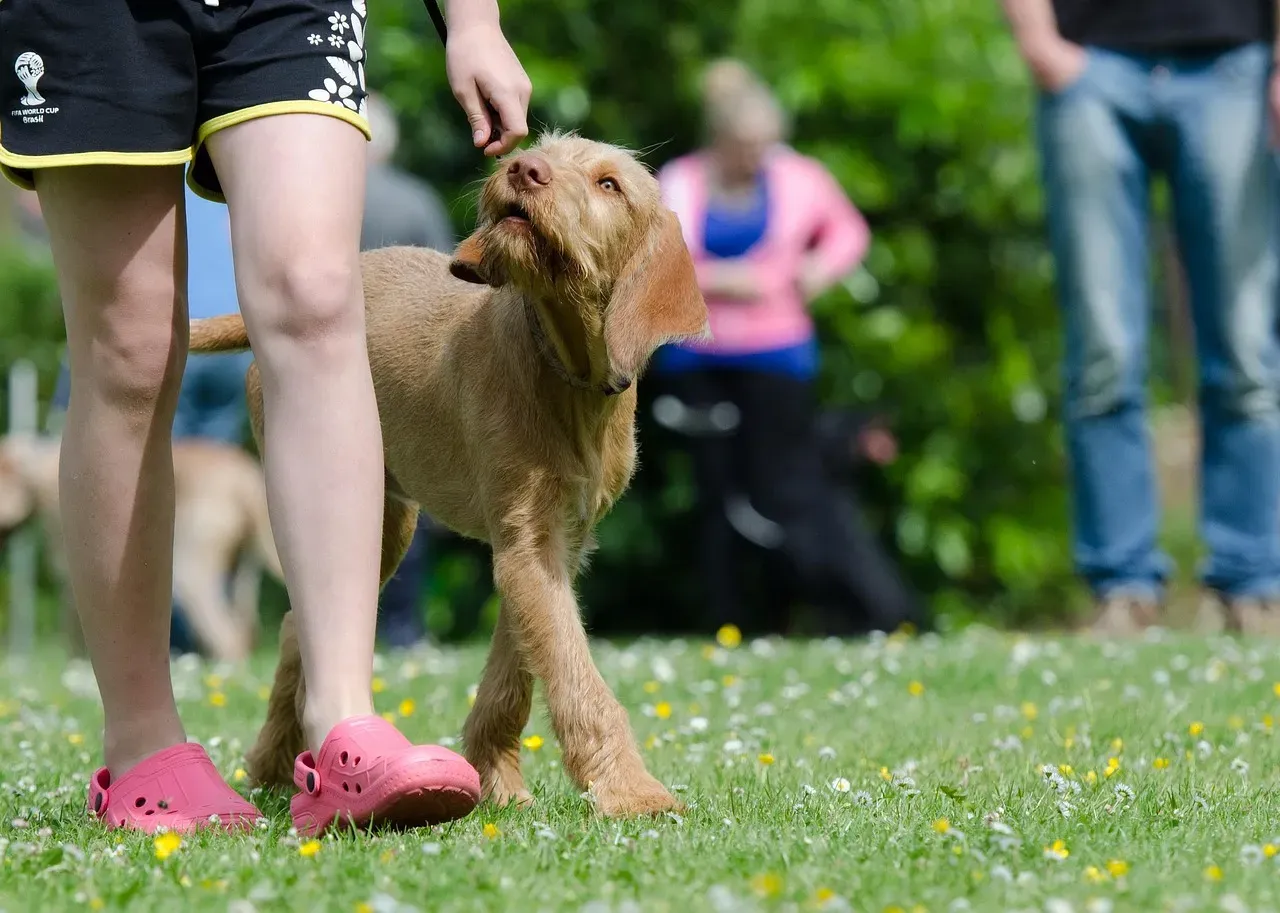
Veterinarians should counsel dog owners to avoid positive punishment-based techniques that suppress undesirable behavior but do not help a dog learn alternative, more desirable behavior choices, as techniques that cause pain or fear can lead to persistent fearfulness and anxiety, as well as to aggression. Yelling, physical corrections, or harsh punishment might stop a behavior in the moment, but they come at a devastating cost.
When dogs are punished for showing anxiety (like pacing or whining), they don’t suddenly become less anxious. They just become anxious and confused. They learn that expressing their discomfort results in something bad, so they stop communicating altogether until one day they snap seemingly out of nowhere. The scary part? Dogs associate punishment with what they are doing at that moment in time, and punishment will make your puppy worried about you returning home in the future and they are likely to become anxious about this as a result. Positive reinforcement builds confidence. Punishment breeds fear.
Neglecting Physical and Mental Exercise
Stressful environmental factors include inadequate space to move, inadequate socialization, and inadequate mental stimulation. A tired dog is a happy dog, as the old saying goes, but there’s more to it than that. Dogs need both physical and mental outlets to manage their energy and stress levels.
When dogs don’t get enough exercise, their pent-up energy has nowhere to go except into anxious behaviors like destructive chewing, excessive barking, or obsessive licking. Mental stimulation is equally crucial. Obedience training is vital for managing and preventing anxiety in dogs as it establishes clear communication and trust between the dog and owner, and training sessions reinforce a sense of structure and security, helping to alleviate anxious behaviors by providing mental stimulation and confidence. Puzzle toys, scent games, and training sessions help tire out their brains just as much as a long walk tires out their bodies. Without both types of exercise, anxiety can build like pressure in a kettle.
Conclusion
Understanding these seven common mistakes is the first step toward helping your anxious dog live a calmer, more confident life. Remember, persistent stress can affect dogs’ mental and physical health, leading to destructive behaviors or compromised immune function. The beauty of recognizing these mistakes is that they’re all fixable with patience, consistency, and a willingness to see the world through your dog’s eyes.
Your dog isn’t trying to be difficult or disobedient. They’re simply responding to the world as they understand it. By avoiding these common pitfalls, reading their subtle signals, maintaining predictable routines, and using compassionate training methods, you can help transform their anxiety into confidence. What small change will you make today to help your furry friend feel more secure?